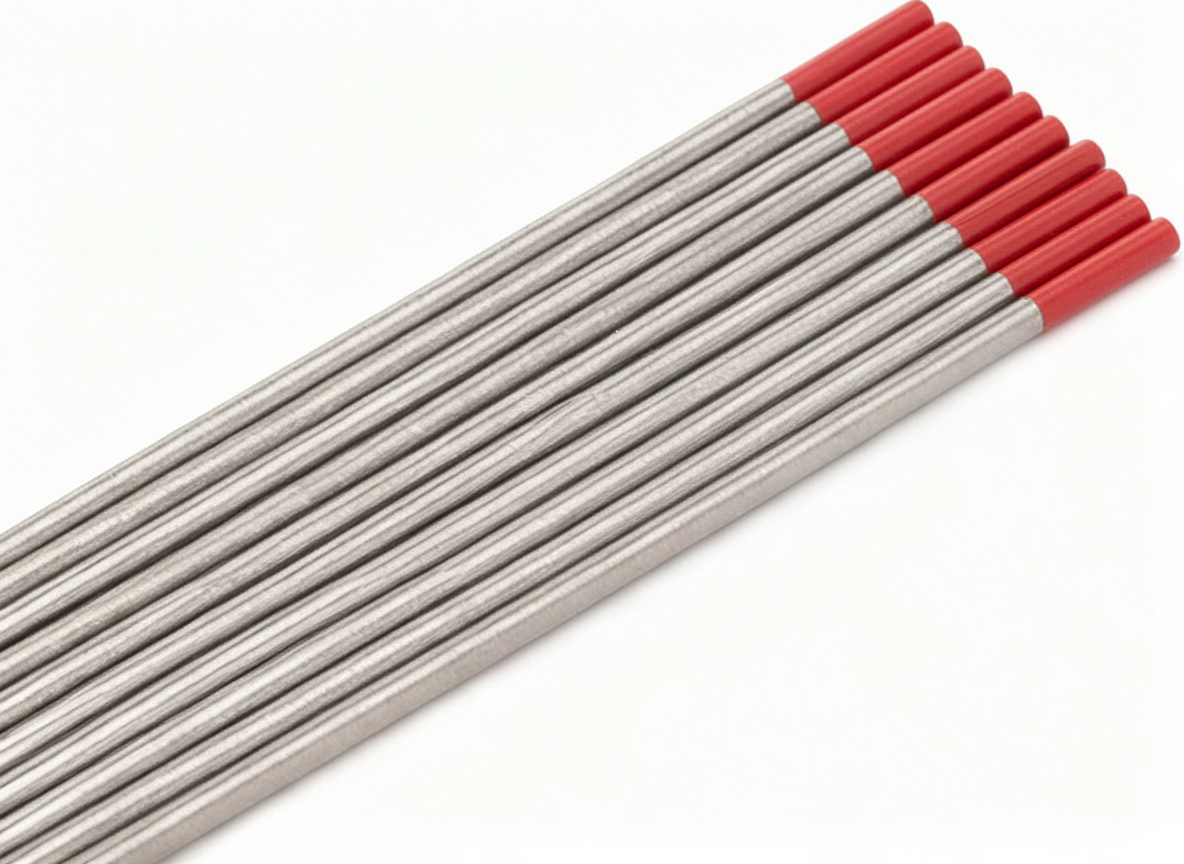

CK T3327GT2 2% Thoriated Tungsten Electrode 3/32" X 7", 10 pack is a TIG support item that is commonly chosen when the operator wants stable arc starting and a tungsten size suited to the job setup. For maintenance, fabrication, and repair work, the buying question is not only whether the electrode exists, but whether the tungsten type, diameter, and point preparation match the machine, shielding gas, amperage range, and base metal.
This guide focuses on application checks and buying checks. It does not replace the machine manual, procedure approval, or site safety rules. For safety-critical use, confirm the electrode selection with your welding engineer, supervisor, or procedure owner.
Key Takeaways
- Thoriated tungsten is a traditional TIG electrode choice for stable starting and higher-current work.
- 3/32 inch diameter is a practical size for many shop TIG tasks, but current suitability depends on the machine and procedure. Unknown (Verify).
- Use the electrode as a starting point for selection, not as automatic approval for a weld procedure.
- Match the tungsten to the base metal, current type, and point geometry required by the job.
- Confirm storage, handling, and grinding controls before placing the material in service.
What to check before buying
Start with the job requirement, not the packaging. Check the weld process, base metal, amperage demand, and whether the job uses AC or DC TIG. The source summary for this electrode describes it as useful for arc starting and high current requirements, with low-amperage AC use possible when prepared with a modified point. That is a selection clue, not a procedure approval.
Inspect: the electrode diameter, length, and quantity match the job and shop inventory plan.
Verify: the torch collet, back cap, and gas lens setup can accept a 3/32 inch tungsten. Unknown (Verify) if the torch body configuration is not confirmed.
Check: whether your welding practice allows thoriated tungsten for the intended application and location.
Application fit and setup checks
The provided source summary lists carbon steel, stainless steel, nickel alloy, titanium, and copper as materials welded. Treat that as source reference, not universal approval. Base-metal compatibility depends on your procedure, heat input, shielding gas, joint design, and cleanliness requirements.
Check: the process callout in the WPS or job traveler.
Inspect: the current type and polarity required by the procedure.
Verify: the point style you plan to use is allowed for the job. A modified point may be used in some AC applications, but the exact prep and grind method must follow local practice and safety rules. Unknown (Verify).
If the arc starts erratically after installing new tungsten, do not assume the tungsten is defective. First confirm gas flow, torch contamination, cup condition, ground connection, and electrode extension. Tungsten is one part of the setup.
Troubleshooting support: check, inspect, verify
Problem: difficult arc starts
- Check: gas coverage, gas lens condition, and that the cup is installed correctly.
- Inspect: the tungsten tip for rounding, contamination, or cracks.
- Verify: the machine settings, remote control function, and work clamp path.
Problem: wandering arc or unstable puddle
- Check: whether the tungsten was ground cleanly and consistently.
- Inspect: the workpiece for oil, oxide, paint, or mill scale.
- Verify: the tungsten diameter is suitable for the actual amperage being used. Unknown (Verify).
Problem: electrode contamination during welding
- Check: filler rod technique and puddle control.
- Inspect: torch angle and arc length for excessive extension.
- Verify: the job allows you to regrind and restart, or requires tungsten replacement after contamination.
WSP lookup section
If you are matching this item to a broader tungsten support plan, use the WSP tungsten electrode guide as a lookup and comparison starting point. It is useful for narrowing selection questions, but it does not replace procedure approval or confirm that a specific tungsten is automatically authorized for your weld.
Related tungsten buying context
For a safer-precision comparison point on low-amp TIG decision-making, see LaYZr Tungsten Electrode – Safer Precision for Low-Amp TIG Welding. Use it as a context reference when comparing tungsten options. It is not a substitute for job-specific qualification or a guarantee of procedure acceptance.
Safety notes
- Follow your site rules for handling and grinding thoriated tungsten.
- Use local exhaust ventilation and dust control when grinding. Do not create unnecessary dust.
- Keep tungsten separate from filler wire and contaminated consumables.
- Stop and verify the procedure if you see repeated contamination, excessive heating, or unstable arc behavior.
- Dispose of damaged or contaminated electrodes according to your facility rules. Unknown (Verify).
Buying checks for maintenance teams
Maintenance buyers should confirm three points before purchase: quantity, diameter, and intended use. A 10-pack is useful for stocking repeat TIG work, but only if the diameter and tungsten type match the shop’s common setups. Do not buy based only on the name. Check the torch fleet, common amperage ranges, and who is responsible for grinding and storage.
Check: whether you need a stock item for general shop use or a job-specific consumable.
Inspect: storage location and labeling practices for tungsten control.
Verify: that operators know when thoriated tungsten is permitted, restricted, or replaced by a different tungsten type. Unknown (Verify).
FAQ
Is CK T3327GT2 suitable for all TIG welding jobs?
No. It may fit many TIG setups, but suitability depends on the WPS, base metal, current type, torch setup, and site safety rules. Verify before use.
Can I use a modified point for AC work?
The source summary says it can be used in low-amperage AC applications with a modified point. That is only a starting reference. Confirm the exact point preparation required by your procedure or supervisor.
What should I do if the arc will not start cleanly after installing new tungsten?
Check gas flow, ground connection, cup condition, and torch contamination first. Then inspect the tungsten grind and verify that the diameter and machine settings are correct for the job.
Does this electrode automatically work on carbon steel, stainless, titanium, or copper?
No automatic approval applies. The source summary lists those metals as applications, but the final decision depends on the weld procedure and local rules. Verify before production use.
Sources Checked
- ArcWeld product summary for CK T3327GT2 2% Thoriated Tungsten Electrode 3/32" X 7", 10 pack
- TIG Welding Tungsten Electrodes 3/32" (WT20 Red Tip) – Specs, Safety & Buying Guide
- LaYZr Tungsten Electrode – Safer Precision for Low-Amp TIG Welding
Related Arc Weld Part
CK T3327GT2 2% Thoriated Tungsten Electrode 3/32" X 7", 10 pack
2% Throriated Tungsten offers good arc starting and is ideal for high current requirements. It is also good for low-amperage AC applications using a modified point. It is composed of 97.3% Tungsten, 1.7%-2.2% Thorium, and .5% other. Materials Welded- Carbon Steel, Stainless Steel, Nickel Alloy, Titanium, and Copper. Package of 10
View at Arc Weld Store
Leave a Reply