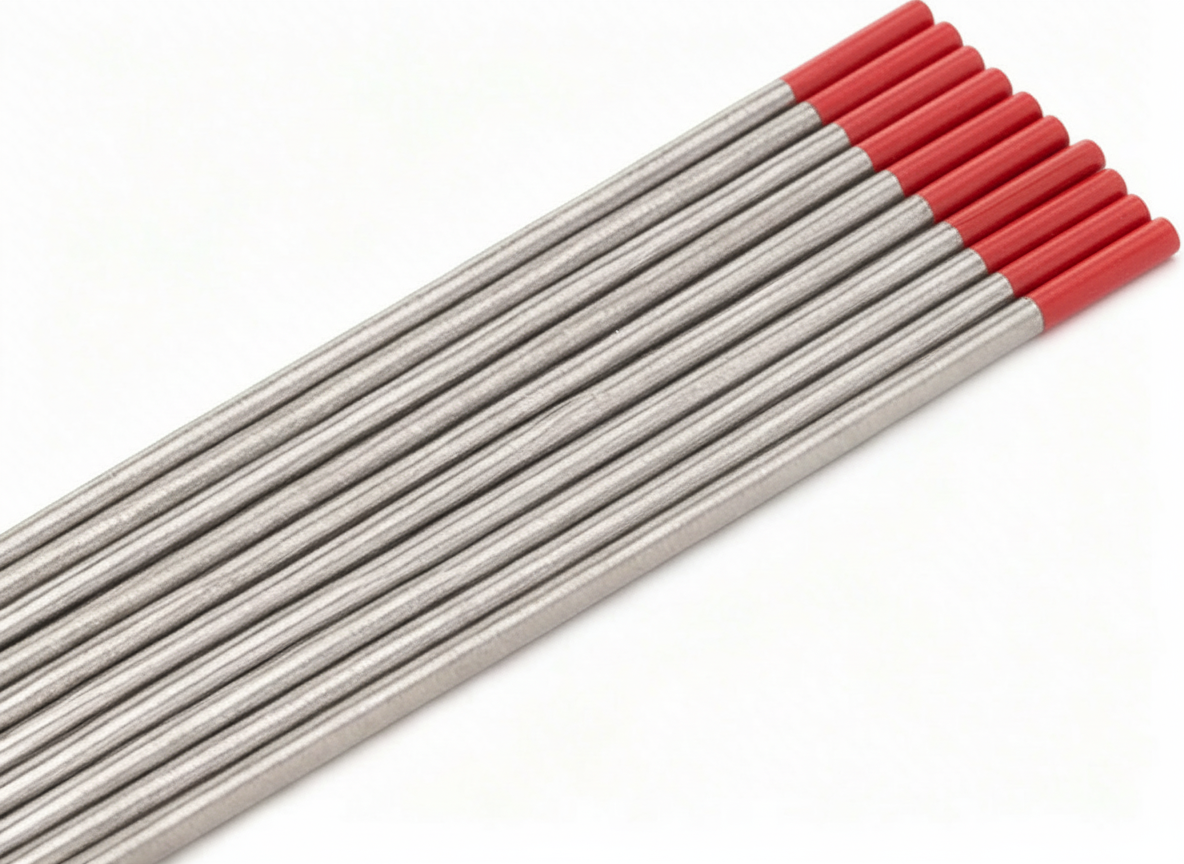
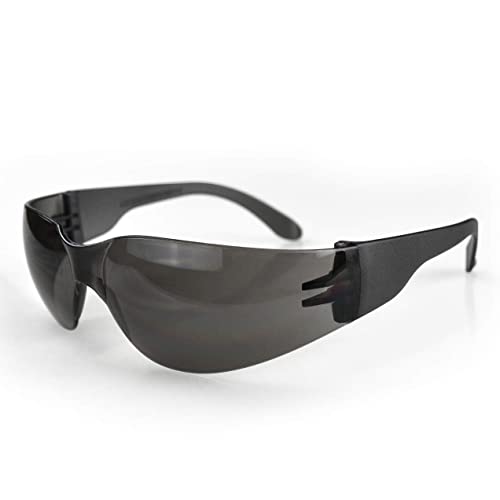
Tag: welding safety

  • VEVOR Welding Cart Review: 2-Drawer Welder Cart Setup, Fitment, and Safety Checks

    The VEVOR 2-drawer welding cart is a buyer-intent shop upgrade for welders who are tired of storing a MIG welder, TIG machine, plasma cutter, leads, clamps, gloves, tips, nozzles, flap discs, and shielding gas gear in separate piles. ASIN B0DQY2MFZK is listed as a VEVOR welding cart with two drawers, a lockable cabinet, tank storage safety chains, swivel front casters, rear wheels, and a listed 350 lb static weight capacity.

    This is not a torch consumable or a replacement gun, so fitment is less about thread size and more about whether your machine footprint, cylinder setup, cords, and consumable storage workflow actually match the cart. A good welding cart reduces setup time, keeps spare parts close, and helps prevent the classic problem of replacing the wrong consumable because your tips, nozzles, liners, and PPE are scattered across the shop.

    Key Takeaways

    • Best use: garage, maintenance, farm, small fabrication, and mobile shop organization for MIG, TIG, plasma, and multi-process setups.
    • Verified ASIN: B0DQY2MFZK, VEVOR welding cart, 2 drawers, lockable cabinet, 17.7 in D x 13.6 in W x 36.6 in H listed product dimensions.
    • Main buying reason: organize the welder, PPE, ground clamp, torch lead, contact tips, nozzles, electrodes, flap discs, and small spare parts in one movable station.
    • Fitment check: confirm welder footprint, cylinder diameter, cart height, lead routing, door swing, and total loaded weight before ordering.
    • Safety check: compressed gas cylinders still need to be secured upright and handled according to OSHA, shop, and manufacturer requirements.

    Problem / Context: When a Welding Cart Becomes a Real Upgrade

    A welding cart usually becomes worth buying when the welder is no longer the only item you need to move. Once you add shielding gas, a ground clamp, MIG gun, TIG torch, plasma torch, regulator, flowmeter, gloves, helmet, grinder, flap discs, contact tips, nozzles, diffuser spares, wire brush, anti-spatter, tungsten, filler rod, and consumable packs, the setup gets messy fast.

    That clutter creates real troubleshooting problems. A missing contact tip can turn into wasted time. A scratched helmet lens can make the puddle hard to see. A nozzle packed with spatter can be ignored because the spare nozzles are across the shop. A welding cart is not just storage; it is a workflow tool that keeps replacement parts close enough to actually use.

    For a shop-built option and layout ideas, compare this cart against the Weld Support Parts guide to DIY welding cart organization.

    Root Causes This Cart Helps Solve

    • Consumables are not stored near the welder. Contact tips, nozzles, tungsten, electrodes, and lenses are easy to lose when they are not kept in one station.
    • Cords and leads drag on the floor. Loose leads get stepped on, kinked, rolled over, or contaminated with grinding dust and spatter.
    • Small replacement parts get mixed together. MIG tips from different gun families should not be dumped into one drawer without labels.
    • Gas bottle handling is treated casually. A cart with chains helps, but the cylinder still needs correct upright securing and safe handling.
    • Troubleshooting takes too long. If your spare tips, nozzles, lenses, gloves, and drive-roll tools are organized, you are more likely to fix the actual failure instead of tuning around it.

    Solution: Use the Cart as a Welding Station, Not Just a Shelf

    The best way to use this VEVOR cart is to build a repeatable welding station. Put the machine on the open shelf, keep high-use consumables in the top drawer, keep tools and PPE in the second drawer or cabinet, and use the lower lockable space for items that should not wander around the shop.

    Do not overload the cart just because the listing shows a high static weight rating. Static weight is not the same as rolling over rough concrete, cords, thresholds, weld spatter, grinding dust, or uneven shop floors. The real-world check is loaded stability, cylinder security, machine footprint, caster tracking, and whether the cart remains controllable when turning.

    Product Recommendation

    Best overall pick for this post: VEVOR Welding Cart, 2 Drawers Welder Cart Heavy Duty with Anti-Theft Lockable Cabinet, Tank Storage Safety Chains, and 360-degree swivel wheels. This is the verified ASIN supplied for this build.

    VEVOR Welding Cart, 2 Drawers Welder Cart Heavy Duty with Anti-Theft Lockable Cabinet, 350LBS Static Weight Capacity, 360° Swivel Wheels, Tank Storage Safety Chains for MIG TIG Welder, Plasma Cutter
    • Strong Weight Capacity: Our welding cart with drawers supports up to 350 lbs of static weight and 300 lbs of dynamic weight with ease. Effortless handling various heavy loads, it’s perfect for storing and transporting MIG, TIG welding machine, plasma cutter and more welding equipment, meeting the needs of demanding professional tasks.
    • Spacious Storage Space: Our MIG welder cart is equipped with a spacious open-top shelf, 2 drawers, an anti-theft lockable cabinet, and 4 multi-functional brackets, providing ample and flexible storage space. It effortlessly accommodates various welding machine and tools, enhancing your work efficiency and maintaining a tidy and efficient workspace.
    • Easy to Move: Two 2.9-inch (7.3cm) front swivel casters support 360-degree flexible rotation, and two 7-inch (17.8cm) large rear casters ensure the stability of transportation especially with heavy loads. High-quality PVC wheels absorb shock, provide silent operation without floor scratches. Anti-slip handle makes pushing and pulling labor-saving.
    • Secure Gas Cylinder Placement: Our plasma cutter welding cart features 2 gas cylinder slots and 2 safety chains, preventing cylinder slippage and ensuring secure placement. Perfectly suitable for oxygen cylinders, acetylene cylinders, nitrogen cylinders, and more. Keep your gas cylinders remain stable and safe during transport and welding works.
    • Durable Construction: This heavy-duty rolling welding cart is constructed with 1.0mm thickened steel plate that offers exceptional strength and withstands heavy-duty use, resistant to oxidation and deformation. Upper Tray Size: 13.6 x 17.7 in, Drawer Size: 15.6 x 9.8 x 5.9 in, Lockable Cabinet Size: 17.3 x 14.0 x 11.8 in, Whole Cart Size: 18.3 x 36.2 x 36.4 in.

    Last update on 2026-06-03 / Affiliate links / Images from Amazon Product Advertising API

    Comparison Table

    Buying angleVEVOR fitWhat to verify before buying
    Budget optionGood fit if you want a ready-made cart instead of fabricating one from scratch.Confirm current Amazon price, shipping, and return policy.
    Best overall useStrong fit for organizing a welder, PPE, consumables, small tools, and a shielding gas setup.Measure welder footprint against the listed top shelf size and total cart dimensions.
    Heavy-duty optionListed with 350 lb static capacity and 300 lb dynamic capacity in available product data.Do not treat static capacity as jobsite abuse capacity. Check wheel quality and floor conditions.
    Upgrade pathAdd labeled bins for contact tips, nozzles, lenses, flap discs, tungsten, and small replacement parts.Keep different gun families separated to avoid installing the wrong consumable.
    Related accessoryPairs well with spare contact tips, nozzle gel, helmet cover lenses, gloves, and flap discs.Verify every consumable by gun, torch, helmet, and process before reordering.
    Preventative itemUse the cart to keep spare PPE and front-end MIG consumables within reach.Recommended spare quantity: keep at least 10 contact tips per active MIG wire size and 2–4 spare nozzles per active gun family.

    What Wears Out First Around a Welding Cart Setup

    The cart itself is usually not the first thing that wears out. The first failures usually happen to the parts stored on it or dragged around it: contact tips, nozzles, diffuser threads, torch leads, work clamp cables, helmet cover lenses, grinder discs, gloves, and small plastic bins.

    • Contact tips: Replace when the bore is oval, spatter-packed, tight, blue, pitted, or causing burnback.
    • MIG nozzles: Clean or replace when spatter blocks gas coverage or the nozzle no longer seats correctly.
    • Diffusers: Inspect when you see porosity, repeated burnback, or unstable arc starts.
    • Helmet lenses: Replace when the view is hazy, scratched, or forcing you to lift the hood too often.
    • Gloves: Replace when heat protection, seams, or dexterity are compromised.
    • Cables and leads: Inspect for cuts, crushed areas, tight kinks, hot spots, and poor connections.

    Visual Wear Indicators

    • Cart leans, rocks, or twists when loaded.
    • Wheels bind, chatter, or refuse to track straight under load.
    • Cylinder chains do not hold the bottle firmly upright.
    • Drawer slides bind after grinding dust or spatter exposure.
    • Lead hooks or storage brackets bend under cable weight.
    • Consumable drawers become mixed and unlabeled.
    • Machine overhangs the shelf or blocks airflow.

    Common Misdiagnosis

    A welding cart will not fix poor welding settings, a bad liner, wrong contact tip size, dirty base metal, poor gas coverage, or an undersized machine. It fixes organization and workflow. That matters because better organization makes the right troubleshooting step easier.

    For example, repeated MIG burnback is usually a feed-path or consumable problem, not a cart problem. Keep spare tips on the cart, then use the WSP MIG contact tip burnback troubleshooting guide to confirm whether the tip, liner, drive rolls, spool drag, or settings are the real cause.

    If Ignored

    • Consumables get reused too long because replacements are hard to find.
    • Wrong contact tips get installed because different tip families are mixed together.
    • Gas cylinders may be moved or stored without enough attention to upright securing.
    • Leads get kinked, damaged, contaminated, or pinched under wheels.
    • Welding defects take longer to diagnose because the shop has no organized replacement station.
    • PPE gets treated as optional because gloves, lenses, and glasses are not stored near the work area.

    Recommended Shop Setup

    • Top shelf: Welder, plasma cutter, or compact multi-process unit with enough space for ventilation and cable exit.
    • Top drawer: High-use consumables: contact tips, nozzles, tungsten, collets, electrodes, flap discs, anti-spatter, and wire brushes.
    • Second drawer: PPE spares: cover lenses, safety glasses, ear plugs, marker, soapstone, and glove backups.
    • Lockable cabinet: Higher-value tools, spare regulator accessories, specialty consumables, and labeled small-parts boxes.
    • Side hooks/brackets: Ground clamp, MIG gun lead, TIG torch, work lead, and extension leads routed without tight kinks.
    • Cylinder area: Bottle secured upright with both chains engaged, valve protected when appropriate, and hoses routed away from sparks and hot metal.

    Recommended Spare Quantity

    ItemMinimum spare quantityWhy it belongs on the cart
    MIG contact tips10 per active wire sizeBurnback and tip wear stop work immediately.
    MIG nozzles2–4 per active gun familySpatter buildup can cause poor gas coverage and porosity.
    MIG diffusers1–2 per active gun familyHeat damage and blocked gas ports can mimic setting problems.
    Helmet cover lenses5–10A clear view improves puddle control and reduces bad starts.
    Flap discs5–10 mixed gritsPrep and cleanup are part of the welding workflow.
    Gloves1 backup pairDamaged gloves lead to unsafe shortcuts.
    Tungsten or electrodesOne labeled pack per active sizePrevents process changes from turning into shop delays.

    Compatible Consumables To Check

    A cart can hold consumables for several welding processes, but the cart does not make those consumables interchangeable. Label each bin by machine, gun, torch, wire size, and process.

    • MIG contact tips: verify gun series, thread, tip length, and wire diameter.
    • MIG nozzles: verify nozzle style, bore, slip-on vs threaded fit, and diffuser compatibility.
    • MIG diffusers: verify gun family and front-end consumable system.
    • TIG cups and gas lenses: verify torch series, tungsten diameter, collet, and collet body style.
    • Plasma electrodes and nozzles: verify torch model, amperage, shield, swirl ring, and cut mode.
    • Helmet lenses: verify helmet model, outer cover lens size, inner lens size, and ADF requirements.

    Related Parts Breakdown

    No confirmed WSP parts breakdown was found for the VEVOR welding cart itself. For the consumables that usually get stored on a welding cart, use the exact gun or torch breakdown before ordering replacement parts.

    Replacement Gun Or Torch Options

    If you are buying this cart because your current welding station is overloaded, inspect the gun and torch before assuming storage is the only problem. A new cart is a good time to check gun cable kinks, liner drag, trigger condition, nozzle seat, diffuser threads, work clamp condition, and torch lead routing.

    Use the cart drawers to separate replacement gun parts from general shop hardware. Do not mix Miller M-Series, Lincoln Magnum, Tweco, Bernard, Tregaskiss, Hobart, Binzel-style, and import consumables unless each compartment is clearly labeled.

    Related Failures

    FAQ

    Is the VEVOR B0DQY2MFZK welding cart a good buy?

    It is a good candidate if the listed dimensions, shelf size, wheel layout, cylinder area, and weight capacity match your welding setup. It is most useful for organizing a compact MIG, TIG, plasma, or multi-process setup with related consumables and PPE.

    Will this cart fit every welder?

    No. Verify the welder footprint, machine weight, ventilation clearance, lead exit direction, and total loaded weight. Do not assume compatibility from the word “welding cart” alone.

    Can I store a gas cylinder on this cart?

    The product listing describes tank storage safety chains, but you still need to secure compressed gas cylinders upright and follow OSHA, manufacturer, and shop safety procedures. Confirm cylinder size, chain height, bottle stability, and valve protection before moving the cart.

    What should I keep in the drawers?

    Use the drawers for high-repeat consumables and small parts: contact tips, nozzles, diffusers, tungsten, collets, helmet cover lenses, flap discs, wire brushes, soapstone, gloves, and spare PPE. Label by gun, torch, wire size, and process.

    Does a welding cart prevent burnback or porosity?

    Not directly. It prevents disorganization. Burnback and porosity still need proper troubleshooting, but a well-stocked cart keeps the replacement contact tips, nozzles, diffusers, and PPE close enough to fix the issue quickly.

    Should I build a welding cart or buy this one?

    Build one if you need a custom footprint, oversized cylinder area, heavy jobsite wheels, or a layout for a very specific machine. Buy a ready-made cart if the listed dimensions match your equipment and you want faster shop organization.

    Safety Notes

    • Disconnect input power before servicing a welder, feeder, torch, gun, or plasma cutter.
    • Do not roll a loaded cart over cables, hoses, rough thresholds, slag, or unstable floor surfaces.
    • Keep cylinders secured upright with suitable chains, straps, or steadying devices.
    • Close cylinder valves when work is finished, when cylinders are empty, or when cylinders are moved.
    • Keep cylinders away from hot metal, sparks, flame, and areas where they can become part of an electrical circuit.
    • Do not overload drawers, shelves, brackets, or hooks beyond what the cart can safely handle.
    • Wear proper welding PPE, including helmet, safety glasses, gloves, and protective clothing appropriate for the process.

    Sources Checked

    • Amazon product listing for ASIN B0DQY2MFZK: VEVOR Welding Cart, 2 Drawers Welder Cart Heavy Duty with Anti-Theft Lockable Cabinet.
    • Additional indexed product data for VEVOR WT-178 / B0DQY2MFZK to cross-check listed dimensions, weight, and capacity claims.
    • OSHA 1926.350 gas welding and cutting requirements for compressed gas cylinder handling and upright securing.
    • OSHA interpretation on compressed gas cylinders on portable carts.
    • Weld Support Parts blog: DIY welding cart organization, MIG burnback, MIG porosity, MIG diffuser clogging, and helmet buying guidance.
    • Weld Support Parts breakdown pages for Miller M-25, Lincoln Magnum 250L, Tweco Fusion 180, Tweco Fusion 250, and MIG accessories.
  • Torch Tip Popping During Cutting

    Torch Tip Popping During Cutting

    A torch tip that pops, snaps, or backfires during oxy-fuel cutting usually indicates blocked tip passages, incorrect gas pressure, overheating, loose tip seating, damaged torch components, or improper cutting technique. Repeated popping should never be ignored because it can progress into sustained backfire or flashback conditions that damage regulators, hoses, flashback arrestors, and torch assemblies.

    Common Symptoms

    • Sharp popping sound during cutting.
    • Torch flame extinguishes suddenly.
    • Flame repeatedly snaps back into the tip.
    • Uneven or unstable preheat flames.
    • Torch becomes excessively hot during cutting.
    • Cut quality deteriorates during operation.

    Likely Causes

    • Blocked tip passages: Slag or debris partially restricts oxygen or preheat flow.
    • Incorrect gas pressure: Oxygen or fuel gas pressure imbalance destabilizes the flame.
    • Overheating: Excessive tip temperature can trigger repeated backfires.
    • Loose cutting tip: Improper seating allows gas leakage and unstable flame patterns.
    • Damaged tip or torch seat: Worn sealing surfaces affect gas distribution.
    • Incorrect cutting distance: Running the tip too close to the workpiece overheats the torch rapidly.
    • Contaminated flashback arrestors or hoses: Restricted flow changes gas balance during operation.

    Inspection Steps

    1. Shut down the torch and allow all components to cool.
    2. Inspect the tip orifices for slag blockage or damage.
    3. Verify oxygen and fuel-gas pressures match the tip requirements.
    4. Inspect torch seats and tip threads for wear or contamination.
    5. Check flashback arrestors and hoses for restrictions.
    6. Inspect regulator operation for pressure instability.
    7. Confirm the torch is not overheating from improper cutting distance or prolonged use.

    Visual Wear Indicators

    • Distorted or enlarged tip orifices.
    • Heavy discoloration from overheating.
    • Carbon buildup or slag around preheat ports.
    • Uneven flame shape.
    • Damaged tip seating surfaces.

    Common Wrong-Part Mistakes

    • Using propane tips with acetylene settings or vice versa.
    • Installing incorrect tip sizes for material thickness.
    • Using damaged flashback arrestors.
    • Cleaning tips with oversized cleaners that enlarge the orifices.

    Field Fix vs Proper Fix

    Field fix: Clean the tip carefully, verify gas pressures, and allow overheated components to cool. Proper fix: Replace damaged tips, service regulators and arrestors, repair worn torch seats, and verify the complete oxy-fuel system matches the cutting application.

    Ignored Failure Consequences

    Ignoring torch tip popping can increase flashback risk, damage regulators and hoses, overheat torch heads, reduce cut quality, and create serious fuel-gas safety hazards.

    Safety Notes

    If sustained backfire or flashback occurs, shut down the torch immediately and inspect the entire gas system before reuse. Never continue cutting with unstable flames or repeated popping conditions.

    Sources Checked

    • Lincoln accessories catalog
    • Uploaded welding safety references
    • Existing oxy-fuel troubleshooting references
  • Cutting Tip Slag Blockage Symptoms

    Cutting Tip Slag Blockage Symptoms

    A cutting tip partially blocked by slag or debris can disrupt oxygen flow instantly and create poor cut quality, unstable preheat flames, excessive drag lines, heavy slag buildup, and difficult pierces. Oxy-fuel cutting tips rely on balanced preheat and cutting oxygen flow. Even small restrictions inside the oxygen or preheat passages can change flame shape and cutting performance dramatically.

    Common Symptoms

    • Heavy slag hanging on the bottom of cuts.
    • Uneven or wandering cut lines.
    • Preheat flames look uneven or distorted.
    • Torch pops or backfires during cutting.
    • Difficulty piercing thicker material.
    • Excessive drag lines or rough cut surfaces.
    • Cutting oxygen stream appears weak or scattered.

    Likely Causes

    • Slag contamination: Molten metal splash can partially block oxygen or preheat ports.
    • Improper tip cleaning: Oversized tip cleaners can damage or enlarge precision orifices.
    • Backfire contamination: Repeated backfires can force debris into the tip passages.
    • Overheating: Excessive heat can distort the tip face or internal passages.
    • Poor gas filtration: Dirty regulators or hoses may introduce contamination into the torch system.
    • Physical damage: Dropped torches or impact damage can deform the tip orifices.

    Inspection Steps

    1. Shut off gas supply and allow the torch to cool fully.
    2. Inspect the cutting oxygen orifice and preheat holes under good lighting.
    3. Check for slag buildup, discoloration, or damaged tip edges.
    4. Use the correct size tip cleaner only.
    5. Inspect hoses, flashback arrestors, and regulators for contamination.
    6. Verify proper gas pressure settings after reinstalling the tip.

    Visual Wear Indicators

    • Rounded or enlarged oxygen orifice.
    • Distorted preheat flame pattern.
    • Heat discoloration near the tip face.
    • Uneven slag accumulation around the ports.
    • Pitted or damaged tip seating surfaces.

    Common Wrong-Part Mistakes

    • Using incorrect tip sizes for the material thickness.
    • Mixing propane and acetylene tip styles incorrectly.
    • Using oversized tip cleaners that damage the orifices.
    • Ignoring worn torch seats when replacing tips only.

    Field Fix vs Proper Fix

    Field fix: Clean the tip carefully using the correct cleaners and confirm proper gas pressures. Proper fix: Replace damaged tips, service contaminated torch systems, repair worn seats, and verify gas compatibility with the installed tip design.

    Ignored Failure Consequences

    Continuing to cut with a blocked tip can increase backfire risk, overheat the torch head, damage regulators, waste gas, reduce cut quality, and create unsafe cutting conditions.

    Safety Notes

    Never clean oxy-fuel tips with drill bits or hardened steel objects. Incorrect cleaning can permanently damage the orifices. Always shut off gas supply and bleed the system before servicing cutting equipment.

    Sources Checked

    • Lincoln Electric accessories catalog
    • Uploaded welding safety catalogs
    • Existing oxy-fuel troubleshooting references
  • Acetylene Regulator Freezing Troubleshooting

    Acetylene Regulator Freezing Troubleshooting

    An acetylene regulator that freezes or develops frost during use is usually caused by excessive gas withdrawal rates, rapid pressure drop, moisture contamination, restricted gas flow, or operating too close to the cylinder withdrawal limit. Freezing regulators can cause unstable flame behavior, reduced cutting performance, regulator damage, and unsafe fuel-gas delivery conditions.

    Common Symptoms

    • Frost or ice forming on the regulator body.
    • Flame weakens during long cuts or heating cycles.
    • Pressure fluctuates while cutting.
    • Torch pops or backfires intermittently.
    • Regulator output drops unexpectedly.
    • Fuel flow decreases as the regulator gets colder.

    Likely Causes

    • Excessive withdrawal rate: Pulling acetylene too quickly from the cylinder causes rapid cooling and regulator icing.
    • Moisture contamination: Water vapor inside the gas system can freeze during pressure drop.
    • Restricted hoses or flashback arrestors: Flow restrictions increase pressure differential and cooling effects.
    • Undersized cylinders: Small acetylene cylinders may not support heavy cutting or heating demand continuously.
    • Damaged regulator internals: Worn seats or diaphragms can create unstable flow behavior.
    • Cold ambient conditions: Low temperatures increase icing risk during high-demand operation.

    Inspection Steps

    1. Shut down the torch and allow the regulator to warm naturally.
    2. Inspect the regulator body for frost patterns or condensation.
    3. Check hose routing for kinks or restrictions.
    4. Inspect flashback arrestors and check valves for contamination.
    5. Verify cylinder size is adequate for the cutting or heating load.
    6. Check regulator outlet pressure stability during operation.
    7. Inspect for signs of oil, grease, or contamination in the gas system.

    Compatibility Notes

    • Acetylene withdrawal rate should remain within safe cylinder limits.
    • Large heating tips may require manifolded cylinders instead of single-cylinder setups.
    • Fuel-gas hose grade must match acetylene service requirements.
    • Flashback arrestors and check valves must match the torch system flow capacity.

    Common Wrong-Part Mistakes

    • Using undersized regulators for heavy heating applications.
    • Installing restrictive or contaminated flashback arrestors.
    • Using damaged hoses with internal collapse.
    • Attempting to thaw regulators with open flame or direct heat.

    Field Fix vs Proper Fix

    Field fix: Reduce gas demand temporarily, allow the regulator to warm naturally, and inspect for flow restrictions. Proper fix: Increase cylinder capacity, service contaminated components, replace damaged regulators, and ensure the complete fuel-gas system matches the required flow demand.

    Ignored Failure Consequences

    Ignoring regulator freezing can cause unstable torch operation, reduced cutting quality, flashback conditions, regulator damage, hose stress, and unsafe fuel-gas delivery during cutting or heating operations.

    Safety Notes

    Never heat frozen acetylene regulators with torches, heaters, or open flame. Keep oil and grease away from oxygen and fuel-gas equipment. Always bleed the system before servicing hoses, arrestors, or regulators.

    Sources Checked

    • Lincoln accessories and welding support catalogs
    • Uploaded welding safety references
    • Existing oxy-fuel troubleshooting content
  • Cutting Torch Oxygen Lever Sticking Causes

    Cutting Torch Oxygen Lever Sticking Causes

    A cutting torch oxygen lever that sticks, binds, or fails to return smoothly is usually caused by internal contamination, damaged valve components, dried lubrication, heat distortion, worn springs, or regulator contamination entering the torch body. A sticking oxygen lever can affect cutting oxygen flow instantly, causing poor cuts, unstable flame behavior, operator fatigue, and unsafe torch handling conditions.

    Common Symptoms

    • Oxygen lever feels stiff or hard to depress.
    • Lever does not return smoothly after cutting.
    • Cutting oxygen flow surges or hesitates.
    • Torch cut quality changes during operation.
    • Lever binds more as the torch heats up.
    • Operator must manually pull the lever back up.

    Likely Causes

    • Internal contamination: Dirt, metal particles, or degraded seals inside the oxygen valve assembly can cause sticking.
    • Heat distortion: Excessive torch overheating may warp internal components or dry out lubrication.
    • Damaged return spring: Weak or damaged springs prevent smooth lever return.
    • Improper lubrication: Oxygen-compatible components require proper handling. Incorrect lubricants can create dangerous contamination risks.
    • Regulator contamination: Moisture, oil, or debris entering the oxygen system can damage torch internals.
    • Physical damage: Dropped torches or bent lever assemblies may bind mechanically.

    Inspection Steps

    1. Shut off gas supply and bleed the system fully before inspection.
    2. Inspect the oxygen lever pivot for visible damage or contamination.
    3. Check for heat discoloration around the torch head and valve body.
    4. Verify regulator and hose connections are clean and dry.
    5. Inspect oxygen hoses for internal deterioration or contamination.
    6. Test lever movement cold and after brief heating cycles.

    Common Wrong-Part Mistakes

    • Installing incorrect valve kits or seal materials.
    • Using non-approved lubricants in oxygen systems.
    • Replacing regulators when the torch valve assembly is the actual problem.
    • Ignoring contaminated hoses or flashback arrestors.

    Field Fix vs Proper Fix

    Field fix: Clean external pivot points carefully and verify the torch is not overheating during use. Proper fix: Rebuild or replace damaged oxygen valve components, remove contaminated hoses or regulators, and service the torch using oxygen-compatible repair procedures only.

    Ignored Failure Consequences

    Ignoring a sticking oxygen lever can lead to unstable cuts, torch overheating, flashback risks, oxygen leaks, operator fatigue, and accelerated internal valve damage.

    Safety Notes

    Never use petroleum-based lubricants on oxygen system components. Oxygen contamination can create severe fire and explosion hazards. Always bleed pressure from regulators and hoses before servicing oxy-fuel equipment.

    Sources Checked

    • Lincoln Electric accessories and welding support catalogs
    • General oxy-fuel torch maintenance references
    • Uploaded welding safety catalogs
  • Oxy-Fuel Hose Leak Inspection Guide

    Oxy-Fuel Hose Leak Inspection Guide

    An oxy-fuel hose leak should be treated as an immediate safety problem, not a minor nuisance. Leaks most often show up at hose fittings, regulator connections, torch inlets, cracked hose jackets, worn check valves, flashback arrestors, or damaged crimp ends. If oxygen or fuel gas is leaking, shut the cylinders off, bleed pressure from the system, ventilate the area, and inspect before relighting the torch.

    Common Symptoms

    • Hissing sound near regulator, hose, torch, or fittings.
    • Fuel-gas odor around the work area.
    • Flame changes when the hose is moved.
    • Regulator pressure drops while the torch valves are closed.
    • Bubbles appear during approved leak-solution testing.
    • Hose jacket is cracked, burned, cut, soft, swollen, or oil-contaminated.

    Likely Leak Points

    • Cylinder valve to regulator: Damaged seats, loose regulator nuts, dirt, or wrong connections can leak at the cylinder outlet.
    • Regulator outlet fittings: Loose hose nuts, worn sealing faces, or cross-threaded fittings can leak under pressure.
    • Hose crimp ends: Repeated bending near the ferrule can crack the hose internally.
    • Flashback arrestors and check valves: Damaged threads or worn seals can leak at either side of the device.
    • Torch inlet connections: Loose nuts or damaged threads can leak where hoses attach to the torch handle.
    • Hose body: Burns, cuts, abrasion, dry cracking, or chemical contamination can create pinhole leaks.

    Inspection Steps

    1. Close both cylinder valves.
    2. Open torch valves briefly to bleed system pressure, then close the torch valves.
    3. Back out regulator adjusting screws before repressurizing.
    4. Visually inspect the full hose length for burns, cuts, kinks, swelling, oil, grease, and abrasion.
    5. Check all fitting threads, nuts, crimp sleeves, flashback arrestors, and torch inlets.
    6. Repressurize one gas side at a time.
    7. Apply approved leak detection solution to fittings and suspect hose areas.
    8. Watch for growing bubbles. Any bubble formation means repair or replacement is required.
    9. Do not use a flame to check for leaks.

    Regulator Drop Test

    With the torch valves closed and the system pressurized, close the cylinder valve and watch the working-pressure gauge. A pressure drop can indicate a downstream leak in the regulator outlet, hose, arrestor, check valve, or torch valve. Test oxygen and fuel-gas sides separately so the leak path is easier to isolate.

    What To Verify Before Ordering Hose

    • Gas service: oxygen/fuel-gas twin hose or single-line hose.
    • Fuel type: acetylene, propane, propylene, natural gas, or alternate fuel.
    • Hose grade required for the fuel gas being used.
    • Inside diameter and length.
    • Fitting size and thread direction.
    • Compatibility with regulators, torch handle, check valves, and flashback arrestors.

    Common Wrong-Part Mistakes

    • Using hose not rated for the fuel gas.
    • Mixing oxygen and fuel-gas fittings incorrectly.
    • Reusing damaged hose nuts or crushed sealing faces.
    • Skipping check valves or flashback arrestors after hose replacement.
    • Repairing hose with tape instead of replacing the damaged assembly.

    Field Fix vs Proper Fix

    Field fix: Tighten a loose fitting only after depressurizing the system and confirming the threads and sealing surfaces are undamaged. Proper fix: Replace leaking hose assemblies, damaged fittings, failed check valves, leaking flashback arrestors, or contaminated regulators. Do not tape, clamp, or splice damaged oxy-fuel hose unless the repair method is approved by the hose and equipment manufacturer.

    Ignored Failure Consequences

    Ignoring an oxy-fuel hose leak can lead to fire, flashback, regulator damage, unstable flame settings, oxygen-enriched clothing or work areas, fuel-gas accumulation, and serious injury. Fuel-gas leaks are especially hazardous in pits, confined spaces, vehicles, and poorly ventilated shops.

    Safety Notes

    • Keep oil and grease away from oxygen equipment.
    • Never check leaks with an open flame.
    • Ventilate the area before relighting any torch.
    • Do not use damaged, burned, cracked, swollen, or contaminated hose.
    • Keep cylinders closed when equipment is not in use.
    • Use proper PPE for oxy-fuel cutting and heating work.

    Sources Checked

    • Uploaded welding accessory catalogs
    • Uploaded welding PPE and safety catalog references
    • Existing oxy-fuel troubleshooting coverage on the blog

  • Why a Stick Welding Electrode Holder Gets Hot or Loses Grip

    A stick welding electrode holder that gets hot, slips rods, or makes the arc unstable is more than an annoyance. It can point to loose cable connections, worn jaws, undersized leads, damaged insulation, poor work return, or a holder being used beyond its rating. This guide focuses on 300-amp stick welding electrode holders such as the Tweco WeldSkill WS732 and similar medium-duty SMAW stingers.

    If the rod is sticking before the holder heats up, start with WSP’s guide on why stick welding electrodes keep sticking. If the return path is suspect, compare the symptoms with the ground clamp replacement guide before replacing the stinger.

    Key Takeaways

    • A hot electrode holder is commonly caused by loose cable connections, worn jaws, over-amperage use, duty-cycle abuse, undersized welding cable, or poor work return.
    • The Tweco WeldSkill WS732 is listed as a 300-amp electrode holder with 7/32-inch electrode capacity, 10-inch length, brass alloy body, and up to 2/0 cable compatibility.
    • Do not keep welding with cracked insulation, exposed current-carrying parts, loose jaws, or a holder that becomes too hot to control safely.
    • OSHA requires manual electrode holders to be designed for arc welding and capable of safely handling the required current.
    • Before replacing the holder, inspect the full welding circuit: electrode holder, cable lug, welding lead, work clamp, machine terminals, and electrode size.

    Problem / Context

    The electrode holder is the hand-held connection between the welding lead and the stick electrode. When it works correctly, the jaws clamp the rod tightly, the handle stays manageable, and the arc responds consistently. When it starts failing, the operator may notice heat at the handle, intermittent arc starts, rod movement in the jaws, melted insulation near the cable connection, or a holder that feels weak after only a few rods.

    This failure often gets blamed on the holder alone, but the full circuit matters. A loose work clamp, wrong cable size, corroded lug, or poorly seated cable inside the stinger can all create resistance. Resistance turns into heat, and heat makes the holder less reliable over time.

    Root Causes

    1. Loose cable connection inside the holder

    A loose cable connection is one of the most common reasons an electrode holder overheats. The cable may look attached from the outside, but poor contact inside the handle can create resistance. That resistance can heat the holder, weaken the insulation, and make the arc feel inconsistent.

    2. Worn or dirty jaws

    If the jaws are worn, contaminated, or no longer spring tightly, the rod may move during welding. Poor jaw contact can make the arc flicker and can heat the contact area. This is especially noticeable when running larger electrodes or when the rod is clamped at an awkward angle.

    3. Holder rating does not match the welding current

    A 300-amp holder should not be treated as unlimited. Actual safe use depends on amperage, electrode size, cable size, duty cycle, connection quality, and working conditions. Running near the top of the rating for long periods can make a medium-duty holder heat faster than expected.

    4. Welding cable is undersized or damaged

    Undersized cable increases voltage drop and heat. Damaged cable, stiff insulation, exposed strands, or repaired sections near the holder can make the problem worse. For cable sizing and lead-length planning, see WSP’s welding cable guide for lead length and sizes.

    5. Poor work return connection

    A weak work clamp or dirty return path can make the whole welding circuit unstable. The arc may start poorly, rods may stick, and the operator may increase amperage to compensate. That extra current can add heat to the holder and cable system without fixing the real problem.

    6. Electrode size is too large for the setup

    Large electrodes require more current and place more load on the holder. The WS732 is listed with a 7/32-inch electrode capacity, but that does not mean every machine, cable, work clamp, and duty cycle combination is appropriate for extended use at the upper end. Verify the electrode manufacturer’s amperage chart and the welding machine duty cycle.

    Solution

    • Disconnect power before inspecting the holder, cable, or work clamp.
    • Remove the electrode and inspect the jaws for looseness, carbon tracking, melted spots, and poor spring tension.
    • Open the cable connection area if the holder design allows service, then verify that the cable is seated correctly and tightened to the manufacturer’s instructions.
    • Check welding lead size against amperage, duty cycle, and lead length. Do not assume a short cable and a long cable can carry the same current without added voltage drop.
    • Clean the work clamp location to bare metal and confirm the clamp is rated for the current being used.
    • Match electrode diameter to the machine output and holder rating. Do not oversize the rod to compensate for poor starts.
    • Replace the holder if insulation is cracked, jaws are loose, the body is heat-damaged, or current-carrying parts can contact the operator.

    For 7018-specific current questions, WSP’s guide on using AC or DC with 7018 and 7018AC electrodes is a useful adjacent reference. Rod selection and amperage mistakes can look like a bad holder when the real cause is an unstable arc setup.

    Specs / Verification Notes

    ItemVerified / CheckpointNotes
    ASINB01M0QPTXKVerified as Tweco WeldSkill 300-amp electrode holder on Amazon regional results.
    ModelWS732Listed by Airgas and other welding suppliers as Tweco WeldSkill WS732.
    Amperage rating300 ADo not exceed the holder, cable, clamp, connector, or machine duty-cycle limits.
    Maximum electrode capacity7/32 inVerify electrode amperage requirements before use.
    Length10 inSupplier-listed dimension.
    Body materialBrass alloySupplier-listed material.
    Maximum cable size2/0Verify cable fit and connection method before installation.
    Replacement insulator availabilityAvailable for A-732 style holderArc Weld Store lists Tweco A-732-1P replacement insulators. Verify compatibility with the exact holder before ordering.
    Machine compatibilityUnknown (Verify)Confirm welding output, polarity, cable size, and duty cycle.

    Product Section

    The Tweco WeldSkill WS732 is a 300-amp stick welding electrode holder suited for SMAW setups where the machine output, cable size, and work clamp are matched to the holder rating. It is most relevant when the existing holder has worn jaws, damaged insulation, loose cable connection hardware, or recurring heat problems after the rest of the circuit has been checked.

    Arc Weld Store related maintenance option: TWECO A-732-1P Replacement Insulator Pack of 2 - Medium Duty, 300 A for Stick Welding, Easy to Replace

    “>Tweco A-732-1P Replacement Insulator Pack of 2. Verify compatibility with the exact holder before ordering.

    300 AMP WELD SKILL ELECTRODE HOLDER
    • 6 Position Jaw Pattern
    • Max: 300 Amp
    • Max: 2/0 Cable
    • Max Electrode Size: 7/32″
    • 10″ Overall Lenght

    Last update on 2026-06-03 / Affiliate links / Images from Amazon Product Advertising API

    Comparison Table

    SymptomLikely CauseCheck FirstCorrective Action
    Holder gets hot near cable endLoose or high-resistance cable connectionCable seating, lug condition, set screw or connector hardwareDisconnect power, inspect connection, repair or replace damaged parts.
    Rod slips in jawsWorn jaws or weak spring tensionJaw grip at several rod anglesClean jaws if serviceable or replace the holder.
    Arc flickers while weldingPoor jaw contact or weak work returnRod grip and ground clamp contactClean contact points, tighten connections, replace worn clamp or holder.
    Handle insulation is crackedHeat damage, age, impact, or overloadFull handle and jaw insulationRemove from service and replace damaged components.
    Rods keep stickingLow amperage, poor ground, damp rods, or worn holderMachine setting, electrode condition, work clamp, holder jawsCorrect setup first, then replace holder if grip remains weak.

    Related Failure Paths

    • Electrodes sticking at arc start: often caused by low amperage, poor ground, dirty base metal, damp rods, or worn holder jaws.
    • Arc blow or wandering arc: may relate to magnetic fields, cable routing, work clamp position, or DC polarity setup.
    • Work clamp overheating: usually points to poor contact, undersized clamp, corroded jaws, or current above the clamp rating.
    • 7018 porosity or restart trouble: may be caused by damp electrodes, wrong current, dirty steel, or poor arc length control.

    Safety Notes

    • Use only manual electrode holders designed for arc welding and rated for the current required by the electrode.
    • Current-carrying parts through the hand-grip area and the outer jaw surfaces must be insulated against the maximum voltage encountered to ground.
    • Use welding cables that are fully insulated, flexible, and capable of handling the maximum current required for the work and duty cycle.
    • Do not use an electrode holder with cracked insulation, exposed conductors, loose jaws, or heat damage.
    • Remove electrodes from the holder and place the holder safely when welding is paused for a substantial period.
    • Wear welding gloves, flame-resistant clothing, helmet filter shade appropriate to the process, and eye protection under the hood when required.

    FAQ

    Why does my stick welding holder get hot?

    The most common causes are loose cable connection, worn jaws, undersized welding cable, poor work return, or using the holder beyond its current and duty-cycle limits.

    Is a 300-amp electrode holder enough for 1/8-inch 7018?

    Usually the holder rating is not the limiting factor for common 1/8-inch 7018 amperages, but the full setup still matters. Verify machine output, duty cycle, cable size, work clamp rating, and electrode manufacturer amperage recommendations.

    Can worn jaws make rods stick?

    Yes. Weak jaw contact can create unstable current transfer. That can cause flickering starts, rod movement, and more sticking, especially when the work clamp or amperage setting is already marginal.

    Can the insulator be replaced instead of the whole holder?

    Sometimes. Arc Weld Store lists Tweco A-732-1P replacement insulators, but compatibility must be verified against the exact holder model and condition. If jaws, internal conductors, or cable connection areas are damaged, replacing only the insulator may not solve the problem.

    Should the electrode holder be warm during welding?

    Some warmth can occur during normal welding, but it should not become too hot to hold through welding gloves, smell burnt, soften insulation, or discolor near the cable connection. Those signs require inspection before more welding.

    Next Step

    Inspect the holder and welding circuit in order: jaws, handle insulation, cable connection, cable size, work clamp, machine terminals, electrode size, and duty cycle. If the holder is worn or heat-damaged after those checks, the verified WS732 ASIN box above is a relevant replacement path, while the Arc Weld Store insulator listing may help only when the exact holder is compatible and otherwise serviceable.

    Sources Checked

    • Amazon regional product result for ASIN B01M0QPTXK.
    • Airgas: Tweco WeldSkill WS732 300 Amp Brass Electrode Holder.
    • AWISCO: Tweco WeldSkill Electrode Holder WS732-300 AMP.
    • WeldingOutfitter: Tweco WS732 9110-1182 300A WeldSkill Electrode Holder.
    • Arc Weld Store: Tweco A-732-1P Replacement Insulator Pack of 2.
    • OSHA 1926.351 Arc Welding and Cutting.
    • eCFR 29 CFR Part 1926 Subpart J Welding and Cutting.
    • Existing WSP posts on sticking electrodes, ground clamps, welding cable sizing, 7018 AC/DC selection, and electrode holder selection.
  • Why an Air Carbon Arc Gouging Torch Sputters Instead of Cutting Clean

    When an air carbon arc gouging torch sputters, spits molten metal back, or leaves a rough wash instead of a clean groove, the problem is usually not one single part. It is normally a mismatch between amperage, carbon size, compressed air volume, torch angle, electrode stickout, cable condition, or work connection. This guide focuses on heavy-duty gouging setups such as the Weldmark by ArcAir WMK400010 CSK4000 air carbon arc gouging torch and related 1000-amp manual gouging applications.

    For nearby PPE checks, see the existing WSP guide on auto-darkening welding helmet shade range and standards. If fumes or helmet clearance are part of the problem, also compare low-profile welding respirators that fit under a hood.

    Key Takeaways

    • Most sputtering comes from low air flow, low amperage for the carbon size, poor work connection, or an incorrect torch angle.
    • The CSK4000-style gouging setup is commonly listed as a heavy-duty torch with up to 1000-amp capacity, 80 psi compressed air, and about 28 cfm flow requirement.
    • Air carbon arc gouging creates heavy sparks, noise, fumes, and intense arc radiation, so helmet shade, hearing protection, gloves, leathers, ventilation, and fire watch matter.
    • Do not use oxygen in place of compressed air for air carbon arc gouging.
    • Always verify carbon electrode size, machine output, cable capacity, and torch condition before blaming the torch body.

    Problem / Context

    Air carbon arc gouging removes metal by melting the workpiece with an arc while compressed air blows the molten metal out of the groove. When the setup is correct, the groove sounds steady and the metal clears forward. When the setup is wrong, the operator may see sputtering, uneven carbon burn-off, wandering arc, violent blowback, undercut edges, shallow wash, or heavy slag left in the gouge.

    This failure can look like a bad torch, but many shops find the cause upstream: air compressor capacity, hose restrictions, undersized welding leads, weak ground clamp contact, wrong carbon diameter, or a welding power source that cannot hold the required amperage under gouging load.

    Root Causes

    1. Air pressure or air volume is too low

    Air carbon arc gouging needs enough compressed air to clear molten metal from the groove. A gauge near the compressor can be misleading if long hoses, small fittings, clogged filters, or quick-connect restrictions reduce flow at the torch. A CSK4000-style torch is commonly listed with an 80 psi pressure requirement and approximately 28 cfm air flow requirement. If the compressor cannot keep up, the arc may still melt the metal, but the air stream will not clear it cleanly.

    2. Carbon electrode size does not match available amperage

    A larger carbon requires more welding current. If the carbon is too large for the machine output, the gouge may chatter, sputter, or only wash the surface. If the carbon is too small for the current, it can overheat and burn back too quickly. Use the torch manufacturer’s amperage range for the carbon diameter instead of guessing from MIG, stick, or plasma settings.

    3. Work clamp contact is weak

    Carbon arc gouging is demanding on the welding circuit. Paint, mill scale, rust, loose clamps, undersized leads, hot cable lugs, or poor terminal connections can create voltage drop. That voltage drop may show up as arc wander, intermittent cutting, excessive spatter, and inconsistent groove depth.

    4. Torch angle or air jet direction is wrong

    The air jet must push molten metal out of the groove, not back toward the operator or sideways across the plate. If the electrode is rotated incorrectly in the jaws, or the torch angle is too steep, the air stream can fight the puddle instead of clearing it. A shallow travel angle with the air directed behind the arc usually gives a smoother groove.

    5. Electrode stickout is excessive

    Too much carbon stickout can make the electrode unstable and increase heating at the torch head. Too little stickout can put the torch too close to heat and molten metal. Verify the recommended stickout in the torch manual and adjust as the carbon burns back.

    6. Torch head, jaws, cable, or air valve are worn

    Worn jaws may not grip the carbon evenly. A damaged cable hose assembly can create heat, air leaks, or poor current transfer. A sticky air valve can delay air flow and leave molten metal in the groove. Inspect the torch before replacing it, especially if the sputter appears only after the torch heats up.

    Solution

    • Verify compressed air at the torch, not only at the compressor. Check pressure under flow and confirm the compressor can support the required cfm.
    • Remove small quick-connect restrictions where possible. Use air hose and fittings sized for gouging flow.
    • Match the carbon electrode diameter to the welding machine’s actual output and duty cycle.
    • Clean the work clamp location to bright metal and tighten all cable lugs.
    • Confirm polarity. Many manual air carbon arc gouging setups commonly use DCEP, but the torch and carbon manufacturer instructions should control.
    • Set the electrode in the jaws so the air jet points in the direction needed to clear molten metal from the groove.
    • Maintain a stable travel angle and steady travel speed. Do not force the carbon into the plate.
    • Stop if the torch handle, cable, or connections become abnormally hot. Heat can indicate overload, poor connection, or damaged components.

    If arc flash risk or lens selection is also part of the shop setup, compare WSP’s welding safety glasses shade and ANSI Z87.1 guide. For TIG shops that also gouge repairs before rewelding, WSP’s best welding helmet for TIG guide can help separate low-amp TIG lens needs from high-intensity gouging needs.

    Specs / Verification Notes

    ItemVerified / CheckpointNotes
    Product typeAir carbon arc gouging torchUsed for heavy metal removal, back-gouging, weld removal, and repair prep.
    ASINB07143B4VPVerified as Weldmark by ArcAir WMK400010 CSK4000 listing on Amazon regional results.
    Arc Weld Store listingVerifiedArc Weld Store lists Weldmark by ArcAir WMK400010 CSK4000 air carbon arc gouging torch.
    Maximum amperageUp to 1000 ampsVerify against the exact torch label, cable assembly, and power source rating before use.
    Air pressure80 psiCommon listing value for CSK4000-style setup. Verify at the torch under flow.
    Air flow28 cfmCommon listing value. Compressor and hose system must support flow continuously.
    Cable assembly length10 ft / 3 mShown in supplier listings for WMK400010 / CSK4000.
    Compatible carbon sizesUnknown (Verify)Use the exact torch manual and carbon manufacturer chart.
    Power source compatibilityUnknown (Verify)Confirm DC output, amperage range, duty cycle, and polarity requirements.

    Product Section

    The Weldmark by ArcAir WMK400010 CSK4000 is a heavy-duty air carbon arc gouging torch option for shops that already have the correct welding power source, compressed air capacity, leads, PPE, and fire-control setup. Verify the exact model, cable length, amperage rating, air requirement, and return policy before ordering.

    Arc Weld Store option: Weldmark By ArcAir WMK400010 - CSK4000 Air Carbon Arc Gouging Torch

    “>Weldmark by ArcAir WMK400010 CSK4000 Air Carbon Arc Gouging Torch

    Weldmark By ArcAir WMK400010 – CSK4000 Air Carbon Arc Gouging Torch
    • 10Ft. (3M) cable assembly
    • Up to 1000 Amps
    • Air Requirements: Pressure: 80 psi (5.6kg/cm2) and Flow Rate: 28cfm (792.4L/Min)
    • Applications: Heavy-Duty Fabrication / Maintenance / Railroad / Shipyard
    • Weldmark by ArcAir

    Last update on 2026-06-03 / Affiliate links / Images from Amazon Product Advertising API

    Comparison Table

    SymptomLikely CauseCheck FirstCorrective Action
    Molten metal does not clearLow air volumeFlow at torch under loadIncrease air supply capacity, remove restrictions, inspect hose and fittings.
    Carbon burns back too fastToo much current or wrong carbon sizeCarbon diameter and amperage chartReduce current or use the proper carbon size.
    Arc wandersPoor work connection or unstable stickoutClamp location, cable lugs, electrode gripClean ground area, tighten leads, reset electrode in jaws.
    Heavy blowbackWrong torch angle or air jet directionElectrode orientation and air jet pathReposition carbon and travel angle so air clears forward.
    Torch gets hotOverload, loose connection, or damaged cableCable assembly, duty cycle, jaw conditionStop use, inspect components, verify machine rating.

    Related Failure Paths

    • Excessive fumes during gouging: usually tied to coating removal, base metal contamination, ventilation limits, or confined-space controls.
    • Arc flash exposure: commonly tied to wrong shade selection, helmet failure, observers without protection, or grinding mode left active on auto-darkening helmets.
    • Hearing exposure: air carbon arc gouging is loud enough that hearing protection should be part of the setup.
    • Fire risk: gouging throws molten metal farther than many welding operations, so sparks can travel behind fixtures, under benches, and into cable piles.

    For helmet-related failures, the WSP post on welding helmets with grind mode is a useful reminder because grind mode discipline matters any time a hood moves between prep work and arc work.

    Safety Notes

    • Use welding helmet filter protection suitable for arc gouging intensity. OSHA eye protection tables list carbon arc welding at shade 14.
    • Wear safety glasses with side shields under the hood when required by shop policy or impact hazard.
    • Use hearing protection. Air carbon arc gouging creates high noise exposure.
    • Use ventilation or respiratory protection appropriate for the material, coating, and workspace. Air carbon arc gouging can produce heavy fumes.
    • Remove combustibles from the spark path and assign fire watch when needed.
    • Never substitute oxygen for compressed air in an air carbon arc gouging setup.
    • Do not service torch, cable, or power connections while energized.

    FAQ

    Why does my gouging torch sputter even though the arc starts?

    The arc can start even when the air stream is too weak to clear molten metal. Check air flow at the torch under load, not just static pressure at the compressor.

    Can a small shop compressor run a CSK4000-style gouging torch?

    Only if it can supply the required pressure and cfm continuously. Supplier listings commonly show 80 psi and 28 cfm for this class of torch, which is beyond many small portable compressors.

    Is sputtering caused by bad carbon rods?

    Sometimes, but carbon size, amperage, air volume, and work connection should be checked first. Damaged, damp, mismatched, or poor-quality carbons can contribute, but they are not the only cause.

    What polarity should air carbon arc gouging use?

    Many manual gouging instructions show DCEP for common setups, but the exact torch, carbon, and power source instructions should be verified before operation.

    What PPE is most often missed during gouging?

    Hearing protection, side-shield eye protection under the hood, respiratory controls, and full flame-resistant coverage are often missed. Gouging throws heavy sparks and produces significant fumes compared with many basic welding tasks.

    Next Step

    Before replacing the torch, test the system in order: compressed air at the torch, carbon size versus amperage, work clamp contact, cable heat, electrode orientation, and PPE readiness. If the CSK4000 is the correct class of torch for the job, confirm the exact WMK400010 listing through Arc Weld Store or the verified ASIN box above.

    Sources Checked

    • Arc Weld Store: Weldmark by ArcAir WMK400010 CSK4000 Air Carbon Arc Gouging Torch listing.
    • Amazon regional listing results for ASIN B07143B4VP.
    • Victor / Arcair K3000 and K4000 manual gouging torch operating manual.
    • AWS air carbon arc gouging safety and technique guide.
    • OSHA 1910.133 eye and face protection standard.
    • OSHA eye protection against radiant energy during welding and cutting fact sheet.
    • AWS Z49.1 Safety in Welding, Cutting, and Allied Processes.
    • Existing WSP posts on welding helmets, welding safety glasses, respirators, and grind-mode helmet selection.
  • PAPR Welding Helmet Airflow Troubleshooting: Low-Flow Alarm, Filter Loading, Hose Leaks, Battery, and Blower Checks

    If a PAPR welding helmet has weak airflow, a low-flow alarm, fogging, heat buildup, or reduced breathing comfort, stop welding and troubleshoot before continuing. A PAPR depends on a battery-powered blower, correct filter, sealed hose, clean airflow path, and compatible helmet/headtop. Common causes are loaded filters, blocked spark arrestors or prefilters, weak batteries, loose hose connections, damaged breathing tubes, clogged inlet screens, poor face seal or shroud fit, and blower faults.

    Do not silence or ignore a low-airflow alarm. Install a fully charged battery, replace the prefilter and main filter if loaded, inspect the hose and seals, verify the headtop connection, and perform the manufacturer’s airflow check with the correct flow indicator. If the unit still fails the airflow test, remove it from service and replace the failed component or send it for qualified service.

    Related helmet and respiratory checks include welding helmet replacement parts, auto-darkening welding helmet buying guide, PAPR welding safety support, and respirator-under-helmet fit checks.

    Common Symptoms

    SymptomLikely CauseFirst Check
    Low-flow alarm soundsLoaded filter, blocked prefilter, weak battery, hose restrictionReplace prefilter/filter and run airflow test
    Weak airflow in helmetBattery low, blower inlet blocked, hose kinkedFully charge battery and inspect hose route
    Lens fogs inside headtopLow airflow, poor shroud fit, blocked outletCheck airflow and head seal/shroud position
    Airflow starts strong then dropsBattery capacity issue or filter loading under loadTest with fresh battery and clean filters
    Blower runs louder than normalFilter restriction or blower working against blockageInspect filter stack and inlet screen
    No blower operationDead battery, bad contacts, switch/blower failureCheck battery seating and contacts

    What the PAPR Airflow System Does

    A powered air-purifying respirator uses a fan/blower to pull air through approved filters and deliver filtered air into the helmet or headtop. The filter protects against the approved hazard class only when the correct filter is installed, the blower delivers required airflow, the breathing tube is sealed, and the headtop is worn as designed. A PAPR is not a substitute for ventilation, fume extraction, confined-space controls, or correct filter selection.

    Inspection Steps

    1. Leave the weld area if airflow drops. Do not keep welding through a low-flow alarm.
    2. Check battery charge and seating. Confirm the battery is fully charged, latched, and making clean contact.
    3. Inspect the filter stack. Replace loaded, wet, damaged, expired, or wrong filters. Check prefilter and spark arrestor if equipped.
    4. Inspect blower inlet and outlet. Remove dust, grinding debris, tape, bags, or blocked screens.
    5. Inspect the breathing tube. Look for kinks, crushed sections, pinholes, cracks, loose swivels, and damaged O-rings.
    6. Check headtop connection. The hose must lock into the helmet or hood without leaks.
    7. Check face seal, shroud, or hood skirt. Tears, poor fit, or worn elastic can reduce protection and comfort.
    8. Perform the airflow check. Use the manufacturer’s required flow indicator and procedure before welding.
    9. Confirm the alarm works. Follow the manual’s alarm-check procedure; do not block hoses or sensors except as instructed.

    Filter Loading and Airflow Loss

    Welding fume, grinding dust, metal dust, and shop debris load filters faster than clean-air use. A clogged prefilter or spark arrestor can trigger alarms even when the main filter still looks usable. If airflow improves after replacing the prefilter but drops again quickly, check the work process, fume extraction, filter type, and whether grinding dust is overloading the system.

    Field Fix vs Proper Fix

    ProblemField FixProper Fix
    Low-flow alarmStop welding and move to clean airReplace loaded filters and pass airflow test
    Weak batteryInstall charged spare batteryTest charger, contacts, and battery runtime
    Kinked hoseReroute hoseReplace crushed or cracked breathing tube
    Fogging in helmetCheck head seal and fan speedFix airflow restriction and worn shroud/seal
    Alarm remains after new filtersRemove from serviceInspect blower, sensors, hose seals, and service parts

    Common Wrong-Part Mistakes

    • Installing a filter from the wrong PAPR system because it appears to fit.
    • Using a particulate-only filter where gas/vapor cartridge protection is required.
    • Replacing the main filter but leaving a packed spark arrestor or prefilter in place.
    • Using a non-compatible breathing tube or helmet adapter.
    • Assuming a charged battery is good without checking runtime under blower load.
    • Using damaged head seals, shrouds, or hose O-rings and blaming the blower.

    Compatibility Notes

    PAPR parts must match the complete system approval: blower, battery, charger, filter/cartridge, prefilter, spark arrestor, breathing tube, belt, helmet/headtop, face seal or shroud, and airflow indicator. Do not mix 3M, Miller, Lincoln, ESAB, ArcOne, Jackson, or other PAPR components unless the manufacturer specifically approves the configuration. For verified WSP category references, see welding helmet and PAPR support by brand and ESAB welding helmet support.

    What To Verify Before Ordering

    • PAPR brand, model, and approval label.
    • Blower unit part number and serial/date information.
    • Filter type required for welding fume and any coating, metal, or gas/vapor hazard.
    • Battery and charger model.
    • Breathing tube connection style and length.
    • Helmet/headtop model and face seal or shroud style.
    • Required airflow indicator or test kit.
    • Whether the system is still within service life and approved configuration.

    Related Failure Paths

    • Low-flow alarm caused by filter loading.
    • Helmet fogging caused by weak airflow or seal damage.
    • Battery runtime collapse during long weld shifts.
    • Fume exposure caused by wrong filter type.
    • Blower overwork from blocked inlet screens or packed prefilters.
    • Loss of protection from torn shrouds, loose hoses, or mixed-brand parts.

    Safety Notes

    • Do not use a PAPR that fails airflow, alarm, battery, or fit checks.
    • Do not bypass low-flow alarms, sensors, filters, or manufacturer interlocks.
    • Use only filters approved for the hazard; welding fume, stainless, galvanized, coatings, and solvents may require different controls.
    • PAPRs do not supply oxygen and are not for oxygen-deficient or immediately dangerous atmospheres unless specifically designed and approved for that use.
    • Maintain ventilation and fume extraction; a respirator is the last line of protection, not the only control.

    Sources Checked

    • NIOSH PAPR overview.
    • 3M PAPR system overview.
    • Weld Support Parts PAPR welding safety and helmet replacement support pages.
    • Weld Support Parts ESAB and welding helmet/PAPR support pages.
    • Welding helmet PAPR blog references for airflow, filter, and battery status.
  • Flux-Core Respirator Guide: P100 vs Nuisance Vapor vs PAPR

    Flux-core welding can create a heavier visible fume plume than many short-circuit MIG jobs, especially with self-shielded wire, higher amperage, long beads, poor ventilation, coated steel, or outdoor work where the welder keeps chasing the plume. Choosing a respirator for flux-core work should start with the exposure, not the mask style.

    This guide explains when a P100 half-mask may be appropriate, when nuisance organic vapor relief is only an odor-control add-on, and when a PAPR becomes the better decision. For under-hood fit issues, see the WSP guide to welding respirators that fit under a welding helmet. If fumes are still noticeable through the mask, troubleshoot respirator seal leaks and fume smell before continuing to weld.

    Key Takeaways

    • P100 filters are commonly used for welding fume particulate, including flux-core welding fume, when the hazard assessment supports that choice.
    • Nuisance organic vapor relief is not the same as certified organic vapor protection. It is for low-level odor relief only when concentrations are below applicable exposure limits.
    • A PAPR is the stronger decision point for long flux-core shifts, stainless or hardfacing work, high fume volume, poor hood comfort, facial hair conflicts, or failed half-mask fit tests.
    • Ventilation still comes first. Respirators do not replace local exhaust, fume extraction, clean base metal, or keeping the head out of the plume.
    • For workplace use, respirator selection must follow the employer’s OSHA respiratory protection program, fit testing, training, filter change schedule, and medical clearance process.

    Problem / Context

    Flux-core welding creates a fume exposure problem that changes with wire type, base metal, voltage, amperage, arc length, shielding method, coatings, ventilation, and body position. A small repair bead outside is not the same exposure as all-day FCAW production welding inside a bay.

    The wrong respirator decision usually shows up in one of four ways: the welder smells fumes, the hood fogs, breathing resistance increases quickly, or the mask gets removed because it does not fit under the hood. For filter-specific background, see the WSP article on P100 respirators for welding fumes. For coated steel, also review safe fume-control tactics for welding galvanized material.

    Root Causes of Bad Respirator Decisions in Flux-Core Welding

    • Treating all flux-core welding as the same exposure.
    • Using a P100 filter for fumes without checking whether gases, vapors, coatings, or stainless alloy constituents are also present.
    • Confusing nuisance organic vapor relief with full organic vapor cartridge protection.
    • Relying on smell as the only warning sign of exposure.
    • Using a tight-fitting half-mask without a fit test where workplace rules require one.
    • Welding over paint, oil, primer, galvanizing, brake cleaner residue, or unknown coatings.
    • Working in a corner, tank, trailer, pit, or enclosed structure without proper ventilation evaluation.
    • Running self-shielded flux-core at high output while positioned directly above the plume.

    Decision Point 1: When P100 Makes Sense

    A P100 half-mask is commonly considered for flux-core welding when the main concern is particulate welding fume and the work environment allows a tight-fitting respirator to seal correctly. P100 filters are rated for at least 99.97% filtration efficiency against airborne particles when used as part of an approved respirator system.

    • Use P100 as the baseline when the hazard is welding fume particulate and the respirator is correctly selected, fitted, and maintained.
    • Choose a low-profile mask if the respirator must fit under a welding hood.
    • Perform a seal check every time the respirator is worn.
    • Replace filters when breathing resistance increases, filters are damaged, filters are dirty, or the written change schedule requires replacement.
    • Do not assume P100 covers gases, vapors, solvents, coatings, or oxygen-deficient atmospheres.

    Decision Point 2: When Nuisance Organic Vapor Relief Helps

    Nuisance organic vapor relief can help reduce low-level odors from some welding environments, but it should not be treated as a gas-and-vapor cartridge. Manufacturer guidance for nuisance-level organic vapor relief generally limits it to odor relief where organic vapor concentrations do not exceed OSHA permissible exposure limits or other applicable exposure limits.

    For flux-core welding, nuisance OV relief may be useful when the welder is dealing with mild odor from trace contaminants or shop conditions and the actual exposure has already been evaluated. It is not the right answer for unknown coatings, paint burning, solvent residue, confined spaces, or work where an organic vapor cartridge or supplied-air solution is required.

    • Use nuisance OV relief for odor comfort only after the hazard is known.
    • Do not use nuisance OV relief as proof of protection from organic vapors.
    • Do not weld over solvents, degreasers, paint, or coatings because a nuisance OV filter is installed.
    • Escalate to the correct cartridge, PAPR configuration, supplied-air system, or industrial hygiene review when vapors are part of the exposure.

    Decision Point 3: When a PAPR Is the Better Choice

    A PAPR can be the better decision for flux-core welding when the job creates sustained fume, the welder needs longer wear time, a tight-fitting half-mask does not work, or the exposure assessment calls for a higher assigned protection factor than a half-mask provides. A PAPR also avoids the under-hood fit conflict because respiratory protection is built into the hood system.

    • Choose a PAPR for long-duration FCAW production work with visible sustained fume.
    • Consider a PAPR for stainless flux-core, hardfacing, high-manganese consumables, or unknown alloy work after reviewing the SDS and exposure data.
    • Use a PAPR when a half-mask repeatedly breaks seal under the hood.
    • Use a PAPR when facial hair prevents a tight-fitting half-mask from sealing, if the selected PAPR configuration is appropriate for the workplace program.
    • Use a PAPR when heat, breathing resistance, or comfort causes workers to remove half-mask protection.
    • Do not use a PAPR in oxygen-deficient or IDLH conditions unless the system is specifically approved for that condition. Many PAPRs are not.

    Specs / Verification Notes

    OptionWhat It HandlesBest Flux-Core Use CaseVerification Note
    P100 half-maskParticulate welding fume when properly selected and sealedShort to moderate FCAW work where the main hazard is particulate fumeFilter class, facepiece approval, fit test status, and hood clearance must be verified.
    P100 with nuisance OV reliefParticulate fume plus nuisance-level organic vapor odor reliefFlux-core work where odor relief is desired and vapor exposure is confirmed below applicable limitsNuisance OV relief is not full organic vapor respiratory protection.
    Organic vapor or combination cartridgeSpecific gases or vapors when the cartridge is approved for that hazardOnly when the hazard assessment identifies a gas or vapor that the cartridge is approved to addressDo not guess. Match cartridge to SDS, exposure data, and manufacturer instructions.
    Welding PAPRFiltered airflow through an approved powered systemLong FCAW shifts, high visible fume, half-mask seal problems, or higher protection needsConfirm filter type, assigned protection factor, battery condition, airflow check, and workplace program requirements.
    Supplied-air respiratorBreathing air supplied from an approved sourceSituations where air-purifying respirators are not adequateRequired for some atmospheres; must be selected by a qualified safety professional.

    Product Section

    Check Arc Weld Store first for Miller LPR-100 Gen. II respirators and replacement filters. Amazon fallback boxes are included only for verified ASINs.

    No products found.

    The Miller LPR-100 is the practical half-mask option for flux-core welders who need a low-profile P100 respirator under a hood. The verified Amazon listing identifies nuisance-level OV relief, P100 filtration, and under-helmet welding use. Confirm size, filter version, and workplace approval before purchase.

    3M Adflo PAPR and Versaflo M-Series Helmet Kit Speedglas Welding Shield, 38-1101-30iSW, Li Ion Battery, ADF 9100 XXi 1 EA/CASE
    • New, more durable leather shroud
    • 10% weight reduction from L-905SG
    • Protection from welding arc (ANSI Z87) plus spark and splatter
    • See resources section below
    • Larger viewing area compared to L-905SG

    Last update on 2026-06-03 / Affiliate links / Images from Amazon Product Advertising API

    The 3M Adflo and Versaflo welding PAPR kit is the escalation option when a half-mask is not enough for the job conditions, fit, comfort, or exposure assessment. Confirm the exact configuration, filters, assigned protection factor, and welding helmet setup before using it for flux-core production work.

    Comparison Table: P100 vs Nuisance OV vs PAPR

    QuestionP100 Half-MaskP100 with Nuisance OV ReliefPAPR
    Is the main problem particulate welding fume?Usually the starting pointAlso possiblePossible, often stronger for long work
    Is odor the main complaint?May not help odorMay reduce nuisance-level odor onlyMay help depending on filter setup
    Are coatings, solvents, or unknown vapors present?Do not assume coverageNot enough by itselfVerify approved cartridge/filter or use another control
    Does the welder have facial hair on the seal area?Usually a problem for tight-fitting masksUsually a problem for tight-fitting masksMay be a better route depending on selected hood and program rules
    Is the job all-day FCAW production?Possible but may be uncomfortablePossible but still tight-fittingOften the better comfort and compliance choice
    Does the hood hit the mask?Low-profile model requiredLow-profile model requiredIntegrated hood system avoids this conflict

    Flux-Core Respirator Selection Workflow

    • Identify the wire type: self-shielded flux-core, gas-shielded flux-core, stainless, hardfacing, or specialty alloy.
    • Review the SDS for the wire, base metal, coatings, cleaners, and any nearby process contaminants.
    • Improve ventilation and position the work so the plume moves away from the breathing zone.
    • Select P100 only when particulate fume is the hazard being addressed.
    • Add nuisance OV relief only for nuisance-level odor relief, not for certified vapor protection.
    • Move to a PAPR when exposure level, comfort, seal, production duration, facial hair, or helmet interference makes a half-mask the wrong tool.
    • Use industrial hygiene sampling when exposure level is uncertain.

    Related Failure Paths

    Safety Notes

    Flux-core welding fume can contain metal oxides and other constituents from the electrode, base metal, coatings, flux ingredients, and process conditions. AWS guidance emphasizes keeping the head out of the fumes and using ventilation or other controls to keep fumes and gases away from the breathing zone. OSHA guidance states that respiratory protection may be required when work practices and ventilation do not reduce exposures to safe levels.

    • Do not weld in confined spaces without proper evaluation, ventilation, monitoring, and rescue planning.
    • Do not weld over chlorinated solvent residue, brake cleaner residue, paint, galvanizing, plating, oil, or unknown coatings.
    • Do not treat a nuisance OV filter as an organic vapor cartridge.
    • Do not use a tight-fitting half-mask without a clean sealing surface.
    • Do not keep welding if the respirator shifts, leaks, smells wrong, becomes hard to breathe through, or causes eye and throat irritation.
    • Use fit testing, medical evaluation, training, written procedures, inspection, cleaning, and storage when required by OSHA respiratory protection rules.

    FAQ

    Is a P100 respirator enough for flux-core welding?

    A P100 respirator may be appropriate when the main hazard is particulate welding fume and the respirator is properly selected, fitted, sealed, and maintained. It is not automatically enough for gases, vapors, coatings, solvents, stainless alloy work, confined spaces, or oxygen-deficient atmospheres.

    What does nuisance organic vapor relief mean?

    Nuisance organic vapor relief means the filter may reduce low-level organic vapor odors. It does not mean the filter is approved as full organic vapor respiratory protection. Use it only within the manufacturer’s stated limitations and the workplace respiratory protection program.

    When should a flux-core welder use a PAPR?

    A PAPR is a stronger choice for long-duration flux-core production, high fume volume, failed half-mask fit, facial hair conflicts, comfort problems, helmet interference, or exposure conditions that call for a higher level of respiratory protection.

    Does self-shielded flux-core need more respiratory protection than gas-shielded flux-core?

    Not automatically. Self-shielded flux-core often produces a visible fume plume, but protection decisions should be based on the wire SDS, base metal, coatings, amperage, ventilation, work position, exposure monitoring, and applicable limits.

    Can a respirator fix poor ventilation?

    No. Respirators are part of exposure control, not a replacement for ventilation. Use local exhaust, fume extraction, clean material, better body positioning, and process changes before relying only on respiratory PPE.

    Next Step

    For general flux-core work where particulate fume is the main verified hazard, start with a properly fitted low-profile P100 respirator and confirm hood clearance. Add nuisance OV relief only when odor relief is appropriate and exposure limits are not exceeded. Move to a welding PAPR when flux-core work is long, smoky, uncomfortable, difficult to fit, or high enough exposure that a half-mask is no longer the right decision.

    Sources Checked

    • AWS Safety and Health Fact Sheet No. 1, Fumes and Gases: https://aws-p-001-delivery.sitecorecontenthub.cloud/api/public/content/Fact-Sheet-No.1
    • AWS Safety and Health Fact Sheet, When to Use Respiratory Protection: https://aws-p-001-delivery.sitecorecontenthub.cloud/api/public/content/c09ba1fbf05a4badb79b2a9c2b47df9d
    • AWS Safety and Health Fact Sheet No. 36, Ventilation for Welding and Cutting: https://aws-p-001-delivery.sitecorecontenthub.cloud/api/public/content/Fact-Sheet-No.36
    • OSHA, Controlling Hazardous Fume and Gases during Welding: https://www.osha.gov/sites/default/files/publications/OSHA_FS-3647_WELDING.pdf
    • OSHA, 29 CFR 1910.134 Respiratory Protection: https://www.osha.gov/laws-regs/regulations/standardnumber/1910/1910.134
    • OSHA, Appendix B-1 User Seal Check Procedures: https://www.osha.gov/laws-regs/regulations/standardnumber/1910/1910.134AppB1
    • 3M, Welding Disposable and Reusable Respirator Sample: https://www.3m.com/3M/en_US/worker-health-safety-us/personal-protective-equipment/welding-disposable-and-reusable-respirator-sample/
    • 3M, Particulate Filter 2097 P100 with Nuisance Level Organic Vapor Relief: https://multimedia.3m.com/mws/media/5188O/3m-particulate-filter-2097-p100.pdf
    • Lincoln Electric SDS example for welding fume constituents: https://www.lincolnelectric.com/assets/US/EN/MSDS_lib/ZLE_SDS_NA-EN-200000000177.pdf
    • MillerWelds, PAPR with T94-R: https://www.millerwelds.com/safety/respiratory/powered-air-purifying-respirators-m00482
    • MillerWelds, Powered Air-Purifying Respirator owner manual: https://www.millerwelds.com/files/owners-manuals/o235936m_mil.pdf
    • Arc Weld Store, Air Cleaning Equipment and Respirators: https://www.arcweld.store/collections/air-cleaning-equipment-and-respirators
  • Watch with Prime Video