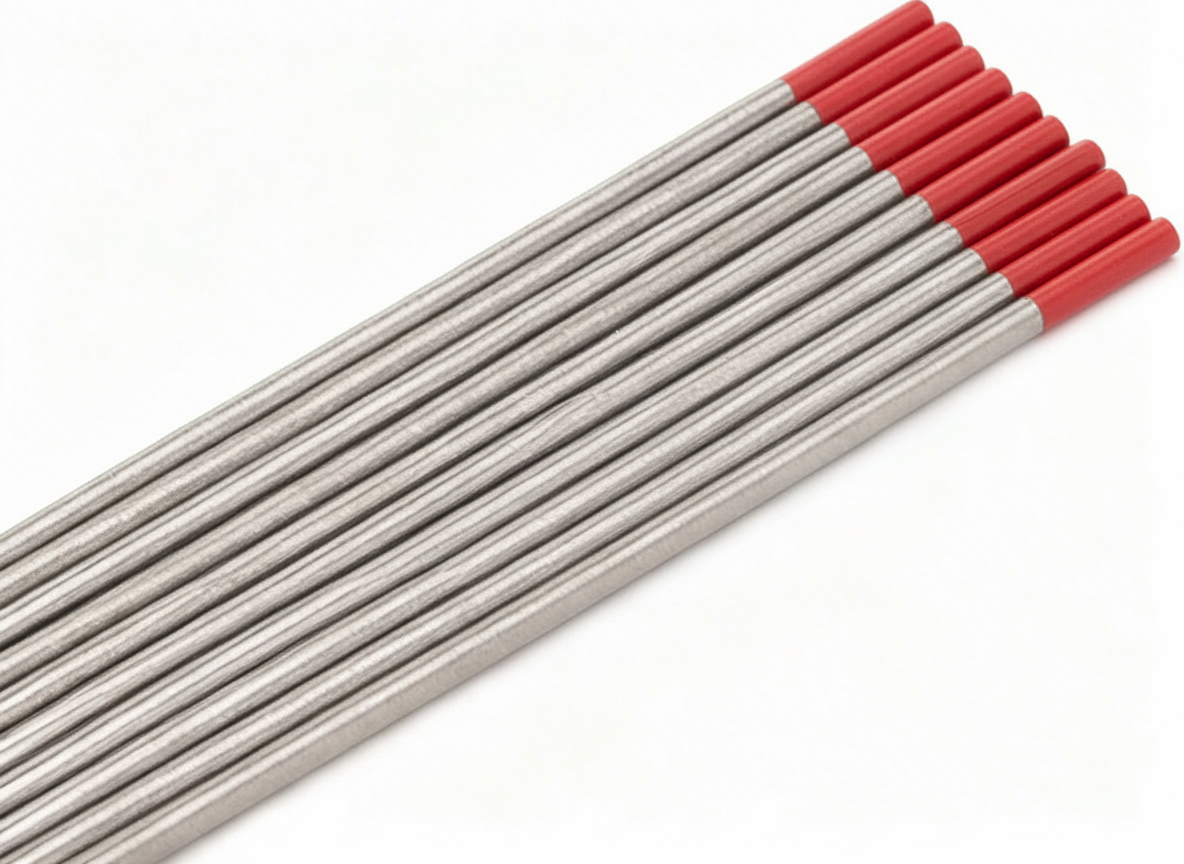

If you are buying tungsten electrodes for TIG work, the CK T187GT2 2% Thoriated Tungsten Electrode 1/8" x 7", 10 pack is a straightforward consumable choice to evaluate against your current and material needs. The key is not just the alloy type. You also need to verify diameter, length, tip prep, contamination control, and whether the electrode style matches your procedure.
This guide covers practical checks for application fit, receiving inspection, storage, and troubleshooting. It is written for welders, fabricators, maintenance buyers, and welding support teams that need a buying checklist, not a sales pitch.
Key Takeaways
- 2% thoriated tungsten is commonly selected for stable arc starting and high-current TIG work.
- Use the electrode only after you verify the diameter, stickout practice, and tip geometry required by your procedure. Unknown (Verify) if not specified by your WPS.
- Inspect each rod for straightness, surface damage, end contamination, and package integrity before issuing it to the welder.
- Do not assume it is the right choice for every AC or DC application. Confirm procedure approval before use.
- Handle thoriated tungsten with dust-control practices when grinding or reworking tips.
Application Check: Where This Electrode Fits
Based on the source summary, this electrode is intended for TIG work on carbon steel, stainless steel, nickel alloy, titanium, and copper. Treat that list as a source reference, not a blanket approval for every joint or procedure. The real question is whether your WPS or internal welding instruction supports a 2% thoriated tungsten for the job.
Before issuing the pack, check the following:
- Process: TIG only. Verify the procedure is gas tungsten arc welding, not another process.
- Current demand: Confirm the amperage range needed for the joint. Unknown (Verify) if the job does not state current requirements.
- Polarity and mode: Confirm whether the work is DC, AC, or both. Do not assume the same tip prep is acceptable in every mode.
- Electrode diameter: 1/8 inch. Verify this matches the torch, holder, and current demand.
- Length: 7 inch. Confirm the shop standard and whether the length clears your collet body and cup setup.
Buying Checks Before You Order or Issue Stock
For maintenance buyers and stores personnel, the right buying decision starts with fit and traceability. Use these checks:
- Confirm the electrode size on the job card. If the job does not specify 1/8 inch, verify with the weld lead before ordering.
- Check the package count. This product is listed as a 10 pack. Make sure that matches your consumption pattern and issue control.
- Verify storage conditions. Keep tungsten clean, dry, and separated from grinding debris.
- Confirm grinding controls. If you re-point tungsten in-house, verify you have a dedicated grinding wheel or disc and dust collection practices.
- Review safety controls for thoriated tungsten. Treat grinding dust as a control item. Use shop procedures for local exhaust, PPE, and cleanup.
Inspection on Receipt
When the shipment arrives, do not issue it directly into production. Inspect it first:
- Package condition: Check for crushed corners, opened seals, or signs of moisture intrusion.
- Count verification: Confirm the pack count is complete.
- Straightness: Roll a sample rod on a flat surface to check for visible bend.
- Surface condition: Look for scratches, chips, discoloration, or foreign contamination.
- End condition: Inspect both ends. Unknown (Verify) if the rods are supplied pre-ground or blunt; do not assume tip prep.
Troubleshooting: If Arc Starting or Weld Quality Is Poor
When a tungsten electrode performs poorly, do not blame the rod immediately. Work through the system.
1. Check the tip geometry
If arc starting is inconsistent, inspect the point. A damaged or badly ground tip can cause wandering arc starts and poor arc focus. Verify the tip angle and finish against your procedure. Unknown (Verify) if the correct geometry is not documented.
2. Inspect for contamination
If the tungsten was dipped into the puddle or touched by filler metal, remove and regrind it. Contaminated tungsten can cause erratic arc behavior, soot, and unstable starts.
3. Verify shielding gas delivery
Do not assume the tungsten is the cause if the shield is poor. Check gas flow, cup size, gas lens condition, leaks, and torch assembly fit. Poor shielding can look like a tungsten problem.
4. Confirm current and polarity
If the electrode overheats, erodes quickly, or balls unexpectedly, verify amperage, polarity, and duty cycle. Unknown (Verify) if the machine settings were changed from the approved procedure.
5. Review fit-up and joint cleanliness
Oxide, oil, paint, and mill scale can destabilize the arc and make the electrode appear at fault. Clean the joint and retest before changing consumable type.
WSP Lookup Reference
Use the Weld Support Parts lookup page as a reference point for matching tungsten and related support items to the job. It is a starting point for selection, not a procedure approval.
WSP lookup: TIG Welding Tungsten Electrodes 3/32″ (WT20 Red Tip) – Specs, Safety & Buying Guide
Compare diameter, application notes, and tip handling practices against your own requirements before making a substitution decision.
Filler Metal Finder Reference
If you are pairing tungsten selection with filler selection, use the filler metal finder pages as a starting point only. They help narrow options, but they do not replace procedure review or weld-engineering approval.
WSP reference: LaYZr Tungsten Electrode – Safer Precision for Low-Amp TIG Welding
For filler selection, verify the base metal, joint design, service conditions, and procedure requirements before issuing any rod or wire.
Safety Notes
- Thoriated tungsten requires dust-control practices when grinding or re-pointing.
- Use PPE suitable for grinding and welding tasks, including eye protection and respiratory controls required by your site procedure.
- Keep grinding tools dedicated to tungsten work when possible to reduce cross-contamination.
- Do not assume a damaged electrode is safe to reuse. Remove and inspect before relighting.
- If your workplace restricts thoriated tungsten, follow site policy and regulatory guidance. Unknown (Verify) if site rules are not documented.
FAQ
Is 2% thoriated tungsten the right choice for every TIG job?
No. It is a common choice for arc starting and higher-current TIG work, but you still need to confirm WPS approval, polarity, current range, and material compatibility for the job.
Can I use this electrode for AC and DC work?
Do not assume that. The source summary mentions low-amperage AC applications with a modified point, but your actual procedure must be checked first. Unknown (Verify) if AC use is not documented on the job.
What should I inspect when the pack arrives?
Check package integrity, count, straightness, surface damage, and contamination. If the rods are not clearly identified or appear damaged, quarantine the pack until it is verified.
Why does my tungsten keep contaminating?
Common causes include poor torch control, incorrect stickout, dirty base metal, bad shielding gas flow, or an incorrect tip geometry. Work through each variable before switching electrode type.
Sources Checked
- ArcWeld product summary for CK T187GT2 2% Thoriated Tungsten Electrode 1/8" x 7", 10 pack
- Weld Support Parts internal reference: TIG Welding Tungsten Electrodes 3/32″ (WT20 Red Tip) – Specs, Safety & Buying Guide
- Weld Support Parts internal reference: LaYZr Tungsten Electrode – Safer Precision for Low-Amp TIG Welding
Related Arc Weld Part
CK T187GT2 2% Thoriated Tungsten Electrode 1/8" X 7", 10 pack
2% Throriated Tungsten offers good arc starting and is ideal for high current requirements. It is also good for low-amperage AC applications using a modified point. It is composed of 97.3% Tungsten, 1.7%-2.2% Thorium, and .5% other. Materials Welded- Carbon Steel, Stainless Steel, Nickel Alloy, Titanium, and Copper. Package of 10
View at Arc Weld Store
Leave a Reply