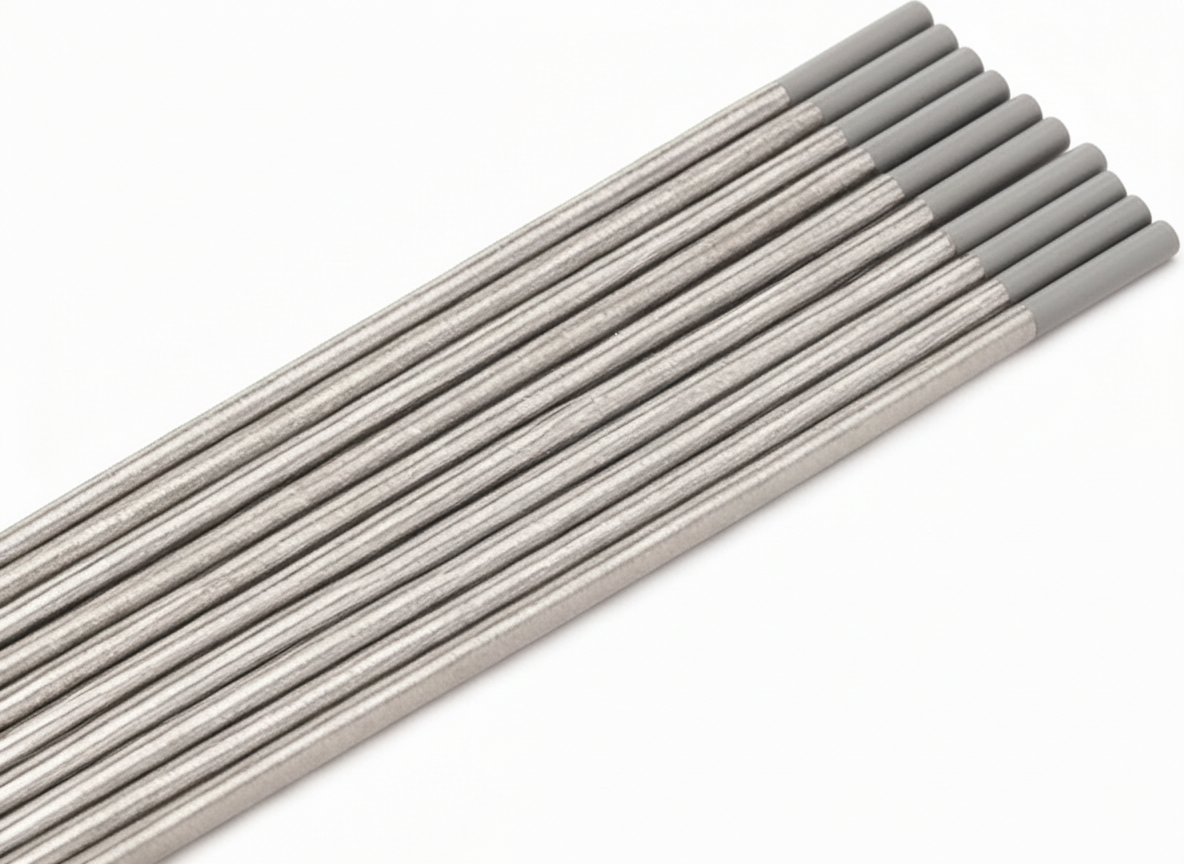

CK T187GC2 2% Ceriated Tungsten Electrode 1/8″ x 7″ (10 Pack) is a TIG support item aimed at operators who need consistent arc starts and stable arc control. The key buying question is not whether ceriated tungsten is useful in general, but whether this diameter, length, and alloy family match the job, the torch setup, and the current range you actually run. For buyers, maintenance teams, and welders, the right check list prevents wasted consumables and setup time.
Key Takeaways
- 1/8 in. electrodes are typically selected for heavier TIG work than fine-detail low-amp work.
- Ceriated tungsten is commonly used for dependable starts and stable arc behavior, especially on DC applications.
- Buying checks should focus on diameter, length, alloy type, grind condition, and whether the torch setup can physically accept the electrode.
- If a fit or process detail is not confirmed by the source record, mark it as Unknown (Verify) and check the manufacturer or internal process sheet.
What this electrode is for
The product record identifies a 2% ceriated tungsten electrode in a 1/8 in. x 7 in. format, packaged in a 10-pack. That makes it a practical stocking item for fabrication, repair, and maintenance work where repeatable setup matters. In general TIG practice, ceriated tungsten is chosen when the operator wants easy initiation and steady arc behavior. That does not replace process approval. It only means the alloy family is commonly used for those characteristics.
For DC TIG, this type of tungsten is often considered before moving to other electrode families. For AC aluminum work, the correct tungsten choice depends on the process plan, machine, and procedure. If those details are not established in your shop standard, the safe response is Unknown (Verify).
Buying checks before you order
Use the following checks before placing this item in a cart or stocking it in a crib:
- Check the diameter: Confirm that 1/8 in. is the size your torch, collet, and current range require.
- Check the length: Confirm that 7 in. works with your torch body and electrode stickout preferences.
- Check the alloy family: Verify that 2% ceriated tungsten is acceptable for the process and material set in your shop.
- Check the application: Compare against your existing tungsten standard for DC TIG, repair work, or higher-amperage fabrication.
- Check packaging count: Make sure a 10-pack matches your consumption rate and storage control.
If any of those items are not in your purchasing standard, do not assume fit. Record them as Unknown (Verify) and route the question to the weld coordinator or process owner.
Application notes for shop use
For a tungsten electrode, performance depends on more than the alloy name. The grind geometry, tip condition, cleanliness, and the machine settings all affect arc starts and arc stability. A ceriated tungsten may start well, but a damaged tip, contamination, or incorrect prep will still cause instability.
Use these practical checks during setup:
- Inspect the electrode: Look for cracks, chips, contamination, or uneven ends before use.
- Verify the grind: Check that the tip prep matches your procedure or the shop standard.
- Confirm cleanliness: Keep tungsten away from grease, steel dust, and filler contamination.
- Check torch fit: Confirm the electrode seats correctly in the collet and does not bind.
- Test on scrap: Run a short arc-start check on sample material before moving to production parts.
If the arc is wandering, hard to start, or unstable, do not blame the tungsten first. Inspect the cup size, gas coverage, shield gas flow, tip prep, and work clamp contact before changing consumables.
Troubleshooting support: check, inspect, verify
Problem: Poor arc starts
- Check whether the tungsten tip is blunt, contaminated, or ground incorrectly.
- Inspect the torch consumables for wear or poor seating.
- Verify the machine setup and start mode against the procedure.
Problem: Wandering arc
- Check the tungsten for uneven grind lines or tip damage.
- Inspect gas coverage, cup condition, and torch alignment.
- Verify that the workpiece is clean and the ground path is solid.
Problem: Short electrode life
- Check for contamination from contact with filler, base metal, or the puddle.
- Inspect whether the current, polarity, or arc length is outside the intended setup.
- Verify whether the selected tungsten size is appropriate for the amperage demand. If not confirmed, Unknown (Verify).
WSP lookup section
If your workflow includes part verification, use the Weld Support Parts lookup page as a starting point for internal confirmation: WSP lookup. Treat it as a reference path for checking item identity, not as a substitute for the welding procedure or the manufacturer’s review of critical fit.
Filler metal finder section
When selecting a tungsten support item, it can still help to review the filler metal decision path alongside the process setup. Use the Weld Support Parts filler metal finder as a starting point for selection review: filler metal finder. It should be treated as a guide to narrow choices, not as a blanket approval for procedure use.
Safety notes
- Do not handle hot tungsten immediately after welding.
- Use eye protection when grinding or dressing tungsten.
- Avoid dust exposure from grinding operations and keep the work area clean.
- Do not use a contaminated tungsten in production without cleaning or replacement.
- Follow your shop’s welding procedure, gas handling rules, and electrical safety practices.
If a procedure, material, or torch compatibility point is safety-critical and not clearly confirmed, mark it Unknown (Verify) and escalate it before use.
FAQ
Is CK T187GC2 mainly for DC TIG?
The source record indicates ceriated tungsten with dependable starts and stable arc control, especially on DC applications. Exact procedure approval remains Unknown (Verify).
Can I use 1/8 in. tungsten for any TIG job?
No. Diameter must match the current range, torch setup, and procedure. If your shop standard does not confirm the fit, treat it as Unknown (Verify).
What should I check first if the arc is unstable?
Inspect tungsten tip condition, torch consumables, gas coverage, and ground connection before replacing the electrode.
Does a 10-pack change the technical use of the electrode?
No. It changes stocking and handling only. The welding behavior still depends on diameter, alloy, prep, and setup.
Sources Checked
- ArcWeld product record for CK T187GC2, 2% Ceriated Tungsten Electrode 1/8″ x 7″ (10 Pack)
- Weld Support Parts lookup page
- Weld Support Parts filler metal finder page
- Provided internal links on tungsten electrode selection and TIG tungsten buying guidance
Related Arc Weld Part
CK T187GC2, 2% Ceriated Tungsten Electrode 1/8" x 7" (10 Pack)
CK T187GC2 2% Ceriated Tungsten Electrodes are a solid choice for TIG welding when you want dependable arc starts and steady arc control, especially on DC applications. This 10-pack includes 1/8 in. (3.2 mm) electrodes in a 7 in. length—well-suited for higher-amperage work in fabrication, maintenance, and repair. Ceriated tungsten is commonly selected for its starting characteristics and stable arc performance; co…
View at Arc Weld Store
Leave a Reply