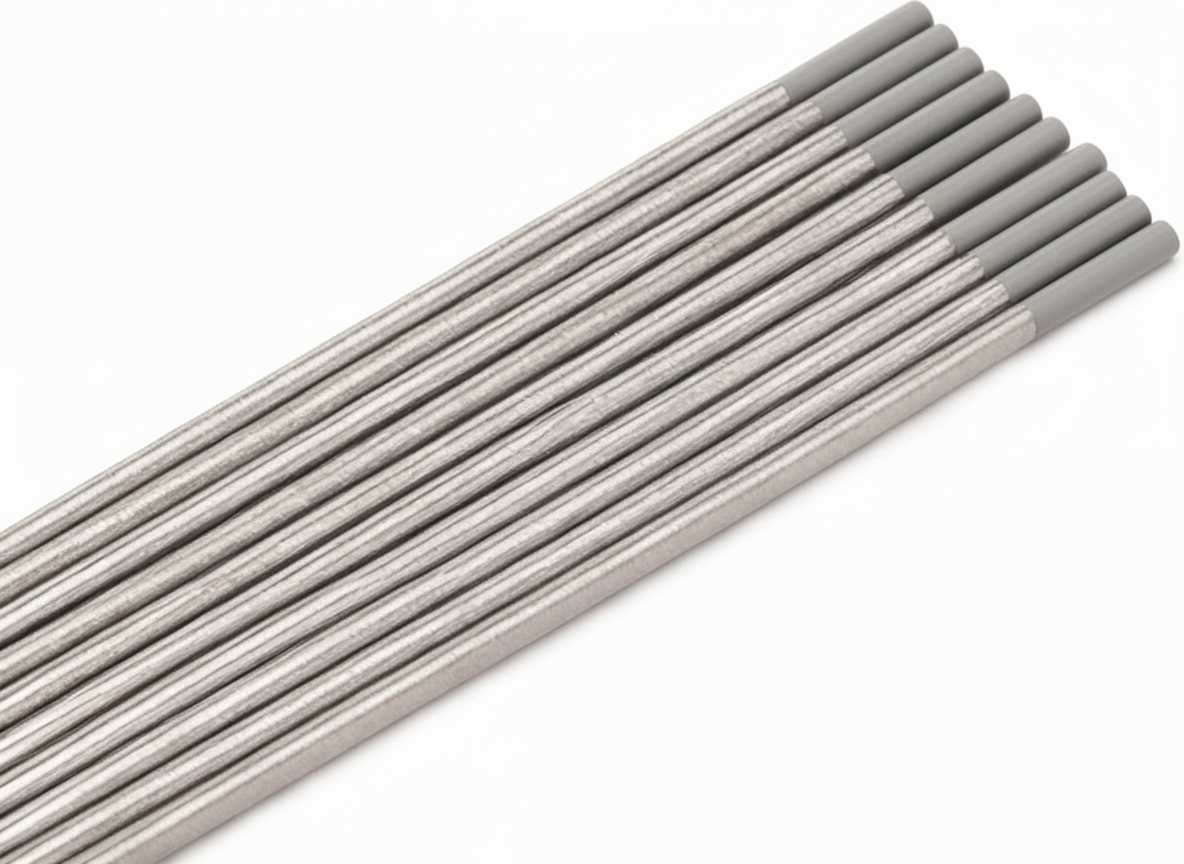

The CK T3327GC2 2% Ceriated Tungsten Electrode 3/32" x 7", 10 pack is a tungsten option used in TIG setups where arc starting and low-current control matter. The supplied product summary identifies it as a 2% ceriated tungsten intended for DC welding and usable in AC processes, with listed base materials including carbon steel, stainless steel, nickel alloy, and titanium. Treat those details as the starting point for selection, then verify them against your procedure, power source settings, and job requirements before use.
This article focuses on application checks and buying checks for maintenance buyers, welders, and support teams. It does not replace WPS review, procedure qualification, or manufacturer guidance for critical work.
Key Takeaways
- Use the electrode size and chemistry as selection inputs, not as a guarantee of approval for a specific procedure.
- 2% ceriated tungsten is commonly selected for arc starting and low-amp TIG work; verify whether your application is DC, AC, or mixed-service.
- The 3/32-inch diameter and 7-inch length must fit your torch, collet, and grinding practices. Verify torch compatibility before purchase.
- For production or repair work, inspect the tungsten condition before loading it into the torch. Reject cracked, contaminated, or badly overheated electrodes.
- Use the linked reference pages as starting points for selection, not as final procedure approval.
What this tungsten is generally used for
Based on the supplied product summary, this is a 2% ceriated tungsten electrode. In practical TIG use, that type of tungsten is often chosen when a stable arc and easier starting are useful, especially at lower current settings. The summary also says it can be used proficiently in AC processes, but that does not mean every AC application is a fit. AC balance, machine output, joint condition, and contamination control still matter.
For buyers, the main question is not whether ceriated tungsten is a common choice. The question is whether this exact diameter, length, and chemistry match the work package, torch setup, and operator preference. If your shop standard is already set by procedure or internal practice, confirm that this electrode matches the standard before ordering.
Application checks before you buy
Use the following checks to reduce wrong-part purchases.
- Check the current range: Confirm the job’s typical amperage and whether 3/32-inch tungsten is appropriate for that range. Unknown (Verify) if your internal chart is not available.
- Check the process: Confirm whether the job is DCEN, AC, or another TIG mode. The supplied summary supports DC use and says AC use is possible, but the final approval should come from your procedure or supervisor.
- Check the material: The summary lists carbon steel, stainless steel, nickel alloy, and titanium. Verify that the weld procedure supports this tungsten choice for the specific base metal and filler plan.
- Check torch fit: Confirm 7-inch length works with your collet body, back cap, and standard stickout practice. If your torch setup has limited access or special cup geometry, verify clearance first.
- Check inventory standardization: If your team stocks multiple tungsten types, label drawers clearly. Confusion between ceriated, thoriated, lanthanated, and zirconiated tungsten can lead to wasted setup time.
Inspection checks on receipt
Before issuing the pack to the floor, inspect the packaging and the electrodes themselves.
- Inspect the pack count: Confirm the package contains the expected quantity of 10. If count is short, quarantine the pack and report it through receiving.
- Inspect the paper or plastic sleeve: Look for crushed tubes, torn wraps, or evidence that the electrodes may have been dropped.
- Inspect the electrode ends: Check for chipped ends, contamination, or visible bending. Any electrode with damaged ends may affect start quality.
- Inspect surface condition: Look for rust, oil, grinding debris, or shop dirt. Keep tungsten clean and separate from filler metal and consumables that carry contamination.
- Verify identity: Match the label, size, and chemistry to the receiving record. If the package labeling is unclear, treat it as Unknown (Verify) until confirmed.
Troubleshooting support: when the tungsten is the problem
If the arc becomes unstable, do not assume the machine is the only issue. Tungsten condition and fit are common causes of poor starts and erratic behavior.
- Check: Is the tip contaminated, overheated, or improperly ground?
- Inspect: Look for wandering arc, repeated tip failure, or discoloration that suggests heat stress or contamination.
- Verify: Confirm the machine polarity, shielding gas flow, and torch assembly before replacing the electrode again.
If the tungsten repeatedly balls, fractures, or loses arc stability, stop and verify the procedure. The issue may be polarity, cup size, gas coverage, poor tungsten prep, or current beyond the intended range. For safety-critical jobs, use the approved WPS and have the supervisor or welding engineer review the setup.
WSP lookup section
For related support material and selector references, use the WSP resources below as starting points:
- TIG Welding Tungsten Electrodes 3/32″ (WT20 Red Tip) – Specs, Safety & Buying Guide
- LaYZr Tungsten Electrode – Safer Precision for Low-Amp TIG Welding
Use these pages to compare tungsten family choices and support decisions. They are selection starting points, not guaranteed procedure approvals. If your application is controlled by a written procedure, confirm the approved tungsten type with the appropriate authority.
Filler metal finder section
If you are pairing this tungsten with a filler plan, use the filler metal finder workflow available in your support tools to narrow the starting list. Treat the result as a screening step, not as a final approval for weld procedure use. For critical or regulated work, confirm the final filler metal choice against the governing procedure and internal review process.
Buying checks for maintenance and support teams
When you are purchasing tungsten for a shop, the right buy is the one that matches process control and reduces downtime. Before placing an order, verify the following:
- Diameter match: 3/32-inch fits the job and your torch consumables.
- Length match: 7-inch electrodes fit the holders and storage method you use.
- Chemistry match: 2% ceriated is acceptable for the intended application.
- Quantity match: A 10-pack is enough for your usage rate and issue control.
- Documentation match: The receiving record and shop standard both point to the same item.
If any of those points are unresolved, mark the purchase decision as Unknown (Verify) and resolve it before issue.
Safety notes
- Do not use damaged tungsten in production welding.
- Keep tungsten away from oil, dirt, and grinding contamination.
- Use proper eye protection during grinding and setup.
- Follow your shop’s ventilation and fume control practices.
- If the application is safety-critical, defer to the approved WPS and supervisor review.
FAQ
Is this tungsten suitable for both DC and AC TIG?
The supplied product summary says it performs well in DC welding and can be used proficiently in AC processes. Verify your actual job requirement before buying or issuing it.
Can I use 3/32-inch tungsten for any TIG job?
No. Tungsten diameter must match the amperage, torch setup, and procedure. Check your process limits and internal standards first.
What should I inspect when the package arrives?
Check the count, packaging condition, electrode ends, and surface cleanliness. If anything is damaged or unclear, quarantine the pack and verify the identity before use.
Does the listed material compatibility mean it is approved for those metals?
No. The summary lists carbon steel, stainless steel, nickel alloy, and titanium as materials welded, but final approval depends on the procedure and job conditions.
Sources Checked
- ArcWeld product summary for CK T3327GC2 2% Ceriated Tungsten Electrode 3/32" x 7", 10 pack
- Weld Support Parts internal article: TIG Welding Tungsten Electrodes 3/32″ (WT20 Red Tip) – Specs, Safety & Buying Guide
- Weld Support Parts internal article: LaYZr Tungsten Electrode – Safer Precision for Low-Amp TIG Welding
Related Arc Weld Part
CK T3327GC2 2% Ceriated Tungsten Electrode 3/32" X 7", 10 pack
2% Ceriated Tungsten Performs well in DC welding and arc starting at low current settings, and can be used proficiently in AC processes. It is composed of 97.3% Tungsten, 1.8%-2.2% Cerium, and .5% Other. Materials Welded-Carbon Steel, Stainless Steel, Nickel Alloy, and Titanium. Package of 10
View at Arc Weld Store
Leave a Reply