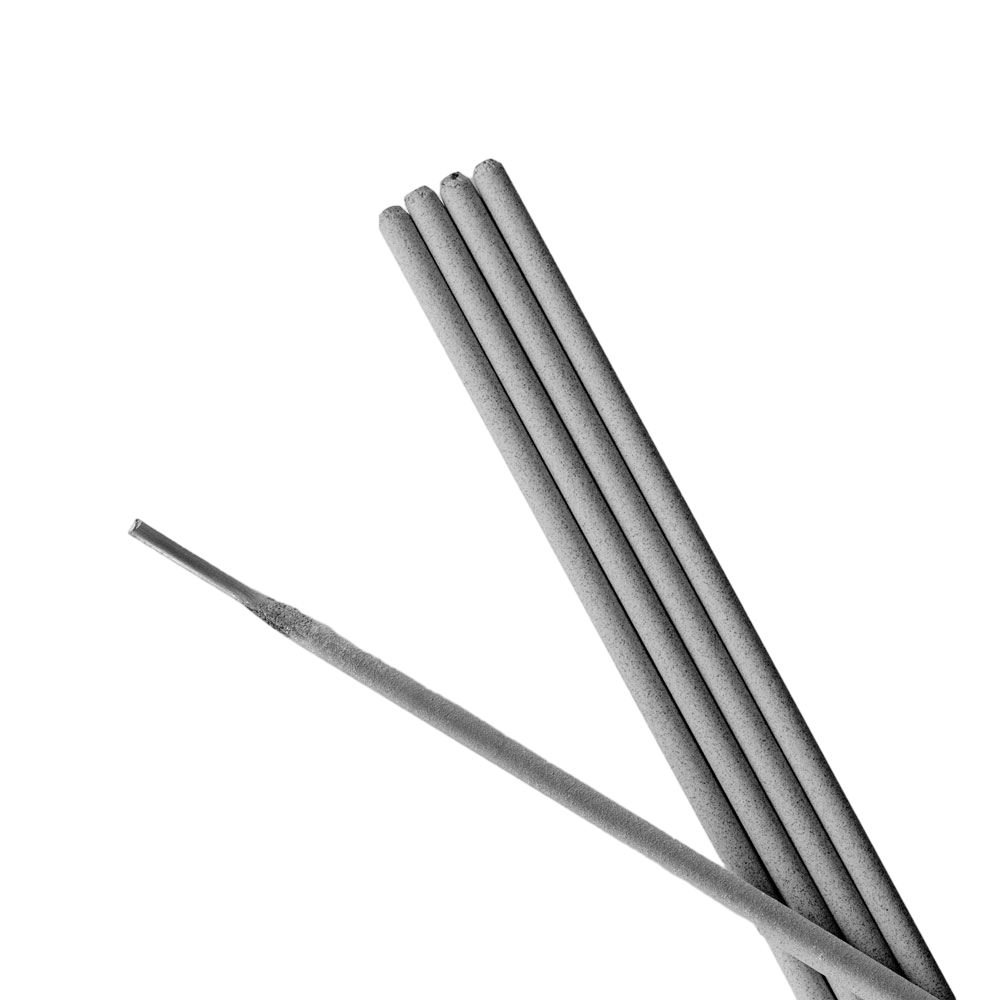

Washington Alloy 9018-M 10lbs Welding Stick Electrode (3/32″) is a low-hydrogen stick electrode intended for demanding structural and repair work where weld quality and toughness matter. The product description identifies it as an all-position, iron-powder electrode with manganese, molybdenum, and nickel, and notes it is aimed at low alloy, high tensile, quenched, and tempered steels such as T1, HY80, and HY90. That puts it in a class of consumables that buyers often choose for stronger base metals, but the final selection still depends on the job procedure, material condition, and code requirements.
This article breaks down what the product description tells you, what you should verify before use, and how to support the electrode in the shop. It is a buyer guide, not a procedure approval. If the job is code work, match the electrode to the WPS, base metal, joint design, and preheat/postheat requirements.
Key Takeaways
- 9018-M is described as an all-position, low-hydrogen, iron-powder electrode.
- The listed alloying elements are manganese, molybdenum, and nickel.
- It is intended for low alloy, high tensile, quenched, and tempered steels, including T1, HY80, and HY90 as listed by the source.
- The product description says weld deposits have excellent impact properties and are X-ray quality.
- Preheat and postheat are application dependent; exact requirements are Unknown (Verify).
What the Product Breakdown Means
The term low-hydrogen matters because hydrogen control is a common concern on higher-strength steels and restrained joints. In practical terms, the electrode should be stored and handled to limit moisture pickup. The listing also calls it iron-powder. That usually signals higher deposition efficiency than a plain general-purpose rod, but exact deposition behavior for this specific product is Unknown (Verify) unless you are working from the manufacturer data sheet or a qualified procedure.
The alloy content listed in the product summary suggests the rod is intended to support strength and toughness requirements. That does not mean it is the correct filler for every high-strength steel. Verify the base metal specification, thickness, restraint, service temperature, and any code or customer requirements before issuing it to production.
Practical Check / Inspect / Verify Steps
- Check the base metal spec and the job traveler. Confirm the material actually calls for a low-hydrogen high-strength electrode.
- Inspect the joint fit-up, bevel, root gap, and cleanliness. Remove rust, oil, mill scale, and moisture before striking an arc.
- Verify the required preheat and interpass controls. The source indicates preheating and postheating may be needed depending on thickness and hardening characteristics, but exact temperatures are Unknown (Verify).
- Check rod condition before use. Bent, contaminated, or moisture-exposed electrodes should not be treated as production-ready.
- Inspect the storage method. Low-hydrogen electrodes should be kept in a dry controlled environment or holding container as required by your procedure.
- Verify polarity and amperage from the manufacturer data or qualified procedure. Do not assume settings from another 9018-family rod transfer directly.
Troubleshooting Support for Shop Use
If the arc is unstable, the first checks should be basic. Inspect the electrode for moisture damage, verify the machine output, and confirm the work lead and stinger connections. If slag is difficult to remove, check travel speed and bead shape against the procedure. If cracking appears, stop and verify preheat, interpass control, restraint, and hydrogen management before continuing.
For operators using a stinger and holder, support gear matters. A worn holder jaw, loose cable connection, or poor ground can create heat loss and inconsistent arc behavior. If you need a refresher on holder setup and stick welding handling, see Welding Electrode Holder: Stinger Guide & Stick Welding Tips and Welding Electrode Holder: Choose the Best for Stick Welding.
Product / Parts Section
The product referenced here is Washington Alloy 9018-M 10lbs Welding Stick Electrode (3/32″). The provided source description indicates the rod is designed for low alloy, high tensile, quenched, and tempered steels and highlights impact performance and X-ray quality deposits. No further technical specifications were provided in the source set, so current diameter, length, current range, recovery rate, and storage limits are Unknown (Verify).
Use this product as a support item when your procedure and material call for this family of electrode. It is not a universal replacement for general-purpose rods. If you need a different structural stick option for comparison, a related support article on a 7014 electrode is available here: Washington Alloy 7014 Stick Electrode – Smooth Welding with High Deposition. That article is a selection reference, not a procedure approval.
Support Buying Notes
For maintenance buyers, the key question is not only whether the electrode is available, but whether it matches the weld requirement. Before buying, verify the joint type, service condition, and whether the job uses a qualified WPS. If purchasing for stock, label it by electrode family and keep usage notes by job type so the next shift does not have to guess. If the work mixes general fabrication and high-strength repair, separate the stock clearly to avoid mix-ups.
If you are also reviewing related equipment, the stinger and holder should be matched to expected duty and cable condition. A good electrode will not compensate for poor current transfer or damaged leads.
Safety Notes
- Follow the applicable WPS, SDS, and site hot-work rules.
- Keep low-hydrogen electrodes dry and protected from contamination.
- Use proper PPE, including eye, face, hand, and body protection.
- Do not assume preheat or postheat values; verify them for the specific job.
- Watch for fume control, especially in confined or poorly ventilated spaces.
FAQ
Is Washington Alloy 9018-M the same as every other 9018 rod?
No. The designation suggests a similar electrode family, but you should not assume identical performance, polarity, or settings. Verify against the manufacturer data and the job procedure.
Can this rod be used on any high-strength steel?
No. The listing names certain high-strength and quenched-and-tempered steels, but actual suitability depends on the base metal, service conditions, and procedure approval. Verify before use.
Does the listing guarantee X-ray quality welds?
No guarantee can be assumed from a product summary alone. The source says the deposits are X-ray quality, but the final result depends on fit-up, technique, cleanliness, parameters, and inspection requirements.
What should I verify before putting it into production?
Check the WPS, base metal spec, preheat needs, storage condition, and current settings. Also verify that the joint prep and operator qualifications match the task.
Sources Checked
- ArcWeld product page: Washington Alloy 9018-M 10lbs Welding Stick Electrode (3/32″)
- Internal WSP blog article: Welding Electrode Holder: Stinger Guide & Stick Welding Tips
- Internal WSP blog article: Welding Electrode Holder: Choose the Best for Stick Welding
- Internal WSP blog article: Washington Alloy 7014 Stick Electrode – Smooth Welding with High Deposition
Note: No WSP lookup page or filler metal finder page was provided for this draft. Technical details not present in the supplied sources are marked Unknown (Verify).
Leave a Reply