Tag: maintenance welding

  • Washington Alloy 9018-M 10lbs Welding Stick Electrode (3/32″): Product Breakdown

    Washington Alloy 9018-M 10lbs Welding Stick Electrode (3/32″): Product Breakdown

    Washington Alloy 9018-M 10lbs Welding Stick Electrode (3/32")
    “>Washington Alloy 9018-M 10lbs Welding Stick Electrode (3/32")

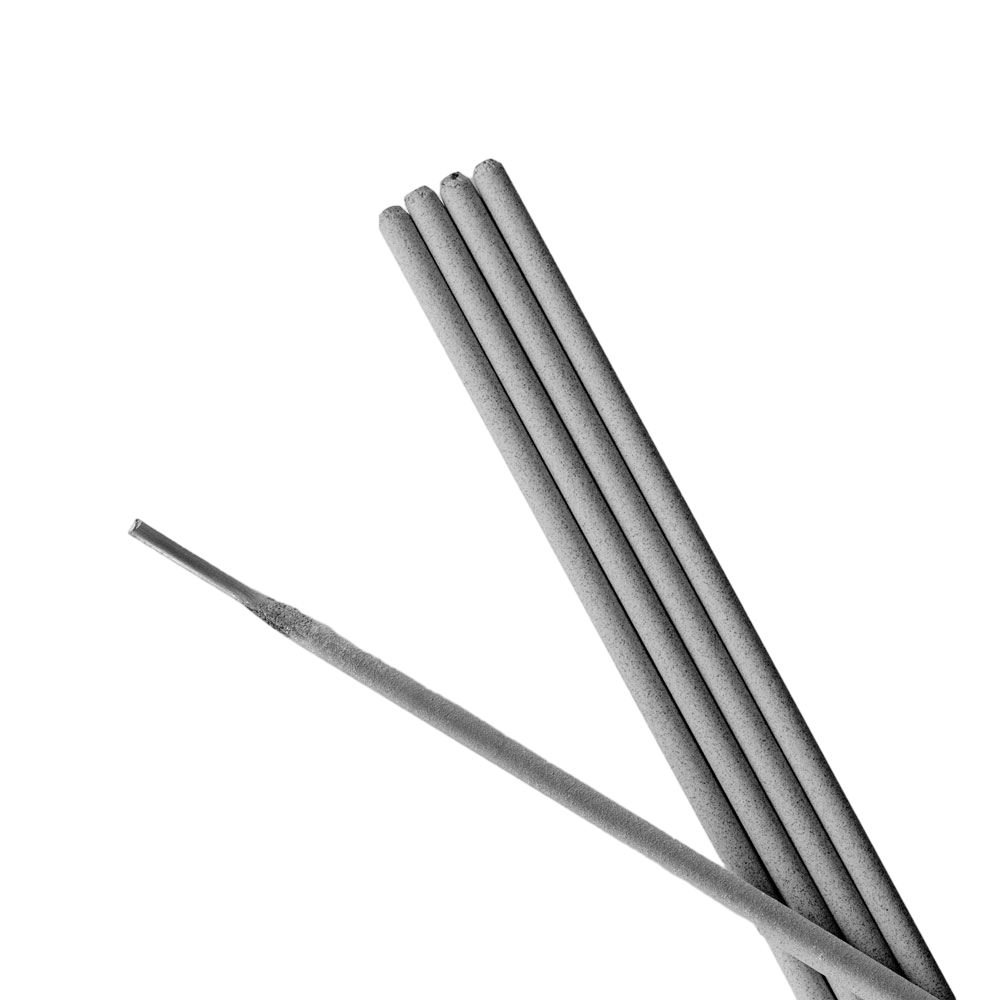
    Washington Alloy 9018-M 10lbs Welding Stick Electrode (3/32″) is a low-hydrogen stick electrode intended for demanding structural and repair work where weld quality and toughness matter. The product description identifies it as an all-position, iron-powder electrode with manganese, molybdenum, and nickel, and notes it is aimed at low alloy, high tensile, quenched, and tempered steels such as T1, HY80, and HY90. That puts it in a class of consumables that buyers often choose for stronger base metals, but the final selection still depends on the job procedure, material condition, and code requirements.

    This article breaks down what the product description tells you, what you should verify before use, and how to support the electrode in the shop. It is a buyer guide, not a procedure approval. If the job is code work, match the electrode to the WPS, base metal, joint design, and preheat/postheat requirements.

    Key Takeaways

    • 9018-M is described as an all-position, low-hydrogen, iron-powder electrode.
    • The listed alloying elements are manganese, molybdenum, and nickel.
    • It is intended for low alloy, high tensile, quenched, and tempered steels, including T1, HY80, and HY90 as listed by the source.
    • The product description says weld deposits have excellent impact properties and are X-ray quality.
    • Preheat and postheat are application dependent; exact requirements are Unknown (Verify).

    What the Product Breakdown Means

    The term low-hydrogen matters because hydrogen control is a common concern on higher-strength steels and restrained joints. In practical terms, the electrode should be stored and handled to limit moisture pickup. The listing also calls it iron-powder. That usually signals higher deposition efficiency than a plain general-purpose rod, but exact deposition behavior for this specific product is Unknown (Verify) unless you are working from the manufacturer data sheet or a qualified procedure.

    The alloy content listed in the product summary suggests the rod is intended to support strength and toughness requirements. That does not mean it is the correct filler for every high-strength steel. Verify the base metal specification, thickness, restraint, service temperature, and any code or customer requirements before issuing it to production.

    Practical Check / Inspect / Verify Steps

    • Check the base metal spec and the job traveler. Confirm the material actually calls for a low-hydrogen high-strength electrode.
    • Inspect the joint fit-up, bevel, root gap, and cleanliness. Remove rust, oil, mill scale, and moisture before striking an arc.
    • Verify the required preheat and interpass controls. The source indicates preheating and postheating may be needed depending on thickness and hardening characteristics, but exact temperatures are Unknown (Verify).
    • Check rod condition before use. Bent, contaminated, or moisture-exposed electrodes should not be treated as production-ready.
    • Inspect the storage method. Low-hydrogen electrodes should be kept in a dry controlled environment or holding container as required by your procedure.
    • Verify polarity and amperage from the manufacturer data or qualified procedure. Do not assume settings from another 9018-family rod transfer directly.

    Troubleshooting Support for Shop Use

    If the arc is unstable, the first checks should be basic. Inspect the electrode for moisture damage, verify the machine output, and confirm the work lead and stinger connections. If slag is difficult to remove, check travel speed and bead shape against the procedure. If cracking appears, stop and verify preheat, interpass control, restraint, and hydrogen management before continuing.

    For operators using a stinger and holder, support gear matters. A worn holder jaw, loose cable connection, or poor ground can create heat loss and inconsistent arc behavior. If you need a refresher on holder setup and stick welding handling, see Welding Electrode Holder: Stinger Guide & Stick Welding Tips and Welding Electrode Holder: Choose the Best for Stick Welding.

    Product / Parts Section

    The product referenced here is Washington Alloy 9018-M 10lbs Welding Stick Electrode (3/32″). The provided source description indicates the rod is designed for low alloy, high tensile, quenched, and tempered steels and highlights impact performance and X-ray quality deposits. No further technical specifications were provided in the source set, so current diameter, length, current range, recovery rate, and storage limits are Unknown (Verify).

    Use this product as a support item when your procedure and material call for this family of electrode. It is not a universal replacement for general-purpose rods. If you need a different structural stick option for comparison, a related support article on a 7014 electrode is available here: Washington Alloy 7014 Stick Electrode – Smooth Welding with High Deposition. That article is a selection reference, not a procedure approval.

    Support Buying Notes

    For maintenance buyers, the key question is not only whether the electrode is available, but whether it matches the weld requirement. Before buying, verify the joint type, service condition, and whether the job uses a qualified WPS. If purchasing for stock, label it by electrode family and keep usage notes by job type so the next shift does not have to guess. If the work mixes general fabrication and high-strength repair, separate the stock clearly to avoid mix-ups.

    If you are also reviewing related equipment, the stinger and holder should be matched to expected duty and cable condition. A good electrode will not compensate for poor current transfer or damaged leads.

    Safety Notes

    • Follow the applicable WPS, SDS, and site hot-work rules.
    • Keep low-hydrogen electrodes dry and protected from contamination.
    • Use proper PPE, including eye, face, hand, and body protection.
    • Do not assume preheat or postheat values; verify them for the specific job.
    • Watch for fume control, especially in confined or poorly ventilated spaces.

    FAQ

    Is Washington Alloy 9018-M the same as every other 9018 rod?
    No. The designation suggests a similar electrode family, but you should not assume identical performance, polarity, or settings. Verify against the manufacturer data and the job procedure.

    Can this rod be used on any high-strength steel?
    No. The listing names certain high-strength and quenched-and-tempered steels, but actual suitability depends on the base metal, service conditions, and procedure approval. Verify before use.

    Does the listing guarantee X-ray quality welds?
    No guarantee can be assumed from a product summary alone. The source says the deposits are X-ray quality, but the final result depends on fit-up, technique, cleanliness, parameters, and inspection requirements.

    What should I verify before putting it into production?
    Check the WPS, base metal spec, preheat needs, storage condition, and current settings. Also verify that the joint prep and operator qualifications match the task.

    Sources Checked

    • ArcWeld product page: Washington Alloy 9018-M 10lbs Welding Stick Electrode (3/32″)
    • Internal WSP blog article: Welding Electrode Holder: Stinger Guide & Stick Welding Tips
    • Internal WSP blog article: Welding Electrode Holder: Choose the Best for Stick Welding
    • Internal WSP blog article: Washington Alloy 7014 Stick Electrode – Smooth Welding with High Deposition

    Note: No WSP lookup page or filler metal finder page was provided for this draft. Technical details not present in the supplied sources are marked Unknown (Verify).

    Related Arc Weld Part

    Washington Alloy 9018-M 10lbs Welding Stick Electrode (3/32")

    Washington Alloy 9018-M 10lbs Welding Stick Electrode (3/32")

    9018M is an all-position, low-hydrogen, iron-powder electrode containing manganese, molybdenum, and nickel. 9018M is designed for welding low alloy, high tensile, quenched, and tempered steels such as T1, HY80, and HY90. Weld deposits have excellent impact properties and are X-ray quality. PREHEATING AND POSTHEATING Depending upon the thickness and hardening characteristics of the workpiece, preheating at a temper…

    View at Arc Weld Store

    Related Weld Support Guides

  • Stoody 965-G, Hard Facing MIG Wire, .045 X 33 lb Basket: Product Breakdown

    Stoody 965-G, Hard Facing MIG Wire, .045 X 33 lb Basket: Product Breakdown

    Product not found.
    “>Stoody 965-G, Hard Facing MIG Wire, .045 X 33 lb Basket

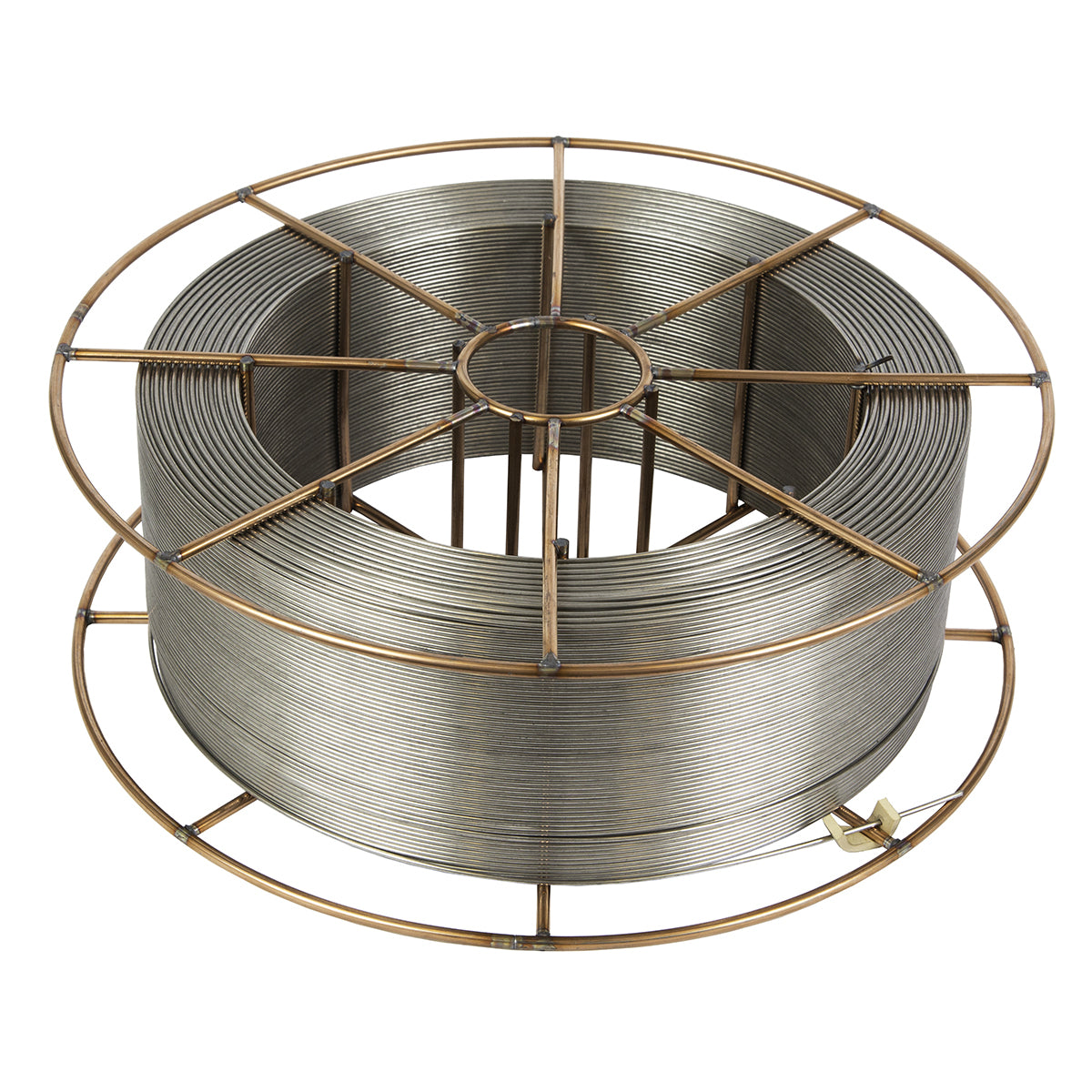
    Stoody 965-G, Hard Facing MIG Wire, .045 X 33 lb Basket is positioned as a general-purpose hardfacing filler for maintenance and repair work. The practical value of a hardfacing wire is not just depositing metal. It is about matching the wear mechanism, the base metal, and the repair sequence so the rebuilt surface lasts long enough to justify the labor. For shops and field teams, that means checking the parent metal, the wear pattern, and the machine setup before any arc starts.

    Key Takeaways

    • Stoody 965-G is described as a hardfacing MIG wire for repair and maintenance applications.
    • It is intended for parts exposed to metal-to-metal wear or metal-to-earth abrasion.
    • Source material indicates use on carbon steel, low-alloy steel, and manganese steel.
    • Wire diameter is listed as .045 in (1.2 mm); basket weight is listed as 33 lb.
    • Unknown (Verify): exact chemistry, deposited hardness, shielding gas, polarity, and postweld procedure.

    What this wire is for

    Hardfacing wire is used when the goal is to slow down wear, not to restore cosmetic appearance. Stoody 965-G is described as a general-purpose option that balances impact resistance and abrasion resistance. In practical terms, that makes it a candidate for rebuilding edges, contact surfaces, and high-wear zones where parts see repeated loading, scraping, or sliding. The important point is that hardfacing is application-specific. A wire that works well on one wear pattern may fail early on another.

    Before selecting any hardfacing consumable, identify the dominant wear mode:

    • Metal-to-metal wear: sliding or impact against another steel surface.
    • Metal-to-earth abrasion: soil, sand, aggregate, or other abrasive fines.
    • Impact loading: repeated shock without major abrasion.

    If the wear mode is mixed, a general-purpose product may be reasonable. If the part is subject to a very specific wear pattern, verify the deposit properties before committing to a full rebuild.

    Product and parts check

    The available product data identifies the item as Stoody 965-G, Hard Facing MIG Wire, .045 x 33 lb Basket. Beyond that, the technical details provided are limited. Do not assume machine settings, shielding gas, or deposition behavior from the product name alone.

    • Wire diameter: .045 in / 1.2 mm
    • Package: 33 lb basket
    • Intended use: hardfacing repair and maintenance
    • Base metals listed by source: carbon steel, low-alloy steel, manganese steel
    • Unknown (Verify): AWS classification, gas type, polarity, operating range, storage requirements

    For purchasing teams, the main part check is whether the wire format matches the feeder and drive system in service. Basket wire can be handled differently than spool wire. Verify the feeder setup, liner condition, and drive-roll suitability before loading the wire into production equipment.

    Check, inspect, verify before welding

    Check the component for the actual wear profile. Measure where material loss occurred and note whether the damage is shallow, gouged, peened, or cracked. If the part has cracking, distortion, or prior overlays, hardfacing may require repair sequencing first.

    Inspect the base metal condition. Remove scale, grease, paint, and embedded contamination. On manganese steel and other work-hardening materials, verify the surface is prepared in a way that supports sound fusion without creating unnecessary heat buildup. Confirm that the part can tolerate the thermal load of the repair process.

    Verify equipment setup before use:

    • Wire feed path is clean and lined correctly
    • Drive rolls are sized for .045 in wire
    • Contact tip condition matches the wire size
    • Shielding gas requirement is confirmed from the manufacturer data
    • Polarity is confirmed from the manufacturer data

    Unknown (Verify): the specific voltage and wire-feed starting points for this product. Use published manufacturer guidance for the exact lot and machine combination.

    Troubleshooting support

    Problem: poor arc stability. Check for inconsistent wire feed, worn liner, damaged contact tip, or incorrect drive-roll pressure. Verify the wire path is not contaminated and that the feeder is not slipping on the basket wire.

    Problem: excessive spatter or rough bead shape. Inspect shielding gas flow, nozzle condition, CTWD consistency, and travel speed. Verify the machine settings against the manufacturer data. If the bead profile changes after a few inches, look for feed variation first.

    Problem: premature cracking or edge loss. Check whether the deposit was applied to a surface that needed preheat, interpass control, or a different hardfacing strategy. Verify the wear mode. A deposit that is too hard or too brittle for the service condition can fail early.

    Problem: wire feeding issues in a production cell. Inspect the basket setup, drive-roll wear, contact tip diameter, and liner length. Verify there is no birdnesting, twist, or drag in the cable. For maintenance buyers, feeder compatibility should be confirmed before the wire is stocked in quantity.

    Safety notes

    • Hardfacing work can generate fumes, heat, and spatter. Use local exhaust ventilation and appropriate PPE.
    • Verify base metal condition before welding. Old repairs, coatings, or unknown alloys can change the hazard profile.
    • Do not assume the deposit is machinable, crack-free, or suitable for all overlay jobs without confirming the manufacturer guidance.
    • Allow parts to cool and handle with care. Hardfaced surfaces can retain heat longer than expected.

    Buying and application notes

    If the goal is stocking a maintenance consumable for recurring wear jobs, this product fits the category of general-purpose hardfacing wire. That does not make it universal. For the best result, match the consumable to the part family, service environment, and feeder hardware. If the job is on carbon steel, low-alloy steel, or manganese steel, the source description suggests this product may be relevant. If the substrate is outside those materials, verify suitability before use.

    For teams standardizing consumables, document three items in the job packet: the base metal, the wear mode, and the verified machine settings. That reduces trial-and-error and helps avoid scrap on high-value parts.

    FAQ

    Is Stoody 965-G a repair wire or a structural wire?
    It is described as a hardfacing MIG wire for repair and maintenance work. Unknown (Verify): structural qualification and code use.

    What materials can it be used on?
    The provided source says carbon steel, low-alloy steel, and manganese steel. Verify the specific application before use, especially on unknown or coated substrates.

    What gas should be used?
    Unknown (Verify). The provided product data does not state shielding gas requirements. Use the manufacturer’s published data for the exact product.

    Can it be used for both impact and abrasion?
    The source describes a practical balance of impact resistance and abrasion resistance. Final suitability depends on the actual wear mechanism and the repair procedure.

    Sources Checked

    • ArcWeld product page: Stoody 965-G, Hard Facing MIG Wire, .045 X 33 lb Basket
    • Provided product short description and source idea in task brief
    • Allowed internal links list reviewed; none were directly relevant to this hardfacing product

    For product-specific purchasing or setup confirmation, use the manufacturer’s published technical data before putting Stoody 965-G into service.

    Related Arc Weld Part

    Stoody 965-G, Hard Facing MIG Wire, .045 X 33 lb Basket

    Stoody 965-G, Hard Facing MIG Wire, .045 X 33 lb Basket

    Stoody 965-G is a general-purpose hardfacing MIG wire designed to deliver a practical balance of impact resistance and abrasion resistance for repair and maintenance work. It can be applied to carbon steel, low-alloy steel, and manganese steel, making it a solid option for rebuilding and protecting parts exposed to metal-to-metal wear or metal-to-earth abrasion. Supplied here in .045 in (1.2 mm) diameter on a 33 l…

    View at Arc Weld Store

    Related Weld Support Guides

  • Read with Kindle Unlimited