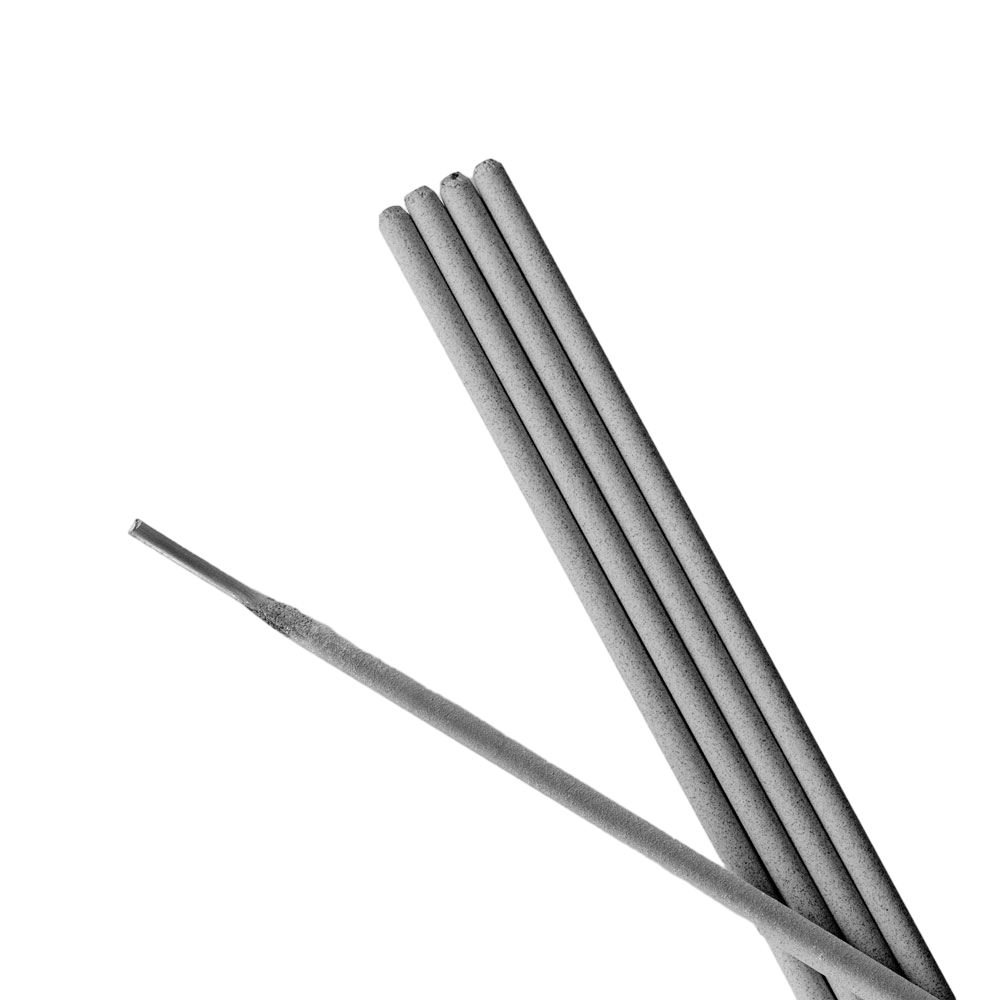
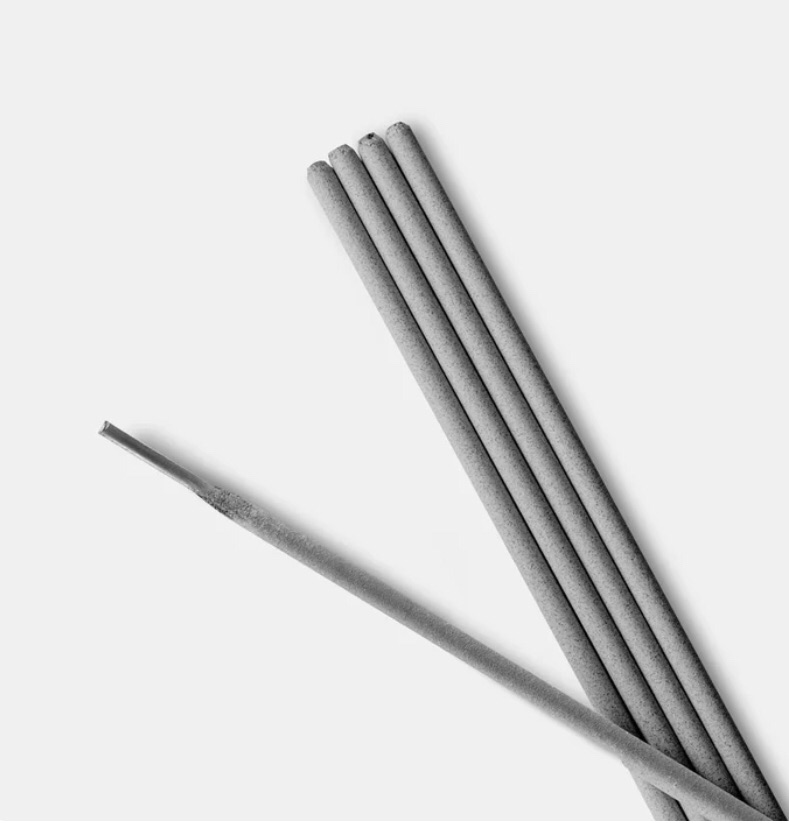
Tag: low hydrogen electrode

  • Stick Welding Porosity Troubleshooting: Pinholes, Wormholes, Moisture, Arc Length, and Electrode Checks

    Stick welding porosity usually comes from gas trapped in the weld metal before the puddle freezes. With SMAW, start with the electrode, base metal, arc length, amperage, polarity, and technique before blaming the welder. Pinholes after slag removal, wormholes in the bead, rough starts, popping arc behavior, and scattered pits usually point to moisture, contamination, long arc length, wrong rod handling, or welding over paint, oil, rust, zinc, primer, or damp steel.

    The repair path is simple: stop welding, identify whether the porosity is surface-only or through the bead, clean the joint to bright metal, switch to known-good electrodes, shorten the arc, verify amperage and polarity, and run a controlled test bead on clean scrap. For low-hydrogen rods, especially 7018, porosity must be treated as a storage and hydrogen-control issue, not only a bead appearance problem. See the related WSP guide on 7018 rod moisture contamination when damp rods, sticking, or cracking risk are present.

    Common Symptoms

    SymptomLikely CauseFirst Check
    Small pinholes after chipping slagMoisture, contamination, or long arcTry dry rods on clean scrap
    Wormholes or tunnels in beadSevere contamination or trapped gasGrind out and clean joint
    Porosity starts after rod changeBad rod batch, damp coating, wrong rod storageCompare against sealed rods
    Porosity only at startsPoor restart, long arc, damp rod tipClip/restrike properly and shorten arc
    Porosity on rusty or painted steelSurface contamination burning into puddleRemove coating and re-test
    Porosity with 7018 plus stickingLow amperage, damp coating, bad arc lengthCheck storage and amperage

    Likely Causes

    Moisture in electrodes: Damp coating can release hydrogen and other gases into the weld pool. Low-hydrogen electrodes are especially sensitive. Opened 7018 should be stored according to the electrode manufacturer, code, and WPS requirements.

    Dirty base metal: Oil, grease, paint, primer, rust, mill scale, cutting fluid, galvanized coating, and moisture can create gas pockets when heated. Stick welding is more tolerant than TIG or MIG, but it is not immune to contamination.

    Long arc length: A long arc can reduce shielding from the electrode coating and pull air into the arc zone. This is common with new operators trying to see the puddle.

    Wrong rod manipulation: Excessive whipping with low-hydrogen rods can cause porosity. Some cellulose rods tolerate whip-and-pause technique, but 7018 should normally be run with a short, steady arc.

    Wrong amperage or polarity: Too-low amperage can leave a cold, sluggish puddle that traps gas. Wrong polarity can create instability, spatter, poor penetration, and porous starts. If the symptom includes sticking, review 7018 rod sticking causes and solutions.

    Quick Checks

    • Use fresh, known-good electrodes from sealed or properly stored packaging.
    • Clean the weld area to bright metal at least 1/2 in beyond the weld zone.
    • Remove oil, paint, primer, zinc, moisture, rust, and grinding dust before welding.
    • Shorten the arc until the puddle is controlled and the arc sounds steady.
    • Verify polarity: 6010 commonly requires DCEP, while many 7018 rods run on AC or DCEP depending on formulation.
    • Check amperage against the rod diameter, position, and manufacturer chart.
    • Run one test bead on clean scrap with one change at a time.

    Root Cause Analysis

    If porosity disappears on clean scrap with fresh rods, the welder is probably not the root cause. The problem is usually the workpiece surface, electrode condition, or joint environment. If porosity follows one rod container but not another, quarantine the suspect rods. If porosity appears only in vertical or overhead work, look at arc length, travel speed, rod angle, and slag control.

    For rod selection, the difference between cellulose and low-hydrogen electrodes matters. WSP’s 6010 vs 7018 guide explains that 6010 is used for digging penetration and root work, while 7018 is used for low-hydrogen structural welds. Do not store or run them the same way. Mixing 6010 and 7018 in the same oven or job box can create wrong-rod and wrong-storage problems.

    Inspection Steps

    1. Chip and wire-brush the weld. Confirm whether holes are isolated surface pits or continuous porosity.
    2. Grind one defect open. If holes continue below the surface, remove the weld until sound metal is reached.
    3. Inspect rod coating. Reject rods with cracked, swollen, oily, soft, rusty, chipped, or wet coating.
    4. Check base metal. Look for paint, oil, water, galvanizing, primer, heavy rust, cutting fluid, and laminations.
    5. Check machine setup. Confirm amperage, polarity, lead connections, work clamp contact, and cable condition.
    6. Check technique. Look for long arc, excessive weave, whipping with low-hydrogen rods, or travel speed too fast for gas escape.
    7. Make a comparison weld using clean scrap and fresh rods. If the test is sound, return to the workpiece and correct cleaning or joint conditions.

    Test Procedures

    Use a clean scrap coupon of the same material when possible. Run three beads: one with the suspect rod, one with a fresh rod from sealed storage, and one after changing arc length and amperage. Keep polarity, rod diameter, and base metal consistent. If only the suspect rod creates porosity, remove that rod batch from critical work. If all beads are porous, inspect work clamp contact, machine output, arc length, and surface preparation.

    For 7018, test beads are not proof of low-hydrogen compliance. A rod can make an acceptable-looking bead and still be unacceptable for code, pressure, structural, lifting, or restrained work if exposure history is unknown. Follow the WPS, inspector, electrode manufacturer, or engineer requirement.

    Visual Wear Indicators

    • Electrode coating cracks: moisture cycling, impact damage, or old stock.
    • Soft or powdery coating: moisture damage; do not use for critical welds.
    • Rust on exposed core wire: storage failure or aged rods.
    • Oily rod surface: contamination that can create porosity and fumes.
    • Blackened start pits: poor restart, contamination, or arc instability.
    • Glassy irregular slag on 7018: possible damp coating or incorrect settings.

    Compatibility Notes

    Verify electrode classification, rod diameter, polarity, amperage range, base metal, position, and storage requirement before ordering or welding. E6010, E6011, E7014, E7018, E7018-1, E7018AC, stainless electrodes, nickel cast-iron rods, and hardfacing electrodes do not share the same storage, polarity, or technique rules. When the rod is unknown, label it Unknown (Verify) and do not use it on critical welds.

    What To Verify Before Ordering

    • Exact electrode class and brand required by the WPS or repair procedure.
    • Rod diameter that matches material thickness, position, and available amperage.
    • Machine output and polarity compatibility.
    • Whether 7018AC is required for an AC-only transformer machine.
    • Whether low-hydrogen storage, sealed cans, rod oven, or quiver control is required.
    • Base metal condition: clean mild steel, rusty repair work, galvanized, coated, cast iron, hardfacing, or unknown alloy.

    Common Wrong-Part Mistakes

    • Using old open 7018 from a toolbox on a structural repair.
    • Buying standard 7018 for a machine that only runs AC poorly.
    • Using 6010 because it burns through contamination instead of cleaning the joint.
    • Running a specialty electrode like nickel or hardfacing without checking polarity and procedure.
    • Assuming porosity is always caused by amperage when the rod is damp or the base metal is contaminated.

    Field Fix vs Proper Fix

    ConditionField FixProper Fix
    Pinholes with 7018Try fresh dry rods on clean scrapCorrect rod storage and follow WPS exposure limits
    Porosity over paint or rustGrind test area cleanRemove coating from full weld zone before welding
    Long arc porosityShorten arc and reduce travel speedRetrain technique and verify settings
    Damp rods in the fieldUse sealed fresh rods for noncritical testingUse approved oven/quiver procedure or discard
    Wormholes in finished weldStop and mark defectGrind out to sound metal and reweld under corrected conditions

    Related Failure Paths

    Porosity often travels with rod sticking, slag inclusions, lack of fusion, undercut, arc blow, cracking, and failed visual inspection. A bad ground or unstable arc can make the operator hold a longer arc, which then creates porosity. Damp 7018 can create porosity and increase hydrogen-cracking risk. Poor fume control is also common when welding dirty, coated, or contaminated steel; review welding fume extractor troubleshooting when smoke is not being captured at the arc.

    Safety Notes

    Do not weld over unknown coatings, paint, solvent residue, oil, galvanized coating, plating, or contaminated steel without identifying the hazard. Use ventilation, fume extraction, correct helmet shade, dry gloves, fire watch, and electrical safety practices. Keep your head out of the plume. Do not use wet rods, improvised rod heating, torch-baked electrodes, microwave drying, or truck-dash drying for low-hydrogen work.

    Sources Checked

    • Washington Alloy electrode catalog sections on 6010, 7018, low-hydrogen welding tips, and porosity warnings related to whipping low-hydrogen electrodes.
    • Lincoln Electric consumables storage and handling guidance for covered electrodes and moisture-resistant packaging.
    • Weld Support Parts stick welding support articles on 7018 moisture contamination, 7018 sticking, 6010 vs 7018 selection, and fume extraction troubleshooting.
  • 6010 vs 7018 Rod Selection Guide: When to Use Each Stick Electrode

    Use 6010 when the weld needs deep penetration, fast-freeze puddle control, open-root tie-in, or tolerance for less-than-perfect steel. Use 7018 when the weld needs low-hydrogen deposit control, higher tensile classification, smoother fill and cap passes, or structural weld quality on clean steel. The common field mistake is treating them as interchangeable. They are not. A 6010 root can solve lack-of-fusion problems that a soft 7018 arc may not reach. A 7018 fill or cap can reduce hydrogen-cracking risk where a cellulose rod is the wrong choice.

    For a quick comparison, the existing Weld Support Parts article 6010 Electrode vs 7018 Electrode: What Welders Need to Know covers the basic arc differences. This guide is focused on selection at the parts counter and in the field: base metal condition, machine output, polarity, joint type, code requirement, rod storage, and wrong-rod symptoms.

    Fast Selection Rule

    Job ConditionChoose 6010Choose 7018
    Open-root pipe or root passBest fitUsually not first choice
    Dirty, rusty, painted, or mill-scale steelBetter toleranceClean steel required
    Structural fill and cap weldsPossible only if procedure allowsPreferred
    Low-hydrogen requirementNoYes
    Machine is AC-onlyWrong choice in most casesUse 7018AC or AC-rated 7018
    Need smooth bead appearanceRougher, digging beadCleaner appearance
    Vertical or overhead controlStrong fast-freeze controlGood with correct amperage and dry rods

    What 6010 Does Better

    6010 is a high-cellulose sodium SMAW electrode. Its value is arc force. The arc digs, the puddle freezes fast, and slag coverage is light compared with low-hydrogen rods. That makes 6010 useful for open roots, pipe roots, maintenance welds, and joints where penetration is the main concern. Weld Support Parts lists the Washington Alloy 6010 electrode as a high-cellulose sodium rod for deep penetration, fast-freezing puddles, and arc force, conforming to AWS A5.1 E6010 and ASME SFA 5.1 E6010.

    Choose 6010 when the symptom is lack of root fusion, a cold root, poor tie-in at the land, or a root bead that will not keyhole. It is also the better rod when the base metal cannot be perfectly cleaned in field repair work. It does not replace cleaning, but it tolerates imperfect surfaces better than 7018.

    What 7018 Does Better

    7018 is an iron-powder, low-hydrogen SMAW electrode. It is selected for strength, crack resistance, smoother beads, and structural work where low hydrogen matters. The “70” indicates a 70 ksi tensile classification, the “1” indicates all-position capability, and the “8” indicates low-hydrogen iron-powder coating with AC or DC reverse polarity use depending on the specific product.

    Choose 7018 when the weldment is structural, restrained, thick, high-strength, or subject to cracking concerns. Use it for fill and cap passes after a 6010 root where the procedure allows that sequence. For current selection on machines that do not run standard 7018 correctly, use the verified guide Should You Use AC or DC Current? When to Use 7018AC.

    Common Symptoms When the Wrong Rod Is Used

    • 7018 used where 6010 is needed: root bead sits cold, sidewall fusion is poor, arc will not dig through the joint, or slag traps appear at the root.
    • 6010 used where 7018 is needed: bead profile is rough, hydrogen control is not acceptable, tensile classification may be below procedure, or cap appearance is poor.
    • Standard 6010 on the wrong machine: unstable arc, rod snuffing, arc outages, or inability to hold a keyhole.
    • Damp 7018: porosity, erratic starts, excess spatter, underbead cracking risk, and failed procedure control.

    Inspection Steps Before Selecting Rod

    1. Confirm the welding procedure or job requirement. Do not substitute 6010 for 7018 on code work unless the procedure permits it.
    2. Check base metal condition. Rust, paint, heavy mill scale, and field contamination favor 6010 for penetration, but cleaning is still required.
    3. Verify machine output. Standard 6010 normally needs DC electrode positive. 7018 may run DCEP or AC only if the rod is rated for it.
    4. Confirm joint type. Open root and pipe root conditions often favor 6010. Structural fill, cap, and restrained welds often favor 7018.
    5. Check rod storage. Opened 7018 must be handled as a low-hydrogen consumable. Do not treat it like 6010.

    Test Procedures

    Before committing to production welds, run a short test bead on matching scrap. With 6010, confirm arc force, keyhole control, root tie-in, and slag release. With 7018, confirm restart quality, slag peel, toe wet-out, and bead profile. If 7018 sticks immediately, review the troubleshooting path in 7018 Rod Sticking: Causes & Solutions before blaming the electrode.

    For 1/8 in rods, many field settings fall near 75-125 amps for 6010 and around 90-140 amps for 7018, but the product data sheet and welding procedure control the final setting. Arc length should stay tight with both rods. Long arc length increases spatter, porosity risk, undercut, and poor bead control.

    Visual Wear and Defect Indicators

    • 6010 too cold: sticking, ropey bead, poor root wash, inconsistent keyhole.
    • 6010 too hot: excessive burn-through, undercut, hard-to-control keyhole, thin root bead.
    • 7018 too cold: high bead crown, slag inclusions, rod sticking, poor restart.
    • 7018 too hot: undercut, excessive puddle fluidity, flat washed bead, poor vertical control.
    • Damp 7018: rough starts, porosity, arc instability, and higher cracking risk.

    Compatibility Notes

    Verify the rod against the base metal, welding procedure, machine output, polarity, position, and storage requirement. 6010 is not a low-hydrogen electrode. 7018 is not a deep-digging cellulose root rod. A machine that runs 7018 well may still run 6010 poorly if it does not support the required arc characteristics. A small AC transformer machine may require 7018AC instead of standard 7018.

    Also verify the electrode holder and lead set. Overheated holders, loose jaws, undersized cable, and poor work clamp contact can mimic rod problems. For holder sizing and lead compatibility, use Welding Electrode Holder: Choose the Best for Stick Welding.

    What To Verify Before Ordering

    • Electrode classification: E6010, E7018, E7018-1, E7018AC, or required low-alloy variant.
    • Rod diameter: match amperage range, joint size, position, and base metal thickness.
    • Polarity: DCEP, AC, or both depending on rod and machine.
    • Storage: low-hydrogen rods require dry storage control after opening.
    • Code requirement: AWS, ASME, customer WPS, or repair procedure.
    • Base metal: mild steel, low-alloy steel, pipe grade, weathering steel, or unknown steel.

    Common Wrong-Part Mistakes

    • Ordering 6011 when the procedure calls for 6010 because both are cellulose rods.
    • Ordering standard 7018 for an AC-only machine instead of 7018AC.
    • Using 6010 for a low-hydrogen requirement because it penetrates better.
    • Using old opened 7018 from a shelf for critical welds.
    • Choosing rod diameter by habit instead of joint size, position, and amperage range.

    Field Fix vs Proper Fix

    A temporary field fix is to switch from 7018 to 6010 only when penetration or root control is the actual issue and the procedure allows it. Another temporary fix is to increase amperage slightly if 7018 is sticking. The proper fix is to match the electrode classification to the WPS, clean the joint, verify polarity, use dry low-hydrogen rods, and correct the ground path.

    For 7018 storage, use a proper rod oven where required. The related Weld Support Parts rod oven guide YESWELDER BWX-01 Welding Rod Oven Review discusses portable electrode storage for E7018 and similar rods.

    Related Failure Paths

    • Lack of fusion from soft arc or low amperage.
    • Hydrogen-assisted cracking from damp low-hydrogen electrodes.
    • Slag inclusion from incorrect rod angle or cold 7018 puddle.
    • Burn-through from excessive 6010 heat on open-root joints.
    • Arc instability from wrong polarity, poor ground, or incompatible machine output.

    Safety Notes

    SMAW produces arc radiation, fumes, hot slag, electrical shock hazards, and fire hazards. Use correct PPE, ventilation, dry gloves, proper work clamp contact, and approved electrode storage. Do not weld unknown coated, galvanized, painted, or contaminated material without identifying the coating and controlling fumes. Never substitute electrode class on load-bearing or pressure work without the welding procedure or engineer approval.

    Bottom Line

    6010 is the penetration and root-control rod. 7018 is the low-hydrogen structural rod. For pipe and open-root work, 6010 often starts the weld. For strength, fill, cap, and crack resistance, 7018 often finishes it. Selection should be based on WPS, polarity, base metal condition, storage control, and the failure you are trying to prevent.

  • 7018 Rod Moisture Contamination Troubleshooting: Porosity, Rod Sticking, Arc Instability, and Hydrogen Cracking Risk

    7018 rod moisture contamination is a low-hydrogen failure, not just a storage inconvenience. Damp E7018 electrodes can cause porosity, rough arc starts, excessive spatter, slag trouble, underbead cracking risk, and welds that fail inspection even when the bead looks acceptable. If 7018 rods have been left open in humidity, stored in a toolbox, rained on, or mixed with high-moisture rods, treat them as suspect before welding structural, code, pressure, lifting, or restrained joints.

    The fast field decision is simple: use fresh rods from a sealed container for critical work, keep opened low-hydrogen rods in a rod oven, and do not assume a warm shop shelf or sealed plastic tube restores low-hydrogen condition. If rods are wet, oily, rusty, chipped, or unknown, discard them for critical work. Reconditioning must follow electrode manufacturer and code requirements, not a torch, microwave, job box, truck dash, or improvised heater.

    Related stick welding checks include 7018 rod sticking causes, 6010 vs 7018 storage differences, rod oven storage support, and 7018 electrode support.

    Common Symptoms

    SymptomLikely Moisture LinkFirst Check
    Porosity or pinholesHydrogen/moisture in coating or contaminated jointUse fresh oven-held rods and clean base metal
    Rod sticks on startsDamp coating, low amperage, poor restart prepTry known-dry rod at correct amperage
    Rough unstable arcMoisture-altered coatingCompare sealed rods against suspect rods
    Excess spatterDamp coating or wrong arc length/amperageCheck rod storage and machine settings
    Slag acts glassy or irregularFlux coating condition problemInspect coating for chips, cracks, dampness
    Delayed crackingHydrogen in restrained/high-strength weldStop using exposed rods for critical work

    Why Moisture Matters on 7018

    E7018 is designed as a low-hydrogen electrode. Its coating must stay dry so the weld deposit stays low in diffusible hydrogen. When the coating absorbs moisture, hydrogen can enter the weld metal and heat-affected zone. That matters most on thicker steel, high-strength steel, cold material, restrained joints, hardenable base metal, repair welds, and code work where hydrogen cracking risk must be controlled.

    Quick Checks

    • Package condition: Use rods from intact hermetically sealed or manufacturer-approved packaging for critical work.
    • Exposure history: If the rod exposure time is unknown, treat it as Unknown (Verify), not acceptable.
    • Surface condition: Reject rods with cracked, chipped, swollen, oily, rusty, or soft coatings.
    • Storage oven: Opened 7018 should be stored in a holding oven at the manufacturer/code-required temperature.
    • Comparison test: Strike a fresh dry rod and a suspect rod on clean scrap. Rough arc, spatter, sticking, or porosity points to rod condition.
    • Job requirement: If the weld is structural or code-controlled, follow WPS, AWS code, and electrode manufacturer instructions.

    Inspection Steps

    1. Identify the electrode. Confirm E7018, E7018-1, E7018 H4R, E7018M, or other exact classification and brand.
    2. Check the container. Confirm whether the package was sealed, vacuum packed, damaged, or previously opened.
    3. Verify exposure time. Record how long rods were outside the oven and the shop humidity/rain exposure.
    4. Inspect the coating. Look for cracks, chips, powdering, swelling, discoloration, oil, rust, or soft flux.
    5. Separate suspect rods. Do not mix them back into the dry low-hydrogen oven inventory.
    6. Check the rod oven. Verify temperature with a reliable thermometer, not just the dial setting.
    7. Confirm rebake rules. Use the electrode manufacturer and job code. Do not invent a rebake schedule.
    8. Run a controlled test only for noncritical screening. Test beads cannot prove low-hydrogen compliance.
    9. Document disposition. Mark rods as fresh, oven-held, rebaked per procedure, downgraded to noncritical use, or discarded.

    Storage and Reconditioning Notes

    Low-hydrogen electrodes commonly require storage in a holding oven after opening. Manufacturer guidance often places low-hydrogen holding ovens in the 225–300°F range, but the exact temperature and exposure limits depend on electrode class, moisture-resistant suffix, manufacturer, and code. Some exposed rods may be rebaked one time under controlled conditions. Rods that became wet, oil-contaminated, cracked, or physically damaged should not be trusted for critical welds.

    Field Fix vs Proper Fix

    ConditionField FixProper Fix
    Opened rods sat out overnightUse fresh sealed rods for critical workFollow manufacturer/code rebake or discard rule
    Rods exposed to rainRemove from low-hydrogen stockDiscard for code/critical work unless procedure permits otherwise
    Rod sticks and spattersCheck amperage and try fresh rodCorrect storage, oven temp, and rod handling
    No rod oven availableUse sealed rods only as openedAdd approved holding oven and exposure log
    Mixed 6010 and 7018 in one warm boxSeparate immediatelyStore low-hydrogen rods separately at required temperature

    Common Wrong-Part and Wrong-Process Mistakes

    • Using damp 7018 on restrained structural joints because the bead still looks smooth.
    • Storing 6010/6011 cellulosic rods in the same oven as 7018 low-hydrogen rods.
    • Believing sealed plastic tubes equal a code-compliant rod oven.
    • Rebaking rods without confirming the electrode classification and manufacturer rule.
    • Using exposed 7018 for pressure, lifting, structural, or code welds without WPS approval.
    • Blaming amperage for sticking when the rod coating is damp or damaged.

    What To Verify Before Welding

    • Electrode classification and brand.
    • Whether the package was factory sealed or already opened.
    • Rod oven temperature and calibration status.
    • Maximum allowed exposure time from the WPS/code/manufacturer.
    • Whether rebake is allowed and exact rebake schedule.
    • Base metal strength, thickness, restraint, preheat, and hydrogen-cracking risk.
    • Whether the job permits reconditioned rods or requires fresh sealed/oven-held electrodes.

    Related Failure Paths

    • Porosity from hydrogen/moisture contamination.
    • Rod sticking from damp coating and unstable starts.
    • Delayed hydrogen cracking in restrained or high-strength welds.
    • Slag irregularity from damaged coating.
    • Arc instability from wrong current, poor ground, or wet rods.
    • Failed inspection from undocumented electrode exposure control.

    Safety Notes

    • Do not use wet or unknown 7018 rods for critical welds.
    • Do not heat rods with open flame, torches, microwaves, or uncontrolled shop heaters.
    • Use rod ovens according to manufacturer instructions and electrical safety requirements.
    • Use ventilation and keep your head out of welding fumes.
    • Follow the WPS, AWS code, engineer, or inspector requirement when low-hydrogen control is specified.

    Sources Checked

    • Lincoln Electric low-hydrogen electrode storage and redrying guidance.
    • ESAB low-hydrogen electrode storage and redrying guidance.
    • Weld Support Parts 7018 sticking, 6010 vs 7018, rod oven, and 7018 electrode pages.
    • Hobart 7018 electrode performance guidance.
  • Washington Alloy 7018 Electrode Review & Buying Guide

    Washington Alloy 7018 Electrode Review & Buying Guide

    Washington Alloy 7018 Electrode Review & Buying Guide

    _Whether you’re fabricating heavy structural components or running critical repair welds in the field, the Washington Alloy 7018 welding electrode stands out as a dependable choice for Shielded Metal Arc Welding (SMAW). In this guide, we’ll take a hard look at what makes the 7018 from Washington Alloy—specifically ASIN=B071VYV1CC—a go-to for professionals and students alike._

    Introduction

    The Washington Alloy 7018 Electrode is a low-hydrogen, iron powder-coated arc welding rod designed for high-strength carbon and low-alloy steels. Offering superior crack resistance, excellent arc stability, and strong mechanical properties, it’s a staple for many structural welding applications.

    This product is especially popular among:
    Certified welders working on bridges, buildings, and pipelines
    Fabricators engaged in load-bearing assemblies
    Engineering professionals overseeing critical welding specs
    Students and apprentices preparing for AWS qualification tests

    Its role is clear: to provide solid, high-quality welds with excellent impact strength—especially in vertical or overhead positions where performance matters most.

    Types / Variants / Models

    The Washington Alloy 7018 comes in various sizes and packaging options, each suited for different project scales and welding machines.

    Common Rod Diameters:

    3/32” (2.4mm) – Ideal for sheet metal and light-gauge work.
    1/8” (3.2mm) – Most versatile; common in both shop and field use.
    5/32” (4.0mm) – Suitable for thicker plate welding and structural joints.

    Package Quantities:

    1-lb Sample Packs – Great for testing or small repair jobs.
    5-lb, 10-lb, and 60-lb Packs – Efficient for high-volume professional use.

    Depending on your amperage capacity and material thickness, you should choose the appropriate rod size. Larger electrodes require higher travel speeds and amperage settings but deliver deeper weld penetration.

    Key Features or Specifications

    Here are the core specs and what they mean for real-world users:

    Classification: AWS A5.1 E7018 — guarantees low-hydrogen properties for high-strength welds
    Diameter (ASIN=B071VYV1CC): 1/8″ – perfect balance of deposition rate and control
    Compatible Processes: SMAW (Shielded Metal Arc Welding)
    Current Type: AC or DCEP (Direct Current Electrode Positive)
    Tensile Strength: 70,000 psi — ensures high-load bearing capacity
    Impact Toughness: Charpy V-Notch >20 ft-lbs @ -20°F — maintains ductility in cold environments
    Coating Type: Low Hydrogen Iron Powder — reduces risk of hydrogen-induced cracking
    Certifications: Meets AWS, ASME, and often used in mil-spec and DOT environments

    Why It Matters:

    The low hydrogen content makes it perfect for welding high-strength steels, while its iron powder flux enhances deposit rates, making it a productivity booster in larger operations.

    Usage & Compatibility

    The 7018 series from Washington Alloy is used exclusively with SMAW, commonly called stick welding. Here’s what you need to know for proper usage:

    Compatible Welding Machines:

    – AC or DC stick welders with adjustable amperage control
    – Inverters and transformer-based SMAW machines
    – Machines with hot start or arc force features—for better arc initiation

    Tips for Optimal Use:

    – Maintain amperage between 90–150A depending on rod size and material thickness
    – Use DC+ (DCEP) for smoother arc and deeper penetration
    Preheat thicker base metals if welding cold or high-carbon steels

    Pros:

    – Easy arc starts
    – Clean, stable arc
    – Minimal spatter
    – Smooth bead appearance

    Cons:

    – Requires dry storage or rod ovens for maximum performance
    – Less effective on rusty or galvanized materials compared to 6010 rods

    Common Applications

    The Washington Alloy 7018 is frequently selected in environments demanding structural integrity and reliable mechanical performance.

    Typical Use Cases Include:

    Structural steel fabrication (bridges, buildings)
    Pipeline welding
    Shipbuilding and marine welding
    Heavy equipment repair
    Pressure vessel fabrication
    Steel stairs and platform installations

    Its strong mechanical bonding, especially in vertical and overhead positions, makes it ideal for multi-pass welds in critical joints that experience dynamic loading.

    Tips & Best Practices

    To get the most from your Washington Alloy 7018 rods, follow these practical tips:

    Storage & Handling:

    – Store in dry, airtight packaging or rod oven at 250°F
    – Avoid using rods exposed to humidity—this can introduce porosity and cracking

    Welding Best Practices:

    – Maintain steady arc length—too short causes sticking; too long reduces arc stability
    – Use stringer beads instead of weaving in vertical-up passes for stronger penetration
    – Clean the base metal well to ensure clean fusion

    Troubleshooting:

    Porosity or cracking? Rod may be moisture-contaminated
    Hard arc starts? Try switching polarity or slightly increasing amperage

    Conclusion

    The Washington Alloy 7018 electrode—especially the standard 1/8″ model (ASIN=B071VYV1CC)—delivers consistent, durable welds for demanding applications. Its combination of low-hydrogen flux, compatibility with both AC and DC machines, and structural-grade tensile strength makes it indispensable for modern welders.

    Whether you’re welding in the field, at a job site, or prepping for your AWS D1.1 test, this is a stick electrode you can trust.

    Affiliate Call to Action

    Check the latest price, ratings, and customer reviews on Amazon:

    Washington Alloy 7018 10lbs Welding Stick Electrode (5/32)
    • Yield Strength (PSI): 72,000
    • Tensile Strength (PSI): 86,000
    • Elongation in 2″ (%): 31
    • Charpy V-Notch at -20 degrees F (ft. lbs): 65

    Last update on 2026-06-04 / Affiliate links / Images from Amazon Product Advertising API

    Note for Readers:
    This post may contain affiliate links. If you purchase through them, we may earn a small commission at no cost to you. Thank you for supporting our site.

Listen with Audible