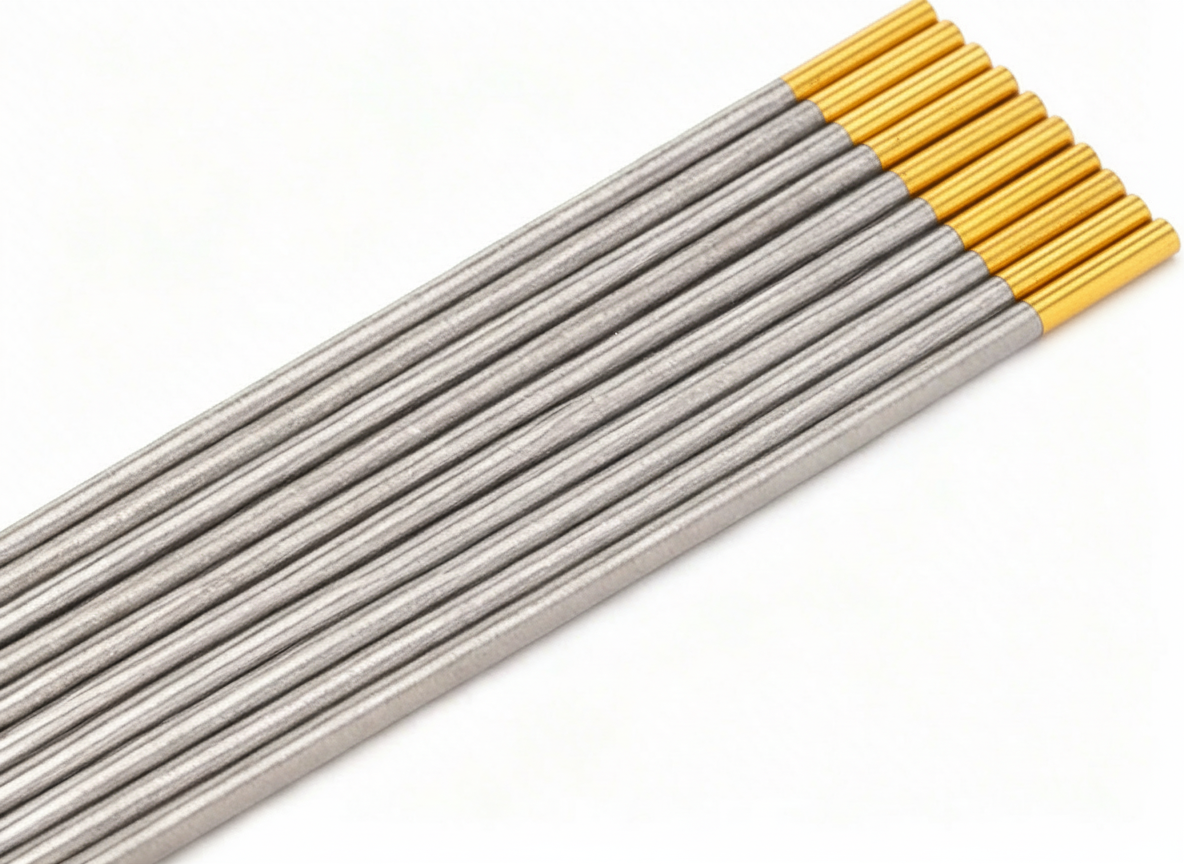

The CK T1167GL 1.5% lanthanated tungsten electrode in 1/16″ x 7″ length is a small-diameter TIG electrode intended for precision work where arc starting, arc stability, and tip condition matter. For maintenance and fabrication buyers, the main question is not whether lanthanated tungsten is broadly useful, but whether this size, length, and alloy fit the current range, joint access, and gas coverage requirements of the job.
This guide focuses on practical buying checks, inspection steps, and common failure points. Use it as a selection and receiving checklist, not as a substitute for procedure qualification or manufacturer guidance.
Key Takeaways
- 1.5% lanthanated tungsten is commonly selected for stable arc starts and re-ignition in TIG work.
- 1/16″ diameter is a small electrode size. Verify that your amperage, machine settings, and joint design match that size.
- Buy on the basis of application, not only alloy name. Tungsten size, end prep, and gas coverage all affect performance.
- For uncertain fit or process approval, mark the item as Unknown (Verify) and confirm with the welding engineer or procedure owner.
What this electrode is used for
Based on the supplied product summary, this electrode is a 1.5% lanthanated tungsten option intended for TIG welding and listed for carbon steel, stainless steel, nickel alloy, and titanium. That material list should be treated as a source reference, not automatic approval for every procedure. Material group, thickness, shielding gas, polarity, and joint geometry still control whether the setup is appropriate.
In practice, a 1/16″ electrode is usually considered when the weld requires a small arc footprint or lower current output. If the welding task is more demanding than expected, the correct answer may be a different tungsten diameter. If current demand is uncertain, note it as Unknown (Verify) and compare against the WPS or internal welding specification.
Buying checks before you place the order
Use these checks before approving stock:
- Confirm diameter. Verify that 1/16″ is the size called for by the job or by the tungsten selection reference used at your site.
- Confirm length. This product is 7″ long. Check torch setup, collet body reach, and any stub-out constraints.
- Check alloy class. 1.5% lanthanated is a tungsten type selection. If your site standardizes on a different tungsten chemistry, do not assume substitution is acceptable.
- Review material use. The summary references carbon steel, stainless steel, nickel alloy, and titanium. Final approval remains Unknown (Verify) unless the procedure owner confirms it.
- Check packaging count. The supplied summary indicates a 10-pack. Confirm receiving quantity against your PO and stocking system.
Receiving and inspection checks
When the electrodes arrive, inspect them before they go to the floor:
- Check package condition. Look for crushed tubes, broken tips, or contamination from storage damage.
- Inspect each electrode. Verify straightness, surface condition, and consistent tip condition if pre-ground.
- Verify labeling. Match the tube label and internal stock code to the receiving record.
- Confirm cleanliness. Tungsten should not be handled with oily gloves or stored where grinding dust can contaminate the package.
- Separate damaged stock. Any chipped, bent, or contaminated electrode should be quarantined and marked Unknown (Verify) until disposition is confirmed.
Troubleshooting support: if arc starts are poor
Poor arc starts are not always a tungsten problem. Use a simple check sequence:
- Check the tip. Verify that the tungsten is correctly prepared for the job and not contaminated with filler or base metal.
- Inspect gas coverage. Confirm gas flow, cup size, and torch distance. Inadequate shielding can look like tungsten instability.
- Verify polarity and settings. Incorrect AC/DC selection or current settings can produce erratic starts.
- Review torch consumables. A worn collet, loose collet body, or contaminated cup can create repeat failures.
- Confirm the tungsten size. If the current is beyond what a 1/16″ electrode should reasonably handle in your setup, the solution may be a larger diameter, not a new brand.
Troubleshooting support: if the tip wears too fast
Tip wear is affected by current, contamination, shielding, and end prep. If the electrode shortens or degrades quickly:
- Inspect current demand. Compare the job to the electrode size. Overloading a small tungsten accelerates wear.
- Check arc length. Excessive arc length can increase heat and instability.
- Verify clean start technique. Touching the tungsten to the puddle or filler will contaminate the point.
- Review shielding gas quality. Flow interruptions or drafts can overheat the tip region.
- Confirm storage and handling. Mixed or dirty storage can introduce contamination before the electrode is ever used.
How to decide whether this is the right stock item
Use the part if your current application already calls for 1/16″ lanthanated tungsten and your consumable program supports that chemistry. If you are choosing between tungsten options, start with the job requirements, not the packaging description. The most important questions are: Is the current level appropriate? Is the joint access tight enough to justify the smaller diameter? Is the procedure approved for lanthanated tungsten? If any answer is not confirmed, the correct status is Unknown (Verify).
Safety notes
- Do not grind tungsten without appropriate ventilation and dust control.
- Use eye protection when dressing or inspecting tungsten tips.
- Avoid handling electrodes with dirty gloves or contaminated hands.
- Keep tungsten separate from filler metal, grinding wheels, and scrap to prevent cross-contamination.
- Follow site rules for thoriated and non-thoriated tungsten segregation if those materials exist in the same storeroom.
Related guidance for tungsten selection
For broader background, see the internal guides on TIG Welding 2% Lanthanated Tungsten Guide for Best Results and TIG Welding Tungsten Electrodes 3/32″ (WT20 Red Tip) – Specs, Safety & Buying Guide. These are reference points for comparison only. They do not replace your welding procedure or machine setup limits.
FAQ
Is 1.5% lanthanated tungsten always the best choice?
No. It is a common general-purpose option, but the right choice depends on current, polarity, material, and procedure requirements. If those inputs are not confirmed, the selection is Unknown (Verify).
Can this 1/16″ electrode be used for every TIG job?
No. The diameter is small and should be matched to the current range and weld access. Use the procedure or internal tungsten selection reference to confirm fit.
What should I check if the electrode keeps contaminating?
Check the tip condition, gas coverage, torch parts, handling practices, and whether the current is too high for the electrode size. If contamination continues after those checks, review the procedure and machine setup.
Is the listed material compatibility fully verified?
No. The supplied summary mentions carbon steel, stainless steel, nickel alloy, and titanium, but that should be treated as a source reference. Final application approval remains Unknown (Verify) until confirmed by the procedure owner or welding engineer.
Sources Checked
- ArcWeld product summary for CK T1167GL 1.5% Lanthanated Tungsten Electrode 1/16″ X 7″, 10 Pack.
- Internal Weld Support Parts article: TIG Welding 2% Lanthanated Tungsten Guide for Best Results.
- Internal Weld Support Parts article: TIG Welding Tungsten Electrodes 3/32″ (WT20 Red Tip) – Specs, Safety & Buying Guide.
Related Arc Weld Part
CK T1167GL 1.5% Lanthanated Tungsten Electrode 1/16" X 7", 10 Pack
1.5% Lanthanated Tungsten provides excellent arc starting, arc stability, and re-ignition. It is also less prone to tip wear. It is composed of 97.8% Tungsten, 1.3%-1.7% Lanthanum, and .5% other. Materials Welded- Carbon Steel, Stainless Steel, Nickel Alloy, and Titanium. Package of 10
View at Arc Weld Store
Leave a Reply