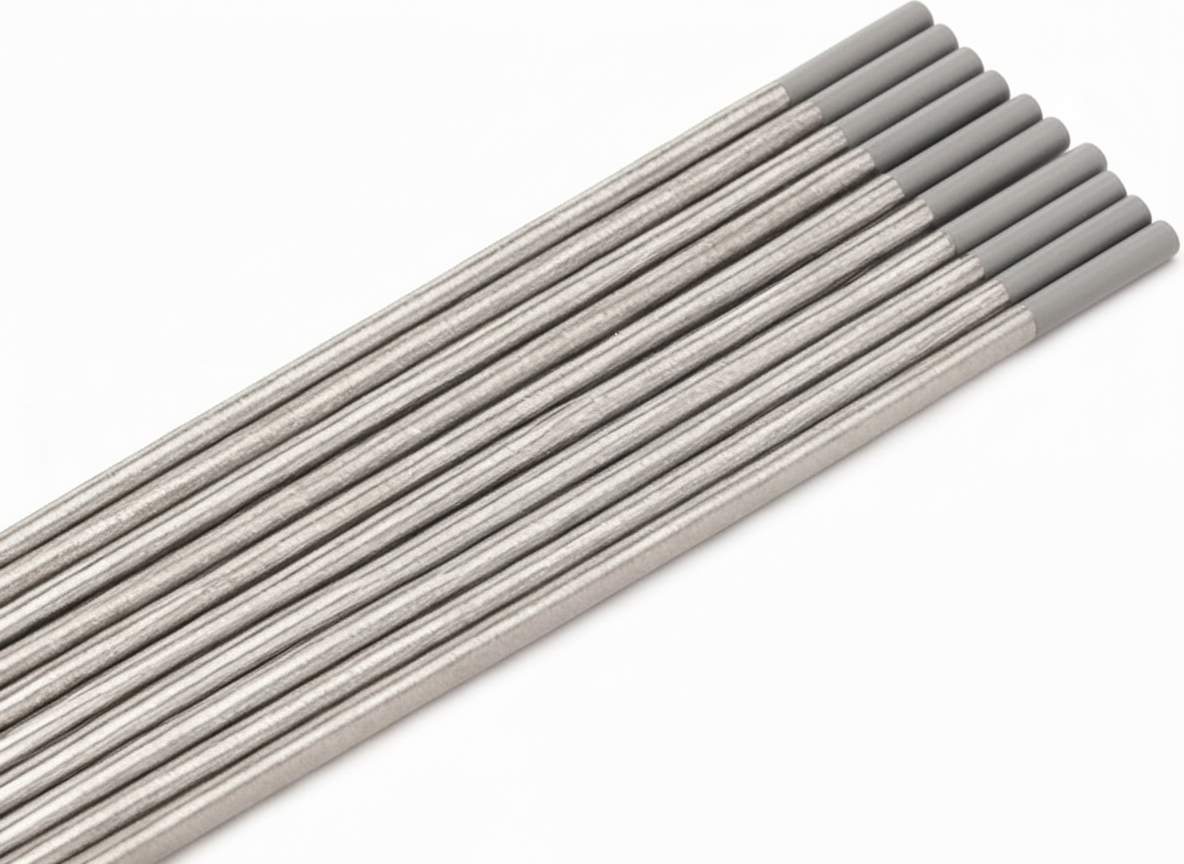

The CK T1167GC2 2% Ceriated Tungsten Electrode 1/16" x 7", 10 pack is a TIG support consumable used where stable arc starting and consistent electrode performance matter. For buyers and maintenance teams, the main question is not just whether it is a tungsten electrode, but whether this size and tungsten type fit the current range, joint access, and power source setup in front of you.
This article focuses on practical application checks. It does not assume every TIG setup is the same. Before purchasing or issuing this electrode, verify the job requirements, the torch setup, and the electrode prep method. If a procedure or machine setting is safety-critical, confirm it with your welding engineer, supervisor, or the equipment manual.
Key Takeaways
- 2% ceriated tungsten is commonly used for TIG work where good arc starting is needed, especially at low current settings.
- The 1/16" diameter is a small electrode size. Verify that it matches your amperage window and torch capacity before use.
- The 7" length is a standard consumable format, but torch and holder clearance still need to be checked.
- Material fit matters. Confirm procedure approval for carbon steel, stainless steel, nickel alloy, titanium, or any other base metal before use.
- Use selection pages and lookup tools as starting points, not as final approval for procedure compliance.
Where this electrode typically fits
Source information indicates this tungsten is aimed at DC welding and arc starting at low current settings, and may also be used in AC processes. That said, actual performance depends on the machine, gas coverage, tungsten prep, and the workpiece condition. For some shops, ceriated tungsten is a general-purpose choice for lighter TIG work. For others, the correct choice depends on the procedure sheet or the metal being welded.
Use this type of electrode when you want to evaluate arc initiation, point retention, and a compact electrode diameter for lower-output TIG work. If your application needs a different tungsten chemistry, a different diameter, or a different tip geometry, stop and verify before issuing the pack.
Buying checks before you order or stock it
Do not buy on type alone. Check these items first:
- Current range: Verify the planned amperage range for the job. A 1/16" tungsten may be too small for some applications and too large for others. Unknown (Verify) if the current range is not documented.
- Process mode: Confirm whether the job is DC, AC, or both. Source data says this electrode performs well in DC and can be used proficiently in AC processes, but procedure approval still needs verification.
- Base metal: Confirm whether the job includes carbon steel, stainless steel, nickel alloy, or titanium. Do not assume every alloy listed in a summary is approved in your procedure.
- Torch fit: Check torch collet and back-cap setup for 1/16" electrode compatibility.
- Prep method: Verify whether your shop uses a pointed, truncated, or otherwise specified tungsten prep. The correct prep can affect arc start and stability.
- Consumable control: If this is a controlled store item, confirm package count and issue method with your inventory process.
Check, inspect, verify: receiving and setup steps
Check the package label against the purchase record and the job ticket. Confirm that the part number and size are the same as requested.
Inspect the electrodes for damage, contamination, bending, or inconsistent tip condition. Tungsten electrodes should be handled cleanly. If the pack shows signs of damage, isolate it and verify whether it can still be used.
Verify the torch setup before welding:
- Verify collet size and torch fit for 1/16" tungsten.
- Verify gas cup, gas flow setup, and shielding coverage.
- Verify that the electrode extension is consistent with the work and access requirements.
- Verify that the work clamp and cable connections are sound before starting.
Check the arc start on a test piece if procedure allows. If the arc is wandering, harsh, or difficult to start, stop and verify the tungsten prep, gas coverage, and machine settings before changing to another electrode type.
Troubleshooting support: what to verify when performance is poor
If the arc is unstable, use a methodical check rather than guessing.
- Problem: hard arc starts. Verify: tip condition, contamination, and machine settings. Unknown (Verify) if the tungsten point was prepared to the required shape.
- Problem: tungsten contamination after start. Verify: joint cleanliness, filler rod handling, gas coverage, and torch angle.
- Problem: inconsistent bead or arc wander. Verify: shielding gas flow, cup size, work lead placement, and whether the tungsten size matches the current.
- Problem: excess heating at the electrode. Verify: amperage, duty cycle, torch cooling capacity, and whether a different diameter is required.
Do not force a small tungsten to carry more current than your process calls for. If repeated issues appear, confirm the machine setup and procedure before changing consumables.
WSP lookup and selection support
Use the WSP lookup page as a search and verification aid when checking tungsten support information or related purchasing references: WSP lookup page. Treat it as a lookup starting point, not as final authorization for a welding procedure.
If you are matching this electrode to a job that already has a defined tungsten class or a shop standard, use the lookup result only to confirm the part family. Final process approval should still come from your procedure documentation or internal welding authority.
Filler metal finder note
Although this is a tungsten electrode article, some buyers cross-check filler and tungsten selection together during job setup. Use the filler metal finder as a starting point for those broader weld consumable decisions: filler metal finder. It helps with selection logic, but it does not guarantee procedure approval or tungsten compatibility by itself.
Safety notes
- Handle tungsten electrodes with care. Broken or contaminated ends can affect arc stability and may create handling hazards.
- Do not touch a freshly welded electrode or workpiece. Heat retention can be significant.
- Use proper eye protection, gloves, and shop PPE for TIG work.
- Keep electrodes clean and separated from dirty bench surfaces, grinding debris, and oil contamination.
- If grinding or shaping tungsten is part of your process, follow your shop dust-control and PPE requirements.
FAQ
What is the main use case for a 2% ceriated tungsten electrode?
It is commonly selected for TIG work that needs good arc starting and stable performance, especially at lower current levels. Final use still depends on the weld procedure and machine setup.
Can I use this 1/16" electrode for any TIG job?
No. The electrode diameter must match the amperage range, torch setup, and procedure requirements. Verify before use. If the current range is not documented, mark it as Unknown (Verify).
Is this electrode automatically approved for carbon steel, stainless steel, nickel alloy, or titanium?
No. Source information lists those materials as suitable, but shop approval still depends on the procedure and application details. Confirm before issuing it to production.
Should I use the WSP lookup or filler metal finder to approve the job?
No. Use those pages as selection starting points. They help narrow the consumable choice, but they do not replace procedure review or supervisor approval.
Sources Checked
- ArcWeld product record for CK T1167GC2 2% Ceriated Tungsten Electrode 1/16" x 7", 10 pack
- Allowed internal reference: TIG Welding Tungsten Electrodes 3/32″ (WT20 Red Tip) – Specs, Safety & Buying Guide
- Allowed internal reference: LaYZr Tungsten Electrode – Safer Precision for Low-Amp TIG Welding
For any safety-critical or procedure-critical decision, verify the final selection against the governing weld procedure, supervisor direction, and equipment manual.
Related Arc Weld Part
CK T1167GC2 2% Ceriated Tungsten Electrode 1/16" X 7", 10 pack
2% Ceriated Tungsten Performs well in DC welding and arc starting at low current settings, and can be used proficiently in AC processes. It is composed of 97.3% Tungsten, 1.8%-2.2% Cerium, and .5% Other. Materials Welded-Carbon Steel, Stainless Steel, Nickel Alloy, and Titanium. Package of 10
View at Arc Weld Store
Leave a Reply