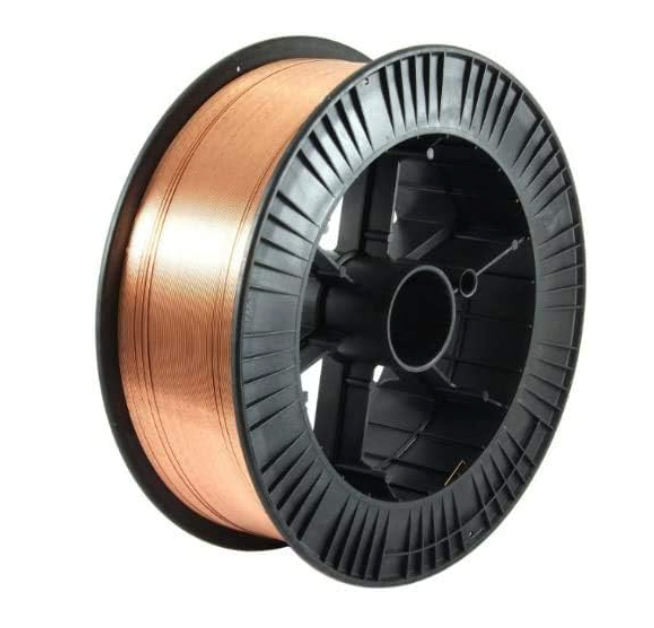

TC 70S-2 063 Washington Alloy .030, 33 Lb. 70S-2 MIG Wire, Pack of (1) is a solid MIG wire intended for gas metal arc welding on mild and low-alloy steel. For buyers and maintenance teams, the main question is not only whether the wire will weld, but whether it matches the joint condition, wire feeder setup, and procedure requirements in your shop. This guide focuses on application checks, fitment checks, and practical verification steps before you commit to a spool.
Key Takeaways
- ER70S-2 class solid wire is commonly selected for mild and low-alloy steels where stable feeding and weld quality matter.
- Wire diameter, spool size, drive-roll setup, liner condition, and contact tip size all need verification before use.
- Do not assume the wire will overcome poor prep; clean base metal still gives better results.
- If procedure approval matters, verify the WPS and any filler metal listing before release to production.
What this wire is for
Based on the available product information, this is a .030 in (0.8 mm) solid MIG wire in the ER70S-2 family, supplied on a 33 lb spool. That makes it a common size for general fabrication, repair work, and light-to-medium production welding on carbon steel. The added deoxidizers associated with ER70S-2 chemistry can help in situations with light mill scale or minor surface contamination, but they do not replace cleaning, fit-up control, or procedure compliance. Best results still come from clean base metal.
Use this wire as a candidate when you need a general-purpose carbon steel MIG wire and your equipment is configured for .030 in solid wire. If your job is governed by a written WPS, the WPS controls. If the wire is being selected for maintenance repair without a formal WPS, verify the joint type, shielding gas, deposition target, and feeder setup before purchase or installation. Unknown (Verify) for any application outside mild and low-alloy steel service.
Buying checks before you order or load the spool
Check wire diameter. Confirm the feeder, gun, and contact tip are set up for .030 in wire. A mismatch can cause erratic feeding, burnback, or inconsistent arc starting.
Inspect spool compatibility. Confirm that your feeder accepts the spool format and weight. The product listing indicates a 33 lb spool, but always verify your machine’s maximum spool size and hub capacity. Unknown (Verify) if your feeder has a narrow spool compartment or light-duty hub.
Verify shielding gas. ER70S-2 solid wire normally runs with shielding gas, but the exact mix depends on your procedure and base metal. Do not assume a gas type from the wire class alone. Check the WPS or internal process sheet.
Check drive-roll and liner setup. Solid wire generally feeds best with the correct groove profile, proper tension, and a clean liner. If the feeder was last used with flux-cored wire, inspect drive-roll selection and liner wear before loading this spool.
Inspect contact tip wear. A worn tip can look like a wire problem. Replace tips that are ovaled, burned, or loose.
Application and process checks
Check base metal condition. ER70S-2 can be more forgiving than basic wire on slightly imperfect surfaces, but do not use that as a substitute for cleaning. Remove oil, rust, heavy mill scale, paint, moisture, and weld residue wherever practical.
Verify joint access and polarity. Confirm the gun can maintain a stable arc length and that the machine polarity matches the process setup required by your WPS or equipment instructions. If you do not have that documentation, verify it before starting production.
Inspect fit-up. Poor gap control can hide under a good-looking bead. Check root opening, alignment, and tack quality before blaming the wire.
Confirm feed consistency. Test feed the wire through the gun cable with the machine cold. Look for drag, birdnesting, or intermittent push. If the wire does not feed smoothly on setup, fix the feeder first.
Verify arc behavior on coupon. Run a short test on scrap from the same material family. Inspect bead shape, spatter level, wetting, and tie-in. If results are inconsistent, compare gas flow, tip condition, liner wear, and feed speed before changing wire class.
Troubleshooting support: check, inspect, verify
If the arc is unstable: check gas flow, inspect for leaks or loose fittings, and verify tip-to-work distance and stickout against your procedure.
If feeding is rough: check drive-roll tension, inspect the liner for wear or contamination, and verify the correct tip size for .030 in wire.
If spatter is excessive: check voltage and wire feed settings, inspect ground connection quality, and verify the shielding gas setup before changing product.
If weld appearance is inconsistent: inspect base metal cleanliness, verify travel speed, and check joint fit-up. Do not assume the spool is at fault until the machine and preparation are reviewed.
WSP lookup and filler metal finder
For procedure-controlled work, use the Weld Support Parts lookup tools as starting points, then verify against the approved WPS or engineering release. These pages help with selection and comparison, but they are not a substitute for procedure approval.
If your job requires documented filler approval, use those pages to narrow the candidate list, then confirm the final selection against your internal welding documentation. Treat the result as a starting point, not a guaranteed procedure match.
Safety notes
Handle wire spools carefully. Edges can be sharp, and loose wire ends can whip back during loading. Wear gloves when opening packaging, setting a spool, or trimming wire. Keep the feeder powered down during installation. Verify ventilation and fume control before welding. Follow your site’s hot-work controls, especially on painted or contaminated material.
FAQ
Is this wire only for mild steel?
The provided product information supports use on mild and low-alloy steel. Unknown (Verify) for other base metals or special applications.
Can I use it on lightly scaled material?
ER70S-2 chemistry may help tolerate light mill scale or minor contamination, but that is not a license to skip cleaning. Inspect the surface and clean it as much as the job allows.
Do I need a specific gas or procedure?
Verify your shielding gas and procedure from the WPS or internal welding instructions. Do not select gas solely from the wire class.
How do I know if the spool will fit my feeder?
Check the feeder’s spool diameter, hub design, and maximum weight rating. If the machine documentation is unavailable, measure and verify before purchase or install.
Sources Checked
- Provided ArcWeld product reference for TC 70S-2 063 Washington Alloy .030, 33 Lb. 70S-2 MIG Wire, Pack of (1)
- WSP lookup page
- WSP filler metal finder
- Allowed internal links provided in the task
Final verification should always come from the active WPS, machine manual, and shop qualification records.
Related Arc Weld Part
[arcbox product=”tc-70s-2-063-washington-alloy-030-33-lb-70s-2-mig-wire-pack-of-1″]
Related Weld Support Guides
- Aluminum ER 5554 3/64″ X 5lb. MIG Welding Wire Spool By Washington Alloy – Weld Support Parts Blog
- Washington Alloy 7018 Electrode Review & Buying Guide
- Washington Alloy THF-700HT-173 Hard Face Flux-Cored MIG Wire Fitment Guide
- Washington Alloy THF-700HT Hard-Face MIG Wire Review (2025): Built for Wear Resistance
Leave a Reply