Washington Alloy 308L-16 Stick Electrode 10 LB. Package (5/32″ – 10 LBS.) is the kind of consumable many shops keep on the shelf for stainless work, repair work, and general stick welding support. For buyers and maintenance teams, the key question is not only whether the electrode is listed, but whether the full support setup is ready: holder condition, lead integrity, storage, and operator fit-up. This breakdown stays focused on what to inspect and verify before the job starts.
Key Takeaways
- 308L-16 is a stick electrode designation; confirm the exact welding procedure and base metal before use.
- Package labeling alone does not prove procedure approval. Verify the job spec, WPS, or internal welding instructions.
- Electrode support issues often come from the holder, cable ends, storage condition, or operator technique, not the rod itself.
- For uncertain technical points, treat them as Unknown (Verify) rather than assuming compatibility.
What to Check Before You Open the Package
Start with the packaging and storage history. A clean label does not replace an inspection. If the electrodes have been in a wet or damaged storage area, treat that as a support issue before it becomes a weld defect.
- Inspect the carton for tears, crushing, punctures, or moisture exposure.
- Verify the product label matches the order and the intended electrode type.
- Check that the stock rotation process has not mixed this product with other stainless or carbon steel electrodes.
- Confirm your job traveler or work order calls for 308L-16, not just a general stainless filler requirement.
Support Parts That Affect Performance
For stick welding, the electrode is only one part of the chain. If arc starts are inconsistent or the rod burns erratically, the support hardware should be inspected first.
- Electrode holder/stinger: Inspect the jaw or clamp for wear, spring tension loss, loose hardware, and heat damage. Verify the electrode is held firmly without excessive force.
- Lead connections: Check the cable lugs, adapter points, and machine connection for discoloration, looseness, or damaged insulation.
- Ground clamp: Inspect the contact faces and the attachment point. A weak ground often looks like an electrode problem.
- Storage container: Verify the rods are kept dry and protected from shop contamination.
Troubleshooting: Check, Inspect, Verify
Use this sequence when a rod does not perform as expected.
If the arc will not start cleanly
- Check machine output setting and polarity against the procedure.
- Inspect the holder jaws and lead terminations for looseness or corrosion.
- Verify the electrode has not absorbed moisture or been contaminated by handling.
If the rod sticks or drags excessively
- Check whether the operator is using the correct travel angle and arc length.
- Inspect the ground path and work clamp contact surface.
- Verify the electrode size matches the amperage range called for on the job. Exact range: Unknown (Verify).
If bead appearance is inconsistent
- Check fit-up, joint cleanliness, and surface contamination.
- Inspect the holder and cable for intermittent power delivery.
- Verify the base material and procedure requirements before changing rod type.
Replacement Part Breakdown for the Support Team
When maintenance buyers stock a stick electrode, the real value is how quickly the rest of the system can keep it usable. A practical replacement-part breakdown looks like this:
- Consumable: Washington Alloy 308L-16 Stick Electrode 10 LB. Package (5/32″ – 10 LBS.)
- Holder/stinger assembly: Unknown (Verify) by machine and amperage class
- Ground clamp and lead set: Unknown (Verify) by cable gauge and current demand
- Storage controls: dry cabinet, sealed container, or shop-approved electrode storage method
- Documentation: WPS, operator instructions, and stock control record
If one of these parts is weak, the electrode may be blamed incorrectly. Build the inspection around the whole weld circuit.
Buying and Selection Notes
This product page should be treated as a purchasing reference, not a blanket procedure approval. Confirm the application with the welding department before issuing the rods to production or repair work. If your team is matching a stainless stick electrode to a specific job, verify base metal, joint design, service conditions, and post-weld requirements before use.
For related stick-welding support topics, review the electrode holder guides and stick welding tips here:
- Welding Electrode Holder: Stinger Guide & Stick Welding Tips
- Welding Electrode Holder: Choose the Best for Stick Welding
- Washington Alloy 7014 Stick Electrode – Smooth Welding with High Deposition
Product reference for this draft:
Last update on 2026-10-06 / Affiliate links / Images from Amazon Product Advertising API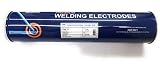
Safety Notes
- Do not use damaged holders, cracked cable insulation, or loose ground clamps.
- Keep electrodes dry and away from contamination.
- Use the correct PPE for stick welding, including eye, face, hand, and body protection.
- Follow site welding procedure rules and hot work controls.
- If a storage, polarity, or procedure requirement is unknown, stop and verify before welding.
FAQ
Is Washington Alloy 308L-16 the right choice for every stainless repair?
No. Verify the base metal, service conditions, and welding procedure first. A stainless designation alone does not confirm suitability for every repair.
What support part fails most often in stick welding setups?
Electrode holders, ground clamps, and cable connections are common problem points. Inspect them before replacing the electrode stock.
Can I assume the 5/32 inch size works on any machine?
No. Machine output, duty cycle, cable condition, and procedure requirements all matter. Exact compatibility is Unknown (Verify) until checked against the job and equipment.
Should the filler metal finder or product page be treated as procedure approval?
No. Use selection pages as starting points only. Final approval comes from the welding procedure, engineering review, or site specification.
Sources Checked
- Provided Amazon ASIN registry reference: B082329NLN
- Allowed internal Weld Support Parts links listed for stick welding support and electrode holder guidance
Disclosure: As an Amazon Associate, Weld Support Parts may earn from qualifying purchases.

Leave a Reply