Tag: gas lens

  • Why TIG Arc Wanders or Starts Hard

    Why TIG Arc Wanders or Starts Hard

    If the tig arc wandering or a TIG arc starts hard, the cause is usually in one of four areas: work clamp contact, tungsten preparation, shielding gas coverage, or torch consumables. Start with the basics and verify each part of the current path and gas path before changing machine settings.

    Key Takeaways

    • Poor ground path can make arc starts unstable.
    • Contaminated or poorly ground tungsten can cause arc wandering.
    • Low gas flow, leaks, or draft can disturb shielding and arc stability.
    • Damaged cups, collet bodies, or gas lenses can reduce shielding and control.
    • Do not assume the torch is the problem until the work clamp and tungsten are verified.

    Troubleshooting Steps

    1) Check the work clamp and ground path

    Make sure the work clamp is attached to clean metal with solid contact. Paint, rust, mill scale, oil, or loose clamp contact can interrupt current flow and make the arc hard to start or unstable once started.

    • Move the clamp closer to the weld area if the current path is long.
    • Inspect the clamp jaw, cable, and connector for heat damage or looseness.
    • Verify the workpiece is clean where the clamp lands.

    2) Inspect tungsten preparation

    TIG arc wandering often starts with the tungsten. A dirty, blunt, uneven, or contaminated tungsten will not focus the arc well. Grind the tungsten lengthwise and keep the tip consistent with the process requirements for your material and amperage.

    • Use a clean dedicated grinding wheel or method for tungsten only.
    • Remove contamination if the tungsten touched filler, the puddle, or the cup.
    • If the tip is balled, split, or uneven, replace or regrind it.

    3) Verify shielding gas coverage

    Gas issues can cause wandering starts, contamination, and erratic arc behavior. Check the cylinder flow, regulator, hose condition, torch seals, and cup coverage. Drafts in the work area can also break shielding gas coverage.

    • Verify gas is actually flowing at the torch.
    • Inspect hose connections and torch O-rings or seals, if equipped. Unknown (Verify).
    • Reduce air movement from fans, doors, or shop draft near the weld.
    • Confirm the gas type and flow rate are set for the job. Unknown (Verify).

    4) Inspect torch consumables

    Worn consumables can create inconsistent shielding and make arc starts less precise. Look at the cup, collet, collet body, and any gas lens components for cracks, buildup, or poor fit.

    • Replace cracked or heat-damaged cups.
    • Check for contamination inside the torch head.
    • Verify the consumables match the torch and tungsten size used. Unknown (Verify) if not confirmed by the torch model.

    5) Check start settings and process setup

    If the basics are correct, review start settings. Too little or too much start current, improper HF start behavior, or incorrect post-flow can affect arc initiation and stability. Exact settings depend on the machine and process. Unknown (Verify).

    • Confirm the machine is set for the intended TIG process.
    • Check foot pedal, torch switch, or remote input function.
    • Verify the tungsten size is appropriate for the current range. Unknown (Verify).

    When the Arc Wanders During the Weld

    If the arc starts correctly but wanders during travel, look for heat buildup, tungsten contamination, arc length changes, or shielding disruption from torch angle and stickout.

    • Keep tungsten stickout consistent.
    • Hold a stable torch angle.
    • Do not extend the tungsten farther than needed for access.
    • Recheck gas coverage if the weld area is tight or recessed.

    Product and Parts

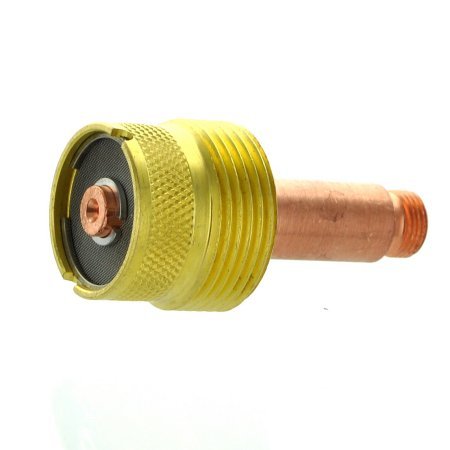
    When consumables are worn or the torch needs a cleaner gas shield, a stubby gas lens kit can help improve visibility and access on compatible torches. Product compatibility below is provided only as listed.

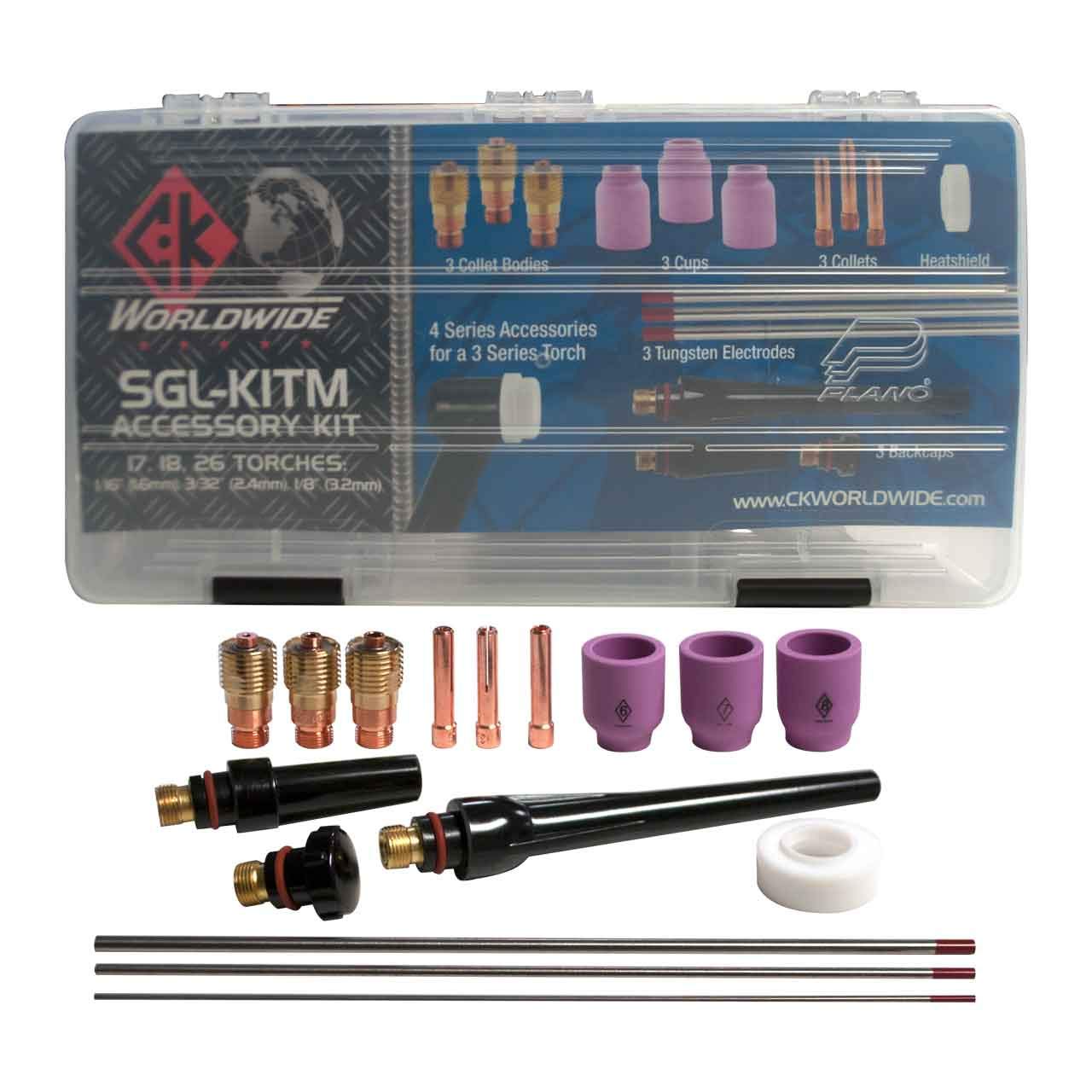
    CK SGL-KITM TIG Accessory Kit, Stubby Gas Lens, 4GL, 1/16, 3/32, 1/8

    Short description: Complete TIG torch accessory kit from CK Worldwide featuring stubby gas lens design for improved visibility and precision. Compatible with CK Worldwide TIG torches 17, 18, and 26. Includes three gas lens sizes (4GL) and three collet body sizes (1/16, 3/32, 1/8) for versatile tungsten electrode compatibility. Essential consumables for TIG welding on mild steel, stainless, and aluminum.

    Use the listed product only where it matches the torch and tungsten setup. If torch model or consumable size is not confirmed, verify before ordering.

    CK SGL-KITM TIG Accessory Kit, Stubby Gas Lens, 4GL, 1/16, 3/32, 1/8

    CK SGL-KITM TIG Accessory Kit, Stubby Gas Lens, 4GL, 1/16, 3/32, 1/8

    Complete TIG torch accessory kit from CK Worldwide featuring stubby gas lens design for improved visibility and precision. Compatible with CK Worldwide TIG torches 17, 18, and 26. Includes three gas lens sizes (4GL) and three collet body sizes (1/16, 3/32, 1/8) for versatile tungsten electrode compatibility. Essential consumables for TIG welding on mild steel, stainless, and aluminum.

    View at Arc Weld Store

    Safety Notes

    • Shut power off before changing consumables or touching internal torch parts.
    • Allow hot tungsten and cups to cool before handling.
    • Do not grind tungsten in a way that contaminates the shop or exposes hands and eyes to dust.
    • Use local exhaust ventilation when welding and when grinding tungsten.
    • Do not weld with damaged leads, cracked torch parts, or leaking gas equipment.

    FAQ

    Why does TIG arc wandering happen right at start?

    The most common causes are poor ground contact, contaminated tungsten, or weak shielding gas coverage.

    Can a bad work clamp cause hard starts?

    Yes. A poor clamp connection can interrupt the current path and make arc initiation unreliable.

    Does tungsten shape matter?

    Yes. An uneven or contaminated tungsten can make the arc unstable and harder to direct.

    Can airflow affect TIG starts?

    Yes. Draft can disturb shielding gas and cause unstable starts or contamination.

    Sources Checked

    • Provided ArcWeld product data for CK SGL-KITM TIG Accessory Kit
    • Topic brief: troubleshoot arc starts, grounding, tungsten prep, and shielding gas issues
  • TIG Torch Gas Leak Troubleshooting: Argon Loss, Black Tungsten, Porosity, and Torch Seal Checks

    If a TIG torch has a gas leak, the weld may show black tungsten, gray weld color, porosity, sugaring on stainless, unstable starts, or a loud uneven gas hiss even when the regulator shows normal flow. Start at the cylinder and work forward to the cup. A TIG gas leak can be at the regulator, machine inlet, solenoid, torch hose, power cable/gas hose, torch head, collet body, gas lens, cup seal, back cap O-ring, or torch valve.

    The fast check is to verify 100% argon, confirm flow at the torch with a flow tester, inspect the cup/gas lens/collet body/back cap, then leak-test fittings with approved leak-check solution. Do not raise flow to hide a leak. Too much flow can pull air into the shielding envelope and make the weld dirtier. For related TIG shielding symptoms, see TIG shielding gas coverage troubleshooting, why TIG tungsten turns black, and TIG welds looking sooty.

    Common Symptoms

    • Tungsten turns black, blue, gray, or chalky after welding.
    • Weld bead has porosity, soot, oxidation, or gray color.
    • Stainless shows sugaring, crusting, or dark heat tint near the root.
    • Arc starts unstable even with clean tungsten.
    • Gas hiss sounds loud, weak, pulsed, or uneven at the cup.
    • Regulator flow reads normal, but flow at the cup is low.
    • Shielding improves when the torch hose is moved or held straight.
    • Back cap area hisses during post-flow.
    • Gas flow stops too early and tungsten discolors after arc-off.

    Likely Causes

    CauseWhat It DoesQuick Check
    Loose regulator or hose fittingLeaks argon before it reaches the machine or torchLeak-check fittings with solution
    Cracked TIG gas hosePulls air or loses shielding gas before the cupFlex hose during post-flow and check for bubbles
    Loose collet body or gas lensLeaks inside the torch head or disrupts flowRemove cup and verify body is seated tight
    Damaged back cap O-ringLeaks around the rear of the torch headInspect O-ring for cuts, flattening, heat damage, or missing seal
    Cracked cup or wrong insulatorBreaks the gas seal and creates turbulenceReplace cup and confirm correct gasket/insulator stack
    Plugged gas lens screenRestricts or distorts argon flowHold lens to light and inspect screen
    Bad torch valveLeaks or fails to shut off on valve-style torchesClose valve and check if gas continues
    Short post-flowLets hot tungsten oxidize after weldingIncrease post-flow and hold torch over weld

    Fast Diagnosis Sequence

    1. Confirm the cylinder is 100% argon for normal TIG work unless the procedure calls for another approved shielding gas.
    2. Check the regulator, flowmeter, and cylinder connection.
    3. Confirm gas flow at the torch cup, not only at the regulator.
    4. Inspect the cup for cracks, chips, heat damage, wrong size, or poor seating.
    5. Remove and inspect the collet body or gas lens. It must seat fully in the torch head.
    6. Inspect the back cap O-ring and back cap threads.
    7. Check torch hose, power cable/gas hose, machine inlet, and torch valve for leaks.
    8. Use leak-check solution on fittings. Do not use flame.
    9. Reduce excessive flow if the gas sounds like a hard blast instead of a smooth shield.
    10. Retest with clean tungsten, normal stickout, and no drafts.

    Inspection Steps

    • Regulator and flowmeter: Confirm proper connection, stable flow reading, no damaged CGA fitting, and no cracked hose barb.
    • Machine gas inlet/outlet: Inspect loose fittings, cracked internal hose, and gas solenoid area only with power disconnected.
    • Torch hose: Look for cuts, burned sections, kinks, loose crimps, or leaks that appear only when the hose is flexed.
    • Torch head: Inspect threads, heat damage, loose head-to-body connection, and valve packing on valve torches.
    • Collet body/gas lens: Verify it is the correct type for the torch series and cup system. A loose or mismatched body can leak or disturb gas flow.
    • Back cap: Check O-ring, cap length, threads, and whether the tungsten is clamped without bottoming the cap incorrectly.
    • Cup and insulator: Confirm the cup is not cracked and the correct gasket/insulator is installed for standard or gas-lens setup.
    • Post-flow: Gas must continue long enough to shield the hot tungsten and cooling weld area.

    Test Procedures

    • Cup flow test: Use a TIG flow tester at the cup. A regulator reading alone does not prove flow at the torch.
    • Bubble leak test: Apply approved leak-check solution to fittings during flow or post-flow. Bubbles identify leakage.
    • Hose flex test: Run post-flow and gently flex the hose. If flow or bubbles change, replace damaged hose or cable assembly.
    • Back cap test: Listen and check around the back cap during post-flow. Replace damaged O-rings and verify correct cap.
    • Front-end swap test: Install a known-good cup, collet body/gas lens, collet, back cap, and insulator. If shielding improves, the leak or turbulence was in the torch front end.
    • Post-flow test: Hold the torch still after arc-off. If the tungsten stays bright after increasing post-flow, the issue was hot tungsten oxidation.

    Root Cause Analysis

    TIG shielding must protect the tungsten, arc, filler rod end, and weld puddle from oxygen and nitrogen. A leak before the torch wastes argon and can lower flow at the cup. A leak or bad seal inside the torch head can mix air into the shielding zone. A damaged gas lens or cracked cup can create turbulence even when flow volume looks correct.

    Gas leaks are often mistaken for bad tungsten or dirty filler. The tungsten turns black, the weld gets sooty, and the operator increases gas flow. If the actual problem is a cracked cup, missing O-ring, loose gas lens, or leaking hose, more gas may make turbulence worse. Correct the seal and gas path first, then tune cup size, flow, torch angle, and stickout.

    Compatibility Notes

    Do not order TIG torch gas parts by cup size alone. Verify torch series, cooling type, torch head style, collet size, collet body style, gas lens style, cup thread or push-on style, back cap length, O-ring, gasket/insulator, power connector, gas connector, and machine connection. Common 9/20 and 17/18/26-style parts are not automatically interchangeable.

    Gas-lens conversions also require the correct insulator, cup, collet body, collet, and sealing ring where used. Mixing standard collet bodies with gas-lens cups, or using the wrong insulator stack, can create leaks at the torch head. If the torch model or consumable system is not confirmed, mark the part as Unknown (Verify).

    What To Verify Before Ordering

    • TIG torch series: 9, 17, 18, 20, 26, or manufacturer-specific equivalent.
    • Air-cooled or water-cooled torch.
    • Valve torch or machine-solenoid torch.
    • One-piece or two-piece cable/hose arrangement.
    • Back cap length and O-ring style.
    • Collet size matching tungsten diameter.
    • Standard collet body or gas lens collet body.
    • Cup style, cup size, insulator/gasket, and sealing ring.
    • Machine gas connector, quick connector, or separate gas hose fitting.
    • Argon regulator/flowmeter outlet fitting and hose size.

    Common Wrong-Part Mistakes

    • Installing a gas-lens cup without the correct gas-lens body and insulator.
    • Using a 17/18/26 front-end kit on a 9/20 torch.
    • Replacing tungsten repeatedly while leaving a cracked cup in service.
    • Using a back cap with a missing, cut, or flattened O-ring.
    • Over-tightening ceramic cups until they crack.
    • Using a MIG flowmeter or wrong-pressure flow device on a TIG torch setup.
    • Raising argon flow too high and creating turbulence instead of fixing the leak.

    Field Fix vs Proper Fix

    ProblemField FixProper Fix
    Back cap leakReseat cap and reduce movementReplace O-ring or correct back cap
    Cracked cupInstall spare cupVerify correct cup, insulator, and torch angle/stickout
    Loose gas lensSnug gas lens bodyReplace damaged gas lens, filter, seal, or torch threads
    Leaking hoseStop using the torchReplace hose, cable assembly, or torch
    Black tungsten after arc-offAdd post-flowCorrect post-flow, leaks, drafts, and cup coverage

    Related Failure Paths

    • Black tungsten: Hot tungsten is exposed to oxygen from poor shielding, leaks, or short post-flow.
    • Porosity: Air enters the weld puddle through a leak, draft, bad cup seal, or contaminated gas path.
    • Arc instability: Gas turbulence and tungsten oxidation make starts and arc focus inconsistent.
    • Sugaring on stainless: Shielding loss at the puddle or root side allows heavy oxidation.
    • Short consumable life: Leaks and overheating damage cups, collets, gas lenses, and O-rings.

    Safety Notes

    • Close the cylinder valve and bleed pressure before removing gas fittings.
    • Disconnect input power before opening machine covers or checking internal gas hoses.
    • Use approved leak-check solution. Never use flame to find gas leaks.
    • Argon can displace oxygen in confined spaces. Maintain ventilation.
    • Do not weld with cracked torch hoses, burned cables, or leaking torch heads.
    • Hot cups and torch heads can burn skin and gloves; allow cooling before disassembly.
    • Use correct PPE and follow the torch and machine manual for service limits.

    Sources Checked

    Sources checked include TIG torch parts catalog data, TIG shielding gas flow references, torch manual troubleshooting notes, and related Weld Support Parts TIG shielding articles. Final replacement must be verified by torch series, cable/hose style, back cap/O-ring, cup system, collet body or gas lens type, tungsten diameter, machine connection, and shielding gas setup.

  • TIG Arc Starting Problems and Fixes: Hard Starts, Arc Wander, HF Start Failure, and Contaminated Tungsten

    TIG arc starting problems usually come from tungsten condition, work clamp contact, gas coverage, torch setup, or start-mode settings before they come from a failed machine. If the arc will not start, starts only when scratched, wanders at ignition, snaps to the cup, or contaminates the tungsten immediately, check the tungsten point, work lead, cup/gas lens, collet grip, polarity, amperage start setting, and HF or lift-arc mode first.

    The fastest check is to install a clean sharpened tungsten, clamp directly to clean bare metal, verify argon at the cup, remove drafts, and try a start on clean scrap. If the arc starts normally after those steps, the problem was setup or consumable condition, not the power source.

    Related TIG checks include unstable TIG arc from poor tungsten prep, why TIG tungsten turns black, TIG porosity troubleshooting, and TIG cup size and gas coverage selection.

    Common Symptoms

    SymptomLikely CauseFirst Check
    Arc will not start with HFWrong mode, poor work lead, dirty tungsten, HF issueConfirm HF start mode and clamp to clean metal
    Arc starts only by touchingHF not active or work path too weakVerify start mode, pedal/remote, and work clamp
    Arc wanders at startPoor tungsten grind, contaminated tungsten, long arc lengthRegrind tungsten and shorten arc gap
    Tungsten sticks on lift startToo much pressure or wrong lift techniqueTouch lightly and lift smoothly
    Arc jumps to cup or side of tungstenLoose collet, cracked cup, dirty gas lens, off-center tungstenInspect torch front end
    Starts rough after every stopToo little post-flow or contaminated tungstenCheck tungsten color and post-flow time

    Most Common Causes

    • Contaminated tungsten: touching the filler, puddle, bench, or dirty base metal makes starts rough.
    • Poor tungsten prep: uneven grind marks, blunt tips, split tips, and wrong taper make the arc wander.
    • Weak work clamp path: paint, rust, mill scale, loose lugs, or clamping through a table can block a clean start.
    • Wrong start mode: HF, lift-arc, scratch start, 2T/4T, pedal, or remote settings may not match the torch setup.
    • Gas coverage failure: bad cup, clogged gas lens, loose back cap, low post-flow, or drafts oxidize the tungsten.
    • Wrong tungsten size for amperage: oversized tungsten can be hard to start at very low amperage; undersized tungsten overheats.
    • Dirty base metal: aluminum oxide, oil, rust, and coatings interfere with stable starts.

    Inspection Steps

    1. Confirm process and polarity. Most DC TIG on steel/stainless uses DCEN. AC is used for aluminum and magnesium on AC-capable machines.
    2. Confirm start mode. Know whether the machine is set for HF start, lift-arc, or scratch start.
    3. Regrind tungsten. Use a clean dedicated wheel or tungsten grinder. Grind lengthwise, not around the electrode.
    4. Check tungsten size. Match electrode diameter to amperage range and machine start capability.
    5. Clamp directly to the work. Clean to bare metal and avoid relying on rusty tables, hinges, or fixtures.
    6. Inspect the torch front end. Check cup, gas lens, collet, collet body, back cap, O-ring, and tungsten centering.
    7. Verify argon at the cup. Flow at the regulator does not prove gas is reaching the tungsten.
    8. Check post-flow. If tungsten turns blue, gray, or black after the stop, it may start poorly next time.
    9. Try clean scrap. If the arc starts clean on scrap, the original part may be dirty, coated, oxidized, or poorly grounded.

    HF Start vs Lift-Arc Checks

    Start TypeProblemFix
    HF startNo arc unless touchingConfirm HF mode, remote settings, work clamp, and torch connection
    HF startArc wanders before stabilizingRegrind tungsten, shorten arc gap, clean base metal
    Lift-arcTungsten sticksUse lighter touch and smoother lift; clean tungsten and workpiece
    Scratch startTungsten contaminationUse a copper strike plate or HF/lift start where procedure allows
    Any modeHard restartIncrease post-flow, regrind tungsten, inspect gas leaks

    Field Fix vs Proper Fix

    ProblemField FixProper Fix
    Dirty tungstenRegrind pointFix dipping, filler angle, gas coverage, and post-flow
    Weak work pathMove clamp to clean metalRepair cable, lug, clamp, or table return path
    Arc wandersShorten arc lengthCorrect tungsten grind, size, and torch angle
    Lift start sticksTouch lighterConfirm lift mode and clean contact point
    HF start fails repeatedlyTry lift mode if availableHave HF circuit/service items checked by qualified repair

    Common Wrong-Part Mistakes

    • Using a collet that does not match tungsten diameter.
    • Installing a gas lens without the matching cup and insulator setup.
    • Buying torch parts by welder model instead of torch series.
    • Using oversized tungsten for low-amp work and blaming the machine for hard starts.
    • Replacing the foot pedal before checking torch switch, remote setting, work clamp, and tungsten condition.

    Compatibility Notes

    TIG start behavior depends on welder start type, torch switch or pedal setup, tungsten size, torch family, collet size, gas lens or standard collet body, cup size, and work lead condition. WP-9/20-style consumables and WP-17/18/26-style consumables are not automatically interchangeable. Verify torch series and tungsten diameter before ordering consumables.

    Related Failure Paths

    • Black tungsten from low post-flow or gas leaks.
    • Arc wander from poor tungsten preparation.
    • Porosity from poor gas coverage during start and stop.
    • Tungsten inclusion from scratch starting or sticking lift starts.
    • Hard starts from poor work clamp contact.
    • Unstable starts from dirty aluminum oxide or contaminated base metal.

    Safety Notes

    • Disconnect input power before servicing torch leads, work leads, or internal machine connections.
    • Use eye protection when grinding tungsten.
    • Follow shop rules for thoriated tungsten handling and dust control.
    • High-frequency start can interfere with sensitive electronics; follow equipment and site requirements.
    • Secure argon cylinders and use ventilation during test welds.

    Sources Checked

    • Weld Support Parts tungsten prep, tungsten discoloration, TIG porosity, and TIG cup support pages.
    • CK Worldwide TIG guide and TIG troubleshooting guidance.
    • Miller TIG welding basics and TIG problem troubleshooting guidance.
    • Lincoln Electric high-frequency TIG start technology reference.
  • TIG Post-Flow Setting Troubleshooting: Black Tungsten, Porosity, Gas Waste, and Torch Cooling

    TIG post-flow is the shielding gas that keeps flowing after the arc stops. If it is too short, the hot tungsten and cooling weld crater are exposed to air, causing black, blue, gray, or crusty tungsten, rough restarts, porosity, and contaminated weld starts. If post-flow is too long, weld quality may be fine, but argon usage goes up fast during tack welding or short beads.

    Start by watching the tungsten after arc stop. If the tungsten is still glowing when argon shuts off, increase post-flow. If the tungsten stays clean but gas keeps flowing long after the torch cools, reduce post-flow in small steps. Do not fix black tungsten by only increasing flow rate; a cracked cup, leaking back cap O-ring, clogged gas lens, or loose torch fitting can still expose the electrode to oxygen.

    Related TIG checks include why TIG tungsten turns black, TIG porosity troubleshooting, sooty TIG weld gas coverage fixes, and TIG cup size and gas lens selection.

    Common Symptoms

    SymptomLikely Post-Flow IssueFirst Check
    Tungsten turns black after weldPost-flow too short or gas leakIncrease post-flow and inspect gas path
    Tungsten turns blue or grayHot tungsten exposed during coolingWatch whether gas stops before glow is gone
    Rough arc restartOxidized tungsten from previous stopRegrind tungsten and extend post-flow
    Porosity at crater or restartWeld pool loses shielding while coolingHold torch over crater during post-flow
    Argon bottle empties quicklyPost-flow too long for short weldsReduce time gradually after tungsten stays clean

    What Post-Flow Does

    Post-flow protects three hot areas after the arc shuts off: the tungsten, the weld crater, and the end of the filler rod if it remains inside the gas envelope. Tungsten can oxidize after the bead looks finished because the electrode remains hot longer than many operators expect. The goal is enough shielding to let the tungsten cool without discoloration, not maximum gas flow for every weld.

    Starting Point for Post-Flow

    A common field rule is about 1 second of post-flow per 10 amps of welding current. Some Miller GTAW guidance also lists 10–15 seconds as a corrective range when inadequate post-flow is causing tungsten or arc problems. Use those as starting points, then tune by tungsten color, material, torch heat, tungsten size, and weld length.

    Welding CurrentCommon Starting RangeWhat To Watch
    50 amps5 secondsTungsten should not color after gas stops
    80 amps8 secondsGood range for many light TIG jobs
    120 amps12 secondsCheck torch heat and tungsten color
    150 amps15 secondsOften needs longer protection on hot torch setups
    200 amps20 secondsVerify torch rating and cooling; gas use increases quickly

    Inspection Steps

    1. Confirm the gas. Most TIG work uses 100% argon. Do not use MIG gas with CO2 or oxygen for TIG.
    2. Watch tungsten color. Black, gray, blue, or crusted tungsten after arc stop points to oxygen exposure, contamination, or too little post-flow.
    3. Hold the torch still. Keep the cup over the crater until post-flow ends. Moving away early defeats the setting.
    4. Check flow at the cup. A regulator reading does not prove gas is reaching the tungsten.
    5. Inspect the cup. Replace cracked, chipped, loose, or overheated cups.
    6. Inspect the gas lens or collet body. Blocked screens or damaged gas passages can cause poor coverage even with long post-flow.
    7. Check the back cap O-ring. A damaged O-ring can pull air into the torch and oxidize tungsten.
    8. Check hoses and fittings. Use approved leak-check methods and repair leaks before welding.
    9. Adjust gradually. Add or subtract a few seconds at a time, then retest on clean material.

    Post-Flow Too Short vs Too Long

    ConditionResultCorrective Action
    Too shortBlack tungsten, rough restarts, crater oxidationIncrease time and hold torch over weld
    Too longHigh argon consumption with no quality gainReduce time after tungsten remains clean
    Correct time but black tungstenLeak, cracked cup, bad O-ring, dirty gas lensInspect torch and gas path
    Correct time but porosityDraft, contamination, wrong cup, no purgeCheck shielding coverage and base-metal prep

    Field Fix vs Proper Fix

    ProblemField FixProper Fix
    Tungsten blackens after stopAdd post-flow timeSet time by amps and repair leaks or worn torch parts
    Gas wastes during tacksLower post-flow slightlyUse a repeatable tack schedule that still protects tungsten
    Crater porosityHold torch over crater longerCorrect post-flow, torch angle, cup size, and cleanliness
    Blue tungsten on aluminumAdd post-flowCheck AC heat, torch cooling, gas lens, and cup size
    Soot remains after increasing post-flowClean cup and tungstenFix gas coverage, contaminated material, or wrong gas

    Common Wrong-Part Mistakes

    • Replacing tungsten repeatedly while ignoring a leaking back cap O-ring.
    • Using a cracked cup and trying to compensate with longer post-flow.
    • Installing gas lens parts that do not match the torch series or cup setup.
    • Using a collet that does not match tungsten diameter, causing poor alignment and overheating.
    • Turning gas flow too high and creating turbulence instead of fixing post-flow time.

    Compatibility Notes

    Post-flow is a machine setting, but the correct result depends on torch family, cup size, gas lens or standard collet body, tungsten diameter, amperage, material, and torch cooling. Consumables for WP-9/20-style torches and WP-17/18/26-style torches are not automatically interchangeable. Verify torch series and tungsten diameter before replacing cups, collets, gas lenses, or back caps.

    Related Failure Paths

    • Black tungsten from oxygen exposure after arc stop.
    • Rough arc starts from oxidized tungsten.
    • TIG porosity at crater or restart.
    • Sooty TIG welds caused by poor gas coverage.
    • Cracked cups or clogged gas lenses mistaken for bad post-flow.
    • High argon use from excessive post-flow during tack welding.

    Safety Notes

    • Let tungsten, cups, and torch parts cool before handling.
    • Secure argon cylinders upright and protect regulators from impact.
    • Argon can displace oxygen in confined areas; use ventilation and confined-space controls where required.
    • Use eye protection when grinding tungsten.
    • Do not weld through suspected gas leaks or damaged hoses.

    Sources Checked

    • Weld Support Parts TIG tungsten discoloration support page.
    • Weld Support Parts TIG porosity and soot troubleshooting pages.
    • Weld Support Parts TIG cup size and gas lens support page.
    • CK Worldwide TIG troubleshooting and gas shielding guidance.
    • Miller GTAW troubleshooting guidance.
  • TIG Torch Consumable Wear Signs: Cup Cracks, Collet Slip, Gas Lens Clogs, and Dirty Tungsten

    Worn TIG torch consumables usually show up as dirty tungsten, rough arc starts, porosity, black soot, poor gas coverage, tungsten slipping, cup cracking, and inconsistent bead color. The problem is often not the welder. It is usually in the torch front end: cup, collet, collet body, gas lens, back cap, O-ring, insulator, or tungsten.

    Start by checking the parts that control gas flow and tungsten grip. A cracked cup leaks shielding gas. A worn collet lets the tungsten slide or sit off-center. A clogged gas lens disrupts argon flow. A damaged back cap O-ring can pull air into the torch. If the tungsten turns black, the weld gets sooty, or the arc wanders after consumables heat up, inspect the torch before changing amperage or blaming the machine.

    Related TIG support checks include why TIG tungsten turns black, TIG porosity troubleshooting, TIG cup size selection, and sooty TIG weld gas coverage fixes.

    Common Symptoms

    SymptomLikely Worn ConsumableFirst Check
    Tungsten slips or pulls backCollet, collet body, back capInspect collet grip and correct tungsten size
    Black or gray tungstenCup, gas lens, O-ring, gas leakVerify argon flow and post-flow
    Porosity appears suddenlyCracked cup, clogged gas lens, leaking torchInspect cup and gas lens screen
    Arc wandersContaminated tungsten, loose collet, worn collet bodyRegrind tungsten and check clamp force
    Soot around weldPoor gas coverage, damaged cup, turbulent flowCheck cup size, gas lens, and torch angle
    Cup keeps crackingOverheating, impact, wrong cup setupCheck amperage, cup fit, and torch cooling

    What Each TIG Consumable Does

    • Cup/nozzle: directs shielding gas around the tungsten and weld pool.
    • Collet: grips the tungsten when the back cap is tightened.
    • Collet body: holds the collet and positions the tungsten in the torch.
    • Gas lens: smooths gas flow and improves coverage, especially with longer stickout.
    • Back cap: tightens the collet and seals the rear of the torch.
    • O-rings and insulators: prevent gas leaks and keep torch parts sealed and aligned.
    • Tungsten: carries the arc; contamination or overheating changes arc shape immediately.

    Visual Wear Indicators

    PartWear SignsReplace When
    CupCracks, chips, white/brown heat marks, spatter, metal dustCracked, leaking, loose, or no longer shielding evenly
    ColletSplit end spread open, burn marks, weak grip, oval boreTungsten slips or will not center
    Collet bodyDamaged threads, poor seating, discoloration, loose fitCollet will not tighten or tungsten sits crooked
    Gas lensClogged screen, dark deposits, crushed mesh, blocked holesGas flow becomes uneven or soot/porosity continues
    Back capCracked body, damaged threads, missing or flat O-ringGas leaks or tungsten will not clamp correctly
    Insulator/gasketBurned edges, cracks, missing seal, loose cup fitCup leaks, torch heats unevenly, or gas coverage fails

    Inspection Steps

    1. Let the torch cool. Ceramic cups, tungsten, and copper parts can stay hot after short welds.
    2. Remove the cup. Check for cracks, chips, dirt, and signs of gas leakage.
    3. Remove the tungsten. If it is black, crusted, split, balled unexpectedly, or contaminated, regrind or replace it.
    4. Inspect the collet. Match it to the tungsten diameter. Replace it if grip is weak or the split end is distorted.
    5. Inspect the collet body or gas lens. Look for blocked screens, damaged threads, and heat discoloration.
    6. Check the back cap and O-ring. A damaged seal can cause gas coverage problems that look like bad argon.
    7. Reassemble with matching parts. Do not mix standard cups with gas lens hardware unless the setup is designed for it.
    8. Test gas flow at the cup. Confirm steady argon flow before striking an arc.
    9. Run one test bead. Keep amperage and travel unchanged so the consumable change is the isolated variable.

    Test Procedures

    Tungsten grip test: Install the correct tungsten and tighten the back cap normally. If the tungsten slides with light hand pressure, inspect the collet, collet body, and back cap threads.

    Gas coverage test: Weld a short bead with clean tungsten, clean base metal, and no drafts. If bead color improves after replacing the cup or gas lens, the old consumable was disturbing gas flow.

    Post-flow test: Watch the tungsten after arc stop. If it turns blue, gray, or black quickly, check post-flow, back cap seal, cup damage, gas lens blockage, and hose leaks.

    Field Fix vs Proper Fix

    ProblemField FixProper Fix
    Tungsten slippingTighten back cap slightlyReplace worn collet and verify tungsten diameter
    Dirty gas lensBrush or blow out lightlyReplace clogged or damaged screen assembly
    Cracked cupSwap cup immediatelyMatch cup type to torch, amperage, and joint access
    Black tungstenIncrease post-flowRepair leaks and replace bad cup, O-ring, or gas lens
    Arc wandersRegrind tungstenFix collet grip, tungsten contamination, and gas coverage

    Common Wrong-Part Mistakes

    • Buying TIG cups by size number only without confirming torch series.
    • Using a 17/18/26 collet on a 9/20-style torch or the reverse.
    • Installing a gas lens without the matching cup and insulator setup.
    • Using a collet that does not match tungsten diameter.
    • Replacing tungsten repeatedly while ignoring a leaking back cap O-ring.
    • Running long tungsten stickout with a standard collet body when gas lens coverage is needed.

    Compatibility Notes

    TIG consumables must match the torch family, tungsten diameter, cup style, gas lens or standard collet body setup, and back cap style. Common 17/18/26-style consumables are larger than 9/20-style consumables and should not be treated as interchangeable. If the torch has been replaced in the field, do not order consumables by welder model alone.

    Related Failure Paths

    • TIG porosity from cracked cups, poor gas lens flow, or leaking O-rings.
    • Dirty tungsten from insufficient post-flow or gas leakage.
    • Arc wander from weak collet grip or contaminated tungsten.
    • Black soot from turbulent argon flow or damaged front-end parts.
    • Cup overheating from excess amperage, wrong cup setup, or poor torch cooling.

    Safety Notes

    • Let hot torch parts cool before disassembly.
    • Use eye protection when grinding tungsten or cleaning cups.
    • Disconnect power before deeper torch or machine service.
    • Secure argon cylinders and use ventilation during test welds.
    • Follow shop procedures for thoriated tungsten handling and grinding dust control.

    Sources Checked

    • Weld Support Parts TIG cup, gas lens, tungsten discoloration, and porosity support pages.
    • ESAB/TBi TIG torch consumable guidance.
    • Grainger TIG gas lens and collet body descriptions.
    • Weldmonger TIG torch consumables overview.
  • TIG Shielding Gas Coverage Troubleshooting: Porosity, Soot, Tungsten Color, and Cup Setup

    Poor TIG shielding gas coverage shows up as porosity, gray or black weld color, dirty tungsten, unstable arc starts, sugaring on stainless, and oxidation around the bead. The most common causes are low argon flow, excessive flow creating turbulence, torch angle pulling air into the puddle, drafts, a cracked cup, damaged gas lens, loose torch parts, gas leaks, or not enough post-flow after the weld.

    Start with the gas path before changing amperage. Confirm 100% argon for most TIG work, verify flow at the torch, remove drafts, inspect the cup and gas lens, shorten tungsten stickout, and hold a tighter torch angle. If tungsten stays bright and the weld color improves after these checks, the problem was coverage—not the machine.

    Related TIG support checks include TIG porosity troubleshooting, sooty TIG weld gas coverage fixes, and TIG cup size selection.

    Common Symptoms

    SymptomLikely Coverage CauseFirst Check
    Pinholes or porosityAir entering weld zone or contaminated gas pathVerify argon flow at torch and check leaks
    Black soot on weldWeak shielding, torch angle, dirty lens, draftInspect cup/lens and block air movement
    Tungsten turns blue, black, or crustyHot tungsten exposed after arc stopsIncrease post-flow and check torch angle
    Stainless weld turns dark grayInsufficient argon envelope or no back purgeCheck cup size, gas lens, and backside shielding
    Arc wanders or starts roughContaminated tungsten or loose collet partsRegrind tungsten and inspect collet/collet body

    What Shielding Gas Coverage Does

    TIG shielding gas protects the tungsten, arc column, molten weld pool, and hot cooling metal from oxygen and nitrogen. When coverage breaks down, the puddle oxidizes before it solidifies. On stainless and titanium, poor shielding can damage corrosion resistance and weld quality. On carbon steel and aluminum, it can leave porosity, soot, rough starts, and contaminated tungsten.

    Inspection Steps

    1. Confirm the gas. Most TIG welding uses 100% argon. Unknown mixed gas is a common mistake when switching between MIG and TIG.
    2. Verify flow at the torch. Do not rely only on the regulator. A kinked hose, loose fitting, blocked torch, or bad connector can reduce actual flow.
    3. Start in the normal TIG range. Many shop setups start around 15–20 CFH. Larger cups, aluminum, or longer stickout may need more, but excessive flow can pull air into the shield.
    4. Block drafts. Fans, open doors, outdoor work, and fume extraction too close to the arc can strip argon away.
    5. Inspect the cup. Replace chipped, cracked, contaminated, or oversized/undersized cups that do not match the joint.
    6. Inspect the gas lens or collet body. Look for plugged screens, cracks, discoloration, or damaged threads.
    7. Check tungsten stickout. Too much stickout without a gas lens exposes the tungsten and puddle to air.
    8. Correct torch angle. Keep the torch close to vertical. A steep push angle can pull air into the argon stream.
    9. Check post-flow. Argon must continue long enough to protect the hot tungsten and weld crater after the arc stops.

    Visual Wear Indicators

    • Cup: cracks, chips, metal dust, black deposits, or heat damage.
    • Gas lens: clogged screen, discoloration, blocked mesh, or loose fit.
    • Collet: poor tungsten grip, split end damage, wrong tungsten size.
    • Back cap O-ring: cracked, missing, flattened, or leaking.
    • Gas hose: cracked rubber, loose clamps, leaking fittings, or kinks.
    • Tungsten: blue/black color, crusted tip, split point, or contamination balling.

    Test Procedures

    Flow-at-cup test: Listen and feel for steady argon flow at the cup before welding. If the flow is weak, uneven, or silent, inspect the hose, torch connection, solenoid, regulator, and torch front end.

    Draft test: Run a short bead with all fans and doors controlled. If the weld brightens and porosity drops, gas coverage was being stripped away.

    Post-flow test: Watch the tungsten after arc stop. If it colors immediately, increase post-flow or find a gas leak. Tungsten should remain shielded while it cools.

    Field Fix vs Proper Fix

    ProblemField FixProper Fix
    Draft pulls argon awayBlock the airflowReposition extraction and create a controlled weld zone
    Dirty gas lensBlow out or brush lightlyReplace damaged or clogged lens
    Cracked cupSwap cup immediatelyMatch cup size to joint, amperage, and stickout
    Black tungsten after arc stopIncrease post-flowRepair leaks and set post-flow for amperage/tungsten size
    Porosity only on stainless backsideReduce heat and shield betterAdd proper back purge or backing gas procedure

    Common Wrong-Part Mistakes

    • Using MIG shielding gas instead of 100% argon for TIG.
    • Buying cups by appearance instead of torch series, thread style, and gas lens setup.
    • Installing a gas lens without the matching cup system.
    • Using a collet that does not match tungsten diameter.
    • Blaming the welder when a cracked back cap O-ring is leaking argon.
    • Running long tungsten stickout with a standard collet body when a gas lens is needed.

    Compatibility Notes

    TIG cups, collets, collet bodies, gas lenses, and back caps must match the torch family and tungsten diameter. Common 17/18/26-style parts are not universal across every torch, and 9/20-style parts are smaller. Verify torch series, tungsten size, cup style, and whether the torch uses a standard collet body or gas lens before ordering.

    Related Failure Paths

    • TIG porosity caused by air entering the weld zone.
    • Dirty tungsten caused by inadequate post-flow.
    • Black soot caused by turbulent gas or torch angle.
    • Stainless sugaring caused by missing backside purge.
    • Arc wandering caused by contaminated tungsten.
    • Repeated cup cracking caused by overheating or wrong cup selection.

    Safety Notes

    • Secure argon cylinders upright and protect regulators from impact.
    • Argon can displace oxygen in confined areas; use ventilation and confined-space controls where required.
    • Let hot cups, tungsten, and torch parts cool before handling.
    • Use welding PPE and eye protection during gas-flow and arc tests.
    • Do not weld stainless, coated metals, or unknown materials without proper fume controls.

    Sources Checked

    • Weld Support Parts TIG porosity guide.
    • Weld Support Parts sooty TIG weld troubleshooting guide.
    • Weld Support Parts TIG cup size guide.
    • Lincoln Electric TIG shielding gas and porosity troubleshooting resources.
    • CK Worldwide TIG torch setup and gas lens guidance.
  • Square Wave 205 TIG Cup Size Selection Guide: Standard Cup, Gas Lens, and Stickout Checks

    For a Lincoln Square Wave 205 TIG setup, cup size controls how well argon shields the tungsten and weld puddle. Use a smaller cup when access is tight, amperage is low, and tungsten stickout is short. Use a larger cup or gas lens setup when the joint needs more coverage, longer tungsten stickout, better visibility, or cleaner stainless/aluminum shielding. Cup size will not fix a gas leak, dirty tungsten, wrong argon flow, cracked cup, worn collet, or contaminated base metal.

    The Square Wave 205 is an AC/DC TIG and Stick machine with AC frequency, AC balance, pulse, and post-flow control. Those machine controls help tune the arc, but TIG cup fitment depends on the installed torch series. Do not order cups by “Square Wave 205” alone. Verify whether the torch is 9/20-style, 17/18/26-style, Caliber 17, Caliber 26, or another torch before buying cups, collets, gas lenses, insulators, or back caps.

    Common Cup Selection Symptoms

    • Tungsten turns black: Cup too small, too much stickout, gas leak, poor post-flow, or bad argon coverage.
    • Stainless turns gray: Shielding coverage is weak, travel is too slow, or cup/gas lens setup is too small for the heat zone.
    • Arc wanders: Tungsten prep, gas turbulence, excessive stickout, or poor work clamp may be involved.
    • Cup blocks visibility: Cup may be too large for joint access; try a smaller cup or gas lens/stubby setup if compatible.
    • Porosity near edges: Gas is not covering the puddle at corners, outside edges, or draft-exposed joints.
    • Good welds on flat joints but poor welds in corners: Cup size, torch angle, and tungsten stickout may need adjustment.

    What TIG Cup Size Does

    The TIG cup directs argon around the tungsten and weld puddle. Smaller cups concentrate gas in tight access areas, but they tolerate less tungsten stickout. Larger cups cover a wider area, but they need the correct torch setup, cup clearance, and flow rate. A gas lens smooths the gas stream and can make larger cups or longer stickout more stable.

    Compatibility Notes for the Square Wave 205

    Lincoln literature lists the Square Wave 205 with TIG features including AC frequency, AC balance, pulse, and post-flow. Lincoln also lists Caliber 17/18/26 torch parts support and optional Caliber 26 and Caliber 9 flexible torch options. That does not mean every torch on a used Square Wave 205 uses the same cup. Torch-series verification is required before ordering.

    For related machine and TIG setup support, see the Lincoln Square Wave 205 overview, why TIG tungsten turns black, unstable TIG arc from poor tungsten prep, gas lens support, and TIG cup support.

    General TIG Cup Size Starting Points

    Cup SizeTypical UseNotes
    #4Very tight access, low amperageShort stickout only; limited gas coverage.
    #5Thin steel, stainless, light aluminumGood compact starting point.
    #6General TIG workCommon all-around cup for short to moderate stickout.
    #7More coverage and visibilityOften better for stainless color control and corners.
    #8Gas lens work, longer stickoutUseful when access or coverage breaks down.
    #10–#12Large coverage / specialty TIGVerify torch setup and gas lens compatibility.

    Cup Size by Job Type

    JobGood Starting CupWhen To Go Larger
    DC steel practice#5 or #6Longer stickout, corners, poor shielding.
    DC stainless#6 or #7Gray weld color or heat tint control issue.
    AC aluminum sheet#5 or #6Edge porosity or wider heat-affected zone.
    Aluminum fillets#6 or #7Puddle is exposed by torch angle or joint shape.
    Inside corners#6 gas lens or #7/#8 gas lensNeed more stickout and smoother gas flow.
    Tight access repair#4 or #5Only if visibility and access allow larger cup.

    Gas Lens vs Standard Cup Setup

    A standard collet body with a #5 or #6 cup is often enough for clean, easy-access joints. A gas lens becomes useful when the arc area needs smoother shielding, longer tungsten stickout, or better puddle visibility. Larger cups work best when paired with a compatible gas lens because the gas stream is more controlled.

    • Use standard cup: Short stickout, normal access, low-to-moderate amperage, basic steel/aluminum practice.
    • Use gas lens: Stainless color control, outside corners, tube work, longer stickout, hard-to-reach fillets.
    • Avoid oversized cups: When the cup blocks access, traps heat, or encourages excessive flow.

    Argon Flow and Cup Size

    Use the torch and procedure guidance as the final reference. Larger cups usually need more argon than small cups, but too much flow can cause turbulence and pull air into the shielding envelope. If increasing cup size makes the weld worse, check for excessive flow, drafts, gas leaks, cup cracks, or a damaged gas lens screen.

    What To Verify Before Ordering Cups

    • Installed torch series: 9/20, 17/18/26, Caliber 17, Caliber 26, or other.
    • Standard collet body or gas lens setup.
    • Tungsten diameter: .040, 1/16, 3/32, or 1/8 in.
    • Cup thread/style for that torch and collet body.
    • Correct insulator/gasket for standard or gas lens cups.
    • Back cap and O-ring condition.
    • Material: steel, stainless, aluminum, or thin sheet.
    • Expected amperage and tungsten stickout.

    Common Wrong-Part Mistakes

    • Buying 17/18/26 cups for a 9/20-style torch.
    • Buying gas lens cups without the matching gas lens collet body.
    • Mixing standard cups, gas lens bodies, and wrong insulators.
    • Using a large cup with excessive argon flow and creating turbulence.
    • Using a small cup with long tungsten stickout.
    • Trying to fix dirty tungsten with cup size when the torch has a gas leak.
    • Assuming every Square Wave 205 has the same torch package.

    Selection Test Procedure

    1. Start with a clean tungsten, correct collet, and a #5 or #6 cup if the torch setup allows it.
    2. Use short stickout and run a bead on clean scrap.
    3. If shielding is stable but visibility is poor, test a larger cup or gas lens setup.
    4. If tungsten turns black, check post-flow, leaks, cup cracks, and argon flow before changing cup size again.
    5. If a larger cup improves weld color and arc stability, coverage was likely part of the issue.
    6. If a larger cup makes the arc unstable, reduce flow and inspect for turbulence or drafts.
    7. Document cup size, tungsten size, gas flow, stickout, material, and Square Wave 205 settings.

    Field Fix vs Proper Fix

    Field fix: Use a clean #5 or #6 cup, short tungsten stickout, correct argon flow, and fresh tungsten. Move up one cup size only if coverage or visibility requires it.

    Proper fix: Match cup, collet, gas lens or standard collet body, insulator, and tungsten diameter to the verified torch series. Then test on clean scrap and record the setup that keeps the tungsten clean and the arc stable.

    Safety Notes

    • Disconnect power before torch service.
    • Let cups and torch parts cool before handling.
    • Do not use cracked ceramic cups or damaged gas lens screens.
    • Use eye and respiratory protection when grinding tungsten.
    • Use ventilation and keep your head out of fumes.
  • Square Wave 205 TIG Torch Overheating Causes: Amperage, Duty Cycle, Consumables, and Cooling Checks

    If the TIG torch on a Lincoln Square Wave 205 gets too hot to hold, discolors the cup, burns collets, loosens tungsten, or overheats the torch head, stop and check amperage, duty cycle, tungsten size, torch rating, gas coverage, and consumable condition. Torch overheating is usually not one single failure. It is the result of running too much current for the installed torch, welding too long without cooldown, using undersized tungsten, running poor gas coverage, or using worn collets, gas lenses, cups, or back-cap seals.

    The Square Wave 205 is an AC/DC TIG and Stick welder with AC frequency, AC balance, pulse, and post-flow controls. Lincoln literature also lists a Caliber 26 Series TIG torch option rated 200A at 60% duty cycle. That rating matters: if the installed torch is a different air-cooled torch, smaller torch, longer cable, flex-head torch, or aftermarket torch, torch heat limits may be lower. Verify the torch series before assuming it can handle the machine’s full output.

    Common Symptoms

    • Torch handle gets hot fast: Amperage, duty cycle, or torch rating is too high for the setup.
    • Cup turns brown, white, or cracks: Excess heat, over-tightening, or poor gas coverage is stressing the ceramic.
    • Tungsten slips in the torch: Collet is worn, overheated, or not matched to tungsten diameter.
    • Arc becomes unstable after a few minutes: Torch front-end parts are overheating or losing grip.
    • Tungsten turns black after welding: Post-flow, gas coverage, or torch sealing is not protecting the hot electrode.
    • Collet body or gas lens is discolored: Heat is concentrating in the front end.
    • Torch cable feels hot near the head: Duty cycle or torch/cable capacity may be exceeded.

    What Torch Overheating Means

    An air-cooled TIG torch removes heat through the torch body, copper parts, cable, shielding gas flow, and rest time between welds. Unlike a water-cooled torch, it has limited heat rejection. When the arc current, weld duration, torch angle, tungsten size, consumable condition, or duty cycle exceeds what the torch can handle, heat builds up in the torch head and handle.

    Square Wave 205 Compatibility Notes

    Do not order torch parts by “Square Wave 205” alone. Verify the installed TIG torch series first. Torch consumables are series-specific: 9/20-style, 17/18/26-style, Caliber 26-style, and aftermarket torches do not all use the same collets, collet bodies, gas lenses, cups, back caps, or adapters. If the torch series is unknown, fitment is Unknown (Verify).

    For related Square Wave support, see the Lincoln Square Wave 205 overview, why TIG tungsten turns black, unstable TIG arc from poor tungsten prep, TIG torch support, and TIG collet support.

    Overheating Diagnosis Table

    SymptomLikely CauseFirst Check
    Handle overheats quicklyToo much amperage or duty cycleVerify torch rating and reduce weld time
    Tungsten slipsOverheated or worn colletReplace collet and match tungsten size
    Cup cracks or discolorsHeat stress, gas issue, over-tighteningInspect cup, gas lens, and torch head
    Arc wanders after heatingLoose tungsten or front-end heat damageCheck collet, collet body, gas lens
    Tungsten blackensPost-flow too short or gas leakCheck post-flow, cup, back cap O-ring
    Overheats on aluminum ACHigher heat load and AC cleaning actionCheck AC balance, tungsten size, torch rating

    Common Causes

    • Amperage too high: A smaller air-cooled torch may not tolerate high-current welding for long runs.
    • Duty cycle exceeded: Even a correctly rated torch needs cooldown time.
    • Wrong tungsten size: Undersized tungsten runs hot and transfers heat into the front end.
    • Worn collet: Poor grip increases resistance and lets tungsten shift.
    • Damaged gas lens or collet body: Poor gas flow and poor contact increase heat stress.
    • Long tungsten stickout: Too much stickout exposes the tungsten and front end to heat.
    • Short post-flow: Hot tungsten and front-end parts oxidize after the arc stops.
    • AC aluminum settings: Excess cleaning action can heat the tungsten and torch front end.

    What Wears Out First

    The collet and cup usually show heat damage before the whole torch fails. A collet that has lost spring tension will let the tungsten move, arc-start poorly, or slip when hot. A cup that is cracked, chipped, or heat-stained can disturb gas coverage. A gas lens screen can clog or discolor from heat and debris. Replace these before condemning the torch body.

    AC Aluminum Overheating Checks

    AC aluminum work puts more heat into the tungsten and front end than many light DC jobs. If the torch overheats mainly on aluminum, confirm tungsten diameter, cup size, gas flow, AC balance, AC frequency, and travel speed. Too much cleaning action, too long of an arc, or slow travel can all increase torch heat. Adjust settings only after confirming the torch rating and consumables are correct.

    What To Verify Before Ordering Parts

    • Installed torch series and amperage rating.
    • Air-cooled vs water-cooled torch type.
    • Tungsten diameter and tungsten alloy.
    • Standard collet body vs gas lens setup.
    • Cup size and cup condition.
    • Back cap and O-ring condition.
    • Connector and adapter style used on the Square Wave 205.
    • Actual welding amperage and weld duration.

    Common Wrong-Setup Mistakes

    • Assuming every torch on a Square Wave 205 is rated for full-output TIG welding.
    • Running a small air-cooled torch like a water-cooled production torch.
    • Using 1/16 in tungsten at amperage better suited for 3/32 in or larger.
    • Ignoring a slipping tungsten until the collet body overheats.
    • Over-tightening cups and cracking ceramic parts.
    • Using too much tungsten stickout with a small cup.
    • Shortening post-flow until tungsten and front-end parts oxidize.

    Test Procedure

    1. Let the torch cool fully before disassembly.
    2. Remove and inspect the cup, collet, collet body or gas lens, back cap, and O-ring.
    3. Replace any heat-discolored, cracked, loose, or worn consumable.
    4. Install tungsten that matches the amperage range.
    5. Reduce tungsten stickout and confirm stable argon flow.
    6. Run a short test bead at lower amperage and shorter duration.
    7. If heat stays controlled, increase amperage or weld duration gradually.
    8. If overheating returns quickly, verify torch rating and consider a higher-rated torch setup.

    Field Fix vs Proper Fix

    Field fix: Reduce amperage, shorten weld time, allow cooldown, replace the collet, reduce stickout, and increase post-flow enough to protect the hot tungsten and cup area.

    Proper fix: Match the TIG torch to the amperage and duty cycle of the job, replace heat-damaged torch consumables, confirm argon coverage, document Square Wave 205 AC settings, and upgrade to a higher-rated torch if the work repeatedly overheats the current torch.

    Safety Notes

    • Let the torch cool before touching front-end parts.
    • Disconnect power before torch service.
    • Do not weld with cracked cups, exposed conductors, or damaged torch cables.
    • Use gloves rated for TIG heat and keep hands away from hot ceramic parts.
    • Use ventilation and keep your head out of fumes.
  • TIG Tungsten Contamination Troubleshooting: Black Specks, Arc Wander, Dirty Starts, and Re-Grind Checks

    TIG tungsten contamination usually comes from one of five places: the tungsten touched the puddle, the filler rod hit the electrode, shielding gas was interrupted, the tungsten was ground on a dirty wheel, or the torch consumables are leaking or loose. The fix is not to keep welding through it. Stop, cut back or re-grind the contaminated tungsten, verify gas coverage, inspect the collet/gas lens/cup, and test on clean scrap before returning to the part.

    Contaminated tungsten can show up as black specks in the bead, gray or black weld edges, arc wandering, hard starts, sputtering, excessive balling, or a weld puddle that will not stay centered. On critical work, assume the contaminated section of weld may need to be removed and re-welded. Do not treat tungsten inclusions as cosmetic.

    Common Symptoms

    SymptomLikely CauseFirst Check
    Black specks in beadTungsten dipped or flaked into puddleInspect tip under good light
    Arc wanders or splitsDirty grind, off-center point, contaminated tipRe-grind lengthwise on clean wheel
    Gray/black weld surfacePoor shielding, long stickout, post-flow too shortCheck argon flow, leaks, cup, gas lens
    Tungsten balls excessivelyToo much amperage for diameter, wrong polarity/process setupVerify tungsten size, type, current, polarity
    Tungsten slipsWorn collet or collet bodyPull-test electrode after tightening

    Fast Diagnosis Procedure

    1. Stop welding immediately. Do not keep running a bead after dipping the tungsten.
    2. Remove the tungsten. Look for melted filler, dark oxidation, a balled end, cracks, or an off-center point.
    3. Cut back if dipped. If base metal or filler is fused into the tip, cut off the bad section before grinding.
    4. Re-grind lengthwise. Grind marks should run with the electrode, not around it.
    5. Check gas coverage. Verify cylinder valve, regulator, hose leaks, torch O-rings, cup condition, and post-flow.
    6. Inspect torch consumables. Replace cracked cups, loose collets, damaged gas lenses, and worn collet bodies.
    7. Run a scrap test. Use clean scrap, same filler, same amperage, and same torch angle before returning to the job.

    What Wears Out First

    The tungsten tip gets blamed first, but the support parts often cause repeat contamination. A worn collet can let the electrode move. A damaged collet body can create poor current transfer. A clogged or damaged gas lens can disturb shielding gas. A cracked cup can pull air into the weld zone. A loose back cap or damaged rear seal can also create gas problems that look like bad tungsten prep.

    Inspection Steps

    • Tungsten: verify diameter, alloy/color code, grind direction, point symmetry, and contamination at the tip.
    • Collet: confirm it matches the tungsten diameter and grips without over-tightening.
    • Collet body/gas lens: inspect threads, seating face, screen condition, and gas flow path.
    • Cup: check for cracks, spatter, chips, or poor seating.
    • Gas system: confirm argon, hose condition, regulator flow, torch leaks, and post-flow time.
    • Base/filler metal: clean oil, oxide, mill scale, moisture, coating, and grinder residue before blaming the machine.

    Common Wrong-Part Mistakes

    • Buying a collet that does not match tungsten diameter.
    • Using a standard collet body when the cup setup requires a gas lens body.
    • Mixing torch series parts between 9/20 and 17/18/26-style torches.
    • Assuming all cups fit all torch heads.
    • Ordering tungsten by color only without confirming diameter, current type, and application.
    • Replacing tungsten repeatedly while leaving a worn collet body or leaking cup in service.

    Compatibility Notes

    Before ordering TIG support parts, verify torch series, tungsten diameter, cup thread/style, gas lens or standard collet body, back cap length, power connector, cooling type, amperage range, and process polarity. Lincoln’s parts guide identifies TIG torch support items such as tungsten electrodes, collets, collet bodies, gas lens collet bodies, alumina nozzles, back caps, and connection adapters. Match by torch family and consumable system, not by appearance alone.

    Field Fix vs Proper Fix

    ConditionField FixProper Fix
    Dipped tungstenStop and re-grindCut back contaminated section, re-grind, remove affected weld if required
    Dirty grind wheelUse clean side of wheelUse dedicated tungsten grinder or dedicated wheel
    Cracked cupReplace cupInspect full front-end stack for gas leakage
    Worn colletInstall spare colletReplace collet and inspect collet body threads/taper
    Oxidized tungsten after stopIncrease post-flowVerify post-flow setting, torch leak points, and gas purity

    Related Failure Paths

    Safety Notes

    Wear eye, hand, and respiratory protection appropriate for welding and tungsten grinding. Use local extraction when grinding tungsten dust. Allow hot torch parts to cool before handling. If thoriated tungsten is used, follow your employer’s safety procedure and SDS requirements. For code, sanitary, pressure, aerospace, or structural work, follow the applicable WPS and inspection requirements before accepting or repairing a contaminated weld.

  • Why TIG Tungsten Turns Black Even When the Weld Looks Clean

    TIG tungsten turning black is usually a shielding problem, not a mystery tungsten problem. The weld may still look acceptable at first, but a darkened electrode, unstable arc, dull bead edge, or repeated regrinding points to air, turbulence, contamination, or heat overload reaching the tungsten zone.

    This guide focuses on the narrow failure path where the tungsten darkens even when the bead does not immediately look destroyed. For broader tungsten failure issues, compare this checklist with TIG tungsten contamination causes and prevention, black specks from tungsten contamination, and sooty TIG weld troubleshooting.

    Key Takeaways

    • Black tungsten usually means the hot electrode is being exposed to oxygen or contamination.
    • Too much gas flow can be as bad as too little flow because turbulence can pull air into the shield.
    • A cracked cup, loose back cap, damaged O-ring, bad gas lens screen, or leaking hose can contaminate the tungsten without looking obvious.
    • Post-flow matters. Stopping shielding gas while the tungsten is still hot can discolor the electrode after the weld ends.
    • If the tungsten turns black repeatedly, inspect the torch front end before blaming the electrode type.

    Problem / Context

    A clean TIG weld needs the molten puddle, filler wire end, and tungsten electrode protected by inert shielding gas. When the tungsten turns black, the shield is not protecting the electrode consistently. The bead may still look passable on mild steel, but the same condition can cause oxidation, porosity, arc wander, gray stainless color, or inclusions on more sensitive work.

    This problem often appears after changing cups, adding a gas lens, moving to a drafty bench, shortening post-flow, switching tungsten size, or using a torch that has been dropped or overheated. It can also appear when the torch looks assembled correctly but has a small leak at the back cap, collet body, hose fitting, or gas solenoid connection.

    Root Causes

    1. Shielding Gas Flow Is Too Low

    Low argon flow may not fully cover the tungsten and weld pool. This can happen from an incorrect flowmeter setting, a partially closed cylinder valve, a kinked hose, a blocked torch screen, or a flowmeter that is being read incorrectly. Do not assume gas is reaching the torch just because the flowmeter ball moves.

    2. Shielding Gas Flow Is Too High

    More gas is not automatically better. Excessive flow can create turbulence at the cup. Turbulence can pull surrounding air into the argon stream, which can oxidize the hot tungsten and contaminate the weld zone. This is common when a small cup is run at an aggressive flow rate or when the torch is held too far from the work.

    3. Post-Flow Is Too Short

    The tungsten stays hot after the arc stops. If post-flow ends while the electrode is still hot enough to oxidize, the tip can turn dark after the weld is already finished. This can make the problem look random because the bead may look cleaner than the tungsten.

    4. Torch Parts Are Leaking or Damaged

    A loose back cap, worn O-ring, cracked cup, split torch hose, damaged collet body, or poor gas lens screen can disturb shielding. A torch can leak enough to discolor tungsten without making an obvious hissing sound. For front-end fit problems, review TIG collet and gas lens troubleshooting.

    5. Tungsten Stickout Is Too Long for the Cup Setup

    Long stickout exposes the tungsten to air unless the cup and gas lens can maintain coverage. A gas lens can help, but it does not override poor torch angle, excessive flow, drafts, or a damaged screen. If arc wander appears with the discoloration, compare the setup against TIG tungsten sharpening and arc stability checks.

    6. Contamination Is Being Carried Into the Arc

    Oil, marker residue, mill scale, filler wire oxidation, grinding dust, and dirty gloves can all contaminate the arc zone. The tungsten may darken because the weld area is giving off contaminants into the shielding envelope. This is especially common on stainless, aluminum, thin tubing, and repair work with unknown surface history.

    Solution

    • Confirm the cylinder contains the correct shielding gas for TIG welding. Pure argon is the common baseline for many TIG applications. Unknown gas mix: Unknown (Verify).
    • Set flow to a reasonable starting range for the cup size and joint access, then adjust by weld appearance and torch behavior. Exact CFH target: Unknown (Verify) for the specific torch, cup, gas lens, and procedure.
    • Check for drafts from fans, open doors, compressed air, HVAC vents, and nearby grinding stations.
    • Inspect the cup for cracks, spatter, chips, and poor seating.
    • Remove and inspect the gas lens or collet body. Look for clogged screens, damaged threads, or signs of overheating.
    • Inspect the back cap O-ring and torch body seals. Replace damaged seals before troubleshooting amperage or tungsten type.
    • Shorten tungsten stickout and test again with the same amperage and filler technique.
    • Increase post-flow long enough to keep shielding over the tungsten until it stops glowing.
    • Clean base metal and filler wire before welding. Use dedicated stainless brushes where required.
    • Regrind contaminated tungsten lengthwise using a clean wheel or dedicated tungsten grinder.

    Specs / Verification Notes

    Item to CheckWhat to VerifyWhy It Matters
    Shielding gasCorrect gas type and clean deliveryWrong or contaminated gas can oxidize the tungsten and weld pool
    Flow settingNot too low and not excessiveLow flow leaves gaps; high flow can create turbulence
    Post-flowLong enough to shield hot tungsten after arc stopHot tungsten can oxidize after the weld ends
    Cup and gas lensNo cracks, clogged screens, loose fit, or heat damageDamaged front-end parts disturb laminar gas coverage
    Back cap and O-ringSealed, tight, and not cut or flattenedSmall leaks can pull air into the torch gas path
    Tungsten prepClean, lengthwise grind, correct diameter for amperagePoor prep contributes to arc wander and tip overheating

    Comparison Table

    SymptomLikely CauseFirst Check
    Tungsten turns black after the arc stopsPost-flow too shortWatch whether gas stops while tungsten is still hot
    Tungsten turns black during the weldPoor shielding or contaminationCheck gas flow, torch angle, cup, and drafts
    Arc wanders and tungsten darkensBad tip prep, contaminated tungsten, or gas instabilityRegrind tungsten and inspect gas lens
    Weld is black or sooty tooMajor gas coverage failure or dirty materialInspect gas delivery and clean the joint
    Only one torch causes the issueTorch leak or damaged front-end partSwap cup, collet body, back cap, and hose if available

    Related Failure Paths

    Safety Notes

    TIG welding produces intense arc radiation even when the process looks clean. Use a welding helmet with the correct shade for the work, safety glasses under the hood, flame-resistant clothing, gloves, and adequate ventilation. Grinding tungsten also creates dust and eye impact hazards, so use eye protection and avoid breathing grinding dust.

    OSHA welding, cutting, and brazing rules address eye protection, fire prevention, ventilation, and protective clothing. ANSI Z49.1 is a key welding safety reference for safe welding, cutting, and allied processes. For shop procedures, verify requirements against the current employer safety program, SDS documents, and applicable local rules.

    FAQ

    Does black tungsten always mean the weld is bad?

    No. A bead may look acceptable while the tungsten still shows oxidation. However, black tungsten is a warning that shielding, post-flow, torch condition, or cleanliness should be checked before continuing on critical work.

    Can too much argon turn tungsten black?

    Yes. Excessive gas flow can create turbulence at the cup and pull air into the shielding zone. The result can look like low gas flow even though the flowmeter setting is high.

    Should the tungsten stay shiny after welding?

    It should remain clean enough to hold a stable arc. Light heat tint may appear depending on the application, but repeated blackening, soot, or arc wander means the setup needs correction.

    Is a gas lens always the fix?

    No. A gas lens can improve shielding stability, but it will not fix a leaking torch, bad post-flow, contaminated gas, dirty base metal, or poor torch angle.

    When should tungsten be re-ground?

    Regrind when the tip is contaminated, balled unexpectedly, split, dull, or causing arc wander. Grind lengthwise and keep the grinding surface clean from other metals.

    Next Step

    If the tungsten turns black again after checking flow and post-flow, isolate the torch. Swap the cup, gas lens or collet body, back cap, and tungsten one part at a time. If the issue follows the torch, inspect the hose, O-rings, and fittings for leaks before changing welding parameters.

    For the next troubleshooting step, compare the symptoms with black and sooty TIG weld causes if the bead is also dark, or use the tungsten contamination prevention guide if the bead shows inclusions or black specks.

    Sources Checked

    • AWS Recommended Practices for Gas Tungsten Arc Welding, AWS C5.5/C5.5M
    • OSHA 29 CFR 1910.252 General Requirements for Welding, Cutting, and Brazing
    • OSHA Welding, Cutting, and Brazing Standards overview
    • AWS/ANSI Z49.1 Safety in Welding, Cutting, and Allied Processes
    • Miller: How to Solve Common TIG Welding Problems
    • Miller: Proper Shielding Gas Coverage Is Key to Success in GTAW
    • WSP internal TIG contamination and TIG gas coverage articles listed above
Try Amazon Prime Free