Stainless steel can lose corrosion resistance after welding when the weld area is overheated, not cleaned properly, or matched with the wrong filler. The base metal may still be stainless, but the weld zone can become more vulnerable to rust staining, pitting, and premature attack.
Key Takeaways
- Heat tint is a warning sign, not just a cosmetic issue.
- Oxide scale can reduce corrosion resistance around the weld bead and heat-affected zone.
- Filler metal must match the base alloy and service requirement.
- Contamination from carbon steel tools, grinding dust, or dirty handling can cause surface corrosion.
- Post-weld cleaning matters as much as weld appearance.
Why stainless weld corrosion starts
Stainless steel depends on a passive chromium oxide layer for corrosion resistance. Welding disrupts that layer. If the weld overheats, oxygen reacts with the surface and creates heat tint. That discoloration indicates oxide formation and possible chromium depletion near the surface.
When chromium is tied up in oxide scale, the surface cannot protect itself as effectively. In corrosive service, that area can fail before the surrounding base metal.
Common support-level causes
- Excess heat input: High amperage, slow travel, or poor technique can widen the heat-affected zone and increase tint.
- Shielding gas issues: Poor coverage can allow oxidation during solidification. Exact gas mix requirements depend on the process and joint. Unknown (Verify).
- Wrong filler metal: A filler that does not match the base stainless grade can reduce corrosion performance. Verify alloy family before welding.
- Surface contamination: Oil, chlorides, marking ink, grinding dust, and carbon steel contamination can all start corrosion.
- Backside oxidation: Root-side oxidation on pipe and tube welds can be a major corrosion point if purge control is poor.
Troubleshooting support checklist
- Confirm the base metal grade from the job traveler, drawing, or MTR. If not available, Unknown (Verify).
- Verify the filler specification before production starts.
- Check whether the weld shows light straw, blue, purple, or dark heat tint. Darker tint usually means higher oxidation risk.
- Inspect for carbon steel contact from wire brushes, clamps, grinders, or handling tables.
- Review gas coverage, nozzle condition, and stickout for the process used.
- Inspect the root side for purge quality on tubes, pipe, and enclosed joints.
- Confirm cleaning procedure after welding.
Heat tint and cleaning
Heat tint should be treated as a corrosion-control issue. Removing it helps restore surface performance, but removal method matters. Use only cleaning methods approved for the material and the job. Aggressive grinding can damage the surface and create more contamination.
If the application requires higher corrosion resistance, pickling and passivation may be specified. Exact chemistry and process requirements are application-dependent. Unknown (Verify).
Filler verification
For stainless support work, filler selection must be checked before the weld is made. A mismatch may not show immediately, but it can affect long-term performance in service.
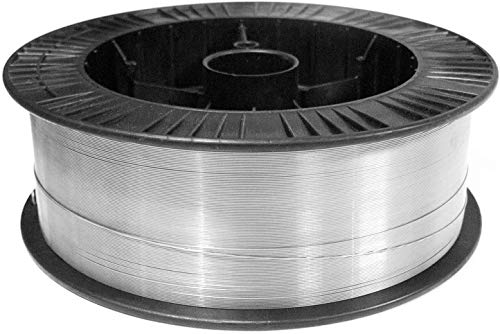
For general stainless MIG work, the listed ArcWeld product is:
[arcbox product=”stainless-steel-mig-wire-308l-035-33″]
Use the filler only when it matches the job specification and base metal requirements. If the stainless grade or service condition is not confirmed, stop and verify before production welding.
When corrosion shows up after welding
If a weld already shows rust staining or early corrosion, check these points in order:
- Was the base metal truly stainless, and what grade was it?
- Was the correct filler used?
- Was there visible heat tint or oxidation?
- Were tools dedicated to stainless work?
- Was the weld cleaned and passivated if required?
- Was the part exposed to chloride-containing cleaners, salt, or process chemicals?
Support guidance for buyers and maintenance teams
When corrosion resistance matters, buy and stage stainless wire by verified alloy family, not by wire diameter alone. Keep stainless consumables separated from carbon steel consumables. Label storage clearly. Cross-contamination is a common shop-floor failure mode.
For repeat jobs, document the base metal grade, filler, shielding gas, cleaning method, and post-weld treatment so the same defect does not repeat.
Safety notes
- Use approved PPE for welding, grinding, and chemical cleaning.
- Do not mix stainless and carbon steel wire brushes or grinding tools unless contamination control is verified.
- Follow the SDS and the process procedure for any pickling or passivation chemicals.
- Do not assume weld color is acceptable in corrosion service. Appearance is not proof of performance.
FAQ
Does blue or brown discoloration always mean failure?
No. But it does indicate oxidation and reduced corrosion margin. The service environment decides how serious it is.
Can I fix stainless weld corrosion by cleaning the bead?
Sometimes. If the damage is only surface oxidation, cleaning and passivation may help. If the weld metal or base metal has already been attacked, repair may be required. Unknown (Verify).
Is ER308L always the right filler for stainless?
No. ER308L is common for some austenitic stainless applications, but filler choice depends on base metal grade and service conditions. Verify the specification before use.
Why does stainless rust near welds first?
The weld zone sees heat tint, dilution, and possible contamination. That area often has the weakest passive layer and is the first place corrosion appears.
Sources Checked
- Weld Support Parts internal product page for stainless MIG wire
- Weld Support Parts blog: Best MIG Wire for Stainless Steel (ER308L vs ER309L)
Leave a Reply