Category: Welding Safety Equipment
All Products welding Safety
-
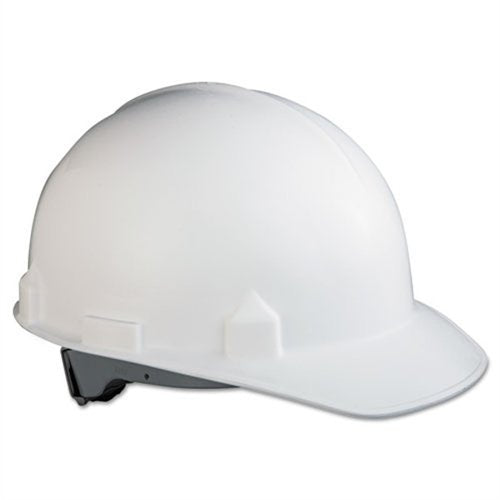
Jackson 14834, SC6 White Hard Hat, Sold As 1 Each: Product Breakdown
“>
The Jackson 14834, SC6 White Hard Hat, Sold As 1 Each is a straightforward head protection item for shop and jobsite use. For buyers and safety teams, the main question is not whether the product is complex. It is whether it fits a basic PPE program, is easy to stock, and can be inspected and replaced without confusion.
This breakdown stays within the product information provided and focuses on practical checks for maintenance buyers, welders, fabrication supervisors, and support teams. When details are not confirmed in the source material, they are listed as Unknown (Verify).
Key Takeaways
- The Jackson 14834 SC6 White Hard Hat is presented as a jobsite-ready hard hat for everyday industrial use.
- White shell color can help with visibility and role identification in some shop environments, but site rules vary.
- Sold as 1 each, which makes it suitable for individual issue, replacement stock, or spare inventory.
- Exact shell material, suspension type, and certification status are Unknown (Verify) from the provided source.
- For any PPE purchase, confirm fit, inspection condition, and site policy before issue.
What This Product Is
Based on the source product listing, the Jackson 14834 SC6 White Hard Hat is intended for general industrial head protection. It is described as a durable shell suited for welding shops, fabrication floors, and construction environments. That makes it a basic PPE item rather than a specialized attachment platform or task-specific headgear.
For buyers, the important point is simple: treat this as a standard hard hat entry and verify the features that matter to your program. Do not assume suspension style, electrical rating, accessory compatibility, or shell material unless those details are confirmed on the current product listing or manufacturer documentation.
Buyer Review: What To Check Before Ordering
Before you place the item in your cart or add it to a stock list, use a short verification process.
- Check the job requirement. Confirm whether your site needs a general hard hat or a specific class/type under your safety rules.
- Inspect the listing title. Match the exact part reference: Jackson 14834, SC6 White Hard Hat, Sold As 1 Each.
- Verify color coding. White may be required for supervisors, visitors, or specific site roles, but that is site policy dependent.
- Review replacement planning. If you are buying for spares, confirm how many units your inspection and replacement cycle requires.
- Confirm fit system details. Unknown (Verify) whether the suspension is included, adjustable, or compatible with your current inventory.
If any of those details are unclear, pause the order and verify with the product page or your internal PPE standard.
Inspection and Support Checklist
For maintenance and safety teams, a hard hat should be checked before issue and during routine PPE inspections.
- Inspect the shell. Look for cracks, dents, UV damage, chalking, or deep scratches.
- Check for heat damage. In welding and fabrication areas, verify the shell has not been exposed to abnormal heat or spatter.
- Verify suspension condition. Confirm the internal suspension is intact, seated correctly, and not overstretched. Exact suspension type is Unknown (Verify).
- Check cleanliness. Remove grease, dust, and metal residue without using solvents that may damage PPE materials.
- Confirm retention and fit. Make sure the unit sits properly on the head and stays stable during normal movement.
- Replace when damaged. Do not return a compromised hard hat to service.
If you use a written PPE process, log the issue date, user name, and inspection outcome. That helps with rotation and replacement planning.
Troubleshooting: Common Jobsite Questions
Problem: The hard hat shifts while walking or bending.
Check the fit adjustment, suspension condition, and head size compatibility. If the fit cannot be stabilized, verify whether a different suspension or alternate model is required.Problem: Shell surface shows wear after normal shop use.
Inspect for crack formation, brittleness, or impact marks. Cosmetic wear may be acceptable only if your PPE policy allows it. When in doubt, remove from service and verify replacement criteria.Problem: The unit is being used near welding work.
Verify whether the hard hat meets your site’s welding-area PPE requirements. This product is described as a hard hat, but arc, heat, and face protection requirements may call for additional PPE. Do not assume one item covers all hazards.Problem: Spare inventory is mixed with old stock.
Check part markings, color, and condition before issue. Keep incoming stock separate until the inspection is complete.Product and Parts Notes
The provided source identifies one specific product: Jackson 14834, SC6 White Hard Hat, sold as 1 each. No additional parts, replacement suspensions, or accessory kits were provided in the source material.
Because of that, related parts remain Unknown (Verify). If you need replacement components, accessory fit, or suspension details, confirm directly from the listing or approved internal documentation before purchasing.
Safety Notes
- Use hard hats only as part of a complete PPE plan.
- Do not rely on an unverified hard hat for tasks involving impact, electrical, or heat exposure unless the product and site standards confirm suitability.
- In welding areas, verify that the hard hat does not interfere with face shields, helmets, or other head protection already required by the job.
- Do not use damaged PPE. Remove it from service immediately.
FAQ
Is the Jackson 14834 SC6 White Hard Hat a general industrial PPE item?
Yes. The source describes it as a jobsite-ready hard hat for everyday industrial use. Detailed performance ratings are Unknown (Verify).Can I assume it includes a suspension system?
No. That detail is Unknown (Verify) from the provided source. Confirm before ordering or issuing.Is this a direct replacement for every hard hat in a shop?
No. Fit, suspension, site policy, and hazard requirements vary. Verify compatibility with your existing PPE program before use.What should I inspect first when the hard hat arrives?
Check the shell for damage, confirm the fit system, and verify that the item matches the exact part description on the order.Sources Checked
- Provided ArcWeld product reference: Jackson 14834, SC6 White Hard Hat, Sold As 1 Each
- Source URL: Product not found.
- Provided internal link: Jackson Safety 14834 SC-6 Hard Hat Review: Basic Head Protection for Shop and Jobsite Use
- Provided internal link: Welding Safety Equipment Inspection Checklist for Shop PPE
For a broader PPE review, use the linked inspection checklist and compare site requirements against the current product listing before purchase or issue.
Related Arc Weld Part
Jackson 14834, SC6 White Hard Hat, Sold As 1 Each
Jackson Safety 14834 SC6 White Hard Hat is a jobsite-ready head protection option designed for everyday industrial use where a clean, high-visibility look matters. The SC6 style provides a straightforward, durable shell suited for welding shops, fabrication floors, and general construction environments, making it a practical choice for outfitting individuals or maintaining spares in a safety program. Sold as 1 eac…
View at Arc Weld StoreRelated Weld Support Guides

What Welders Should Wear in Hot Weather: Cotton, FR Gear, and the T-Shirt Problem
Balancing Heat Stress and Arc Protection
Summer heat introduces a dangerous balancing act for welders, fabricators, and shop personnel. As temperatures inside the shop climb, the temptation to strip off heavy protective gear becomes overwhelming. However, sacrificing personal protective equipment (PPE) to stay cool directly exposes you to ultraviolet (UV) radiation, severe burns, and spatter injuries.
Understanding what welders should wear in hot weather requires knowing the critical difference between ordinary cotton, flame-resistant (FR) gear, and synthetics. A lifestyle T-shirt is not a protective garment. True welding safety in high temperatures relies on strategic layering, breathable FR fabrics, and rigorous heat-stress management.
The T-Shirt Problem: Why Ordinary Cotton is Not PPE
Walk into many fabrication shops in July, and you may see someone welding in a standard graphic T-shirt. That garment should not be treated as protective welding apparel. Everyday lifestyle T-shirts are generally not designed, tested, or labeled for the hazards created by an active arc.
Safety note: Welding arcs produce intense ultraviolet and infrared radiation. Any exposed skin can burn, so the garment system should provide complete coverage appropriate to the process and position.
Untreated cotton is generally preferable to common meltable synthetic blends when selecting an underlayer, but an ordinary cotton T-shirt is not automatically welding PPE. Fabric weight, condition, coverage, garment construction, and the amount of sparks or spatter all matter. Polyester, nylon, spandex, and similar fibers can soften or melt when exposed to heat and spatter, increasing the severity of a burn. Follow the employer’s hazard assessment and the garment manufacturer’s instructions.
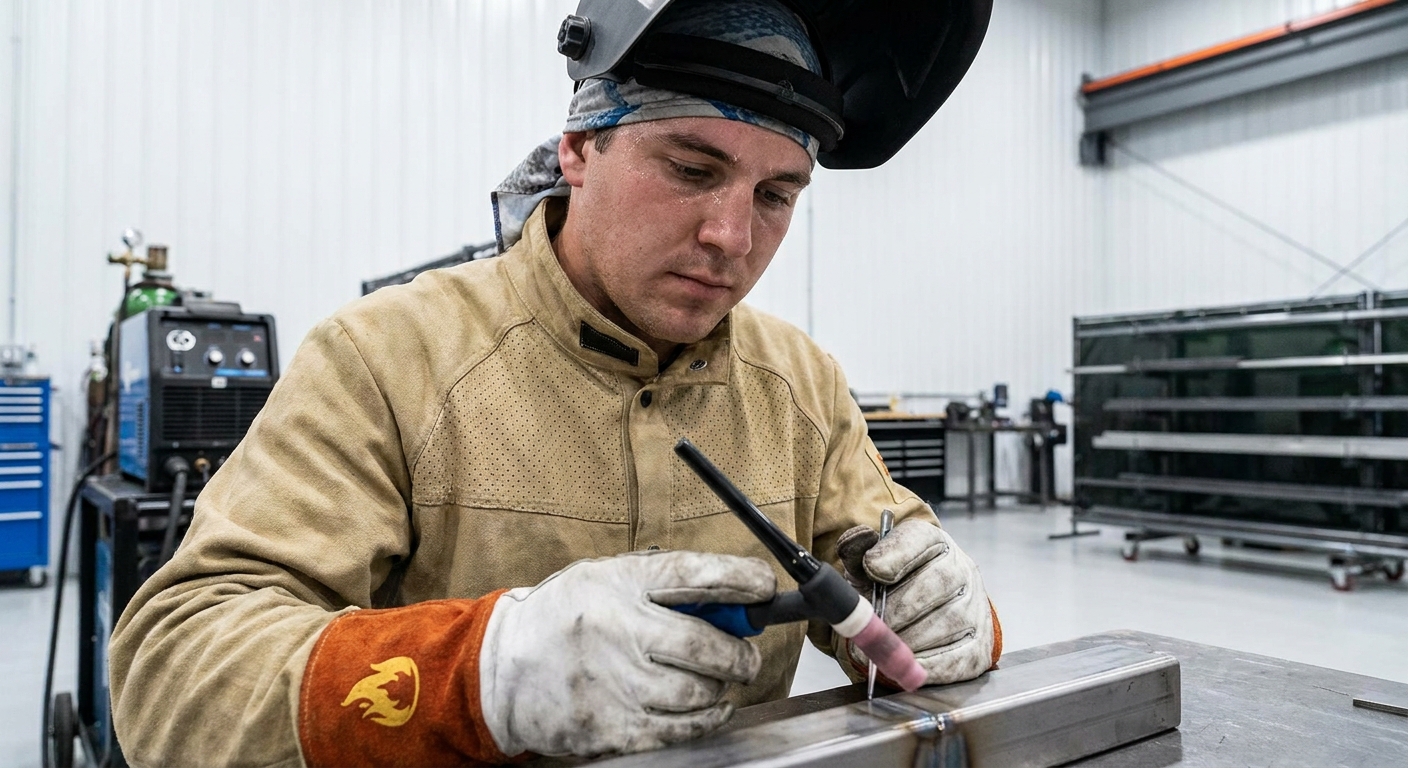 Choosing the right FR gear ensures you are protected from sparks and UV rays without adding unnecessary bulk.
Understanding Your Fabric Options
When selecting hot-weather gear, welders must choose materials that naturally resist ignition or are chemically treated to self-extinguish.
Flame-Resistant Workwear
FR garments are designed to resist ignition or limit continued burning when used and maintained as directed. Lightweight FR shirts and jackets may reduce bulk in summer, but suitability depends on the welding process, position, spatter level, and the garment’s verified rating and instructions.
Leather Protection
Leather provides durable protection where heavy sparks and spatter are expected, including many stick-welding and overhead applications. It also adds weight and reduces heat loss, so the coverage should be matched to the hazard rather than treated as a one-size-fits-all solution.
Common Synthetic Blends
Many polyester, nylon, and stretch fabrics can melt or shrink when exposed to heat. Do not assume moisture-wicking or athletic clothing is suitable for welding; use garments selected through the workplace hazard assessment and verified for the intended exposure.
Strategies for Managing Heat Stress
Instead of stripping down to unsafe clothing, welders should adapt their PPE strategy to the climate. Heat stress can lead to heat cramps, heat exhaustion, and potentially fatal heat stroke. Managing your core temperature involves smart layering and strategic coverage.
Do not solve heat stress by removing required protection. Instead, use the lightest protective system that still matches the hazard assessment—for example, verified FR workwear with localized leather coverage where heavy spatter is expected. Employers should also use ventilation, work/rest cycles, hydration, acclimatization, and cool recovery areas. Any head covering worn under a helmet must fit without interfering with the helmet, headgear, or protective seal.
Summer Welding Clothing Checklist
Before stepping into the shop during a heatwave, ensure your gear meets fundamental safety requirements. True protective workwear minimizes catching points and covers all exposed skin.
- Full Sleeve Coverage: Sleeves must extend to the welding glove cuff. Exposed wrists will suffer severe UV arc burns.
- High Collars: Keep collars buttoned up to protect the neck from stray spatter and intense light bouncing off the table.
- No Cuffs or Open Pockets: Pants should fall smoothly over the top of leather work boots without cuffs. Shirts should lack open chest pockets, which act as catch-basins for hot slag.
- Approved Undergarments: Ensure whatever touches your skin directly is 100% natural fiber, like standard heavy cotton, even if covered by an FR jacket.
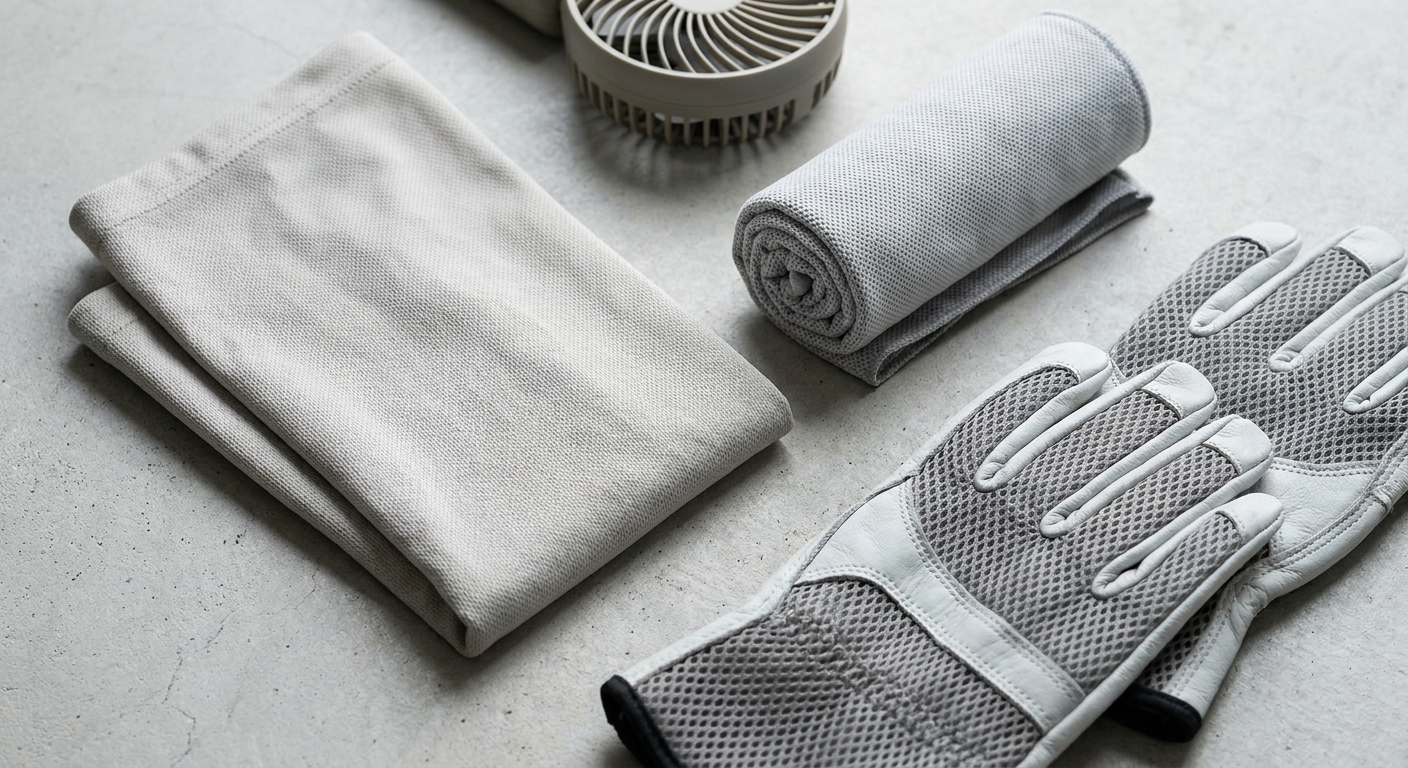 Breathable, flame-resistant workwear is essential for maintaining safety and preventing heat stress during summer shifts.
Changing and Caring for Work Clothes
Hot-weather gear becomes wet, dirty, and easier to damage. Inspect garments for holes, thin spots, open seams, oil, grease, and other contamination that could reduce protection. Follow the garment manufacturer’s laundering and retirement instructions, especially for treated FR clothing.
A clean change of clothes can also help keep shop dust and residue out of personal vehicles and living areas. Where the work involves metals or coatings that create hazardous contamination, follow the employer’s hygiene and decontamination program rather than relying on a general home-laundry routine.
Sources and Safety Guidance
Protective clothing should be selected through a workplace hazard assessment and matched to the size, nature, and location of the welding work.
- OSHA 29 CFR 1910.252: Welding, Cutting, and Brazing
- NIOSH: Heat Stress and Workers
- NIOSH: Workplace Heat-Stress Recommendations
- Garment manufacturer instructions: Verify the garment’s intended use, limitations, care requirements, and replacement criteria before relying on it for protection.
The Practical Rule
Do not trade away required protection to get cooler. Match the clothing system to the actual welding hazard, then control heat with ventilation, hydration, acclimatization, appropriate rest breaks, and cool recovery areas.
Arc Life Media Note: A welder’s lifestyle clothing belongs off the arc. Never wear athletic wear, synthetic blends, or untreated thin cotton while welding, cutting, or grinding unless the garment is specifically labeled and verified as protective workwear.
Eye and Face Protection for Cutting and Grinding

Cutting and grinding create high-velocity particles, sparks, and hot metal spatter. Standard safety glasses alone may not be enough for every task. The correct eye and face protection depends on the process, the work area, and whether the operator needs impact protection, splash protection, or full face coverage.
Key Takeaways
- Use impact-rated eye protection for every cutting and grinding task.
- Match the protection level to the hazard: dust, chips, sparks, spatter, or chemical splash.
- Safety glasses do not replace a face shield when the face needs coverage.
- Face shields are typically worn over primary eye protection, not by themselves.
- Inspect lenses, frames, straps, and shields before each use.
What Hazards Matter in Cutting and Grinding
Common hazards include abrasive particles, wire-wheel debris, grinder sparks, grinding-wheel fragments, hot scale, and metal chips from cutting or drilling. Eye injuries often happen when debris enters from the side, under the frame, or after the lens is damaged.
For grinding, the main concern is direct impact from particles and side entry from dust and chips. For cutting, especially with abrasive wheels or torches, hot sparks and spatter can add a burn hazard to the eye and face.
How to Select Eye and Face Protection
- Safety glasses: Use impact-rated glasses for most shop tasks. Wraparound coverage helps reduce side entry.
- Goggles: Use when dust or fine particles can get under standard glasses. Sealed styles provide better enclosure.
- Face shields: Use for face coverage from sparks, chips, and grinding debris. Wear over primary eye protection.
- Welding helmets: Use when welding arc exposure is present. A welding helmet is not a substitute for all cutting and grinding hazards.
Frame fit matters. Gaps at the temples, nose bridge, or bottom edge reduce protection. If the operator bends, reaches, or works overhead, a better-fitting style may be needed.
Inspection and Support Checklist
- Check lenses for scratches, cracks, pitting, and heat damage.
- Check face shields for clouding, impact marks, and broken mounting points.
- Check headgear, straps, and adjusters for wear or loss of tension.
- Replace damaged items immediately.
- Confirm the protection is clean enough for visibility.
For a broader shop PPE review, see the Welding Safety Equipment Inspection Checklist for Shop PPE.
Troubleshooting Support
Problem: Debris gets under the glasses
Use a closer-fitting wraparound style or switch to goggles. Check for poor fit at the nose bridge or temples.
Problem: Lenses fog during work
Move to anti-fog lenses or ventilation suited to the task. If the area is humid or the worker is moving between temperatures, fog control becomes important. Specific anti-fog performance is Unknown (Verify).
Problem: Face shield protects the face, but the eyes still feel exposed
Use a face shield over impact-rated safety glasses or goggles. A shield alone is not enough for eye protection in most cutting and grinding work.
Problem: Sparks are hitting the cheeks and neck
Add a face shield, a welding helmet when appropriate, and flame-resistant clothing or a neck cover. Make sure the headgear does not create new gaps in protection.
WSP Lookup: Jackson Safety Personal Protection
Weld Support Parts lists Jackson Safety Personal Protection here: Jackson Safety Personal Protection.
Use that page to review available Jackson PPE options for eye and face protection. Product-specific availability, model numbers, and technical details are Unknown (Verify) unless confirmed on the linked page.
Safety Notes
- Do not grind or cut with damaged eye protection.
- Do not rely on sunglasses or general-purpose eyewear for shop impact hazards.
- Do not wear worn-out face shields with reduced clarity if you need to see the workpiece clearly.
- When welding, confirm the correct shade and the correct combination of eye and face PPE for the process.
- If the task includes airborne dust, chemical splash, or hot work, review the full hazard set before choosing PPE.
For welding-specific lens selection and shade guidance, see Welding Safety Glasses Guide 2025 | Shade Numbers, ANSI Z87.1 & UV Protection.
FAQ
Do I need both safety glasses and a face shield?
Often yes. Safety glasses protect the eyes; a face shield protects the face. For cutting and grinding, the shield is commonly worn over primary eye protection.
Are safety glasses enough for grinding?
Sometimes, but not always. If chips, dust, or bounce-back can enter from the sides or below, a closer-fitting option or a face shield may be needed.
Can I use welding eye protection for grinding?
Only if it also provides the needed impact protection and coverage for grinding hazards. Welding shade alone does not address every cutting or grinding risk. Verify the specific product requirements.
How often should eye protection be replaced?
Replace it when lenses are scratched enough to reduce visibility, when frames are cracked, or when fit is no longer secure. Replacement interval is Unknown (Verify) because it depends on use and damage.
Sources Checked
- Jackson Safety Personal Protection
- Welding Safety Glasses Guide 2025 | Shade Numbers, ANSI Z87.1 & UV Protection
- Welding Safety Equipment Inspection Checklist for Shop PPE
Related Weld Support Guides
Why Flap Discs Explode: RPM Ratings, Grinder Mismatch, and Storage Problems
Why Flap Discs Explode: RPM Ratings, Grinder Mismatch, and Storage Problems
A flap disc that explodes during grinding is usually the result of overspeed operation, damaged backing material, improper storage, side-loading stress, or using the wrong disc for the grinder. Abrasive failures are often blamed on defective discs, but many disc separations happen because the grinder exceeds the disc RPM rating, the disc has absorbed moisture, the backing plate has been cracked, or the operator twists the wheel during grinding.
Unlike normal wear, explosive flap disc failure can eject abrasive material and backing fragments at extremely high speed. Even a small 4-1/2 inch grinder spinning above rated RPM can create severe injury risk if the disc delaminates or separates under load.
How Flap Discs Fail
Flap discs are layered abrasive products bonded to a backing plate made from fiberglass, plastic, or composite materials. Heat, impact, overspeed, contamination, and improper loading can weaken the bond between the abrasive flaps and the backing structure.
- Backing plate cracks
- Flap separation
- Center hub failure
- Edge tearing
- Delamination at high speed
- Heat distortion
Once the backing structure weakens, centrifugal force can cause the disc to separate rapidly during operation.
Maximum RPM Ratings Explained
Every flap disc has a maximum safe operating speed marked on the label. That RPM rating must always meet or exceed the grinder’s no-load speed.
If a grinder spins faster than the disc rating, the abrasive experiences excessive centrifugal force even before contacting the material.
- A 13,300 RPM grinder should never use a disc rated below 13,300 RPM
- Worn or modified grinders may exceed labeled speed
- Removing guards increases risk exposure
- Cheap import grinders sometimes have inconsistent speed control
Overspeed failures often occur instantly at startup, not only during grinding.
Why Cordless Grinders Create Hidden Overspeed Problems
High-output cordless grinders can create dangerous conditions when operators assume all 4-1/2 inch accessories share the same RPM capability.
- Battery grinders reach full RPM very quickly
- Light pressure allows the grinder to remain near no-load speed
- Mixing cut-off wheels and flap discs increases wrong-wheel usage
- Damaged battery grinders may lose speed regulation
Always verify the disc RPM rating before installing a new abrasive.
Humidity and Moisture Damage
Abrasives stored in damp environments can absorb moisture over time. High humidity affects bonding materials, backing integrity, and abrasive stability.
- Unheated containers
- Service trucks
- Outdoor gang boxes
- Wet fabrication areas
- Compressed-air moisture exposure
Discs exposed to repeated moisture cycling can weaken even if they appear visually normal.
Improper Storage Temperature Problems
Extreme heat and freezing temperatures both affect abrasive life.
- High heat can soften bonding materials
- Freezing conditions can increase brittleness
- Rapid temperature swings increase condensation risk
- Stacking heavy materials on flap discs damages backing plates
Abrasives should be stored flat, dry, and protected from impact damage.
Side Pressure and Twisting Failures
Flap discs are designed primarily for grinding pressure applied in the intended working angle range. Excessive twisting, edge jamming, or side-loading can crack the backing structure.
- Twisting while the wheel is loaded
- Grinding inside corners aggressively
- Using the disc as a pry tool
- Catching flap edges on weld seams
- Applying pressure outside the recommended angle
Many disc failures start as small cracks near the center hub that grow during repeated grinder startup cycles.
Using Damaged Backing Plates
If the fiberglass or composite backing plate shows cracks, chips, warping, or impact damage, discard the disc immediately.
Do not continue using a partially damaged flap disc to “finish the job.” Small cracks can rapidly expand at operating speed.
Cheap Flap Discs vs Industrial-Grade Abrasives
Industrial-grade flap discs generally use more consistent abrasive bonding, stronger backing materials, tighter RPM testing standards, and more stable manufacturing tolerances.
Low-cost abrasives may still perform adequately for light work, but inconsistent bonding quality, weak fiberglass backing, and poor balance can increase vibration and failure risk during demanding grinding.
Signs a Flap Disc Should Be Discarded
- Visible backing plate cracks
- Missing abrasive flaps
- Warped or bent profile
- Excessive vibration during operation
- Heat discoloration
- Water saturation or contamination
- Loose center hub fit
- Delamination around the edges
If the grinder suddenly develops vibration after changing abrasives, stop immediately and inspect the disc before continuing.
PPE Requirements for Abrasive Grinding
A face shield alone is not enough for abrasive grinding. High-speed abrasive failures can bypass inadequate protection.
- ANSI-rated safety glasses
- Full face shield
- Hearing protection
- Cut-resistant gloves
- Flame-resistant clothing
- Respiratory protection when grinding coated materials
Grinding dust from stainless steel, galvanized steel, coatings, and composites may require additional respiratory protection.
OSHA and ANSI Considerations
Grinding safety standards exist because abrasive wheel failures can cause severe injury. Operators should verify that grinders, guards, wheel ratings, and PPE meet current OSHA and ANSI requirements for abrasive use.
Removing wheel guards, defeating grinder safety switches, or operating damaged grinders dramatically increases injury risk during abrasive failure.
What Happens When a Disc Delaminates at Speed?
When a flap disc separates at full grinder RPM, abrasive sections and backing fragments can be ejected at extremely high velocity. Injuries commonly involve the face, neck, hands, chest, and eyes.
Even near-miss failures should be treated seriously. Inspect the grinder spindle, guard, mounting flange, and replacement abrasive before restarting work.
Field Fix vs Proper Fix
A field fix may involve replacing the abrasive, cleaning the spindle flange, and slowing down aggressive grinding pressure. The proper fix is identifying the root cause: overspeed operation, wrong accessory selection, moisture damage, improper storage, grinder defects, or unsafe grinding technique.
Related Abrasive and Safety Articles
- Abrasive and Grinding Support
- Flap Disc Support
- Welding Safety Equipment
- Flap Disc Articles
- Grinding Wheel Support
Sources Checked
Norton abrasive guidance, Weiler abrasive references, grinding safety guidance, PPE references, and industrial abrasive handling practices were reviewed for this article.
Welding Glove Heat Damage Inspection Guide: Burn-Through, Hard Leather, Seam Failure, and Liner Damage
If welding gloves are stiff, cracked, burned through, oil-soaked, seam-split, shrunken, brittle, or thin at the palm and fingers, remove them from welding service. Heat-damaged gloves lose insulation, grip, dexterity, and electrical protection. The risk is not just a hot hand. Failed gloves can expose skin to spatter, slag, arc heat, sharp metal, hot workpieces, and shock hazards from damp or compromised insulation.
The fast inspection is to check the palm, thumb crotch, fingertips, seams, cuff, liner, back of hand, and any reinforced heat zones before every shift and after high-exposure work. Do not tape burned gloves, keep using gloves with holes, or substitute thin TIG gloves for high-spatter stick, flux-core, gouging, or overhead MIG work. For related PPE checks, see welding safety equipment inspection checklist, Tillman gloves for MIG, TIG, or stick welding fit, and TIG welding fingertip heat shield use.
Common Symptoms
- Leather feels hard, glassy, curled, shrunken, or brittle.
- Fingertips are thin, shiny, darkened, cracked, or burned through.
- Thumb crotch is split from torch/gun handling and heat cycling.
- Palm insulation feels compressed, lumpy, missing, or uneven.
- Stitching is burned, frayed, broken, or pulled open.
- Liner bunches up, melts, separates, tears, or exposes hot spots.
- Cuff is scorched, shortened, curled, or no longer covers the wrist.
- Glove smells burned, oily, solvent-contaminated, or chemical-soaked.
- Spatter sticks to the leather instead of brushing off.
- Hands feel heat faster than they did with the same process and settings.
Likely Causes
| Cause | What It Damages | Quick Check |
|---|---|---|
| Excessive radiant heat | Leather dries, shrinks, stiffens, and cracks | Check back of hand, palm, and cuff browning |
| Molten spatter or slag | Burn holes and seam failure | Inspect fingertips, cuff opening, and seam channels |
| Wrong glove for process | Too little insulation for heat load | Compare TIG, MIG, stick, flux-core, gouging, and cutting exposure |
| Wet or damp gloves | Reduced insulation and shock risk | Feel liner and cuff for moisture before welding |
| Oil or solvent contamination | Fire risk and leather breakdown | Smell glove and check dark oily patches |
| Dragging hot metal | Palm thinning and burn-through | Look for smooth shiny wear on palm and fingers |
| Repeated high-duty work | Compressed insulation and hard leather | Compare heat feel to a new glove of same type |
| Poor storage | Moisture, cracking, chemical contamination | Check gloves stored near coolant, oil, rain, or grinding dust |
Fast Inspection Sequence
- Let gloves cool before inspection. Do not inspect while hot enough to burn skin.
- Check both gloves, not only the torch hand. The filler hand, stinger hand, or workpiece hand may be more damaged.
- Flex every finger and the thumb crotch. Replace gloves that crack or expose thin leather when flexed.
- Press the fingertips and palm. Replace gloves with thin, hard, missing, or compressed insulation.
- Open the cuff and inspect the liner for tears, melting, loose material, or trapped slag.
- Pull lightly on seams. Replace gloves if stitching separates or heat-damaged thread breaks.
- Check for dampness, oil, grease, solvent, coolant, or anti-spatter contamination.
- Verify the glove type matches the process: TIG, MIG, stick, flux-core, plasma, gouging, or material handling.
- Remove failed gloves from the welding area so they are not reused by another operator.
- Document repeat failure patterns by process, station, amperage, position, and exposure.
Visual Wear Indicators
- Burn-through: Any hole in palm, finger, cuff, thumb, or back of hand is a replacement condition.
- Heat hardening: Leather that stays stiff after flexing has lost protective value and dexterity.
- Seam failure: Broken stitching lets heat and sparks enter the glove even if the leather still looks usable.
- Liner failure: Torn, melted, bunched, or missing liners create direct hot spots.
- Cuff failure: Shortened, curled, or split cuffs expose the wrist and sleeve overlap area.
- Spatter craters: Deep pits and embedded metal show the leather has taken repeated molten-metal impact.
- Oil saturation: Dark, wet, greasy patches increase fire risk and should not be welded through.
- Shrinkage: Gloves that tighten after heat exposure can reduce circulation and force poor hand position.
Test Procedures
- Flex test: Bend each finger and the thumb crotch. Cracking, powdering, or splitting means the leather is heat-damaged.
- Pinch test: Pinch fingertips and palm padding. Thin spots, hard spots, and uneven liner thickness are failure signs.
- Seam pull test: Gently tension the seams. Replace gloves if thread breaks, pulls loose, or exposes liner.
- Moisture test: Feel inside the cuff and liner. Damp gloves should not be used for welding.
- Contamination test: Smell and wipe suspect areas. Oil, solvent, fuel, coolant, and chemical residue require removal from service.
- Process-match test: Compare glove type to actual job. A glove that is fine for TIG may be wrong for overhead flux-core or carbon arc gouging.
Root Cause Analysis
Welding glove heat damage usually follows one of three paths. The first is normal wear from repeated heat cycles. Leather dries, stiffens, shrinks, and loses flexibility. The second is direct molten-metal damage from spatter, slag, grinding sparks, or hot workpieces. The third is wrong-PPE selection, where the glove does not have enough insulation, cuff coverage, leather thickness, or seam protection for the process.
Gloves fail faster when operators use them as hot-metal handling pads, rest them on hot tables, store them wet, or expose them to oil and solvents. A glove can still look mostly intact and fail the job if the fingertips are thin, the liner is compressed, or the thumb seam is split. Inspection has to check structure, insulation, dryness, contamination, and process fit.
Compatibility Notes
Do not order welding gloves by size alone. Verify process, heat level, spatter level, welding position, required dexterity, cuff length, liner type, leather type, stitching, cut/puncture requirement, and site PPE standard. TIG gloves prioritize feel and dexterity. MIG gloves balance dexterity with insulation. Stick, flux-core, overhead welding, plasma cutting, and gouging usually require heavier heat and spatter protection.
For Lincoln glove examples, catalog data separates gloves by TIG/flame, MIG/MAG, MMA, fabrication work, heavy welding applications, thermal insulation, molten-metal splash resistance, and European PPE standards. That does not make any glove universal. Treat glove fitment as Unknown (Verify) until the welding process, exposure level, and job hazard assessment are confirmed.
What To Verify Before Ordering
- Welding process: TIG, MIG, stick, flux-core, plasma, gouging, cutting, grinding, or hot handling.
- Heat exposure: intermittent, production, overhead, high-amperage, preheated parts, or radiant heat.
- Spatter and slag exposure level.
- Required dexterity for filler rod, torch, gun, stinger, grinder, or workpiece handling.
- Leather type: goatskin, cowhide, split leather, grain leather, elk, pigskin, or specialty aluminized back.
- Liner type: unlined, fleece, cotton, foam, Kevlar, or thermal layer.
- Cuff length and sleeve overlap.
- Seam reinforcement and thread type.
- Applicable ANSI, AWS, EN, CE, OSHA, or employer PPE requirements.
- Contamination exposure from oil, solvent, coolant, water, paint, or coatings.
Common Wrong-PPE Mistakes
- Using thin TIG gloves for stick welding, overhead MIG, flux-core, or gouging.
- Continuing to weld with stiff gloves because there is no visible hole yet.
- Repairing burn-through with tape, wire, or scrap leather.
- Using damp gloves after rain, sweat saturation, or wet storage.
- Using oil-soaked gloves around sparks or molten metal.
- Handling hot parts with welding gloves and then blaming the glove for early failure.
- Ignoring cuff damage that exposes the wrist and sleeve gap.
- Buying the same glove again without checking whether the process changed.
Field Fix vs Proper Fix
| Problem | Field Fix | Proper Fix |
|---|---|---|
| Minor dry dirt | Brush off loose debris | Store clean and dry away from oil and moisture |
| Small seam fray | Remove from high-heat work | Replace if seam strength or protection is compromised |
| Burn-through hole | Stop using glove | Replace immediately |
| Wet glove | Let dry fully away from direct flame | Use dry spare gloves and fix storage problem |
| Heat hardening | Move to non-welding handling only if allowed | Replace with glove matched to heat exposure |
| Oil contamination | Remove from welding area | Replace and correct contamination source |
Related Failure Paths
- Hand burns: Thin leather, holes, compressed liners, or wrong glove type expose skin to heat and spatter.
- Electrical shock risk: Wet or damaged gloves reduce insulation value.
- Arc control problems: Stiff gloves reduce torch, filler rod, gun, or electrode control.
- Sleeve burns: Short or curled cuffs leave a gap between glove and sleeve.
- Fire risk: Oil-soaked gloves and jackets can ignite around sparks or molten metal.
- Production downtime: Repeated glove failures usually mean wrong glove selection or unmanaged heat exposure.
Safety Notes
- Use dry welding gloves in good condition.
- Do not weld with holes, burn-through, damp liners, oil contamination, or failed seams.
- Wear safety glasses under the hood when grinding, chipping, or handling damaged gloves and slag.
- Do not use synthetic general-purpose gloves for welding heat and spatter exposure.
- Let hot metal cool or use proper tools instead of using gloves as hot pads.
- Match glove type to welding process, position, amperage, and spatter exposure.
- Follow the site hazard assessment, manufacturer instructions, OSHA requirements, and ANSI/AWS welding safety practices.
Sources Checked
Sources checked include welding PPE inspection guidance, AWS/ANSI welding safety references, glove selection guidance, Lincoln glove catalog data, and related Weld Support Parts PPE articles. Final glove replacement must be verified by process, heat level, spatter level, cuff coverage, liner type, leather type, glove size, site PPE rules, and documented hazard assessment.
Do Welding Helmet Cover Lenses Block UV, or Is the ADF Doing That?
A clear welding helmet cover lens is mainly a sacrificial protection plate. It protects the auto-darkening filter, fixed shade plate, and viewing area from spatter, grinding dust, scratches, smoke film, and impact wear. The welding filter or auto-darkening filter is the part that must provide the required welding shade and UV/IR protection for arc exposure.
This matters because a clean cover lens can make the helmet look safer than it really is. A clear cover plate is not a welding shade. Do not weld with only a clear cover lens, and do not assume a scratched or missing cover lens is harmless. If the auto-darkening cartridge is damaged, missing, incorrectly installed, or not marked for welding protection, the helmet should be removed from service.
For broader helmet selection and shade checks, see the auto-darkening welding helmet buying guide and the welding safety glasses shade and ANSI Z87.1 guide.
Key Takeaways
- The ADF or passive welding filter is the primary part responsible for welding shade and UV/IR protection.
- The clear outside cover lens mainly protects the filter from spatter, dust, scratches, and impact wear.
- Some clear cover lenses may meet ANSI Z87.1 impact requirements, but that does not make them welding shade filters.
- Do not weld with a missing, cracked, heat-warped, or heavily scratched cover lens because it can expose the ADF to damage.
- Do not weld with only a clear cover lens. Use the correct filter shade for the process and amperage.
Problem / Context
The common question is whether the clear lens on the outside of a welding helmet blocks UV, or whether the auto-darkening filter does that job. The practical answer is that the welding filter must be treated as the critical UV/IR and shade-control component. The clear cover lens is a replaceable barrier that helps preserve the filter, but it is not a substitute for the filter.
Most helmet designs use several layers: the helmet shell, the outside clear cover lens, the ADF or fixed shade filter, and often an inside cover lens. Each part has a different job. Confusing these layers can lead to unsafe shortcuts, especially when a cover lens is cracked or the ADF looks expensive to replace.
Root Causes of Confusion
Clear lenses may still have safety markings: A clear replacement cover lens may be sold as ANSI Z87.1 compliant for impact protection. That does not mean it has the correct optical density for welding arc radiation.
ADF lenses protect in light and dark states: Manufacturer manuals commonly state that the auto-darkening cartridge provides UV/IR protection in both light and dark states. The darkening function controls visible brightness and shade comfort, but the UV/IR filter function should not depend only on the lens switching dark.
The cover lens sits closest to the arc: Because the clear plate faces sparks and spatter first, welders may assume it is the main safety lens. Its real job is to protect the more expensive filter behind it.
Damaged cover lenses can hide filter problems: A cloudy, pitted, or heat-warped cover lens reduces visibility and can make welders raise their hood, lean into bad positions, or miss a damaged ADF. See the ArcOne S240-10 auto-darkening filter support guide for fit and visibility checks.
Some helmets cannot be used without cover lenses: Several helmet manuals warn against using the helmet without the inside and outside cover lenses properly installed. Missing cover lenses can allow spatter, heat, and debris to damage the filter cartridge.
Solution
- Confirm the helmet has a proper ADF or passive welding filter installed. A clear cover lens alone is not enough.
- Check the helmet and filter markings for ANSI Z87.1 and manufacturer identification.
- Confirm the shade range or fixed shade number matches the welding process and amperage.
- Inspect the outside cover lens for cracks, spatter pits, smoke film, deep scratches, or heat warping.
- Inspect the inside cover lens if the helmet uses one. Replace it if it is cracked, dirty, pitted, or loose.
- Use only replacement cover lenses specified by the helmet manufacturer when possible.
- Replace the cover lens before visibility drops enough to affect puddle control or sensor performance.
- Remove the helmet from service if the ADF cartridge is cracked, loose, delaminated, water-damaged, or not darkening correctly.
- Wear safety glasses or goggles under the helmet where grinding, chipping, or flying particle hazards exist.
Specs / Verification Notes
| Helmet Layer | Main Job | Can It Replace the ADF? | Verification Note |
|---|---|---|---|
| Outside clear cover lens | Protects the welding filter from spatter, dust, scratches, and impact wear | No | Size, material, and helmet fit: Unknown (Verify) |
| Auto-darkening filter | Provides welding shade and UV/IR protection according to the helmet design | Required for ADF helmets | Confirm shade range and ANSI marking |
| Passive filter plate | Provides fixed welding shade and radiation filtering | Required for passive helmets | Confirm shade number for process and amperage |
| Inside cover lens | Protects the inside face of the filter from dust, handling damage, and debris | No | Helmet-specific fit: Unknown (Verify) |
| Safety glasses under hood | Protects against flying particles when required | No | Confirm ANSI Z87.1 marking |
Product Section
Replacement cover lenses are maintenance parts, not shade filters. The example below is a 2 in x 4-1/4 in clear cover lens. Confirm helmet fit, lens size, manufacturer approval, and ANSI marking before use. Compatibility with any specific helmet is Unknown (Verify).
No products found.
Comparison Table
| Question | Correct Answer | Shop Mistake to Avoid |
|---|---|---|
| Does the clear cover lens provide welding shade? | No. It is not the welding filter. | Do not weld through only a clear cover lens. |
| Does the ADF provide UV/IR protection? | Manufacturer manuals commonly state UV/IR protection is present in light and dark states. | Do not keep using a cracked or unverified ADF. |
| Can a cracked cover lens be ignored? | No. Replace it before welding. | Do not let spatter or debris reach the filter cartridge. |
| Can any clear lens fit any helmet? | No. Size and helmet model matter. | Do not force a loose, undersized, or warped cover plate into service. |
| Are safety glasses still needed? | They may be required for flying particle hazards. | Do not rely on the helmet alone during grinding or chipping. |
Related Failure Paths
ADF does not darken: If the lens stays light, flashes, or responds inconsistently, use the auto-darkening welding helmet not working checklist.
ADF flickers on TIG: A dirty cover lens or blocked sensor can contribute to flicker on low-current TIG. See why auto-darkening helmets flicker on aluminum TIG.
Passive versus auto-darkening confusion: Passive helmets and ADF helmets both require proper filter protection, but they work differently. Compare the practical differences in auto-darkening vs passive welding helmets.
Shade number mismatch: A clear cover lens does not determine whether shade 9, 10, 11, 12, or 13 is correct. Use the process, amperage, and manufacturer chart to select shade. The helmet lens speed, shade range, and standards guide gives broader selection context.
Safety Notes
Arc welding emits visible light, ultraviolet radiation, and infrared radiation. Use a welding helmet with the correct filter lens shade for the process and current. OSHA guidance also notes that workers using welding helmets may need safety glasses with side shields or goggles where flying particle hazards exist.
Do not treat a clear cover plate as UV/IR proof for welding exposure unless the complete helmet, filter, and replacement part are being used exactly as specified by the manufacturer. Even if a clear cover lens has some UV-blocking material property, it is not a substitute for a welding filter shade.
Stop using the helmet if the filter cartridge is cracked, loose, heat damaged, water damaged, or visibly compromised. Manufacturer warnings commonly state that UV/IR protection may be compromised when the product is damaged.
FAQ
Does the clear outside cover lens block UV?
Do not rely on it as the welding UV/IR protection layer. The cover lens is mainly a protective plate. The ADF or passive welding filter is the critical radiation-filtering component.
Does an auto-darkening helmet protect from UV before it darkens?
Manufacturer manuals for auto-darkening helmets commonly state that the ADF protects against UV/IR in both light and dark states. The darkening function controls visible light shade, but the helmet still must be undamaged, properly assembled, and correctly rated.
Can welding flash happen if the ADF fails to darken?
Yes. Even when UV/IR filtering is present, a lens that fails to darken can expose the user to excessive visible light and unsafe viewing conditions. Stop welding and troubleshoot the helmet.
Can a clear cover lens be used for grinding?
Only if the complete helmet setup is rated and configured for grinding or impact hazards. Grinding mode does not make the helmet a welding shade, and welding mode does not replace safety glasses where flying particles are present.
How often should cover lenses be replaced?
Replace them when cracked, soiled, pitted, deeply scratched, heat-warped, loose, or visibility is reduced. Replacement interval depends on welding process, spatter level, grinding exposure, and shop conditions.
Can aftermarket cover lenses be used?
Only after verifying size, fit, material, safety marking, and helmet manufacturer guidance. OEM lenses are preferred when the helmet manual specifies exact replacement parts.
Next Step
Inspect the helmet in layers: outside cover lens, ADF or passive filter, inside cover lens, shell, headgear, and safety glasses. Replace damaged cover lenses, verify the correct filter shade, and remove the hood from service if the ADF or passive filter is cracked, loose, unmarked, or not working correctly.
Sources Checked
- OSHA Eye Protection against Radiant Energy during Welding and Cutting fact sheet: filter lens shade guidance and safety glasses or goggles for flying particle hazards.
- Lincoln Electric auto-darkening helmet manuals: UV/IR protection in dark and light states, warnings about damaged products, and use of specified cover lenses.
- 3M Speedglas welding PPE product guide: permanent UV/IR protection references for Speedglas ADF products.
- Forney 56800 cover lens manufacturer listing: 2 in x 4-1/4 in clear plastic cover lens, impact and spatter protection, ANSI Z87.1 reference, and fit notes.
- Weld Support Parts: Auto-Darkening Welding Helmet Buying Guide 2025.
- Weld Support Parts: Welding Safety Glasses Guide 2025.
- Weld Support Parts: Auto-Darkening Welding Helmet Not Working: Causes and Fixes.
- Weld Support Parts: ArcOne S240-10 Auto-Darkening Welding Filter Support Guide.
- Weld Support Parts: Auto-Darkening vs Passive Welding Helmets.
Why Auto-Darkening Helmets Flicker on Aluminum TIG but Not MIG or Stick
An auto-darkening helmet that behaves normally on MIG or stick but flickers on aluminum TIG is usually not failing in the same way as a helmet that will not darken at all. Aluminum TIG exposes weak points in sensor detection, sensitivity settings, low-current arc recognition, torch angle, reflected light, and delay settings. The arc can be stable at the weld, but the helmet may not be seeing enough consistent arc signal to stay dark.
This is a narrower support article for welders who already have a working auto-darkening hood but only see flicker during AC aluminum TIG. For broader helmet selection, see the Best Auto-Darkening Welding Helmet for TIG guide and the auto-darkening welding helmet buying guide.
Key Takeaways
- Aluminum TIG flicker is commonly caused by low TIG arc signal, blocked sensors, low sensitivity, short delay, or reflective arc angles.
- MIG and stick usually create brighter, broader, easier-to-detect arcs, so the same helmet may seem fine on those processes.
- AC TIG, tight torch angles, cup position, filler hand position, and workpiece geometry can partly shield the arc from the helmet sensors.
- Increase sensitivity, increase delay, clean the cover lens, replace weak batteries, and confirm that the helmet is rated for the TIG amperage used.
- Do not keep welding with a helmet that flickers, flashes, or fails a pre-use darkening check.
Problem / Context
The symptom is specific: the helmet darkens normally for MIG or stick welding, but during aluminum TIG it rapidly switches between dark and light, pulses, or drops shade during starts, crater fill, or low-amperage sections. This is different from a dead helmet. For total failure, use the broader checklist in Auto-Darkening Welding Helmet Not Working: Causes and Fixes.
Aluminum TIG is a harder detection case because the welder may run low current, use a tight cup angle, weld around corners, or move the torch in a way that hides part of the arc from the helmet sensors. MIG and stick normally throw more visible arc energy and spatter glow into the front of the hood, so a marginal sensor setup may still work there.
Root Causes
Low sensitivity setting: Many helmets have sensitivity ranges intended for different welding conditions. Some manufacturer instructions list higher sensitivity positions for stable TIG arcs, low-current TIG, inverter TIG, or cases where part of the arc is obscured. If the helmet is still on a lower general-purpose setting, it may detect MIG and stick but drop out on aluminum TIG.
Short delay setting: If the delay is set too short, the lens may return to light state during brief arc intensity changes, pulsing, repositioning, or crater fill. This can feel like flicker even when the helmet is detecting the arc correctly at the start.
Blocked arc sensors: The torch cup, filler rod hand, bench edge, pipe joint, corner joint, or the welder’s head angle can block the arc from one or more front sensors. This matters more in TIG because the arc is smaller and more concentrated than a typical MIG or stick arc.
Dirty or damaged cover lens: Smoke film, grinding dust, aluminum oxide dust, fingerprints, and spatter haze can reduce what the sensors see. A hazy lens can also make the puddle look washed out. If visibility is the main issue, see auto-darkening filter lens fit and visibility checks before assuming the whole helmet is bad.
Weak battery or solar-assist limitation: Some helmets use replaceable batteries, some use solar assist, and some use sealed cells. Weak power can make response inconsistent, especially when welding starts and stops repeatedly.
Helmet not suited for low-amp TIG: Some low-cost or older auto-darkening filters work acceptably on MIG and stick but are less reliable at low TIG amperage. Minimum TIG amp rating is often unclear on retailer listings. Treat missing low-amp TIG data as Unknown (Verify).
Grinding mode or light-state lock: A helmet left in grind mode or light-state lock may not darken. A helmet partly stuck between modes can also behave inconsistently. Always confirm weld mode before striking an arc.
Solution
- Stop welding and inspect the helmet before continuing. Do not keep welding through repeated flicker.
- Confirm the helmet is in weld mode, not grind mode, cut mode, or light-state lock.
- Clean or replace the outer cover lens. Clean the sensor windows according to the helmet manual.
- Replace the batteries if the helmet uses replaceable cells. Battery type: Unknown (Verify from helmet manual).
- Increase sensitivity one step at a time until the helmet stays dark during aluminum TIG starts and steady welding.
- Increase delay if the lens drops out during pulsing, crater fill, or brief arc-length changes.
- Reposition the hood and torch so the front sensors have a direct view of the arc.
- Test at the actual TIG amperage used, not only on MIG or stick.
- If flicker remains, compare the helmet’s TIG amp rating and sensor count against manufacturer documentation. Missing rating: Unknown (Verify).
- Use a passive shade lens or a TIG-capable replacement helmet until the auto-darkening issue is resolved.
Specs / Verification Notes
| Check Point | Why It Matters on Aluminum TIG | Status |
|---|---|---|
| Minimum TIG amperage rating | Confirms whether the ADF is designed to detect low-current TIG arcs | Unknown (Verify) |
| Number of arc sensors | More sensor coverage can reduce dropout when one sensor is blocked | Unknown (Verify) |
| Sensitivity control | Needed for low-current TIG and partially obscured arcs | Verify helmet has adjustable sensitivity |
| Delay control | Helps prevent light-state return during arc pulsing or crater fill | Verify helmet has adjustable delay |
| Battery type | Weak batteries can cause inconsistent darkening | Unknown (Verify) |
| ANSI Z87.1 marking | Confirms eye and face protection compliance marking | Verify on helmet and manual |
Product Section
If the helmet uses replaceable CR2032 cells, fresh batteries are a low-cost maintenance step before replacing the full hood. Battery fit varies by helmet model, so confirm the required battery type in the manufacturer manual before ordering. Battery compatibility: Unknown (Verify).
No products found.
Comparison Table
| Process | Helmet Behavior | Likely Reason | Best First Fix |
|---|---|---|---|
| Aluminum TIG | Flickers or drops shade | Low-current arc, blocked sensor, AC arc behavior, short delay | Raise sensitivity and delay; clean sensors |
| MIG | Usually stable | Brighter, broader arc signal with easier sensor detection | Use as comparison test only |
| Stick | Usually stable | Strong arc light and electrode angle often expose sensors clearly | Use as comparison test only |
| Grinding mode | May stay light | Darkening function disabled | Return to weld mode before welding |
Related Failure Paths
Helmet does not darken at all: This is usually a battery, mode, sensor, or cartridge failure issue. Use the auto-darkening helmet not working checklist.
Wrong helmet type for the work: Some shops keep a passive hood as a backup for awkward TIG joints or outdoor stick welding. The auto-darkening vs passive welding helmet comparison explains where each type fits.
Fixed-shade filter mismatch: A shade 10 filter may be useful in some compact hood setups, but it is not automatically correct for every TIG amperage or aluminum job. Check the ArcOne S240-10 auto-darkening filter support guide for fit and shade cautions.
Low-amp TIG helmet selection: If the current helmet lacks a published TIG amp rating or has poor sensor coverage, compare it against helmets documented for TIG work in the TIG auto-darkening helmet buyer guide.
Safety Notes
Arc radiation can injure eyes and skin. A welding helmet must use the correct filter shade for the welding process and current. OSHA guidance states that protective eye and face devices must comply with ANSI Z87.1, and side protection or safety glasses may also be required where flying particles are present.
Do not use a flickering auto-darkening helmet as a normal condition. If sensitivity and delay adjustments do not produce reliable darkening, remove the helmet from service until the battery, cartridge, cover lens, sensors, and safety markings are verified.
Auto-darkening helmets do not provide respiratory protection by themselves. Aluminum TIG can still involve cleaning chemicals, ozone, shielding gas displacement, and fume exposure depending on the shop setup. Use ventilation and respiratory protection according to the job hazard assessment.
FAQ
Why does my helmet flicker only on aluminum TIG?
Aluminum TIG can produce a smaller or more directional arc signal at the helmet sensors, especially at low amperage or with the cup blocking the arc. MIG and stick are usually easier for the sensors to detect.
Should sensitivity be higher for TIG?
Often yes. Many helmets require higher sensitivity for low-current TIG, inverter TIG, or arcs that are partly blocked from sensor view. Increase sensitivity gradually and confirm that the helmet still lightens correctly after welding.
Can AC balance or pulse settings cause helmet flicker?
They can contribute to the symptom if arc intensity changes enough for the helmet to drop below its detection threshold. The practical fix is usually helmet sensitivity, delay, sensor exposure, and confirming the helmet’s TIG capability.
Does flicker mean the helmet is unsafe?
Repeated flicker means the helmet is not performing reliably for that task. Stop and troubleshoot before continuing. If it cannot be corrected, use a properly shaded passive helmet or a TIG-capable auto-darkening helmet.
Will replacing the cover lens help?
Yes, if the cover lens is dirty, scratched, smoky, or spatter-damaged. A poor cover lens can reduce both visibility and sensor performance.
Can the same helmet be used for TIG, MIG, and stick?
Yes, but only if the helmet has the correct shade range, reliable sensor performance, and manufacturer support for the TIG amperage used. Multi-process claims should be verified against the manual, not only retailer copy.
Next Step
Before replacing the helmet, test it in this order: weld mode, clean lens, fresh battery, higher sensitivity, longer delay, direct sensor view, and actual aluminum TIG amperage. If the hood still flickers while MIG and stick remain stable, the helmet may not be suitable for that TIG application. Use the helmet lens speed, shade range, and standards guide to compare replacement requirements.
Sources Checked
- 3M Speedglas 9100 Series user instructions: sensitivity positions for stable TIG, low-current TIG, inverter TIG, obscured TIG arcs, light-state lock, dark-state lock, and delay behavior.
- OSHA Eye Protection against Radiant Energy during Welding and Cutting in Shipyard Employment fact sheet: ANSI Z87.1 compliance, side protection, filter lens shade guidance, and ANSI/AWS shade references.
- Weld Support Parts: Auto-Darkening Welding Helmet Buying Guide 2025.
- Weld Support Parts: Best Auto-Darkening Welding Helmet for TIG.
- Weld Support Parts: Auto-Darkening vs Passive Welding Helmets.
- Weld Support Parts: Auto-Darkening Welding Helmet Not Working: Causes and Fixes.
- Weld Support Parts: ArcOne S240-10 Auto-Darkening Welding Filter Support Guide.
- Amazon search result checked for ASIN B0D7J214QR. Battery compatibility remains Unknown (Verify).
Flux-Core Respirator Guide: P100 vs Nuisance Vapor vs PAPR
Flux-core welding can create a heavier visible fume plume than many short-circuit MIG jobs, especially with self-shielded wire, higher amperage, long beads, poor ventilation, coated steel, or outdoor work where the welder keeps chasing the plume. Choosing a respirator for flux-core work should start with the exposure, not the mask style.
This guide explains when a P100 half-mask may be appropriate, when nuisance organic vapor relief is only an odor-control add-on, and when a PAPR becomes the better decision. For under-hood fit issues, see the WSP guide to welding respirators that fit under a welding helmet. If fumes are still noticeable through the mask, troubleshoot respirator seal leaks and fume smell before continuing to weld.
Key Takeaways
- P100 filters are commonly used for welding fume particulate, including flux-core welding fume, when the hazard assessment supports that choice.
- Nuisance organic vapor relief is not the same as certified organic vapor protection. It is for low-level odor relief only when concentrations are below applicable exposure limits.
- A PAPR is the stronger decision point for long flux-core shifts, stainless or hardfacing work, high fume volume, poor hood comfort, facial hair conflicts, or failed half-mask fit tests.
- Ventilation still comes first. Respirators do not replace local exhaust, fume extraction, clean base metal, or keeping the head out of the plume.
- For workplace use, respirator selection must follow the employer’s OSHA respiratory protection program, fit testing, training, filter change schedule, and medical clearance process.
Problem / Context
Flux-core welding creates a fume exposure problem that changes with wire type, base metal, voltage, amperage, arc length, shielding method, coatings, ventilation, and body position. A small repair bead outside is not the same exposure as all-day FCAW production welding inside a bay.
The wrong respirator decision usually shows up in one of four ways: the welder smells fumes, the hood fogs, breathing resistance increases quickly, or the mask gets removed because it does not fit under the hood. For filter-specific background, see the WSP article on P100 respirators for welding fumes. For coated steel, also review safe fume-control tactics for welding galvanized material.
Root Causes of Bad Respirator Decisions in Flux-Core Welding
- Treating all flux-core welding as the same exposure.
- Using a P100 filter for fumes without checking whether gases, vapors, coatings, or stainless alloy constituents are also present.
- Confusing nuisance organic vapor relief with full organic vapor cartridge protection.
- Relying on smell as the only warning sign of exposure.
- Using a tight-fitting half-mask without a fit test where workplace rules require one.
- Welding over paint, oil, primer, galvanizing, brake cleaner residue, or unknown coatings.
- Working in a corner, tank, trailer, pit, or enclosed structure without proper ventilation evaluation.
- Running self-shielded flux-core at high output while positioned directly above the plume.
Decision Point 1: When P100 Makes Sense
A P100 half-mask is commonly considered for flux-core welding when the main concern is particulate welding fume and the work environment allows a tight-fitting respirator to seal correctly. P100 filters are rated for at least 99.97% filtration efficiency against airborne particles when used as part of an approved respirator system.
- Use P100 as the baseline when the hazard is welding fume particulate and the respirator is correctly selected, fitted, and maintained.
- Choose a low-profile mask if the respirator must fit under a welding hood.
- Perform a seal check every time the respirator is worn.
- Replace filters when breathing resistance increases, filters are damaged, filters are dirty, or the written change schedule requires replacement.
- Do not assume P100 covers gases, vapors, solvents, coatings, or oxygen-deficient atmospheres.
Decision Point 2: When Nuisance Organic Vapor Relief Helps
Nuisance organic vapor relief can help reduce low-level odors from some welding environments, but it should not be treated as a gas-and-vapor cartridge. Manufacturer guidance for nuisance-level organic vapor relief generally limits it to odor relief where organic vapor concentrations do not exceed OSHA permissible exposure limits or other applicable exposure limits.
For flux-core welding, nuisance OV relief may be useful when the welder is dealing with mild odor from trace contaminants or shop conditions and the actual exposure has already been evaluated. It is not the right answer for unknown coatings, paint burning, solvent residue, confined spaces, or work where an organic vapor cartridge or supplied-air solution is required.
- Use nuisance OV relief for odor comfort only after the hazard is known.
- Do not use nuisance OV relief as proof of protection from organic vapors.
- Do not weld over solvents, degreasers, paint, or coatings because a nuisance OV filter is installed.
- Escalate to the correct cartridge, PAPR configuration, supplied-air system, or industrial hygiene review when vapors are part of the exposure.
Decision Point 3: When a PAPR Is the Better Choice
A PAPR can be the better decision for flux-core welding when the job creates sustained fume, the welder needs longer wear time, a tight-fitting half-mask does not work, or the exposure assessment calls for a higher assigned protection factor than a half-mask provides. A PAPR also avoids the under-hood fit conflict because respiratory protection is built into the hood system.
- Choose a PAPR for long-duration FCAW production work with visible sustained fume.
- Consider a PAPR for stainless flux-core, hardfacing, high-manganese consumables, or unknown alloy work after reviewing the SDS and exposure data.
- Use a PAPR when a half-mask repeatedly breaks seal under the hood.
- Use a PAPR when facial hair prevents a tight-fitting half-mask from sealing, if the selected PAPR configuration is appropriate for the workplace program.
- Use a PAPR when heat, breathing resistance, or comfort causes workers to remove half-mask protection.
- Do not use a PAPR in oxygen-deficient or IDLH conditions unless the system is specifically approved for that condition. Many PAPRs are not.
Specs / Verification Notes
| Option | What It Handles | Best Flux-Core Use Case | Verification Note |
|---|---|---|---|
| P100 half-mask | Particulate welding fume when properly selected and sealed | Short to moderate FCAW work where the main hazard is particulate fume | Filter class, facepiece approval, fit test status, and hood clearance must be verified. |
| P100 with nuisance OV relief | Particulate fume plus nuisance-level organic vapor odor relief | Flux-core work where odor relief is desired and vapor exposure is confirmed below applicable limits | Nuisance OV relief is not full organic vapor respiratory protection. |
| Organic vapor or combination cartridge | Specific gases or vapors when the cartridge is approved for that hazard | Only when the hazard assessment identifies a gas or vapor that the cartridge is approved to address | Do not guess. Match cartridge to SDS, exposure data, and manufacturer instructions. |
| Welding PAPR | Filtered airflow through an approved powered system | Long FCAW shifts, high visible fume, half-mask seal problems, or higher protection needs | Confirm filter type, assigned protection factor, battery condition, airflow check, and workplace program requirements. |
| Supplied-air respirator | Breathing air supplied from an approved source | Situations where air-purifying respirators are not adequate | Required for some atmospheres; must be selected by a qualified safety professional. |
Product Section
Check Arc Weld Store first for Miller LPR-100 Gen. II respirators and replacement filters. Amazon fallback boxes are included only for verified ASINs.
No products found.
The Miller LPR-100 is the practical half-mask option for flux-core welders who need a low-profile P100 respirator under a hood. The verified Amazon listing identifies nuisance-level OV relief, P100 filtration, and under-helmet welding use. Confirm size, filter version, and workplace approval before purchase.
No products found.
The 3M Adflo and Versaflo welding PAPR kit is the escalation option when a half-mask is not enough for the job conditions, fit, comfort, or exposure assessment. Confirm the exact configuration, filters, assigned protection factor, and welding helmet setup before using it for flux-core production work.
Comparison Table: P100 vs Nuisance OV vs PAPR
| Question | P100 Half-Mask | P100 with Nuisance OV Relief | PAPR |
|---|---|---|---|
| Is the main problem particulate welding fume? | Usually the starting point | Also possible | Possible, often stronger for long work |
| Is odor the main complaint? | May not help odor | May reduce nuisance-level odor only | May help depending on filter setup |
| Are coatings, solvents, or unknown vapors present? | Do not assume coverage | Not enough by itself | Verify approved cartridge/filter or use another control |
| Does the welder have facial hair on the seal area? | Usually a problem for tight-fitting masks | Usually a problem for tight-fitting masks | May be a better route depending on selected hood and program rules |
| Is the job all-day FCAW production? | Possible but may be uncomfortable | Possible but still tight-fitting | Often the better comfort and compliance choice |
| Does the hood hit the mask? | Low-profile model required | Low-profile model required | Integrated hood system avoids this conflict |
Flux-Core Respirator Selection Workflow
- Identify the wire type: self-shielded flux-core, gas-shielded flux-core, stainless, hardfacing, or specialty alloy.
- Review the SDS for the wire, base metal, coatings, cleaners, and any nearby process contaminants.
- Improve ventilation and position the work so the plume moves away from the breathing zone.
- Select P100 only when particulate fume is the hazard being addressed.
- Add nuisance OV relief only for nuisance-level odor relief, not for certified vapor protection.
- Move to a PAPR when exposure level, comfort, seal, production duration, facial hair, or helmet interference makes a half-mask the wrong tool.
- Use industrial hygiene sampling when exposure level is uncertain.
Related Failure Paths
- Respirator seal leaks and fume smell: Check size, straps, facial hair, filter seating, and seal checks before blaming the filter class.
- P100 respirator confusion: Useful when the question is particulate filtration rather than full vapor protection.
- Galvanized fume exposure: Galvanized flux-core work requires extra attention to coating removal, ventilation, and exposure control.
- Miller LPR-100 Gen. II respirator fit and filter notes: Relevant when the main problem is under-hood clearance with a half-mask.
Safety Notes
Flux-core welding fume can contain metal oxides and other constituents from the electrode, base metal, coatings, flux ingredients, and process conditions. AWS guidance emphasizes keeping the head out of the fumes and using ventilation or other controls to keep fumes and gases away from the breathing zone. OSHA guidance states that respiratory protection may be required when work practices and ventilation do not reduce exposures to safe levels.
- Do not weld in confined spaces without proper evaluation, ventilation, monitoring, and rescue planning.
- Do not weld over chlorinated solvent residue, brake cleaner residue, paint, galvanizing, plating, oil, or unknown coatings.
- Do not treat a nuisance OV filter as an organic vapor cartridge.
- Do not use a tight-fitting half-mask without a clean sealing surface.
- Do not keep welding if the respirator shifts, leaks, smells wrong, becomes hard to breathe through, or causes eye and throat irritation.
- Use fit testing, medical evaluation, training, written procedures, inspection, cleaning, and storage when required by OSHA respiratory protection rules.
FAQ
Is a P100 respirator enough for flux-core welding?
A P100 respirator may be appropriate when the main hazard is particulate welding fume and the respirator is properly selected, fitted, sealed, and maintained. It is not automatically enough for gases, vapors, coatings, solvents, stainless alloy work, confined spaces, or oxygen-deficient atmospheres.
What does nuisance organic vapor relief mean?
Nuisance organic vapor relief means the filter may reduce low-level organic vapor odors. It does not mean the filter is approved as full organic vapor respiratory protection. Use it only within the manufacturer’s stated limitations and the workplace respiratory protection program.
When should a flux-core welder use a PAPR?
A PAPR is a stronger choice for long-duration flux-core production, high fume volume, failed half-mask fit, facial hair conflicts, comfort problems, helmet interference, or exposure conditions that call for a higher level of respiratory protection.
Does self-shielded flux-core need more respiratory protection than gas-shielded flux-core?
Not automatically. Self-shielded flux-core often produces a visible fume plume, but protection decisions should be based on the wire SDS, base metal, coatings, amperage, ventilation, work position, exposure monitoring, and applicable limits.
Can a respirator fix poor ventilation?
No. Respirators are part of exposure control, not a replacement for ventilation. Use local exhaust, fume extraction, clean material, better body positioning, and process changes before relying only on respiratory PPE.
Next Step
For general flux-core work where particulate fume is the main verified hazard, start with a properly fitted low-profile P100 respirator and confirm hood clearance. Add nuisance OV relief only when odor relief is appropriate and exposure limits are not exceeded. Move to a welding PAPR when flux-core work is long, smoky, uncomfortable, difficult to fit, or high enough exposure that a half-mask is no longer the right decision.
Sources Checked
- AWS Safety and Health Fact Sheet No. 1, Fumes and Gases: https://aws-p-001-delivery.sitecorecontenthub.cloud/api/public/content/Fact-Sheet-No.1
- AWS Safety and Health Fact Sheet, When to Use Respiratory Protection: https://aws-p-001-delivery.sitecorecontenthub.cloud/api/public/content/c09ba1fbf05a4badb79b2a9c2b47df9d
- AWS Safety and Health Fact Sheet No. 36, Ventilation for Welding and Cutting: https://aws-p-001-delivery.sitecorecontenthub.cloud/api/public/content/Fact-Sheet-No.36
- OSHA, Controlling Hazardous Fume and Gases during Welding: https://www.osha.gov/sites/default/files/publications/OSHA_FS-3647_WELDING.pdf
- OSHA, 29 CFR 1910.134 Respiratory Protection: https://www.osha.gov/laws-regs/regulations/standardnumber/1910/1910.134
- OSHA, Appendix B-1 User Seal Check Procedures: https://www.osha.gov/laws-regs/regulations/standardnumber/1910/1910.134AppB1
- 3M, Welding Disposable and Reusable Respirator Sample: https://www.3m.com/3M/en_US/worker-health-safety-us/personal-protective-equipment/welding-disposable-and-reusable-respirator-sample/
- 3M, Particulate Filter 2097 P100 with Nuisance Level Organic Vapor Relief: https://multimedia.3m.com/mws/media/5188O/3m-particulate-filter-2097-p100.pdf
- Lincoln Electric SDS example for welding fume constituents: https://www.lincolnelectric.com/assets/US/EN/MSDS_lib/ZLE_SDS_NA-EN-200000000177.pdf
- MillerWelds, PAPR with T94-R: https://www.millerwelds.com/safety/respiratory/powered-air-purifying-respirators-m00482
- MillerWelds, Powered Air-Purifying Respirator owner manual: https://www.millerwelds.com/files/owners-manuals/o235936m_mil.pdf
- Arc Weld Store, Air Cleaning Equipment and Respirators: https://www.arcweld.store/collections/air-cleaning-equipment-and-respirators
Welding Safety Equipment Inspection Checklist for Shop PPE
Routine PPE inspection helps reduce welding injuries, exposure incidents, arc flash risk, burns, respiratory hazards, and equipment-related downtime. This checklist is designed for fabrication shops, maintenance departments, welding booths, and industrial welding environments where daily PPE verification is required.
The goal is simple: identify damaged, contaminated, expired, improperly fitted, or non-compliant protective equipment before welding starts.
Key Takeaways
- Inspect PPE before every shift and after high-exposure work.
- Replace cracked lenses, damaged gloves, contaminated respirator filters, and heat-damaged clothing immediately.
- Verify ANSI, OSHA, AWS, and manufacturer markings where applicable.
- Do not assume PPE is safe because it “looks usable.”
- Respirators, helmets, gloves, jackets, and hearing protection all have wear limits.
- Fit, seal condition, and contamination matter as much as visible damage.
Problem / Context
Many welding PPE failures happen gradually. Helmet shells weaken from UV and heat exposure. Respirator seals harden. Gloves absorb oil and solvents. Auto-darkening lenses become unreliable. Grinding debris damages face shields and hearing protection.
Without a structured inspection process, damaged PPE often stays in service longer than it should.
Shops performing MIG, TIG, flux-core, stick, plasma cutting, carbon arc gouging, or grinding operations should maintain documented PPE inspection procedures and replacement criteria.
Daily Welding PPE Inspection Checklist
| PPE Item | Inspection Check | Common Failure Signs | Action Required |
|---|---|---|---|
| Welding Helmet | Inspect shell, headgear, lens frame, sensors, and controls | Cracks, loose headgear, failed auto-darkening response, damaged shell | Remove from service if lens response fails or shell is damaged |
| Auto-Darkening Lens | Test switching function before welding | Flickering, delayed darkening, inconsistent shade | Replace batteries, cover lenses, or filter cartridge |
| Safety Glasses | Inspect lenses and side shields | Scratches, cracks, missing side shields | Replace immediately |
| Face Shield | Check visor clarity and mounting | Clouding, deep scratches, loose pivots | Replace damaged visor |
| Respirator | Inspect seal, straps, valves, and filters | Seal deformation, cracked housing, clogged filters | Replace filters or respirator components |
| PAPR System | Verify airflow, battery condition, and filter status | Low airflow alarms, damaged hoses, weak battery | Service before use |
| Welding Gloves | Inspect palms, seams, cuffs, and insulation | Burn-through, oil saturation, holes, stiff leather | Replace gloves |
| Welding Jacket | Inspect sleeves, snaps, and flame-resistant areas | Burn holes, contamination, torn cuffs | Repair or replace |
| FR Sleeves / Aprons | Check stitching and heat damage | Loose seams, spark damage | Replace if compromised |
| Hearing Protection | Inspect ear plugs or earmuffs | Dirty foam, cracked cushions, loose fit | Replace disposable plugs regularly |
| Welding Boots | Check soles, metatarsal guards, and laces | Heat damage, exposed toe caps, sole separation | Remove from service if protection compromised |
| Gas Hose PPE Area | Verify hoses do not contact clothing or hot surfaces | Burn marks, abrasion, leaks | Replace damaged hoses immediately |
Welding Helmet Inspection Procedure
- Inspect helmet shell for cracks, warping, or heat damage.
- Verify headgear tightens correctly and holds position.
- Check cover lenses for pitting, scratches, and spatter damage.
- Perform a safe function test on auto-darkening filters before welding.
- Confirm shade settings match the welding process and amperage.
- Inspect sensor areas for blockage from dirt or spatter.
- Verify ANSI Z87.1 markings where applicable.
Do not use a welding helmet with intermittent darkening performance, cracked filter housings, or damaged retaining frames.
Respiratory Protection Inspection Steps
- Inspect face seal for cracking, stiffness, or deformation.
- Verify straps maintain proper tension.
- Inspect inhalation and exhalation valves.
- Check filter expiration and contamination level.
- Confirm filters match the welding hazard.
- Perform a seal check before entering the work area.
- Verify airflow on powered air systems.
- Inspect hoses and blower connections on PAPRs.
P100 filters are commonly used for welding particulate, but gas, vapor, stainless steel, galvanized coatings, confined-space work, and chemical exposure may require additional verification.
For workplace use, respirator selection and maintenance should follow OSHA 1910.134 requirements and the site respiratory protection program.
Glove and Protective Clothing Inspection
| Item | What Usually Wears Out First | Visual Wear Indicators | Field Fix vs Proper Fix |
|---|---|---|---|
| MIG Gloves | Finger seams and palm area | Thin leather, burn-through | Tape is not a safe repair — replace gloves |
| TIG Gloves | Finger sensitivity zones | Heat hardening, seam splits | Replace once dexterity drops |
| FR Jacket | Sleeves and front closure | Burn holes, oil contamination | Repair minor stitching only if the FR rating is maintained |
| Leather Sleeves | Forearm exposure zones | Heat cracking and sparks embedded in leather | Replace if flexibility is lost |
| Welding Aprons | Lower spark zones | Burn-through and torn straps | Replace heavily damaged aprons |
Common Wrong-PPE Mistakes
- Using grinding face shields without safety glasses underneath.
- Using expired or overloaded respirator filters.
- Wearing oil-soaked gloves or jackets near sparks.
- Using cracked auto-darkening lenses.
- Ignoring damaged helmet headgear.
- Using non-FR clothing around sparks or molten metal.
- Wearing hearing protection incorrectly during grinding operations.
- Failing to inspect PPE after plasma cutting or carbon arc gouging.
Compatibility Notes
Verify helmet lens size, respirator fitment, filter part number, cartridge compatibility, battery type, PAPR airflow rating, and headgear configuration before replacement.
Compatibility may vary by helmet shell, respirator platform, welding process, and work environment.
Unknown (Verify) for undocumented aftermarket compatibility claims.
Related Failure Paths
- Lens contamination is causing poor visibility and weld defects
- Respirator seal failure increases fume exposure
- Burn-through in gloves increases electrical and thermal injury risk
- Helmet sensor blockage is causing flash exposure
- Oil-contaminated clothing increases fire risk
- Damaged hearing protection is contributing to long-term hearing loss
- Improper boot condition increases slip and crush hazards
Safety Notes
- Follow ANSI Z49.1 for welding safety practices.
- Use ANSI Z87.1-compliant eye and face protection where required.
- Inspect PPE before every shift.
- Replace damaged PPE immediately.
- Maintain respirators according to OSHA respiratory protection requirements.
- Do not modify PPE outside manufacturer guidance.
- Do not use damaged FR clothing contaminated with oil or solvents.
- Always maintain proper ventilation and fume extraction.
FAQ
How often should welding PPE be inspected?
Basic inspection should occur before every shift. More detailed inspections should occur weekly or monthly depending on shop exposure conditions.
When should respirator filters be replaced?
Replace filters according to manufacturer schedules, site exposure requirements, or sooner if breathing resistance increases.
Can cracked welding helmet shells be repaired?
Generally no. Cracked helmet shells should be removed from service and replaced.
Do safety glasses still matter under a welding helmet?
Yes. Many shops require ANSI-rated safety glasses to be worn under welding helmets for additional impact protection.
What is the most commonly ignored PPE issue in welding shops?
Respirator fit and filter condition are commonly overlooked, especially in high-fume environments.
Next Step
Create a documented PPE inspection log for each welding station, grinding station, and fabrication area. Standardized inspection routines improve consistency, reduce missed hazards, and simplify safety audits.
Internal Links
- Welding Safety Equipment
- OSHA Welding Fumes
- Best Low-Profile Welding Respirators That Fit Under a Hood
- Filter Replacement
- ANSI Z49.1
Sources Checked
- AWS ANSI Z49.1 Safety in Welding, Cutting, and Allied Processes
- OSHA 1910.132 Personal Protective Equipment
- OSHA 1910.134 Respiratory Protection
- NIOSH respirator guidance
- Manufacturer PPE inspection guidance
- Weld Support Parts internal safety content
Do I Need a Respirator If I Already Have a Fume Extractor?
A welding fume extractor reduces airborne fume at the source, but it does not automatically replace a respirator. The right answer depends on whether the extractor is capturing the plume before it reaches the breathing zone, what material is being welded, how long the weld lasts, whether coatings are present, and whether exposure levels are below applicable limits.
For many shop and field welders, the practical answer is: use the fume extractor first, then add respiratory protection when extraction is not enough, not practical, poorly positioned, or not verified. If the extractor is not pulling smoke well, start with the WSP guide on why a welding fume extractor is not pulling smoke. If the respirator is already in use but fumes are still noticeable, check respirator seal leaks and fume smell.
Key Takeaways
- A fume extractor is an engineering control. A respirator is personal protective equipment. They solve different parts of the exposure problem.
- Extraction reduces the amount of fume in the breathing zone, but capture depends on hood position, airflow, filter loading, weld position, drafts, and plume direction.
- A respirator may still be needed for stainless, galvanized, hardfacing, flux-core, coated material, enclosed areas, long weld shifts, poor extraction capture, or unknown exposure levels.
- P100 filters are commonly used for welding fume particulate, but gases, vapors, coatings, and confined-space hazards require separate verification.
- For workplace use, respirator selection must follow the OSHA respiratory protection program, including medical evaluation, fit testing, training, and written procedures when required.
Problem / Context
The common mistake is treating a fume extractor like a guarantee. A portable arm can be rated correctly and still fail at the weld if the hood is too far away, positioned behind the plume, blocked by the workpiece, overloaded with dust, or competing with cross-drafts. In that situation, the welder may still inhale fume even though the machine is running.
The opposite mistake is relying only on a respirator when local capture could reduce the fume load for everyone nearby. A respirator protects the wearer only when it seals correctly and uses the correct filter. A fume extractor helps reduce airborne contamination at the source. The strongest setup often uses both: capture at the arc plus properly selected respiratory PPE when exposure conditions require it.
Root Causes: Why a Fume Extractor May Not Be Enough
- The capture hood is too far from the arc.
- The hood is not positioned so the plume moves away from the breathing zone.
- The extractor filter is loaded, clogged, damaged, or overdue for replacement.
- The duct, hose, nozzle, or prefilter is restricted.
- Cross-drafts from fans, doors, or shop airflow pull fumes past the welder’s face.
- The weld position puts the welder’s head directly above the plume.
- The process produces high fume volume, such as some flux-core, stick, stainless, galvanized, or hardfacing work.
- The base metal has paint, oil, zinc coating, primer, plating, solvent residue, or unknown contamination.
- The job occurs in a corner, tank, trailer, pit, booth, or enclosed structure where plume behavior changes.
Solution: Use This Decision Path
Start by asking whether the fume extractor is actually controlling exposure at the breathing zone. Visible smoke moving away from the welder is a good sign, but it is not the same as exposure verification. When the material, process, or exposure level is uncertain, treat the answer as Unknown (Verify) until the shop safety plan, SDS data, and exposure assessment confirm the control method.
- Use a fume extractor whenever indoor welding or high-fume work makes local capture practical.
- Add a respirator when extraction is not verified to keep exposure below applicable limits.
- Add a respirator when welding stainless, galvanized, coated, hardfacing, or high-fume flux-core work unless the hazard assessment supports another control plan.
- Use a PAPR or other approved system when a tight-fitting half mask does not seal, causes repeated removal, or does not meet the required protection level.
- Do not use a fume extractor or air-purifying respirator as a substitute for confined-space evaluation, oxygen monitoring, or required supplied-air protection.
Specs / Verification Notes
| Control | What It Does | What It Does Not Prove | Verification Needed |
|---|---|---|---|
| Portable fume extractor | Captures fume near the arc when positioned and maintained correctly | Does not prove exposure is below limits | Hood position, airflow, filter condition, capture direction, and exposure assessment |
| Fume extraction gun | Captures near the weld while welding | Does not eliminate all plume exposure in every position | Gun setup, nozzle condition, weld access, and airflow balance |
| Downdraft table | Pulls fumes downward through the work surface | Does not protect well when the plume rises around large parts or poor work positioning | Part size, table airflow, work height, and plume path |
| P100 half-mask respirator | Filters particulate when properly selected and sealed | Does not automatically cover gases, vapors, oxygen deficiency, or unknown coatings | Filter class, fit test, seal check, cartridge choice, and change schedule |
| Welding PAPR | Provides filtered powered airflow through an approved system | Does not automatically solve oxygen-deficient or IDLH conditions | Filter setup, airflow check, battery condition, assigned protection factor, and program approval |
Product Section
Check Arc Weld Store first for Miller respirators, replacement filters, and fume-control equipment when available. Amazon fallback boxes are included only for verified ASINs.
No products found.
The Miller LPR-100 is a practical low-profile P100 respirator option when a welder already uses local fume extraction but still needs under-hood respiratory protection for particulate welding fume. Confirm size, filter version, fit-test requirements, and workplace approval before use.
No products found.
The 3M Adflo and Versaflo welding PAPR kit is an escalation option when a half-mask is not enough because of fit issues, comfort problems, long weld shifts, facial hair conflicts, or a higher respiratory protection need. Confirm the exact configuration, filter type, assigned protection factor, airflow check procedure, and welding helmet compatibility before use.
Comparison Table: Extractor Only vs Extractor Plus Respirator
| Job Condition | Extractor Only May Be Enough? | Respirator Should Be Considered? |
|---|---|---|
| Short mild steel welds in open air with verified capture | Possibly | Unknown (Verify) |
| Flux-core welding indoors | Not assumed | Yes, especially if visible fume remains near the breathing zone |
| Stainless welding | Not assumed | Yes, based on exposure assessment and applicable limits |
| Galvanized or plated steel | Not assumed | Yes, plus coating removal and strong local capture |
| Painted, oily, primed, or solvent-contaminated material | No | Stop and identify the hazard first |
| Confined or enclosed space | No | Requires confined-space evaluation and approved respiratory plan |
| Extractor smoke capture is visibly poor | No | Yes, but fix extraction instead of relying only on PPE |
| Long production welding shift | Not assumed | Often yes, especially if monitoring has not verified exposure control |
How to Check Whether the Extractor Is Doing Its Job
- Place the capture hood as close to the arc as the work allows without disturbing the weld.
- Position the hood so the plume moves away from the welder’s breathing zone.
- Watch the plume during actual welding, not just while the extractor is idling.
- Check for cross-drafts from fans, open doors, air conditioning, or nearby equipment.
- Inspect the hose, nozzle, prefilter, main filter, spark arrestor, and seals for restriction or damage.
- Confirm the extractor is rated and configured for welding fume, not just general dust collection.
- Use exposure monitoring when the process, material, or ventilation effectiveness is uncertain.
Related Failure Paths
- Fume extractor not pulling smoke: Usually caused by hood distance, airflow restriction, loaded filters, or poor plume positioning.
- Respirator seal leaks and fume smell: A P100 filter cannot protect correctly if air leaks around the mask.
- P100 respirator selection for welding fumes: Useful when the hazard is particulate fume and the main question is filter choice.
- Respirators that fit under a welding helmet: Relevant when the respirator works on paper but breaks seal under the hood.
- Galvanized welding fume control: Important when zinc coating creates a higher-risk fume-control problem.
Safety Notes
OSHA guidance says local exhaust ventilation can remove fumes and gases from the welder’s breathing zone, but respiratory protection may be required if work practices and ventilation do not reduce exposures to safe levels. AWS guidance also emphasizes keeping the head out of the plume, using ventilation or exhaust controls, and wearing an appropriate NIOSH-approved respirator when ventilation is not adequate or practical.
- Do not weld over coatings, paint, solvent residue, oil, plating, or unknown contamination without identifying the hazard.
- Do not assume outdoor welding is automatically safe; plume direction and body position still matter.
- Do not use room fans as a substitute for source capture; they may push fumes through the breathing zone.
- Do not use a tight-fitting respirator over facial hair that crosses the sealing surface.
- Do not rely on odor to prove protection. Some hazardous exposures do not provide a reliable warning smell.
- Do not use an air-purifying respirator in oxygen-deficient or IDLH conditions unless it is specifically approved for that use.
FAQ
Does a fume extractor replace a respirator?
No, not automatically. A fume extractor reduces airborne fume at the source, while a respirator protects the wearer when correctly selected and sealed. A respirator may still be required if extraction does not keep exposure below safe limits.
How do I know if my fume extractor is enough?
Visible capture is helpful, but the stronger answer comes from correct hood placement, airflow verification, filter maintenance, SDS review, and exposure assessment. If the answer is uncertain, label it Unknown (Verify) and do not assume the extractor alone is enough.
Should I wear a P100 respirator while using a fume extractor?
Often yes for high-fume or higher-risk work such as flux-core, stainless, galvanized, hardfacing, coated material, enclosed work, or long production welding. P100 addresses particulate fume when properly selected and sealed, but it does not automatically cover gases or vapors.
Why can I still smell fumes with the extractor running?
The hood may be too far away, the plume may be passing through the breathing zone before capture, the filter may be loaded, or cross-drafts may be moving fumes toward the welder. A respirator smell complaint can also point to a poor face seal or the wrong filter for the hazard.
Is a PAPR better than a half-mask if I already have extraction?
A PAPR can be better when half-mask fit, facial hair, heat, comfort, long weld shifts, or exposure level makes a tight-fitting respirator the wrong tool. It still must be selected for the actual hazard and used under the workplace respiratory protection program.
Next Step
Use the fume extractor as the first control, then verify whether it keeps fumes out of the breathing zone during real welding. If capture is uncertain, fumes remain visible near the face, the material is stainless or galvanized, the work is enclosed, or the shift is long, add properly selected respiratory protection instead of assuming extraction alone is enough.
Sources Checked
- OSHA, Controlling Hazardous Fume and Gases during Welding: https://www.osha.gov/sites/default/files/publications/OSHA_FS-3647_WELDING.pdf
- OSHA, 29 CFR 1910.134 Respiratory Protection: https://www.osha.gov/laws-regs/regulations/standardnumber/1910/1910.134
- OSHA, 1926.353 Ventilation and protection in welding, cutting, and heating: https://www.osha.gov/laws-regs/regulations/standardnumber/1926/1926.353
- AWS Safety and Health Fact Sheet No. 38, Respiratory Protection Basics for Welding Operations: https://aws-p-001-delivery.sitecorecontenthub.cloud/api/public/content/c09ba1fbf05a4badb79b2a9c2b47df9d
- AWS Safety and Health Fact Sheet No. 36, Ventilation for Welding and Cutting: https://aws-p-001-delivery.sitecorecontenthub.cloud/api/public/content/Fact-Sheet-No.36
- AWS Safety and Health Fact Sheet No. 1, Fumes and Gases: https://aws-p-001-delivery.sitecorecontenthub.cloud/api/public/content/Fact-Sheet-No.1
- NIOSH Engineering Controls Database, Welding Operations: Local Exhaust Ventilation Systems: https://www.cdc.gov/niosh/engcontrols/ecd/detail44.html
- 3M Adflo Powered Air Purifying Respirator System: https://www.3m.com/3M/en_US/speedglas-welding-helmets-us/adflo/
- Arc Weld Store, Air Cleaning Equipment and Respirators: https://www.arcweld.store/collections/air-cleaning-equipment-and-respirators
- WSP, Welding Fume Extractor Not Pulling Smoke: https://blog.weldsupportparts.com/2026/05/05/welding-fume-extractor-not-pulling-smoke-causes-and-fixes/