Why Flap Discs Explode: RPM Ratings, Grinder Mismatch, and Storage Problems
A flap disc that explodes during grinding is usually the result of overspeed operation, damaged backing material, improper storage, side-loading stress, or using the wrong disc for the grinder. Abrasive failures are often blamed on defective discs, but many disc separations happen because the grinder exceeds the disc RPM rating, the disc has absorbed moisture, the backing plate has been cracked, or the operator twists the wheel during grinding.
Unlike normal wear, explosive flap disc failure can eject abrasive material and backing fragments at extremely high speed. Even a small 4-1/2 inch grinder spinning above rated RPM can create severe injury risk if the disc delaminates or separates under load.
How Flap Discs Fail
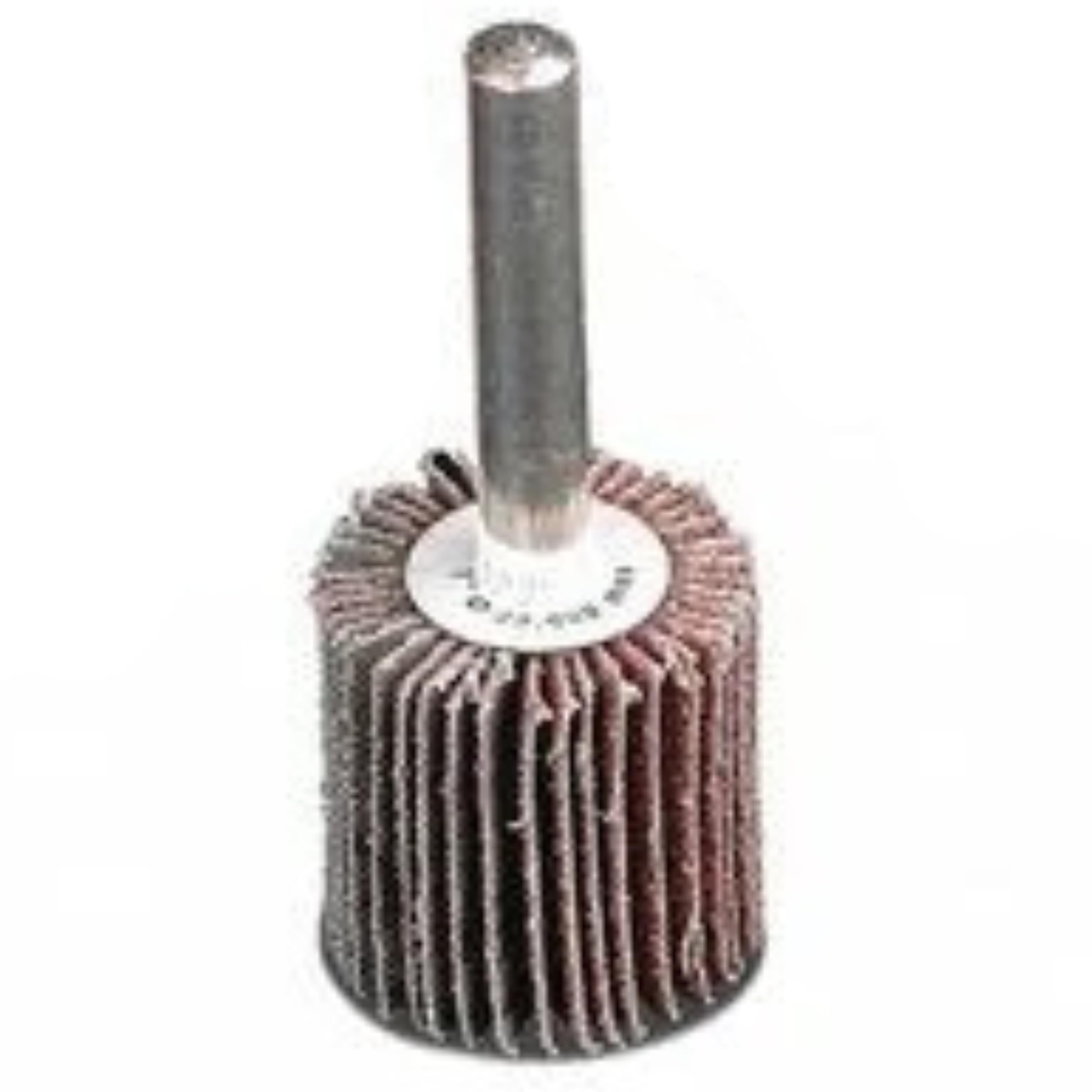
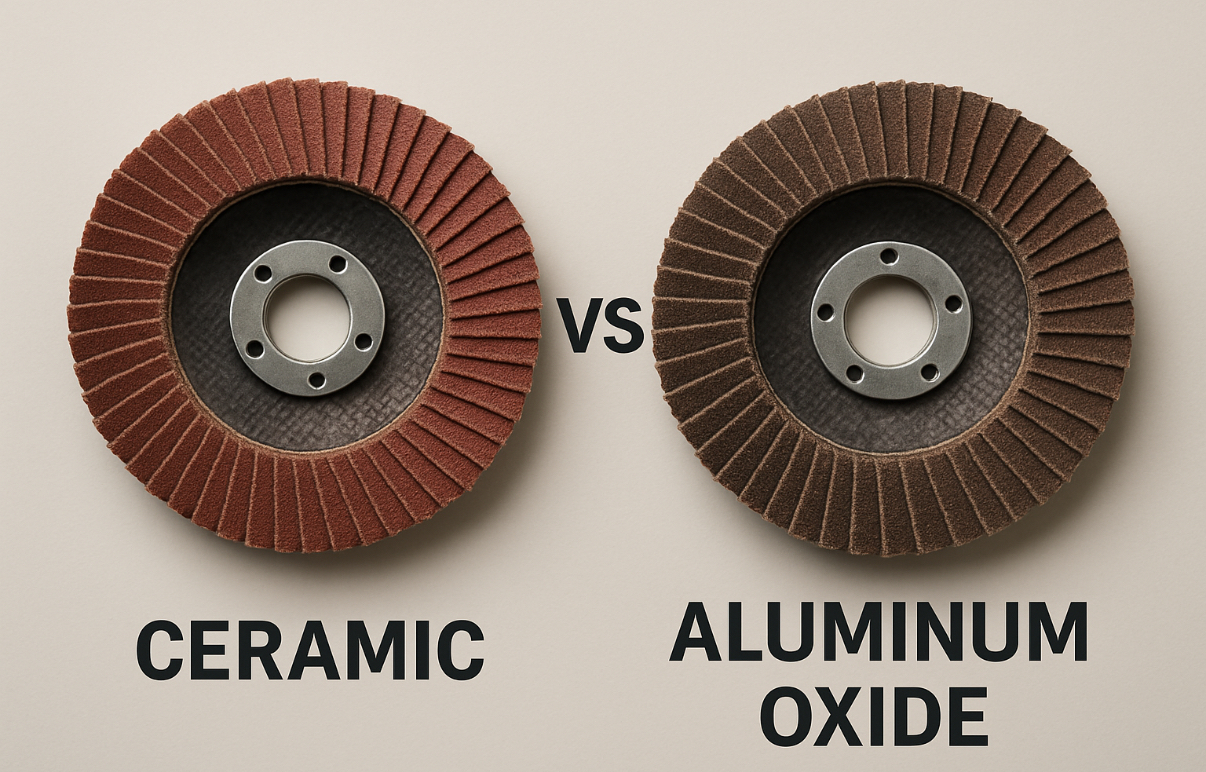
Flap discs are layered abrasive products bonded to a backing plate made from fiberglass, plastic, or composite materials. Heat, impact, overspeed, contamination, and improper loading can weaken the bond between the abrasive flaps and the backing structure.
- Backing plate cracks
- Flap separation
- Center hub failure
- Edge tearing
- Delamination at high speed
- Heat distortion
Once the backing structure weakens, centrifugal force can cause the disc to separate rapidly during operation.
Maximum RPM Ratings Explained
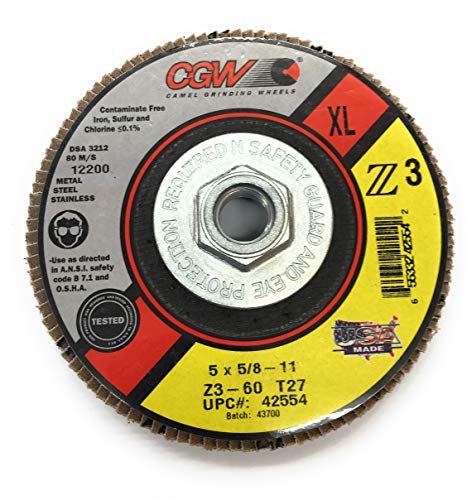
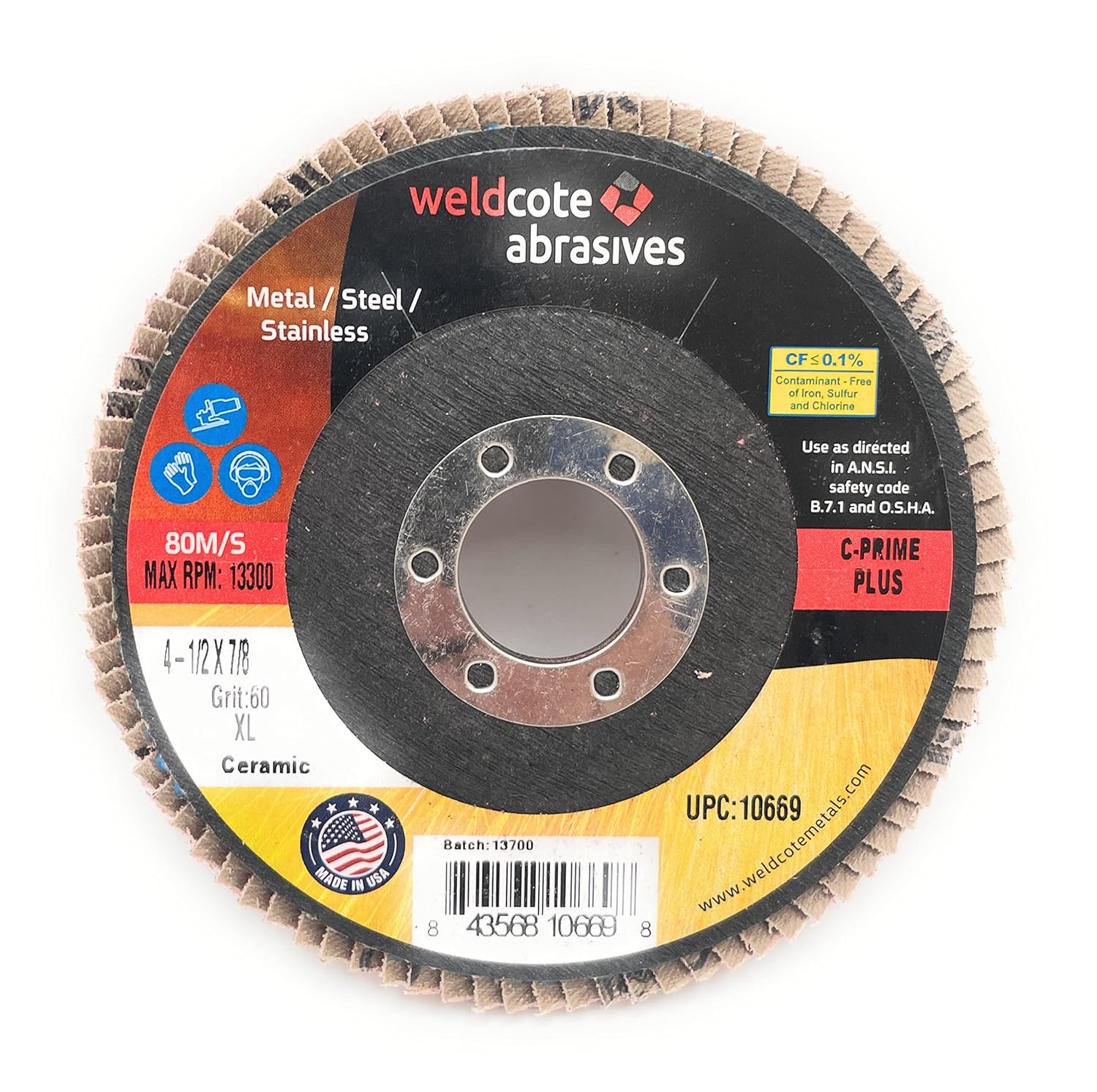
Every flap disc has a maximum safe operating speed marked on the label. That RPM rating must always meet or exceed the grinder’s no-load speed.
If a grinder spins faster than the disc rating, the abrasive experiences excessive centrifugal force even before contacting the material.
- A 13,300 RPM grinder should never use a disc rated below 13,300 RPM
- Worn or modified grinders may exceed labeled speed
- Removing guards increases risk exposure
- Cheap import grinders sometimes have inconsistent speed control
Overspeed failures often occur instantly at startup, not only during grinding.
Why Cordless Grinders Create Hidden Overspeed Problems
High-output cordless grinders can create dangerous conditions when operators assume all 4-1/2 inch accessories share the same RPM capability.
- Battery grinders reach full RPM very quickly
- Light pressure allows the grinder to remain near no-load speed
- Mixing cut-off wheels and flap discs increases wrong-wheel usage
- Damaged battery grinders may lose speed regulation
Always verify the disc RPM rating before installing a new abrasive.
Humidity and Moisture Damage
Abrasives stored in damp environments can absorb moisture over time. High humidity affects bonding materials, backing integrity, and abrasive stability.
- Unheated containers
- Service trucks
- Outdoor gang boxes
- Wet fabrication areas
- Compressed-air moisture exposure
Discs exposed to repeated moisture cycling can weaken even if they appear visually normal.
Improper Storage Temperature Problems
Extreme heat and freezing temperatures both affect abrasive life.
- High heat can soften bonding materials
- Freezing conditions can increase brittleness
- Rapid temperature swings increase condensation risk
- Stacking heavy materials on flap discs damages backing plates
Abrasives should be stored flat, dry, and protected from impact damage.
Side Pressure and Twisting Failures
Flap discs are designed primarily for grinding pressure applied in the intended working angle range. Excessive twisting, edge jamming, or side-loading can crack the backing structure.
- Twisting while the wheel is loaded
- Grinding inside corners aggressively
- Using the disc as a pry tool
- Catching flap edges on weld seams
- Applying pressure outside the recommended angle
Many disc failures start as small cracks near the center hub that grow during repeated grinder startup cycles.
Using Damaged Backing Plates
If the fiberglass or composite backing plate shows cracks, chips, warping, or impact damage, discard the disc immediately.
Do not continue using a partially damaged flap disc to “finish the job.” Small cracks can rapidly expand at operating speed.
Cheap Flap Discs vs Industrial-Grade Abrasives
Industrial-grade flap discs generally use more consistent abrasive bonding, stronger backing materials, tighter RPM testing standards, and more stable manufacturing tolerances.
Low-cost abrasives may still perform adequately for light work, but inconsistent bonding quality, weak fiberglass backing, and poor balance can increase vibration and failure risk during demanding grinding.
Signs a Flap Disc Should Be Discarded
- Visible backing plate cracks
- Missing abrasive flaps
- Warped or bent profile
- Excessive vibration during operation
- Heat discoloration
- Water saturation or contamination
- Loose center hub fit
- Delamination around the edges
If the grinder suddenly develops vibration after changing abrasives, stop immediately and inspect the disc before continuing.
PPE Requirements for Abrasive Grinding
A face shield alone is not enough for abrasive grinding. High-speed abrasive failures can bypass inadequate protection.
- ANSI-rated safety glasses
- Full face shield
- Hearing protection
- Cut-resistant gloves
- Flame-resistant clothing
- Respiratory protection when grinding coated materials
Grinding dust from stainless steel, galvanized steel, coatings, and composites may require additional respiratory protection.
OSHA and ANSI Considerations
Grinding safety standards exist because abrasive wheel failures can cause severe injury. Operators should verify that grinders, guards, wheel ratings, and PPE meet current OSHA and ANSI requirements for abrasive use.
Removing wheel guards, defeating grinder safety switches, or operating damaged grinders dramatically increases injury risk during abrasive failure.
What Happens When a Disc Delaminates at Speed?
When a flap disc separates at full grinder RPM, abrasive sections and backing fragments can be ejected at extremely high velocity. Injuries commonly involve the face, neck, hands, chest, and eyes.
Even near-miss failures should be treated seriously. Inspect the grinder spindle, guard, mounting flange, and replacement abrasive before restarting work.
Field Fix vs Proper Fix
A field fix may involve replacing the abrasive, cleaning the spindle flange, and slowing down aggressive grinding pressure. The proper fix is identifying the root cause: overspeed operation, wrong accessory selection, moisture damage, improper storage, grinder defects, or unsafe grinding technique.
Related Abrasive and Safety Articles
- Abrasive and Grinding Support
- Flap Disc Support
- Welding Safety Equipment
- Flap Disc Articles
- Grinding Wheel Support
Sources Checked
Norton abrasive guidance, Weiler abrasive references, grinding safety guidance, PPE references, and industrial abrasive handling practices were reviewed for this article.