Category: General Welding

  • How to Build a Basic Welding Maintenance Kit

    How to Build a Basic Welding Maintenance Kit

    Jackson Safety Respirator

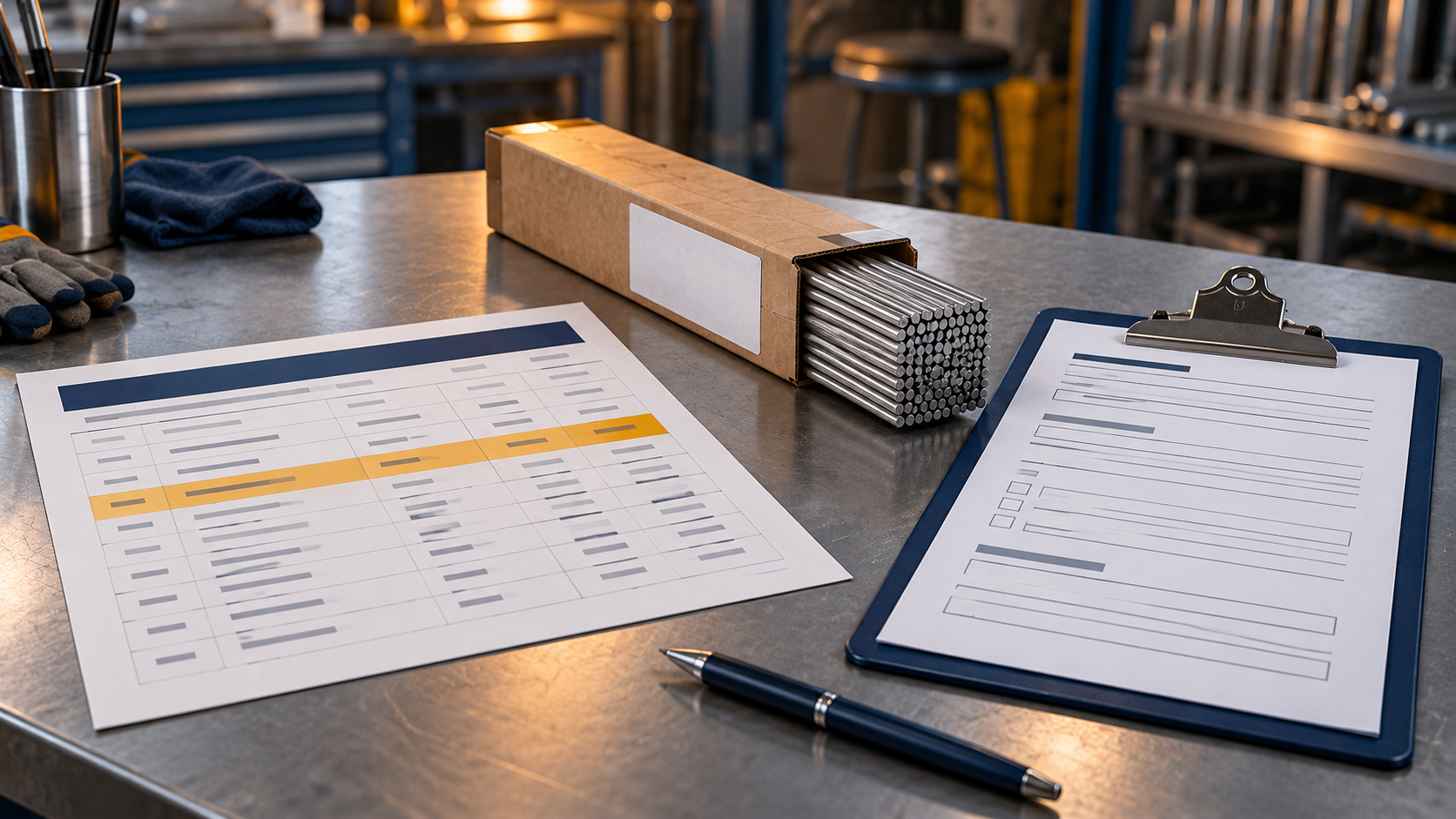
    A welding maintenance kit should keep a machine, torch setup, and work area in service without guesswork. The goal is not to collect every accessory on the market. The goal is to keep basic wear items, cleaning tools, and inspection supplies in one place so a welder or maintenance tech can find what is needed before a job starts.

    For a buyer, the best kit is the one that matches the processes used in the shop. A light fabrication bay does not need the same contents as a multi-shift maintenance department. Start with the items that support cleaning, inspection, routine wear replacement, and safe housekeeping. Then build from actual use.

    Key Takeaways

    • Build the kit around the processes in use: SMAW, GMAW, FCAW, GTAW, or mixed service.
    • Stock common wear and cleaning items first, then add process-specific parts.
    • Keep inspection tools in the same kit so problems are found before downtime starts.
    • Use labeled containers and a simple checklist so the kit can be verified quickly.
    • Do not buy parts based on assumptions. Verify torch model, liner size, tip size, and connector type before ordering.

    Basic kit categories

    A practical welding maintenance kit usually includes five categories.

    1. Cleaning and prep items

    These help remove spatter, dust, soot, and surface contamination. Common items include a chipping hammer, wire brush, nozzle cleaning tools, shop rags, and a non-flammable cleaner approved by your site. If solvent use is allowed, verify compatibility with painted surfaces, plastics, cable jackets, and seals. Unknown (Verify) for any cleaner not listed by your site procedure.

    2. Wear parts and consumables

    Keep the items that fail most often. For MIG and flux-cored setups, that usually means contact tips, nozzles, diffusers, liners, drive rolls, and O-rings where applicable. For TIG setups, include collets, collet bodies, cups, back caps, and tungstens if your procedure allows onsite sharpening and replacement. For stick welding, keep electrode holders, cable lugs, and spare lead hardware in mind. Do not assume compatibility. Verify machine brand, torch series, and part numbering before stocking anything.

    3. Inspection tools

    Inspection tools help prevent failures that look like bad welding but are actually maintenance issues. A basic set can include a flashlight, tape measure, feeler gauges, multimeter, temperature indicator if used by your shop, and a magnifier for connector or tip inspection. If your department uses torque-critical hardware, verify torque values from the equipment manual. Unknown (Verify) if the manual is not available.

    4. Cable and connection hardware

    Damage to power cables, ground clamps, and connectors can stop production. Keep spare lugs, heat-shrink, electrical tape approved for the application, replacement clamps, and strain-relief hardware. Inspect cable jackets for cuts, flattened sections, exposed conductor, and heat damage. Verify that replacement components match conductor size and connector style before installation.

    5. Storage and labeling supplies

    The kit should stay organized. Use bins, labeled pouches, or a hard case with compartments. Add a contents list, reorder list, and date tracking for high-use items. Maintenance kits fail when parts are thrown in loose and no one knows what was removed. A simple inventory sheet is better than a large box with no control.

    Check, inspect, verify: build the kit step by step

    Check: list the welding processes and machines in use. Note torch models, feeder types, lead lengths, and common failure points. This defines the kit.

    Inspect: review the current spare parts drawer or tool cabinet. Separate what is used, what is obsolete, and what is unlabeled.

    Verify: confirm model numbers, cable sizes, tip sizes, and connector types from manuals, nameplates, or internal records. Do not rely on memory.

    Check: identify consumables that are replaced weekly, monthly, or after a known failure mode.

    Inspect: make sure cleaning tools are not damaged. A worn brush or cracked nozzle tool becomes wasted space.

    Verify: that each item in the kit has a clear use case. If no one can explain why it is there, remove it.

    Troubleshooting support: what the kit should help you catch

    A maintenance kit should support fast diagnosis, not just replacement.

    • Poor arc stability: Check contact tips, cable connections, and work clamp condition. Inspect for heat damage and loose fittings. Verify correct consumable size and wire diameter.
    • Wire feed issues: Check liner condition, drive roll wear, spool tension, and gun cable routing. Inspect for birdnesting, debris, or sharp bends. Verify the liner and drive roll match the wire type and diameter.
    • Gas coverage problems: Check for clogged nozzles, damaged gas hoses, loose fittings, and excessive drafts. Inspect seals and O-rings. Verify gas flow settings and leak-free connections per shop procedure.
    • Overheating or intermittent output: Check duty-cycle use, cable condition, and terminal tightness. Inspect for discoloration, brittleness, and hot spots. Verify the machine is not being operated outside its intended service range.

    WSP lookup section

    For respiratory safety support, the only provided WSP lookup page is the Jackson Safety Respirator page. This is useful as a reference point for PPE-related maintenance planning, but the available page data is limited. Product fit, respirator type, filter compatibility, and certification details are Unknown (Verify). Confirm all respirator selection and replacement-part requirements directly from the product page and site documentation before purchase or use.

    Safety notes

    • Do not service energized equipment unless your site lockout/tagout procedure allows it and the machine is verified safe.
    • Replace damaged cables, cracked insulation, burned connectors, and loose clamps before reuse.
    • Keep compressed air, solvents, and cleaning chemicals within site safety rules.
    • Verify PPE requirements before using wire brushes, grinders, or chemical cleaners.
    • If a part shows heat damage, corrosion, or deformation, do not return it to service without inspection by a qualified person.

    FAQ

    What is the most important part of a welding maintenance kit?
    The most important part is the set of wear items and inspection tools tied to your actual process. A kit that matches your machines is more useful than a larger generic box.

    Should every shop use the same kit?
    No. A maintenance kit should be built around the equipment in service, the wire or electrode types used, and the failure modes seen in that shop.

    How often should the kit be checked?
    Check it on a fixed schedule, such as weekly or at the start of each shift rotation. Verify missing items, damaged tools, and expired or obsolete supplies.

    Can I stock universal replacement parts?
    Only if compatibility is verified. Many welding parts look similar but are not interchangeable. Confirm series, size, and connector type before stocking universal items.

    Sources Checked

    • Provided WSP lookup page: Jackson Safety Respirator
    • Task instructions and allowed source limits
    • No additional product pages, ASINs, or internal links were provided

    A basic welding maintenance kit is not complicated. It is a controlled set of cleaning tools, wear parts, inspection items, and labeled storage built around actual shop use. Keep it simple, verify compatibility before buying, and review it often enough that missing parts are caught before they stop production.

  • Why Weld Beads Look Inconsistent

    ALCOTEC ER4043 Spool general purpose aluminum welding wire size
    “>ALCOTEC ER4043 Spool general purpose aluminum welding wire size

    Inconsistent weld beads usually come from variation in heat input, travel speed, arc length, wire feed, shielding gas coverage, or joint preparation. The visible bead pattern is often the result of one or more process inputs changing during the weld. Start with the basics and isolate each variable before changing more than one setting at a time.

    Key Takeaways

    • Check process settings first: voltage, amperage, wire feed speed, and polarity.
    • Keep travel speed and torch angle consistent from start to finish.
    • Clean base metal and remove contamination before welding.
    • Verify shielding gas flow and look for drafts or leaks.
    • Use one change at a time so the cause can be identified.

    Why Weld Beads Look Inconsistent

    A bead can look uneven, ropey, washed out, narrow, wide, convex, or irregular when the arc is not stable. That instability can come from operator technique, equipment setup, or material conditions. The same symptom can appear across MIG, TIG, and stick processes, but the root cause may differ.

    Common Causes and Checks

    1) Travel speed changes

    If the torch or electrode moves too fast, the bead can look narrow and underfilled. If travel slows down, the bead can become wide and convex. Uneven hand motion creates bead ripple changes and inconsistent tie-in.

    • Mark a short practice line and maintain a steady pace.
    • Watch the puddle, not just the arc.
    • Keep pauses and speed changes out of corners and starts.

    2) Arc length varies

    An arc that gets longer or shorter changes heat input and bead shape. A long arc can create spatter, undercut, and a rough bead. A short arc can cause stubbing, instability, or excess buildup depending on the process.

    • Hold a consistent arc length for the process in use.
    • Check for worn tips, poor contact, or torch positioning issues.

    3) Incorrect machine settings

    Voltage, amperage, wire feed speed, and polarity all affect bead consistency. If settings do not match material thickness, electrode size, or transfer mode, the bead profile will vary across the joint.

    • Confirm the machine setup against the procedure or weld schedule.
    • Verify that wire feed is stable and not surging.
    • Check drive roll pressure and liner condition if using MIG.

    4) Poor joint preparation

    Mill scale, rust, oil, moisture, paint, and oxide layers can disrupt wetting and cause bead irregularity. Poor fit-up also changes the puddle from one section of the joint to the next.

    • Clean both sides of the joint to bare, sound metal when required by the process.
    • Check gap, bevel, and root opening for consistency.
    • Remove oxide from aluminum before welding.

    5) Shielding gas problems

    Gas flow that is too low, too high, or blocked can make the arc unstable and the bead inconsistent. Drafts, leaks, damaged nozzles, or poor cup coverage can also affect appearance and puddle behavior.

    • Inspect gas lines, fittings, and consumables for leaks or damage.
    • Check nozzle condition and spatter buildup.
    • Shield the weld area from air movement.

    6) Consumable wear

    Worn contact tips, damaged tungsten, dirty nozzles, and contaminated filler can all create irregular bead appearance. The problem may show up as spatter, wandering arc, uneven ripples, or erratic penetration.

    • Replace worn consumables before adjusting settings aggressively.
    • Keep filler metal clean and dry.

    7) Base material variation

    Mixed thickness, heat sinking, gaps, and dirty edges can make the bead look inconsistent even if the machine settings are unchanged. Thin-to-thick transitions often require technique correction and heat control.

    • Expect bead changes when material thickness changes.
    • Use test coupons for setup when the joint conditions are not uniform.

    Troubleshooting Sequence

    1. Inspect the joint and clean the base metal.
    2. Check consumables, wire delivery, and gas coverage.
    3. Confirm machine settings and polarity.
    4. Run a short test bead with steady travel speed.
    5. Adjust one variable at a time and record the result.

    When the Bead Looks Different by Process

    MIG: Inconsistency often points to wire feed instability, stickout changes, gas coverage issues, or travel speed variation.

    TIG: Inconsistency often points to arc length changes, tungsten condition, filler timing, or torch angle variation.

    Stick: Inconsistency often points to arc length control, rod manipulation, moisture in electrodes, or changes in travel speed.

    Process-specific causes can overlap. If the bead pattern changes from one section of the joint to the next, check the operator inputs first before changing the machine.

    Product / Parts Support

    For aluminum wire applications, the provided product is:

    ALCOTEC ER4043 Spool general purpose aluminum welding wire size

    ALCOTEC ER4043 Spool general purpose aluminum welding wire size

    Introducing the ALCOTEC ER4043 Spool Aluminum Welding Wire, a premium choice for your welding needs. Known for its exceptional quality, this 1 lb spool is designed to provide optimal performance in various aluminum welding applications. Whether you're working in automotive, aerospace, or recreational industries, the ALCOTEC ER4043 is the perfect solution for achieving clean, smut-free welds. The ER4043 alloy featu…

    View at Arc Weld Store

    This may be relevant when inconsistent bead appearance is tied to aluminum filler selection or wire condition. Exact fit, wire diameter, and process compatibility are Unknown (Verify).

    Safety Notes

    • De-energize equipment before inspection, maintenance, or consumable replacement.
    • Use proper PPE, including helmet, gloves, flame-resistant clothing, and eye protection.
    • Ventilate the work area and control fumes.
    • Do not weld on contaminated, pressurized, or unknown materials without proper verification.

    FAQ

    Why does my weld bead change halfway through the joint?
    Usually the cause is travel speed, arc length, heat buildup, or a change in joint fit-up or material thickness.

    Can dirty metal make a weld bead inconsistent?
    Yes. Contamination can change puddle wetting, arc stability, and bead shape.

    Will gas flow alone fix an inconsistent bead?
    No. Gas coverage is one variable. Check setup, technique, and joint condition as well.

    What should I check first?
    Start with cleaning, consumables, wire feed or electrode condition, and machine settings.

    Sources Checked

    • General welding process diagnostics
    • Operator setup checks for MIG, TIG, and stick welding
    • Consumable and shielding gas troubleshooting practices
  • 2025 Welder Certification Changes: What You Need to Know

    2025 Welder Certification Changes: What You Need to Know

    Welding certifications are tightening in 2025. AWS, ANSI, and industry regulators have rolled out updated requirements focused on fatigue prevention, longer-term inflammation risks, exposure limits, and more robust process testing. If you were certified under pre-2025 rules, you may not meet current standards.

    Hereโ€™s what changedโ€”and what welders, shops, and buyers need to understand right now.


    Key Takeaways

    • New AWS/ANSI updates increase documentation, safety, and exposure-control requirements
    • Older certs may require renewal or supplemental testing
    • Emphasis on fatigue prevention, inflammation risk, and fume-exposure management
    • Structural, pipe, and automotive codes now reference expanded testing
    • Shops should plan for retraining and potential downtime

    What Changed for 2025

    AWS and ANSI updates donโ€™t overhaul the entire systemโ€”but several areas now demand more scrutiny.

    1. Fatigue Prevention & Ergonomics (New Focus Area)

    For the first time, AWS guidance ties welder conditioning, repetitive-strain exposure, and fatigue management to certification validity within certain shops.

    Whatโ€™s being emphasized:

    • Maximum allowable repetition cycles
    • Mandatory rest intervals for heavy-position welds
    • PPE requirements for vibration and joint stress
    • Documentation of overexertion incidents

    These arenโ€™t โ€œfitness tests,โ€ but they do affect shop compliance and jobsite audits.


    2. Chronic Inflammation & Long-Term Exposure

    ANSI Z49.1 references now highlight chronic inflammation risks from:

    • Metal fume inhalation
    • Heavy particulate exposure
    • Long-duration heat/UV exposure

    Shops are expected to update:

    • Fume extraction plans
    • Airflow documentation
    • Respiratory PPE fit-testing logs
    • Heat-stress protocols

    This ties directly into certification renewals for certain industries.


    3. Tighter Process Testing for Certification

    Across AWS D1.1 (structural), D1.3 (sheet steel), D17.1 (aerospace), and B31 pipe codes, many certs now require:

    • More detailed weld-procedure records
    • Updated documentation of parameters
    • Expanded visual exam criteria
    • New acceptance limits for cumulative defects

    Pre-2025 certifications may require requalification or supplemental weld tests.


    Old vs. New (Quick Breakdown)

    AreaPre-2025 Standard2025 Standard
    Fatigue PreventionMinimal mentionMandatory documentation + rest cycle guidelines
    Chronic Inflammation RiskGeneral fume guidanceExpanded exposure limits + detailed PPE compliance
    Fume ExtractionRecommendedRequired in most shop audits
    Cert Validity WindowsStandard intervalsSome industries shortened validity periods
    Process TestingVisual + bend testsTighter acceptance criteria and expanded documentation
    Medical Risk NotesRarely includedNow referenced in several AWS/ANSI publications

    Which Certifications Matter Most in 2025

    Different industries now lean heavily on updated standards. Hereโ€™s what welders and shops need to prioritize.

    Structural (AWS D1.1)

    Expect:

    • Stricter visual standards
    • Additional position testing for some shops
    • More documentation on parameters and heat input

    Pipe Welding (ASME / B31 Series)

    Tighter tolerance for:

    • Root reinforcement
    • Internal misalignment
    • Heat-affected zone integrity

    Automotive / Manufacturing (AWS D8/D9)

    New focus on:

    • Repetitive-strain prevention
    • Heat-stress logs
    • Exposure management for high-volume weld cells

    Aerospace (AWS D17.1)

    More stringent:

    • Visual inspection criteria
    • Traceability requirements
    • Operator-specific parameter logs

    Why It Matters for Welders

    1. Certifications from 2024 may not satisfy 2025 audit requirements

    Many shops will require updated test plates or documentation.

    2. Retraining budgets matter now

    Expect more formal training, especially around exposure prevention.

    3. Higher certification standards = higher labor rates

    Buyers should expect increased cost per hour for certified welders, especially in pipe, structural, and aerospace.


    Where to Buy Safety Upgrades

    With stricter exposure-control and fatigue-management rules, PPE and ventilation gear matter more than ever.

    ArcWeld Store PPE Essentials:
    www.arcweld.store


    Safety Notes (AWS/ANSI References)

    • Follow ANSI Z49.1 for exposure and fume-control guidelines
    • Ensure fit testing for respirators per OSHA 1910.134
    • Use NIOSH-approved PPE for metals containing Cr, Ni, Mn, or aluminum
    • Maintain proper airflow and extraction in accordance with AWS safety recommendations

    FAQ

    Do I need to retake my welding test in 2025?
    Possiblyโ€”especially for structural, pipe, and aerospace work. Many shops require updated certs.

    What if my employer still uses old standards?
    They may fail audits or be unable to bid certain jobs.

    Do these rules affect hobby welders?
    No, these updates primarily affect commercial shops and certified welders.

    How often should I renew my certification now?
    Depends on code. Some industries shortened validity windows under 2025 guidance.

  • Why Welders Are in Demand in 2025 (And What It Means for Your Shop)

    Why Welders Are in Demand in 2025 (And What It Means for Your Shop)

    The U.S. welding industry is entering a pressure zone: a massive labor shortage, an aging skilled workforce, and demand that keeps climbing. AWS projects a 400,000-welder shortage in 2025, and the average welder is now 55 years oldโ€”far older than the general workforce. Retirements are hitting faster than replacements can be trained, and shops are already feeling the squeeze.

    This post breaks down the shortage, what it means for wages and job security, and how shops are adapting.


    Key Takeaways

    • The U.S. welding trade faces a 400K worker shortage in 2025 (AWS).
    • Average welder age: ~55, vs. 42 for the general workforce.
    • Skilled welders are commanding premium rates, OT, and retention bonuses.
    • Shops are increasing training, embracing automation, and shifting workflows.
    • Buyers should expect labor-driven pricing pressure on fabricated products.

    The Numbers: A Shortage Years in the Making

    The American Welding Society has been warning about this for a decade, but the timeline is now real:

    • 400,000+ welders needed by 2025 to meet U.S. demand (AWS).
    • 61% of welding professionals are now over age 45.
    • Trade schools report enrollment backlogs for welding programs.
    • Large segments of the pipeline (especially structural and pipe welders) are aging out simultaneously.

    Why it matters:
    Shops are running leaner crews, projects are delayed, and labor costs are rising across the board.


    What This Means for Welders (Spoiler: Job Security)

    If youโ€™re a welderโ€”or training to become oneโ€”this is one of the strongest job markets in the tradeโ€™s history.

    Expect:

    • Higher hourly wages
    • More job options
    • More overtime
    • Better benefits and sign-on bonuses
    • Employers willing to invest in upskilling & certifications

    A young welder entering the industry in 2025 has a near-guaranteed job path for the next decade.


    What This Means for Shops & Buyers

    Shops are already adjusting operations:

    1. Automation Where It Makes Sense

    Not full replacementโ€”augmentation.
    Robotic cells, positioners, and fixturing tables are helping smaller crews produce more.

    Internal resource: Check out our guide to fixture tables and clamps for improving throughput.

    2. In-House Training Pipelines

    Shops are partnering with schools, offering apprenticeships, or training helpers into full welders.

    3. Higher Labor Costs

    Credentials (AWS D1.1, pipe certs, aluminum, stainless TIG) now carry premium value.
    Buyers should expect tighter project timelines and pricing pressure driven by labor scarcity.

    4. Retention Strategies

    • Tool stipends
    • Boot allowances
    • Consistent scheduling
    • Safer environments and updated PPE

    How Shops Can Stay Competitive in 2025

    Invest in Skill

    Retaining one high-skill welder is cheaper than retraining three inexperienced hires.

    Leverage Positioning & Fixturing

    Strong Handโ€“style modular tooling can cut setup time dramatically, making fewer hands more productive.

    Upgrade PPE and Comfort Gear

    A safer, more comfortable welder is a more consistent welder.
    (Internal link: MIG gloves, TIG gloves, helmet guides.)

    Cross-Train Where Practical

    Training helpers to tack, grind, and prep work reduces the load on certified welders.


    Safety Notes

    • Follow ANSI Z87.1 for all welding helmets/eye protection.
    • Use proper ventilation when welding stainless, galvanized, or aluminum.
    • For automation or mechanized welding, review the manufacturerโ€™s electrical grounding and guarding requirements.
    • Always cross-check equipment specs with OEM manuals.

    FAQ

    Is the welder shortage really 400,000 in 2025?

    Yesโ€”AWS projections place the gap at 360โ€“400K workers due to retirements, expanding infrastructure projects, and low trade school enrollment.

    Will robots replace welders?

    No. Automation supplements welding, but human welders remain vital for complex, variable, and out-of-position work.

    Are wages going up?

    In most regions, yesโ€”especially for pipe, structural, and TIG welders with current certs.

    What can shops do to attract welders?

    Better tools, consistent hours, PPE allowances, clean shops, and clear advancement paths.


    Sources Checked

    • American Welding Society (AWS) labor reports
    • Bureau of Labor Statistics (BLS) welder demographics
    • Manufacturer data sheets (Strong Hand Tools)
    • Industry training program enrollment reports (2023โ€“2025)
  • Try Amazon Prime Free