Category: Gas Apparatus Support

Cutting Torches, Regulators, parts breakdowns, and accessories

  • VEVOR Retractable Welding Hose Reel Review: 50 ft Oxy-Acetylene Shop Setup

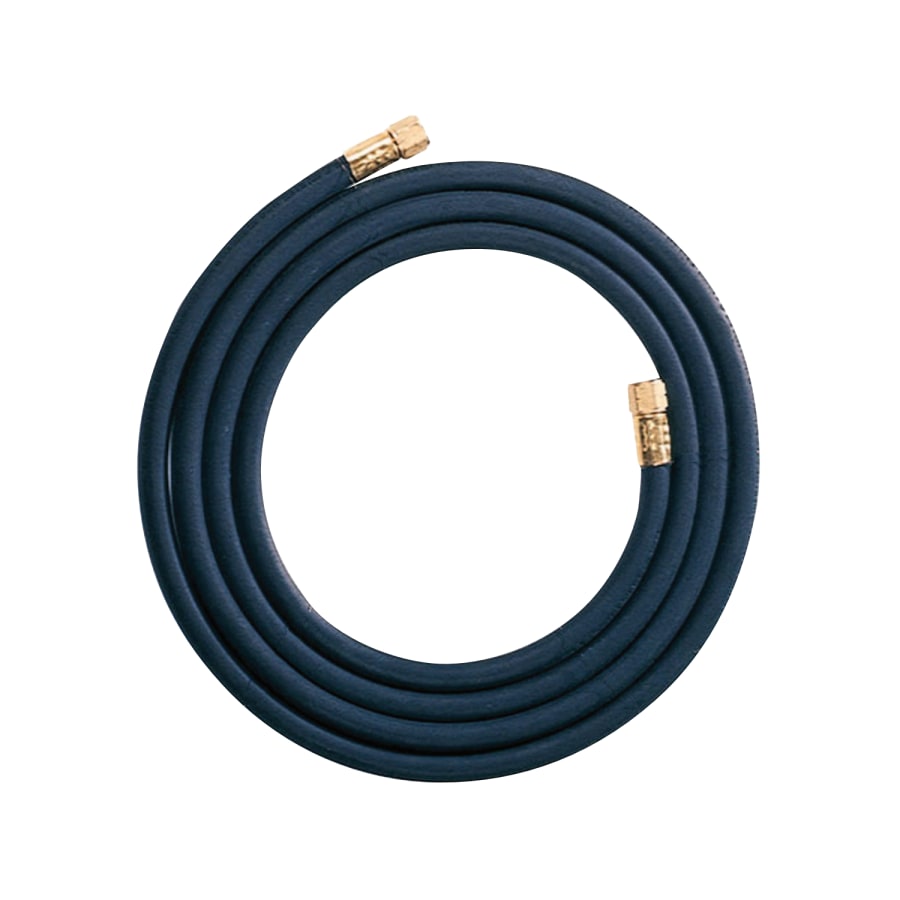
    The VEVOR retractable welding hose reel for ASIN B0DTTJFB72 is a high-intent shop organization product for oxy-fuel users who want a cleaner hose path, less floor clutter, and faster torch setup. The verified listing identifies it as a VEVOR retractable welding hose reel with 1/4-inch x 50 ft twin oxygen-acetylene rubber hose, T-grade hose option, 300 PSI listed maximum working pressure, 900 PSI listed burst pressure, B-style 9/16″-18 fittings, steel housing, auto-rewind, and ceiling, wall, or floor mounting.

    This is a practical upgrade, but it is also a safety-sensitive part of an oxy-fuel system. Hose reels, fittings, swivel joints, flashback protection, regulators, torch handles, and cylinder valves all need to be treated as gas-system components, not simple shop accessories. Before using any hose reel, leak-test the system, confirm oxygen and fuel-gas connections, verify fuel compatibility, and remove the reel from service if any fitting, swivel, hose, or connection leaks.

    Key Takeaways

    • Best use: garage shops, repair bays, fabrication areas, auto shops, and maintenance departments that use oxy-acetylene or other compatible oxy-fuel setups.
    • Verified ASIN: B0DTTJFB72, VEVOR retractable welding hose reel, 1/4-inch x 50 ft twin hose, T-grade option, steel reel housing, auto-rewind, and B-style fittings.
    • Main buying reason: keep oxygen and fuel hoses off the floor, reduce hose tangles, and make torch setup faster.
    • Critical fitment check: verify gas type, hose grade, fitting thread, torch/regulator connection, flashback arrestor layout, and mounting strength before installing.
    • Do not use if leaking: oxy-fuel leaks are a serious hazard. Inspect and leak-test before first use and before each shift.

    Problem / Context: Why a Welding Hose Reel Matters

    Oxy-fuel hoses are easy to abuse. They get dragged under carts, stepped on, kinked around table legs, burned by hot metal, and buried under grinding dust. A retractable hose reel can solve a real workflow problem by keeping the hose routed, stored, and easier to inspect.

    The downside is that a hose reel adds more parts to the gas system. A basic hose has end fittings. A retractable reel may add swivel joints, internal hose routing, a spring rewind mechanism, rollers, a stop collar, and mounting hardware. That makes inspection more important, not less important.

    If your shop already runs torch handles, regulators, cutting attachments, heating tips, or oxy-fuel carts, this hose reel belongs in the same inspection routine as those parts. For related torch selection and oxy-fuel setup context, compare it with the Weld Support Parts Victor ST900FC torch assembly review and the Smith heavy-duty oxy-fuel torch review.

    Root Causes This Hose Reel Helps Solve

    • Hose tangling: Long twin hose gets twisted, looped, and snagged when it is stored loosely on the floor.
    • Hose abrasion: Floor storage exposes the hose to concrete, slag, sparks, sharp edges, and cart wheels.
    • Slow torch setup: Loose hoses take longer to route, inspect, and put away.
    • Trip hazards: A hose across the floor can become a serious shop hazard.
    • Poor inspection habits: A fixed reel location makes it easier to inspect the same hose path repeatedly.
    • Wrong connection assumptions: Color-coded oxygen and fuel lines help, but fittings and gas compatibility still need to be verified.

    Solution: Use the Reel as a Controlled Gas Hose Station

    The right way to use this VEVOR hose reel is to mount it where the hose pulls straight, retracts smoothly, avoids sharp edges, and does not cross hot work zones. Ceiling or wall mounting can work well in a small shop, but only if the structure can handle the reel weight, pull force, hose tension, and vibration.

    Do not install the reel and assume it is ready. After mounting, confirm hose routing, fitting orientation, oxygen/fuel identification, regulator connection, torch connection, flashback arrestor placement, and leak-test results. The reel should make oxy-fuel work cleaner and safer, not hide a leak behind a steel housing.

    Product Recommendation

    Best overall pick for this post: VEVOR Retractable Welding Hose Reel, 1/4-Inch x 50FT Twin Oxygen Acetylene Rubber Hose, T Grade, Auto-Rewind, Steel Hose Reel, Ceiling/Wall/Floor Mount. This is the verified ASIN supplied for this article.

    VEVOR Retractable Welding Hose Reel, 1/4-Inch x 50FT Twin Oxygen Acetylene Rubber Hose Max 300PSI – T Grade, Ceiling/Wall Mount Heavy Duty Steel Hose Reel Auto-Rewind, Ideal for Workshops Garages
    • 50FT T-Grade Welding Hose: Our 50FT x 1/4-inch oxygen acetylene rubber hose is suitable for use with oxygen and most fuel gases, such acetylene, propane or natural gas. It supports 300 PSI maximum working pressure and 900 PSI bursting pressure, offering exceptional durability and efficient gas transmission for welding tasks.
    • Auto Rewind: With VEVOR’s auto-rewind welding hose reel, managing your hose is simple and tangle-free. Simply give the hose a gentle tug and it will retract smoothly. The reel also has 4 non-snag rollers that reduce hose wear and abrasion. And you can adjust the stopper to lock the hose at any desired length.
    • Easy to Distinguish & Connect: Designed with a distinguishable color-coding system – the red hose is for acetylene, propane, or other fuel gases, and the green hose is for oxygen. Featuring 9/16″-18 left-hand thread on the acetylene hose and 9/16″-18 right-hand thread on the oxygen hose, these B-style fittings provide stable and leak-free connection.
    • Sturdy Steel Construction: The retractable welding hose reel housing is made from premium steel, offering exceptional durability, impact resistance, and corrosion resistance. It is built to withstand challenging welding environments, providing reliable hose protection and extending its lifespan.
    • Easy Installation & Wide Application: Our heavy-duty welding hose reel can be easily mounted on ceilings, walls, or floors. It connects quickly to your welding, soldering, or cutting equipment in workshops, garages, or auto shops, keeping your hose within reach and free from tangles or kinks.

    Last update on 2026-06-04 / Affiliate links / Images from Amazon Product Advertising API

    Comparison Table

    Buying angleVEVOR B0DTTJFB72 fitWhat to verify before buying
    Budget optionGood candidate if you want an affordable retractable oxy-fuel hose reel instead of a loose hose setup.Verify current Amazon price, seller, return policy, and recent buyer feedback.
    Best overall useStrong fit for shops that want a fixed oxy-fuel hose station with auto-rewind storage.Confirm hose length, fitting type, mounting location, and torch/regulator compatibility.
    Heavy-duty optionSteel housing and 50 ft hose length are useful for garage, fabrication, maintenance, and repair work.Confirm the reel is appropriate for your duty cycle and work environment.
    Upgrade pathPairs well with proper flashback arrestors, check valves where required, torch tip cleaners, and labeled gas-system storage.Verify all safety devices by manufacturer instructions and applicable shop rules.
    Related accessoryUseful with oxy-fuel torch handles, cutting attachments, heating tips, regulators, and torch carts.Confirm B-size 9/16″-18 right-hand oxygen and left-hand fuel connections before ordering accessories.
    Preventative itemHelps reduce hose dragging, kinking, and floor abrasion when installed correctly.Inspect the hose, swivel, fittings, stop collar, rollers, and mounting hardware before each shift.

    What Wears Out First

    On a retractable oxy-fuel hose reel, the highest-risk wear points are not always visible from across the shop. Inspect the moving and connection points first.

    • Swivel fittings: Watch for leaks, looseness, damaged seals, or fuel odor.
    • Hose jacket: Look for cuts, burns, flat spots, cracking, abrasions, or crushed sections.
    • Hose ends: Inspect ferrules, fittings, thread condition, and strain points.
    • Rollers: Damaged rollers can scrape the hose during rewind.
    • Stop collar: A loose or damaged stopper can let the hose retract too far or snap back unexpectedly.
    • Mounting points: Loose anchors can turn the reel into a falling hazard.
    • Internal spring rewind: Weak or violent rewind action can make hose control unsafe.

    Visual Wear Indicators

    • Fuel smell near the reel, hose, fittings, or torch connection.
    • Soap-bubble leak-test reaction at fittings, swivel joints, or hose ends.
    • Hose jacket is cracked, blistered, oil-contaminated, burned, or cut.
    • Green oxygen hose and red fuel hose are faded, mislabeled, or difficult to distinguish.
    • Reel housing bends, twists, or shifts when the hose is pulled.
    • Hose does not retract smoothly or whips back too fast.
    • Fittings feel loose, cross-threaded, or damaged.
    • Torch flame changes unexpectedly after the hose is pulled or moved.

    Common Misdiagnosis

    A hose reel can be blamed for problems that actually come from the torch, regulator, tip, cylinder, or operating procedure. It can also hide problems that only show up when the hose is extended or under pressure.

    SymptomPossible misdiagnosisWhat to check
    Unstable flameBad torch tip onlyCheck tip condition, regulator pressure, hose restriction, reel swivel leaks, and gas flow.
    Backfire or poppingWrong torch technique onlyCheck tip cleanliness, pressure settings, loose connections, overheating, and flashback protection.
    Fuel smellNormal acetylene odorDo not ignore it. Shut down, ventilate, and leak-test all fittings and hose sections.
    Low flowBad regulator onlyCheck for kinked hose, blocked hose path, damaged reel internals, and incorrect fittings.
    Hose wearNormal ageCheck roller condition, mounting angle, sharp edges, spatter exposure, and rewind behavior.

    For flame instability, popping, or suspected reverse-flow risk, review the Weld Support Parts guide to oxy-fuel backfire and flashback troubleshooting before putting the system back into service.

    If Ignored

    • A small hose or fitting leak can become a fire or explosion hazard.
    • Damaged oxygen hose can create serious ignition risks, especially around oil or grease contamination.
    • Kinked or restricted hose can cause poor torch performance and unstable flame behavior.
    • Missing or incorrect flashback protection can increase the severity of a backfire or flashback event.
    • A poorly mounted reel can pull loose from the wall or ceiling.
    • Fast uncontrolled rewind can damage fittings, strike tools, or injure the operator.

    Recommended Shop Setup

    • Mounting location: Install where the hose pulls in a straight path and avoids hot work, sharp edges, traffic lanes, and grinder sparks.
    • Structure: Mount only to a structure that can support the reel, hose, pull force, and vibration.
    • Gas routing: Keep oxygen and fuel lines clearly identifiable and routed away from heat, oil, grease, and electrical hazards.
    • Leak testing: Use an approved leak-test method after installation and before regular use.
    • Flashback protection: Use flashback arrestors and check valves according to torch, regulator, reel, and shop requirements.
    • Inspection station: Keep a torch tip cleaner, wrench, leak-test solution, spare approved hose, and replacement torch tips nearby.
    • Shutdown routine: Close cylinder valves, bleed lines according to procedure, back out regulator adjusting screws, and store the hose without tension.

    Recommended Spare Quantity

    ItemRecommended spare quantityWhy it belongs near the reel
    Approved replacement twin hose1 backup length if oxy-fuel work is criticalDamaged hose must be removed from service.
    Flashback arrestors1 oxygen and 1 fuel spare if your shop standard allows field replacementBackfire and reverse-flow protection should not be skipped.
    Check valves1 oxygen and 1 fuel spare if used separately from arrestorsPrevents reverse gas flow when specified by the system setup.
    Cutting tips2โ€“4 common sizesDirty or damaged tips cause poor flame quality and backfire risk.
    Tip cleaners1 full setTip maintenance is faster when the cleaner is stored at the torch station.
    Leak-test solution1 bottleEvery gas connection should be leak checked after installation or service.
    Oxy-fuel PPE1 backup set of shaded eyewear, gloves, and spark-resistant protectionOxy-fuel work still requires eye, face, hand, and body protection.

    Compatible Consumables To Check

    The hose reel does not determine torch tip compatibility by itself. Compatibility depends on the torch handle, cutting attachment, regulator outlet, hose fitting, gas type, tip series, and process.

    • Gas type: Confirm whether your setup uses acetylene, propane, natural gas, or another approved fuel gas.
    • Hose grade: Verify the hose grade is appropriate for the fuel gas used.
    • Fittings: Confirm B-size 9/16″-18 right-hand oxygen and left-hand fuel connections where applicable.
    • Regulators: Confirm regulator outlet connections and pressure range match the torch and hose system.
    • Torch handle: Confirm torch handle, check valve, arrestor, and cutting attachment requirements.
    • Tips: Match cutting, welding, brazing, and heating tips to the torch series, fuel gas, and material thickness.

    Related Parts Breakdown

    No confirmed Weld Support Parts parts breakdown was found for the VEVOR B0DTTJFB72 retractable hose reel itself. Because this hose reel is part of an oxy-fuel system, the most relevant replacement checks are torch handles, cutting attachments, torch tips, regulators, flashback arrestors, check valves, and hoses.

    Replacement Gun Or Torch Options

    If you are installing a new hose reel because your torch setup is messy, inspect the rest of the oxy-fuel system at the same time. A new reel will not fix a worn torch handle, dirty cutting tip, incorrect regulator, missing flashback protection, or incompatible fuel-gas hose.

    Before ordering torch parts, verify the exact torch handle, cutting attachment, tip series, fuel gas, regulator outlet, and safety device layout. Oxy-fuel parts are not universal just because the hose fittings appear to thread together.

    Related Failures

    FAQ

    Is the VEVOR B0DTTJFB72 hose reel a good buy?

    It is a good candidate if you want a retractable 50 ft oxy-fuel hose reel and the hose grade, fittings, mounting style, and safety requirements match your shop setup. Because it is part of a gas system, inspect it carefully and leak-test before use.

    What size hose is included?

    The verified product data lists a 1/4-inch x 50 ft twin oxygen-acetylene rubber hose. Verify the current Amazon listing before ordering because options and listing details can change.

    What fittings does it use?

    The listing identifies B-style 9/16″-18 fittings, with left-hand thread on the fuel-gas side and right-hand thread on the oxygen side. Confirm compatibility with your regulators, torch, arrestors, and adapters before installing.

    Can this hose reel be used with propane?

    The listing describes the T-grade hose as suitable for oxygen and most fuel gases, including acetylene, propane, or natural gas. Still verify the exact hose marking, manufacturer instructions, local requirements, and your torch tip setup before using any fuel gas other than acetylene.

    Do I still need flashback arrestors?

    Yes, use flashback arrestors and check valves as required by the torch, regulator, hose, reel, manufacturer instructions, OSHA rules, and shop safety policy. A hose reel is not a substitute for reverse-flow and flashback protection.

    Where should I mount a retractable welding hose reel?

    Mount it where the hose pulls straight, retracts smoothly, avoids sparks and hot metal, and does not create a trip hazard. Wall or ceiling mounting should only be done into a structure strong enough to support the reel and pulling load.

    What should I check before first use?

    Check mounting security, hose condition, fitting orientation, oxygen/fuel identification, thread compatibility, flashback protection, regulator settings, torch connection, and leak-test results. Do not use the reel if any connection leaks.

    Safety Notes

    • Follow OSHA, ANSI/AWS Z49.1, manufacturer instructions, and shop safety rules for oxy-fuel welding, heating, brazing, and cutting.
    • Inspect hoses carrying acetylene, oxygen, fuel gas, or other ignitable gases before each shift.
    • Remove defective hose from service immediately.
    • Keep oxygen and fuel-gas hoses easy to distinguish from each other.
    • Keep oxygen equipment free from oil, grease, and contamination.
    • Use flashback arrestors and check valves according to the manufacturer and shop requirements.
    • Leak-test all connections after installation, service, or suspected damage.
    • Never use open flame to test for leaks.
    • Close cylinder valves when work is finished and follow proper shutdown procedure.
    • Do not use a damaged, leaking, kinked, burned, or crushed hose reel.

    Sources Checked

    • Amazon product listing for ASIN B0DTTJFB72: VEVOR Retractable Welding Hose Reel, 1/4-Inch x 50FT Twin Oxygen Acetylene Rubber Hose, T Grade.
    • Additional indexed Amazon product data for B0DTTJFB72, including listed dimensions, weight, fitting type, hose size, pressure claims, and mounting methods.
    • OSHA 1910.253 oxygen-fuel gas welding and cutting requirements.
    • 29 CFR 1926.350 gas welding and cutting hose inspection and hose identification requirements.
    • NIOSH oxy-fuel welding and cutting checklist referencing OSHA requirements.
    • Weld Support Parts blog articles covering Victor ST900FC, Smith oxy-fuel torch setup, oxygen regulator content, and oxy-fuel backfire/flashback troubleshooting.
    • Weld Support Parts parts breakdown search for related torch and gas apparatus support pages.
  • Oxygen Regulator Pressure Creep Troubleshooting: Oxy-Fuel Gauge Rise, Seat Leak, and Safe Repair Path

    Oxygen regulator pressure creep means the delivery-pressure gauge keeps rising after the regulator has been set and downstream flow has stopped. On an oxy-fuel torch setup, this is not a normal adjustment issue. Treat oxygen pressure creep as a regulator fault or contamination problem until proven otherwise. The common causes are seat leakage, debris on the regulator seat, damaged diaphragm/seat components, wrong shutdown habits, leaking torch valves, pressure trapped downstream, or a gauge that does not return correctly.

    If the delivery gauge rises with the torch valves closed, stop using the regulator. Do not keep cutting, do not compensate by backing the screw out while working, and do not attempt internal repair at the bench. Oxygen equipment must stay free of oil, grease, dirt, and improvised sealants. For related leak-check procedure, use Welding Gas Regulator Leak Detection: How to Test Properly. For flame instability caused by pressure problems, see Oxy-Acetylene Torch Backfire vs Flashback: Causes and Fixes.

    Common Symptoms

    SymptomLikely CauseAction
    Delivery gauge rises after torch valves closeRegulator seat leak or internal creepRemove regulator from service
    Pressure rises slowly over several minutesSmall leak across seat or trapped pressure behaviorRetest with shutdown procedure
    Pressure jumps rapidly above set pointSevere seat failure or contaminationShut cylinder and tag out
    Gauge does not return to zero after ventingGauge damage or regulator faultRepair or replace
    Torch flame changes during usePressure instability, restriction, wrong tip, or regulator failureStop and inspect full system
    Backfire after pressure driftIncorrect oxygen/fuel balanceDo not relight until corrected

    Likely Causes

    Seat leakage: Regulator creep is commonly caused by gas leaking across the internal seat after downstream flow stops. If the seat cannot seal, cylinder pressure slowly feeds the low-pressure side.

    Debris on the seat: Dirt, scale, thread debris, or cylinder-valve contamination can hold the seat open. This is why oxygen cylinder valves are cracked briefly before regulator installation and why connections must stay clean and dry.

    Oil or grease contamination: Oxygen regulators must never be exposed to oil, grease, oily leak solutions, oily rags, or contaminated hands. Oxygen accelerates combustion, and contamination can create a fire or explosion hazard.

    Damaged gauge or diaphragm: A bent gauge needle, damaged diaphragm, or worn internal parts can make pressure appear unstable or prevent proper shutoff.

    Wrong regulator or connection: Oxygen and fuel regulators are not interchangeable. Wrong gas service, wrong CGA connection, adapter misuse, or mixed parts can create unsafe pressure control.

    Quick Checks

    • Close the torch oxygen valve and fuel valve.
    • Watch the oxygen delivery-pressure gauge. A continued rise after flow stops is creep until proven otherwise.
    • Close the oxygen cylinder valve if pressure continues rising.
    • Back out the regulator adjusting screw after shutdown and bleed pressure according to shop procedure.
    • Leak-check external fittings with approved oxygen-safe leak detection solution.
    • Do not use flame, oil-based soap, thread tape on CGA sealing faces, or improvised sealants.
    • Tag the regulator out if creep repeats during a controlled test.

    Root Cause Analysis

    Separate regulator creep from normal pressure drop under flow. Pressure drop while the cutting oxygen lever is pressed may be caused by undersized hose, restricted flashback arrestor, wrong tip size, low cylinder pressure, or insufficient flow capacity. Pressure creep is different: the delivery pressure rises when no gas is flowing downstream. That points toward a regulator seat not sealing, debris, internal wear, or a defective gauge.

    If creep appears after a cylinder exchange, suspect debris introduced at the cylinder valve or inlet connection. If creep appears after a torch backfire or flashback event, inspect the full oxy-fuel system, including torch, hoses, flashback arrestors, check valves, and regulators. The Flashback Arrestor Inspection Guide covers flow-direction, gas-specific rating, and restriction checks that can be mistaken for regulator problems.

    Inspection Steps

    1. Remove the torch from service before further cutting or heating.
    2. Close cylinder valves and follow the correct bleed-down sequence for the torch outfit.
    3. Confirm the oxygen regulator is actually rated for oxygen service and has the correct inlet connection.
    4. Inspect the regulator body, gauges, inlet nut, outlet fitting, relief device, and adjusting screw for impact damage or contamination.
    5. Look for oil, grease, sealant, dirt, metal particles, damaged threads, cracked lenses, bent gauge needles, or unreadable markings.
    6. Verify external leaks using an approved oxygen-compatible leak detector.
    7. Confirm the delivery gauge returns to zero after pressure is released.
    8. If creep repeats, tag the regulator โ€œDo Not Useโ€ and send it for qualified service or replacement.

    Test Procedure for Suspected Pressure Creep

    Use this only for a regulator that is clean, undamaged, correctly installed, and not suspected of flashback exposure. Back out the adjusting screw fully. Stand to the side of the regulator, not in front of the gauges. Open the oxygen cylinder valve slowly. Set a low test delivery pressure using the adjusting screw. Close the downstream torch oxygen valve and watch the delivery-pressure gauge. If the gauge continues to rise above the set pressure with no downstream flow, the regulator is creeping and should be removed from service.

    Do not repeat the test over and over hoping debris will clear. Do not tap the regulator, blow it out with shop air, oil the screw, or disassemble it. Oxygen regulator internals should be cleaned and repaired only by qualified regulator service personnel.

    Visual Wear Indicators

    • Bent gauge needle: possible impact damage or overpressure event.
    • Gauge not zeroing: gauge or regulator requires service.
    • Oil film or greasy residue: remove from oxygen service immediately.
    • Damaged CGA inlet seat: can leak or introduce debris.
    • Cracked gauge lens: impact damage; remove from service.
    • Missing gas-service marking: mark Unknown (Verify) and do not use.
    • Delivery pressure rises after shutoff: internal seat leakage or creep.

    Compatibility Notes

    Verify gas service, CGA inlet, outlet connection, pressure range, flow capacity, regulator stage type, torch tip demand, hose size, flashback arrestor flow rating, and process. Oxygen regulators are not interchangeable with acetylene, propane, inert-gas, CO2, nitrogen, or medical oxygen regulators unless the manufacturer specifically rates the model and connection for that service. Do not use adapters to force fit a regulator to the wrong cylinder.

    For oxy-fuel outfits, the regulator must be matched to the torch, hose, tip size, fuel gas, and flashback arrestor arrangement. The Miller HBA-30510 Review & Guide notes oxy-fuel outfits rely on matched regulators, hoses, tips, check valves, and flashback arrestors. Mixed parts should be verified before use.

    What To Verify Before Ordering

    • Gas service: oxygen only.
    • CGA inlet connection required by the cylinder.
    • Outlet connection required by hose, flashback arrestor, or torch outfit.
    • Delivery pressure range needed for the torch-tip chart.
    • Flow capacity for the largest cutting, heating, or gouging tip used.
    • Single-stage vs two-stage requirement.
    • Gauge scale, guard design, and shop durability requirement.
    • Whether repair parts are authorized or the regulator should be replaced as an assembly.

    Common Wrong-Part Mistakes

    • Replacing an oxygen regulator with an inert-gas regulator because the outlet looks similar.
    • Using adapters to connect mismatched CGA fittings.
    • Buying by gauge pressure range only instead of gas service and flow capacity.
    • Installing a low-flow regulator on a large heating tip.
    • Ignoring a delivery gauge that creeps because the torch still lights.
    • Using oil-based leak solution near oxygen equipment.
    • Trying to clean or rebuild oxygen regulator internals without qualified service procedures.

    Field Fix vs Proper Fix

    ConditionField FixProper Fix
    Gauge creeps after shutdownClose cylinder and tag outQualified repair or regulator replacement
    External fitting leakRetighten once after depressurizingInspect seat/thread and replace damaged part
    Gauge does not zeroRemove from serviceReplace gauge/regulator through approved service
    Pressure drop under cutting flowCheck cylinder valve and tip sizeVerify regulator, hose, arrestor, and tip flow capacity
    Oil or grease contaminationStop immediatelyRemove from oxygen service; replace or professionally clean

    Related Failure Paths

    Oxygen regulator creep can lead to incorrect oxygen/fuel ratio, unstable flame adjustment, torch popping, backfire, flashback risk, overheating tips, blown hoses, oxygen-enriched work areas, and overpressure on downstream components. It can also hide as a torch problem when the real failure is a leaking regulator seat. Do not troubleshoot the torch tip only if the delivery gauge is moving by itself.

    Safety Notes

    Stand to the side when opening oxygen cylinder valves. Open oxygen valves slowly. Keep oxygen equipment free of oil, grease, thread tape on sealing faces, and dirt. Never interchange oxygen and acetylene regulators. Never use a regulator that creeps, leaks, was exposed to flashback, has a damaged gauge, or cannot be positively identified. Only qualified repair personnel should clean or repair regulator internals.

    Sources Checked

    • Weld Support Parts regulator leak detection, backfire/flashback, flashback arrestor, and oxy-fuel outfit support articles.
    • Virginia Energy oxygen-acetylene safety training on regulator handling, creep, gauge zeroing, oil/grease, qualified regulator repair, check valves, and flashback arrestors.
    • Harris Products Group regulator guidance identifying creep/crawl as internal leakage across the seat.
    • Lincoln/Weldline accessories catalogue sections for oxygen/fuel fittings, quick couplings, integrated flashback arrestors, flow ratings, and leak detection products.
  • Flashback Arrestor Inspection Guide: Oxy-Fuel Safety Checks Before Lighting a Torch

    A flashback arrestor should be inspected before oxy-fuel use, after any backfire or flashback event, after hose or regulator changes, and anytime torch flame behavior changes. Do not treat an arrestor as a permanent fitting. It is a safety device with gas-flow direction, fuel-gas compatibility, pressure limits, flow limits, seals, check-valve function, and service-life limits. If the unit is burned, leaking, clogged, installed backward, gas-mismatched, or suspected of seeing a flashback, remove it from service.

    The most common inspection failure is assuming that โ€œinstalledโ€ means โ€œprotected.โ€ A flashback arrestor installed on the wrong gas, in the wrong direction, with the wrong connection, or with insufficient flow capacity can cause torch popping, weak flame, pressure drop, heating-tip starvation, or unsafe reverse-flow protection. For background on what these devices do, review Torch Safety: What Are Flashback Arrestors? Need Them?. For flame-event troubleshooting, use Oxy-Acetylene Torch Backfire vs Flashback: Causes and Fixes.

    Common Symptoms

    SymptomLikely IssueInspection Priority
    Weak preheat flameRestricted arrestor, low cylinder pressure, wrong flow ratingCheck flow direction and rating
    Torch pops after installing arrestorsPressure drop or wrong arrestor typeVerify torch-tip flow demand
    Gas leaks at arrestor threadsDamaged seat, wrong fitting, loose connectionLeak test and remove if damaged
    Arrestor body gets hotPossible internal flashback or flame propagationShut down and remove from service
    Flame changes when hoses moveHose, coupling, or arrestor connection problemInspect hose ends and couplings
    Hiss, whistle, or sustained internal burningPossible flashbackShut off gas and inspect full system

    What a Flashback Arrestor Is Supposed To Do

    A flashback arrestor is designed to stop flame from traveling upstream beyond the installed device. Many arrestors also include a reverse-flow check valve, but a check valve by itself is not the same as a flashback arrestor. A check valve stops reverse gas flow; it does not necessarily stop flame propagation. Some torch handles, such as the Victor ST900FC covered in Victor 0381-1621 ST900FC Torch Assembly: Review & Buying Guide, include built-in check-valve protection. Still verify whether the system needs additional arrestors based on shop policy, manufacturer instructions, and applicable safety rules.

    Inspection Steps

    1. Shut down first. Close torch valves, close cylinder valves if needed, and bleed line pressure according to the torch manufacturer and shop procedure.
    2. Confirm gas identity. Oxygen arrestors must be on oxygen lines. Fuel-gas arrestors must match acetylene, propane, propylene, natural gas, hydrogen, or the listed fuel gas.
    3. Check flow direction. Find the arrow or inlet/outlet marking. An arrestor installed backward can block flow or create unstable torch operation.
    4. Inspect thread type. Oxygen connections are normally right-hand. Fuel-gas connections are normally left-hand. Do not force mismatched fittings.
    5. Inspect the body. Look for dents, burn marks, discoloration, melted labels, impact damage, missing markings, corrosion, or evidence of overheating.
    6. Check for leaks. Use approved leak-detection solution at threaded joints. Never use flame to check leaks.
    7. Check for restriction. Compare flame and pressure behavior against a known-good setup. Weak flame after installation can indicate wrong flow capacity or a clogged device.
    8. Check service history. Remove the arrestor if it was involved in a flashback, exposed to fire, dropped hard, contaminated with oil/grease, or past the replacement interval required by your shop or manufacturer.

    Test Procedures

    Before lighting, purge oxygen and fuel lines separately using the manufacturerโ€™s procedure. Set regulator pressures using the torch-tip chart, not memory. Light the torch with the approved sequence for the fuel gas. Watch for stable flame, correct adjustment range, and normal response when the cutting oxygen lever is used. If flame size drops sharply, the torch pops, or pressure recovery is poor, stop and inspect the arrestor, check valve, hose, regulator, and tip together.

    Do not disassemble a flashback arrestor for cleaning or repair unless the manufacturer specifically provides a service procedure. Most field users should treat a suspect arrestor as a replace-only safety component. If a calibrated flow or check-valve test is required, it should be done with proper test equipment by a qualified person.

    Visual Wear Indicators

    • Missing gas label: remove from service because gas compatibility can no longer be verified.
    • Arrow unreadable: remove or tag Unknown (Verify) until flow direction is confirmed.
    • Heat discoloration: possible internal flame exposure; remove from service.
    • Oil or grease contamination: unsafe for oxygen service; remove from service.
    • Dented body: internal flame arresting element may be damaged.
    • Thread damage: do not chase threads or force connection on gas equipment.
    • Persistent leak: replace seals or device only according to manufacturer instructions.

    Compatibility Notes

    Verify arrestor location, gas type, fitting size, thread direction, pressure rating, flow capacity, and torch demand. Regulator-mounted arrestors and torch-mounted arrestors are not always interchangeable. Heating tips and large cutting tips may require more flow than small arrestors can supply. If the arrestor restricts flow below the tip demand, the flame can become unstable and create backfire symptoms.

    Do not stack multiple safety devices without confirming the manufacturerโ€™s instructions. Some systems use arrestors with built-in check valves. Adding separate check valves in series can reduce flow and cause torch performance problems. For setup practices that overlap with arrestor inspection, see Miller HBA-30510 Review & Guide, which reinforces leak checks, proper tip size, gas pressure verification, clean tips, and flashback arrestor use.

    What To Verify Before Ordering

    • Gas service: oxygen, acetylene, propane/LPG, propylene, hydrogen, natural gas, or neutral gas.
    • Mounting location: regulator, hose line, torch inlet, quick-coupling system, or built-in torch protection.
    • Connection style: B-size, CGA, metric, left-hand fuel thread, right-hand oxygen thread, or quick coupling.
    • Maximum working pressure and required flow capacity for the largest tip used.
    • Whether the arrestor includes a reverse-flow check valve.
    • Applicable standard or shop requirement: OSHA, ANSI/AWS, CGA, EN, ISO, or local safety policy.
    • Replacement interval or test interval required by the manufacturer or facility.

    Common Wrong-Part Mistakes

    • Installing an oxygen arrestor on a fuel-gas line or a fuel-gas arrestor on oxygen.
    • Installing the arrestor backward against the flow arrow.
    • Using a small torch arrestor on a large heating tip that needs high flow.
    • Assuming a check valve is the same as a flashback arrestor.
    • Forcing right-hand and left-hand fittings together.
    • Reusing an arrestor after a flashback event without inspection or replacement.
    • Buying arrestors by thread size only instead of gas type, pressure, and flow rating.

    Field Fix vs Proper Fix

    ConditionField FixProper Fix
    Arrestor installed backwardStop and correct orientationLeak-test and verify flow before use
    Unknown gas markingTag outReplace with verified gas-specific unit
    Leak at connectionShut down and retighten onceInspect seat/thread and replace damaged parts
    Low flame after installStop using large tip temporarilyInstall arrestor with correct flow rating
    Suspected flashbackShut off gas supplyRemove arrestor and inspect full torch system

    Related Failure Paths

    Flashback arrestor problems often appear as torch backfire, weak flame, poor preheat, unstable cutting oxygen response, pressure drop, regulator creep symptoms, hose restriction, quick-coupling leaks, wrong fuel-gas tip selection, or overheating torch tips. Do not troubleshoot the arrestor by itself. Inspect the torch tip, torch handle, cutting attachment, hoses, regulators, check valves, couplers, and cylinder pressure as one gas-flow system.

    Safety Notes

    Never use oil or grease on oxygen equipment. Never check gas leaks with flame. Do not modify, drill, clean internally, or refill flashback arrestors. Do not operate a torch after a flashback until the system is inspected. Keep cylinders upright and secured. Purge hoses before lighting. Use correct eye and face protection for oxy-fuel work. If the arrestor, hose, regulator, or torch cannot be positively identified and verified, mark it Unknown (Verify) and remove it from service.

    Sources Checked

    • Weld Support Parts flashback arrestor, torch backfire/flashback, Victor torch, and Miller HBA oxy-fuel support articles.
    • OSHA 1910.253 oxygen-fuel gas welding and cutting requirements.
    • Miller oxy-fuel torch setup guidance for check valves, flashback arrestors, hose inspection, purge sequence, and flow restriction warnings.
    • Lincoln/Weldline accessories catalogue sections for oxygas hose, QUICKMATIC II couplings, integrated FBA options, and gas/pressure/flow compatibility tables.
  • Oxy-Fuel Torch Backfire Troubleshooting: Causes, Checks, and Safe Repair Path

    An oxy-fuel torch backfire is the sharp pop or snap that happens when the flame momentarily burns back into the tip and goes out or reappears at the tip. Treat every backfire as a gas-flow warning. Common causes are a dirty cutting tip, overheated tip, wrong oxygen or fuel pressure, loose tip seat, incorrect lighting sequence, blocked hose, damaged O-rings, or a tip that is too small for the gas flow demanded. If the sound changes to a hiss, squeal, or sustained burning inside the torch, stop immediately because that is no longer a simple backfire condition; it may be a flashback.

    Shut down the torch, let the tip cool, inspect the tip orifices, verify pressure from the manufacturer chart, leak-check the system, and confirm flashback arrestors or check valves are installed correctly before relighting. The related Weld Support Parts article Oxy-Acetylene Torch Backfire vs Flashback: Causes and Fixes explains the difference between a short pop and flame reversal into the torch or hoses.

    Common Symptoms

    SymptomLikely ConditionImmediate Action
    Single pop and flame goes outBackfire at tipClose torch valves and inspect tip
    Repeated popping during preheatDirty tip, wrong pressure, overheatingStop and clean or replace tip
    Snap when cutting oxygen lever is pressedIncorrect pressure or restricted cutting oxygen flowCheck tip chart and oxygen passage
    Flame pulls into tip with hiss or squealPossible flashbackShut down gas supply immediately
    Flame unstable after hose changeWrong hose, restriction, leak, or reversed connectionInspect hose rating and connections
    Backfire only on one tipDamaged or plugged tipReplace tip if cleaning does not correct it

    Likely Causes

    Dirty or blocked tip: Slag, scale, spatter, carbon, or burrs at the preheat holes disturb gas flow and create unstable flame behavior. Use the correct tip cleaner size. Do not enlarge the orifice.

    Overheated tip: Holding the tip too close, dragging the tip, cutting too slowly, or working near reflected heat can cause combustion to occur inside the tip. Let the torch cool and correct stand-off distance.

    Incorrect gas pressure: Too little fuel or oxygen can let the flame burn back toward the tip. Too much pressure can create turbulence and poor flame control. Use the torch and tip manufacturerโ€™s pressure chart, not a guess.

    Loose or damaged tip seat: A loose tip, damaged mixer seat, cracked O-ring, or worn torch head can create internal mixing problems. Backfire that continues after cleaning the tip should be treated as a torch inspection issue.

    Restricted hoses or fittings: Kinked hose, collapsed hose, wrong coupling, plugged arrestor, wrong check valve location, or undersized hose can starve the flame. A safety device that restricts too much flow for the tip can also cause problems.

    Quick Checks

    • Close torch valves after any pop, snap, or unstable flame event.
    • Check whether it was a momentary backfire or a sustained flashback sound.
    • Inspect the tip face, preheat holes, center cutting oxygen hole, and tip seat.
    • Verify tip size, fuel gas type, oxygen pressure, and fuel pressure against the manufacturer chart.
    • Confirm oxygen and fuel hoses are not kinked, burned, cracked, softened, or reversed.
    • Leak-check fittings with approved leak detection solution.
    • Confirm flashback arrestors or check valves are installed in the correct direction and rated for the gas and flow.

    Root Cause Analysis

    If the torch only backfires after several minutes of cutting, suspect overheating, poor stand-off, cutting too slowly, or tip contact with the plate. If it backfires immediately after lighting, suspect pressure setting, lighting sequence, dirty tip, wrong tip size, or poor fuel flow. If it backfires only when the cutting oxygen lever is pressed, inspect the center oxygen passage, cutting oxygen pressure, and the condition of the tip seat.

    If the problem follows one tip, replace the tip. If it follows the torch handle or cutting attachment, inspect the mixer, seats, O-rings, valves, and internal passages. If it follows one hose set, regulator, quick coupler, flashback arrestor, or check valve, remove that component from service until verified. For general gas-apparatus setup practices, the Weld Support Parts Gas Apparatus Support section reinforces leak checks, proper tip size, correct pressures, clean tips, upright cylinders, and flashback arrestors.

    Inspection Steps

    1. Shut off fuel and oxygen at the torch. If flashback is suspected, shut off cylinder valves and follow shop emergency procedure.
    2. Let the torch and tip cool before touching or disassembling.
    3. Remove the tip and inspect the face for slag, melted edges, enlarged holes, scratches, or seat damage.
    4. Clean the tip with proper tip cleaners. Do not use drill bits, welding wire, or oversized cleaners.
    5. Inspect O-rings, seats, threads, cutting attachment connection, and torch handle valves.
    6. Inspect hoses for burns, cracks, oil contamination, kinks, soft spots, or crushed sections.
    7. Check regulators for creeping pressure, damaged gauges, oil contamination, or incorrect gas service.
    8. Confirm flashback arrestors/check valves are installed in the proper location and flow direction.
    9. Relight only after pressures, leaks, tip condition, and flow path have been verified.

    Test Procedures

    After inspection, test with the correct tip and the manufacturerโ€™s recommended starting pressures. Purge each hose separately before lighting. Light the torch using the manufacturerโ€™s sequence. Adjust to the correct flame for the fuel gas and operation. Observe flame stability before touching the work. Then make a short test cut on scrap of similar thickness. If the torch pops during preheat, stop and recheck tip, pressure, and leaks. If it pops when cutting oxygen is engaged, recheck the center oxygen passage, oxygen pressure, and tip selection.

    Do not continue testing a torch that hisses internally, whistles, burns inside the tip, heats abnormally, or shows flame at a connection. Remove the torch from service and have it inspected by qualified gas-apparatus service personnel.

    Visual Wear Indicators

    • Rounded or melted tip face: tip overheated or dragged on the work.
    • Uneven preheat flames: plugged or damaged preheat holes.
    • Flame leaning to one side: dirty tip, damaged seat, or uneven gas flow.
    • Black soot at connections: possible leak, wrong flame adjustment, or poor fuel flow.
    • Cracked hose near torch: heat damage; replace hose before reuse.
    • Regulator pressure creep: regulator defect; remove from service.

    Compatibility Notes

    Verify fuel gas type, torch series, cutting attachment, mixer design, tip style, tip size, hose grade, regulator outlet, CGA connection, check valve, and flashback arrestor rating. Acetylene, propane, propylene, natural gas, and alternate fuels do not all use the same tips or pressure settings. A tip stamped for one fuel family may not perform safely with another. If fuel gas or tip compatibility is unknown, mark it Unknown (Verify) and do not operate the torch.

    What To Verify Before Ordering

    • Torch brand, torch handle model, and cutting attachment model.
    • Fuel gas: acetylene, propane, propylene, natural gas, or other.
    • Tip series, cutting thickness range, and tip seat style.
    • Regulator gas service and CGA inlet/outlet connection.
    • Hose grade and diameter for the gas and flow requirement.
    • Flashback arrestor or check valve type, gas rating, flow capacity, and installation location.
    • Whether the issue follows the tip, torch, hose, regulator, or safety device.

    Common Wrong-Part Mistakes

    • Installing a propane tip on an acetylene job or an acetylene tip on alternate fuel.
    • Using a flashback arrestor with insufficient flow capacity for a large heating or cutting tip.
    • Using damaged hose because the outer crack does not leak during a quick check.
    • Cleaning tip holes with oversized wire and permanently changing gas flow.
    • Replacing regulators when the actual problem is a plugged tip or leaking torch seat.
    • Using oxygen fittings or regulators contaminated with oil or grease.

    Field Fix vs Proper Fix

    ProblemField FixProper Fix
    Dirty tipClean with correct tip cleanerReplace if holes are damaged or enlarged
    Tip overheatingLet torch cool and increase stand-offCorrect tip size, travel speed, and cutting technique
    Wrong pressureReset to chart valuesVerify regulators, flow, and tip data before work
    Loose tipTighten after coolingInspect seat and replace damaged parts
    Suspected flashbackShut down immediatelyRemove from service and inspect full system

    Related Failure Paths

    Backfire is often connected to flashback risk, tip overheating, blocked preheat holes, regulator creep, hose restriction, wrong tip selection, poor cutting oxygen flow, bad torch seats, leaking O-rings, and unsafe shutdown practices. A repeated backfire is not normal wear-in behavior. It is a warning that the flame, gas flow, or equipment condition is unstable.

    Safety Notes

    Never use oil or grease on oxygen equipment. Keep cylinders upright and secured. Do not exceed acetylene pressure limits from the gas supplier or equipment manufacturer. Do not operate without properly rated check valves or flashback arrestors where required. Do not relight a torch that has had a flashback until the torch, hoses, regulators, and arrestors have been inspected. Use correct eye, face, hand, and fire protection. Keep combustibles away from the cut zone and maintain a fire watch when required.

    Sources Checked

    • Weld Support Parts oxy-acetylene backfire vs flashback troubleshooting guide.
    • Weld Support Parts Gas Apparatus Support category.
    • Miller oxy-fuel torch setup guidance for inspection, check valves, flashback arrestors, hose condition, purging, and pressure setup.
    • Lincoln/Weldline accessories catalogue sections for oxygas hoses, quick couplings, integrated flashback arrestors, oxygen/fuel gas fittings, hose pressure ratings, and cutting nozzles.
  • 211 PRO MIG Shielding Gas Flow Problems: MDX-100 Porosity and Gas Coverage Checks

    If a 211 PRO MIG welder suddenly makes porous welds, black soot, oxidized beads, popping starts, or welds that look contaminated even on clean steel, check shielding gas flow before changing drive rolls or liners. The Millermatic 211 PRO is supplied with an MDX-100 MIG gun, so gas-flow diagnosis should focus on the cylinder, regulator/flowmeter, gas hose, machine gas valve, MDX-100 gun connection, diffuser, nozzle, and front-end spatter buildup.

    Gas flow problems usually show up as porosity, pinholes, gray/black weld surface contamination, unstable starts, or inconsistent weld appearance from one bead to the next. They are not always caused by low flow. Too much flow, a blocked nozzle, loose gas fitting, cracked hose, damaged gun O-ring, wrong nozzle, or wind across the weld can all break shielding coverage.

    Common Symptoms

    • Porosity: Small pinholes or wormholes in the bead or after grinding.
    • Black soot around the weld: Shielding is poor, gas mix is wrong, or the weld area is contaminated.
    • Popping starts: Gas is delayed, blocked, or not reaching the nozzle consistently.
    • Good welds followed by bad welds: Intermittent gas flow, drafts, or nozzle spatter buildup.
    • Porosity only near edges or corners: Gas coverage is being pulled away by joint geometry or travel angle.
    • No gas hiss at the gun: Empty cylinder, closed valve, regulator issue, solenoid issue, blocked gun path, or disconnected hose.
    • Flowmeter moves but weld is still porous: Leak, turbulence, blocked diffuser, wrong nozzle, wind, or contaminated metal/wire.

    What This System Does

    The shielding gas system protects the molten weld pool from oxygen, nitrogen, and moisture in the air. On the 211 PRO with the MDX-100 gun, gas must move from the cylinder through the regulator, hose, machine gas valve, gun connection, gun cable, diffuser, and nozzle. A restriction or leak anywhere in that path can create the same weld defect at the bead.

    Correct Compatibility Direction

    For a standard 211 PRO package, use MDX-100 / AccuLock MDX front-end parts, not Lincoln Magnum, Tweco, Bernard Centerfire, or Miller M-Series consumables. If the gun has been changed, treat fitment as Unknown (Verify). Confirm the gun tag and use the Miller MDX-100 gun parts page before ordering nozzles, diffusers, contact tips, or liners.

    First Checks Before Replacing Parts

    1. Confirm the cylinder is not empty and the valve is open.
    2. Confirm the gas matches the process: C25 or CO2 for mild steel MIG, correct stainless mix for stainless, and argon for aluminum spool gun work.
    3. Set flow at the regulator/flowmeter, then pull the trigger and watch for stable flow.
    4. Listen for gas at the MDX-100 nozzle.
    5. Inspect the nozzle for spatter blockage.
    6. Inspect the AccuLock MDX diffuser ports for spatter or damage.
    7. Check the gun connection at the machine for loose seating or damaged seals.
    8. Check for drafts, fans, open doors, or welding outdoors without wind protection.

    Gas Flow Problem Diagnosis Table

    SymptomLikely CauseFirst Check
    No gas sound at gunClosed cylinder, empty cylinder, bad regulator, blocked line, gas valve issueCheck cylinder and trigger flow
    Porosity with gas sound presentLeak, wrong gas, wind, contamination, blocked nozzleCheck nozzle, fittings, and gas type
    Porosity after several weldsNozzle/diffuser loading with spatterRemove and inspect MDX front end
    Porosity only outdoorsShielding gas blown awayUse wind screen or switch process
    Flowmeter fluctuatesRegulator, leak, restriction, or cylinder issueCheck fittings and hose
    High flow but bad weldsTurbulence pulling air into gas streamReduce flow and inspect nozzle bore

    MDX-100 Front-End Parts That Affect Gas Coverage

    • Nozzle: Directs shielding gas around the arc. Spatter buildup can choke flow or create turbulence.
    • Diffuser: Spreads gas into the nozzle. Damaged or blocked diffuser ports can create uneven coverage.
    • Contact tip: A burned or recessed/extended front end can disturb stickout and arc stability.
    • Gun connection: A loose connection or damaged seal can leak gas before it reaches the nozzle.
    • Gun cable: Damage inside the cable can create gas leakage or restriction.

    Flow Rate Notes

    Use the wire manufacturer and machine setup guidance as the final reference. For short-circuit MIG on mild steel, many shop setups run in the general 20โ€“30 CFH range, but the correct value depends on gas mix, nozzle size, wire size, amperage, joint access, and air movement. Do not solve wind by cranking flow excessively. High flow can create turbulence and still pull air into the shielding envelope.

    Common Wrong-Part and Wrong-Setup Mistakes

    • Using a gasless flux-core nozzle while trying to run solid wire with gas.
    • Installing non-MDX front-end parts on an MDX-100 gun.
    • Replacing the liner when porosity is actually from a blocked diffuser or wind.
    • Using 100% argon for mild steel short-circuit MIG.
    • Trying to weld outdoors with solid wire and shielding gas in moving air.
    • Turning gas flow too high and creating turbulence.
    • Not checking the gun connection seal after removing or swapping the gun.

    Test Procedure

    1. Turn off welding output and remove the nozzle.
    2. Inspect the nozzle bore for spatter, slag, anti-spatter buildup, or deformation.
    3. Inspect the diffuser gas ports. Replace the diffuser if ports are blocked or damaged.
    4. Reinstall the correct MDX nozzle and contact tip.
    5. Pull the trigger and confirm gas flow at the nozzle.
    6. Apply soapy water to external gas fittings and watch for bubbles.
    7. Test weld on clean scrap indoors with fans off.
    8. If porosity disappears indoors but returns outdoors, the issue is shielding loss from air movement.

    Field Fix vs Proper Fix

    Field fix: Clean the nozzle, replace a blocked contact tip, reduce drafts, confirm the cylinder valve is open, and reset the flowmeter to a normal range for the wire/gas setup.

    Proper fix: Replace damaged MDX-100 front-end parts, repair leaking gas fittings, replace damaged hose or gun seals, verify the correct shielding gas, and test weld on clean material with stable indoor gas coverage.

    Related Failure Paths

    Safety Notes

    • Secure shielding gas cylinders upright.
    • Do not use damaged regulators, hoses, or fittings.
    • Keep your head out of welding fumes and use ventilation.
    • Do not weld in confined spaces without proper atmospheric controls.
    • Disconnect input power before internal machine service.
  • How to Stop Mixing Up Full and Empty Welding Gas Cylinders

    Mixed-up welding gas cylinders slow down work, create refill confusion, and can lead to unsafe cylinder handling. A simple full-empty cylinder tag system helps a shop separate usable cylinders from cylinders that need refill or return.

    This guide covers why full and empty cylinders get confused, how to set up a basic visual control system, and what to verify before adding cylinder status tags to a welding or fabrication area.

    Key Takeaways

    • Full and empty cylinders should be separated by location, rack position, or clear visual status marking.
    • A cylinder status tag does not replace the required cylinder label or gas identification marking.
    • Empty cylinders can still contain residual pressure and should be handled as compressed gas cylinders.
    • Valve caps, upright storage, and secure restraints remain required handling controls where applicable.
    • Reusable ring-style tags are useful for shops that rotate large cylinders frequently.

    Problem / Context

    Welding shops often keep oxygen, acetylene, argon, carbon dioxide, and mixed shielding gas cylinders near work cells, carts, or storage racks. When full and empty cylinders are placed in the same area without clear marking, operators may grab the wrong cylinder, delay a job, or return a cylinder that was still usable.

    The issue is most common in shared shops, mobile repair bays, school welding labs, maintenance departments, and fabrication areas where multiple people exchange cylinders. A pressure gauge can help during use, but it is not always attached when a cylinder is stored, moved, or waiting for pickup.

    Root Causes

    • No dedicated full and empty zones: Cylinders are returned to any open space instead of a clearly defined rack location.
    • Temporary markings: Tape, marker, or handwritten notes fall off, fade, or become unclear in dirty shop conditions.
    • Multiple users: One person may know which cylinder is empty, but the next person has no visible cue.
    • Outdoor storage exposure: Paper tags can tear, absorb moisture, or become unreadable.
    • Rushed cylinder changeouts: Operators may remove a regulator and forget to mark the cylinder before moving it.

    Solution

    Set up a simple cylinder status system that combines storage layout with a physical tag. The best practice is to separate full and empty cylinders by location whenever possible, then add a visible status tag for fast confirmation.

    • Create clearly marked full and empty cylinder areas.
    • Train users to flip or move the status tag immediately when a cylinder is changed out.
    • Keep the original cylinder label visible and readable at all times.
    • Do not rely on color alone to identify gas contents.
    • Close the valve when the cylinder is empty, when work is finished, or before the cylinder is moved.
    • Keep cylinders secured upright unless a specific standard or handling operation allows a short exception.

    Specs / Verification Notes

    Item typeReusable cylinder tank status tag
    Verified ASINB083KMTXS1
    BrandRatermann Mfg.
    Displayed product nameRatermann Mfg. Cylinder Tank Status Tags – EMPTY or FULL with 5″ Steel Ring With Metal Clip
    Size5 inch ring
    Material listedAlloy steel, metal
    Finish listedPowder coated
    Quantity listed1 count
    Use caseLarge size cylinders
    CompatibilityUnknown (Verify)

    Product Section

    The Ratermann Mfg. cylinder tank status tag is a reusable full-empty ring intended to help mark cylinder status. The Amazon listing identifies the item as a 5 inch steel ring with EMPTY on one side and FULL on the other side, using a metal clip for attachment.

    Ratermann Mfg. Cylinder Tank Status Tags – EMPTY or FULL with 5″ Steel Ring With Metal Clip
    • One (1) 5″ Steel Ring with EMPTY on one side and FULL on the other side
    • Mark your Empty or Full cylinders with cylinder neck rings.
    • These steel metal Cylinder Tank Status Tags can be reused over and over again.
    • For – Large Size Cylinders
    • Metal Clip – Best for Outdoor use against the elements

    Last update on 2026-06-04 / Affiliate links / Images from Amazon Product Advertising API

    Comparison Table

    MethodBest UseLimitations
    Reusable ring-style tagFrequent cylinder rotation in welding shopsMust be moved or flipped correctly by users
    Paper cylinder status tagLow-cost tracking or single-use documentationCan tear, fade, or absorb moisture
    Separate full and empty racksFormal cylinder storage areasRequires floor space and consistent housekeeping
    Painted floor zonesVisual shop organizationDoes not identify individual cylinder status once moved

    Safety Notes

    A full-empty tag is only an inventory and status aid. It does not replace required cylinder markings, supplier labels, safety data sheets, valve protection, or training.

    • OSHA 29 CFR 1910.253 requires compressed gas cylinders to be legibly marked to identify gas contents by chemical or trade name.
    • OSHA 29 CFR 1926.350 states that compressed gas cylinders must be secured upright except for short periods when actually hoisted or carried.
    • OSHA 29 CFR 1926.350 also states that cylinder valves must be closed when work is finished, when cylinders are empty, or when cylinders are moved.
    • OSHA 29 CFR 1910.101 references Compressed Gas Association requirements for in-plant handling, storage, and use of compressed gases.
    • AWS cylinder safety guidance emphasizes reading and following cylinder markings, labels, and the applicable SDS.
    • ANSI-referenced cylinder valve connection requirements may apply depending on the gas system and standard in use. Verify current requirements for the specific workplace.

    FAQ

    Can a full-empty tag identify the gas inside the cylinder?

    No. A status tag only indicates whether a cylinder is considered full or empty. Gas content must be identified by the cylinder marking, label, or supplier documentation.

    Should empty cylinders still be secured?

    Yes. Empty cylinders should still be treated as compressed gas cylinders. They can retain residual pressure and should be stored and handled according to the applicable OSHA, CGA, supplier, and site safety requirements.

    Is a metal ring tag better than a paper tag?

    A metal ring tag can be useful where cylinders are reused, moved often, or stored in rougher shop conditions. Paper tags may still be useful where written tracking, dates, or inspection notes are needed.

    Where should the tag be placed?

    Place the tag where it is visible without covering the cylinder label, hazard information, valve outlet, cap, or required markings. Verify that the tag does not interfere with cylinder handling or storage restraints.

    What should happen when a cylinder becomes empty?

    Close the cylinder valve, follow the site procedure for regulator removal and valve cap use, mark the cylinder empty, and move it to the assigned empty-cylinder area when safe to do so.

    Next Step

    For a small welding or fabrication shop, start by labeling the cylinder rack into full and empty sections. Add a reusable status tag to each active large cylinder, then include the tag change in the normal cylinder swap procedure.

    Sources Checked

    • Amazon listing for ASIN B083KMTXS1, Ratermann Mfg. Cylinder Tank Status Tags – EMPTY or FULL with 5″ Steel Ring With Metal Clip.
    • OSHA 29 CFR 1910.253, Oxygen-fuel gas welding and cutting.
    • OSHA 29 CFR 1926.350, Gas welding and cutting.
    • OSHA 29 CFR 1910.101, Compressed gases general requirements.
    • American Welding Society Fact Sheet No. 30, Cylinders: Safe Storage, Handling, and Use.
    • Airgas compressed gas safety storage and handling guidance.
  • Miller HBA-30510 Review & Guide

    Miller HBA-30510 Review & Guide

    Note for Readers: This post may contain affiliate links. If you purchase through them, we may earn a small commission at no cost to you. Thank you for supporting our site.


    Introduction

    The Miller HBA-30510 is a complete oxy-fuel cutting torch outfit designed for professionals and serious fabricators who need reliable flame cutting power. Built to handle demanding shop and field applications, this kit includes the torch handle, cutting attachment, regulators, hoses, and safety gear necessary to set up and start cutting quickly.

    Whether youโ€™re in metal fabrication, ship repair, construction, or farm maintenance, this Miller torch outfit provides precision, durability, and the safety standards that welders and cutters expect from a trusted brand.


    Types / Variants / Models

    The HBA-30510 is part of Millerโ€™s line of oxy-fuel outfits. Within this family youโ€™ll see different models geared toward light, medium, and heavy-duty cutting.

    • Light-Duty Kits โ€“ Best for HVAC, light fabrication, or hobby work.

    • Medium/Heavy-Duty Kits (like the 30510) โ€“ Designed for structural steel, heavy plate, and industrial repair.

    The HBA-30510 sits in the heavy-duty class, with robust regulators and torches capable of handling longer cut times and thicker steel plate.


    Key Features & Specifications

    Here are the standout features that define the HBA-30510 torch outfit:

    • Torch Handle & Cutting Attachment: Rugged brass construction for long service life.

    • Regulators: Oxygen and fuel gas regulators with precise adjustment knobs for stable flame control.

    • Cutting Capacity: Designed to cut mild steel up to several inches thick (check tip selection).

    • Tips: Supplied with multi-hole cutting tips for clean kerfs.

    • Hoses: Twin โ€œT-gradeโ€ hoses resistant to flame, oil, and abrasion.

    • Safety: Built-in check valves and flashback arrestors for operator protection.

    • Storage/Portability: Often packaged in a carrying case for easy transport.

    Real-World Benefit:
    Instead of piecing together parts from different manufacturers, this kit provides an all-in-one, OEM-matched setup that ensures compatibility and reduces downtime.


    Usage & Compatibility

    The Miller HBA-30510 is suitable for a wide range of oxy-fuel cutting tasks:

    • Metals: Optimized for cutting mild steel; with proper tips and gases, can also handle heating, brazing, and light welding.

    • Fuel Gases: Compatible with acetylene and often alternative fuels (propane, natural gas) with proper tips.

    • Work Environments: Fabrication shops, field maintenance, shipyards, and farm/industrial repair.


    Pros & Cons

    Pros:

    • Complete outfit โ€” ready to set up and use out of the box

    • Miller build quality and safety standards

    • Can handle heavy-duty industrial cuts

    • Flexible โ€” capable of cutting, heating, and brazing with tip changes

    Cons:

    • Heavier and bulkier than light-duty torch kits

    • Requires ongoing gas supply (oxygen + fuel cylinders)

    • Higher upfront cost than economy torch sets


    Common Applications

    The HBA-30510 is widely used in:

    • Construction & Structural Steel: Cutting beams, plates, and scrap steel

    • Shipbuilding & Marine Repair: Flame cutting heavy plate in repair docks

    • Farm & Heavy Equipment Maintenance: Repairing or modifying equipment in the field

    • Metal Fabrication Shops: General plate cutting and layout work


    Tips & Best Practices

    • Always inspect hoses and connections for leaks before lighting.

    • Use proper tip size and gas pressures for the material thickness.

    • Store cylinders upright and secure before use.

    • Clean torch tips regularly to prevent slag build-up and uneven flames.

    • Always use flashback arrestors and follow standard oxy-fuel safety procedures.


    Conclusion

    The Miller HBA-30510 Cutting Torch Outfit is a rugged, professional-grade solution for anyone who needs reliable oxy-fuel cutting power. By bundling high-quality regulators, torch handle, tips, hoses, and safety features, it ensures welders and fabricators can get to work quickly with gear built to last.

    For industrial fabrication, repair shops, and demanding field jobs, the HBA-30510 delivers consistent performance and the durability Miller is known for.


    Check the latest price and availability for the Miller HBA-30510 on Amazon below:

    Gas Weld Outfit, Acetylene, SC209, WH200A
    • Occupational Health & Safety
    • Country of Manifacturer: United States
    • Manufacturer: Miller Electric

    Last update on 2026-06-04 / Affiliate links / Images from Amazon Product Advertising API

  • Victor 0781-3628 EDGE 2.0 Regulator Review & Guide’

    Victor 0781-3628 EDGE 2.0 Regulator Review & Guide’

    Victor 0781-3628 EDGE 2.0 Regulator Review & Guide

    Note for Readers: This post may contain affiliate links. If you purchase through them, we may earn a small commission at no cost to you. Thank you for supporting our site.

    Introduction

    The Victor 0781-3628 ESS32-15-510 EDGE 2.0 Regulator is a high-performance single-stage Acetylene regulator engineered for reliability, precision, and safety in welding and cutting operations. Designed as part of the EDGE 2.0 series, this regulator is trusted by professional welders, metal fabricators, technicians, and industrial maintenance crews for its excellent pressure control and rugged build.

    Welding gases, especially Acetylene, must be regulated precisely for safety and performance. The Victor EDGE 2.0 regulator ensures accurate gas delivery, making it essential for processes like oxy-fuel cutting and gas welding, where stable flow rates are critical for flame control and consistent results.

    Whether you’re a student learning oxy-fuel welding techniques, a fabrication shop owner, or a pipefitter on-site, the Victor 0781-3628 delivers dependable regulation and advanced safety features in high-demand conditions.

    Types / Variants / Models

    The Victor EDGE 2.0 line includes several regulators designed for different gases and connection types. The 0781-3628 (ESS32-15-510) model focuses specifically on acetylene use and features a CGA-510 inlet connection.

    Here are common variants in the EDGE 2.0 ESS32 series:

    Victor 0781-3628 ESS32-15-510
    Gas: Acetylene
    Inlet Connection: CGA-510
    Max Delivery Pressure: 15 PSI
    Best for: General-purpose welding, cutting, heating in fabrication environments.

    Victor 0781-3627 ESS32-510
    Gas: Acetylene
    Inlet Connection: CGA-510
    Used alongside the 0781-3626 for oxy-acetylene setups.

    Victor EDGE 2.0 Argon/CO2 Regulators
    – Tailored for shielding gases in GMAW (MIG) and GTAW (TIG) welding applications.

    The 0781-3628 is optimized for use with Acetylene cylinders and pairs with oxygen regulators for balanced and safe operation in oxy-fuel torches.

    Key Features or Specifications

    The Victor 0781-3628 EDGE 2.0 regulator is engineered for performance, precision, and durability. Hereโ€™s what sets it apart:

    Gas Type: Acetylene
    – Designed for high-flow acetylene applications in cutting and welding.

    Inlet Connection: CGA-510
    – Commonly found on standard industrial acetylene cylinders in the U.S.

    Delivery Pressure Range: 1-15 PSI
    – Ideal for acetylene fuel cutting, light to heavy-duty brazing, and machine torch setups.

    Gauge Type: Dual 2-inch gauges with high-contrast color-coded dials
    – Provides clear visibility of cylinder pressure and delivery pressure, even in low-light environments.

    Housing: Forged brass body with zinc-aluminum cap
    – Delivers strength and corrosion resistance suitable for heavy industrial use.

    Diaphragm: Fabric-reinforced neoprene
    – Offers stable pressure control and responsiveness, especially in variable temperature conditions.

    Safety: Built-in SLAMโ„ข (Shock Limitation and Minimization) technology
    – Protects gauges and regulator internals from impact for extended longevity and reliability.

    Weight: Approx. 3 lbs
    – Heavy-duty yet portable, suitable for mobile welding units and shop setups.

    Certifications: Meets industry standards like ANSI Z49.1, with stringent manufacturing quality controls. Victor products are also known to be CE compliant and AWS (American Welding Society) recommended.

    Usage & Compatibility

    The Victor EDGE 2.0 0781-3628 is primarily used in oxy-fuel cutting, welding, and brazing processes. It is compatible with:

    Processes:
    SMAW (Shielded Metal Arc Welding): For preheating or post-weld heat treating using torch heating.
    GMAW / FCAW: When combined with fuel gases for flame-cutting prep.
    GTAW (TIG): Occasionally used for heating applications alongside TIG for thick metal prep.
    Oxy-Acetylene Welding and Cutting: The most common use-case scenario, pairing the 0781-3628 with an oxygen regulator.

    Torch Compatibility:
    – Compatible with Victor journeyman torch sets, Harris-type tips, and general oxy-fuel torch outfits.

    Cylinders:
    – Works with standard industrial-sized acetylene tanks with a CGA-510 fitting.

    Pros:
    – Excellent gauge readability and safety design.
    – Stable, accurate delivery pressure control.
    – Extremely durable for harsh job site conditions.

    Cons:
    – Heavier than some budget regulators (due to durable casing).
    – Slightly more expensive, but justifiable by performance and lifespan.

    Common Applications

    The Victor 0781-3628 is relied upon in a variety of professional and industrial settings, particularly where precision and safety are paramount:

    Metal Fabrication Shops
    – Acetylene delivery for cutting thick plate steel, structural beams, and prepping weld joints.

    Field Welding & Pipelines
    – Durable enough for on-site welding and cutting in demanding environments.

    Trade Schools & Welding Education
    – Provides students with tools that mirror professional-grade standards, preparing them for industry work.

    Industrial Maintenance & Repair
    – Used for steel structure repairs, flange bolt removal via acetylene heating, and dismantling operations.

    Its robust design, precision control, and wide delivery pressure range make it ideal for both stationary setups and mobile welding units.

    Tips & Best Practices

    To get the most out of your Victor 0781-3628 EDGE 2.0 regulator, follow these tips:

    Setup:

    – Always attach to an upright cylinder and use a wrench appropriate for CGA-510 fittings.
    – Crack the cylinder valve briefly before connecting to blow out debris.
    – Gradually open the acetylene valve; do not force open fully in one turn.

    Usage:

    – Use in well-ventilated areas and ensure hoses and flashback arrestors are in good condition.
    – Monitor gauge readings frequently, especially in high-heat environments.
    – Use a compatible acetylene regulator and appropriate torch tip for balanced flame characteristics.

    Maintenance:

    – Store regulators in protective cases or upright when not in use.
    – Periodically inspect for gas leaks using soapy water (never a flame).
    – Avoid dropping or hitting the regulator to protect internal calibration and integrity.

    Troubleshooting:

    Erratic Pressure: May indicate diaphragm wearโ€”time for service or replacement.
    Leak at CGA-510 Inlet: Check for damaged threads or missing sealing washer.
    – (Incomplete: max_output_tokens)

  • Cylinder Tank Status Tags Review & Buying Guide

    Cylinder Tank Status Tags Review & Buying Guide

    Note for Readers: This post may contain affiliate links. If you purchase through them, we may earn a small commission at no cost to you. Thank you for supporting our site.

    Introduction

    In the fast-paced world of welding and metal fabrication, safety and efficiency depend on immediate access to critical information. One simple but vital tool that helps maintain both is the Cylinder Tank Status Tagโ€”specifically, the Empty or Full Cylinder Tank Status Tag with 3″ Steel Ring (ASIN=B06XWKGJBZ).

    These durable status markers clip onto compressed gas cylinders used in welding processes, allowing welders, technicians, and safety inspectors to quickly assess whether a cylinder is “EMPTY” or “FULL”โ€”without the need to check gauges or flow settings. Ideal for shop floors, fabrication labs, training facilities, and field environments, these tags help save time, prevent downtime, avoid accidents, and meet OSHA safety requirements.

    Welders, fabricators, engineering students, plant managers, and maintenance crews use these tags to enhance workflow organization and improve cylinder traceability in multi-process setups like SMAW (Shielded Metal Arc Welding), GMAW (Gas Metal Arc Welding), GTAW (TIG welding), and FCAW (Flux-Cored Arc Welding).

    Types / Variants / Models

    While the concept behind Cylinder Tank Status Tags is universal, there are a few variations depending on use case and preferences:

    Single-Sided Tags
    – Displays status on only one side
    – Best for fixed installations

    Double-Sided Tags
    – Easily readable from any direction
    – Ideal for mobile welding environments

    Magnetic vs. Ring-Type Holders
    Magnetic tags mount directly to metal cylinders but may fall off
    Ring-Type tags, like the 3″ steel ring model, loop securely around valve necks

    Color-Coded Tags
    – Use red/green or similar visual cues
    – Best for rapid visual scanning of multiple cylinders

    For most industrial and fabrication shops, the 3″ Steel Ring Status Tag โ€“ EMPTY or FULL offers the most reliable and durable solution under various working conditions.

    Key Features or Specifications

    Letโ€™s look at the standout specs of the Cylinder Tank Status Tag โ€“ EMPTY or FULL with 3″ Steel Ring:

    Material: Industrial-grade rubber tag with steel ring
    – Provides high durability in harsh environments, including welding shops exposed to sparks, slag, and grinding debris.

    Tag Dimensions: Approximately 3.5โ€ diameter
    – Large enough to be read from a distance but compact enough not to interfere with workflows.

    Steel Ring Size: 3 inches
    – Fits most standard welding gas cylinder necks, including those used for argon, oxygen, COโ‚‚, and mixed gases in MIG, TIG, and flux-core welding.

    Double-Sided Labeling: Clearly labeled FULL on one side and EMPTY on the other
    – Simplifies rotation and lets users flip the tag manually when swapping gases.

    Weather-Resistant Printing: UV-stable ink and baked-enamel finish
    – Suitable for outdoor use during field welding projects.

    These tags typically comply with standard shop safety practices, though not formally rated under ANSI or OSHAโ€”they are designed with those guidelines in mind.

    Usage & Compatibility

    In welding environments where multiple gas types (argon, oxygen, COโ‚‚, acetylene) are constantly in use across different arcs like GMAW, SMAW, GTAW, and FCAW, staying organized is crucial. Cylinder Tank Status Tags help technicians instantly identify which cylinders are ready for use and which need replacement.

    Compatible with common gas cylinder setups
    – Includes cylinders used for shielding gases in MIG and TIG welding.

    Compatible equipment:
    – Regulators, flowmeters, welding carts, and manifold systems commonly used in industrial setups.

    Pros:
    – Improves safety with easy identification
    – Reduces equipment misuse and empty cylinder confusion
    – Saves time in high-volume shops

    Cons:
    – Manual flip action may be forgotten if not part of workflow procedure
    – Not suitable for non-standard neck sizes without modification

    Common Applications

    These tags are widespread across multiple industries and welding applications:

    Metal fabrication shops โ€“ High gas turnover makes tank rotation management critical.
    Educational institutions โ€“ Keeps student welders organized and reinforces best safety practices.
    Industrial manufacturing plants โ€“ Supports lean manufacturing and safety compliance.
    Construction sites โ€“ Portable, durable solution for field TIG or arc welding jobs.
    Shipbuilding and pipeline industries โ€“ Useful in high-pressure, critical welding environments.

    Their resilient construction and clear signaling make them an ideal addition to any workplace handling compressed gases.

    Tips & Best Practices

    To get optimal performance and safety from your Cylinder Tank Status Tags:

    Always flip the tag immediately after swapping cylinders to avoid confusion
    Use tags consistently across all departments to standardize operations
    Inspect regularly for visible wear or damage
    Donโ€™t over-tighten or bend steel ring when attachingโ€”can damage the tag or valve
    Pair with magnetic โ€œIn Useโ€ signs for added clarity

    Common Mistakes to Avoid:
    – Forgetting to switch tags can lead to using empty cylinders during critical welds
    – Using tags on non-standard or specialty gas tanks without verifying ring fit
    – Relying solely on tags without checking gauges during setup

    Conclusion

    While simple in design, Cylinder Tank Status Tags are essential tools that promote efficiency, safety, and clear communication across any welding or metal fabrication setting. The EMPTY or FULL Cylinder Tank Status Tag with 3″ Steel Ring, in particular, provides rugged durability and ease of use that make it ideal for demanding industrial environments.

    Whether you’re running a small fabrication shop or managing inventory for a multi-line welding facility, these tags offer an inexpensive way to streamline operations and reduce downtime.

    Affiliate Call to Action

    Cylinder Tank Status Tags – EMPTY or FULL with 3″ Steel Ring
    • One (1) 3″ Steel Ring with EMPTY on one side and FULL on the other side
    • Mark your Empty or Full cylinders with cylinder neck rings.
    • These steel metal Cylinder Tank Status Tags can be reused over and over again.
    • For – Smaller Size Cylinders

    Last update on 2026-06-04 / Affiliate links / Images from Amazon Product Advertising API

    Check the latest price and availability on Amazon and bring better organization and safety to your welding gas cylinder management.

  • Smith Torch Review: Heavy-Duty Oxy-Fuel

    Oxy-fuel torches are a cornerstone of metalworking, offering unmatched versatility for cutting, brazing, welding, and heating. Among the lineup of trusted tools, the Smith Heavy-Duty Oxy-Fuel Torch stands out for its durability, flow capacity, and performance in high-demand situations. Whether you’re working in structural fabrication, pipeline maintenance, or demolition, Smith’s torches are built to take abuse and keep working.

    Who uses it?
    These torches are commonly used by:

    • Structural welders
    • Pipefitters
    • Maintenance welders
    • Blacksmiths and metal artists
    • Welding instructors and vocational schools

    If you’re dealing with thick metal, long heat cycles, or rough conditions, this torch deserves a close look.


    Types and Variants of Smith Oxy-Fuel Torches

    Smith offers a few key models in their heavy-duty torch line, and knowing the difference matters for your workflow.

    Common Smith Torch Variants

    • SC929 Cutting Torch
      • Mix Type: Classic in-head mixer
      • Cutting Capacity: Up to 8″ with appropriate tip
      • Use: Best for heavy plate cutting or scrap work
      • Compatible Tips: Series SC & SCF
    • WH200A Torch Handle
      • Use: Handles cutting, welding, and brazing attachments
      • Durability: All-brass body with tube-within-a-tube design
      • Compatible with: SC200 cutting attachments and ST602 heating tips
    • ST602 Heating Head
      • Application: Rosebud heating
      • Use: Preheat, bending, stress relief
      • Fuel Use: Acetylene or propane with proper tips

    Each variant is engineered for rugged use with interchangeable tips and attachments, making the Smith line extremely modular and shop-friendly.


    Key Characteristics and Properties

    The Smith heavy-duty torch system is built with materials and design choices that directly benefit the user in tough welding environments.

    Technical Specifications

    • Body Material: Forged brass for strength and longevity
    • Mixing Type: In-torch and in-head mixed
    • Pressure Rating: Works under medium to high-pressure O2 and fuel gas
    • Duty Cycle: Can sustain long heating or cutting periods without overheating
    • Flashback Arrestors: Built-in (in WH200A), adding a layer of protection

    Real-World Benefits

    • Thick Plate Cutting: Up to 8โ€ steel is possible with the SC929 and large tips
    • Preheat & Bending: The MT603 rosebud provides wide, even flame for heat treating
    • Torch Drop Survivability: These brass bodies can survive most โ€œoopsโ€ moments on concrete

    Process Considerations

    The Smith torch isnโ€™t locked into one processโ€”it adapts based on what you bolt onto it. Hereโ€™s how it plays with common oxy-fuel operations:

    Compatible Welding Processes

    • Oxy-Acetylene Cutting (OFC):
      Primary use for structural and scrap cutting; requires precise tip selection and pressure control.
    • Oxy-Acetylene Welding (OAW):
      With a welding/brazing tip attached, the WH200A allows fine control for sheet metal or repair welding.
    • Oxy-Fuel Heating:
      Ideal for preheating weld zones, stress relieving, or metal formingโ€”especially with rosebud attachments.

    Pros and Challenges

    Pros:

    • Modular design allows one handle to do many jobs
    • Tip variety supports diverse materials and thicknesses
    • Robust enough for field work or industrial shop settings

    Challenges:

    • Heavier than medium-duty models
    • Acetylene-only rosebuds can be fuel-limited (consider propane setups for large jobs)
    • Regulator and hose selection must match the duty rating

    Application Use Cases

    Smith torches thrive in heavy-duty work environments. Here’s where they shine:

    • Shipbuilding & Steel Fabrication: Cutting thick plate, prepping heavy beams
    • Pipeline Construction: Field cutting and heating of large-bore pipe
    • Maintenance Welding: General-purpose heating, brazing, and demolition
    • Metal Art & Blacksmithing: Rosebud use for shaping, stress relief, and forging

    The SC929, in particular, is a go-to for scrap yards and demolition crews who need brute force cutting power.


    Best Practices & Pro Tips

    Get the most out of your Smith torch with these field-tested tips:

    • Match Your Tip to the Job: Cutting a 2″ plate with a tip meant for 1/2″ wastes fuel and time. Reference tip charts often.
    • Purge Hoses Before Lighting: Prevent internal mixing of gasesโ€”especially important when switching attachments.
    • Use Proper Tip Cleaning Tools: Donโ€™t jam welding wire or random picks into your tipโ€”use the correct gauge files.
    • Keep Spare O-Rings and Tip Nuts: Threads and seals wear over time; downtime kills productivity.
    • Flashback Arrestors Save Lives: If you’re not using built-ins, add external ones to your setup.
    • Adjust Flame Before Contact: Pre-set neutral flame before touching the workpiece to avoid backfires.

    Conclusion

    The Smith Heavy-Duty Oxy-Fuel Torch isnโ€™t for hobbyistsโ€”itโ€™s a workhorse tool built for serious welders who need dependable performance on thick metal, in tough environments, and across multiple processes. With its modularity, brass construction, and solid safety features, itโ€™s a long-term investment that makes real economic sense for field and industrial welders.

    If your current torch is falling short in heat or durability, stepping up to a Smith system may be the game-changer your setup needs.


    ๐Ÿ’ก Affiliate Disclosure:
    Some links on this page may be affiliate links. If you purchase through them, we may earn a small commission at no extra cost to you. This helps support our work providing honest, experience-based welding content.

Watch with Prime Video