Lincoln Electric ED024940 is an identified Wearshield 44 hardfacing electrode package—not a general-purpose stick welding rod. The exact ArcWeld listing identifies 1/8-inch diameter electrodes sold as a 10-pound box. Choose it for a reviewed wear-resurfacing application only after the responsible welding procedure confirms the base metal, wear mechanism, buildup requirements and current product data sheet. Matching the diameter or seeing “hardfacing” on a listing is not enough to choose a deposit for a critical part.
That distinction matters when a maintenance buyer is replacing worn buckets, wear guides, chain components or other high-contact parts. A shopping cart needs an exact part number and selling unit; the shop needs a deposit and procedure that will actually fit the service. This guide provides a short identification and ordering check. It does not supply a replacement welding procedure, current-setting table or approval for a pressure-retaining, load-bearing or safety-critical component.
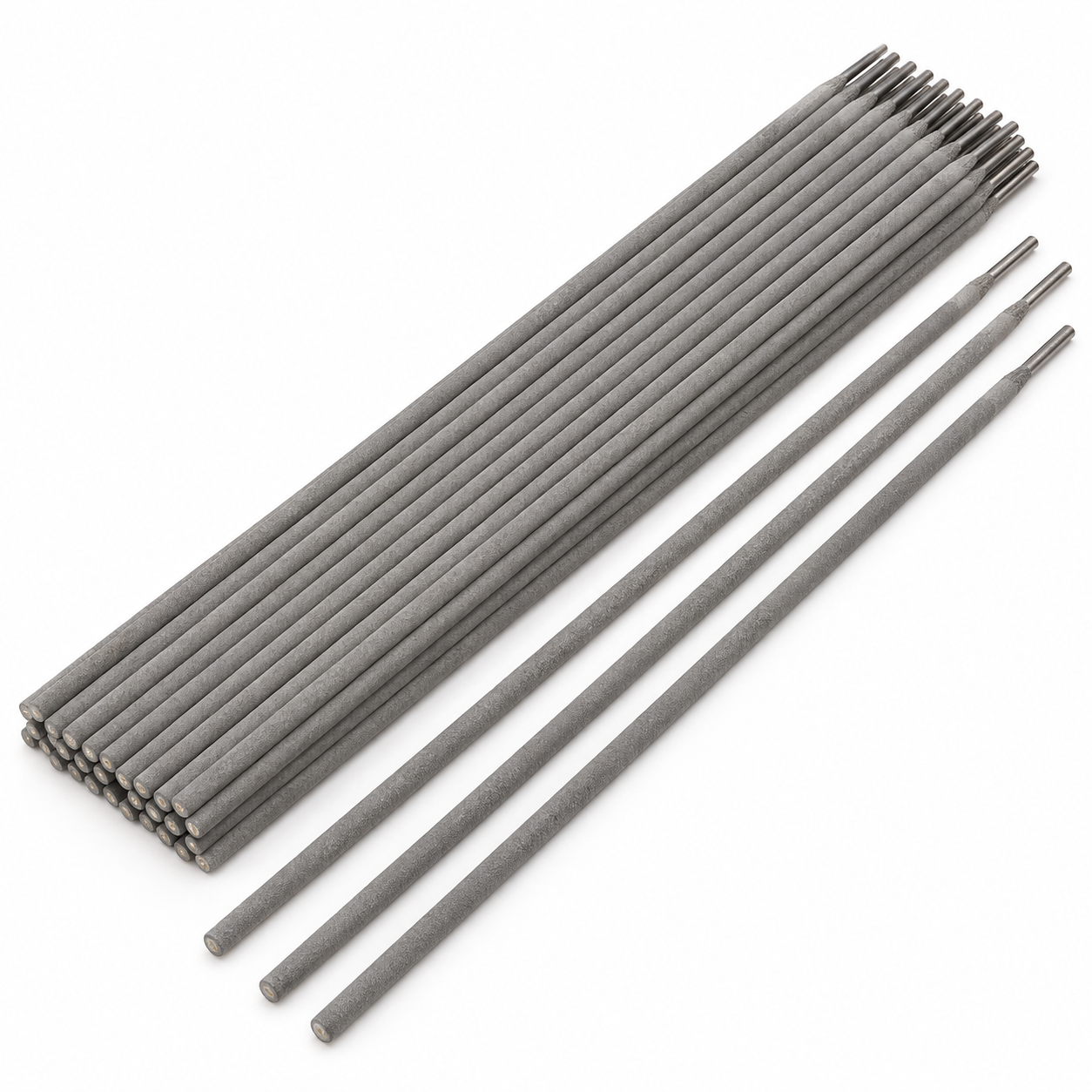
What ED024940 identifies
The exact ArcWeld catalog entry is titled Lincoln Electric ED024940 Wearshield 44 Hardfacing Electrodes, 1/8-inch — 10 lb Box. The currently connected ArcWeld inventory system shows an active Online Store product and an exact SKU ED024940. The specific package is identified as 1/8-inch diameter, 14-inch-long electrodes, with a selling unit of one 10-pound box. Do not mistake quantity one for one electrode; confirm the pack and destination with the receiving department. An individual electrode photo is not a count of sticks in the carton.
Wearshield 44 is sold for resurfacing and wear protection, with applications involving abrasive and impact service. It is not equivalent to a generic E7018 structural electrode or a filler chosen for fusion joining dissimilar base metals. Mechanical behavior of a deposited overlay depends on the actual procedure, dilution, number of layers, working temperature and workpiece material. The owner listing describes abrasion/impact wear, but its catalog summary is not a substitute for a current Lincoln Electric product data sheet and job-specific procedure.
Confirm the failure mode before buying
A worn component may have lost dimension through grit abrasion, repeated impacts, metal-to-metal friction, corrosion, fatigue or some combination. Different mechanisms often point to different filler families or to a change in part design. Surface appearance alone is not a complete failure analysis. A hardfacing rod that resists one wear mechanism can be a poor choice for another, especially where cracking, base-metal compatibility or machining after deposit matters.
- Identify the part, base-metal specification, service temperature and actual wear surface, not just a maintenance nickname.
- Determine whether the approved repair is buildup, surfacing, replacement or a different material strategy.
- Record whether impact accompanies abrasion; do not equate higher hardness with universally longer life.
- Confirm any allowed number of layers, preheat, interpass, cooling and postweld controls with the applicable procedure.
- Identify inspection and acceptance requirements before someone orders rods for a critical component.
Welding-position and electrical checks
The ArcWeld product description identifies flat and horizontal hardfacing as listed applications and discusses AC or DC+ operation, with DC+ preferred. These are catalog-level leads that must be confirmed against the actual current Lincoln label or official data sheet for the delivered batch. Do not treat them as a full approved current range. Electrode diameter, machine capability, polarity, weld position and deposit thickness must all match the procedure in force. If the job calls for a different electrode diameter, product grade or repair method, do not substitute ED024940 simply because inventory is available.
For a maintenance order, the most useful information is often a photograph of the existing carton and the plant’s approved repair sheet. Compare those to the manufacturer’s stock number, not solely the words Wearshield or hardfacing. Similar Lincoln alloy families have different intended service. If the old carton is gone, use the original maintenance specification rather than attempting to identify a used electrode by coating color.
A receiving checklist that avoids the wrong package
- Manufacturer: Lincoln Electric; trade name: Wearshield 44.
- Manufacturer part/SKU: ED024940, not a nearby Wearshield number.
- Package: one 10-pound box, rather than one stick, a larger carton or a different diameter.
- Diameter and length: 1/8-inch diameter and 14-inch length as listed; compare to the delivered package label.
- Confirm the current manufacturer instructions and any required lot or certificate records.
- Ensure the stock number on the order, packing slip and internal maintenance request all agree.
- Preserve the job’s WPS, manufacturer limits and inspection requirements; a store listing does not qualify an overlay.
When a shop should not use this item
Do not substitute this item for ordinary structural joining filler solely based on a desired strength or “hard” weld. Do not apply it to an unidentified alloy, a component whose wear failure is not understood, or a job with an unapproved repair method. If the part has a required code, engineering repair disposition or special heat-treatment regime, obtain that authorization first. A purchaser can help by collecting those missing details instead of guessing.
WSP’s alloy support reference and Filler Metal Finder are selection aids for comparing documented requirements; they do not replace a governing WPS, manufacturer technical literature or engineering approval. The fit-up and cross-trade handoff article provides a related way to identify the dimensions the next operation will need.
The purchase decision
If ED024940 is the exact approved product and 1/8-inch, 10-pound packaging is correct, use the verified ArcWeld product page to check current availability and order. The listing was active with positive available inventory at this review; inventory may change, so do not copy a static stock claim into a long-lived article. If any application or package detail differs, stop and confirm the approved material with the engineer or responsible supervisor before placing the order. That one verification often prevents more downtime than a rushed replacement rod purchase.
Leave a Reply