E6011 and E6013 are both AWS A5.1 carbon-steel covered-electrode classifications, but they are not interchangeable defaults. E6011 is commonly chosen where a forceful cellulosic arc and deeper penetration are appropriate under the qualified procedure; E6013 is a rutile-family electrode often selected for lighter mild-steel fabrication and smoother bead handling. Neither name tells you which rod a code job permits. Start with the base metal, joint detail, position, approved WPS and actual manufacturer’s package before changing classes.
This comparison is for a buyer or welder faced with two cartons at a shop counter. Both may be advertised for mild steel and AC machines, which makes the easy answer look like a preference for appearance. The more useful answer is a four-part check: what is being joined, why the joint calls for a particular arc/penetration behavior, what electrical output is approved, and which product form and package are actually supplied.
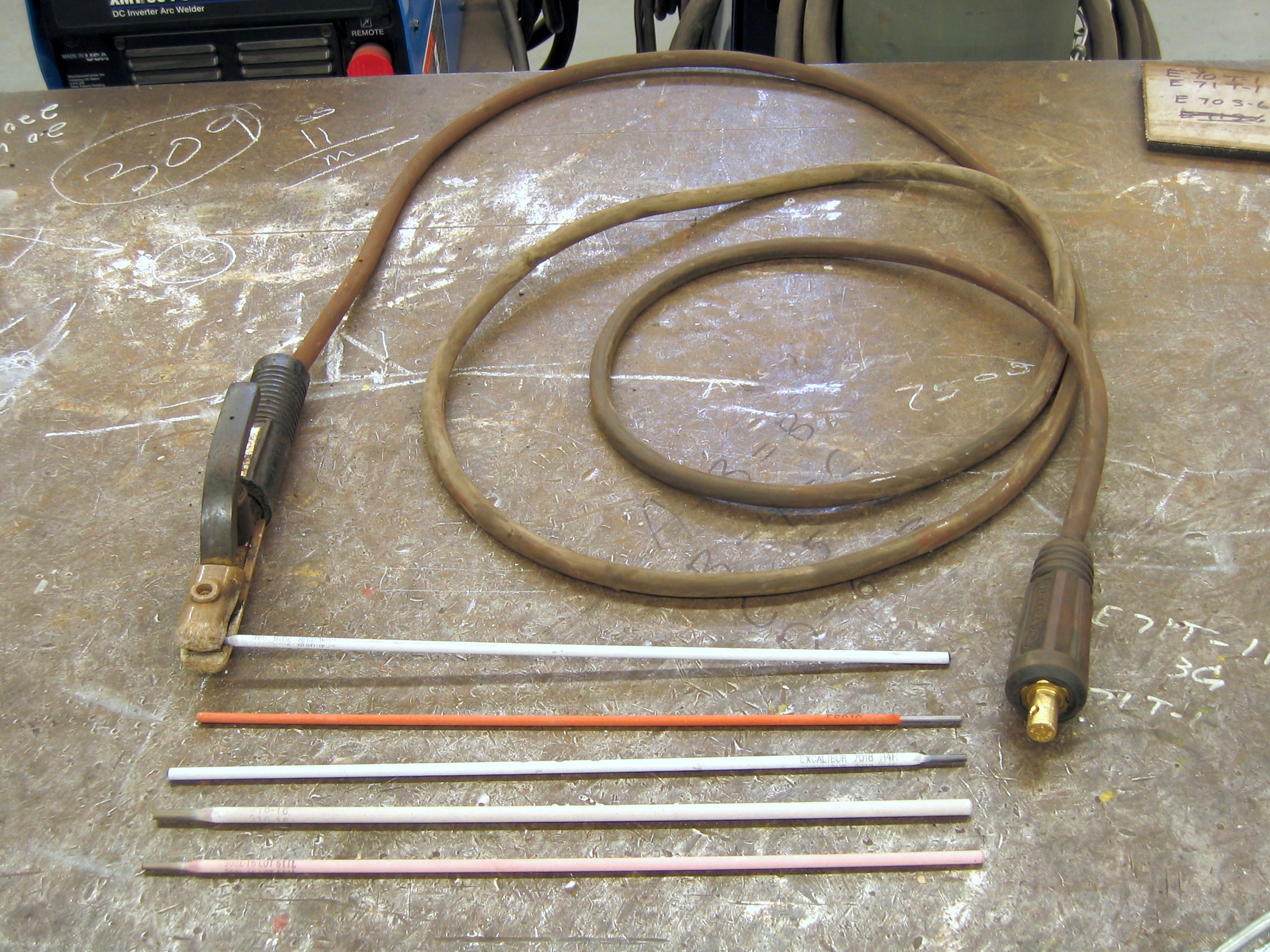
Manufacturer evidence, not the label alone
ESAB’s Sureweld 6011 data page identifies AWS A5.1 / ASME SFA 5.1 E6011 and lists AC, DC positive and DC negative as compatible current types for that specific product. ESAB describes a cellulosic electrode and all-position capability. The published typical mechanical properties are product-specific observations, not a substitute for the minimum requirements of a code or a job’s WPS.
ESAB’s Sureweld 6013 product page independently identifies E6013 under AWS A5.1 and lists AC and both DC polarities. The manufacturer’s product context is milder steel/general fabrication, with rutile-family running behavior commonly associated with smoother appearance and light sections. A WPS qualified with one electrode classification must not be rewritten by relying on a sales comparison; AWS classification, brand, diameter and approved process controls remain distinct layers of information.
How their arc behavior changes the decision
Cellulosic-type E6011 can develop a more driving arc in applications that are qualified to use it. E6013 is often described as smooth-running with a different slag and penetration profile. That difference does not mean E6011 is automatically “stronger” or E6013 is limited to cosmetic work. Joint geometry, electrode handling, current, polarity and approved parameters influence the result. Claims about exact travel speed, amperage or penetration on a given plate cannot be made from the classification alone.
For a root pass, dirty repair or demanding structural service, the decision belongs to the approved welding plan, not a buyer’s assumption that E6011 tolerates every contaminant. Conversely, choosing E6013 only to make a short fillet look smoother can create a qualification problem if the work instruction specifies another class. Even a repair in a familiar shop can have hidden service requirements. Record unknown base metal or joint requirements as Unknown (Verify).
Electrical and package checks
- Read the exact electrode manufacturer’s data sheet for the purchased brand and diameter. ESAB’s values for Sureweld do not automatically apply to every E6011/E6013 carton.
- Confirm that the welding machine supports the WPS-specified polarity and actual product current requirement. “AC capable” does not guarantee every machine can run every diameter in all positions.
- Check diameter, electrode length, box weight, batch and packaging. The classification is not a selling unit.
- Confirm whether the project requires low-hydrogen handling or another specified electrode class; neither E6011 nor E6013 should be substituted for a specified E7018 without approval.
- Look for the actual job’s inspection/acceptance standard instead of assuming appearance predicts weld quality.
What the designation does and does not promise
Both classifications are listed in AWS A5.1’s carbon-steel covered electrode family. The leading digits and suffixes are technical designations, not a blanket guarantee of service suitability. A 6011 label does not identify the parent steel grade, thickness or welding position required for a specific repair. It also does not define preheat, joint preparation, operator qualification or acceptance criteria. Those are controlled by the approved instructions.
The WSP Stick Alloy Support page lists both E6011 and E6013 as distinct AWS A5.1 grades. For individual selection context, compare WSP’s E6011 grade guide and E6013 grade guide. These help identify questions to ask; they are not procedure approvals.
A practical decision tree for ordering
- Is a qualified WPS, repair plan or customer specification required? If yes, match the exact classification and permitted product without substitution.
- Is the base metal verified as an appropriate carbon steel and the joint fit-up documented? If not, obtain material and drawing identification first.
- Does the application require the driving arc characteristics associated with the specified E6011 product, or is E6013 separately accepted? Record the documented reason.
- Can the actual machine and work position meet the selected manufacturer’s data sheet and job requirements?
- Does the exact box’s diameter, length and net weight match the purchase order and storeroom issue quantity?
- If any answer is unknown, label it Unknown (Verify) rather than treating two 60-series labels as equivalent.
Storage and condition still matter
Regardless of class, use the manufacturer’s packaging/storage directions and discard damaged or improperly stored material as the responsible procedure requires. Do not transfer low-hydrogen rebaking rules from a different electrode family. The WSP Filler Metal Finder can help locate an AWS grade starting point, but WPS, job code, manufacturer data sheet and trained supervision remain the governing controls.
The buying answer: choose E6011 or E6013 only after the current job paperwork names or allows the class, then order the exact manufacturer, diameter and package. Do not use an attractive appearance claim, price difference or a single storefront listing as a substitute for that decision.
Leave a Reply