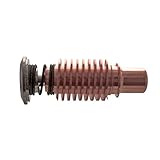
If you are sourcing replacement consumables for plasma cutting, the main job is not finding a part number. The job is verifying that the part matches the torch, the cutting process, and the wear pattern you are seeing on the machine. Hypertherm 220971, Plasma Electrodes, Pack of (5) is an Amazon-listed replacement part referenced by ASIN B012Y5V8J0. Use it as a parts-ordering starting point only. Do not assume fit or process compatibility without checking the torch documentation and the old consumable.
Key Takeaways
- Confirm the torch model and consumable family before ordering any plasma electrode.
- Inspect the old electrode for pit shape, meltback, and arc-start damage before replacing only one part.
- Check the nozzle, swirl ring, shield, retaining parts, and torch body at the same time.
- Use verified part numbers from the machine or torch manual when possible.
- If you cannot confirm fit, mark the part status as Unknown (Verify) and pause the order.
What this part is for
A plasma electrode is a wear item in the torch stack. It carries the electrical load that helps initiate and sustain the plasma arc. When the electrode wears, cut quality drops, arc starting becomes less consistent, and the torch may show accelerated damage in nearby consumables. In practice, electrode replacement is not an isolated task. It is part of a full consumable inspection.
For Hypertherm 220971, the published product listing identifies a pack of five electrodes. Beyond that, technical details such as torch family, exact current range, and material construction are Unknown (Verify) unless confirmed against the original equipment documentation or the manufacturer’s parts list.
Check, inspect, verify before you buy
- Check the torch model. Record the torch and power supply model from the nameplate. Do not rely on shop memory.
- Inspect the spent electrode. Look for deep center pit erosion, side-wall damage, uneven meltback, or signs of overheating.
- Verify the full consumable stack. Compare the electrode with the nozzle, swirl ring, shield, and retaining hardware. A worn nozzle can make a new electrode fail early.
- Check the start sequence. If the torch has unreliable starts, the issue may be air quality, torch maintenance, or another consumable, not only the electrode.
- Verify with the manual or parts diagram. Use the torch parts list to confirm the exact replacement number before purchase.
Troubleshooting support
When electrode wear seems early, work through the problem in order.
- Check air quality. Moisture and oil contamination can shorten consumable life.
- Inspect the nozzle orifice. A damaged nozzle can create unstable arc behavior that looks like electrode failure.
- Verify torch assembly condition. Loose parts, damaged seals, or heat damage can affect electrode performance.
- Check cutting settings. Excessive amperage, duty-cycle abuse, or improper standoff can cause fast wear.
- Inspect the lead set and torch body. Internal damage can create intermittent operation that is mistaken for a bad electrode.
If the machine is not cutting cleanly after a consumable change, do not assume the new electrode is defective. Inspect the complete stack and retest with known-good settings. If the part number or torch family cannot be confirmed, treat compatibility as Unknown (Verify).
Product and parts note
The allowed product for this draft is the Amazon-listed Hypertherm 220971, Plasma Electrodes, Pack of (5), ASIN B012Y5V8J0. No additional specs, compatibility claims, certification statements, or pricing are provided here because they are not verified in the source data. Use the listing only as a shopping reference and confirm fit against your torch documentation before ordering.
Product reference:
Last update on 2026-09-27 / Affiliate links / Images from Amazon Product Advertising API
How maintenance buyers should evaluate the order
For purchasing, the main question is not “Is it a plasma electrode?” The main question is “Is it the exact electrode that fits the torch in service?” That means matching the part number, checking the service manual, and reviewing the remaining consumables on hand. If the shop runs multiple plasma systems, separate the parts by torch family and keep them labeled. Mixed bins cause avoidable downtime.
For support teams, document the failure mode. Note whether the old electrode failed from normal wear, double-arc damage, overheated operation, or contamination. That record helps prevent repeat failures and reduces unnecessary part swaps.
Safety notes
- Disable the power source and follow lockout/tagout before servicing a torch.
- Allow hot parts to cool before handling consumables.
- Use eye protection when inspecting spent electrodes and nozzle parts.
- Do not touch internal torch parts until the system is confirmed de-energized.
- Dispose of damaged consumables according to shop waste rules.
FAQ
Q: Can I confirm fit from the part listing alone?
A: No. Confirm the torch model, power supply, and consumable family first. If any detail is missing, compatibility is Unknown (Verify).
Q: Should I replace only the electrode?
A: Not always. Inspect the nozzle, swirl ring, shield, and retaining hardware at the same time. One worn component can shorten the life of the new electrode.
Q: What causes short electrode life?
A: Common causes include poor air quality, incorrect cutting settings, damaged nozzles, torch assembly issues, and overheated operation. Verify each item before ordering more parts.
Q: Is the Amazon listing enough for procurement approval?
A: It can be a reference point, but not a technical approval. Use the manual, parts diagram, and shop verification steps before purchase.
Sources Checked
- Forge OS ASIN registry reference for B012Y5V8J0
- Provided Amazon product identifier: Hypertherm 220971, Plasma Electrodes, Pack of (5)
- Allowed internal links reviewed for related welding support context
Related welding support reading:
- Welding Electrode Holder: Stinger Guide & Stick Welding Tips
- Welding Electrode Holder: Choose the Best for Stick Welding
- Welding Cast Iron to Mild Steel, with Stick Electrode
Disclosure: As an Amazon Associate, Weld Support Parts may earn from qualifying purchases.

Leave a Reply