Plasma cuts that leave a thick โslagโ ridge on the bottom edge are usually telling you the arc isnโt transferring cleanly. If youโre cutting plate and spending more time grinding than cutting, this is the fast checklist to get clean edges again. Hereโs why it happens and how to fix it.
Symptoms (what youโll see):
Thick dross stuck to theย bottomย of the cut that wonโt chip off easily
Rough, jagged cut edge with lots of spatter
Noticeable bevel (edge leans) even on straight cuts
Arc sounds โlazyโ or unstable instead of crisp
Consumables discolor quickly or the tip looks out-of-round
Root Cause (whatโs actually happening): Heavy bottom dross is typically caused by a mismatch between travel speed, torch standoff/drag technique, and air quality/pressure. When you move too slowly (or hold the torch too high/too low for the consumables youโre using), the arc lingers and the molten metal doesnโt blow out of the kerf cleanlyโso it re-freezes as dross on the bottom edge.
Once youโve run a set of consumables past their useful life, the nozzle orifice can erode and the electrode can pit. That degrades arc shape and airflow, which makes dross and bevel worse even if your technique is decent.
The Fix (step-by-step):
Confirm your technique: drag vs standoff If youโre drag cutting, use aย true drag shield/tip setupย designed for it. If not, maintain a consistent standoff (donโt โfloatโ the height).
Increase travel speed slightly (then test) Heavy bottom dross commonly means youโre moving too slow. Do a short test cut and speed up until the bottom dross reduces.
Set air pressure/flow to the cutterโs spec (and drain water) Wet air and low/unstable pressure destroy cut quality and consumables. Drain the compressor tank and any filter bowl before cutting.
Square up torch angle and keep it steady A slight tilt increases bevel and can push molten metal into the kerf.
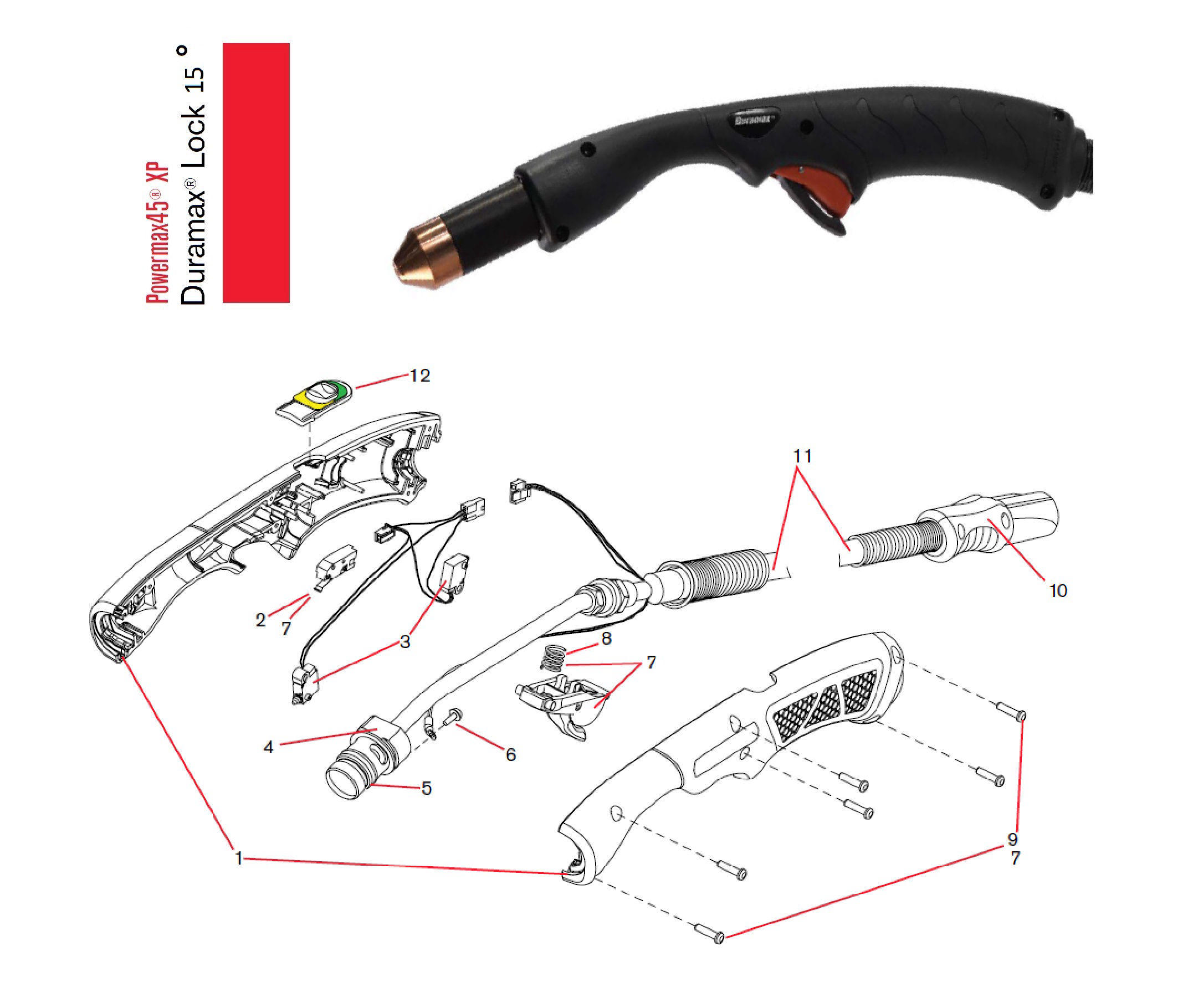
Inspect consumables and replace if worn If the nozzle hole is egged out, the electrode is pitted, or the shield is packed with spatter, replace the set. Consumables are cheaper than grinding time.
Real-World Tip: Experienced plasma users donโt โfightโ dross with more ampsโthey do quick test cuts and tune speed first, then height, then air. If the cut suddenly gets worse after it was fine yesterday, they assume air moisture or consumables before anything else.
Soft CTA (MANDATORY): If this keeps happening, your plasma consumables (nozzle/tip + electrode + shield) are likely worn or damaged. See the best replacement options โ [BUYER PAGE LINK PLACEHOLDER]
Safety Note: Wear eye/face protection and glovesโplasma cutting throws hot sparks and slag. Use ANSI Z87.1-rated eye protection and keep flammables clear of the work area.
Plasma cutters use ionized gas to cut conductive metals. Choosing the right cutter depends on material thickness, duty cycle, air supply, and cut quality requirementsโnot just amperage rating.
Key Specifications Explained
Amperage Rating & Cut Capacity
Amperage
Recommended Cut
Maximum Cut
Typical Material
20-30A
1/8โ-3/16โ
1/4โ
Sheet metal, auto body, HVAC
40-50A
1/4โ-3/8โ
1/2โ
Light fabrication, farm repair
60-80A
3/8โ-1/2โ
3/4โ
General fabrication, structural steel
85-100A
1/2โ-3/4โ
1โ
Heavy fabrication, thick plate
Recommended cut = Clean cut with minimal dross (slag on bottom edge) Maximum cut = Severance cut (rough edge, heavy cleanup required)
Rule of thumb: Buy 20-30% more amperage than your typical material thickness for clean cuts and longer consumable life.
Duty Cycle
Definition: Percentage of 10-minute period the machine can run at rated amperage before requiring cooldown.
Duty Cycle
Runtime @ Max Amps
Cooldown
Use Case
20%
2 min
8 min
Hobbyist, occasional use
35%
3.5 min
6.5 min
Light fabrication, DIY
60%
6 min
4 min
Production shop, frequent use
100%
10 min
0 min
Industrial, continuous operation
Example: 50A cutter with 35% duty cycle can run 3.5 minutes at 50A, then must cool 6.5 minutes. At lower amperage: Duty cycle increases (50A cutter at 30A may have 60-80% duty cycle).
Dual Voltage (120V/240V): – Runs on both voltages with reduced performance on 120V – Example: 50A on 240V, 30A on 120V – Best for: Portable use + shop capability
Cut Quality Factors
Pilot Arc vs. Contact Start
Pilot Arc (High-Frequency Start): – Arc initiates without touching workpiece – Pros: Cuts expanded metal, grating, rusty/painted steel – Cons: Higher cost, can interfere with electronics – Best for: Versatile cutting, field work
Contact Start (Scratch Start): – Requires torch tip contact with workpiece to start arc – Pros: Lower cost, no electronic interference – Cons: Cannot cut expanded metal or start on edge – Best for: Budget cutters, clean flat plate
Inverter vs. Transformer Technology
Inverter-Based: – Weight: 10-40 lbs (portable) – Efficiency: High (lower power consumption) – Duty cycle: Typically higher (35-60%) – Cost: Moderate to high – Best for: Modern shops, portability required
Transformer-Based: – Weight: 80-200 lbs (stationary) – Efficiency: Lower (higher power draw) – Duty cycle: Often 100% (industrial use) – Cost: Higher upfront, lower long-term maintenance – Best for: Heavy industrial, continuous operation
Consumable Costs & Life
Consumable Components
Part
Function
Typical Life
Cost per Set
Electrode
Conducts current to arc
1-3 hours cutting time
$3-$8
Nozzle (tip)
Focuses plasma stream
1-3 hours cutting time
$2-$5
Swirl ring
Stabilizes gas flow
5-10 hours
$1-$3
Shield cup
Protects nozzle
10-20 hours
$2-$5
Consumable life factors: – Amperage setting (higher amps = shorter life) – Air quality (moisture/oil reduces life 50%+) – Arc-on time (duty cycle) – Proper technique (perpendicular torch angle, correct standoff)
Insulated grip: Protects from heat during extended use
Common Mistakes
Undersizing amperage for material thickness 40A cutter on 1/2โ steel = slow, rough cuts and rapid consumable wear. Size cutter 20-30% above typical thickness for clean cuts.
Using contaminated air supply Moisture and oil in compressed air destroy consumables in 10-20% of normal life. Always use inline air dryer/filter.
Running at maximum amperage continuously Exceeds duty cycle, triggers thermal shutdown. Run at 70-80% of rated amperage for longer duty cycle and consumable life.
Buying Checklist
โ Amperage rating 20-30% above typical material thickness
โ Duty cycle matches usage frequency (35%+ for regular use)
โ Input voltage compatible with available power (120V or 240V)
โ Pilot arc start for versatile cutting (expanded metal, rusty steel)
โ Inverter technology for portability and efficiency
โ Compressor meets CFM and PSI requirements
โ Air dryer/filter included or purchased separately
Carbon arc gouging and plasma gouging both remove metal fastโbut they serve different jobs, budgets, and shop environments. This guide breaks down how each process works, when to use one over the other, and what to expect for performance, cost, and safety.
Key Takeaways
Carbon arc gouging is cheaper to operate and works anywhere you have adequate air and amperage.
Plasma gouging (Hypertherm) delivers cleaner, more precise results with less post-grinding.
Plasma gouging has higher equipment cost but faster learning curve and less mess.
Carbon arc is loud, dirty, and requires high current; plasma is cleaner but more expensive to maintain.
For production shops and precision repair work, plasma wins. For heavy removal at lowest cost, carbon arc is still king.
Carbon arc gouging uses a graphite/carbon electrode to melt the base metal with high amperage while compressed air blows the molten metal away.
Typical Specs (Manufacturer Ranges, AWS C5.3):
Current: 300โ1200 A depending on electrode size
Voltage: 35โ55 V
Air Pressure: ~80โ100 psi
Air Flow: ~20 cfm minimum
Electrode Types: DC+, copper-coated carbons
Noise: 110โ125 dB (hearing protection required)
Strengths
Lowest equipment cost
Removes large volumes of metal quickly
Works indoors/outdoors, even in dirty field conditions
Repair shops & fab shops already wired for high amps
Weak Points
Extremely loud
Heavy spatter and carbon dust
Large heat-affected zone
More grinding required after gouging
Hypertherm Plasma Gouging
Plasma gouging uses a constricted plasma arc to heat and remove metal with very controlled airflow. Hypertherm systems (Powermax series) are the industry standard.
Typical Specs (Hypertherm Powermax):
Output: 45โ125 A depending on system
Gouge Depth: Light to medium removal
Air Pressure: ~90โ120 psi (per model spec sheet)
Duty Cycle: Model-dependent; most 60โ100% at rated output
Noise: Lower than carbon arc; still requires hearing protection
Strengths
Very controlled and predictable gouge
Reduced post-grinding
Less carbon contamination
Quieter and cleaner than CAC-A
Works extremely well on stainless and aluminum
Weak Points
Higher equipment cost
Consumables are more expensive
Not ideal for deep, aggressive removal
Requires dry, clean air supply
Which One Should You Use?
If you need maximum metal removal at lowest cost โ Choose Carbon Arc Gouging
Great for:
Heavy plate bevels
Removing welds on thick structural steel
Field repair
Shops already running 600โ1000 A power sources
If you need cleaner, controlled gouges with minimal cleanup โ Choose Hypertherm Plasma Gouging
Great for:
Stainless & aluminum work
Pressure vessel repairs
Precision removal (cracks, isolated welds)
Indoor fabrication environments
Operators needing fast training curve
Comparison Table
Model/Process
Key Specs
Best For
CAC-A Carbon Arc Torch (Generic Industrial)
300โ1200 A, 80โ100 psi
Heavy gouging, lowest cost
Hypertherm Powermax 65/85 Gouging
65โ85 A plasma gouging, precise removal
Clean, controlled gouging
Practical Considerations & Setup
Air System Requirements
Both processes require dry, steady airflow. Plasma is more sensitiveโwet air destroys consumables.
Install a dryer or desiccant if plasma gouging.
Carbon arc tolerates โshop airโ but still benefits from dryness.
Power Requirements
Carbon arc requires sizable 3-phase machines or engine drives.
Plasma gouging can run on standard Hypertherm Powermax units (45โ125 A).
Skill Level
Carbon arc demands better hand control to avoid digging.
Plasma gouging is easier to learn; the arc is more stable and directional.
Safety Notes
Use ANSI Z87.1-rated eye protection (shade per AWS F2.2 recommendationsโtypically shade 10โ12 for CAC-A, 8โ10 for plasma).
Wear full PPE, flame-resistant clothing, and hearing protection (both processes exceed 100 dB).
Ensure adequate ventilation; carbon arc creates carbon dust and fumes.
Follow manufacturer guidelines for electrode size, air pressure, and duty cycle (Hypertherm, AWS C5.3 for CAC-A).
FAQ
Is plasma gouging as fast as carbon arc gouging? No. Plasma is cleaner and more controlled, but CAC-A removes metal significantly faster.
Is carbon arc gouging bad for stainless? It can leave carbon contamination. Plasma is preferred for stainless/aluminum.
Can you gouge outdoors with plasma? Yes, but wind can disrupt arc stability more than CAC-A.
Does Hypertherm sell dedicated gouging consumables? Yesโconsult the Hypertherm Powermax series gouging nozzle and shield charts.
Sources Checked
Hypertherm Powermax 45/65/85/105 Spec Sheets
AWS C5.3: Recommended Practices for Air Carbon Arc Cutting and Gouging
Manufacturer data for carbon electrodes and torches