A repair to old architectural ironwork should begin with understanding what is already there. Before a welder or fabricator proposes a fix, the useful questions concern the material, the way the pieces were assembled, the condition of their connections and the features that give the object its identity. For historic work, a successful result may be a railing, storefront or ornament that still looks like itself.
That is a different kind of satisfaction from making a fresh assembly on a clean table. The work starts with someone else's decisions. Some may be visible in a casting seam or fastener. Others may be hidden by paint, earlier repairs or the building around them. Knowing when to ask for a preservation specialist belongs to the craft, too.
A manufactured object can still carry a human story
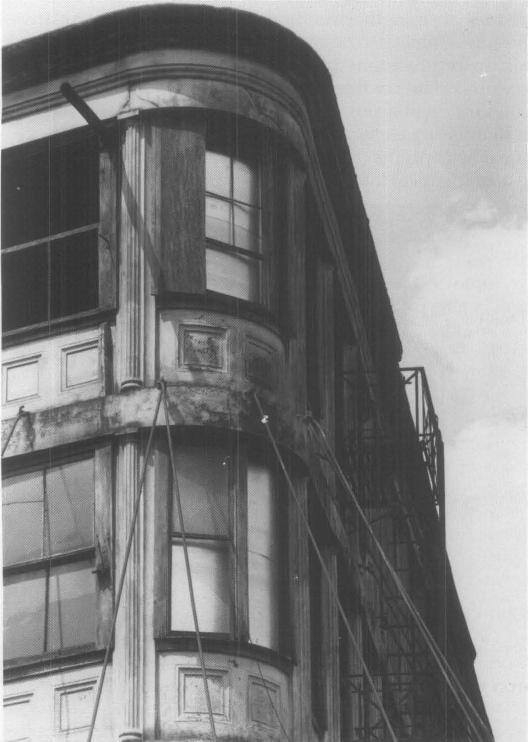
The National Park Service's Preservation Brief 27, The Maintenance and Repair of Architectural Cast Iron, describes how foundries supplied architectural components for storefronts, buildings and street furnishings. Castings could repeat a pattern across a facade while providing considerable ornamental detail. Those repeated pieces reflect the work of patternmakers, foundry workers, machinists and the crews who fitted and assembled them.
The brief's account of the Edgar Laing Stores in New York is particularly useful for a fabricator. Individual facade components were cast, machined, checked for fit and transported to the site before assembly. It is a reminder that prefabrication has a history well beyond today's shop equipment. The finished building depended on both repeated production and the care taken at the joints.
A person looking at an old storefront may see decoration. A fabricator can also see a sequence of work: a pattern, a mold, an individual component and a connection to the next piece. Recognizing that sequence helps explain why an apparently small replacement can change the character of the whole assembly.
Identification comes before enthusiasm
Old metalwork does not come with a reliable material label simply because it looks traditional. Cast iron, wrought iron and steel are different materials. A photograph, an owner's description or a familiar-looking scroll is not enough to select a repair procedure.
The NPS brief discusses distinguishing characteristics, but this article is not an identification test or a welding procedure. Its practical lesson is to avoid turning a visual impression into a technical approval. The responsible project team needs to establish what material is present, what condition it is in and what the component is expected to do.
A decorative-looking piece may be part of a railing or a larger assembly with a safety function. Conversely, an ornate casting may have a role quite different from the structure behind it. The fabricator should not have to guess which responsibility the customer intends to assign. Clarifying that boundary before quoting is useful work, even if it does not produce a dramatic before-and-after photograph.
Preserve the evidence before changing the surface
A crack, a replaced fastener or a mismatch between adjacent pieces can tell the next specialist where to investigate. Documenting what was found gives the project a starting point. It also separates existing conditions from changes made during the repair.
For a first discussion, useful records might include an overall view, closer photographs taken from an authorized safe position, the location of the component and any available drawings or earlier maintenance records. Record what is known and mark uncertainty plainly. Do not dismantle, load, scrape or test an object merely to complete a photograph or answer a question for an estimate.
The NPS brief recommends evaluating historical significance, alterations and condition before establishing treatment. It also describes numbering components and tying them to record drawings when dismantling is required under qualified direction. The point for a working shop is straightforward: location and context matter. A loose ornament on a bench may be much harder to understand after its original position has been forgotten.
Respecting the original does not mean preserving a defect
Historic character is not a reason to accept an unsafe condition. Equally, a desire to make something look new is not enough to justify replacing sound original material. Those decisions need a proper assessment and an agreed scope.
The brief favors retention and repair where appropriate, with replacement considered when elements are missing or too deteriorated to retain. It recommends involving a preservation architect or building conservator for work beyond the simplest repairs. Structural questions may require additional qualified expertise. A welding shop contributes its knowledge without pretending that fabrication skill alone settles every preservation, structural or coating question.
This is where a clear proposal earns its value. It should distinguish investigation from treatment, identify who makes the technical decisions and describe the records the owner will receive. Unknown material or concealed deterioration should remain an open item rather than becoming an unwritten promise.
A finished repair needs an understandable record
A clean-looking object is only one part of the handover. The owner and the next person maintaining it need to know what was changed. Keep the record specific to the actual work: the affected location, the approved treatment, the date and the documents that support it. Record unresolved observations as unresolved.
The NPS brief emphasizes regular inspection and a permanent maintenance log. A shop can support that continuity by providing accurate completion information rather than assuming that its invoice explains every decision. Inspection and maintenance intervals should follow the responsible project's current requirements, not a casual rule borrowed from an unrelated job.
WSP's article on drawing revisions explores the same need for a shared, controlled reference. It puts an individual task back into a larger record that other people can understand. That perspective is useful here, although an article about shop records cannot substitute for a project-specific preservation assessment.
Knowing what to leave behind
Preservation work can reward restraint. A careful fabricator may contribute as much by identifying an unanswered question, retaining an original detail or documenting a connection as by making a new piece. The finished job should remain understandable to the people who come after it.
For more of the culture around making, maintaining and taking pride in useful work, explore Arc Life. The trade includes the new things people build and the older things they help keep recognizable.
Leave a Reply