The ARCCAPTAIN MIG130 is worth considering for a home learner who wants to begin with self-shielded flux-cored welding. The buying decision starts with the metal, the available electrical supply and the complete setup cost. A small machine is useful only when those three things match the work you actually intend to do.
This guide covers the MIG130 MIG Welder 110V option on ARCCAPTAIN’s product page. It is a document-based buying checklist, not a hands-on test or a claim that the machine is suitable for a particular repair.

Identify the exact machine and package
ARCCAPTAIN lists three processes for this model: gasless flux-core, stick and Lift TIG. The manufacturer specifies 110V input, a 20–130A output range and an 11.79-pound machine weight. It expressly excludes aluminum welding and spool-gun support. The TIG torch is optional, not included.
The same listing also offers an upgraded MIG135 and bundles with a helmet or CUT50. ARCCAPTAIN distinguishes the MIG130’s integrated torch and segmented display from the MIG135’s detachable torch and LED display. Confirm the selected option before comparing prices. A photograph showing several machines does not establish what one selection includes.
Affiliate disclosure: This article contains affiliate links. WSP may earn a commission from qualifying purchases. Check the MIG130’s current options and product information at ARCCAPTAIN. Confirm the final price, availability, shipping and selected package on the seller’s page.
Start with one realistic home project
Write down the first project before buying accessories: what metal it uses, its measured thickness, the joint you need to make and what happens if that joint fails. A decorative practice piece and a load-bearing repair require different decisions, even when both fit on the same workbench.
For a beginner, the sensible starting point is training and practice material, not a repair whose failure could injure someone. Vehicle suspension, towing equipment, lifting attachments, pressure-containing parts and structural work need appropriate engineering, procedures and qualified work. A machine’s advertised maximum output is not approval for those applications.
Use your project description to ask useful questions. Can the manufacturer document the intended material and thickness for the selected process? Which exact wire or electrode does that guidance assume? What input supply supports it? If the answers are missing, postpone the purchase decision rather than filling the gaps with an unrelated owner’s video.
Check the electrical supply before checkout
The manufacturer-linked MIG130 manual says lower-capacity branch circuits require reduced welding current and duty cycle. Its input section also contains plug and branch-circuit details that need clarification for the exact unit supplied. Do not treat the 110V label as a promise of full output from every household receptacle.
Have ARCCAPTAIN and a qualified electrician confirm the machine’s nameplate, plug, circuit requirements and any extension-cord restrictions for your installation. Do not change a breaker, adapt a plug or defeat the grounding connection based on a buying guide. Resolve this before ordering, especially if the intended workspace is a garage served by other equipment.
Ask about usable output for your actual supply and process, not just the largest number in the title. The manual and listing give a 60% duty-cycle figure, but a percentage alone is not a complete output rating. Confirm its current and test conditions rather than assuming it applies to every setting.
Separate machine capability from a complete kit
The listing includes a work clamp, electrode holder, a two-pound spool of .030-inch flux-cored wire, listed contact components and a manual. The downloadable manual describes additional package items, so request a current packing list for the selected option if an accessory matters to your decision. Do not assume every item pictured or listed in an older manual ships today.
Make two columns: supplied items and everything still needed. Include suitable protective equipment, a safe work area, material preparation, consumables, training and any electrical work. If Lift TIG is the reason for buying, price a complete manufacturer-confirmed setup before deciding. A process button does not establish that all its equipment is in the carton.
Consumables deserve their own check. Record the wire’s full product designation and diameter, the spool size, and the drive-roll and contact-tip requirements from the current instructions. WSP’s self-shielded wire selection guide explains why sharing a process name does not make two wires interchangeable. It is background reading, not a recommendation of either wire for this machine.
Gasless does not mean fume-free
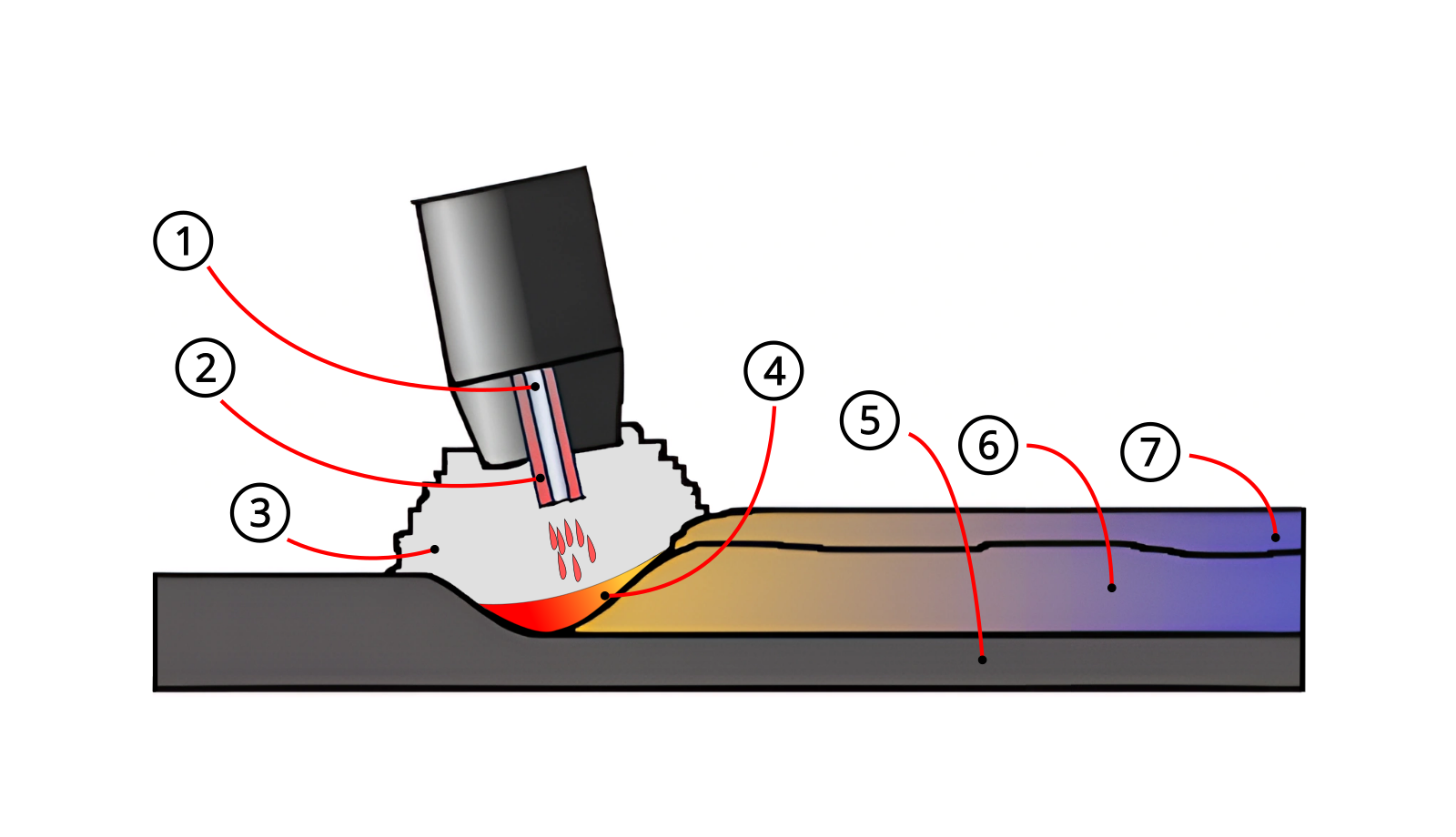
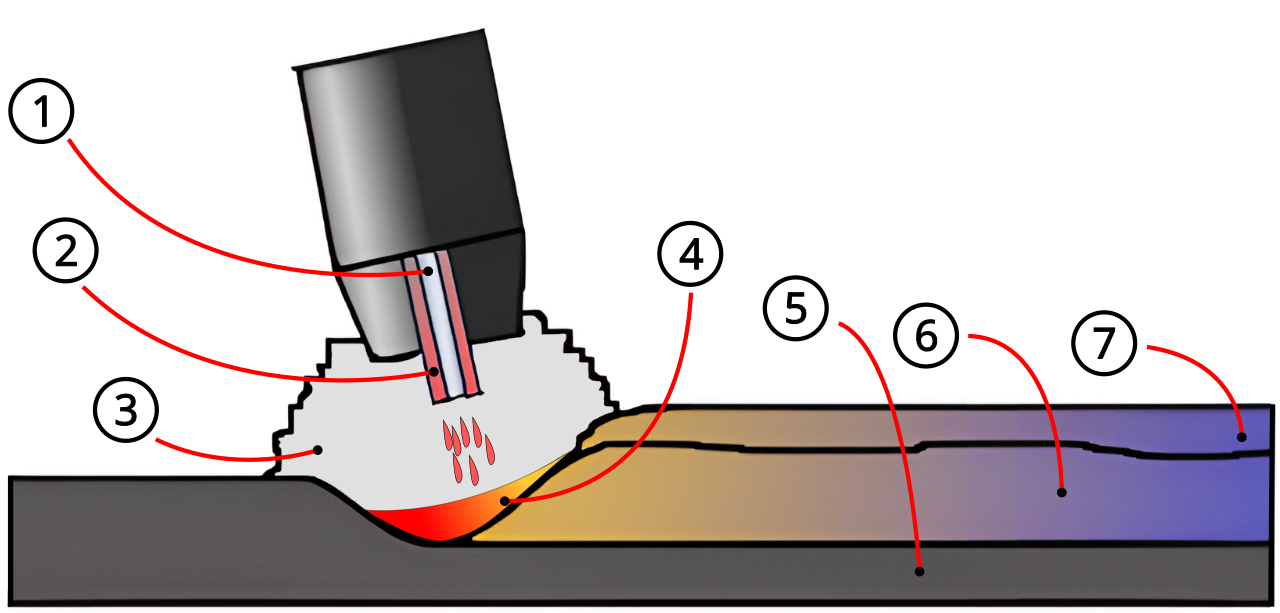
OSHA’s welding-fume guidance explains that welding produces hazardous fumes and gases, and that working outdoors does not guarantee adequate ventilation. Consider the base metal, coatings, consumable and airflow. Appropriate ventilation and fume controls remain necessary when a process does not use an external shielding-gas cylinder.
Plan eye and skin protection, protection for bystanders and fire precautions before practice. Keep this a buying checklist rather than an improvised operating procedure. Read the complete manual and obtain practical instruction. Unknown coatings, contaminated containers and confined spaces are reasons to stop and get competent guidance, not opportunities to test a new machine.
A short pre-order checklist
- Selection: Is the order for the base MIG130 110V option, with the package you intended?
- Project: Have you identified the material, measured its thickness and checked whether qualified repair work is needed?
- Supply: Are the exact unit’s electrical requirements confirmed for your workspace?
- Complete cost: Have you allowed for protection, instruction, consumables and anything absent from the current packing list?
- Support: Can you obtain the applicable manual, replacement-part information and current warranty and return terms before ordering?
If an existing welder already suits your work, investigate its problem before replacing it. WSP’s wire-feeds-but-no-arc guide is a starting point for understanding the work connection, with the exact machine manual controlling any inspection or service.
The MIG130 decision is strongest when you can describe a suitable learning project, confirm the supply and identify every missing item. For welding-related recordkeeping tools and lifestyle gear, browse Arc Life; apparel is not protective welding clothing unless its specific listing establishes that rating.
Leave a Reply