Tag: PPE
-

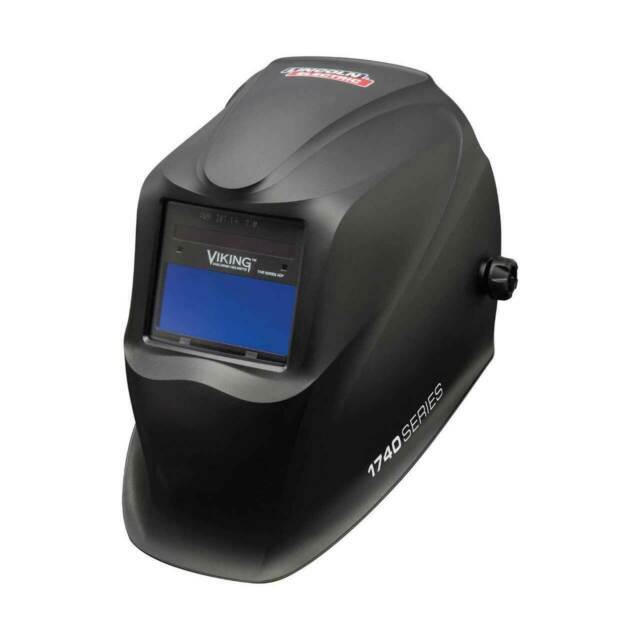
Lincoln Viking 1740 Auto-Darkening Welding Helmet – K3282-3: Product Breakdown
“>
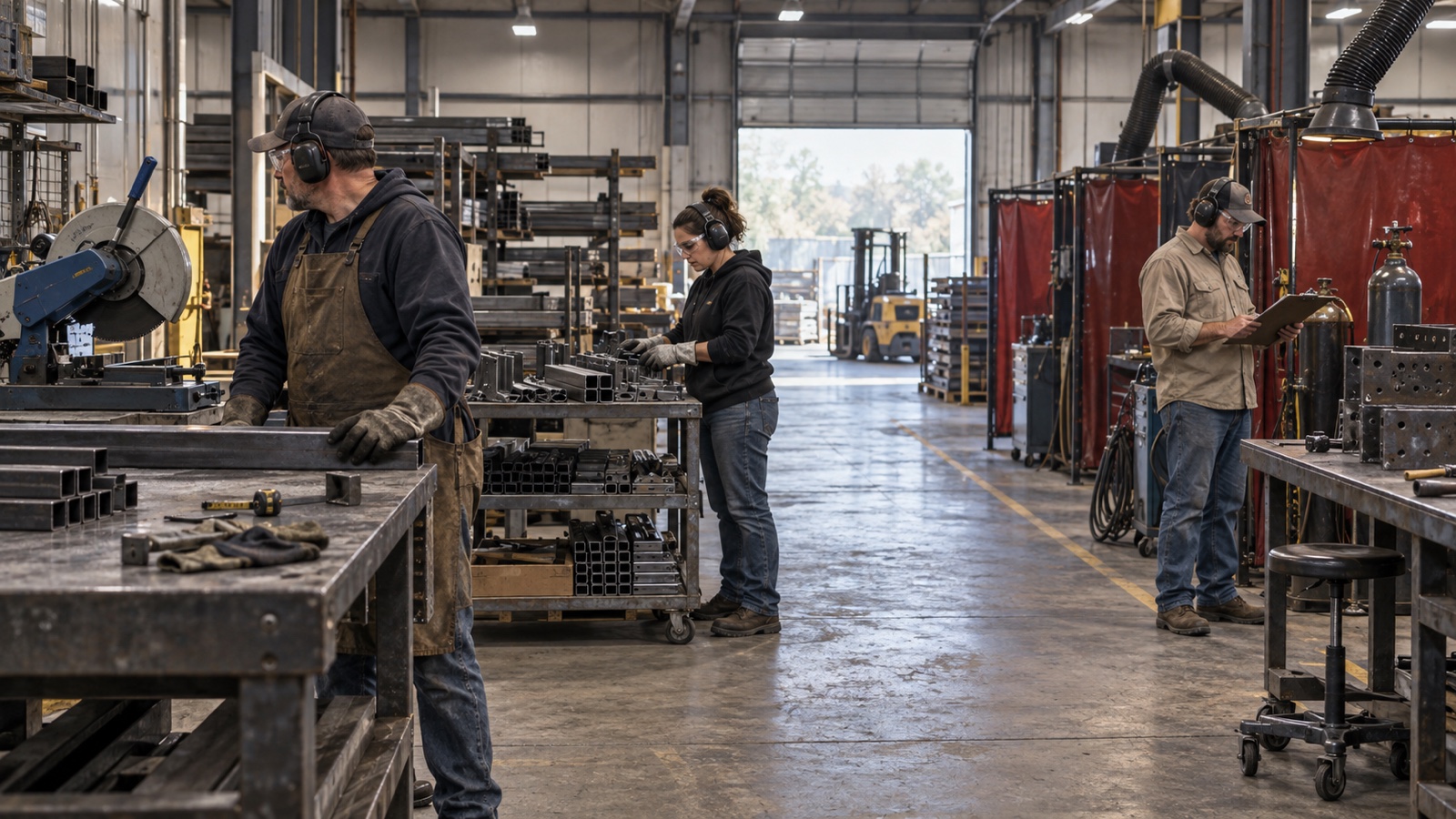
The Lincoln Viking 1740 Auto-Darkening Welding Helmet – K3282-3 is a welding PPE item intended for day-to-day fabrication and repair work where a stable view of the weld zone matters. For buyers and support teams, the main question is not whether the helmet is โadvanced,โ but whether it fits the job, the user, and the maintenance routine. On a shop floor, consistent lens response, proper fit, and basic inspection discipline matter more than marketing terms.
Key Takeaways
- Auto-darkening helmets are support items for visibility and eye protection, not a substitute for correct process setup.
- Inspect the shell, lens area, headgear, and sensors before each shift.
- Verify that the user can see the joint clearly in the bright state and that the helmet stays positioned during work.
- Replace damaged components early. Small issues in lens cover condition or headgear fit can become reliability problems.
- If a detail is not confirmed in the source material, treat it as Unknown (Verify).
What this helmet is for
Based on the product description provided, this helmet is aimed at general fabrication and repair, shop work, field welding, and common arc processes such as MIG, TIG, and stick. The practical value of an auto-darkening helmet is simple: it lets the welder see the work area clearly before the arc starts, then darkens when the arc is struck. That reduces the need to repeatedly nod the hood up and down and can help reduce eye strain during repetitive work.
For maintenance buyers, the priority is not just the helmet model name. It is whether the unit supports the weldersโ actual tasks, how often consumable parts are checked, and whether the team has a repeatable inspection routine. If the application includes grinding, overhead welds, tight access work, or frequent start-stop cycles, the helmet must stay comfortable and reliable enough to avoid operator workarounds.
Product / parts notes
This article is limited to the product listing provided. Specific technical specs, lens sizes, shade ranges, sensor counts, and certification details were not supplied here, so they are Unknown (Verify). Do not assume compatibility with aftermarket headgear, cover lenses, or cartridge-style replacements unless the manufacturer documentation confirms it.
For shop support, verify the following before issue or deployment:
- Shell condition: inspect for heat damage, cracks, warping, and spatter buildup.
- Lens area: check the outer and inner cover surfaces for pitting, clouding, scratches, and contamination.
- Auto-darkening function: confirm the lens transitions properly during arc exposure in a controlled test.
- Headgear: verify adjustment range, locking action, and that the helmet stays in position during head movement.
- Seal and fit: confirm proper coverage around the face and neck area when used with other PPE.
Troubleshooting and support checks
1) Lens does not darken consistently
- Check: confirm the helmet has power, if applicable. Power source details are Unknown (Verify) from the provided source.
- Inspect: the sensors, cover lenses, and front face for dirt, spatter, or obstruction.
- Verify: the arc is within normal working position and the helmet is aimed correctly at the weld zone.
- Action: clean the lens surfaces and retest. If response remains inconsistent, remove the helmet from service until the fault is confirmed.
2) Helmet feels loose or shifts during work
- Check: the headgear adjustment points and tension settings.
- Inspect: worn straps, cracked pivots, or damaged lock points.
- Verify: the operator can tilt, lower, and raise the hood without it drifting out of position.
- Action: replace worn support parts before the next shift. A loose helmet is a job-quality and safety problem.
3) Visibility is poor even when the hood is up
- Check: outer and inner covers for haze, slag impact, smoke film, or grinding dust.
- Inspect: whether the lens is damaged or blocked by residue.
- Verify: the user is not using the helmet in a way that exceeds its intended visibility setup.
- Action: replace scratched cover lenses and clean the shell regularly. If the internal lens is degraded, escalate for replacement or service review.
How to inspect before use
- Visual check: look over the shell for cracks, heat damage, and spatter.
- Lens check: inspect both cover surfaces for scratches, haze, or debris.
- Fit check: put the helmet on and verify secure headgear contact without pressure points that force the user to loosen the hood.
- Function check: perform a controlled arc-response test if shop procedure allows it.
- Record check: note any recurring issue, especially if the same helmet is being reassigned between shifts.
Related support references
If you are comparing this model to adjacent Lincoln helmet support content, these internal pages may help with broader helmet selection and setup context:
- Lincoln Viking 1740 Auto-Darkening Welding Helmet (K3282-4)
- Lincoln K3930-1 PAPR with Black Viking 3350 Welding Helmet
- Lincoln Viking 3350 Welding Helmet Review and Buying Guide
- Lincoln Auto-Darkening Welding Helmet for Beginners
Safety notes
- Do not use a damaged helmet in production.
- Do not rely on a visual appearance alone to confirm auto-darkening performance.
- Inspect the helmet before every shift and after any impact, drop, or spatter event.
- Confirm the helmet is used with the correct companion PPE for the task, including gloves, jacket, and respiratory protection when required.
- If lens response, fit, or shell condition is uncertain, remove the unit from service until verified.
FAQ
Is the Lincoln Viking 1740 K3282-3 suitable for MIG, TIG, and stick welding?
The provided product description says it is intended for daily MIG, TIG, and stick work. Specific duty limits, settings, and procedure approvals are Unknown (Verify).
Can I use this helmet as a direct replacement for other Lincoln Viking models?
Not without verification. Compatibility with other models, covers, headgear parts, or accessories is Unknown (Verify) unless the manufacturer documentation confirms it.
What should I inspect first if the helmet starts acting up?
Start with the basics: lens cleanliness, cover condition, sensor obstruction, headgear fit, and shell damage. In many cases, the issue is a contaminated cover lens or a loosened adjustment point.
How often should the helmet be checked?
At minimum, check it before each use. For shared helmets or high-volume shops, add shift-start and post-incident checks after drops, spatter strikes, or heavy grinding exposure.
Sources Checked
- ArcWeld product listing: Lincoln Viking 1740 Auto-Darkening Welding Helmet – K3282-3
- Internal Weld Support Parts articles linked above
For procurement or support decisions, keep the focus on fit, function, and inspection discipline. If a technical detail is not documented in the available source material, treat it as Unknown (Verify) before buying or issuing the helmet to the floor.
Related Arc Weld Part
Lincoln Viking 1740 Auto-Darkening Welding Helmet – K3282-3
Lincoln Viking 1740 Auto-Darkening Welding Helmet (K3282-3) is a professional-grade auto-darkening hood built for daily MIG, TIG, and stick work where clear visibility and consistent shade response matter. Itโs designed to reduce eye strain by giving you a bright, high-clarity view of the puddle and joint before and during the arc. What itโs for General fabrication and repair Shop and field welding Processes with…
View at Arc Weld StoreRelated Weld Support Guides

Tillman 566, Helmet Bib With Metal Clips, Pack of (1): Product Breakdown
“>
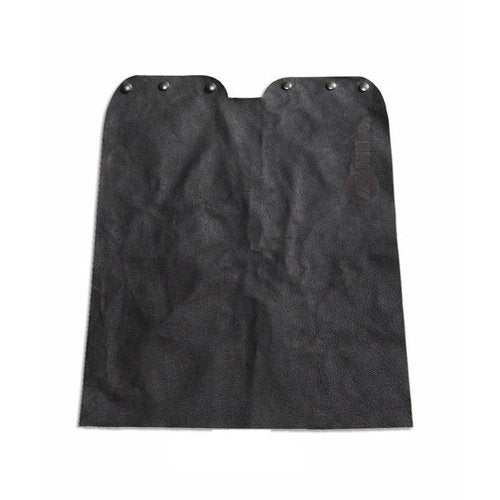
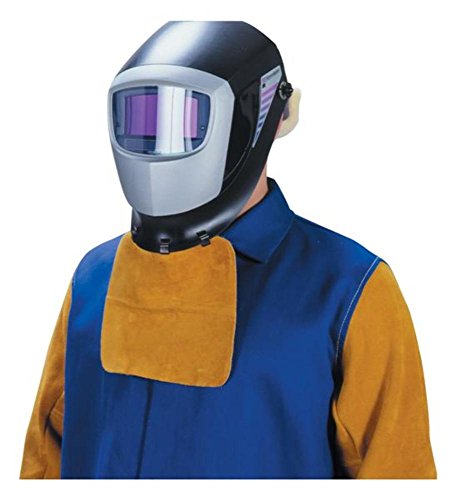
The Tillman 566, Helmet Bib With Metal Clips, Pack of (1), is a welding helmet support item used to add lower-face and neck coverage at the helmet line. Based on the product listing provided by ArcWeld, it is identified as a leather work bib with metal clips. The available listing data also shows UNSPC code 46181500 and the product type as work bibs. Other technical details are not provided in the source and should be treated as Unknown (Verify).
Key Takeaways
- Use this bib as a helmet-adjacent accessory for added coverage at the neck and chest interface.
- The provided source identifies leather construction and metal clips, but exact dimensions and fit range are Unknown (Verify).
- Do not assume compatibility with every helmet shell, helmet suspension, or respirator setup.
- Inspect clip retention, leather condition, and coverage overlap before each shift.
- If the bib interferes with a respirator, hood seal, or visor motion, remove it from service until verified.
What the product is for
A helmet bib is a simple support accessory. In welding work, it is commonly used to help reduce direct exposure at the lower edge of the helmet opening, where sparks, slag, and radiant heat can reach the neck area. The product listing does not state an assigned duty cycle, flame-resistance rating, or certified protection level. Do not infer those details. Verify the exact material behavior for your application before use.
Product breakdown
The source data identifies three things clearly:
- Product name: Tillman 566, Helmet Bib With Metal Clips, Pack of (1)
- Material family: Leather Clothing / leather work bib
- Attachment method: metal clips
Everything beyond that remains Unknown (Verify). That includes bib size, neckline shape, total coverage area, clip finish, thickness, and whether the bib is intended for a specific helmet model or general use. For buyers and maintenance teams, that means the purchase decision should be based on verified fit and verified work conditions, not assumptions from the name alone.
Check, inspect, verify
Before issue
- Check the helmet interface. Confirm the bib can sit at the lower edge of the helmet without blocking shell movement or interfering with the headgear adjustment system.
- Inspect the clips. Look for bent metal, weak spring tension, burrs, corrosion, or sharp edges that could damage the bib or snag other PPE.
- Verify coverage needs. Make sure the bib covers the area your task exposes, especially the neck and upper chest. If your job requires side coverage or extended drape, verify that this accessory is sufficient.
- Inspect the leather. Check for cracks, stiffened spots, burn-through, tears, oil saturation, or previous heat damage. Replace if the material no longer performs as intended.
- Verify compatibility with other PPE. Confirm the bib does not interfere with a hard hat, respirator, face shield, hearing protection, or hoodie used under the helmet.
During use
- Check for movement. If the bib shifts, twists, or opens gaps during head movement, stop and correct the fit.
- Inspect after spatter exposure. Look for heat marks or clip loosening after each job cycle.
- Verify visibility and access. The bib should not obstruct switching lenses, lifting the hood, or checking weld position.
At removal
- Clean off dust and debris. Wipe down according to your site PPE practice.
- Inspect the clip points. Repeated attachment cycles can damage the leather around the clip area.
- Verify serviceability. If the bib no longer hangs properly or the clips no longer hold, take it out of service.
Troubleshooting and support
Problem: bib will not stay attached
Check whether the clip jaws are fully seated on the helmet edge. Inspect the clip tension and the shell edge profile. Verify that the helmet model has an edge profile the clip can grip securely. If not, the accessory may not be suitable for that setup.
Problem: bib interferes with a respirator or PAPR hood
Check the overlap zone between the bib and the respirator facepiece, hose routing, or hood seal. Verify whether the bib is causing lift, leaks, or a snag point. Do not force a fit. Remove the bib if the respiratory setup cannot be maintained correctly.
Problem: heat damage appears after light exposure
Inspect the exposed area for stiffening, discoloration, or edge curling. Verify whether the task demands more robust coverage or a different accessory arrangement. If the bib shows damage, replace it.
Product and parts notes
This listing is for a single helmet bib. No replacement parts, alternate clip kits, or accessory components are provided in the source data. If your maintenance group needs a matching spare set, verify the exact product source before ordering. Do not assume that generic clips or aftermarket replacements will fit correctly.
Related support references
For adjacent welding PPE topics, see the Weld Support Parts articles on a low-profile respirator under a welding helmet and PAPR helmet integration. These are useful context pieces when a helmet bib is being evaluated alongside other face and neck coverage items.
- Best Welding Respirator for Under a Welding Helmet (Low-Profile Picks)
- Lincoln K3930-1 PAPR (Powered Air-Purifying Respirator) with Black Viking 3350 Welding Helmet
Safety notes
- Do not treat a bib as a substitute for required protective clothing.
- Verify the bib does not create a snag hazard near rotating equipment or tight work access.
- Leather condition matters. Heat damage, contamination, and mechanical wear reduce usefulness.
- If your site has PPE rules for molten metal, spatter, or cutting work, follow those rules first.
FAQ
Does the Tillman 566 helmet bib fit every welding helmet?
Unknown (Verify). The source confirms metal clips, but it does not confirm universal fit. Check helmet edge profile, clip tension, and clearance before use.
Is this bib suitable for respirator use under a helmet?
Unknown (Verify). Compatibility depends on the specific respirator, hood, and helmet arrangement. Verify seal integrity and movement clearance before task use.
What material is listed for this product?
The source lists leather clothing / leather work bib. Other construction details are Unknown (Verify).
Should worn clips be repaired or replaced?
Verify the condition first. If the metal clips are bent, loose, or no longer hold securely, the bib should be removed from service. Do not use improvised repairs unless your site procedure explicitly allows them.
Sources Checked
- ArcWeld product listing: Product not found.
Note: No WSP lookup page, filler metal finder page, ASINs, or additional verified compatibility data were provided for this topic. Unknown (Verify) was used where the source did not supply technical details.
Related Arc Weld Part
Tillman 566, Helmet Bib With Metal Clips, Pack of (1)
TIL566 Features: -UNSPC CODE: 46181500. -Leather Clothing Leather Clothing. -HELMET BIB-CD. Product Type: -Work Bibs. Pack of (1)
View at Arc Weld StoreRelated Weld Support Guides
- Lincoln K3930-1 PAPR (Powered Air-Purifying Respirator) with Black Viking 3350 Welding Helmet
- Aluminum ER 5554 3/64โณ X 5lb. MIG Welding Wire Spool By Washington Alloy โ Weld Support Parts Blog
- Two-Sided Cylinder Tank Status Tags, 5โณ Steel Ring With Metal Clip
- Best Welding Respirator for Under a Welding Helmet (Low-Profile Picks)