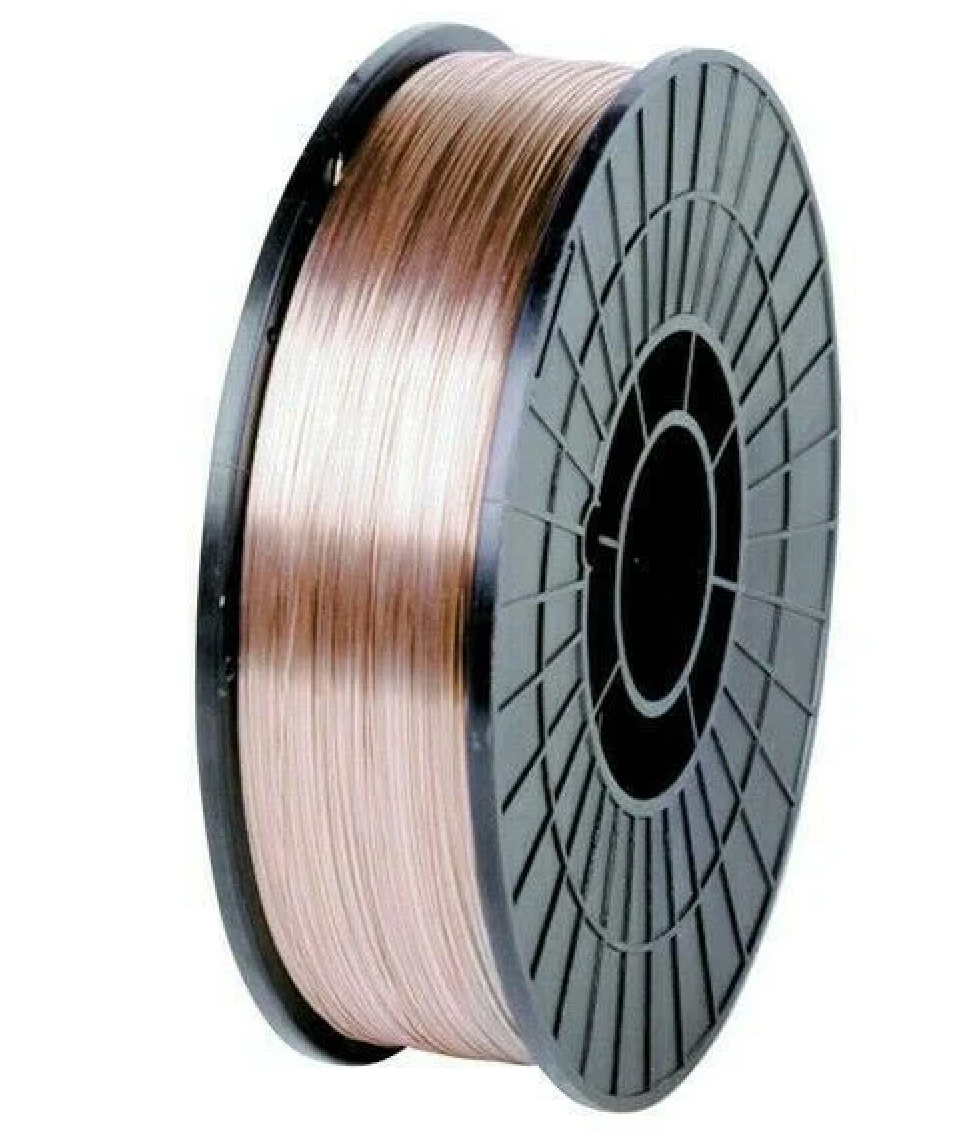
Tag: mild steel

  • ER70S-6 TIG / GTAW Filler Metal: Filler Metal Finder Notes

    ER70S-6 TIG / GTAW Filler Metal: Filler Metal Finder Notes

    ER70S-6 TIG / GTAW Filler Metal

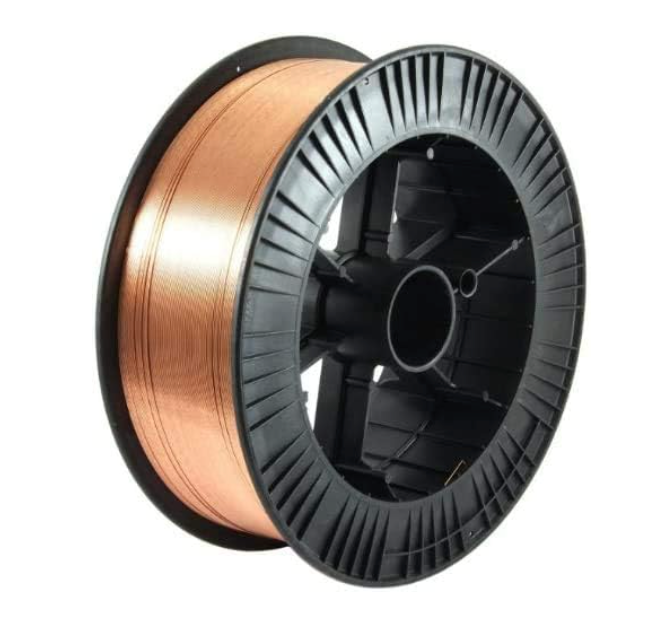
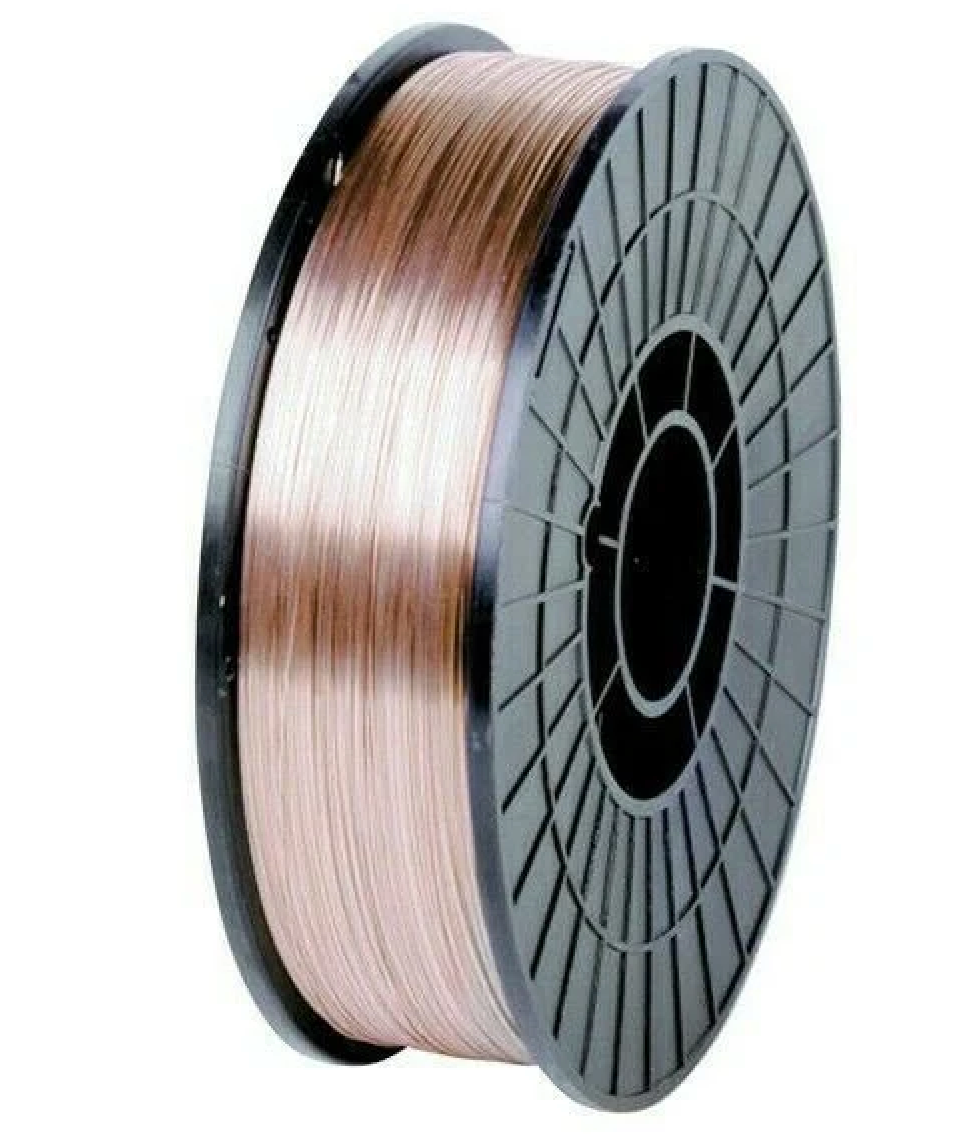
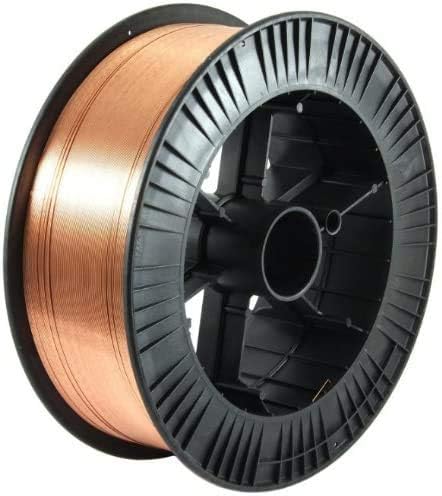
    ER70S-6 TIG / GTAW filler metal is a common starting point for carbon steel work, especially when the joint needs a filler with higher deoxidizer content than basic mild steel rod. For welders and buyers, the practical issue is not just whether ER70S-6 is listed on a page. The real question is whether it matches the WPS, the base metal, the joint condition, and the service requirements.

    This article is a support note, not procedure approval. Use the filler metal page as a selection starting point only. Confirm the welding procedure specification, code requirements, base metal grade, service conditions, and manufacturer data sheet before ordering or welding.

    Key Takeaways

    • ER70S-6 is a carbon steel TIG / GTAW filler metal used as a starting point for mild steel and carbon steel applications.
    • Higher silicon and manganese help with deoxidation, but that does not override WPS or code requirements.
    • Verify base metal identification before you choose rod size, heat input range, or shielding gas setup.
    • Do not assume a filler metal page is a procedure approval. It is a reference point, not a release to weld.
    • When details are not confirmed, record them as Unknown (Verify) and stop until the information is checked.

    What ER70S-6 Is Used For

    The allowed filler metal page identifies ER70S-6 as a carbon steel TIG / GTAW filler metal for mild steel and carbon steel. The page notes higher silicon and manganese deoxidizers, which is why ER70S-6 is often considered when fit-up is not perfect or when surface contamination is a concern. That said, the filler selection still depends on the job requirements. If the WPS calls for another classification, do not substitute without approval.

    Common support questions are usually about rod size, deposition, and whether the filler can be used on a particular base metal. Those answers cannot be assumed from the classification alone. Confirm the exact base metal grade, thickness, joint design, and service condition. If any of those are not known, mark them Unknown (Verify) and do not proceed until they are checked.

    Check, Inspect, Verify Before Welding

    • Check the WPS. Confirm that ER70S-6 is listed or allowed. If the WPS is unavailable, Unknown (Verify).
    • Inspect the base metal. Identify the steel grade, coating, rust, mill scale, oil, or moisture. Cleanliness affects puddle behavior and defect risk.
    • Verify service conditions. If the part sees impact, low temperature, pressure, or code-controlled service, the filler choice may change.
    • Confirm joint preparation. Root opening, land, and fit-up can affect whether the filler wets in properly.
    • Review shielding gas setup. The filler page does not provide a guaranteed gas recommendation. Use the WPS or manufacturer data sheet.
    • Match the rod size to the joint. Specific sizes shown on the product page should be checked directly before ordering. If size is not confirmed, Unknown (Verify).

    Troubleshooting and Support Checks

    If the weld is not flowing correctly, the first step is not to change filler metal blindly. Work through the basics.

    Poor puddle wetting

    • Check for surface contamination on the base metal.
    • Inspect tungsten condition and arc stability.
    • Verify that the gas coverage is adequate and not disturbed by drafts.
    • Confirm whether the filler wire is actually ER70S-6 and not another classification stored nearby.

    Excess spatter or dirty bead appearance

    • Inspect gas coverage and torch angle.
    • Check for oil, rust, or mill scale remaining on the joint.
    • Verify the amperage range against the WPS rather than adjusting by guesswork.

    Porosity

    • Inspect base metal cleanliness first.
    • Verify shielding gas flow and hose condition.
    • Check whether the filler rod has been exposed to contamination during handling or storage.
    • Confirm the service requirement. If the job has stricter acceptance criteria, Unknown (Verify) until reviewed.

    Filler Metal Finder Notes

    The WSP filler metal finder page is useful as a starting point when you are narrowing options by process and classification. Use it to locate the product page, then confirm all technical details on the product listing and manufacturer data sheet.

    Open the filler metal finder and treat the results as a selection aid, not a procedure approval. If the finder suggests ER70S-6, that only means the classification is a possible match for the job. The final decision still depends on the WPS, base metal grade, service conditions, and any code or customer requirements.

    For the specific filler metal page, review the listing here: ER70S-6 TIG / GTAW Filler Metal.

    How to Use This Page in Purchasing and Maintenance Work

    For a maintenance buyer, the key task is to avoid a false match. Classification alone does not guarantee that the rod is approved for a plant job. If the spec calls for a different AWS classification, a different diameter, or a different package size, do not substitute. If the purchasing request lacks the WPS number, part number, or rod size, request clarification before issuing the order.

    For a welding support team, document the following before release:

    • WPS number and revision
    • Base metal grade and thickness
    • Joint type and position
    • Shielding gas from the WPS or data sheet
    • Filler classification and size
    • Any code or customer restrictions

    If any one of those items is missing, mark it Unknown (Verify) and pause the job until the missing item is confirmed.

    Safety Notes

    • Follow the WPS, site safety rules, and hot work controls.
    • Use eye, hand, body, and respiratory protection as required for the task.
    • Do not weld on unknown alloys or coated material until identified and cleared.
    • Handle filler rods to avoid contamination from oil, dirt, and moisture.
    • If fumes, gas hazards, or confined space conditions are present, stop and apply the correct safety procedure before welding.

    FAQ

    Can I assume ER70S-6 is approved if the product page lists it?

    No. The product page is a reference point only. Verify the WPS, code requirements, base metal, and service conditions before using it.

    Is ER70S-6 the same as ER70S-2?

    No. They are different filler classifications. Do not swap them without checking the WPS and manufacturer data. If the document does not identify the required filler, Unknown (Verify).

    What should I confirm before ordering rod for a repair job?

    Confirm the WPS number, base metal grade, rod diameter, shielding gas, and any code or customer restrictions. If any detail is missing, stop and verify it first.

    What if the base metal is only described as “mild steel”?

    That is not enough for final selection in many cases. Confirm the exact grade and service condition before choosing filler metal.

    Sources Checked

    Note: This page is intended as a support reference. It does not replace WPS review, manufacturer literature, or code compliance checks.

    Disclosure: As an Amazon Associate, Weld Support Parts may earn from qualifying purchases.

  • ER70S-2 TIG / GTAW Filler Metal: Filler Metal Finder Notes

    ER70S-2 TIG / GTAW Filler Metal: Filler Metal Finder Notes

    ER70S-2 TIG / GTAW Filler Metal

    ER70S-2 TIG / GTAW filler metal is a common starting point for mild steel, carbon steel, and many general repair jobs. It is used where a deoxidized TIG rod is helpful and where clean, controlled filler deposition matters. That does not make it a universal choice. Before you order wire or strike an arc, confirm the WPS, code requirements, base metal grade, and service conditions. If those points are not clear, the correct answer is to verify, not assume.

    Key Takeaways

    • ER70S-2 is a common deoxidized TIG/GTAW filler metal for mild steel and many fabrication repairs.
    • Use the filler metal finder page as a starting point only. It does not replace the WPS or manufacturer data sheet.
    • Match the filler to the base metal, joint design, and service requirement before welding.
    • When in doubt on material grade or duty, stop and verify the application instead of selecting by habit.

    What the Finder Page Is Good For

    The ER70S-2 TIG / GTAW filler metal page is useful as a selection starting point. It helps a buyer or welder narrow the conversation to a common filler metal family before checking the actual job requirements. It is not a guarantee of code approval, strength match, or service suitability.

    Use the page to confirm the general classification, then cross-check the job against the WPS, print, or repair instruction. If the job is tied to a code, procedure qualification, or customer requirement, the procedure governs. If the job is non-code but critical, use the manufacturer data sheet and internal quality rules before buying filler.

    Practical Support Checks Before You Weld

    1) Check the base metal

    • Identify the material as precisely as possible.
    • Confirm whether it is mild steel, carbon steel, or a higher-strength alloy such as 4130 used in a starting-point application.
    • If the grade is uncertain, stop and verify the material test report, print, stamping, or material record.

    2) Inspect the joint and condition

    • Clean the weld zone to remove rust, oil, paint, scale, and moisture.
    • Inspect the fit-up and root opening.
    • Verify that the joint access supports stable torch angle and filler control.

    3) Verify the process setup

    • Confirm the work is actually TIG/GTAW and not another process that calls for a different filler format.
    • Check shielding gas, torch condition, tungsten condition, and ground connection.
    • Verify that the filler rod size matches the puddle control needed for the joint. Common sizes may include 1/16 in, 3/32 in, and 1/8 in, but the correct size for your job is Unknown (Verify) unless the WPS or job instruction states it.

    Troubleshooting Common Support Questions

    If the arc is unstable

    • Check gas flow, leaks, and cup condition.
    • Inspect tungsten preparation and contamination.
    • Verify that the work clamp is clean and secure.

    If the bead looks dirty or porous

    • Inspect surface preparation first.
    • Verify shielding coverage and torch angle.
    • Check for draft, moisture, or contaminated filler rod.

    If the filler does not seem to wet in correctly

    • Verify base metal identity and heat input.
    • Inspect joint cleanliness and gap control.
    • Check whether the filler choice is actually correct for the alloy or repair duty.

    When ER70S-2 Is a Reasonable Starting Point

    This filler metal is often considered for mild steel and carbon steel repair or fabrication where a deoxidized TIG rod is useful. It may also come up in 4130 starting-point TIG work, but that application is not automatic. Service conditions, heat treatment expectations, and code rules can change the answer. Do not treat general suitability notes as approval for every job.

    If a repair involves load, pressure, fatigue, cyclic service, elevated temperature, or postweld heat treatment, verify the procedure before purchase. The job may require a different ER70S family, a different strength level, or a different alloy classification entirely.

    Filler Metal Selection Support

    Use the WSP filler metal finder to compare general filler categories and narrow the field. Treat it as a support tool, not as a final engineering decision. If the job site has a WPS, that document controls the selection. If the job has no WPS, the responsibility shifts to verifying base metal, service need, and accepted shop practice.

    Practical rule: if you cannot explain why ER70S-2 is being selected for the job, you do not have enough information yet. Check the base material, service condition, and inspection requirement before ordering.

    Safety Notes

    • Follow hot work controls and local fire prevention rules.
    • Use proper eye, hand, and body protection for GTAW.
    • Ventilate the work area and control fumes.
    • Do not weld on unknown material without verification.
    • Do not rely on filler color, package appearance, or habit as proof of suitability.

    FAQ

    Is ER70S-2 a universal TIG rod for carbon steel?

    No. It is a common starting point for mild steel and many carbon steel jobs, but the correct choice depends on the WPS, base metal grade, and service requirements.

    Can I use the filler metal finder page as procedure approval?

    No. The finder page is a support tool for narrowing selection. It does not replace code requirements, qualification records, or manufacturer documentation.

    What should I verify before buying ER70S-2?

    Verify the base metal, process, joint type, service conditions, and the required filler size. Also verify whether the job calls for another classification such as a different strength or alloy level.

    What if the material grade is unknown?

    Stop and verify. Use material records, stamping, drawings, or test methods as required by your shop or customer rules. Unknown material should not be treated as an approved weldable base metal without confirmation.

    Sources Checked

    Note: This article is a support reference only. Confirm the WPS, code requirements, base metal grade, service conditions, and manufacturer data sheet before ordering or welding.

    Disclosure: As an Amazon Associate, Weld Support Parts may earn from qualifying purchases.

  • Washington Alloy 33 Lb. Spool Mig Welding Wire 80S-D2 Mild Steel (.045 X 33 lb.): Product Breakdown

    Washington Alloy 33 Lb. Spool Mig Welding Wire 80S-D2 Mild Steel (.045 X 33 lb.): Product Breakdown

    Product not found.
    “>Washington Alloy 33 Lb. Spool Mig Welding Wire 80S-D2 Mild Steel (.045 X 33 lb.)

    Washington Alloy 33 Lb. Spool Mig Welding Wire 80S-D2 Mild Steel (.045 X 33 lb.) is a solid MIG wire aimed at joining and buildup work on mild steel and some low alloy steels. The product description identifies it as 80S-D2 wire and notes use on problem steels, including material with higher sulfur content and certain carbon and low alloy Cr-Mo base metals. Treat that description as a starting point, not a procedure approval. Final suitability depends on the base metal, joint design, shielding gas, welding position, and code or customer requirements.

    If you are buying wire for production, maintenance, or repair work, the first question is not spool size. It is whether the filler metal matches the job. Check the work order, the base metal identification, and the required weld properties before loading the gun.

    Key Takeaways

    • 80S-D2 is described as a low alloy solid MIG wire for mild steel and select low alloy steels.
    • The product description points to higher strength output, stable arc, low spatter, and a flat bead profile.
    • .045 in. wire is a common production diameter, but machine settings and feed system capacity must be verified.
    • Do not assume this wire is approved for every carbon or Cr-Mo repair. Verify the procedure first.
    • When the job is critical, confirm weld procedure, shielding gas, and mechanical property targets before welding.

    What This Wire Is Intended For

    Based on the supplied product information, this wire is meant for general welding on mild steel and low alloy steels where a stronger deposit is desired than a basic mild steel filler may provide. The description also mentions good arc stability and low spatter. That can help in production work, but only if the machine, drive rolls, liner, and gas coverage are set correctly.

    Use the product page as the primary reference for the seller’s intended use:

    Washington Alloy 33 Lb. Spool Mig Welding Wire 80S-D2 Mild Steel (.045 X 33 lb.)

    Washington Alloy 33 Lb. Spool Mig Welding Wire 80S-D2 Mild Steel (.045 X 33 lb.)

    80S-D2 is a low alloy designed to produce high strengths on a wide range of base metals such as problem steels containing high sulfur to the basic carbon and low alloy Cr-Mo base metals. Its silicon level with molybdenum and manganese gives you excellent arc stability, low spatter, yielding a flat bead with excellent impact values and high ductile tensile strengths in the 100,000 psi range. 80S-D2 produces X-ray q…

    View at Arc Weld Store

    Where It May Fit in the Shop

    Typical decision points for a shop buyer or lead welder include maintenance welds, fabrication on mild steel structures, repair work on unknown or mixed-condition carbon steel, and selected low alloy applications. That said, “problem steels” is a broad label. It does not replace material verification. If the base metal is unknown, suspect, or heat-treated, inspect the job requirements before choosing wire.

    Troubleshooting and Support Checks

    When a weld does not look right, work through the system in order.

    1) Check the base metal

    • Check: Is the base metal mild steel, low alloy steel, or something else?
    • Inspect: Look for mill scale, rust, oil, galvanizing, coatings, or prior repairs.
    • Verify: Confirm the material spec or job ticket before assuming 80S-D2 is appropriate.

    2) Check the procedure

    • Check: Is there a WPS or repair instruction for this joint?
    • Inspect: Confirm joint type, thickness, position, and preheat requirements if any are listed.
    • Verify: Do not use this article or the product description as procedure approval. Unknown (Verify).

    3) Check the machine and feed path

    • Check: Is the feeder sized and set up for .045 wire?
    • Inspect: Look at drive roll type, liner condition, contact tip wear, and spool tension.
    • Verify: Wire feed must be smooth and consistent before production welding starts.

    4) Check shielding gas and coverage

    • Check: Is the gas type set for the wire and procedure being used?
    • Inspect: Leaks, flow restriction, loose fittings, damaged nozzles, and excessive stickout.
    • Verify: Gas selection is not provided in the source data. Unknown (Verify).

    5) Check weld appearance

    • Check: Does the bead show excessive spatter, undercut, porosity, or poor tie-in?
    • Inspect: Travel speed, voltage, wire feed speed, and gun angle.
    • Verify: If defects continue, stop and correct the root cause before continuing.

    Selection Notes for Buyers

    For purchasing, the main value of a wire like this is its application range and the expected deposit behavior. The supplied description claims strong mechanical performance in the 100,000 psi range and good impact values, but those statements should be treated as manufacturer or seller claims unless your own procedure, test report, or spec sheet confirms them. Unknown (Verify).

    Also verify spool handling details before ordering. The product title lists a 33 lb. spool and .045 diameter, but any other machine compatibility details are not provided here. Unknown (Verify).

    How to Use Internal Guidance Pages

    If you are still deciding between filler metals, use the Weld Support Parts blog library as a selection aid. These pages help compare wire families and identify likely candidates, but they are not guaranteed approvals for your job.

    Use these pages to compare wire families, then verify against the job spec. Selection aid only. Not procedure approval.

    Safety Notes

    • Ventilation matters. Fume control is required for MIG welding operations.
    • Clean the work area before welding to reduce spatter ignition and contaminant-related porosity.
    • Wear appropriate eye, hand, body, and hearing protection.
    • Do not weld on unknown plated, coated, or contaminated material without verifying the hazard.
    • Follow shop lockout, hot work, and fire watch rules where required.

    FAQ

    Is Washington Alloy 80S-D2 the same as a basic ER70S-6 wire?

    No. The product is identified as 80S-D2, which is a different filler metal designation from ER70S-6. Compare the job requirements before choosing between them.

    Can I use this wire on any mild steel repair?

    No. Base metal condition, thickness, joint design, shielding gas, and procedure requirements all matter. Verify the repair specification first.

    Does the product description guarantee high-strength welds?

    No. The description claims high-strength performance, but actual results depend on procedure, machine setup, and base metal. Unknown (Verify).

    Is .045 in. wire always the right size for production work?

    No. Wire diameter must match the welding machine, feeder, transfer mode, and part thickness. Verify the setup before use.

    Sources Checked

    • Washington Alloy 33 Lb. Spool Mig Welding Wire 80S-D2 Mild Steel (.045 X 33 lb.) product page:
      Product not found.
    • Weld Support Parts internal article: Blue Demon ER70S-6 Mild Steel MIG Welding Wire (ER70S-6)
    • Weld Support Parts internal article: E70S-6 Solid MIG Wire vs E71T-1 Flux Core Wire
    • Weld Support Parts internal article: Best MIG Wire for Stainless Steel (ER308L vs ER309L)

    Related Weld Support Guides

  • ER70S-7 MIG / GMAW Filler Metal: Filler Metal Finder Notes

    ER70S-7 MIG / GMAW Filler Metal: Filler Metal Finder Notes

    ER70S-7 MIG / GMAW Filler Metal

    ER70S-7 MIG / GMAW filler metal is a solid wire option used on carbon steel and mild steel applications where extra deoxidizers may help with less-than-perfect surface condition. Treat it as a starting point only. Before ordering or welding, verify the WPS, code requirements, base metal grade, service conditions, and the manufacturer data sheet.

    Key Takeaways

    • ER70S-7 is a MIG / GMAW solid wire classification for carbon steel work.
    • It is often considered when the joint condition is not ideal and extra deoxidizers may be useful.
    • Do not use the classification alone as approval for a weld procedure.
    • Check the WPS, base metal, shielding gas, and wire diameter before setup.
    • If any technical detail is unclear, mark it as Unknown (Verify) and confirm it before release to production.

    What the filler metal finder page is for

    The ER70S-7 MIG / GMAW Filler Metal page is a selection starting point. It helps narrow the classification and common use case, but it does not guarantee procedure approval, code compliance, or fit for a specific job. Use it to begin the review, then verify the rest against your welding documentation and material controls.

    How to verify fit before welding

    Use a simple check sequence before the first arc.

    • Check the WPS: Confirm the procedure lists ER70S-7 or allows an equivalent classification. If the WPS is missing, stop and obtain it.
    • Inspect the base metal: Verify the base material grade, thickness, and joint design. If the grade is not confirmed, record it as Unknown (Verify).
    • Verify service conditions: Confirm whether the weld is for general fabrication, repair, structural work, or another service. Service exposure may change filler metal acceptability.
    • Inspect surface condition: Look for mill scale, rust, oil, moisture, paint, or shop contamination. ER70S-7 may be helpful in less-than-perfect surface condition, but it is not a substitute for cleaning.
    • Verify shielding gas: Check the gas type required by the WPS and wire manufacturer data sheet. If not documented, treat it as Unknown (Verify).
    • Confirm wire diameter: Common search terms include .030 in, .035 in, and .045 in, but do not assume any size is approved for your job. Verify the actual diameter allowed by procedure and feeder setup.

    Troubleshooting support checks

    If the weld does not run as expected, use a sequence that separates machine issues from material issues.

    1) Arc instability

    • Check contact tip size and condition.
    • Inspect wire feed path for blockage, liner wear, or drive roll slippage.
    • Verify shielding gas flow at the nozzle.
    • Confirm polarity and machine settings against the WPS.

    2) Excessive spatter

    • Check voltage and wire feed speed.
    • Inspect stickout length and gun angle.
    • Verify the work surface is clean enough for the selected wire.
    • Confirm the wire classification matches the application, not just the machine setting.

    3) Porosity or surface contamination

    • Inspect the joint for moisture, oil, rust, paint, and scale.
    • Check shielding gas coverage and leaks.
    • Verify the base metal condition before welding starts.
    • If contamination persists, stop and clean the joint rather than increasing heat to compensate.

    Selection notes for maintenance buyers and support teams

    For purchasing and stock review, ER70S-7 should be treated as one option within a controlled filler metal list. Do not assume it replaces ER70S-6, and do not assume it is interchangeable without procedure review. For shop support, keep the following records aligned:

    • wire classification
    • wire diameter
    • shielding gas requirement
    • WPS number or repair instruction
    • base metal grade
    • heat input or preheat limits, if applicable

    If any one of those points is missing, the correct status is Unknown (Verify).

    Practical check before release to production

    1. Verify the job traveler or WPS references ER70S-7 or an approved equivalent.
    2. Inspect the wire label and lot information before loading the feeder.
    3. Check that the gas bottle, regulator, and hoses match the required setup.
    4. Verify the coupon or first article weld meets the project criteria.
    5. Document any repairs, changes, or deviations before continuing production.

    Safety notes

    • Follow shop ventilation and fume control requirements.
    • Keep the work area dry and free from flammables.
    • Do not weld on unknown material without confirming the base metal and service condition.
    • Wear the proper PPE for MIG / GMAW work, including eye, face, hand, and body protection.
    • Do not rely on filler metal selection alone to solve fit-up, contamination, or machine setup problems.

    FAQ

    Is ER70S-7 the same as ER70S-6?

    No. They are different classifications. Do not assume interchangeability. Verify the WPS and manufacturer data sheet before substitution.

    Can ER70S-7 be used on dirty or scaled steel?

    It is often considered when extra deoxidizers may help with less-than-perfect surface condition, but it is not a substitute for cleaning. Inspect the joint and clean it as needed before welding.

    What wire diameter should I stock?

    Unknown (Verify). Common search terms include .030 in, .035 in, and .045 in, but the correct size depends on the WPS, machine setup, and job requirements.

    Does the filler metal page approve a weld procedure?

    No. The filler metal page is a starting point for selection only. Procedure approval still depends on the WPS, base metal, service conditions, and code requirements.

    Sources Checked

    Note: No additional product, price, certification, or compatibility claims were used. Any technical point not confirmed in the provided source material should be treated as Unknown (Verify).

    Disclosure: As an Amazon Associate, Weld Support Parts may earn from qualifying purchases.

  • ER70S-6 MIG / GMAW Filler Metal: Filler Metal Finder Notes

    ER70S-6 MIG / GMAW Filler Metal: Filler Metal Finder Notes

    ER70S-6 MIG / GMAW Filler Metal

    ER70S-6 MIG / GMAW filler metal is a common starting point for mild steel and carbon steel fabrication, repair, and general shop work. It is widely used because it supports routine production welding and maintenance work where good fit-up, practical deposition, and broad application matter. That said, the filler wire is only one part of the weld package. Final selection still depends on the WPS, base metal, service condition, joint design, shielding gas, and any code or customer requirements.

    Use the WSP filler metal page and the filler metal finder as selection references, not as automatic procedure approval. The product page for ER70S-6 MIG / GMAW Filler Metal and the filler metal finder are starting points for narrowing the choice. They do not replace a qualified WPS or manufacturer data sheet.

    Key Takeaways

    • ER70S-6 is a general-purpose solid wire for MIG / GMAW on mild steel and carbon steel.
    • Do not treat a filler metal listing as proof of WPS compliance.
    • Verify base metal grade, thickness, service environment, and shielding gas before ordering wire.
    • Match wire diameter to the application and the procedure. Common sizes may include .023 in, .030 in, .035 in, and .045 in, but the correct size is procedure-dependent and may be Unknown (Verify).
    • For critical work, confirm code requirements and manufacturer data sheets before welding.

    How to Use ER70S-6 as a Starting Point

    ER70S-6 is often selected when the job calls for a dependable solid wire for shop fabrication, repair work, and general maintenance on carbon steel. It is often considered alongside ER70S-3 and ER70S-2 during selection, but the right choice depends on cleaning level, deposition needs, and the procedure in use. Do not assume a wire works because it is common. Check the actual base metal and the weld requirement first.

    Check: the base material identification, thickness, and any drawing notes.
    Inspect: the joint condition, contamination, rust, mill scale, primer, and moisture.
    Verify: the WPS, shielding gas, polarity, and wire diameter before loading the feeder.

    Troubleshooting and Support Checks

    If the arc is unstable, the weld bead profile is inconsistent, or spatter is higher than expected, do not assume the wire is wrong. Start with the setup and consumable path.

    Check the gun liner, contact tip, drive roll tension, and wire feed path for drag or birdnesting risk.
    Inspect the shielding gas delivery, flow settings, leaks, and nozzle condition.
    Verify the wire diameter matches the drive roll groove, contact tip, and procedure requirements.

    If porosity appears, the first checks should be gas coverage, surface contamination, and stickout. If there is excessive spatter, review voltage, wire feed speed, inductance if available, and whether the wire is being used within the intended procedure. If fusion is poor, verify travel speed, work angle, joint prep, and heat input settings. These are support checks, not guaranteed fixes. Unknown (Verify) details should be confirmed against the WPS and the manufacturer data sheet.

    Filler Metal Finder Notes

    The filler metal finder is useful when the team is sorting through options for mild steel and carbon steel work. Treat it as a filtering tool. Start with the process, classification, and base metal family, then narrow by job requirement. The finder can help reduce guesswork, but it cannot approve a weld procedure.

    Use these practical selection questions:

    • Is the job MIG / GMAW and solid wire is allowed by the WPS?
    • Is the base metal mild steel or carbon steel?
    • Does the service condition require a different filler or higher control?
    • What diameter is called out, or what size is permitted by the procedure?
    • Is the shielding gas specified, or is it Unknown (Verify)?

    If any answer is unclear, stop and verify before purchase. A common wire selection can still be wrong for the application if the service environment, code, or procedure is not matched.

    Ordering and Setup Checklist

    Before you order or load ER70S-6 wire, run this basic check sequence:

    • Check the WPS number and revision.
    • Inspect the base metal marking, mill certs, or job traveler if available.
    • Verify that the shielding gas, polarity, and wire diameter are compatible with the procedure.
    • Check spool size and feeder capacity for the job volume.
    • Inspect storage conditions to reduce moisture and contamination risk.

    If the documentation is incomplete, the technical answer is not to guess. Mark the missing data as Unknown (Verify) and confirm it through the welder, supervisor, engineer, or manufacturer data sheet.

    Safety Notes

    Welding safety still applies when using a standard mild-steel solid wire. Keep the work area ventilated, protect against arc radiation, and control fumes generated by base metal, coatings, and contamination. Remove flammables from the weld area and use correct PPE. Verify local procedures for hot work, cylinder handling, and shop ventilation. If the job involves coated, painted, plated, or dirty steel, the fume and cleanup risk may be higher than expected.

    FAQ

    Is ER70S-6 a universal choice for all MIG welding?
    No. It is a common starting point for mild steel and carbon steel, but the final choice depends on the WPS, base metal, service conditions, and code requirements.

    Can I use the filler metal page as proof of procedure approval?
    No. The filler metal page is a selection reference only. Confirm the WPS and manufacturer data before welding.

    What wire diameter should I buy?
    Use the diameter listed by the procedure or job requirement. Common sizes may include .023 in, .030 in, .035 in, and .045 in, but the correct size for a given job may be Unknown (Verify) until the WPS is checked.

    What should I verify before troubleshooting weld defects?
    Verify gas delivery, base metal condition, contact tip condition, wire feed path, polarity, and the weld settings before assuming the filler wire is the root cause.

    Sources Checked

    Final note: use the product page and the finder as support tools, then verify the job requirements before ordering or welding. When in doubt, stop and confirm the WPS, base metal, and manufacturer data sheet.

    Disclosure: As an Amazon Associate, Weld Support Parts may earn from qualifying purchases.

  • ER70S-2 MIG / GMAW Filler Metal: Filler Metal Finder Notes

    ER70S-2 MIG / GMAW Filler Metal: Filler Metal Finder Notes

    ER70S-2 MIG / GMAW Filler Metal

    ER70S-2 MIG / GMAW filler metal is a solid carbon steel wire used as a forgiving starting point for mild steel and general carbon steel work. It is commonly considered when fit-up is not perfect, mill scale is present, or surface condition is less than ideal. That said, it is not a substitute for the weld procedure specification. Before ordering wire or striking an arc, verify the WPS, code requirements, base metal grade, service conditions, and the manufacturer data sheet.

    Key Takeaways

    • ER70S-2 is a solid wire for MIG / GMAW carbon steel applications.
    • Use the filler metal page as a selection starting point only, not a procedure approval.
    • Confirm base metal, joint design, shielding gas, and wire diameter with the WPS.
    • When fit-up or surface condition is questionable, inspect the joint before you assume the wire will solve the problem.
    • If a requirement is unclear, mark it as Unknown (Verify) and check the governing document.

    What the Filler Metal Finder Page Does

    The ER70S-2 MIG / GMAW filler metal page and the filler metal finder are useful starting points for narrowing a wire choice. They help you move from a general application to a candidate filler metal, but they do not replace the WPS, engineer approval, or code review.

    For this wire, the known basics are limited to the following: classification ER70S-2, AWS specification AWS A5.18, process MIG / GMAW, and intended use on mild steel and carbon steel. Any other detail such as recommended gas mix, weld position limits, current range, or diameter selection must be verified from the actual manufacturer data sheet or the project WPS. If that data is not available, record it as Unknown (Verify).

    Practical Selection Checks

    Use these checks before you put ER70S-2 into service:

    1. Check the WPS. Verify that solid wire carbon steel filler is allowed for the joint and material group.
    2. Inspect the base metal. Confirm the parent metal is mild steel or carbon steel as expected.
    3. Verify service conditions. If the part sees low temperature, pressure, fatigue, or code-controlled service, do not assume this wire is acceptable without review.
    4. Inspect joint prep. Look for rust, oil, paint, heavy scale, moisture, and dimensional mismatch.
    5. Verify shielding gas. Do not guess. The correct gas and flow settings are Unknown (Verify) unless the WPS and manufacturer sheet state them.
    6. Confirm wire diameter. Common sizes may exist, but use only the diameter specified for the job. If not specified, Unknown (Verify).

    Troubleshooting and Support

    If weld quality is inconsistent, work through the problem in order. Do not start by changing wire type unless the procedure allows it.

    1. Verify the joint condition

    • Inspect for contamination on both sides of the joint.
    • Verify that loose mill scale, rust, and paint are removed to the level required by the WPS.
    • Check root opening, land, and fit-up consistency.

    Poor joint condition often looks like a wire problem when it is actually a preparation problem.

    2. Verify the machine setup

    • Check wire feed consistency and drive roll condition.
    • Inspect liner wear, tip wear, and contact tip size.
    • Verify polarity and gas delivery against the WPS. If not stated, Unknown (Verify).

    Erratic feed can cause stubbing, spatter, and poor bead appearance. Do not treat these symptoms as proof that ER70S-2 is the wrong filler.

    3. Verify the weld outcome

    • Inspect bead profile, tie-in, and edge wetting.
    • Check for undercut, porosity, and visible lack of fusion.
    • Verify that the finished weld meets the acceptance criteria for the job.

    If defects repeat, stop and compare the actual setup to the WPS line by line.

    How to Use This Page in Purchasing

    For maintenance buyers and welding support teams, the right workflow is simple: identify the application, pull the WPS, confirm the filler classification, and then compare the wire page to the manufacturer documentation. The filler metal finder page narrows the field, but it does not authorize substitution by itself.

    When a detail is missing from the job packet, do not fill the gap with assumptions. Record the missing item as Unknown (Verify) and request the source document. That includes shielding gas, wire diameter, polarity, and any approval for out-of-position or restricted-service work.

    Safety Notes

    • Follow the WPS and site safety rules before welding.
    • Use ventilation, fume control, and appropriate PPE.
    • Do not weld on unknown or unverified base metal without clearance.
    • Handle wire spools carefully to avoid contamination and damage.
    • If the weld is for code work, pressure work, or critical service, verify the procedure and inspection plan first.

    FAQ

    Is ER70S-2 the same as ER70S-6?

    No. They are different classifications. If either can be used on a job, that must come from the WPS or engineering direction, not from assumption.

    Can I use ER70S-2 on rusty steel?

    It may be considered when fit-up or surface condition is less than ideal, but that does not mean dirty steel is acceptable. Clean the joint to the required level and verify the WPS. If the required prep is unclear, Unknown (Verify).

    What shielding gas should I use?

    Unknown (Verify) unless the WPS or manufacturer data sheet states it. Do not guess gas type or flow rate.

    Can I select wire from the filler metal finder without a WPS?

    No. Use the finder page only as a starting point. It helps identify a likely filler family, but it does not replace procedure approval or code compliance.

    Sources Checked

    Reviewed details were limited to the provided WSP pages and the information supplied in the draft brief. Any unlisted technical detail remains Unknown (Verify).

    Disclosure: As an Amazon Associate, Weld Support Parts may earn from qualifying purchases.

  • How to Choose TIG Tungsten for Mild Steel and Stainless

    How to Choose TIG Tungsten for Mild Steel and Stainless

    Stainless Steel GTAW (Tig Welding)

    Choosing the right tungsten for TIG welding is mostly about matching the electrode to the job, the machine, and the material condition. For mild steel and stainless steel, the goal is stable arc starts, controlled heat input, and a clean puddle without unnecessary contamination. The wrong tungsten can still make a weld, but it usually makes setup harder and increases rework.

    This guide focuses on tig tungsten selection for mild steel and stainless steel. It covers tungsten type, diameter, and basic inspection steps. Where exact compatibility depends on your power source or process setup, treat it as Unknown (Verify) and confirm in the machine manual, electrode packaging, or your welding procedure.

    Key Takeaways

    • Use tungsten type based on current mode, arc stability needs, and machine recommendations.
    • Diameter should match amperage demand and electrode extension, not guesswork.
    • Mild steel and stainless steel usually use similar TIG setup principles, but joint condition and heat control matter more on stainless.
    • Check tip condition before every job. A contaminated or overheated tungsten causes poor starts and arc wander.
    • Verify the exact tungsten classification and diameter against your equipment and procedure before production welding.

    Start With the Base Metal and Power Source

    For mild steel and stainless steel, TIG tungsten selection usually begins with the welding current type and the electrode behavior you want. The work material matters, but the machine and polarity matter more. If your setup is AC, DCEN, pulsed TIG, or inverter-based, the ideal tungsten can change. Exact machine compatibility is Unknown (Verify) unless your equipment manual says otherwise.

    For steel and stainless, most buyers are looking for a tungsten that starts clean, holds a point well, and resists excessive balling or tip breakdown under the expected amperage. If the joint is thin and the operator needs precise control, a smaller diameter and a properly prepared tip are often easier to manage. If the amperage is higher, choose a larger diameter that can carry the load without overheating.

    How to Choose Tungsten Type

    Do not choose by color alone. Color codes and alloy content vary by supplier, and relying on color without checking the label is a common error. Verify the actual electrode type printed on the package.

    • Pure tungsten: May be used in some AC applications. For mild steel and stainless on DC, this is usually not the first choice. Verify against your procedure.
    • Thoriated tungsten: Traditionally used for DC TIG because it can provide strong arc starts and tip retention. However, handling and grinding dust safety concerns apply. Follow site safety rules and verify whether it is permitted in your shop.
    • Ceriated tungsten: Commonly used for lower-amp starting and general-purpose TIG work. Exact performance depends on the power source. Verify with your procedure.
    • Lanthanated tungsten: Often selected for stable starts and broad usability. Specific grades and current ranges are Unknown (Verify) unless identified by the supplier and machine manual.

    For mild steel and stainless, many shops prefer a general-purpose DC tungsten that starts clean and stays stable under normal amperage. If you are unsure which tungsten family your procedure requires, verify the WPS, the machine manual, and the filler/consumable guide before welding.

    Choose Diameter by Amperage and Control

    Diameter selection is practical, not theoretical. A tungsten that is too small overheats, degrades the tip, and contaminates the weld. A tungsten that is too large can be harder to start and less responsive at low amperage.

    Use these checks:

    • Check the target amperage range. If the job calls for low current and fine control, start with a smaller diameter. If the current is moderate to high, step up the diameter.
    • Inspect the joint thickness. Thin material usually needs tighter heat control. Thicker material may justify a larger electrode.
    • Verify stickout and gas coverage. Excessive stickout increases contamination risk and may require better shielding or a different setup.
    • Check the cup size and torch body. Torch limitations can make a large tungsten impractical in tight areas.

    Exact diameter-to-amperage charts vary by manufacturer and process. If you do not have a current chart from the tungsten supplier or your procedure, use Unknown (Verify) and confirm before production use.

    Troubleshooting: When the Tungsten Is Not Working

    If the arc is unstable, do not assume the tungsten is the only problem. Work through the setup methodically.

    Check

    • Check whether the tungsten tip matches the current type and joint requirement.
    • Check for contamination from touching the puddle, filler rod, or filler dust.
    • Check shielding gas flow, cup condition, and gas lens condition if used.
    • Check whether the grind marks run lengthwise, not around the electrode.

    Inspect

    • Inspect the tip for balling, flat spots, or a dull overheated end.
    • Inspect the collet and back cap for poor clamping or overheating.
    • Inspect the arc start quality. Hard starts can indicate tip prep or machine issue.
    • Inspect the weld surface for discoloration that suggests shielding gas problems.

    Verify

    WSP Lookup Reference

    For stainless TIG wire selection context and related GTAW support content, review the WSP lookup page: Stainless Steel GTAW (Tig Welding). This page is useful as a supporting reference for stainless process planning, but it does not replace your WPS or machine documentation.

    Safety Notes

    • Do not grind or handle tungsten dust without shop-approved dust control and PPE.
    • Follow site rules for thoriated tungsten, if used. Dust inhalation risk and disposal requirements may apply.
    • Keep the torch de-energized when changing tungsten.
    • Use proper eye protection during grinding and arc starting.
    • Verify ventilation, shielding gas supply, and fire controls before welding stainless or mild steel.

    FAQ

    What tungsten type is best for mild steel and stainless?

    There is no single best answer without the procedure. Many shops use a general-purpose DC tungsten with good arc-start behavior. Exact preference is Unknown (Verify) until you confirm the machine, polarity, and WPS.

    Should I use the same tungsten for mild steel and stainless?

    Often, yes, if the amperage range and machine setup are similar. But do not assume. Verify your procedure, especially if the work includes thin stainless, pulsed TIG, or tight cosmetic requirements.

    How do I know if my tungsten diameter is too small?

    Signs include overheating, rapid tip erosion, arc instability, and frequent contamination. Check the amperage demand first, then verify whether the diameter is undersized for the job.

    Can I use a blunt tip instead of a sharp point?

    Tip geometry depends on current type and machine setup. For many DC TIG jobs, a controlled point is preferred. Exact geometry is Unknown (Verify) unless your procedure specifies it.

    Sources Checked

    Before buying or loading tungsten, confirm the electrode type, diameter, and current setup against the machine manual and welding procedure. That is the fastest way to avoid contamination, unstable starts, and unnecessary grind time.

    Related Weld Support Guides

  • Read with Kindle Unlimited