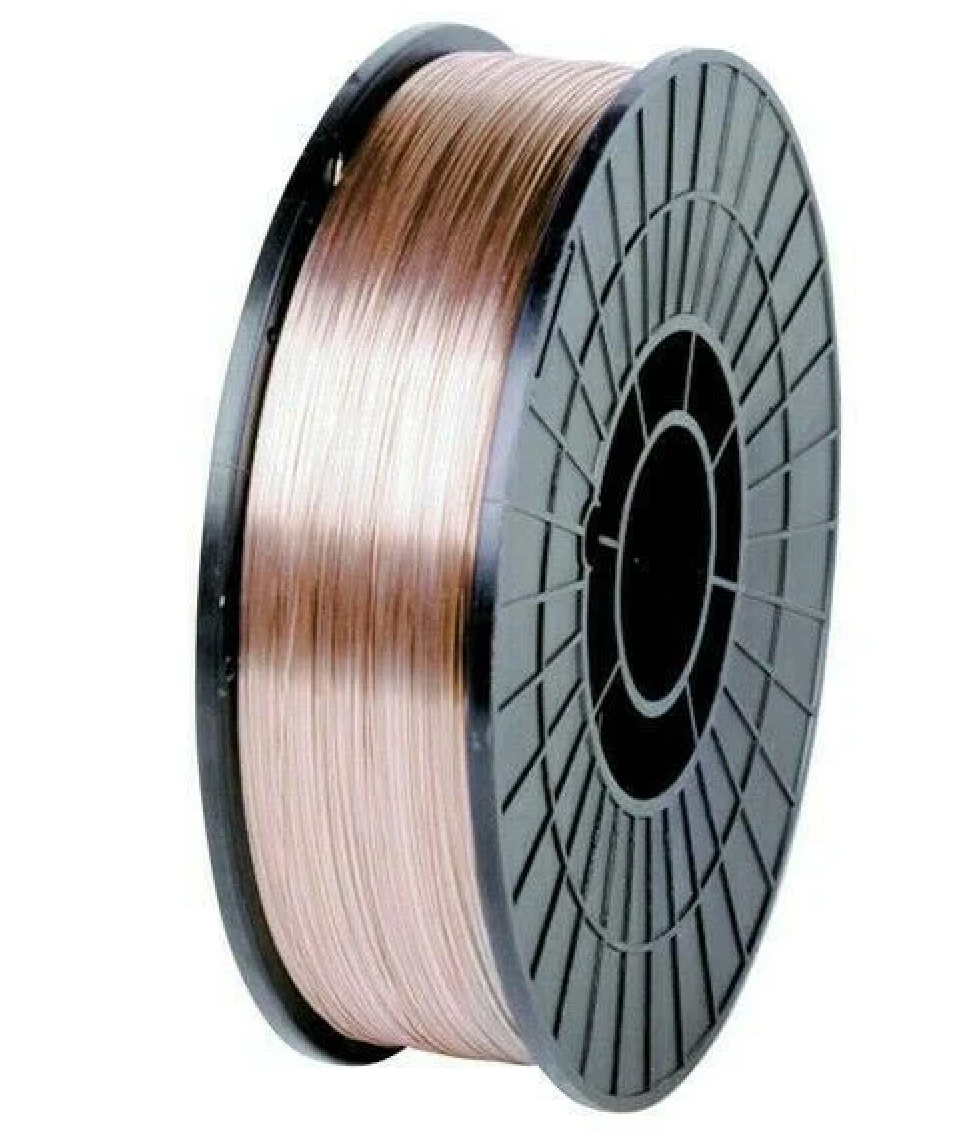
Tag: ER70S-2

  • ER70S-2 TIG / GTAW Filler Metal: Filler Metal Finder Notes

    ER70S-2 TIG / GTAW Filler Metal: Filler Metal Finder Notes

    ER70S-2 TIG / GTAW Filler Metal

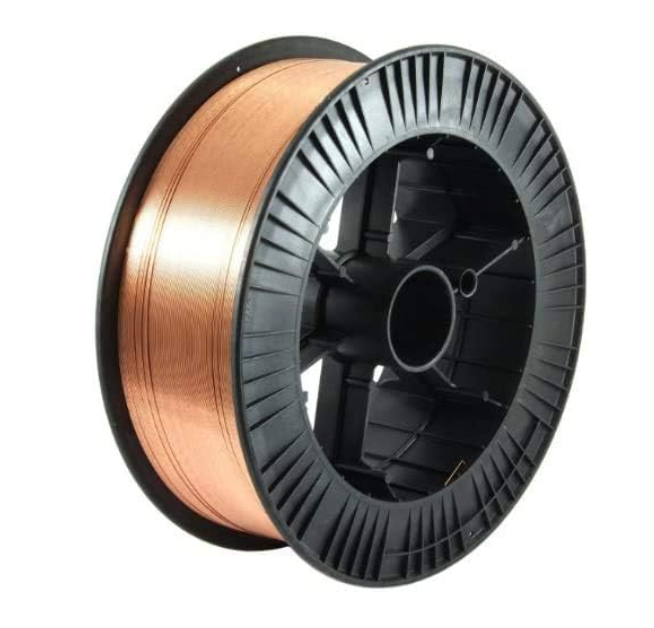
    ER70S-2 TIG / GTAW filler metal is a common starting point for mild steel, carbon steel, and many general repair jobs. It is used where a deoxidized TIG rod is helpful and where clean, controlled filler deposition matters. That does not make it a universal choice. Before you order wire or strike an arc, confirm the WPS, code requirements, base metal grade, and service conditions. If those points are not clear, the correct answer is to verify, not assume.

    Key Takeaways

    • ER70S-2 is a common deoxidized TIG/GTAW filler metal for mild steel and many fabrication repairs.
    • Use the filler metal finder page as a starting point only. It does not replace the WPS or manufacturer data sheet.
    • Match the filler to the base metal, joint design, and service requirement before welding.
    • When in doubt on material grade or duty, stop and verify the application instead of selecting by habit.

    What the Finder Page Is Good For

    The ER70S-2 TIG / GTAW filler metal page is useful as a selection starting point. It helps a buyer or welder narrow the conversation to a common filler metal family before checking the actual job requirements. It is not a guarantee of code approval, strength match, or service suitability.

    Use the page to confirm the general classification, then cross-check the job against the WPS, print, or repair instruction. If the job is tied to a code, procedure qualification, or customer requirement, the procedure governs. If the job is non-code but critical, use the manufacturer data sheet and internal quality rules before buying filler.

    Practical Support Checks Before You Weld

    1) Check the base metal

    • Identify the material as precisely as possible.
    • Confirm whether it is mild steel, carbon steel, or a higher-strength alloy such as 4130 used in a starting-point application.
    • If the grade is uncertain, stop and verify the material test report, print, stamping, or material record.

    2) Inspect the joint and condition

    • Clean the weld zone to remove rust, oil, paint, scale, and moisture.
    • Inspect the fit-up and root opening.
    • Verify that the joint access supports stable torch angle and filler control.

    3) Verify the process setup

    • Confirm the work is actually TIG/GTAW and not another process that calls for a different filler format.
    • Check shielding gas, torch condition, tungsten condition, and ground connection.
    • Verify that the filler rod size matches the puddle control needed for the joint. Common sizes may include 1/16 in, 3/32 in, and 1/8 in, but the correct size for your job is Unknown (Verify) unless the WPS or job instruction states it.

    Troubleshooting Common Support Questions

    If the arc is unstable

    • Check gas flow, leaks, and cup condition.
    • Inspect tungsten preparation and contamination.
    • Verify that the work clamp is clean and secure.

    If the bead looks dirty or porous

    • Inspect surface preparation first.
    • Verify shielding coverage and torch angle.
    • Check for draft, moisture, or contaminated filler rod.

    If the filler does not seem to wet in correctly

    • Verify base metal identity and heat input.
    • Inspect joint cleanliness and gap control.
    • Check whether the filler choice is actually correct for the alloy or repair duty.

    When ER70S-2 Is a Reasonable Starting Point

    This filler metal is often considered for mild steel and carbon steel repair or fabrication where a deoxidized TIG rod is useful. It may also come up in 4130 starting-point TIG work, but that application is not automatic. Service conditions, heat treatment expectations, and code rules can change the answer. Do not treat general suitability notes as approval for every job.

    If a repair involves load, pressure, fatigue, cyclic service, elevated temperature, or postweld heat treatment, verify the procedure before purchase. The job may require a different ER70S family, a different strength level, or a different alloy classification entirely.

    Filler Metal Selection Support

    Use the WSP filler metal finder to compare general filler categories and narrow the field. Treat it as a support tool, not as a final engineering decision. If the job site has a WPS, that document controls the selection. If the job has no WPS, the responsibility shifts to verifying base metal, service need, and accepted shop practice.

    Practical rule: if you cannot explain why ER70S-2 is being selected for the job, you do not have enough information yet. Check the base material, service condition, and inspection requirement before ordering.

    Safety Notes

    • Follow hot work controls and local fire prevention rules.
    • Use proper eye, hand, and body protection for GTAW.
    • Ventilate the work area and control fumes.
    • Do not weld on unknown material without verification.
    • Do not rely on filler color, package appearance, or habit as proof of suitability.

    FAQ

    Is ER70S-2 a universal TIG rod for carbon steel?

    No. It is a common starting point for mild steel and many carbon steel jobs, but the correct choice depends on the WPS, base metal grade, and service requirements.

    Can I use the filler metal finder page as procedure approval?

    No. The finder page is a support tool for narrowing selection. It does not replace code requirements, qualification records, or manufacturer documentation.

    What should I verify before buying ER70S-2?

    Verify the base metal, process, joint type, service conditions, and the required filler size. Also verify whether the job calls for another classification such as a different strength or alloy level.

    What if the material grade is unknown?

    Stop and verify. Use material records, stamping, drawings, or test methods as required by your shop or customer rules. Unknown material should not be treated as an approved weldable base metal without confirmation.

    Sources Checked

    Note: This article is a support reference only. Confirm the WPS, code requirements, base metal grade, service conditions, and manufacturer data sheet before ordering or welding.

    Disclosure: As an Amazon Associate, Weld Support Parts may earn from qualifying purchases.

  • ER70S-2 MIG / GMAW Filler Metal: Filler Metal Finder Notes

    ER70S-2 MIG / GMAW Filler Metal: Filler Metal Finder Notes

    ER70S-2 MIG / GMAW Filler Metal

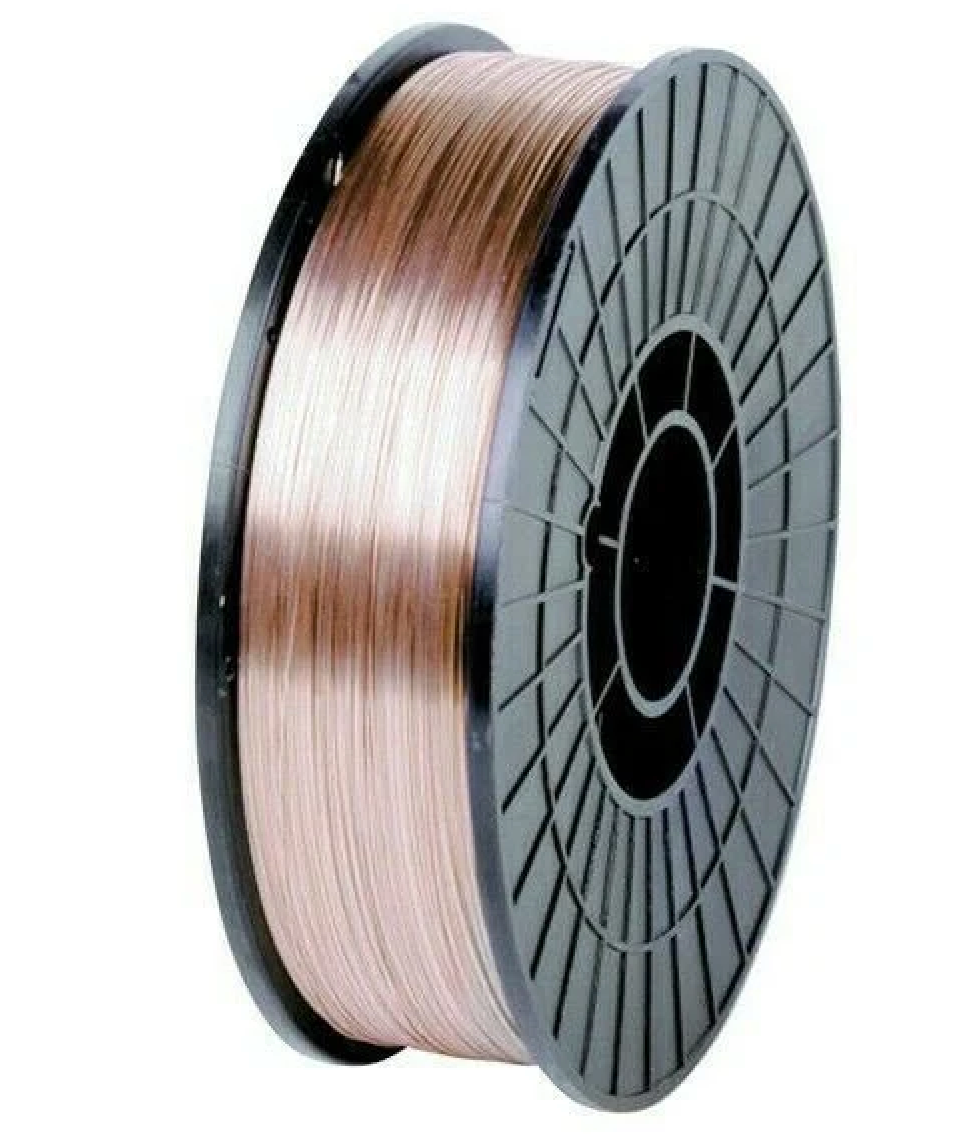
    ER70S-2 MIG / GMAW filler metal is a solid carbon steel wire used as a forgiving starting point for mild steel and general carbon steel work. It is commonly considered when fit-up is not perfect, mill scale is present, or surface condition is less than ideal. That said, it is not a substitute for the weld procedure specification. Before ordering wire or striking an arc, verify the WPS, code requirements, base metal grade, service conditions, and the manufacturer data sheet.

    Key Takeaways

    • ER70S-2 is a solid wire for MIG / GMAW carbon steel applications.
    • Use the filler metal page as a selection starting point only, not a procedure approval.
    • Confirm base metal, joint design, shielding gas, and wire diameter with the WPS.
    • When fit-up or surface condition is questionable, inspect the joint before you assume the wire will solve the problem.
    • If a requirement is unclear, mark it as Unknown (Verify) and check the governing document.

    What the Filler Metal Finder Page Does

    The ER70S-2 MIG / GMAW filler metal page and the filler metal finder are useful starting points for narrowing a wire choice. They help you move from a general application to a candidate filler metal, but they do not replace the WPS, engineer approval, or code review.

    For this wire, the known basics are limited to the following: classification ER70S-2, AWS specification AWS A5.18, process MIG / GMAW, and intended use on mild steel and carbon steel. Any other detail such as recommended gas mix, weld position limits, current range, or diameter selection must be verified from the actual manufacturer data sheet or the project WPS. If that data is not available, record it as Unknown (Verify).

    Practical Selection Checks

    Use these checks before you put ER70S-2 into service:

    1. Check the WPS. Verify that solid wire carbon steel filler is allowed for the joint and material group.
    2. Inspect the base metal. Confirm the parent metal is mild steel or carbon steel as expected.
    3. Verify service conditions. If the part sees low temperature, pressure, fatigue, or code-controlled service, do not assume this wire is acceptable without review.
    4. Inspect joint prep. Look for rust, oil, paint, heavy scale, moisture, and dimensional mismatch.
    5. Verify shielding gas. Do not guess. The correct gas and flow settings are Unknown (Verify) unless the WPS and manufacturer sheet state them.
    6. Confirm wire diameter. Common sizes may exist, but use only the diameter specified for the job. If not specified, Unknown (Verify).

    Troubleshooting and Support

    If weld quality is inconsistent, work through the problem in order. Do not start by changing wire type unless the procedure allows it.

    1. Verify the joint condition

    • Inspect for contamination on both sides of the joint.
    • Verify that loose mill scale, rust, and paint are removed to the level required by the WPS.
    • Check root opening, land, and fit-up consistency.

    Poor joint condition often looks like a wire problem when it is actually a preparation problem.

    2. Verify the machine setup

    • Check wire feed consistency and drive roll condition.
    • Inspect liner wear, tip wear, and contact tip size.
    • Verify polarity and gas delivery against the WPS. If not stated, Unknown (Verify).

    Erratic feed can cause stubbing, spatter, and poor bead appearance. Do not treat these symptoms as proof that ER70S-2 is the wrong filler.

    3. Verify the weld outcome

    • Inspect bead profile, tie-in, and edge wetting.
    • Check for undercut, porosity, and visible lack of fusion.
    • Verify that the finished weld meets the acceptance criteria for the job.

    If defects repeat, stop and compare the actual setup to the WPS line by line.

    How to Use This Page in Purchasing

    For maintenance buyers and welding support teams, the right workflow is simple: identify the application, pull the WPS, confirm the filler classification, and then compare the wire page to the manufacturer documentation. The filler metal finder page narrows the field, but it does not authorize substitution by itself.

    When a detail is missing from the job packet, do not fill the gap with assumptions. Record the missing item as Unknown (Verify) and request the source document. That includes shielding gas, wire diameter, polarity, and any approval for out-of-position or restricted-service work.

    Safety Notes

    • Follow the WPS and site safety rules before welding.
    • Use ventilation, fume control, and appropriate PPE.
    • Do not weld on unknown or unverified base metal without clearance.
    • Handle wire spools carefully to avoid contamination and damage.
    • If the weld is for code work, pressure work, or critical service, verify the procedure and inspection plan first.

    FAQ

    Is ER70S-2 the same as ER70S-6?

    No. They are different classifications. If either can be used on a job, that must come from the WPS or engineering direction, not from assumption.

    Can I use ER70S-2 on rusty steel?

    It may be considered when fit-up or surface condition is less than ideal, but that does not mean dirty steel is acceptable. Clean the joint to the required level and verify the WPS. If the required prep is unclear, Unknown (Verify).

    What shielding gas should I use?

    Unknown (Verify) unless the WPS or manufacturer data sheet states it. Do not guess gas type or flow rate.

    Can I select wire from the filler metal finder without a WPS?

    No. Use the finder page only as a starting point. It helps identify a likely filler family, but it does not replace procedure approval or code compliance.

    Sources Checked

    Reviewed details were limited to the provided WSP pages and the information supplied in the draft brief. Any unlisted technical detail remains Unknown (Verify).

    Disclosure: As an Amazon Associate, Weld Support Parts may earn from qualifying purchases.

Watch with Prime Video