Author: Forge
-
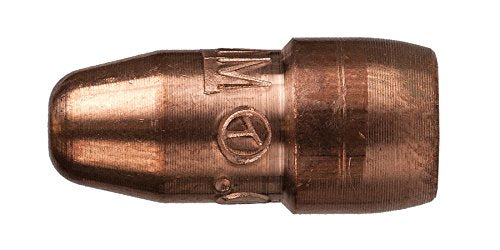
Why Does My MIG Contact Tip Keep Burning Back?
Troubleshoot recurring MIG contact-tip burnback by checking tip size, liner drag, drive rolls, spool brake tension, and welding setup before replacing more tips.
-
When to Replace Oxy-Fuel Torch Tips
Oxy-fuel torch tips wear over time. A tip that is dirty, distorted, or damaged can cause poor flame shape, unstable cutting, and inconsistent heating. Knowing when to clean and when to replace…
-
Welding Hose Cracks and When to Replace It
Cracked welding hose is a maintenance issue, not a cosmetic one. Once the outer cover shows damage, the hose may already be past safe service depending on location, depth, and gas type.…
-
When to Replace Carbon Arc Electrodes
Carbon arc electrodes do not last indefinitely. Replace them when wear, contamination, damage, or fit issues start to affect arc stability, gouging quality, or torch performance. Waiting too long can increase heat…
-
When to Replace a Grinding Wheel
A grinding wheel should be replaced when it is no longer safe or effective. Wear is normal. Damage, cracks, excessive glazing, or vibration are not. A wheel that is out of balance…
-
PAPR Helmet Airflow Feels Weak
If your PAPR helmet airflow feels weak, start with the basic flow path: intake, pre-filter, main filter, blower, hose, battery, and helmet seals. Low airflow is usually caused by restriction, a failing…
-
Auto-Darkening Helmet Not Switching
If a welding helmet is not switching to dark state, start with the simple checks first. Most failures are caused by blocked sensors, low batteries, incorrect shade settings, dirty cover lenses, or…
-
Helmet Lens Keeps Fogging
If your welding helmet lens keeps fogging, the cause is usually one or more of these: warm moist breath getting trapped, poor helmet seal, low airflow, sudden temperature change, or a dirty/damaged…
-
Troubleshooting Weld Quality Before Replacing Parts
If weld quality drops, do not start by replacing parts. Most issues come from process settings, consumables, shielding gas, ground connection, wire feed, or operator technique. Use this weld quality troubleshooting guide…
-
Stick Welding Porosity Checklist
Porosity in stick welding shows up as gas pockets in the weld metal. The usual causes are moisture, contamination, poor technique, or unstable shielding from the electrode. Use this checklist to isolate…