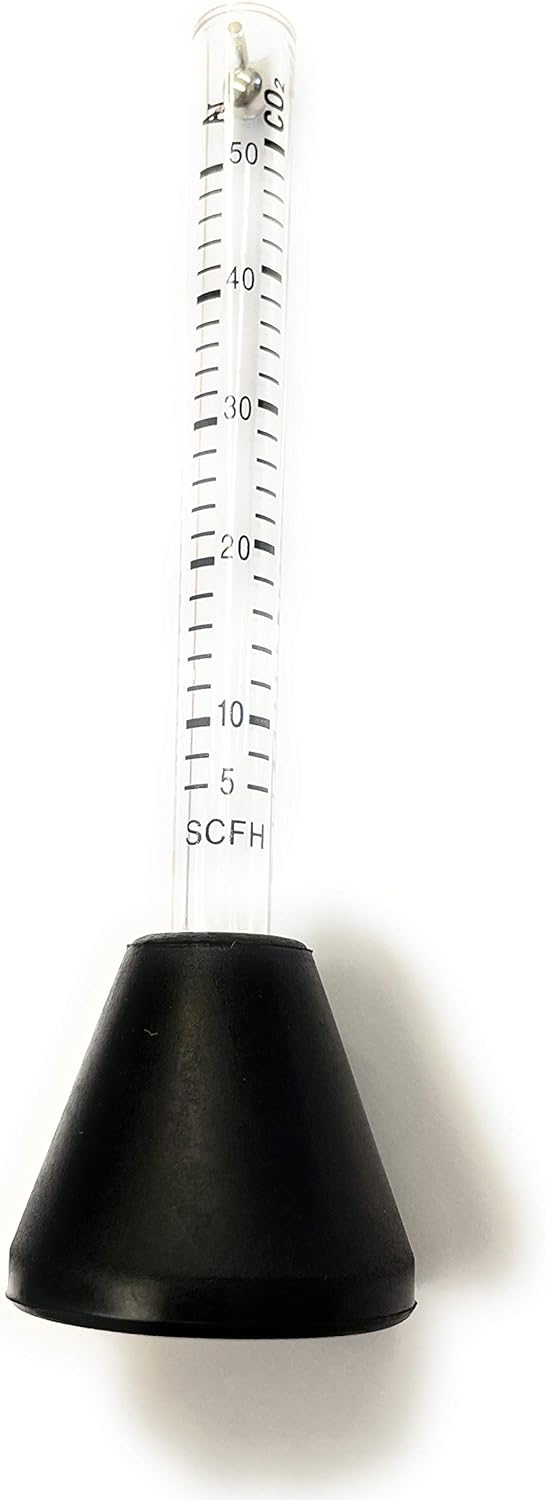
The Profax 50020 shielding-gas flow tester is a simple way to check gas flow where it reaches a MIG gun, rather than assuming the regulator setting is what emerges at the nozzle. It is a diagnostic check, not a replacement for the cylinder regulator, an approved welding procedure or a gas analyzer. Shops considering this tool should confirm the exact part number, supported gas, measuring range and whether the test method applies to their gun before ordering.
The manufacturer-distributor listing identifies PROFAX 50020 as a universal flow tester intended for use on MIG guns, with an argon/CO2 scale from 0 to 50 standard cubic feet per hour (SCFH). This describes the stated product, not a guarantee that it can test any torch, gas blend or process. If the weld uses another gas, a specialty nozzle or a process-specific shielding arrangement, ask the equipment manufacturer which test method applies.
What this type of flow test can tell you
A regulator or flowmeter reading is a control setting at the supply end. Torch-end flow can differ when hoses, quick connections, gas valves, cable length or leaks affect delivery. A tool held at the gun front end provides a separate observation of the gas being delivered at that point. The measurement helps narrow a troubleshooting question; it does not independently establish that shielding is adequate at the weld pool or that fume extraction and ventilation are effective.
Some gas delivery problems require a different diagnosis. A passing torch-end flow check does not rule out drafts, insufficient coverage geometry, contamination, damaged components or a wrong gas. Conversely, a surprising reading is a reason to inspect the approved gas-delivery setup, not an instruction to turn up flow without limits. Excess flow can disturb coverage as well as consume gas. Follow the welding equipment instructions and qualified WPS requirements.
Five things to confirm before you buy
- Exact part identification: confirm manufacturer PROFAX and part number 50020; do not confuse it with a similar-looking tester made by another company.
- Purpose: the distributor specifies MIG-gun use; confirm any proposed TIG, plasma or specialty torch application separately rather than assuming universal compatibility.
- Gas and measurement scale: the documented argon/CO2 0–50 SCFH range must include the reading your process actually requires.
- Package and selling unit: verify whether the item is sold individually and whether any adapters or other tools are included; do not infer accessories from a photograph.
- Current WPS and equipment limits: choose the appropriate test method from the equipment documentation and job procedure, not from a marketplace price or generic chart.
The Profax 50020 at ArcWeld is the exact currently identified listing. Its SKU is 50020, the product is listed ACTIVE on the store, and the connected inventory record showed positive quantity when this guide was prepared. Inventory and price can change, so check the product page at purchase time. This is a standard internal ArcWeld product link, not an Amazon affiliate placement.
A diagnostic sequence for the shop
First, write down what problem triggered the check. For example, two weld stations using the same approved shielding setup may be producing different visual results. Record the actual machine, gun and gas-delivery equipment rather than guessing that the difference is gas quantity. Then review the regulator, hose routing and nozzle condition according to their manufacturer instructions. If authorized, compare the tool’s indicated torch-end flow with the documented procedure requirement and note any discrepancy.
Do not conduct a test that requires bypassing a guard, defeating a gas safety component or performing work on energized equipment without appropriate qualified controls. Never infer that an arc should be lit while placing a hand or tool at the gun. The exact approved testing procedure, including how the valve is actuated, should come from the equipment and tester instructions. When instructions or an adapter are missing, the safe next step is verification with the manufacturer or responsible shop lead.
A recorded value needs units. SCFH and other flow scales are not interchangeable, and an informal reading should not be recorded as a laboratory calibration certificate. If the project has a documented quality plan, record the procedure, instrument identification and limits that the plan calls for. If it does not, a shop note can still help maintenance compare a station before and after a documented correction, provided it is accurately labeled as an observation.
Where this check stops being useful
A flow tester is not a gas composition test. It does not prove the cylinder contains the specified shielding mixture, nor that the gas path is free of contaminants. It does not check the respirator program, indoor air quality or welding fume controls. Use appropriate procedures for those separate questions. It also does not authorize changing shielding gas flow beyond manufacturer or WPS limits to compensate for a poor joint, draft or damaged torch component.
For those troubleshooting questions, the WSP parts lookup can help identify the correct equipment family, while the Filler Metal Finder is a separate research aid when the actual question concerns classification rather than gas delivery. Neither replaces manufacturer compatibility or procedure approval.
Who should buy it—and who should not
This is a reasonable candidate for a shop with MIG-gun gas-flow checks as a recurring diagnostic need, where the documented 0–50 SCFH argon/CO2 range and intended gun use match the equipment. It is not a defensible purchase solely because a gas weld looks poor, and it is not an all-purpose diagnostic substitute for leak checking, gas identification or regulator service.
Before placing the order, confirm the exact tester and selling unit at ArcWeld’s Profax 50020 product page, then keep the machine/gun model, gas type and WPS revision with the maintenance record. For the manufacturer’s stated range and intended use, refer to the PROFAX 50020 manufacturer’s distributor product information. If the intended gas, torch or test method is not documented, mark compatibility Unknown — Verify before buying.
Leave a Reply