A digital multimeter can be useful around a welding shop, but only when the measurement matches the problem and the person using it is qualified for the electrical task. The Fluke 117 is a compact true-RMS multimeter built for electrical work, not a substitute for a welder’s service manual or a license to probe energized equipment. Its strongest shop value is helping qualified personnel check basic supply, continuity, resistance, and control-circuit questions with a meter whose published limits are clear.
What the Fluke 117 actually measures
Fluke lists the 117 as a true-RMS digital multimeter with integrated non-contact voltage detection. The U.S. product documentation specifies a maximum of 600 V between any terminal and earth ground and a CAT III 600 V safety rating. It measures AC and DC voltage, AC and DC current, resistance, continuity, capacitance, frequency, and related electrical quantities within the ranges published by Fluke.
Those capabilities can support troubleshooting around shop equipment, but they do not make every measurement appropriate. Welding power sources can contain stored energy, high open-circuit voltages, inverter sections, and components that remain hazardous after input power is removed. Internal service work belongs to trained personnel following the exact machine service information.
Where a meter can help in a welding shop
- Confirming a branch-circuit problem: a qualified electrician can determine whether the supply feeding a welder is present and within the equipment’s required range.
- Checking continuity on de-energized components: switches, cords, fuses, and conductors can sometimes be evaluated after the equipment is isolated and the service procedure says the check is appropriate.
- Separating machine trouble from facility trouble: a correct supply-side measurement can help determine whether the next step belongs at the receptacle, disconnect, extension circuit, or the welding machine.
- General shop electrical maintenance: the 117 is an electrician-oriented meter, so its usefulness extends well beyond welding equipment.
True-RMS matters, but it does not remove measurement limits
Fluke specifies the 117 as a true-RMS meter. That helps when measuring AC waveforms that are not perfectly sinusoidal, which can occur around modern electronic loads. True-RMS is a measurement capability, not permission to connect the meter anywhere inside an inverter welder. The circuit category, voltage, expected waveform, test-lead condition, available service information, and the technician’s training still control whether a measurement should be made.
Non-contact voltage detection is a screening tool
The 117 includes Fluke’s integrated non-contact voltage detection. That feature can help identify the possible presence of AC voltage, but it should not be treated as proof that a circuit is de-energized. Follow the applicable lockout/tagout procedure and use the test method required for the job. A non-contact indication is useful information, not a replacement for proper verification.
A practical shop decision: 117 versus a clamp meter
The Fluke 117 and a clamp meter solve different problems. If the main job is measuring conductor current without opening the circuit, a properly rated clamp meter may be the better tool. If the job centers on voltage, resistance, continuity, frequency, capacitance, and general electrical troubleshooting, a conventional multimeter such as the 117 may be more versatile. Choose the instrument around the measurement instead of buying the meter first and inventing a use for it later.
Before using it around a welder
- Read the Fluke 117 manual and the welding machine’s service documentation.
- Confirm the meter, leads, probes, and measurement category are appropriate for the circuit.
- Inspect leads and the meter before use; do not use damaged test equipment.
- De-energize and lock out equipment when the procedure allows the test to be performed without power.
- Do not open a welding power source or defeat covers/interlocks unless qualified and directed by the manufacturer’s service procedure.
- If the fault is outside your electrical training, stop and route the diagnosis to qualified service personnel.
What to verify before buying
Confirm that the listing is the actual Fluke 117, not a 115, 116, combo kit, or accessory-only listing. Verify the included test leads and package contents against the seller’s current listing. Also decide whether you need current measurement by direct meter input or by clamp; that distinction can change which Fluke model makes sense for the work.
As an Amazon Associate I earn from qualifying purchases.

- VoltAlert technology for non-contact voltage detection
- AutoVolt automatic AC/DC voltage selection. DC millivolts – Range : 600.0 mV, Resolution : 0.1 mV
- Low input impedance: helps prevent false readings due to ghost voltage
- Large white LED backlight to work in poorly lit areas
- True RMS for accurate measurements on non-linear loads. Operating temperature: -10°C to +50°C. Battery life: 400 hours typical, without backlight

Last update on 2026-10-05 / Affiliate links / Images from Amazon Product Advertising API
Bottom line
The Fluke 117 can be a useful electrical troubleshooting meter for a fabrication or welding shop when the user understands both the instrument and the circuit being tested. Its value is not that it makes electrical diagnosis simple; its value is that it gives qualified users a documented, professional meter for the measurements it is designed to make. For welder-specific internal diagnostics, the machine’s service manual and qualified electrical practice remain the controlling references.
Sources
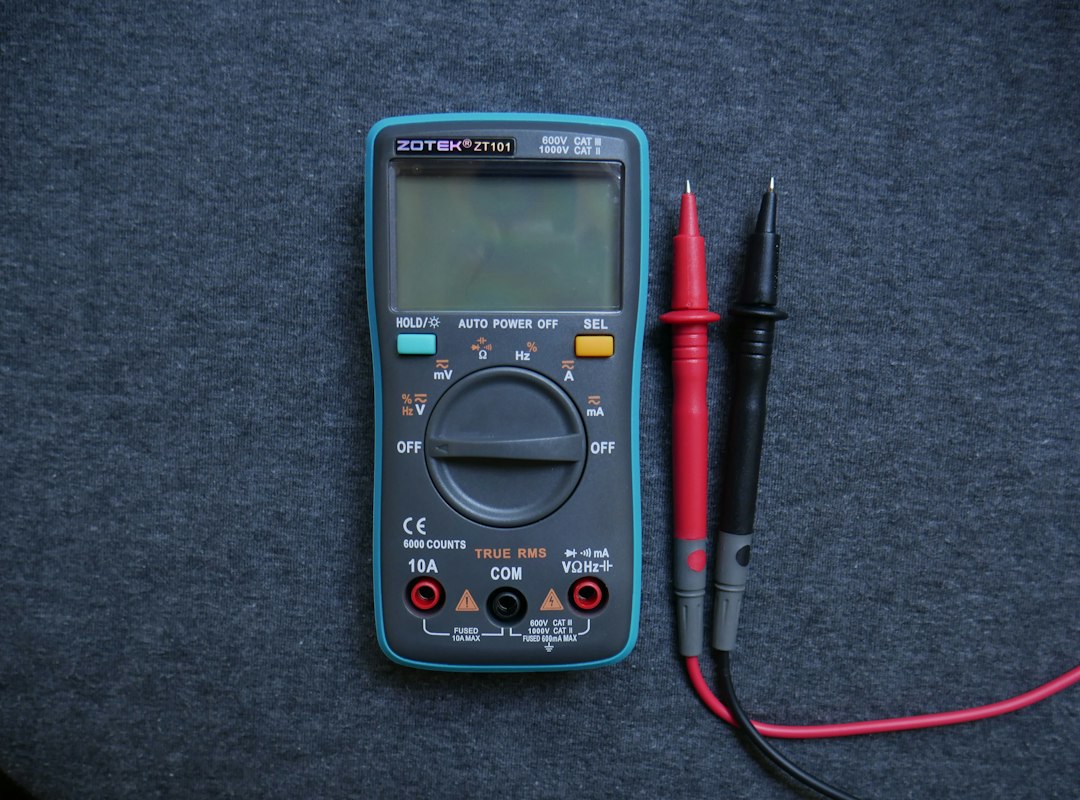
Featured image: contextual digital-multimeter photo by Nekhil R via Unsplash. It is not presented as a Fluke 117 product photo. No Amazon product image was rehosted.

Leave a Reply