Tag: welding safety equipment

  • Welding Safety Equipment Inspection Checklist for Shop PPE

    Routine PPE inspection helps reduce welding injuries, exposure incidents, arc flash risk, burns, respiratory hazards, and equipment-related downtime. This checklist is designed for fabrication shops, maintenance departments, welding booths, and industrial welding environments where daily PPE verification is required.

    The goal is simple: identify damaged, contaminated, expired, improperly fitted, or non-compliant protective equipment before welding starts.

    Key Takeaways

    • Inspect PPE before every shift and after high-exposure work.
    • Replace cracked lenses, damaged gloves, contaminated respirator filters, and heat-damaged clothing immediately.
    • Verify ANSI, OSHA, AWS, and manufacturer markings where applicable.
    • Do not assume PPE is safe because it “looks usable.”
    • Respirators, helmets, gloves, jackets, and hearing protection all have wear limits.
    • Fit, seal condition, and contamination matter as much as visible damage.

    Problem / Context

    Many welding PPE failures happen gradually. Helmet shells weaken from UV and heat exposure. Respirator seals harden. Gloves absorb oil and solvents. Auto-darkening lenses become unreliable. Grinding debris damages face shields and hearing protection.

    Without a structured inspection process, damaged PPE often stays in service longer than it should.

    Shops performing MIG, TIG, flux-core, stick, plasma cutting, carbon arc gouging, or grinding operations should maintain documented PPE inspection procedures and replacement criteria.

    Daily Welding PPE Inspection Checklist

    PPE ItemInspection CheckCommon Failure SignsAction Required
    Welding HelmetInspect shell, headgear, lens frame, sensors, and controlsCracks, loose headgear, failed auto-darkening response, damaged shellRemove from service if lens response fails or shell is damaged
    Auto-Darkening LensTest switching function before weldingFlickering, delayed darkening, inconsistent shadeReplace batteries, cover lenses, or filter cartridge
    Safety GlassesInspect lenses and side shieldsScratches, cracks, missing side shieldsReplace immediately
    Face ShieldCheck visor clarity and mountingClouding, deep scratches, loose pivotsReplace damaged visor
    RespiratorInspect seal, straps, valves, and filtersSeal deformation, cracked housing, clogged filtersReplace filters or respirator components
    PAPR SystemVerify airflow, battery condition, and filter statusLow airflow alarms, damaged hoses, weak batteryService before use
    Welding GlovesInspect palms, seams, cuffs, and insulationBurn-through, oil saturation, holes, stiff leatherReplace gloves
    Welding JacketInspect sleeves, snaps, and flame-resistant areasBurn holes, contamination, torn cuffsRepair or replace
    FR Sleeves / ApronsCheck stitching and heat damageLoose seams, spark damageReplace if compromised
    Hearing ProtectionInspect ear plugs or earmuffsDirty foam, cracked cushions, loose fitReplace disposable plugs regularly
    Welding BootsCheck soles, metatarsal guards, and lacesHeat damage, exposed toe caps, sole separationRemove from service if protection compromised
    Gas Hose PPE AreaVerify hoses do not contact clothing or hot surfacesBurn marks, abrasion, leaksReplace damaged hoses immediately

    Welding Helmet Inspection Procedure

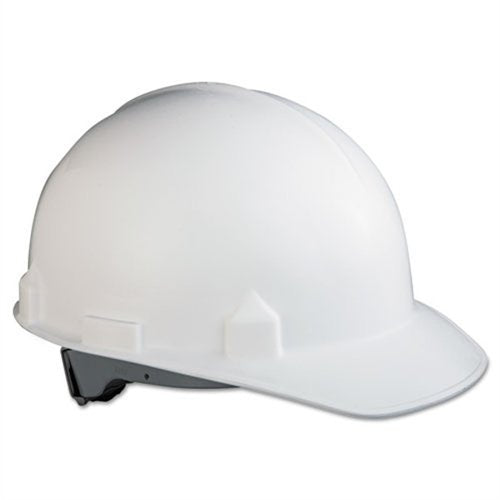
    • Inspect helmet shell for cracks, warping, or heat damage.
    • Verify headgear tightens correctly and holds position.
    • Check cover lenses for pitting, scratches, and spatter damage.
    • Perform a safe function test on auto-darkening filters before welding.
    • Confirm shade settings match the welding process and amperage.
    • Inspect sensor areas for blockage from dirt or spatter.
    • Verify ANSI Z87.1 markings where applicable.

    Do not use a welding helmet with intermittent darkening performance, cracked filter housings, or damaged retaining frames.

    Respiratory Protection Inspection Steps

    • Inspect face seal for cracking, stiffness, or deformation.
    • Verify straps maintain proper tension.
    • Inspect inhalation and exhalation valves.
    • Check filter expiration and contamination level.
    • Confirm filters match the welding hazard.
    • Perform a seal check before entering the work area.
    • Verify airflow on powered air systems.
    • Inspect hoses and blower connections on PAPRs.

    P100 filters are commonly used for welding particulate, but gas, vapor, stainless steel, galvanized coatings, confined-space work, and chemical exposure may require additional verification.

    For workplace use, respirator selection and maintenance should follow OSHA 1910.134 requirements and the site respiratory protection program.

    Glove and Protective Clothing Inspection

    ItemWhat Usually Wears Out FirstVisual Wear IndicatorsField Fix vs Proper Fix
    MIG GlovesFinger seams and palm areaThin leather, burn-throughTape is not a safe repair — replace gloves
    TIG GlovesFinger sensitivity zonesHeat hardening, seam splitsReplace once dexterity drops
    FR JacketSleeves and front closureBurn holes, oil contaminationRepair minor stitching only if the FR rating is maintained
    Leather SleevesForearm exposure zonesHeat cracking and sparks embedded in leatherReplace if flexibility is lost
    Welding ApronsLower spark zonesBurn-through and torn strapsReplace heavily damaged aprons

    Common Wrong-PPE Mistakes

    • Using grinding face shields without safety glasses underneath.
    • Using expired or overloaded respirator filters.
    • Wearing oil-soaked gloves or jackets near sparks.
    • Using cracked auto-darkening lenses.
    • Ignoring damaged helmet headgear.
    • Using non-FR clothing around sparks or molten metal.
    • Wearing hearing protection incorrectly during grinding operations.
    • Failing to inspect PPE after plasma cutting or carbon arc gouging.

    Compatibility Notes

    Verify helmet lens size, respirator fitment, filter part number, cartridge compatibility, battery type, PAPR airflow rating, and headgear configuration before replacement.

    Compatibility may vary by helmet shell, respirator platform, welding process, and work environment.

    Unknown (Verify) for undocumented aftermarket compatibility claims.

    Related Failure Paths

    • Lens contamination is causing poor visibility and weld defects
    • Respirator seal failure increases fume exposure
    • Burn-through in gloves increases electrical and thermal injury risk
    • Helmet sensor blockage is causing flash exposure
    • Oil-contaminated clothing increases fire risk
    • Damaged hearing protection is contributing to long-term hearing loss
    • Improper boot condition increases slip and crush hazards

    Safety Notes

    • Follow ANSI Z49.1 for welding safety practices.
    • Use ANSI Z87.1-compliant eye and face protection where required.
    • Inspect PPE before every shift.
    • Replace damaged PPE immediately.
    • Maintain respirators according to OSHA respiratory protection requirements.
    • Do not modify PPE outside manufacturer guidance.
    • Do not use damaged FR clothing contaminated with oil or solvents.
    • Always maintain proper ventilation and fume extraction.

    FAQ

    How often should welding PPE be inspected?

    Basic inspection should occur before every shift. More detailed inspections should occur weekly or monthly depending on shop exposure conditions.

    When should respirator filters be replaced?

    Replace filters according to manufacturer schedules, site exposure requirements, or sooner if breathing resistance increases.

    Can cracked welding helmet shells be repaired?

    Generally no. Cracked helmet shells should be removed from service and replaced.

    Do safety glasses still matter under a welding helmet?

    Yes. Many shops require ANSI-rated safety glasses to be worn under welding helmets for additional impact protection.

    What is the most commonly ignored PPE issue in welding shops?

    Respirator fit and filter condition are commonly overlooked, especially in high-fume environments.

    Next Step

    Create a documented PPE inspection log for each welding station, grinding station, and fabrication area. Standardized inspection routines improve consistency, reduce missed hazards, and simplify safety audits.

    Internal Links

    Sources Checked

    • AWS ANSI Z49.1 Safety in Welding, Cutting, and Allied Processes
    • OSHA 1910.132 Personal Protective Equipment
    • OSHA 1910.134 Respiratory Protection
    • NIOSH respirator guidance
    • Manufacturer PPE inspection guidance
    • Weld Support Parts internal safety content
  • Miller 295274 LPR-100 Gen II Respirator Review & Guide

    Miller 295274 LPR-100 Gen II Respirator Review & Guide

    Miller 295274 LPR-100 Gen II Respirator Review & Guide

    Note for Readers: This post may contain affiliate links. If you purchase through them, we may earn a small commission at no cost to you. Thank you for supporting our site.

    Introduction

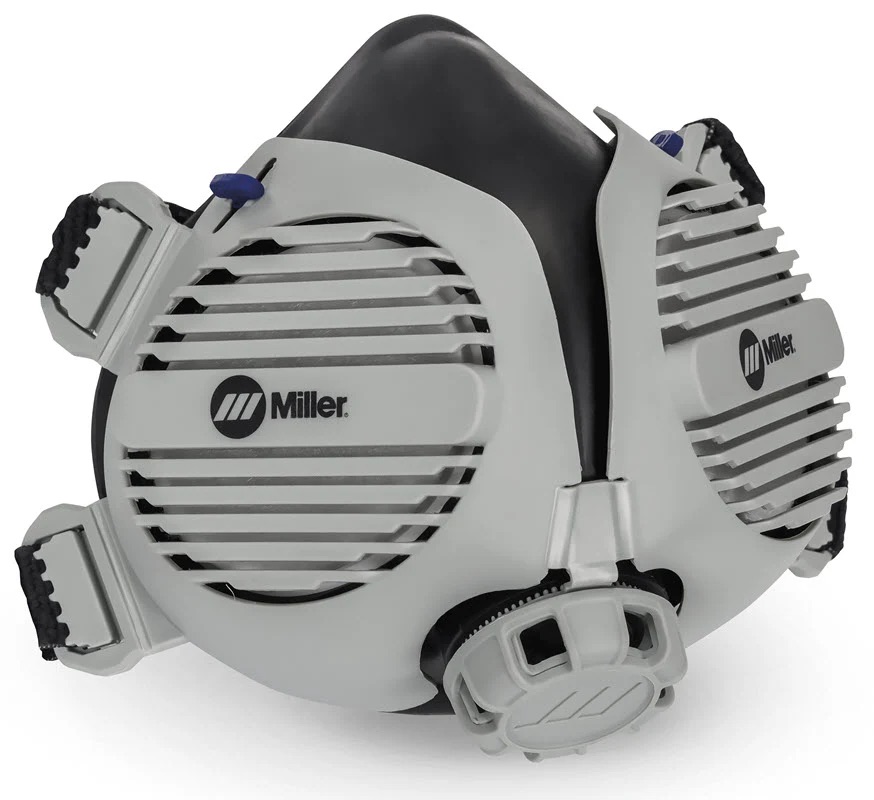
    The Miller 295274 LPR-100 Gen II Respirator is a next-generation low-profile respirator designed specifically for welding and metal fabrication environments. Built for professionals who need superior respiratory protection without sacrificing comfort, visibility, or mobility, this advanced PPE (personal protective equipment) is ideal for high-particulate operations such as grinding, cutting, plasma arc cutting (PAC), GMAW (MIG), GTAW (TIG), FCAW (flux-cored), and SMAW (stick welding).

    This respirator is commonly used by:
    Professional welders
    Fabrication technicians
    Welding instructors and students
    Industrial maintenance crews
    Engineers and inspectors working on active job sites

    Whether you’re welding galvanized steel or cutting aluminum, the LPR-100 Gen II offers a critical level of respiratory protection against harmful metal fumes and airborne particulates.

    Types / Variants / Models

    While the Miller LPR-100 series has multiple models, the 295274 Gen II version is an upgraded design that builds upon the success of the original LPR-100 respirator. Here’s how the Gen II compares to earlier versions:

    LPR-100 Gen I: Original model with basic comfort and protection features; widely used for general welding applications.
    LPR-100 Gen II (295274):
    – Redesigned headgear and improved face seal for better comfort and fit
    Adjustable straps with quick-release buckles
    – Integrated adjustable exhaust valves for better breathability
    Optional HEPA filter compatibility

    The 295274 Gen II version delivers improved ergonomics and safety specs that make it more suitable for long-term wear in high-use industrial environments.

    Key Features or Specifications

    The Miller 295274 LPR-100 Gen II Respirator is built to meet rigorous workplace demands. Below are key features and what they mean for welders:

    Low-Profile Design:
    – Fits under most welding helmets, including Miller Digital Infinity and Digital Elite series.
    – Great for tight workspaces and precise fabrication jobs.

    Two-Stage Filtration System:
    – P100/HEPA filters capture ≥99.97% of airborne particulates.
    – Protects against metal fumes from mild steel, stainless, aluminum, and galvanized metals.

    Replaceable Filters:
    – Easy twist-on design promotes hygienic filter changes.
    – Compatible with P100 filters specific to Miller (sold separately).

    Superior Seal Design:
    – Medical-grade silicone face seal minimizes leakage, remains soft and conformable during extended wear.

    Durable Construction:
    – Built from impact- and heat-resistant materials for rugged environments.

    Certifications:
    NIOSH Certified P100 – verified filtration and safety system compliant with U.S. occupational safety standards.

    Specs Overview:
    – Weight: ~7.5 oz
    – Compatibility: Most major welding helmet brands (especially Miller)
    – Size Options: One size fits most (adjustable strap system)
    – ASIN: B0DKLYQRL4

    Usage & Compatibility

    The LPR-100 Gen II is exceptionally versatile across welding processes. Here’s how and where it fits in:

    SMAW (Stick Welding): Great for outdoor or shielded applications where heavy particle exposure is likely.
    GMAW (MIG) and FCAW (Flux-Cored): Ideal when welding galvanized or painted steel where zinc oxide fumes are a hazard.
    GTAW (TIG): Low-profile allows unimpeded head movement and close-up focus, making it suitable for precision TIG work.
    Plasma Cutting & Grinding: Combines with face shields or auto-darkening helmets to maintain respiratory protection without bulk.

    Compatibility Notes:
    – Fits under most Miller helmets, including the Digital Infinity, T94i, and Titanium 9400i.
    – Compatible with grinding shields and face protection systems.
    – Not designed for use with supplied air or powered air-purifying respirator (PAPR) systems.

    Pros:
    – Excellent fit and comfort for long shifts.
    – Easy filter replacement and maintenance.
    – Superior low-profile ergonomics.

    Cons:
    – Filters must be purchased separately.
    – Not for use in oxygen-deficient or IDLH environments.

    Common Applications

    The Miller 295274 LPR-100 Gen II shines in metalworking sectors where clean breathing air is critical:

    Heavy Fabrication & Structural Welding:
    – Protects against thick fume concentrations in shipbuilding, steel bridges, and structural metalwork.

    Vehicle & Equipment Repair:
    – Ideal for tasks involving rusted or painted metal surfaces that emit chemical fumes or particulates.

    Industrial Maintenance:
    – Great for routine welding or grinding during plant turnarounds or refinery shutdowns.

    Welding Schools and Training Shops:
    – Lightweight and student-friendly, the Gen II is popular in welding education for extended learning environments.

    Tips & Best Practices

    To get the most from your Miller LPR-100 Gen II:

    Fit Check Before Each Use:
    – Ensure a snug seal around the nose and cheeks; perform a positive/negative pressure test.

    Change Filters Regularly:
    – Replace filters after 40 hours of use or sooner if breathing becomes difficult. Don’t wait for visible signs of clogging.

    Clean After Each Day:
    – Wipe the inner seal and shell with a damp cloth.
    – Avoid harsh chemicals that can degrade the silicone.

    Helmet Compatibility:
    – Test fit with your welding helmet before field use. Make sure the face seal doesn’t interfere with the helmet’s down position.

    Storage:
    – Keep in a sealed plastic bag or respirator case between uses to prevent dirt and dust accumulation.

    Avoid These Common Mistakes:
    – Using damaged or expired filters.
    – Wearing over facial hair, which can break the seal.
    – Failing to flush exhaust valves if breath condensation builds up.

    Conclusion

    The Miller 295274 LPR-100 Gen II Respirator is a top-tier choice for welders, metalworkers, and fabrication professionals who need compact, comfortable, and effective respiratory protection. Its improved Gen II fit, certified filtration, and low-profile design make it ideal for daily use in high-fume applications—without compromising helmet compatibility or range of motion.

    Whether you’re laying down MIG welds on mild steel or TIG-ing stainless pipe in a tight corner, this respirator helps you breathe easier and stay compliant with workplace safety guidelines.

    If you’re serious about protecting your lungs on the job, the LPR-100 Gen II is an investment in both safety and comfort.

    Miller LPR-100 Gen. II Half Mask Respirator, Nuisance OV Relief M/L – Welding Respirator Mask with Filters – P100 Respirator Mask for Filtrating Particulates & Aerosols – Respirator Under Helmet
    • Enhanced Protection with Nuisance OV Relief Filters: The Miller LPR-100 Gen. II Half Mask Respirator, Nuisance OV Relief M/L includes an added carbon layer feature to reduce nuisance-level organic vapor odors; Our respirator mask with filters helps ensure clean, breathable air for welders working in fume-intensive environments
    • Up to 99.97% Filtration: Upgrade your welding gear with our respirator mask; Strongly resistant to oil, the filters of our respirators help provide reliable filtration of airborne particles, including solid dust, metal fumes and mists
    • Compact Low-Profile Design for Welding Helmets: The slim design of our welding respirator under helmet offers a wide field of vision and fits easily under most welding helmets; Our respirator is designed to help provide full compatibility with your protective eyewear and headgear
    • Ergonomic Half-Mask Respirator for Extended Comfort: Crafted for long welding shifts, our half face respirator features minimal dead air space to reduce heat buildup; It also comes with a large non-return exhaust valve to help minimize user fatigue during high-demand tasks
    • Durable, Medical-Grade Materials: Made with latex- and silicone-free materials, this half mask face respirator is odor-free, hypoallergenic; It is also built to withstand demanding welding environments while providing user comfort and safety

    Last update on 2026-06-04 / Affiliate links / Images from Amazon Product Advertising API

    **Check the latest price and read (Incomplete: max_output_tokens)

  • Cylinder Tank Status Tags Review & Buying Guide

    Cylinder Tank Status Tags Review & Buying Guide

    Note for Readers: This post may contain affiliate links. If you purchase through them, we may earn a small commission at no cost to you. Thank you for supporting our site.

    Introduction

    In the fast-paced world of welding and metal fabrication, safety and efficiency depend on immediate access to critical information. One simple but vital tool that helps maintain both is the Cylinder Tank Status Tag—specifically, the Empty or Full Cylinder Tank Status Tag with 3″ Steel Ring (ASIN=B06XWKGJBZ).

    These durable status markers clip onto compressed gas cylinders used in welding processes, allowing welders, technicians, and safety inspectors to quickly assess whether a cylinder is “EMPTY” or “FULL”—without the need to check gauges or flow settings. Ideal for shop floors, fabrication labs, training facilities, and field environments, these tags help save time, prevent downtime, avoid accidents, and meet OSHA safety requirements.

    Welders, fabricators, engineering students, plant managers, and maintenance crews use these tags to enhance workflow organization and improve cylinder traceability in multi-process setups like SMAW (Shielded Metal Arc Welding), GMAW (Gas Metal Arc Welding), GTAW (TIG welding), and FCAW (Flux-Cored Arc Welding).

    Types / Variants / Models

    While the concept behind Cylinder Tank Status Tags is universal, there are a few variations depending on use case and preferences:

    Single-Sided Tags
    – Displays status on only one side
    – Best for fixed installations

    Double-Sided Tags
    – Easily readable from any direction
    – Ideal for mobile welding environments

    Magnetic vs. Ring-Type Holders
    Magnetic tags mount directly to metal cylinders but may fall off
    Ring-Type tags, like the 3″ steel ring model, loop securely around valve necks

    Color-Coded Tags
    – Use red/green or similar visual cues
    – Best for rapid visual scanning of multiple cylinders

    For most industrial and fabrication shops, the 3″ Steel Ring Status Tag – EMPTY or FULL offers the most reliable and durable solution under various working conditions.

    Key Features or Specifications

    Let’s look at the standout specs of the Cylinder Tank Status Tag – EMPTY or FULL with 3″ Steel Ring:

    Material: Industrial-grade rubber tag with steel ring
    – Provides high durability in harsh environments, including welding shops exposed to sparks, slag, and grinding debris.

    Tag Dimensions: Approximately 3.5” diameter
    – Large enough to be read from a distance but compact enough not to interfere with workflows.

    Steel Ring Size: 3 inches
    – Fits most standard welding gas cylinder necks, including those used for argon, oxygen, CO₂, and mixed gases in MIG, TIG, and flux-core welding.

    Double-Sided Labeling: Clearly labeled FULL on one side and EMPTY on the other
    – Simplifies rotation and lets users flip the tag manually when swapping gases.

    Weather-Resistant Printing: UV-stable ink and baked-enamel finish
    – Suitable for outdoor use during field welding projects.

    These tags typically comply with standard shop safety practices, though not formally rated under ANSI or OSHA—they are designed with those guidelines in mind.

    Usage & Compatibility

    In welding environments where multiple gas types (argon, oxygen, CO₂, acetylene) are constantly in use across different arcs like GMAW, SMAW, GTAW, and FCAW, staying organized is crucial. Cylinder Tank Status Tags help technicians instantly identify which cylinders are ready for use and which need replacement.

    Compatible with common gas cylinder setups
    – Includes cylinders used for shielding gases in MIG and TIG welding.

    Compatible equipment:
    – Regulators, flowmeters, welding carts, and manifold systems commonly used in industrial setups.

    Pros:
    – Improves safety with easy identification
    – Reduces equipment misuse and empty cylinder confusion
    – Saves time in high-volume shops

    Cons:
    – Manual flip action may be forgotten if not part of workflow procedure
    – Not suitable for non-standard neck sizes without modification

    Common Applications

    These tags are widespread across multiple industries and welding applications:

    Metal fabrication shops – High gas turnover makes tank rotation management critical.
    Educational institutions – Keeps student welders organized and reinforces best safety practices.
    Industrial manufacturing plants – Supports lean manufacturing and safety compliance.
    Construction sites – Portable, durable solution for field TIG or arc welding jobs.
    Shipbuilding and pipeline industries – Useful in high-pressure, critical welding environments.

    Their resilient construction and clear signaling make them an ideal addition to any workplace handling compressed gases.

    Tips & Best Practices

    To get optimal performance and safety from your Cylinder Tank Status Tags:

    Always flip the tag immediately after swapping cylinders to avoid confusion
    Use tags consistently across all departments to standardize operations
    Inspect regularly for visible wear or damage
    Don’t over-tighten or bend steel ring when attaching—can damage the tag or valve
    Pair with magnetic “In Use” signs for added clarity

    Common Mistakes to Avoid:
    – Forgetting to switch tags can lead to using empty cylinders during critical welds
    – Using tags on non-standard or specialty gas tanks without verifying ring fit
    – Relying solely on tags without checking gauges during setup

    Conclusion

    While simple in design, Cylinder Tank Status Tags are essential tools that promote efficiency, safety, and clear communication across any welding or metal fabrication setting. The EMPTY or FULL Cylinder Tank Status Tag with 3″ Steel Ring, in particular, provides rugged durability and ease of use that make it ideal for demanding industrial environments.

    Whether you’re running a small fabrication shop or managing inventory for a multi-line welding facility, these tags offer an inexpensive way to streamline operations and reduce downtime.

    Affiliate Call to Action

    Cylinder Tank Status Tags – EMPTY or FULL with 3″ Steel Ring
    • One (1) 3″ Steel Ring with EMPTY on one side and FULL on the other side
    • Mark your Empty or Full cylinders with cylinder neck rings.
    • These steel metal Cylinder Tank Status Tags can be reused over and over again.
    • For – Smaller Size Cylinders

    Last update on 2026-06-04 / Affiliate links / Images from Amazon Product Advertising API

    Check the latest price and availability on Amazon and bring better organization and safety to your welding gas cylinder management.

Listen with Audible