Tag: torch support

  • Hobart AirForce 12ci Plasma Cutter Support: Parts Lookup and Buying Checks

    Hobart AirForce 12ci Plasma Cutter Support: Parts Lookup and Buying Checks

    Hobart AirForce 12ci Plasma Cutter Support

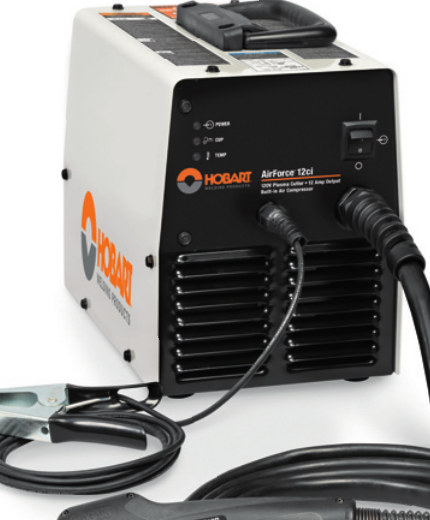
    The Hobart AirForce 12ci is a compact plasma cutter support case where the buying risk is usually not the cutter itself, but the parts that keep it running: torch fitment, consumables, protective gear, and whether the replacement item matches the machine’s input and torch family. This guide is built to help welders, fabricators, and maintenance buyers verify the basics before ordering.

    Key Takeaways

    • Use the Hobart AirForce 12ci support page as the first parts reference before you buy.
    • Verify torch model, consumable type, and input power before ordering any replacement item.
    • Do not assume a plasma torch, consumable kit, or cover fits because it looks similar.
    • Check wear items first: nozzle, electrode, shield, swirl ring, retaining parts, air supply, and cable condition.
    • Safety glasses and a protective cover are support items, not optional extras.

    Start with the WSP lookup page

    The primary support page for this unit is here: Hobart AirForce 12ci Plasma Cutter Support. The page indicates stock 500564 and lists 120 V specs, XT12R replacement torch, consumable kits, safety glasses, and a protective cover. Treat those listings as the starting point for verification, not as a substitute for checking your exact machine and torch tag.

    Check before you order

    • Inspect the machine label: confirm the model is Hobart AirForce 12ci, not a similar unit.
    • Verify input power: the support page shows 120 V specs. Confirm your unit nameplate and outlet setup match.
    • Inspect the torch tag: confirm whether the unit uses the XT12R replacement torch listed on the support page.
    • Check consumable wear: look for recessed electrode, enlarged nozzle orifice, heat damage, cracks, or unstable arc start.
    • Verify cable and lead condition: cuts, melted sections, or loose strain reliefs can mimic consumable failure.

    Troubleshooting and support checks

    If the cutter is not performing well, the fastest path is a basic inspection sequence. Start simple and document what you find.

    1) No start or weak start

    • Check: power source status, plug condition, and supply voltage at the receptacle.
    • Inspect: trigger switch, torch lead, and any visible torch damage.
    • Verify: the consumables are installed correctly and are not worn beyond serviceable condition.

    2) Arc starts but cut quality is poor

    • Check: air pressure and air quality at the cutter.
    • Inspect: nozzle, electrode, shield, and retaining parts for spatter buildup or heat distortion.
    • Verify: the work clamp is clean and attached to bare metal.

    3) Arc drops out during cutting

    • Check: thermal condition of the machine and duty cycle usage pattern.
    • Inspect: torch lead for intermittent breaks or damaged insulation.
    • Verify: the air supply is steady and dry. Moisture can cause unstable operation and consumable damage.

    4) Consumables wear too quickly

    • Check: cutting technique, standoff distance, and travel speed.
    • Inspect: whether the nozzle is being run beyond normal wear indicators.
    • Verify: you are using the correct consumable kit for the torch family. If uncertain, use Unknown (Verify) until the exact kit is matched.

    Parts lookup buying checks for this model

    For the Hobart AirForce 12ci, the most useful parts categories are torch replacement, consumable kits, and protective items. The support page points to an XT12R replacement torch, but buyers should verify the torch family, connector style, and lead length against the existing machine before ordering. Unknown (Verify) should be used for any detail that is not confirmed by the machine label or the support page.

    Replacement torch check

    • Inspect: the old torch for model markings, connector type, and damage location.
    • Verify: the new torch is listed for the same support page and matches the original torch family.
    • Confirm: no modification is required for fitment unless the manufacturer states otherwise.

    Consumable kit check

    • Inspect: all wear components removed from the torch.
    • Compare: thread shape, size, and seating surfaces.
    • Verify: the kit is intended for the same torch model, not just a similar plasma system.

    Protective gear and cover

    • Check: whether the shop already stocks plasma-rated eye protection.
    • Inspect: the machine’s storage location for dust, slag, and moisture exposure.
    • Verify: a protective cover will not trap heat when the machine is warm after use.

    Use the internal guides as support references

    If the cutter is giving you symptoms beyond basic wear, these related articles can help narrow the fault before you order parts:

    Safety notes

    • Disconnect power before inspecting torch leads, consumables, or internal connections.
    • Use eye protection and hand protection when checking the torch or removing worn parts.
    • Do not use damaged leads, cracked torch bodies, or loose consumable assemblies.
    • Verify ventilation and keep flammables clear of the cutting area.
    • If a part fitment is uncertain, mark it Unknown (Verify) and confirm through the machine label, torch tag, or support listing before use.

    FAQ

    What should I verify first for Hobart AirForce 12ci parts?

    Verify the machine model, input power, and torch family first. Then check consumables, cable condition, and air supply quality.

    Is the XT12R replacement torch listed on the support page the correct part for every unit?

    Unknown (Verify). The support page lists XT12R, but you should confirm the torch tag and connector style on your specific machine before ordering.

    How do I know if the problem is consumables or the torch?

    Inspect the nozzle, electrode, and shield first. If wear is visible or the arc is unstable, consumables are often the first suspect. If the lead, trigger, or torch body is damaged, the torch may need replacement.

    Can I buy based on similar-looking plasma parts?

    No. Similar appearance does not confirm fitment. Match the part to the support page and the machine tag, then verify before purchasing.

    Sources Checked

    Disclosure: As an Amazon Associate, Weld Support Parts may earn from qualifying purchases.

    Related Weld Support Guides

  • CK Flex-Loc TIG Torch Support: Parts Lookup and Buying Checks

    CK Flex-Loc TIG Torch Support: Parts Lookup and Buying Checks

    CK Flex-Loc TIG Torch Support

    CK Flex-Loc TIG torch support parts are usually bought to solve one problem: keep the torch serviceable and matched to the job without guessing at head, consumable, or adapter fit. The CK Flex-Loc system can involve several break points for compatibility, so the buying process should start with identification, not assumptions. If the torch is already in service, verify the head style, consumable series, and any adapter or machine-side connection before placing an order.

    Key Takeaways

    • Start with the torch body, head, and connection details before buying any replacement part.
    • Do not assume all CK Flex-Loc parts are interchangeable across torch sizes or machine setups.
    • Use the parts lookup page to confirm heads, consumable series, adapters, and breakdown support.
    • If any technical detail is not clear from the source, treat it as Unknown (Verify).
    • For maintenance buyers, the lowest-risk purchase is the one tied to an identified part number or confirmed breakdown view.

    What the WSP lookup page is for

    The Weld Support Parts lookup page for CK Flex-Loc TIG Torch Support is the correct starting point when you need to identify heads, compatible consumable series, adapters, machines, and breakdown support. Use it when a torch is already in the shop and the goal is to replace only what is worn, cracked, missing, or no longer holding position.

    Because the source page is a lookup page, the main value is verification. It helps reduce ordering errors when the torch is partially assembled, the machine has changed, or a previous repair introduced a nonstandard adapter. Do not rely on memory or older purchase history alone. Inspect the actual torch and compare it to the lookup.

    How to check the torch before ordering

    Use a simple field check before any purchase:

    1. Inspect the torch head. Look for wear, distortion, cracked insulation, loose fit, or signs that the head no longer stays in position.
    2. Verify the torch model and series. Record whatever is printed on the torch or cable assembly. If the marking is unclear, Unknown (Verify).
    3. Check the consumable interface. Confirm whether the existing parts follow the same consumable series shown in the lookup. Do not mix series without verification.
    4. Verify the adapter or connector. Check both ends of the connection path: torch side and machine side. A correct torch head does not guarantee a correct adapter.
    5. Inspect wear items separately. Gas lens, cup, collet, back cap, insulator, and other wear parts may fail independently. Replace only the worn item if the rest is sound.

    Troubleshooting and support checks

    If the torch is not performing as expected, isolate the problem before buying parts. This avoids replacing the wrong component.

    Problem: torch head will not hold position

    • Check: External damage, loose pivot points, stripped hardware, or heat distortion.
    • Inspect: The head body, locking surfaces, and any flex-loc joint condition.
    • Verify: The exact replacement head shown in the WSP breakdown. If unclear, Unknown (Verify).

    Problem: consumables do not fit or seat correctly

    • Check: The series being used now versus the series shown in the parts lookup.
    • Inspect: Threads, seating surfaces, and signs of cross-threading or heat damage.
    • Verify: Consumable series match before ordering spares or a kit.

    Problem: torch does not match the machine connection

    • Check: Machine port type, adapter presence, and whether a prior shop modification changed the connection.
    • Inspect: The machine-side fitting for wear, contamination, or incorrect thread condition.
    • Verify: The adapter or machine connection listed in the lookup or breakdown. If not shown clearly, Unknown (Verify).

    Problem: repeated failure after a repair

    • Check: Heat exposure, cable strain, handling abuse, and storage method.
    • Inspect: The same part that failed before plus any adjacent wear item.
    • Verify: Whether the failure is part damage or system mismatch. Repeated failure often means the root cause was not corrected.

    Buying checks for maintenance teams

    For a buyer or supervisor, the practical risk is ordering the right brand but the wrong configuration. Use this short process:

    • Capture the torch ID from the job site or work order.
    • Match the torch against the WSP lookup page.
    • Confirm whether you need a head, adapter, consumable series, or a full breakdown item.
    • Check whether the replacement is for repair, spare stock, or standardization.
    • Document the verified match in the asset record.

    If the torch is a legacy unit or a modified assembly, do not assume the current setup is correct. Unknown (Verify) is the safer answer than an incorrect order.

    Safety notes

    • De-energize equipment before inspecting or replacing torch components.
    • Allow hot parts to cool before handling.
    • Do not force a mismatched part into place.
    • Check for gas leaks, damaged insulation, and exposed conductors after assembly.
    • Use only verified parts for the specific torch configuration.

    FAQ

    How do I know which CK Flex-Loc part I need?

    Start with the actual torch assembly and compare it to the WSP lookup page. Confirm the head, consumable series, and adapter path before ordering. If the marking or fit is unclear, Unknown (Verify).

    Can I use a different consumable series if it looks similar?

    Not without verification. Similar appearance is not enough. Match the consumable series shown in the lookup or breakdown support information.

    What if the torch worked before but the replacement does not fit?

    Check for prior modifications, changed adapters, worn threads, or the wrong series being ordered. Compare the installed part to the lookup, not just the old order history.

    Should I replace the whole torch or only the damaged part?

    Replace only the damaged component if the rest of the assembly is sound. Use the parts lookup to identify the exact piece. If damage extends into the body, head, or connection path, a larger repair may be justified.

    Sources Checked

    This guide is based on the available lookup page only. Any detail not confirmed there should be treated as Unknown (Verify).

    Disclosure: As an Amazon Associate, Weld Support Parts may earn from qualifying purchases.

Watch with Prime Video