Tag: shop safety

  • 75/100mm M14 Steel Wire Cup Brush for Angle Grinder: When M14 Makes Sense (and When It Doesn’t)

    Category: Surface Prep/Cleaning
    Cluster: Surface Prep & Cleaning (wire wheels, flap discs, rust/paint removal)

    A wire cup brush is a fast way to strip rust, paint, and scale—but only if it actually fits your grinder. One of the most common “wrong order” problems is thread mismatch: M14 (common on many non-U.S. grinders) vs 5/8″-11 (common on many U.S. grinders).

    This post breaks down what a 75/100mm M14 steel wire cup brush is used for in welding prep, how to confirm fitment, and what to compare before you buy.

    75/100mm M14 Steel Wire Cup Brush Powerful Paint Removal Rotary Tool Twisted Steel Wire Wheel Abrasive for Angle Grinder Debu(A1)
    • Wire Scratch Brushes
    • 75/100mm M14 Steel Wire Cup Brush Powerful Paint Removal Rotary Tool Twisted Steel Wire Wheel Abrasive For Angle Grinder Debu

    Last update on 2026-06-18 / Affiliate links / Images from Amazon Product Advertising API

    Performance & use (what it’s for)

    A 75 mm (about 3″) or 100 mm (about 4″) wire cup brush is typically used for:

    • Removing surface rust and paint before welding or repainting
    • Cleaning weld zones prior to rework (especially around spatter and oxidation)
    • Fast cleanup on plate, angle, and channel where sanding is slow
    • General surface conditioning when you don’t want to remove much base metal

    Size choice (rule of thumb):

    • 75 mm (3″): better control and access in tighter areas
    • 100 mm (4″): faster coverage on open surfaces

    What to compare before you buy

    • Thread standard (M14 vs 5/8″-11): confirm your grinder spindle thread before ordering.
    • Brush diameter: choose 75 mm (3″) for control or 100 mm (4″) for speed, based on clearance and access.
    • Wire style: knotted wire is more aggressive; crimped is less aggressive and often smoother.
    • Max RPM rating: match to your grinder’s no-load RPM (do not exceed).
    • Guard and handling: confirm you can run the brush with appropriate guarding and stable two-hand control.

    Comparable Amazon picks (optional)

    M14 vs 5/8″-11: the fitment problem that wastes time

    If you’re in the U.S., a lot of angle grinders use 5/8″-11. Many grinders outside the U.S. (and some imported models) use M14. The brushes are not interchangeable without the correct spindle/adapter—and adapters can introduce runout or safety issues if they’re not designed for the tool and RPM.

    Best practice: buy the brush that matches your grinder spindle thread. If you’re unsure, check:

    • The grinder manual/spec plate
    • The spindle nut/accessory thread spec
    • The OEM accessory recommendations for your grinder model

    Where this brush fits in a welding workflow

    Use a wire cup brush early in the process:

    1. Strip paint/rust/scale back from the weld zone
    2. Degrease if needed (wire brushing doesn’t remove oil)
    3. Fit-up and tack
    4. After welding, brush to remove surface oxidation or prep for paint (as appropriate)

    If you’re cleaning stainless or critical surfaces, be careful about cross-contamination (dedicated brushes for dedicated materials).

    Safety notes (do not skip)

    Wire cups can shed wire and throw debris at high speed.

    • Safety glasses plus a face shield
    • Gloves and long sleeves
    • Keep the brush moving—don’t dig in and stall it
    • Don’t exceed rated RPM
    • Replace the brush if it’s out of balance, missing wire bundles, or damaged

    Bottom line

    The main reason to buy an M14 wire cup brush is simple: your grinder is M14. Confirm the thread standard first, then pick the diameter (75 mm vs 100 mm) based on access and coverage, and match the brush’s RPM rating to your tool.

  • SALI 6 Pack Wire Cup Brush (4″) for Angle Grinder: What It’s Good For and What to Check

    Category: Surface Prep/Cleaning
    Cluster: Surface Prep & Cleaning (wire wheels, flap discs, rust/paint removal)

    If you do any amount of weld cleanup, mill scale removal, or paint/rust stripping, a knotted wire cup brush is one of the fastest ways to get back to clean metal. The catch is that wire cups can be a bad fit (wrong arbor), run rough, or shed wire if you push them past what they’re built for.

    This guide covers what the SALI 6 Pack Wire Cup Brush (4″) is, where it makes sense in a welding workflow, and what to compare before you buy so you don’t end up with a brush that doesn’t fit your grinder or doesn’t match the job.

    SALI 6 Pack Wire Cup Brush, 4 Inch Twisted Knotted Cup Brush for Grinders, with 5/8-11 Inch Arbor for Heavy Cleaning Rust, Stripping and Abrasive, for Angle Grinder
    • [SAFETY] Equipped with an internal fixing plate to avoid flying wire breakage during use and ensure consistency.
    • [High Quality Carbon Steel Wire] Reliable, long life, safe, smooth and easy to use.
    • [Excellent Design] Innovative spiral knotting and crimping brush structure, thick knot cup design is perfect for heavy-duty polished surface finishes, crimping design provides maximum flexibility and fatigue resistance.
    • [Wide Range of Uses] High speed and easy to use is ideal for removing rust, corrosion and paint. cleaning metal surfaces, also works well to remove rust, paint and corrosion.
    • Before proceeding, please wear the necessary protective clothing as well as install the wire cup brush to the correct angle grinder.

    Last update on 2026-06-18 / Affiliate links / Images from Amazon Product Advertising API

    Performance & use (what it’s for)

    A 4-inch twisted/knotted wire cup brush is typically used for:

    • Removing light-to-moderate rust and paint from steel
    • Cleaning weld areas before rework (especially around spatter and surface contamination)
    • Stripping coatings on brackets, frames, and plate before welding
    • Fast cleanup on structural shapes where a flap disc would be slower

    Where it’s not the right tool: precision blending, finish work, or anything where you need controlled material removal. For that, flap discs or grinding wheels are usually the better choice.

    What to compare before you buy

    • Arbor/thread size: confirm your grinder spindle matches the brush’s thread (common is 5/8″-11 in the U.S.).
    • Brush diameter vs guard clearance: confirm the cup clears your guard and doesn’t contact it under load.
    • Wire type and aggressiveness: knotted wire is more aggressive than crimped; choose based on how much material you can safely remove.
    • Max RPM rating: match the brush rating to your grinder’s no-load RPM (do not exceed).
    • Workpiece risk: wire cups can throw wire and debris—plan PPE and shielding accordingly.

    Comparable Amazon picks (optional)

    When a wire cup brush beats a flap disc (and when it doesn’t)

    Use a wire cup brush when you need speed and you’re removing surface contamination (rust/paint/scale) more than shaping metal. It’s also useful when you want to avoid gouging edges the way a hard wheel can.

    Use a flap disc when you need:

    • Controlled blending on weld toes
    • Smoother finish before paint
    • Predictable material removal on edges and corners

    Fitment checklist (quick)

    Before you click “buy,” confirm:

    • Your grinder spindle thread (commonly 5/8″-11 in the U.S.; verify your model)
    • Your guard size and whether it can stay installed during use
    • Your grinder’s max RPM
    • The surfaces you’ll hit most (flat plate vs corners vs inside angles)

    Safety notes (wire wheels are not forgiving)

    Wire cup brushes can throw wire and launch debris. Treat them like a cutting/grinding operation:

    • Wear safety glasses plus a face shield
    • Gloves and long sleeves help with wire “needle” injuries
    • Keep bystanders clear and avoid brushing toward your body
    • Don’t exceed rated RPM and don’t use a damaged brush

    Bottom line

    If you want a multi-pack of 4″ knotted wire cup brushes for routine weld prep and cleanup, this SALI set is the right category of tool—just make sure the arbor/thread and RPM rating match your grinder, and use the right PPE every time.

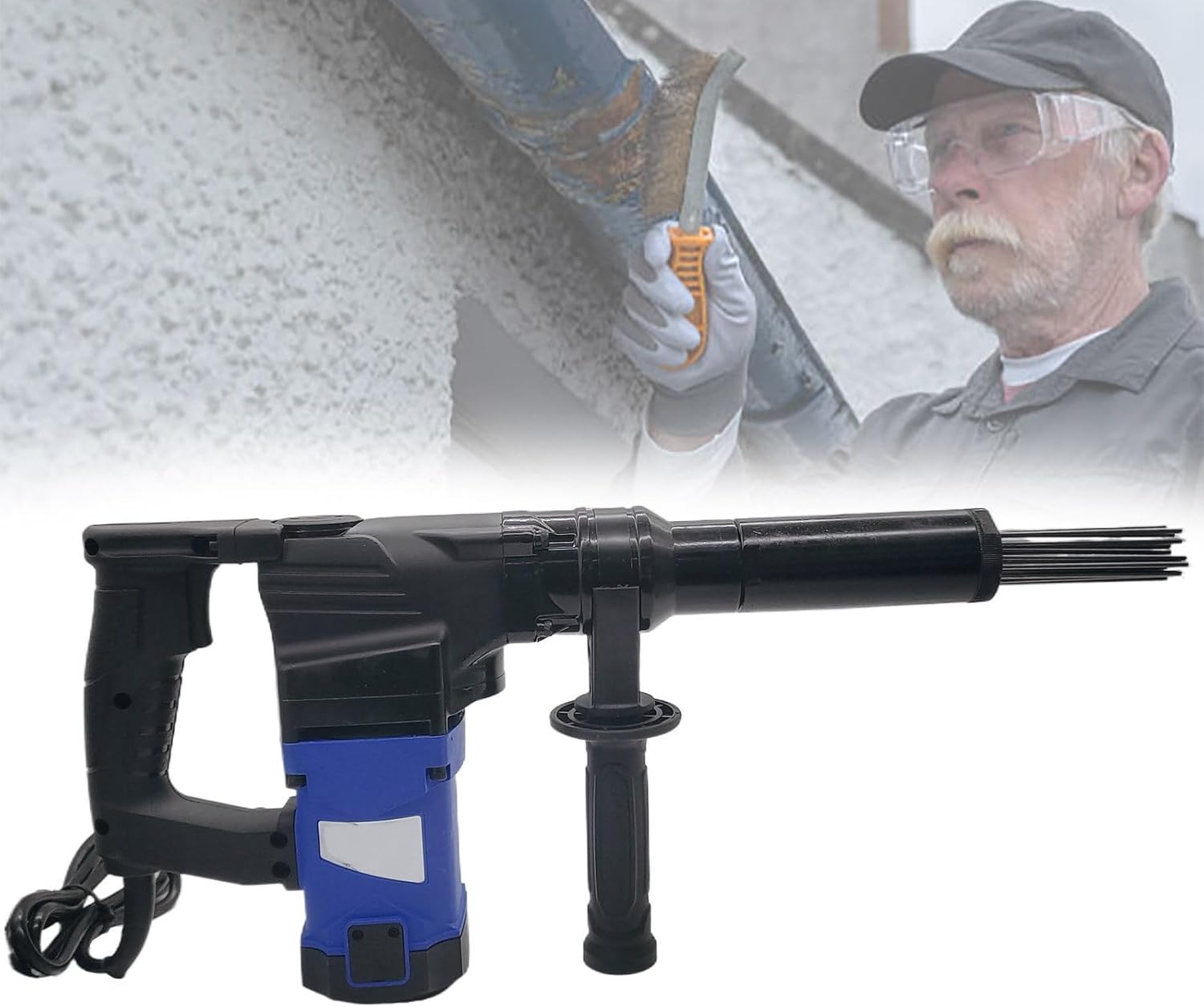
  • Beachtiful Electric Needle Scaler (1100W): When It’s the Right Tool for Slag, Rust, and Coating Removal

    Beachtiful Electric Needle Scaler (1100W): When It’s the Right Tool for Slag, Rust, and Coating Removal

    Needle scalers are not “finish tools.” They’re for aggressive removal of weld slag, rust, and stubborn coatings where a flap disc, wire wheel, or scraper is slow—or where you’re trying to get into irregular surfaces and corners.

    This post covers what to verify before buying the Beachtiful Electric Needle Scaler (1100W), where it fits in a welding workflow, and what it will not do (so you don’t buy it expecting grinder-like results).

    Beachtiful Electric Needle Scaler, 1100W Handheld Needle Derusting Electric Jet Chisels, for Metalworks, Rust, Weld & Paint Remover, Screw,Nut,Boat,Deck
    • 【High Performance】Electric needle scaler using high-end copper wire motor and key components, it has good electrical safety and long service life, The streamlined and lengthened front air duct is matched with a compact crankcase to increase the effective working depth.
    • 【Easy to Replace】Handheld electric needle derusting tool the rust-removing steel needle is easy to replace, and the daily maintenance is more convenient, available to meet the needs of different use environments.
    • 【Use Quickly】Electric rust remover front handle is easy to disassemble and assemble, and can be quickly fixed at any position in front, making the more comfortable.
    • 【Small Size】The streamlined slender front duct and compact crankcase can handle various small corners efficiently and flexibly.
    • 【Wide Scope of Application】Needle scaler attachment is suitable for relatively harsh working environments such as shipbuilding, construction, and foundry industries. It can effectively remove deposits such as various coatings, rust, and welding slag.

    Last update on 2026-06-18 / Affiliate links / Images from Amazon Product Advertising API

    What a needle scaler is best at

    A needle scaler uses a bundle of moving needles to “chip” at surface contamination. In welding/fab work, it’s typically used for:

    • Slag removal after certain processes (especially where slag is heavy or access is awkward)
    • Rust and coating removal during repair prep
    • Cleaning irregular surfaces where a disc can’t sit flat

    It’s not a replacement for final surface conditioning. Most jobs still need a follow-up pass (wire wheel, flap disc, sanding) depending on your finish requirements.

    Performance & Use

    What to compare before you buy

    • Power and duty expectations: The listing states “1100W” in the title; verify the electrical requirements and whether it matches your shop power.
    • Needle replacement availability: Confirm replacement needle sets are easy to source (Unknown (Verify) unless clearly listed).
    • Vibration and control: Needle scalers can be fatiguing. Look for grip/handle design that supports two-hand control.
    • Access vs grinder: If you mainly need flat-surface blending, a flap disc may be faster. If you need corners/irregular surfaces, the scaler can win.
    • Noise and debris management: Plan for hearing protection and eye/face protection. Debris can eject unpredictably.

    Comparable Amazon picks (optional)

    Where this fits in a welding workflow

    A practical sequence (common repair/fab reality):

    1. Gross removal: needle scaler for heavy slag/rust/coating
    2. Refine: wire wheel or flap disc to smooth and prep for weld/paint
    3. Final prep: wipe/clean per your coating or weld procedure requirements (process-specific)

    Safety notes worth taking seriously

    • Eye/face protection is non-negotiable. Needle scalers throw sharp debris. Use at least safety glasses; a face shield is often the better call.
    • Hearing protection: These tools are loud in real use.
    • Gloves and sleeves: Helps with vibration and protects from sharp chips.
    • Check what you’re removing. If you’re stripping unknown coatings, treat dust as hazardous until verified otherwise.

    Who should buy this

    Good fit if you:

    • Do repair work where rust/coatings are common.
    • Need a tool that can clean irregular surfaces faster than discs alone.

    Skip if you:

    • Mostly do clean new fab where a flap disc/wire wheel already covers your prep needs.
    • Expect a needle scaler to leave a “ready-to-paint” finish without follow-up.

    Where to buy (verified)

    Beachtiful Electric Needle Scaler, 1100W Handheld Rust Remover (listing title as shown in search results)
    Verified ASIN: B0D5CTDVBG
    Amazon verification URL: https://www.amazon.com/Beachtiful-Electric-Handheld-Derusting-Metalworks/dp/B0D5CTDVBG?tag=weldsupport-20

  • JSP Force Typhoon™8 PressToCheck™ Filters (For JSP Force Typhoon™8 Half-Mask)

    JSP Force Typhoon™8 PressToCheck™ Filters (For JSP Force Typhoon™8 Half-Mask)

    Intro:
    If you’re running a reusable half-mask in a welding shop, the filters are the real consumable—and the most common failure point when performance drops. These JSP PressToCheck™ filters are the correct “keep it working” purchase for the JSP Force Typhoon™8 system (verify exact compatibility before ordering).

    Key Takeaways

    • Filters are the ongoing cost and the critical safety component of a reusable respirator setup.
    • PressToCheck™ design is intended to help confirm seal/fit (verify how the check works on your exact mask + filter).
    • Best practice is to keep spare filters on hand to avoid “one more job” with clogged media.
    • Welding fume protection depends on the filter rating (do not assume—verify).
    • Compatibility matters: confirm these filters match the JSP Force Typhoon™8 half-mask you’re using.

    Performance & Use

    For welding and grinding environments, filter performance is about two things: the rating (what it’s designed to capture) and the seal (whether air is actually going through the filter media).

    What this post will not guess:

    • Exact filtration rating (P100, etc.) unless explicitly stated on the listing and packaging.
    • Whether these filters are intended for organic vapors, nuisance OV relief, or particulates only.

    What to do before you buy:

    • Confirm the filter rating on the Amazon listing and/or manufacturer documentation.
    • Confirm these are the correct PressToCheck™ filters for your exact JSP mask model (Force Typhoon™8).

    Durability & Build

    Filters are consumables. In welding shops, service life can shorten fast with grinding dust, high fume load, and poor storage.

    Unknown (Verify):

    • Filter media type and rated service life
    • Whether the filters are individually sealed
    • Storage/case inclusion

    Power / Specs

    • System: PressToCheck™ filter system (verify)
    • Compatibility: JSP Force Typhoon™8 half-mask respirator (verify)
    • Filtration rating: Unknown (Verify on listing/packaging)
    • Quantity per pack: Unknown (Verify)
    • Included: Filters only (Verify if adapters/caps are included)

    Who It’s For

    • Welders/fabricators already using the JSP Force Typhoon™8 half-mask and needing replacement filters.
    • Shops standardizing PPE so everyone is on the same filter platform.

    Skip if:

    • You cannot confirm the filter rating meets your shop’s requirements.
    • You’re using a different respirator brand/model (fitment is not universal).

    Quick FAQ

    Q: Are these filters for welding fumes?
    A: Possibly, depending on the filter rating. Verify the rating and intended use on the listing and packaging.

    Q: Do these fit the JSP Force Typhoon™8 mask?
    A: They’re listed as PressToCheck™ filters; verify they match the Force Typhoon™8 half-mask before ordering.

    Q: How do I know when to replace filters?
    A: Replace when breathing resistance increases, filters are damaged, or per manufacturer schedule (verify guidance).

    Q: Can I use these for grinding dust too?
    A: Potentially—depends on the rating. Verify.

    Q: Do filters fix a poor seal?
    A: No. You need correct sizing and a proper seal check every time.

    Safety Notes

    • Do not assume protection without verifying filter rating + fit + seal.
    • Perform seal checks each time you don the respirator; facial hair can compromise sealing.
    • Store filters clean and dry; contaminated filters can create exposure risk.
    • Use ventilation and fume control whenever possible; PPE is the last line of defense.
    • Always follow the machine manual, SDS, and applicable code requirements. If unsure, verify with the manufacturer.

    Where to Buy

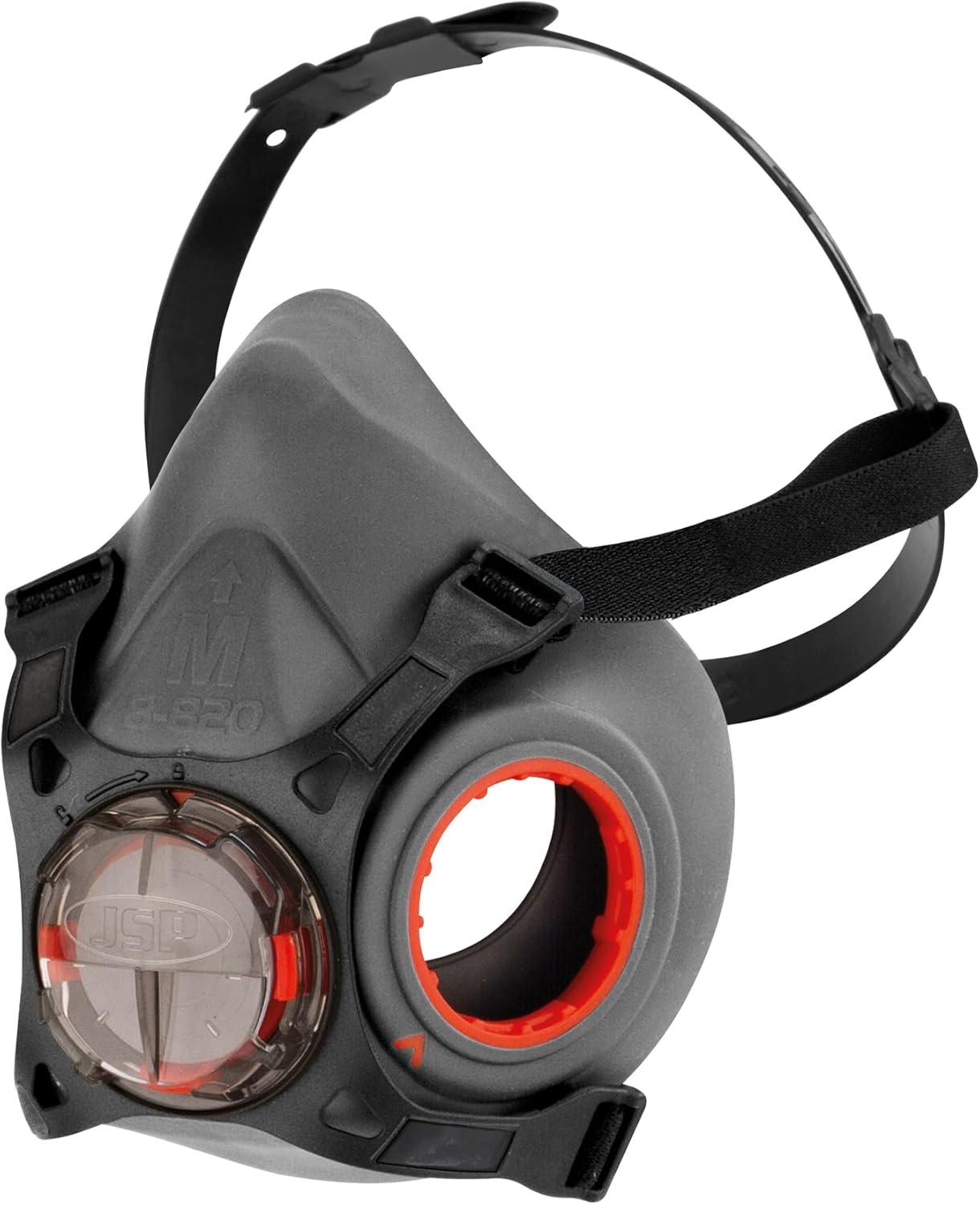
    JSP Force Typhoon™8 Half-Mask Reuseable Respirator – Medium – Low Breathing Resistance, NIOSH, Enhanced Comfort and fit, Compatible with PressToCheck™ Filters
    • [ADJUSTABLE] Fully adjustable 4-point cradle suspension ensures an effective facial fit.
    • [COMFORT] Soft thermoplastic rubber (TPR) facepiece for enhanced comfort and fit.
    • [LOW BREATHING RESISTANCE] Unique Typhoon low resistance exhalation valve increase comfort and reduces fatigue.
    • [REPLACEABLE FILTERS] Works with PressToCheck twin filters that ensure a correct seal every time.
    • [PROTECTION] APF 10 when properly fit tested and used with compatible filters and cartridges.

    Last update on 2026-06-18 / Affiliate links / Images from Amazon Product Advertising API

    JSP P100 PressToCheck™ Particulate Filter Cartridges for The JSP Force Typhoon™8 Half-Mask Respirator – Pack of 2 (1 Pair) – NIOSH 99.97% Filter Efficiency
    • [NIOSH APPROVED] NIOSH 99.97% filter efficiency. Effective against all solid and oil particulate aerosols.
    • [COMPATIBLE] Compatible with all JSP Force Typhoon8 half mask respirators.
    • [PROTECTION] APF 10* when Quantiative Fit Testing is performed.
    • [LOW RESISTANCE] Evolutionary pleated filter provides lower breathing resistance.
    • [CHECK] PressToCheck twin filters ensure a correct seal every time.

    Last update on 2026-06-18 / Affiliate links / Images from Amazon Product Advertising API

  • GVS SPR457 Elipse P100 Dust Half Mask Respirator (M/L)

    GVS SPR457 Elipse P100 Dust Half Mask Respirator (M/L)

    Intro
    If you’re welding in a shop that stays hazy, a low-profile P100 half mask can be the difference between “getting by” and actually protecting your lungs. The GVS Elipse P100 is a popular option for welders who want a compact respirator that fits under most hoods.

    Key Takeaways

    • P100 filtration for welding fume particulate (verify exact rating on included filters)
    • Low-profile shape helps clearance under many welding helmets
    • Lightweight mask body for longer wear time
    • Replaceable filters keep ongoing cost predictable
    • Fit matters: M/L sizing—verify before ordering

    Performance & Use

    This style of half mask is typically used for welding fume particulate and grinding dust. The key advantage is the compact filter profile, which can reduce interference with helmet fit and head movement.

    Processes: MIG/TIG/Stick usage is Unknown (Verify) for this exact listing (mask is PPE; suitability depends on fume type, ventilation, and filter configuration). Use local exhaust ventilation whenever possible.

    Durability & Build

    The Elipse design is known for a rigid mask body with a soft face seal and replaceable filter cartridges. Long-term durability depends on how often it’s cleaned, how it’s stored, and whether filters are replaced on schedule.

    Power / Specs

    • Respirator type: Half mask, reusable
    • Filter class: P100: Verified (listing indicates P100)
    • Size: M/L (Medium/Large): Verified
    • Replaceable filters: Verified
    • NIOSH approval details: Unknown (Verify on packaging/listing details)
    • Included accessories (extra filters, storage case): Unknown (Verify)

    Who It’s For

    • Welders and fabricators who need a compact half mask that’s less likely to fight helmet fit
    • Shops doing frequent grinding, prep, and welding where particulate control is a daily issue
    • Skip if you need specific vapor protection (OV/acid gas) unless you verify the correct cartridge/filter configuration

    Quick FAQ

    Q: Is this a P100 respirator?
    A: The listing indicates P100; verify the exact filter markings when it arrives.

    Q: Will it fit under my welding hood?
    A: Often yes due to low-profile filters, but helmet fit is personal—verify clearance.

    Q: Does it protect against organic vapors?
    A: Not necessarily. Vapor protection depends on cartridge type. Unknown (Verify).

    Q: Are replacement filters available?
    A: Yes, replaceable filters are part of this system.

    Q: What size is this?
    A: M/L (Medium/Large), per listing.

    Q: How often should filters be changed?
    A: Depends on exposure and breathing resistance; follow manufacturer guidance. Unknown (Verify).

    Safety Notes

    • Do a seal check every time you put it on (leaks defeat the point)
    • Don’t weld in confined spaces without proper ventilation and a documented safety plan
    • Replace filters when breathing resistance increases or per manufacturer schedule
    • Always follow the machine manual, SDS, and applicable code requirements. If unsure, verify with the manufacturer.

    Where to Buy

    Amazon pick (1 item): GVS SPR457 Elipse P100 Dust Half Mask Respirator with replaceable and reusable filters included, blue, m/l size — ASIN: B013SIIBFQ
    Amazon link (affiliate): https://www.amazon.com/dp/B013SIIBFQ?tag=weldsupport-20
    AAWP shortcode:

    GVS SPR457 Elipse P100 Dust Half Mask Respirator with replaceable and reusable filters included, blue, m/l size
    • This mask is recommended for dust and fumes containing substances such as micro-organisms, marble, gypsum, titanium oxide, soapstone, rock wool, wood, detergents, textile fibres, spices, salt, animal feeds, etc.. Protects against dust that can cause lung disease. In particular, protects against coal, silica, cotton, iron ore, graphite, kaolin, zinc, aluminium dusts. Protects against harmful dusts such as asbestos, bauxite, coal, silica, iron, and against toxic dusts.
    • Extremely lightweight and compact to give the wearer as much comfort as possible. It offers a full range of vision without interfering with other eye or ear protection which users are required to wear.
    • Low breathing resistance to reduce the risk of user fatigue and to add additional comfort. Filters last up to 5 years and can be easily replaced.
    • Made from soft thermoplastic odorless elastomer that is hypoallergenic (without latex and silicone) and an easy-to-adjust headband
    • NIOSH Approval number: P100 TC-84A-6949. Elipse P100 respirator has met the requirements of 42CFR84 (Code of Federal Regulations).

    Last update on 2026-06-18 / Affiliate links / Images from Amazon Product Advertising API

Listen with Audible