Tag: Miller LPR-100

  • Miller LPR-100 Gen II Half Mask Respirator (low-profile under-helmet design)

    If your main requirement is โ€œfits under my hood,โ€ the LPR-100 is one of the few half masks designed specifically around that constraint. The filter layout stays tight to the face to reduce interference with the helmet shell and bib.

    Last update on 2026-04-20 / Affiliate links / Images from Amazon Product Advertising API

    Manufacturer-sourced specs (verify exact variant/size)

    • Filter type: P100 particulate filter
    • Filtration efficiency: 99.97% (P100 class)
    • Design intent: low-profile to fit under most welding helmets
    • Sizes: S/M and M/L (choose for seal, not โ€œwhat you usually wearโ€)

    Best for

    • MIG and stick welding in shops where you need a practical under-hood solution
    • Anyone who keeps abandoning bulky respirators because they wonโ€™t clear the helmet

    Watch-outs

    • Fit is everything: do a seal check every time you don it. If it leaks, it doesnโ€™t matter what the label says.

    GVS Elipse P100 (SPR457 M/L)

    The Elipse is popular for one reason: itโ€™s compact. The filters sit close to the cheeks, which can reduce the โ€œmask hits the hoodโ€ problem compared to many cartridge-style respirators.

    GVS SPR457 Elipse P100 Dust Half Mask Respirator with replaceable and reusable filters included, blue, m/l size
    • This mask is recommended for dust and fumes containing substances such as micro-organisms, marble, gypsum, titanium oxide, soapstone, rock wool, wood, detergents, textile fibres, spices, salt, animal feeds, etc.. Protects against dust that can cause lung disease. In particular, protects against coal, silica, cotton, iron ore, graphite, kaolin, zinc, aluminium dusts. Protects against harmful dusts such as asbestos, bauxite, coal, silica, iron, and against toxic dusts.
    • Extremely lightweight and compact to give the wearer as much comfort as possible. It offers a full range of vision without interfering with other eye or ear protection which users are required to wear.
    • Low breathing resistance to reduce the risk of user fatigue and to add additional comfort. Filters last up to 5 years and can be easily replaced.
    • Made from soft thermoplastic odorless elastomer that is hypoallergenic (without latex and silicone) and an easy-to-adjust headband
    • NIOSH Approval number: P100 TC-84A-6949. Elipse P100 respirator has met the requirements of 42CFR84 (Code of Federal Regulations).

    Last update on 2026-04-19 / Affiliate links / Images from Amazon Product Advertising API

    Manufacturer-sourced specs (verify exact model)

    • Approval: NIOSH P100
    • Intended protection: harmful dusts and metal fumes (per manufacturer wording)
    • Filter type: pleated HESPA P100 style (manufacturer terminology varies by region)
    • Form factor: compact twin-filter half mask

    Best for

    • Tight-clearance helmets and welders who need a slim profile for fitment
    • Grinding + welding workflows where you want one compact half mask (with correct filters)

    Watch-outs

    • Comfort is user-specific. If the seal pressure points you, youโ€™ll stop wearing itโ€”size correctly.

    3M 7502 Half Facepiece (7500 Series)

    This is the โ€œbuild a systemโ€ option. The 7500 series facepiece is known for comfort, and the bayonet connection opens up a wide range of 3M filters/cartridgesโ€”useful if you switch between particulate-only and nuisance/OV situations (based on your hazard assessment).

    Last update on 2026-04-20 / Affiliate links / Images from Amazon Product Advertising API

    Manufacturer-sourced specs (series-level; verify exact configuration)

    • Facepiece material: silicone
    • Connection: 3M bayonet-style filter/cartridge interface
    • Suspension: drop-down style (helps doff without removing hard hat/hood in some setups)
    • Size: 7502 = Medium (in the 7500 series sizing)

    Best for

    • Welders who prioritize comfort and want flexible filter options
    • Shops standardized on 3M cartridges/filters

    Watch-outs

    • Cartridge/filter choice changes profile. Some combinations will fit under a hood; some wonโ€™t. Keep it low-profile if โ€œunder helmetโ€ is the goal.

    TOP PICK (plain text callout)

    TOP PICK: Miller LPR-100 Gen II โ€” If your #1 requirement is โ€œfits under my welding helmet,โ€ start here. Itโ€™s purpose-built around low-profile clearance, which is the usual deal-breaker with half masks.


    Buying Guide: how to choose a respirator that fits under a welding helmet

    1. Prioritize seal over brand
      A perfect โ€œunder-helmetโ€ shape that leaks is a fail. Choose the size that seals on your face, then solve clearance.
    2. Keep the filter profile tight
      Under-hood fit usually fails at the cheeks. Compact filters (or low-profile P100 designs) reduce helmet interference.
    3. Match filters to the job (donโ€™t guess)
    • Welding fume and grinding dust often point you toward P100 particulate filtration.
    • If you have solvents/paint/cleaners in the area, you may need additional cartridge capability (follow your shopโ€™s safety program).
    1. Donโ€™t ignore ventilation and capture
      A respirator is not a substitute for fume extraction. If you can add local capture, do itโ€”less exposure, less filter loading, better visibility.
    2. Do a quick fit check every time
      Negative/positive pressure checks take seconds and prevent hours of exposure.

    FAQ

    Q1) Whatโ€™s the best welding respirator that fits under a helmet?
    For most people, itโ€™s the one that seals correctly and stays low-profile at the cheeks. Purpose-built low-profile designs (like the LPR-100 style) are often the easiest starting point.

    Q2) Do I need P100 filters for welding?
    Many welding and grinding exposures are particulate-based, where P100 is commonly used. Your exact needs depend on the materials, coatings, ventilation, and your shopโ€™s safety requirements.

    Q3) Why does my respirator break seal when I drop my hood?
    Usually the helmet shell contacts the filter area and shifts the mask. Fix it by switching to a lower-profile filter design, adjusting headgear, or changing helmet clearance.

    Q4) Can I wear a half-mask with safety glasses under a hood?
    Yes, but fogging and seal interference are common. Anti-fog eyewear, proper hood ventilation, and correct strap routing help. If glasses break the seal, address that first.

    Q5) When should I step up to a PAPR?
    If you canโ€™t get a reliable seal, you have high fume loads, or you need higher comfort for long shifts, a PAPR may be the practical solution (shop policy and budget permitting).


    Safety Notes (ANSI/ISEA Z87.1 + PPE reminders)

    • Wear ANSI/ISEA Z87.1 compliant eye protection under the hood when required by your environment and task.
    • Respiratory protection only works when it seals and is worn consistently. Facial hair can prevent a proper seal on tight-fitting respirators.
    • Use fume extraction when possible, maintain adequate ventilation, and follow your shopโ€™s hazard assessment and PPE program.
    • Replace filters per manufacturer guidance and when breathing resistance increases or filters are damaged/loaded.
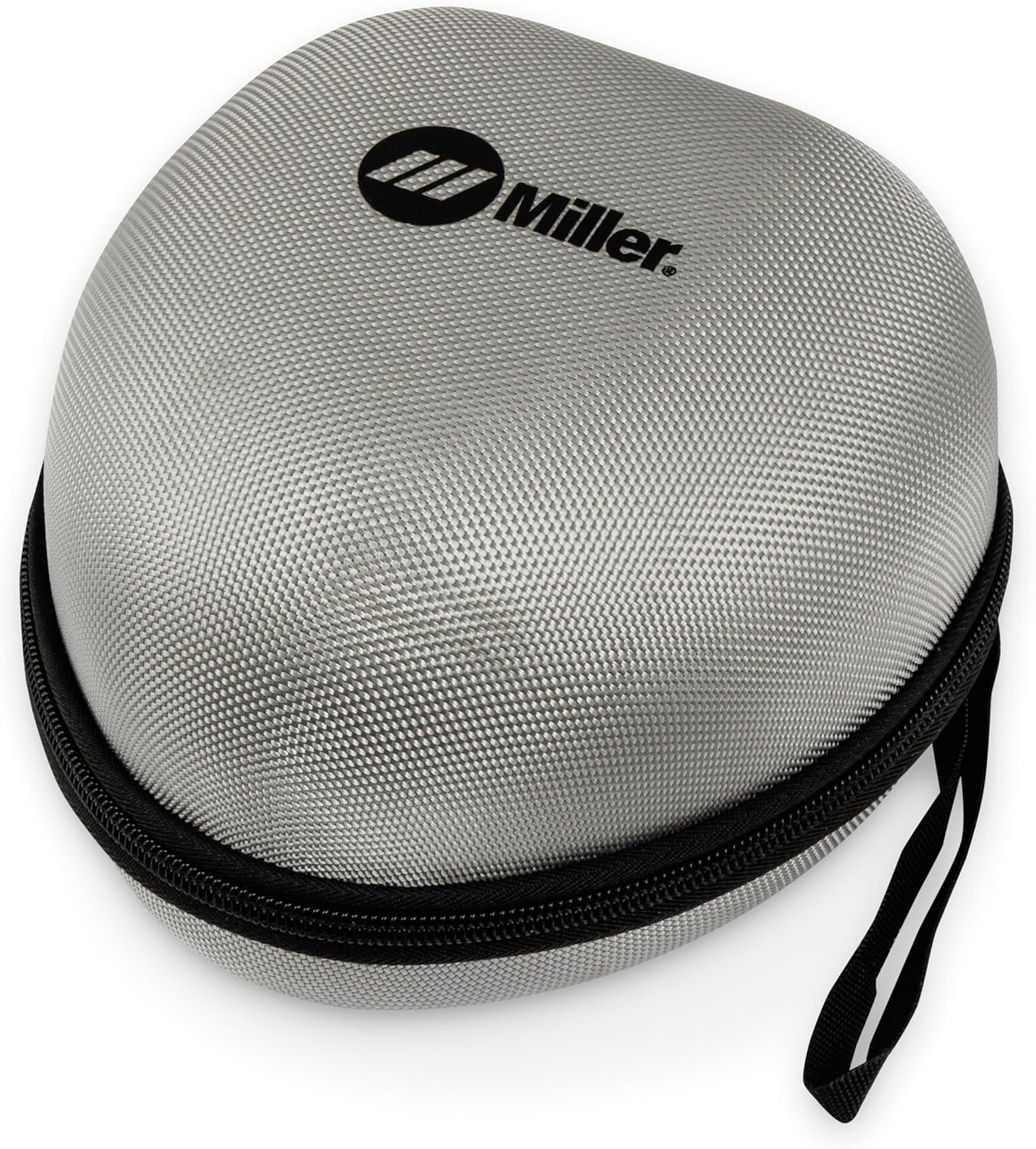
  • Miller LPR-100โ„ข, Case, Gen II

    Miller LPR-100โ„ข, Case, Gen II

    Intro
    If your respirator gets tossed in a toolbox or left on a bench, itโ€™s more likely to get dirty, damaged, or โ€œforgotten.โ€ A dedicated case keeps your LPR-100 setup protected and ready to use.

    Key Takeaways

    • Protects the respirator from dust, grinding grit, and shop damage between uses
    • Helps keep sealing surfaces and filters cleaner than open-air storage
    • Makes it easier to transport PPE to job sites without crushing the mask
    • Good fit for welders who actually wear a respirator daily
    • Whatโ€™s included inside the case: Unknown (Verify)

    Performance & Use

    A respirator case is simple, but it solves a real problem: PPE that isnโ€™t protected tends to get contaminated or beat up, and then it stops getting used. This case is intended for the Miller LPR-100 Gen II system (verify exact compatibility on the listing if youโ€™re using a different mask).

    Use it as โ€œclean storageโ€ after your shift: wipe down the mask body, let moisture dissipate, then store it so the face seal and straps arenโ€™t getting crushed. If youโ€™re moving between weld bays or traveling to a site, a case also reduces the chance of filters getting loaded with shop dust before you even put it on.

    Durability & Build

    A good respirator case should resist cracking, close securely, and protect the mask from being compressed. Exact material, latch style, and impact resistance for this specific case: Unknown (Verify).

    Power / Specs

    • Product type: Respirator case (storage/transport)
    • Intended system: Miller LPR-100 Gen II (Verify)
    • Dimensions: Unknown (Verify)
    • Material: Unknown (Verify)
    • Included components (mask/filters vs case-only): Unknown (Verify)

    Who Itโ€™s For

    For welders and fabricators who want their respirator to stay clean, protected, and easy to grabโ€”especially if you move between work areas or travel. Skip it if you never transport your respirator and already have a clean, dedicated storage spot.

    Quick FAQ

    Q: Is this the respirator or just the case?
    A: This listing is for the case. Whether it includes a mask/filters depends on the exact listing contentsโ€”verify before buying.

    Q: Will it fit the original LPR-100 (Gen I)?
    A: Unknown (Verify). Confirm compatibility on the listing.

    Q: Does a case replace filter change practices?
    A: No. It helps keep the respirator cleaner, but filters still need replacement based on exposure and manufacturer guidance.

    Q: Can I store the respirator right after welding?
    A: Let it cool/dry first. Storing a damp mask can accelerate odor and contamination.

    Q: Is this airtight?
    A: Unknown (Verify). Most cases protect from damage/dust but are not truly airtight.

    Safety Notes

    • A case helps keep PPE cleaner, but it does not guarantee contamination-free storage
    • Keep respirators away from grinding dust, paint/solvent vapors, and welding spatter
    • Inspect face seal, valves, and straps before each use; replace damaged parts Always follow the machine manual, SDS, and applicable code requirements. If unsure, verify with the manufacturer.

    Where to Buy

    Amazon pick (1 item): Miller LPR-100โ„ข, Case, Gen II โ€” ASIN: B0DSCPV759
    Amazon link (affiliate): https://www.amazon.com/dp/B0DSCPV759?tag=weldsupport-20
    AAWP shortcode:

    Miller LPR-100โ„ข, Case, Gen II
    • Safely Store and protect your Gen 11 LPR Series mask when not in use.

    Last update on 2026-04-20 / Affiliate links / Images from Amazon Product Advertising API


    Verification checklist

    • Confirm listing is case-only vs kit (mask + filters)
    • Confirm compatibility: LPR-100 Gen II vs Gen I
    • Confirm dimensions and material
    • Confirm closure/latch type and whether it seals
    • Confirm warranty/returns language (only if mentioned)

  • Welding Fume Exposure in 2025: Whatโ€™s Changed and What PPE Actually Protects You

    Welding Fume Exposure in 2025: Whatโ€™s Changed and What PPE Actually Protects You

    Welding fumes have always carried health risks, but 2025 brings a major shift in how OSHA, AWS, and safety professionals are treating long-term exposure. Injury rates in welding have dropped 15% since 2020, but chronic inflammation, respiratory diseases, and cumulative metal-fume toxicity are getting significantly more attention.

    Whatโ€™s driving the change?
    Stricter exposure limits, new PPE technologies, and better data on how manganese, hexavalent chromium, nickel, and aluminum fumes impact long-term health.

    This guide explains whatโ€™s new, whatโ€™s trending, and which respirators provide real protectionโ€”not just marketing.


    Key Takeaways

    • Chronic inflammation from long-term fume exposure is a major 2025 focus
    • OSHA and ANSI Z49.1 have updated guidance for ventilation and fume extraction
    • PAPRs and tight-fitting respirators are becoming standard, not optional
    • Shops must document airflow, PPE compliance, and exposure reduction
    • Welders need gear that protects against manganese, aluminum oxides, and stainless fumes

    What Changed in 2025

    1. Chronic Inflammation Identified as a High-Priority Health Risk

    Research now links long-term fume exposure to:

    • Chronic lung inflammation
    • Reduced lung function
    • Cardiovascular stress
    • Increased sensitivity to airborne metals

    OSHA has signaled more aggressive enforcement on fume control, especially in enclosed fabrication environments.


    2. Stronger Requirements for Fume Extraction & Ventilation

    ANSI Z49.1 (Safety in Welding, Cutting, and Allied Processes) now emphasizes:

    • Mandatory local exhaust ventilation in most shop environments
    • Airflow documentation for enclosed welding stations
    • Regular fume monitoring for stainless, galvanized, and hardfacing work

    Shops that relied on โ€œgeneral ventilationโ€ are being pushed toward mechanical extraction.


    3. PPE Expectations Increased Across Industries

    Old disposable masks donโ€™t cut it anymore. For metal fume exposure, the standard is shifting toward:

    • Elastomeric half-mask respirators with P100 filters
    • PAPRs for long-duration welding or stainless applications
    • Integrated hood systems for high-particulate shops

    Shops are required to treat fume protection as โ€œessential PPE,โ€ not optional.


    Where Welders Are Most at Risk

    The highest fume loads appear in:

    โ€ข MIG welding in confined areas

    High particulate, high manganese content.

    โ€ข Stainless steel welding (GMAW, GTAW, FCAW)

    Hexavalent chromium risk.

    โ€ข Hardfacing and high-heat processes

    High metal concentration and oxide generation.

    โ€ข Multi-pass structural welding

    Sustained exposure on thick materials increases cumulative load.


    Recommended PPE for Real Protection (Not Marketing Claims)

    Below are two Miller respirators your audience already trusts and you want to sell. These are ideal for 2025โ€™s stricter fume-control expectations.


    Miller LPR-100 (295273 / 295274)

    A low-profile, P100-rated respirator designed specifically for welding hoods.

    Why it stands out:

      • Tight-seal fit designed for welding helmets
      • Filters block 99.97% of airborne particulates
      • Compact design prevents interference with PAPR hoses or helmets
      • Great for MIG, Stick, and TIG operations
      • Lower breathing resistance than many elastomeric masks

    Where to Buy

    ArcWeld Store:
    Miller 295273 LPR-100 Gen. II Half Mask Respirator with Nuisance OV Relief, S/M Size

    “>
    Miller 295273 LPR-100 Gen. II Half Mask Respirator with Nuisance OV Relief, S/M Size

    Miller 295273 LPR-100 Gen. II Half Mask Respirator with Nuisance OV Relief, S/M Size

    $59.72

    In Stock

    View Product

    Miller LPR-100 Gen. II Half Mask Respirator with P-100 Nuisance Organic Vapor Relief, M/L

    “>
    Miller LPR-100 Gen. II Half Mask Respirator with P-100 Nuisance Organic Vapor Relief, M/L

    Miller LPR-100 Gen. II Half Mask Respirator with P-100 Nuisance Organic Vapor Relief, M/L

    $59.72

    In Stock

    View Product

    Amazon:

    Miller LPR-100 Gen. II Half Mask Respirator, Nuisance OV Relief M/L – Welding Respirator Mask with Filters – P100 Respirator Mask for Filtrating Particulates & Aerosols – Respirator Under Helmet
    • Enhanced Protection with Nuisance OV Relief Filters: The Miller LPR-100 Gen. II Half Mask Respirator, Nuisance OV Relief M/L includes an added carbon layer feature to reduce nuisance-level organic vapor odors; Our respirator mask with filters helps ensure clean, breathable air for welders working in fume-intensive environments
    • Up to 99.97% Filtration: Upgrade your welding gear with our respirator mask; Strongly resistant to oil, the filters of our respirators help provide reliable filtration of airborne particles, including solid dust, metal fumes and mists
    • Compact Low-Profile Design for Welding Helmets: The slim design of our welding respirator under helmet offers a wide field of vision and fits easily under most welding helmets; Our respirator is designed to help provide full compatibility with your protective eyewear and headgear
    • Ergonomic Half-Mask Respirator for Extended Comfort: Crafted for long welding shifts, our half face respirator features minimal dead air space to reduce heat buildup; It also comes with a large non-return exhaust valve to help minimize user fatigue during high-demand tasks
    • Durable, Medical-Grade Materials: Made with latex- and silicone-free materials, this half mask face respirator is odor-free, hypoallergenic; It is also built to withstand demanding welding environments while providing user comfort and safety

    Last update on 2026-04-20 / Affiliate links / Images from Amazon Product Advertising API

    Miller LPR-100 Gen. II Half Mask Respirator, Nuisance OV Relief S/M – Welding Respirator Mask with Filters – P100 Respirator Mask for Filtrating Particulates & Aerosols – Respirator Under Helmet
    • Enhanced Protection with Nuisance OV Relief Filters: The Miller LPR-100 Gen. II Half Mask Respirator, Nuisance OV Relief S/M includes an added carbon layer feature to reduce nuisance-level organic vapor odors; Our respirator mask with filters helps ensure clean, breathable air for welders working in fume-intensive environments
    • Up to 99.97% Filtration: Upgrade your welding gear with our respirator mask; Strongly resistant to oil, the filters of our respirators help provide reliable filtration of airborne particles, including solid dust, metal fumes and mists
    • Compact Low-Profile Design for Welding Helmets: The slim design of our welding respirator under helmet offers a wide field of vision and fits easily under most welding helmets; Our respirator is designed to help provide full compatibility with your protective eyewear and headgear
    • Ergonomic Half-Mask Respirator for Extended Comfort: Crafted for long welding shifts, our half face respirator features minimal dead air space to reduce heat buildup; It also comes with a large non-return exhaust valve to help minimize user fatigue during high-demand tasks
    • Durable, Medical-Grade Materials: Made with latex- and silicone-free materials, this half mask face respirator is odor-free, hypoallergenic; It is also built to withstand demanding welding environments while providing user comfort and safety

    Last update on 2026-04-20 / Affiliate links / Images from Amazon Product Advertising API

    Disclosure: This article contains affiliate links. As an Amazon Associate, I earn from qualifying purchases.


    Ventilation: What Actually Works in 2025

    1. Local Exhaust Extraction (LEV)

    Most effective. Pulls fumes at the arc before they reach the welder.

    2. High-Volume Portable Fume Extractors

    Good for small fabrication shops; less ideal for high-production cells.

    3. PAPR Systems

    Best for stainless or long-duration welding. (Optrel Helix Pure Air, 3M Adflo, Miller PAPR)

    4. Clean-Air Booths

    High-end solution for training centers and production facilities.


    Why Shops Should Care

    1. Non-compliance = OSHA fines

    OSHAโ€™s 2025 inspection priority includes fume exposure logs and ventilation plans.

    2. Better PPE lowers long-term medical claims

    Reduced inflammation = fewer chronic issues = lower insurance cost.

    3. Certified welders are billing higher rates

    Because the PPE requirements are stricter and more expensive.


    Safety Notes (AWS/ANSI References)

    • Follow ANSI Z49.1 for ventilation and exposure limits
    • Use NIOSH-approved P100 filters
    • Respirator fit testing required under OSHA 1910.134
    • For stainless and galvanized steel, ensure proper local extraction
    • Replace filters per manufacturer schedule or earlier if breathing resistance increases

    FAQ

    Do welders need a respirator in 2025?
    For most shop workโ€”yes. Exposure standards are stricter, and many shops mandate P100 or PAPR.

    Is a disposable mask enough?
    Not for welding. Disposable masks do not meet P100 fume protection standards.

    Which is better, a PAPR or a tight-fitting respirator?
    PAPR = best for long-duration or stainless welding.
    P100 = excellent for general welding and a huge improvement over older PPE.

    Does fume extraction replace respirators?
    No. They work together. Extraction reduces airborne load; respirators protect your lungs directly.

Try Amazon Prime Free