Tag: Lincoln Electric

  • Lincoln Electric K2951-1 Magnum PRO Curve 300 MIG Welding Gun, Semi-Automatic, 10 ft Cable: Product Breakdown

    Lincoln Electric K2951-1 Magnum PRO Curve 300 MIG Welding Gun, Semi-Automatic, 10 ft Cable: Product Breakdown

    Product not found.
    “>Lincoln Electric K2951-1 Magnum PRO Curve 300 MIG Welding Gun, Semi-Automatic, 10 ft Cable

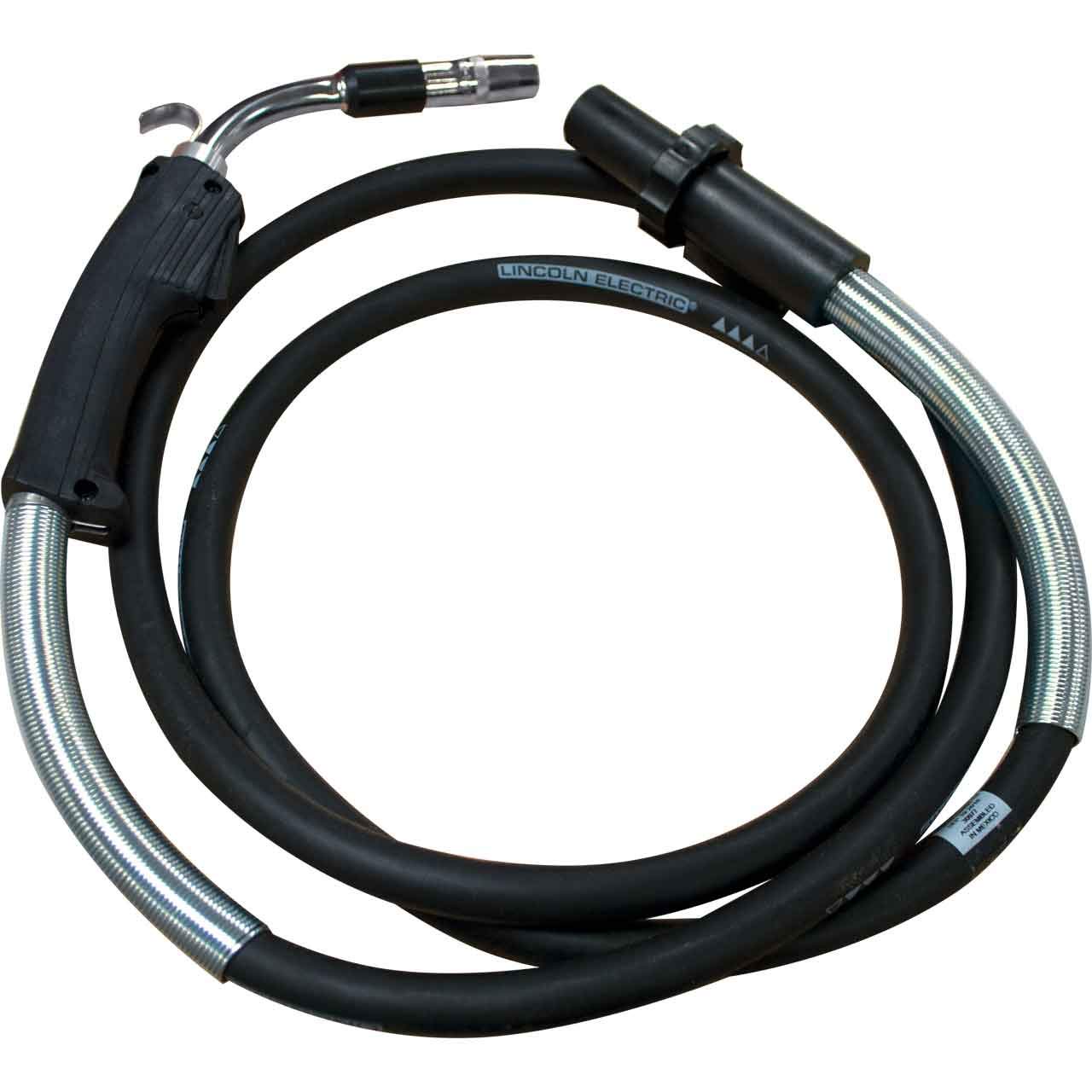
    The Lincoln Electric K2951-1 Magnum PRO Curve 300 MIG Welding Gun is a shop-use welding gun for semi-automatic MIG applications. For buyers and maintenance teams, the main question is not just what the gun is, but whether it matches the feeder, connection style, consumables, and duty cycle expectations of the job. This breakdown focuses on practical verification steps before installation and during service.

    The listed configuration includes a 10 ft cable. That length is common for controlled handling in fabrication and maintenance work, but fit and reach still need to be checked against the actual work area and feeder placement. If the gun is being ordered as a replacement or backup, verify the end connections and the wire feed setup before relying on it in production.

    Key Takeaways

    • Verify the gun connection style before ordering. Unknown (Verify) if your feeder uses a different interface.
    • The 10 ft cable supports general shop handling, but cable routing and feeder location affect practical reach.
    • Use this as a support-part decision, not a stand-alone welding procedure decision.
    • Check consumables, liners, and drive-roll compatibility with the wire you actually run.
    • Inspect the cable, neck, trigger, and pin interfaces before first use and after any impact or overheating event.

    What to Check Before Installation

    Do not assume a MIG gun fits because it is from the same brand or product family. Confirm the setup by inspection.

    • Check the feeder connection: inspect the gun end and the feeder-side interface. If the connector type is not confirmed by the machine manual or parts list, mark it Unknown (Verify).
    • Inspect cable condition: look for cuts, crushed sections, blistering, or stiffness that indicates heat damage or internal wear.
    • Verify trigger action: the trigger should move smoothly and return consistently. Any sticking or intermittent response should be corrected before use.
    • Inspect the neck and nozzle area: confirm the neck is not bent and the nozzle threads or retaining features are intact.
    • Confirm wire size and liner match: the wire size you plan to run must match the liner and contact tip setup. If not confirmed, treat it as Unknown (Verify).

    Practical Troubleshooting and Support

    If the gun is installed but feed quality is poor, start with the simplest checks. Most complaints are related to setup, wear, or contamination rather than the gun body alone.

    Wire feed is inconsistent

    • Check: drive rolls, liner condition, and contact tip wear.
    • Inspect: cable routing for tight bends, pinches, or loops that increase drag.
    • Verify: the wire diameter and wire type match the consumable stack-up. Unknown (Verify) if documentation is not available.

    Arc starts poorly or sputters at the gun

    • Check: contact tip fit, nozzle cleanliness, and wire stickout.
    • Inspect: for spatter buildup around the nozzle and front-end components.
    • Verify: shielding gas delivery, hose integrity, and machine settings at the feeder. Do not assume the gun is the only issue.

    Trigger or control response is intermittent

    • Check: the gun lead and connector pins for looseness or contamination.
    • Inspect: the trigger housing for damage, heat exposure, or liquid intrusion.
    • Verify: continuity and machine-side input functions if the gun appears mechanically sound.

    Product and Parts Considerations

    This product page is for the Lincoln Electric K2951-1 Magnum PRO Curve 300 MIG Welding Gun, Semi-Automatic, 10 ft Cable. Use the product page as the starting point for the exact item, then confirm related parts in your own machine and consumable records.

    Common support-part questions include the liner, contact tip series, nozzle style, diffuser, and connection hardware. Those details must be verified against the actual equipment and existing consumables. If a part number is not listed in your machine documentation or the product source, it should remain Unknown (Verify).

    For product reference and ordering context, use the ArcWeld product page here: Product not found.

    “>Lincoln Electric K2951-1 Magnum PRO Curve 300 MIG Welding Gun, Semi-Automatic, 10 ft Cable.

    How to Use This Gun in a Maintenance Workflow

    In maintenance environments, a MIG gun is often moved between jobs, machines, and operators. That makes inspection more important than initial purchase. Build a short pre-use routine:

    1. Inspect the cable jacket from feeder to gun neck.
    2. Check the trigger for full travel and return.
    3. Confirm the nozzle is clean and the tip is appropriate for the wire in use.
    4. Verify the feeder connection is secure.
    5. Run a short test bead on scrap before releasing the gun to production.

    If problems appear after a move or drop, assume mechanical damage until inspection proves otherwise. Hidden damage in the lead can cause intermittent feed issues that are difficult to isolate later.

    Selection Starting Point for Filler Metal

    This gun is a support component. The filler metal decision still depends on base material, process settings, shielding gas, and procedure requirements. If you need a starting point for wire selection and related product references, use the WSP filler metal finder only as a selection starting point, not as a guaranteed procedure approval source.

    Filler metal selection page: Unknown (Verify)

    If your workflow includes a documented filler metal path, compare the wire family, diameter, and machine setup to your internal procedure sheets before welding. Do not assume a general product match is acceptable for every application.

    Safety Notes

    • De-energize equipment before installing, removing, or inspecting the gun.
    • Do not use a damaged lead, cracked housing, or overheated front-end assembly.
    • Hot nozzle and contact tip parts can burn skin immediately after welding.
    • Keep cable routing clear of sharp edges, moving parts, and pinch points.
    • Use the machine manual and shop procedure for final setup. This article does not replace them.

    FAQ

    Is the Lincoln Electric K2951-1 Magnum PRO Curve 300 MIG Welding Gun a direct replacement for every Lincoln feeder?

    No. Do not assume that. Verify the connection style, control interface, and gun compatibility against the feeder documentation. If the machine side is not confirmed, mark it Unknown (Verify).

    Does the 10 ft cable make it suitable for all shop layouts?

    No. The 10 ft cable is a usable starting point, but actual reach depends on feeder placement, cart layout, and the route the cable must follow. Measure the work path before installation.

    Can I choose consumables from a product page alone?

    No. Use the product page and your machine documentation together. Confirm nozzle style, contact tip series, liner size, and wire diameter before ordering parts.

    Should filler metal pages be treated as final procedure approval?

    No. Treat filler metal pages as selection starting points only. Final approval still depends on your WPS, base material, shielding gas, and procedure requirements.

    Sources Checked

    • ArcWeld product page: Lincoln Electric K2951-1 Magnum PRO Curve 300 MIG Welding Gun, Semi-Automatic, 10 ft Cable
    • Provided internal product reference in the task prompt

    For buyers, the value of this gun is not a list of marketing features. It is whether the unit fits the feeder, supports the wire you actually run, and holds up to the handling pattern in your shop. Verify the interface, inspect the cable, and confirm the consumable stack before putting it into service.

    Related Arc Weld Part

    Lincoln Electric K2951-1 Magnum PRO Curve 300 MIG Welding Gun, Semi-Automatic, 10 ft Cable

    Lincoln Electric K2951-1 Magnum PRO Curve 300 MIG Welding Gun, Semi-Automatic, 10 ft Cable

    Lincoln Electric K2951-1 Magnum PRO Curve 300 MIG welding gun is built for semi-automatic MIG welding applications and includes a 10 ft cable for controlled handling and day-to-day shop use; the Curve 300 design is intended to support consistent feeding and operator comfort for fabrication and maintenance work—please confirm your welder/feeder and gun connection style match the Magnum PRO Curve 300 configuration b…

    View at Arc Weld Store

    Related Weld Support Guides

  • Lincoln Electric SuperArc LA-90 MIG Wire ER80S-D2/ER90S-D2, 0.045″, 500 lb Drum (ED001378): Product Breakdown

    Lincoln Electric SuperArc LA-90 MIG Wire ER80S-D2/ER90S-D2, 0.045″, 500 lb Drum (ED001378): Product Breakdown

    Product not found.
    “>Lincoln Electric SuperArc LA-90 MIG Wire ER80S-D2/ER90S-D2, 0.045", 500 lb Drum (ED001378)

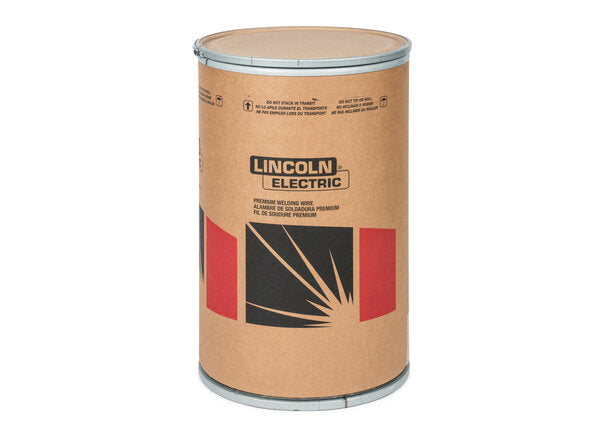
    Lincoln Electric SuperArc LA-90 MIG Wire ER80S-D2/ER90S-D2, 0.045″, 500 lb Drum (ED001378) is a low-alloy GMAW wire intended for higher-strength steel applications where the filler metal classification matters as much as the base metal and shielding gas. For buyers and weld support teams, the main point is simple: this is not a general-purpose wire. It is a classification-driven consumable that should be matched to the procedure, joint design, shielding gas, and deposit property requirements before release to production.

    Key Takeaways

    What to Verify Before You Buy

    For maintenance buyers, the first filter is whether the wire classification matches the job. Check the WPS, base metal spec, and required deposited mechanical properties. ER80S-D2 and ER90S-D2 are not interchangeable by assumption. If your procedure calls for one range, confirm that the wire classification on the spool label and certification paperwork matches that requirement.

    Inspect: the wire package size, feed system capability, and storage space for a 500 lb drum. Large drums are efficient for high-volume work, but they create handling and feed-path requirements that smaller spools do not.

    Verify: drive roll setup, liner condition, inlet guide size, gun routing, and whether your feeder is configured for drum use. Unknown (Verify) if your feeder, drum adapter, or wire delivery kit is suitable for this package size.

    Support Check: Feedability and Setup

    Low-alloy solid wire performance is often limited by setup errors, not the wire itself. If the arc is unstable or feed speed is inconsistent, start with the wire path.

    If you need a more detailed feed system reference, use this internal guide: Lincoln Drive Roll Pressure Adjustment Guide. It covers wire feed slip, burnback, birdnesting, and wire shaving fixes.

    Shielding Gas and Polarity

    The product description identifies DC+ polarity and common use with 100% CO2 and argon/oxygen blends. That helps narrow selection, but it does not replace a procedure. Gas choice affects arc characteristics, spatter level, penetration profile, and bead shape. The exact procedure may require a specific blend, flow rate, or torch setup. Unknown (Verify) unless your WPS or governing document specifies it.

    Check: regulator condition, flow meter accuracy, hose integrity, and gas delivery at the gun. A wire can be correct and still perform poorly if shielding is inconsistent.

    Verify: polarity at the machine before loading the wire into production. Reversed polarity can create immediate performance problems and misleading troubleshooting.

    WSP Lookup and Filler Metal Selection

    If you are building a purchasing or support decision, use the available selection tools as starting points only. They help narrow the search, but they do not guarantee procedure approval.

    Use any filler metal finder output as a selection starting point, not as a substitute for your WPS, base metal qualification, or code requirement.

    Product and Parts Notes

    The allowed product for this draft is the ArcWeld listing for Lincoln Electric SuperArc LA-90 MIG Wire ER80S-D2/ER90S-D2, 0.045″, 500 lb Drum (ED001378). Use the ArcWeld product page when you need the vendor-facing product record and ordering reference.

    Product not found.

    “>View the ArcWeld product page

    The product shortcode provided for internal use is:

    Lincoln Electric SuperArc LA-90 MIG Wire ER80S-D2/ER90S-D2, 0.045", 500 lb Drum (ED001378)

    Lincoln Electric SuperArc LA-90 MIG Wire ER80S-D2/ER90S-D2, 0.045", 500 lb Drum (ED001378)

    SuperArc® LA-90™ is a premium, copper-coated low-alloy MIG (GMAW) wire from Lincoln Electric designed to meet 80,000–90,000 psi tensile strength requirements for higher-strength steel applications. Classified to AWS A5.28 ER80S-D2 / ER90S-D2, LA-90 delivers strong, consistent as-welded mechanical performance across common shielding gas mixes, including 100% CO₂ and argon/oxygen blends, with DC+ polarity. This list...

    View at Arc Weld Store

    Do not assume additional compatibility, certifications, or performance values beyond what is stated in the product record. Unknown (Verify) if a specific feeder, gun, or procedure package is not documented.

    Practical Troubleshooting Sequence

    1. Check the wire classification on the label against the WPS.
    2. Inspect the feed path from drum to contact tip.
    3. Verify polarity, gas type, and gas flow.
    4. Check the contact tip for wear or mismatch.
    5. Inspect the joint prep, mill scale, rust, oil, and moisture.
    6. Verify whether the issue follows the wire or stays with the machine setup.

    If the deposit profile is not meeting expectations, do not jump straight to a different wire class. First confirm that the setup matches the intended procedure. Many apparent filler metal problems are actually feed issues, shielding issues, or base metal prep issues.

    Safety Notes

    FAQ

    Is this wire for general mild steel welding?
    Not by default. It is classified as ER80S-D2 / ER90S-D2 and should be matched to the procedure and strength requirements. Unknown (Verify) for any mild steel application unless the WPS allows it.

    What polarity is listed for this wire?
    The product description identifies DC+ polarity.

    Can I use it with any shielding gas?
    No. The listing mentions common use with 100% CO2 and argon/oxygen blends, but the actual approved gas depends on your procedure. Treat gas references as a starting point only.

    What should I check first if feed is unstable?
    Check drive roll pressure, liner condition, contact tip wear, cable routing, and drum brake tension before replacing the wire.

    Sources Checked

    Related Weld Support Guides

  • Lincoln Electric KP2742-1-62R, Magnum PRO Recessed (1/8″) Gas Nozzle, Pack of (1): Replacement Part Breakdown

    The Lincoln Electric KP2742-1-62R Magnum PRO recessed gas nozzle is a consumable support part used on compatible MIG gun assemblies. For maintenance teams, the main issue is not just ordering the nozzle; it is confirming the gun style, thread/interface, recess requirement, and wear pattern before replacement. A wrong nozzle can create shielding gas problems, contact tip interference, spatter buildup, or a poor fit that keeps the gun down longer than the part itself should.

    This guide stays focused on practical replacement-part checks. It does not assume compatibility beyond the product listing. If your gun setup, liner package, or drive configuration is not confirmed, treat those details as Unknown (Verify).

    Key Takeaways

    • The KP2742-1-62R is a replacement gas nozzle, not a complete gun.
    • Recessed nozzle geometry affects access, spatter exposure, and how far the contact tip sits back from the work.
    • Fitment should be verified against the gun body, diffuser, tip holder, and thread style before installation.
    • If the old nozzle shows heavy spatter, heat distortion, or loose fit, inspect the rest of the front-end consumables before reassembling.
    • Use Unknown (Verify) for any gun compatibility detail not confirmed by the manufacturer documentation or your internal part records.

    What to Check Before Ordering

    For support buyers and shop leads, the first step is to confirm exactly what is worn out. Do not replace a nozzle by appearance alone.

    • Inspect the current nozzle: Look for arc strikes, ovalized bore, packed spatter, or heat discoloration.
    • Verify the gun model: Match the gun family and front-end system. If the gun is Lincoln Magnum PRO and the part number is KP2742-1-62R, verify the complete assembly stack, not just the brand name.
    • Check the recess requirement: Recessed nozzles change stickout and access. Confirm whether recessed geometry is required for the weld joint, joint access, or spatter control.
    • Verify the diffuser and tip style: A nozzle that fits the outer housing may still conflict with the diffuser or tip holder. Unknown (Verify) if the exact mating parts are not in your records.

    Install and Support Checks

    Use these checks during replacement and startup.

    1. Check the threads or retention method: Start the nozzle by hand. It should seat smoothly. Do not force cross-threaded parts.
    2. Inspect the gas path: Make sure the nozzle interior is clear of spatter, grease, and damaged seals.
    3. Verify tip position: Confirm the contact tip is centered and not contacting the nozzle wall. Any rub mark after a short test run indicates a fit issue.
    4. Check gas coverage at the first weld: Run a short bead on scrap and inspect for porosity, soot, or unstable arc starts. If the weld surface changes after nozzle replacement, verify shielding gas flow, leaks, and front-end alignment.
    5. Inspect after cooling: Recheck tightness once the gun has cycled through heat. Some loose conditions show up only after the first warm-up period.

    Troubleshooting Signs That Point to the Nozzle

    Not every arc problem is a nozzle problem, but the nozzle is often part of the failure chain.

    • Heavy spatter buildup: Often indicates excessive heat, poor gas coverage, or a damaged nozzle interior.
    • Poor gas shielding: Check for blocked flow, cracked nozzle, loose fit, or incorrect recess setup.
    • Burnback near the front end: Inspect the contact tip, stickout, and nozzle position. Do not assume the nozzle is the only cause.
    • Intermittent arc instability: Verify liner condition, drive roll tension, and wire feed consistency. For a related front-end maintenance reference, see the Lincoln Magnum PRO Gun Liner Replacement Guide.

    Replacement-Part Breakdown

    The Amazon registry item for this article is the Lincoln Electric KP2742-1-62R, Magnum PRO Recessed (1/8″) Gas Nozzle, Pack of (1), ASIN B008BJMKE6, with shortcode

    No products found.

    . No additional product specifications should be assumed unless they are confirmed from the manufacturer or internal part records.

    Use this item as a front-end consumable replacement when your existing nozzle is worn, damaged, or no longer maintaining consistent shielding gas coverage. If you are supporting a production line, confirm whether the replacement interval is based on appearance, weld count, or a maintenance trigger. Unknown (Verify) if no internal standard exists.

    Support Workflow for Maintenance Buyers

    A practical store-room process reduces mismatch and returns.

    • Check the old part number: Read the stamping or packaging if available.
    • Inspect the mating components: Verify the tip, diffuser, and nozzle seat for wear or spatter damage.
    • Match the gun family: Confirm the front-end stack against shop records.
    • Verify the failure mode: Replacing a nozzle will not solve liner drag, birdnesting, or drive-roll issues. For those checks, use the liner guide above.

    Safety Notes

    • Let the gun cool before handling the nozzle. Hot consumables can cause burns.
    • De-energize the welding system before front-end service.
    • Do not run a damaged nozzle if it restricts shielding gas or contacts the workpiece unexpectedly.
    • After replacement, verify gas flow and perform a short test weld on scrap before returning the gun to production.

    FAQ

    Is the KP2742-1-62R a complete torch or gun?
    No. It is a replacement gas nozzle only. Confirm the rest of the front-end parts separately.

    Will this nozzle fit every Lincoln Magnum PRO gun?
    Unknown (Verify). Fit depends on the exact gun model, front-end components, and retention style. Confirm against your existing assembly and manufacturer documentation.

    What if the nozzle keeps filling with spatter after replacement?
    Inspect gas coverage, tip condition, stickout, and heat input. Also verify the liner and wire feed system. A nozzle replacement alone may not solve the problem.

    Should I use recessed nozzle geometry for all jobs?
    No. Recessed geometry is application-specific. Verify the required access, joint profile, and shielding needs before standardizing it across jobs.

    Sources Checked

    • Provided Amazon registry product reference for ASIN B008BJMKE6
    • Weld Support Parts internal article: Lincoln Magnum PRO Gun Liner Replacement Guide
    • Task-provided product title and slug

    Disclosure: As an Amazon Associate, Weld Support Parts may earn from qualifying purchases.

    Related Weld Support Guides

  • Lincoln Electric KP2908-1 Tip Holder: Product Breakdown

    Lincoln Electric KP2908-1 Tip Holder: Product Breakdown

    Lincoln Electric KP2908-1 Tip Holder
    “>Lincoln Electric KP2908-1 Tip Holder

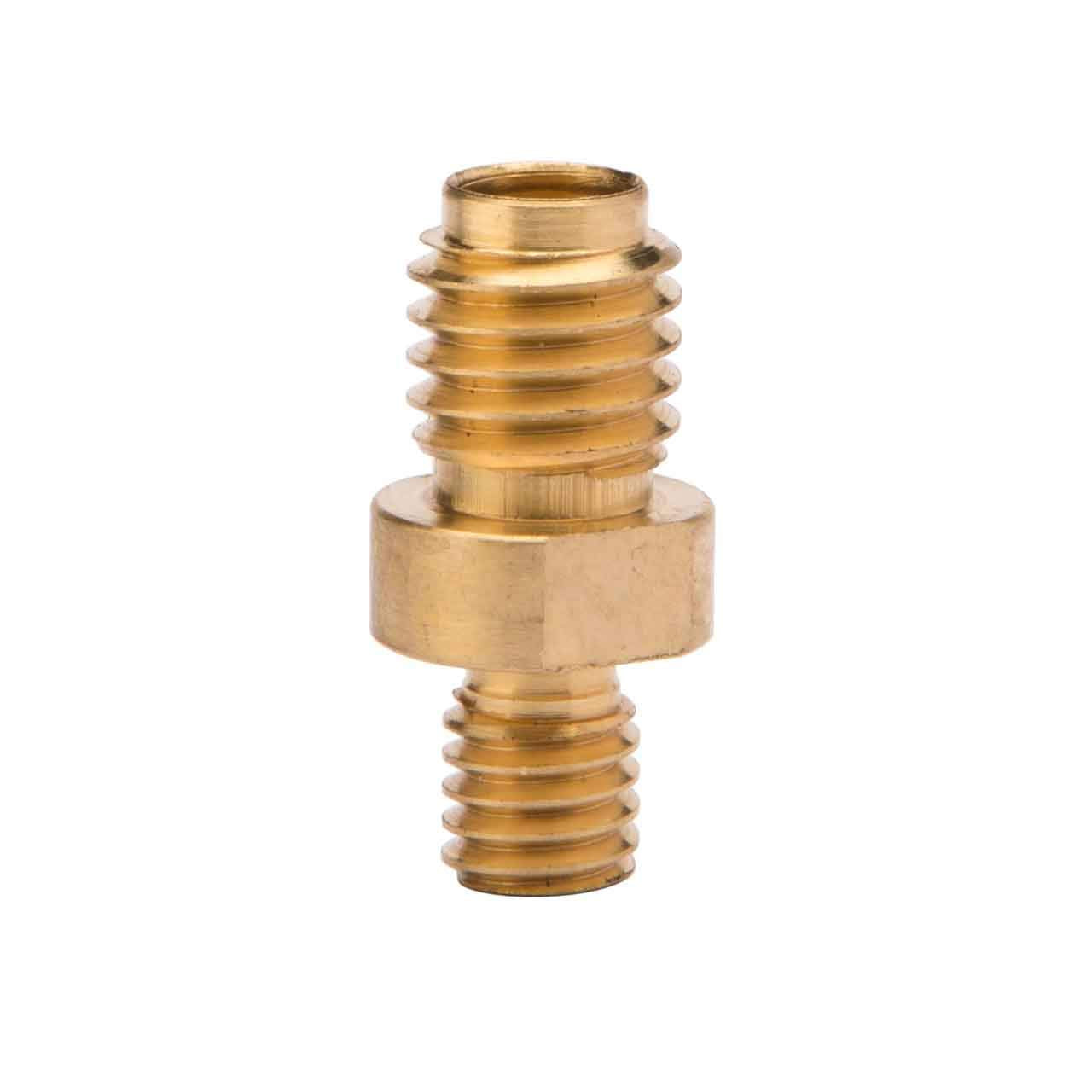
    The Lincoln Electric KP2908-1 Tip Holder is a front-end consumable part used in the consumable stack of compatible Lincoln K126 PRO Innershield guns. Its job is straightforward: hold the contact tip in position so wire transfer stays consistent at the gun front end. In self-shielded flux-cored work, that matters because the contact tip interface is part of arc stability, feed consistency, and downtime control.

    Key Takeaways

    What the KP2908-1 Tip Holder Does

    The tip holder threads into the front-end assembly and supports the contact tip. In practice, that means it helps keep the tip seated and aligned as wire passes through the gun. When the holder is worn, damaged, or cross-threaded, the tip can seat poorly and the wire path can become less stable.

    For maintenance buyers and weld support teams, the main value is simple: it is a small replacement part that protects the function of a larger assembly. Replacing a worn holder can be faster and less disruptive than continuing to run a compromised front end.

    Product and Parts Notes

    Available product information identifies the Lincoln Electric KP2908-1 Tip Holder as a genuine replacement part for Lincoln K126 PRO Innershield guns. Beyond that fitment note, all technical details not stated by the source are Unknown (Verify). Do not assume thread size, material, or cross-platform compatibility unless confirmed by the equipment documentation or the supplier listing.

    If you are managing stock, label this part by exact part number and gun family. That reduces mix-ups with visually similar front-end consumables.

    How to Inspect the Tip Holder

    Use the following checks during scheduled maintenance or when the operator reports poor performance:

    If the holder is visibly damaged, replace it. Do not force a damaged threaded part back into service.

    Troubleshooting Guide

    Symptom: Wire feed feels inconsistent

    Symptom: Arc is unstable at the gun front end

    Symptom: Frequent front-end downtime

    Support Team Checklist

    Before returning the gun to service, complete this simple check sequence:

    1. Confirm the gun model is compatible with the part number.
    2. Inspect the holder for physical damage.
    3. Clean spatter and debris from the front-end area.
    4. Install the contact tip and verify correct seating.
    5. Test for secure fit before production use.

    Safety Notes

    FAQ

    Is the Lincoln Electric KP2908-1 Tip Holder a complete gun?

    No. It is a replacement front-end consumable part, not a complete gun.

    What guns does it fit?

    It is identified as a genuine replacement tip holder for Lincoln K126 PRO Innershield guns. Other compatibility is Unknown (Verify).

    What causes a tip holder to need replacement?

    Common causes include thread wear, heat damage, spatter buildup, cross-threading, and poor tip seating. If the part no longer holds the tip securely, replace it.

    Should I replace only the holder if the arc is unstable?

    Not always. Inspect the whole front-end consumable stack, the wire feed path, and the gun setup before deciding. The holder may be one part of the problem, not the only part.

    Sources Checked

    For related welding support reading, see the Welding Electrode Holder: Stinger Guide & Stick Welding Tips and the Welding Electrode Holder: Choose the Best for Stick Welding.

    Related Arc Weld Part

    Lincoln Electric KP2908-1 Tip Holder

    Lincoln Electric KP2908-1 Tip Holder

    Lincoln Electric KP2908-1 Tip Holder is a genuine replacement tip holder designed for Lincoln K126® PRO Innershield® guns. It threads into the front-end consumable stack to secure the contact tip and maintain consistent wire transfer—critical for stable arc performance and reduced downtime when you’re running self-shielded flux-cored applications.

    View at Arc Weld Store

    Related Weld Support Guides

  • Lincoln Electric FlexCut 45 Plasma Cutter Troubleshooting, Consumables, and Air Supply Setup

    If your Lincoln Electric FlexCut 45 plasma cutter is producing excessive dross, struggling to maintain arc stability, refusing to transfer the pilot arc, or rapidly consuming tips and electrodes, the problem is often related to air quality, consumable wear, grounding issues, or incorrect setup. Operators commonly mistake these symptoms for a failed torch or power supply when the root cause is frequently restricted airflow, incorrect consumable installation, poor work clamp connection, or moisture contamination in the air system.

    The FlexCut 45 is designed for handheld plasma cutting applications where consistent air delivery, proper consumable fitment, and clean electrical connections are critical. Before replacing expensive components, verify the torch consumables, inspect swirl rings and retaining caps, confirm compressor output, and check for contamination inside the torch head. Many intermittent arc faults and poor cut quality complaints are resolved during basic inspection and setup verification.

    Common FlexCut 45 Symptoms

    • Pilot arc starts but will not transfer to the workpiece
    • Heavy bottom-edge dross during mild steel cutting
    • Uneven kerf width or wandering cut path
    • Torch consumables burning up quickly
    • Intermittent torch shutdowns during extended cutting
    • Arc sputtering or unstable plasma stream
    • Difficulty piercing thicker material
    • Poor cut edge quality on clean steel
    • Excessive moisture inside torch consumables
    • Torch overheating during continuous operation

    Most Likely Causes

    • Low inlet air pressure or restricted airflow
    • Moisture contamination from the compressor system
    • Incorrect tip and electrode installation
    • Worn electrode hafnium insert
    • Damaged retaining cap or swirl ring
    • Poor work clamp grounding
    • Torch lead damage or excessive bending
    • Incorrect amperage selection for material thickness
    • Improper torch stand-off distance
    • Using damaged or mixed consumable sets

    Quick Diagnostic Checks

    Inspection AreaWhat To CheckTypical Problem
    Air SupplyDry, stable compressed airMoisture causing unstable arc
    ElectrodeInspect hafnium pit depthHard starts and weak arc
    Tip OrificeRound, undamaged openingWandering or angled cuts
    Ground ClampClean metal contactPilot arc will not transfer
    Torch CableKinks, cuts, heat damageIntermittent cutting
    Cooling AirflowVentilation openings clearThermal shutdown

    Consumable Wear Indicators

    One of the most common FlexCut 45 service mistakes is replacing only the electrode or only the tip after severe wear. Plasma consumables function as a matched system. If the electrode is deeply worn, the tip orifice may already be distorted from unstable arc behavior. Running mixed-wear consumables often creates poor cut quality and shortens the life of new parts.

    • Electrode pit becoming excessively deep
    • Tip opening becoming oval-shaped
    • Visible torch spatter buildup inside retaining cap
    • Burn marks on swirl ring surfaces
    • Difficulty maintaining consistent stand-off
    • Double arcing inside the torch

    Air System Problems and Moisture Contamination

    Compressed air quality directly affects plasma cutter performance. Oil contamination, excessive moisture, and fluctuating compressor output will dramatically reduce consumable life. Operators frequently assume the plasma cutter itself has failed when the actual issue originates upstream in the air system.

    Install a properly sized filter and dryer system whenever possible. Drain compressor tanks regularly and inspect inline separators for saturation. If the torch begins cutting inconsistently after long run times, moisture buildup may be accumulating in the airline.

    Cut Quality Problems

    Excessive dross and bevel angle are usually setup-related rather than machine failure. Travel speed, torch height, consumable condition, and amperage selection all affect cut quality. Dragging the torch incorrectly or holding excessive stand-off distance can quickly produce rough edges and slag accumulation.

    • Slow travel speed often creates heavy bottom dross
    • Excessive stand-off can widen the kerf and reduce penetration
    • Worn tips produce angled or uneven cuts
    • Poor grounding causes unstable transfer arc behavior
    • Dirty steel surfaces may reduce arc consistency

    Field Fix vs Proper Repair

    Some operators temporarily restore cutting performance by cleaning consumables or increasing air pressure, but these fixes usually provide limited improvement if the consumables are already damaged. Severely worn electrodes and distorted tips should be replaced rather than reused.

    Likewise, wrapping leaking air fittings with thread tape may reduce leakage temporarily, but recurring pressure instability should be corrected with proper regulator, hose, or fitting replacement.

    Related Failure Paths

    • Dirty air systems accelerate torch wear
    • Damaged consumables increase nozzle overheating
    • Poor grounding stresses pilot arc components
    • Overheating from blocked ventilation may shorten internal component life
    • Incorrect extension cord sizing can create voltage instability

    Compatibility and Setup Notes

    • Machine Model: Lincoln Electric FlexCut 45
    • Process Type: Air plasma cutting
    • Input Requirements: Verify OEM specifications before installation
    • Compressed Air Requirement: Clean and dry compressed air required
    • Torch Compatibility: OEM consumables recommended
    • Extension Cord Compatibility: Verify conductor size and amperage rating
    • Generator Compatibility: Unknown (Verify)

    Safety Notes

    Plasma cutting systems generate intense ultraviolet radiation, molten metal spray, noise, and electrically energized components. Operators should use approved welding PPE including shaded eye protection, gloves, flame-resistant clothing, and respiratory protection where required. Keep combustible materials away from cutting areas and ensure adequate ventilation for fumes and airborne particulates.

    Never service torch consumables with power connected to the machine. Allow components to cool before inspection and replacement.

    Frequently Asked Questions

    Why does the pilot arc start but not transfer?

    The most common causes are poor grounding, contaminated material surfaces, worn consumables, or insufficient air pressure.

    Why are my consumables wearing out so fast?

    Moisture contamination, incorrect torch distance, excessive pierce height, or damaged airflow components are common causes of premature wear.

    Can dirty compressed air damage the torch?

    Yes. Moisture and oil contamination can destabilize the plasma stream and rapidly damage electrodes and tips.

    Sources Checked

    • Lincoln Electric FlexCut 45 OEM product information
    • Lincoln Electric equipment catalogues
    • Lincoln Electric expendable parts guide
    • General welding safety guidance and PPE documentation
  • Listen with Audible