Tag: gas apparatus support
-

GOSS HEF-6, Vapor Propane Gas Hose, 1/4 in Hose ID, 6 ft: Product Breakdown
“>
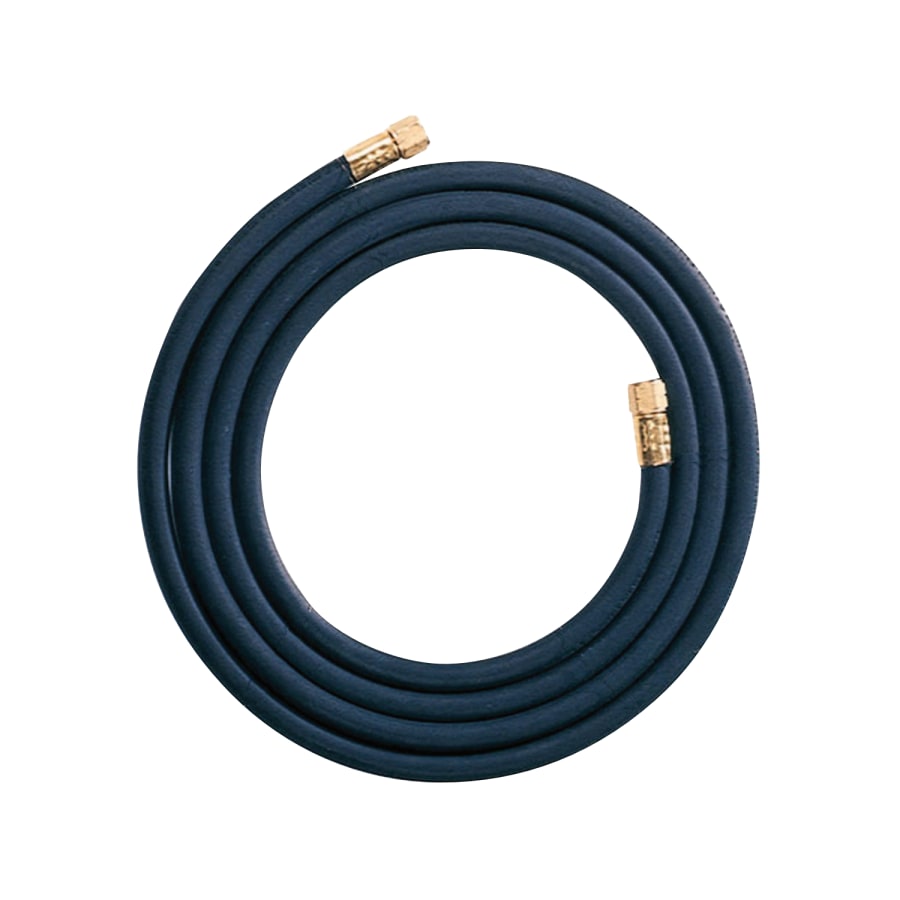
The GOSS HEF-6 is a vapor propane gas hose assembly for LP gas service. For buyers, maintenance teams, and field users, the main value is straightforward: a flexible connection between a regulator and a torch or appliance where vapor propane delivery is required. The listed hose size is 1/4 in. inside diameter and the length is 6 ft. That gives enough reach for common shop setups without adding much loose hose to manage.
This article focuses on practical use, inspection points, and support checks. It does not assume application approval beyond the product description. If your setup has a specific burner, torch, or appliance requirement, verify the hose rating against the equipment manual before use.
Key Takeaways
- Designed for vapor propane gas service.
- Hose size is 1/4 in. ID; length is 6 ft.
- Best treated as a connection component, not a universal hose for all LP tasks.
- Fit, pressure rating, fittings, and service limits must be verified against your system.
- Inspect for wear, cracking, loose ends, leaks, and heat damage before each use.
What the GOSS HEF-6 is used for
Based on the product listing, the GOSS HEF-6 is intended for vapor propane gas service. In practical terms, that means it is used where LP vapor needs to move from one part of a gas system to another through a flexible hose. Common use cases in shops and maintenance environments include torch setups and appliance connections, but the exact equipment match is not guaranteed by the listing. Verify the end connections, hose rating, and service requirements before installation.
When assessing this hose for purchasing or replacement, check four items first: gas type, connection type, hose length, and the physical routing path. A hose that is too long can create handling issues. A hose that is too short can stress fittings or force awkward bends. A 6 ft hose often fits compact setups, but your actual reach requirement depends on cylinder placement, regulator location, and work cell layout.
Check, inspect, verify
Check: Confirm the service is vapor propane gas, not another fuel or industrial gas. Confirm the hose length will reach without tension and without being left in a traffic path.
Inspect: Look along the full hose body for abrasion, cracking, hard spots, cuts, soft spots, discoloration from heat, or flattening. Inspect the ends for damaged threads, loose ferrules, bent fittings, or signs of seepage.
Verify: Match the hose ends to the regulator and torch or appliance connections. Verify any pressure, temperature, and hose construction requirements in the equipment documentation. If the exact pressure rating is not available from the listing, treat it as Unknown (Verify) until confirmed by the manufacturer or seller documentation.
Check: Make sure the hose path will not rest against sharp edges, hot surfaces, moving parts, or welding slag zones.
Inspect: Confirm the hose has not been twisted during installation. Twisting can shorten service life and make leaks harder to spot.
Verify: After connection, perform a leak check using the method approved for your site. If the site standard is not available, use the procedure required by your safety program. Do not use an open flame to check for leaks.
Troubleshooting and support points
If gas flow seems inconsistent, do not assume the hose is the only cause. Start with the system and work outward.
Issue: weak or unstable flame
Check the regulator setting, cylinder supply status, and downstream equipment first. Inspect the hose for kinks or internal collapse. Verify the hose is not undersized for the application. If hose size or internal condition is uncertain, treat it as Unknown (Verify) until inspected by a qualified person.Issue: smell of gas or suspected leak
Stop work. Close the supply if it can be done safely. Inspect both ends of the hose and all threaded or connected interfaces. Verify that the hose is fully seated and secured per the equipment design. If the leak source is not obvious, remove the hose from service until the source is found.Issue: hose damage near the ends
Check whether the hose is being bent too tightly near the fittings. Re-route the line to reduce strain. If the ends show damage, replace the hose rather than trying to repair it in the field unless the manufacturer specifically allows service repair.Issue: hose routed through a work area
Inspect the route for pinch points, carts, doors, and foot traffic. Verify that the hose is protected from wear and does not create a trip hazard. Use supports or routing changes as needed.Product and parts considerations
The available product information identifies the hose as a complete assembly, but it does not provide enough technical detail to confirm every fitting style, pressure class, or construction layer. Those details should be treated as Unknown (Verify) unless confirmed in the manufacturer documentation.
For buyers and maintenance teams, the practical decision points are:
- Does the hose connect to your regulator without adapters that create extra leak points?
- Does the hose length fit the actual installation path?
- Is the hose intended for vapor propane service in your use case?
- Is the physical routing protected from heat, abrasion, and crushing?
If you are replacing an existing hose, compare the old hose end fittings and marked service information against the new assembly before installation. If the old hose is unreadable or damaged, do not use it as the only reference.
Safety notes
- Use only in the service intended by the product listing.
- Keep the hose away from flame, hot metal, and sharp edges.
- Do not use a damaged, cracked, or leaking hose.
- Do not use open flame leak checks.
- Do not force incompatible fittings together.
- If the hose condition or rating cannot be confirmed, remove it from service and verify with the supplier or manufacturer.
FAQ
Is the GOSS HEF-6 a universal propane hose?
No. It is listed for vapor propane gas service, but universal use should not be assumed. Verify the hose ends, pressure needs, and equipment requirements before purchase or installation.Can I use this hose for any torch setup?
Not without verification. Torch systems vary by fitting type, gas service, and required hose rating. Check the torch and regulator documentation first.What should I inspect before each use?
Check the full hose length for abrasion, cracks, cuts, heat damage, kinks, and loose fittings. Verify that routing is clear of traffic and hot surfaces.What if I cannot confirm the hose pressure rating?
Treat it as Unknown (Verify). Do not put it into service until the rating is confirmed from manufacturer or seller documentation.Sources Checked
- ArcWeld product listing: GOSS HEF-6, Vapor Propane Gas Hose, 1/4 in Hose ID, 6 ft
- Provided product description and shop-use context in the task brief
For this draft, no WSP lookup page, filler metal finder page, internal links, or additional compatibility sources were provided. As a result, product-specific technical details beyond the listing should be treated as Unknown (Verify).
Related Arc Weld Part
GOSS HEF-6, Vapor Propane Gas Hose, 1/4 in Hose ID, 6 ft
Built for vapor propane gas service, the GOSS HEF-6 is a durable, flexible hose assembly designed for reliable connections between your regulator and torch or appliance. The 1/4 in. inside diameter supports consistent gas flow for common shop and field setups, while the 6 ft length gives you practical reach without excessive slack. Key Features Application: Vapor propane gas (LP) service Hose size: 1/4 in. ID Leng…
View at Arc Weld Store
Welding Hose Cracks and When to Replace It
“>
Cracked welding hose is a maintenance issue, not a cosmetic one. Once the outer cover shows damage, the hose may already be past safe service depending on location, depth, and gas type. For welders, fabricators, and maintenance buyers, the decision comes down to inspection, leak control, and replacement timing.
Key Takeaways
- Surface checking, cuts, and hardening are signs to inspect the hose closely.
- Any sign of gas odor, bubbling at a leak test, or damaged fittings calls for immediate removal from service.
- Do not continue using a hose with exposed reinforcement, severe abrasion, swelling, or burn damage.
- Replacement interval depends on use, storage, gas type, and jobsite exposure. Exact service life is Unknown (Verify).
- After replacement, pressure-test and leak-check the system before returning it to service.
How Hose Cracks Start
Welding hose cracks usually develop from one or more of these conditions:
- Repeated flexing at the same point
- UV exposure and weathering
- Heat exposure near hot work or flame
- Oil, solvent, or chemical contact
- Dragging over sharp edges or concrete
- Improper storage with tight bends or kinks
Small surface checks can turn into leaks if the hose is used under pressure or exposed to vibration and movement.
What to Inspect
Run a visual and hands-on inspection before each shift or before reconnecting equipment after storage.
- Outer cover: Look for cracks, cuts, blisters, abrasion, or hard spots.
- Flex points: Check near regulator ends, torch ends, clamps, and any repeated bend locations.
- Fittings: Inspect for looseness, corrosion, damaged threads, or evidence of leakage.
- Length of hose: Look for crushed sections, gouges, and heat damage.
- Leak signs: Use an approved leak test method for the gas system. Exact method depends on the installation and gas type. Unknown (Verify).
When to Replace the Hose
Replace the hose when any of the following are present:
- Cracks deep enough to affect the hose body
- Exposed reinforcement or internal layers
- Any confirmed leak at the hose or fittings
- Burned, melted, or heat-affected sections
- Swelling, soft spots, or delamination
- Damage at a critical bend point that will return to service under pressure
If the damage is near the end fitting and the hose cannot be safely trimmed and reterminated by a qualified person using the correct parts and procedure, replace the assembly. Repair method suitability is Unknown (Verify).
Troubleshooting Support
Cracks Are Visible, But No Leak Is Found
Do not assume the hose is safe. A cover crack may be the first sign of deeper degradation. Continue only if a qualified inspection confirms the hose body is intact and fit for service. If there is any doubt, replace it.
Hose Feels Hard or Brittle
Hardening usually points to aging, heat exposure, or chemical attack. A brittle hose should be treated as near end-of-life.
Leak Is At the Fitting, Not the Hose Body
Check for loose hardware, damaged threads, poor sealing surfaces, or installation error. If the fitting connection cannot be corrected safely, remove the hose from service.
Repeated Cracking at the Same Location
That usually means the hose routing, length, or support is wrong. Fix the routing problem during replacement so the new hose does not fail in the same spot.
Replacement Process
- Shut down the gas supply and isolate the system.
- Vent pressure according to the equipment procedure.
- Remove the damaged hose from service.
- Inspect mating components for wear or contamination.
- Install the new hose using the correct gas service parts.
- Leak-check all connections before operation.
- Verify hose routing to avoid kinks, pinch points, and hot surfaces.
Product / Parts
For vapor propane gas service, consider the following hose assembly:
GOSS HEF-6, Vapor Propane Gas Hose, 1/4 in Hose ID, 6 ft
Built for vapor propane gas service, the GOSS HEF-6 is a durable, flexible hose assembly designed for reliable connections between your regulator and torch or appliance. The 1/4 in. inside diameter supports consistent gas flow for common shop and field setups, while the 6 ft length gives you practical reach without excessive slack. Key Features Application: Vapor propane gas (LP) service Hose size: 1/4 in. ID Leng…
View at Arc Weld StoreGOSS HEF-6, Vapor Propane Gas Hose, 1/4 in Hose ID, 6 ft is listed for vapor propane gas service. Verify fitment, gas service rating, end connections, and application before installation.
Safety Notes
- Do not use a damaged hose to “finish the job.”
- Keep hose away from sparks, hot metal, torch flame, and sharp edges.
- Use only hose approved for the gas service in your system. Gas service suitability is job-specific and must be verified.
- Replace any hose that shows signs of leakage, burn damage, or reinforcement exposure.
- Follow site lockout, venting, and leak-check procedures before returning equipment to service.
FAQ
How often should welding hose be replaced?
There is no universal interval. Replacement depends on condition, exposure, handling, and service type. Inspect regularly and replace on damage or performance change. Exact interval is Unknown (Verify).
Can small surface cracks be monitored instead of replaced?
Only if a qualified inspection confirms the hose remains fit for service and there is no leak, reinforcement damage, or heat damage. If uncertainty remains, replace it.
What is the most common failure point?
Ends, bends, and areas exposed to abrasion or heat are common failure points.
Should I patch a cracked welding hose?
No patching method should be used unless specifically approved for that hose and gas service by the manufacturer and site procedure. Unknown (Verify). In most shop and field cases, replacement is the correct action.
Sources Checked
- Internal product reference: GOSS HEF-6, Vapor Propane Gas Hose, 1/4 in Hose ID, 6 ft
- Internal blog reference: Aluminum ER 5554 3/64″ X 5lb. MIG Welding Wire Spool By Washington Alloy – Weld Support Parts Blog