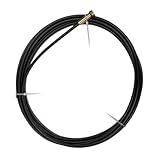
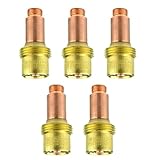
• Weldtec WT-26FV-25-2 TIG Torch Kit, Flex Valve, 25′, 2-pc Cable (WT-26FV-25-2)

    Intro
    A TIG torch kit is one of the fastest ways to fix common โ€œmystery problemsโ€ that are really hardware problems: stiff leads, inconsistent gas control, and a torch head that wonโ€™t reach the joint without fighting you. The Weldtec WT-26FV-25-2 is positioned as a complete torch package, but the only way itโ€™s a good buy is if the fitment matches your machine and your setup.

    Key Takeaways

    • Confirm fitment before ordering: torch series, connection type, and whether your setup needs a valve torch.
    • A flex-head torch helps access tight joints without forcing your wrist or bending the tungsten into the puddle.
    • Treat the torch kit as a system: torch body + cable length + gas routing + consumables compatibility.

    Performance & Use
    This kit is built around a 26-series style TIG torch package (exact performance ratings and included accessories: Unknown (Verify)). In practice, what matters is how it behaves in real work: reach, control, and consistency.

    What to compare before you buy

    • Torch series and application: 17 vs 26 vs 18-series (water-cooled) matters for heat handling and size. Confirm what your current torch is.
    • Valve vs non-valve: a valve torch is typically used when the machine or setup doesnโ€™t control gas electronically (exact requirement depends on your welder and plumbing: Unknown (Verify)).
    • Cable length: 25 ft is helpful for larger bays, but it adds drag and can increase clutter. Make sure your work area benefits from the length.
    • Connection type at the machine: power connector style and gas connection style must match (Unknown (Verify)).
    • Consumables compatibility: confirm what cups/collets/gas lenses this torch body accepts (Unknown (Verify)).

    Durability & Build
    Torch kits fail in predictable places: cable strain points, gas leaks at fittings, and torch head wear from heat and handling. Inspect your current torch for those failure modes firstโ€”then use that as your comparison baseline. If youโ€™re replacing due to leaks or intermittent performance, prioritize correct connections and clean routing over โ€œmore features.โ€

    Power / Specs

    • SKU: WT-26FV-25-2 (from ArcWeld.store page)
    • Torch series: 26FV (from product title)
    • Cable length: 25′ (from product title)
    • Cable configuration: 2-pc cable (from product title)
    • Amperage rating, duty cycle, included accessories, connector details: Unknown (Verify)

    Who Itโ€™s For

    • TIG welders who need a longer lead and better access from a flex head.
    • Shops replacing a worn torch package and wanting a single-SKU solution.
    • Buyers who can confirm fitment (or will email for confirmation) before ordering.

    Quick FAQ

    • Will this fit my TIG welder?
      Unknown (Verify). Confirm your machineโ€™s torch connection type(s) and whether you need a valve torch. Use the โ€œFitment Helpโ€ guidance on the product page and email Arc Weld with your machine model and application.
    • Is this air-cooled or water-cooled?
      The title indicates a 26-series torch kit; cooling type is not explicitly confirmed in the scraped content. Unknown (Verify).
    • What consumables does it take?
      Unknown (Verify). Confirm whether it uses standard 26-series consumables and which gas lens/cup system you plan to run.

    Safety Notes (include verbatim closing line)
    Check all gas connections for leaks before striking an arc. Keep leads routed to avoid trip hazards and hot contact points. If you change torch style or cable routing, re-check your gas flow and torch clearance so youโ€™re not welding with your head in the fume plume.
    โ€œAlways follow the manufacturerโ€™s instructions and your shopโ€™s safety procedures. If youโ€™re unsure about fitment or ratings, verify before you buy or install.โ€

    Where to Buy (ArcWeld.store link + optional Amazon fallback)
    ArcWeld.store (verified): Weldtec WT-26FV-25-2 TIG Torch Kit, Flex Valve, 25', 2-pc Cable

    ” target=”_blank” rel=”noreferrer noopener”>
    Weldtec WT-26FV-25-2 TIG Torch Kit, Flex Valve, 25', 2-pc Cable

    Weldtec WT-26FV-25-2 TIG Torch Kit, Flex Valve, 25', 2-pc Cable

    $246.34

    In Stock

    View Product

    Why buy from ArcWeld.store: Fitment help is offered via email before ordering; shipping/returns/warranty details: Unknown (Verify) (see site policies).

  • PFERD POLIFANยฎ-Curve Flap Disc 4-1/2″ x 7/8″ (40 Grit Zirconia)

    Intro
    Fillet weld cleanup is where most flap discs either chatter, gouge the toe, or force you to grind at awkward angles. Curved flap discs are designed to make that transition smoother by presenting abrasive where you actually need it on a fillet. This post covers what to check before you buy and how to use a curved flap disc without over-grinding.

    Key Takeaways

    • Curved flap discs are aimed at fillet weld geometry: toe blending and transition work.
    • 40 grit is an aggressive choice; itโ€™s for stock removal and shaping, not final finish.
    • Disc type, grit, and your grinder control matter more than brand for results.
    • Donโ€™t exceed the discโ€™s rated RPM (Unknown (Verify) โ€” confirm on the listing/label).

    Performance & Use
    A curved flap disc is most useful when you want controlled material removal on the weld and the toe without digging into the parent metal. Keep the grinder stable, use light pressure, and let the abrasive cut.

    What to compare before you buy

    • Disc shape: curved vs flat (choose based on fillet access and toe blending needs)
    • Grit: 40 for removal vs 60/80 for refinement (match to your finish target)
    • Backing/fit: 4-1/2″ diameter and 7/8″ arbor for your grinder
    • Rated RPM: must meet or exceed your grinderโ€™s no-load speed (Unknown (Verify) until confirmed)

    Comparable Amazon picks (optional)

    Durability & Build
    Abrasive life depends on pressure, angle, and what youโ€™re grinding (mild steel vs stainless vs hardfacing). If youโ€™re glazing discs, youโ€™re usually running too flat, too hot, or on the wrong grit for the job.

    Power / Specs

    • Size: 4-1/2″ diameter, 7/8″ arbor
    • Grit: 40
    • Abrasive: zirconia (per listing)
    • Max RPM: Unknown (Verify) โ€” confirm on the product label/listing before use.

    Who Itโ€™s For

    • Fabricators doing frequent fillet weld cleanup and toe blending
    • Anyone trying to reduce gouging and improve consistency on transitions
      Not ideal for: final cosmetic finishing (youโ€™ll likely step down to finer grits after shaping).

    Quick FAQ
    Q: Is 40 grit too aggressive for weld cleanup?
    A: Itโ€™s aggressive by design. Use it for shaping/stock removal, then switch to 60/80 (or finer) if the finish requires it.

    Q: Type 27 or Type 29 โ€” whatโ€™s the difference?
    A: Thatโ€™s disc geometry. The โ€œbestโ€ choice depends on access and the surface youโ€™re trying to blend (Unknown (Verify) for the exact disc type on this listing).

    Q: Can I use this on stainless?
    A: Many flap discs are used on stainless, but confirm the listingโ€™s intended materials and avoid cross-contamination between carbon steel and stainless grinding.

    Safety Notes (include verbatim closing line)
    Wear eye protection and a face shield, and treat grinding dust as a respiratory hazardโ€”especially in enclosed spaces. Inspect discs for damage before use, use the correct guard, and never exceed the discโ€™s rated RPM.
    Always follow your employerโ€™s safety program and the respirator manufacturerโ€™s instructions.

    Where to Buy (Amazon pick + affiliate link + AAWP box)
    Amazon pick: PFERD POLIFANยฎ-Curve Radial Type Flap Disc – 4-1/2″ x 7/8″, 40 Grit Zirconia
    https://www.amazon.com/dp/B09VQ5SRR4?tag=weldsupport-20

    PFERD POLIFANยฎ-Curve Radial Type Flap Disc – 4-1/2″ x 5/8-11 thread, 40 Grit Zirconia- For Steel and Stainless Steel (INOX) Grinding – Part 66991
    • Specifically Designed for Fillet Welds: This versatile welding accessory is specially designed to allow for topside grinding with 280 degrees worth of flaps. Its unique radial construction allows for a smooth and consistent finish, even in hard-to-reach areas. It is compatible with most angle grinders making it a perfect fit for welding accessories and angle grinder attachments.
    • High-Quality Grinding Disc: This flap disc is made up of a blend of Zirconia and Aluminum Oxide grains that provided long service life without glazing.
    • Radial Construction: Designed to provide excellent performance in grinding out fillet welds and performing repair applications, the CURVE design allows for precise grinding of corners, edges, and hard-to-reach areas. Made with a unique radial construction that provides 280 degrees of grinding surface, this disc is perfect for top, side, and bottom grinding.
    • Ideal for Metal Removal: The innovative CURVE design of this flap disc allows for aggressive material removal on both flat and curved surfaces. With coarse 60 grit, this flap disc is made for metal removal, where precision and efficiency are key.
    • Innovative Engineering by PFERD: CURVE flap discs are high-quality grinding discs that are designed for use with angle grinders and other power tools. They are made of different abrasive materials and are known for their durability, long life, and consistent performance.

    Last update on 2026-05-05 / Affiliate links / Images from Amazon Product Advertising API

  • Why Does My MIG Wire Feed Slip or Surge? (Fast Fix in 10 Minutes)

    If your MIG wire feed feels inconsistentโ€”slipping at the drive rolls, surging at the arc, or randomly stoppingโ€”youโ€™re usually dealing with a restriction in the wire path, not a โ€œbad welder.โ€ The goal is to restore smooth, low-friction wire travel from spool to contact tip. This guide walks you through a fast diagnosis and a one-variable-at-a-time fix.

    Where to Buy (Quick Fix Parts)

    Most likely failed components for slipping/surging feed:

    • Gun liner (clogged with debris, wrong size, kinked, or cut too long/short)
    • Contact tip (worn/oversized, spatter-packed, or wrong size for wire)
    • Drive roll setup (wrong groove, worn groove, or tension crushing the wire)

    Top Pick (Primary Fix)

    1-pk 42-3035-15 .030″-.035″ 15ft Liner Compatible with Tweco MIG Gun
    • ๐Ÿ”ง COMPATIBILITY NOTICE: This is a replacement part compatible with specific vehicle/machine models. Please carefully check the part number, vehicle model, and size before purchasing.
    • โš™๏ธ RELIABLE PERFORMANCE: Manufactured to meet or exceed standard replacement specifications, providing stable performance and reliable operation under normal working conditions.
    • ๐Ÿ›ก๏ธ DURABLE MATERIALS: Made from high-quality materials, resistant to wear, corrosion, and heat, ensuring a long lifespan and stable use.
    • ๐Ÿงฐ EASY INSTALLATION: Designed for direct replacement installation. No modifications required. Professional installation is recommended if you are unfamiliar with replacing parts.
    • ๐Ÿš— WIDE APPLICATION: Suitable for use with a wide range of vehicles and equipment such as cars, motorcycles, lawnmowers, snowmobiles, and other compatible machinery.

    Last update on 2026-05-05 / Affiliate links / Images from Amazon Product Advertising API

    Disclosure: As an Amazon Associate, I earn from qualifying purchases.

    Backup / Consumable Option

    Last update on 2026-05-05 / Affiliate links / Images from Amazon Product Advertising API

    Key Takeaways

    • If the drive rolls are slipping, donโ€™t crank tension firstโ€”check for a liner restriction and crushed wire.
    • If the arc surges, the wire is often sticking in the tip or dragging in the liner.
    • Set drive roll tension using the โ€œjust enough to feedโ€ method; too tight creates debris that clogs liners.
    • If itโ€™s not fixed in 2โ€“3 minutes, replace the consumable (tip/liner) before changing machine settings.

    Symptoms (Fast Diagnosis)

    • Drive rolls spin but wire doesnโ€™t move (or moves in bursts)
    • Wire feed feels jerky when you pull the trigger
    • Arc stutters/surges even with stable voltage/WFS settings
    • You see copper dust/shavings near the feeder (crushed wire)
    • Wire is flattened or has shaved edges after the drive rolls
    • Feed improves when you straighten the gun lead, then gets worse again

    Root Causes (Mapped to Symptoms)

    • Rollers spin but wire doesnโ€™t feed โ†’ liner restriction, wrong drive roll groove, tension too low or wire crushed from too much tension
    • Jerky feed / surging arc โ†’ contact tip worn/dirty, liner packed with debris, tight bends in lead, spool drag too high
    • Copper dust at feeder โ†’ drive roll tension too high crushing wire (debris migrates into liner)
    • Feed changes with lead position โ†’ kinked liner, damaged lead, liner not seated, too many tight bends

    Quick Fix (Do This First)

    Replace the most common failure components first:

    1. Contact tip (fastest swap)
    2. Liner (most common hidden restriction)
    3. Then re-set drive roll tension (donโ€™t over-tighten)

    Avoid over-adjusting voltage/WFS until the wire path is confirmed smooth.

    1-pk 42-3035-15 .030″-.035″ 15ft Liner Compatible with Tweco MIG Gun
    • ๐Ÿ”ง COMPATIBILITY NOTICE: This is a replacement part compatible with specific vehicle/machine models. Please carefully check the part number, vehicle model, and size before purchasing.
    • โš™๏ธ RELIABLE PERFORMANCE: Manufactured to meet or exceed standard replacement specifications, providing stable performance and reliable operation under normal working conditions.
    • ๐Ÿ›ก๏ธ DURABLE MATERIALS: Made from high-quality materials, resistant to wear, corrosion, and heat, ensuring a long lifespan and stable use.
    • ๐Ÿงฐ EASY INSTALLATION: Designed for direct replacement installation. No modifications required. Professional installation is recommended if you are unfamiliar with replacing parts.
    • ๐Ÿš— WIDE APPLICATION: Suitable for use with a wide range of vehicles and equipment such as cars, motorcycles, lawnmowers, snowmobiles, and other compatible machinery.

    Last update on 2026-05-05 / Affiliate links / Images from Amazon Product Advertising API

    Step-by-Step Fix

    1. Stop and inspect the wire after the drive rolls
      Cut 6โ€“12 in (150โ€“300 mm) off and look for flattening or shaving.
      • Flattened wire = too much tension or wrong groove.
    2. Check spool drag (donโ€™t let it freewheel, donโ€™t choke it)
      You want the spool to stop without coasting into a birdnest when you release the trigger. If drag is excessive, the feeder will slip.
    3. Confirm drive roll groove matches wire type and size
      • Solid wire typically uses V-groove.
      • Flux-core often prefers knurled (verify your feeder manual).
        Unknown (Verify): your specific feederโ€™s recommended roll type.
    4. Set drive roll tension correctly (the โ€œjust enoughโ€ method)
      Start low. Feed wire into a block of wood (or pinch lightly with gloved fingers at the gun end). Increase tension only until it feeds without slipping.
      If you crank tension to โ€œfixโ€ slipping, you often create crushed-wire debris that plugs the liner.
    5. Straighten the gun lead and test feed
      If feed improves when straight, you likely have liner drag, a kink, or a lead issue.
    6. Pull the nozzle and contact tip; test wire feed without the tip
      • If it feeds smooth with the tip removed, the tip is the restriction (wrong size, worn, spatter-packed).
    7. Replace/clean the liner if drag is suspected
      If youโ€™ve had a birdnest, crushed wire, or lots of dust, assume liner contamination. Replace is usually faster than trying to โ€œsaveโ€ it.
    8. Re-test with one change at a time
      Make one change, run a 10โ€“15 second feed test, then move to the next variable.

    Parts That Actually Fix This

    Gun liner
    Replace when:

    • Wire feels rough when feeding
    • You see debris/copper dust and feed is inconsistent
    • The lead position changes feed quality
      Adjust/clean when:
    • Minor contamination and you can blow it out safely (manufacturer guidance varies; replacement is often the most reliable)

    Contact tips
    Replace when:

    • Wire binds at the tip
    • Tip bore is worn (arc becomes inconsistent)
    • Tip is spatter-packed
      Adjust when:
    • You simply had spatter buildup you can remove and the bore isnโ€™t damaged

    Drive rolls
    Replace when:

    • Groove is visibly worn/polished and slips even at correct tension Adjust when:
    • Wrong groove selection or tension was incorrect

    Diffuser / nozzle (if applicable)
    Replace when:

    • Threads are damaged, tip wonโ€™t seat correctly, or gas coverage is inconsistent due to damage
      Adjust/clean when:
    • Itโ€™s just spatter buildup affecting seating

    Replace vs Adjust (Fast Decision Table)

    ProblemAdjust FirstReplace
    Drive rolls slippingReduce spool drag; confirm correct groove; set โ€œjust enoughโ€ tensionLiner (if debris); drive rolls (if worn)
    Surging/stuttering arc with stable settingsTest feed with tip removedContact tip (most common)
    Feed changes when lead is bentStraighten lead; check routingLiner or damaged lead
    Copper dust near feederBack off tension; confirm grooveLiner (likely contaminated)

    Rule: If not fixed in 2โ€“3 minutes โ†’ replace the consumable.

    Prevention Tips

    • Keep the gun lead as straight as practical; avoid tight loops on the floor.
    • Donโ€™t over-tighten drive rolls. Crushing wire creates debris that clogs liners.
    • Store wire dry and covered; rust/contamination increases liner drag.
    • Replace contact tips proactively if you notice arc instability or frequent spatter packing.
    • Routine interval: Unknown (Verify). It varies by duty cycle, wire type, environment, and technique.

    Safety Notes

    • Wear an ANSI Z87.1-rated helmet and safety glasses under the hood.
    • Use welding gloves when handling hot consumables and sharp wire.
    • Ensure proper ventilation; fume exposure increases during troubleshooting because you tend to do repeated short test welds.

    FAQ

    Why does my wire feed fine until I start welding, then it surges?
    Often the wire is binding at the contact tip under heat/spatter, or the liner drag shows up under load. Test feed with the tip removed to isolate it.

    Should I just tighten the drive rolls until it stops slipping?
    No. Over-tension crushes the wire, creates debris, and makes the liner clog worse. Set tension to โ€œjust enough to feed.โ€

    Can a bad ground clamp cause wire feed surging?
    A poor work clamp can cause arc instability that feels like surging, but it wonโ€™t usually cause true mechanical slipping at the feeder. Fix the wire path first, then confirm your clamp and connections.

    How do I know if my liner is the wrong size?
    If the wire drags even when everything is clean and straight, or youโ€™re using a different wire diameter/material than the gun was set up for, liner size mismatch is a common cause. Verify against your gun manual.

  • Best Welding Helmet Replacement Lenses for Clear Visibility

    If your weld puddle looks hazy or washed out, your helmet lens is usually the problemโ€”not your settings. Replacing the outer cover lens is the fastest, cheapest fix (and it’s a consumable in any busy shop).

    Not sure this is your issue? See the full troubleshooting guide:Why You Can’t See Your Weld Pool (And How to Fix It)

    Lincoln Electric KP2898-1 Viking 3350/2450 Series Outside Clear Cover Lens, 5-Pack
    • Universal Compatibility - Fits all major welding helmet brands including Lincoln Electric Viking 3350, 2450, 750S, and 850S series
    • Thermal Protection - Effectively blocks 60% of radiation heat to prevent lens distortion and extend the life of your auto-darkening filter
    • Durable Polycarbonate - Constructed from high-quality material to provide reliable protection against scratches, sparks, and weld spatter
    • Precise Dimensions - Each lens measures 4.5 x 5.25 x 0.04 inches, ensuring a perfect fit and full coverage for standard helmet windows
    • Value 5-Pack - Includes five clear replacement lenses to keep your helmet in top condition and maintain excellent optical clarity

    Last update on 2026-05-05 / Affiliate links / Images from Amazon Product Advertising API

    Key Takeaways

    • Start with the outer cover lens (the clear protective lens). It takes the scratches and spatter so your ADF doesn’t have to.
    • If you weld MIG or flux-core, keep a spare pack on hand and swap lenses as soon as visibility drops.
    • Buy OEM lenses when possible (Lincoln/Miller/3M/Jackson). Aftermarket quality varies.
    • Verify your helmet’s lens size/model before ordering.
    • Replace any lens that’s cracked, deeply scratched, or heat-warped.

    Quick Comparison

    ProductWhat It IsFitsBest For
    Lincoln KP2898-1Outer cover lens (5-pack)Viking 3350/850S/750SLincoln owners, high spatter
    Miller 216326Outer cover lens (5-pack)Digital Elite / Elite series (verify model)Miller owners, daily shop use
    3M Speedglas 9100 outer cover lensOuter cover lens (pack size varies)Speedglas 9100 series (verify)Speedglas owners

    Top Picks (Outer Cover Lenses)

    1) Lincoln KP2898-1 (VIKING Outside Cover Lens)

    OEM outside cover lenses for Lincoln Viking helmets. This is the simplest fix when your view is cloudy from scratches, spatter, or grinding dust.

    Key specs: Unknown (Verify)

    Best for: Lincoln Viking 3350/850S/750S users who want a quick visibility reset.

    Buy:

    Lincoln Electric KP2898-1 Viking 3350/2450 Series Outside Clear Cover Lens, 5-Pack
    • Universal Compatibility - Fits all major welding helmet brands including Lincoln Electric Viking 3350, 2450, 750S, and 850S series
    • Thermal Protection - Effectively blocks 60% of radiation heat to prevent lens distortion and extend the life of your auto-darkening filter
    • Durable Polycarbonate - Constructed from high-quality material to provide reliable protection against scratches, sparks, and weld spatter
    • Precise Dimensions - Each lens measures 4.5 x 5.25 x 0.04 inches, ensuring a perfect fit and full coverage for standard helmet windows
    • Value 5-Pack - Includes five clear replacement lenses to keep your helmet in top condition and maintain excellent optical clarity

    Last update on 2026-05-05 / Affiliate links / Images from Amazon Product Advertising API


    2) Miller 216326 (Front Lens Cover)

    OEM front cover lenses for Miller helmets. If you’re running MIG all day, these are a low-cost consumable that keeps your view crisp.

    Key specs: Unknown (Verify)

    Best for: Miller Digital Elite/Elite-series users (confirm fitment before ordering).

    Buy:

    Miller Elite or Digital Elite Cover Lens Pkg (216326, 216327)
    • MAKE SURE TO CHOOSE TONY PARTS AS SELLLER TO MAKE SURE YOU HAVE THE ORIGINAL
    • Genuine Miller Parts
    • 216326 (5)
    • 216327 (5)

    Last update on 2026-05-05 / Affiliate links / Images from Amazon Product Advertising API


    Still deciding? Compare these options below.

    Lincoln Electric KP2898-1 Viking 3350/2450 Series Outside Clear Cover Lens, 5-Pack
    • Universal Compatibility - Fits all major welding helmet brands including Lincoln Electric Viking 3350, 2450, 750S, and 850S series
    • Thermal Protection - Effectively blocks 60% of radiation heat to prevent lens distortion and extend the life of your auto-darkening filter
    • Durable Polycarbonate - Constructed from high-quality material to provide reliable protection against scratches, sparks, and weld spatter
    • Precise Dimensions - Each lens measures 4.5 x 5.25 x 0.04 inches, ensuring a perfect fit and full coverage for standard helmet windows
    • Value 5-Pack - Includes five clear replacement lenses to keep your helmet in top condition and maintain excellent optical clarity

    Last update on 2026-05-05 / Affiliate links / Images from Amazon Product Advertising API


    3) 3M Speedglas 9100 Outer Cover Lens (Verify exact model)

    Speedglas lenses are helmet-specific. If you’re on a 9100 series hood, start by replacing the outer cover lens before assuming your auto-darkening filter is failing.

    Key specs: Unknown (Verify)

    Best for: Speedglas 9100 series owners who want OEM clarity.

    Buy:

    3M Speedglas 9100 Welding Helmet Outside Protection Plate 06-0200-51/37174(AAD), Standard, 10 EA/bag
    • Auto-Darkening Filter Protection
    • Replacement Part
    • Country of origin: Taiwan
    • Package Dimensions: 9.0" L x 5.875" W x 0.662" H

    Last update on 2026-05-05 / Affiliate links / Images from Amazon Product Advertising API


    Top Pick Callout

    Top pick (best overall for most welders):OEM outer cover lenses for your exact helmet model.

    Reason: outer lenses are the part that gets destroyed first, and replacing them restores visibility immediately with minimal cost.

    Buying Guide: How to Choose

    1. Confirm your helmet model (inside label or manual). Don’t guess.
    2. Confirm lens type: outer cover lens vs inner lens vs ADF. This page is for outer cover lenses.
    3. Check the pack quantity, so you’re not re-ordering every month.
    4. Replace on a schedule if you weld daily (or whenever you notice haze).

    FAQ

    Do I need to replace the auto-darkening filter (ADF) if I can’t see?

    Usually no. Replace the outer cover lens first. If the view is still hazy, then inspect the ADF and inner lens.

    How often should I replace the outer cover lens?

    As needed. In high-spatter work, it can be monthly. In cleaner TIG work, it can last much longer.

    Will any 4.5″ x 5.25″ lens fit my helmet?

    Not always. Many helmets share sizes, but fitment varies by brand and series. Verify before ordering.

    Why does my lens look cloudy right after I replace it?

    Check for protective film you forgot to peel, dust inside the helmet, or a scratched inner lens.

    Safety Notes

    • Wear safety glasses under the hood.
    • Replace lenses that are cracked or heavily scratched.
    • Use ANSI Z87.1-rated eye/face protection.
  • Why You Can’t See Your Weld Pool (And How to Fix It)

    Your helmet lens is probably dirty, scratched, or damagedโ€”and it’s costing you quality welds.

    If you’re squinting through your helmet or struggling to see the puddle clearly, the problem isn’t your eyesight. It’s your lens. Dirty, scratched, or worn lenses block light and create a hazy view that makes precision impossible. The good news: this is an easy fix.

    Symptoms of a Bad Helmet Lens

    • Hazy or cloudy view even in good light
    • Scratches or scuffs visible on the lens surface
    • Difficulty seeing the weld pool or joint
    • Lens feels sticky or has residue buildup
    • Darkening is uneven or inconsistent across the lens
    • You’re lifting your helmet more often to see clearly

    Why This Happens

    Welding helmets take a beating. Spatter, grinding dust, and UV exposure degrade the lens over time. The outer clear lens (the protective layer) scratches easily from handling and contact with metal. The inner auto-darkening filter (if you have one) can accumulate dust and residue, especially in high-spatter processes like MIG.

    Even small scratches refract light and reduce contrast, making it harder to follow your bead. Residue from flux, spatter, or shop dust acts like a filter, dimming your view and forcing you to compensate by tilting your head or adjusting your shadeโ€”both bad habits that slow you down.

    AWS D1.1 welding standards don’t specify lens cleanliness, but they do require clear, undamaged optics for safe, quality welds. A damaged lens compromises both.

    The Fix (Step-by-Step)

    Step 1: Clean the lens thoroughlyStart with the outer clear lens. Use a soft, lint-free cloth and warm water with a drop of mild soap. Wipe gentlyโ€”don’t scrub. Dry completely. For the inner auto-darkening filter, use a dry cloth only (water can damage the LCD).

    Step 2: Inspect for damageHold the lens up to light. Look for scratches, cracks, or discoloration. If you see deep scratches or cracks, the lens needs replacement. Small surface scratches won’t affect visibility much, but they’ll get worse.

    Step 3: Replace if necessaryIf cleaning doesn’t help, order replacement lenses. Most helmets use standard sizes: outer clear lenses (usually 4.5″ x 5.25″ or similar) and inner filters (if auto-darkening). Check your helmet model or measure the lens.

    Step 4: Install the new lensMost helmets have a simple snap-in or screw-on design. Remove the old lens, snap or screw in the new one. Takes 30 seconds.

    Step 5: Test before weldingStrike a test arc or wave the helmet at a light source. The lens should darken instantly and evenly. If it doesn’t, check the battery (for auto-darkening) or reinstall the lens.

    Real-World Tip

    Experienced welders replace outer clear lenses every 2โ€“3 months in high-spatter environments (MIG, flux-core). It’s cheap insurance. Keep a spare pack of lenses in your toolbox. When visibility drops, swap them out immediately instead of fighting through a bad lens. You’ll weld faster and straighter.

    Safety Note

    ANSI Z87.1 requires helmets to have impact-resistant lenses and proper UV/IR protection. A cracked or heavily scratched lens fails this standard and puts your eyes at risk. Replace damaged lenses before your next weld.

    Next Steps

    If this keeps happening, your helmet lens is likely worn or damaged. See the best replacement options โ†’  Best Welding Helmet Replacement Lenses for Clear Visibility 

  • Best Auto-Darkening Welding Helmet for TIG (Buyerโ€™s Guide + Top Picks)

    If you TIG weldโ€”especially at lower ampsโ€”your helmet is either helping you stay steady on the puddle or itโ€™s causing flicker, eye strain, and missed starts. This page compares proven auto-darkening helmets that are commonly chosen for TIG, with key specs pulled from manufacturer documentation (not retailer listings).

    Where to Buy (Fast Links)

    Top Pick (overall):
    Lincoln Electric VIKING 3350 Polar Arc Welding Helmet with 4C Lens Technology – K3255-3
    • 4C Lens Technology improves visibility and reduces eye strain
    • Better clarity, real color view – 1/1/1/1 Optical Clarity
    • Superior comfort with the pivot style headgear
    • Longer battery life
    • 3 year warranty

    Last update on 2026-05-04 / Affiliate links / Images from Amazon Product Advertising API

    Also solid options:
    ESAB 0700000811 Headgear for Sentinel Helmet Shell
    • For sentinel helmet shell
    • Product type: headgear
    • Easy to use

    Last update on 2026-05-04 / Affiliate links / Images from Amazon Product Advertising API

    Key Takeaways

    • For TIG, prioritize arc detection + stability: more sensors and a fast switching speed help reduce โ€œblinkโ€ and nuisance light.
    • Shade range matters: look for a wide weld shade range (commonly 9โ€“13) plus a usable low shade/light state for setup.
    • Viewing area is productivity: bigger windows help with torch angle control and out-of-position work.
    • Comfort is not optional: headgear quality affects neck fatigue and consistency on longer sessions.

    Comparison Table

    Model Key Specs (verified) Best For ArcWeld Link Amazon (AAWP)
    Lincoln Electric VIKING 3350 (Polar Arc graphic listing) Viewing area: 12.5 sq in; Shade range: 5โ€“13; Switching speed: 1/25,000 sec; 4C optics All-around TIG/MIG with a large window and fast lens N/A
    Lincoln Electric VIKING 3350 Polar Arc Welding Helmet with 4C Lens Technology – K3255-3
    • 4C Lens Technology improves visibility and reduces eye strain
    • Better clarity, real color view – 1/1/1/1 Optical Clarity
    • Superior comfort with the pivot style headgear
    • Longer battery life
    • 3 year warranty

    Last update on 2026-05-04 / Affiliate links / Images from Amazon Product Advertising API

    ESAB Sentinel A50 (helmet referenced via ESAB spec sheet/manual) Viewing area: 3.93″ x 2.36″; Shade range: DIN 5โ€“8 / 9โ€“13; Sensors: 4; Switching speed: 1/25,000 sec; Classification: 1/1/1/2 TIG welders who want a modern UI + stable ADF performance N/A
    ESAB 0700000811 Headgear for Sentinel Helmet Shell
    • For sentinel helmet shell
    • Product type: headgear
    • Easy to use

    Last update on 2026-05-04 / Affiliate links / Images from Amazon Product Advertising API

    Miller Digital Elite (manual/spec sheet series) Unknown (Verify): viewing area; Unknown (Verify): shade range; Unknown (Verify): switching speed; Modes include weld/cut/grind/X-Mode (verify per exact model) Welders who want multiple modes and sunlight-interference control (X-Mode) N/A

    Last update on 2026-05-04 / Affiliate links / Images from Amazon Product Advertising API

    Product Reviews (What to Buy and Why)

    Top Pick: Lincoln Electric VIKING 3350 (4C Lens)

    Why itโ€™s here: The VIKING 3350 series is a common โ€œbuy onceโ€ helmet category for serious shop use. The large viewing area helps with torch positioning and joint tracking, and the switching speed is fast enough for frequent starts.

    • Viewing area: 12.5 sq in (manufacturer listing)
    • Shade range: 5โ€“13 (operator manual/product description)
    • Switching speed: 1/25,000 sec (spec sheet)
    • Optics: 4C technology (manufacturer listing)

    ArcWeld link: N/A

    Amazon:

    Lincoln Electric VIKING 3350 Polar Arc Welding Helmet with 4C Lens Technology – K3255-3
    • 4C Lens Technology improves visibility and reduces eye strain
    • Better clarity, real color view – 1/1/1/1 Optical Clarity
    • Superior comfort with the pivot style headgear
    • Longer battery life
    • 3 year warranty

    Last update on 2026-05-04 / Affiliate links / Images from Amazon Product Advertising API

    Top Pick Callout: If you want one helmet that covers TIG work plus general shop welding, the VIKING 3350 is the safest โ€œno-regretsโ€ choice on this listโ€”big window, fast switching, and widely supported consumables/parts.

    ESAB Sentinel A50 (ADF Helmet Platform)

    Why itโ€™s here: The Sentinel A50 platform is known for a modern control interface and a balanced shell. For TIG, the verified ADF specs (shade range + switching speed + 4 sensors) are the baseline you want.

    • Viewing area: 3.93″ x 2.36″ (100 x 60 mm)
    • Shade range: DIN 5โ€“8 / 9โ€“13
    • Sensors: 4
    • Switching speed: 1/25,000 sec (light to dark)
    • Classification: 1/1/1/2

    ArcWeld link: N/A

    Amazon:

    ESAB 0700000811 Headgear for Sentinel Helmet Shell
    • For sentinel helmet shell
    • Product type: headgear
    • Easy to use

    Last update on 2026-05-04 / Affiliate links / Images from Amazon Product Advertising API

    Miller Digital Elite (Series)

    Why itโ€™s here: Millerโ€™s Digital Elite line is popular for multi-mode use and features like X-Mode (designed to reduce sunlight interference). For TIG buyers, confirm the exact modelโ€™s shade range and lens specs before purchasing.

    • Modes: Weld / Cut / Grind / X-Mode (series documentation)
    • Shade range: Unknown (Verify per exact model)
    • Viewing area: Unknown (Verify per exact model)
    • Switching speed: Unknown (Verify per exact model)

    ArcWeld link: N/A

    Amazon:

    Last update on 2026-05-04 / Affiliate links / Images from Amazon Product Advertising API

    Buying Guide: How to Choose a TIG Auto-Darkening Helmet

    • Low-amp TIG stability: If you do thin stainless or chromoly, prioritize consistent arc detection and a quality ADF. More sensors can help when your torch angle blocks one sensor.
    • Shade range and light state: You want a comfortable light state for fit-up and a weld shade range that covers your amperage and process.
    • Viewing area: Bigger windows help you keep the puddle and joint in view without โ€œhuntingโ€ your line.
    • Headgear: If the helmet wonโ€™t stay where you set it, youโ€™ll fight it all day. Comfort equals consistency.
    • Consumables availability: Check cover lens availability and cost. A helmet you canโ€™t keep clear is a helmet you wonโ€™t use.

    FAQ

    What shade should I use for TIG welding?

    Shade selection depends on amperage and process. Start with the helmet manufacturerโ€™s shade chart and adjust for comfort and visibility. When in doubt, go darker and verify against recognized guidance (e.g., ANSI Z49.1 referenced by many manufacturers).

    Do more arc sensors matter for TIG?

    They can. TIG often involves tight torch angles and out-of-position work that can block a sensor. More sensors can reduce the chance of the lens failing to darken when your line-of-sight changes.

    Is โ€œtrue colorโ€ worth it?

    For many TIG welders, improved color recognition helps with puddle control and reduces fatigue. Verify the manufacturerโ€™s optics claims and focus on measurable specs first (switching speed, shade range, optical classification).

    Can I use the same helmet for TIG and MIG?

    Yesโ€”most quality auto-darkening helmets are designed for multiple processes. The key is choosing a helmet with a shade range and detection performance that works for your TIG use cases.

    Safety Notes (Do Not Skip)

    • Eye/face protection: Use a welding helmet and safety eyewear that meet applicable standards (commonly referenced: ANSI Z87.1).
    • General welding safety: Follow recognized safety practices (commonly referenced by manufacturers: ANSI Z49.1), including proper ventilation and fire prevention.
    • PPE reminder: Helmet + safety glasses, gloves, appropriate jacket/sleeves, and respiratory protection when required by fume exposure and material.

    SOURCES & VERIFICATION

    Sources Checked (manufacturer specs/manuals)

    • Lincoln Electric VIKING 3350 operator manual (shade range, operation): https://assets.lincolnelectric.com/assets/EU/OperatorManuals/IM2044rev0-Viking3350-ENG.pdf
    • Lincoln Electric VIKING 3350 product page (feature/spec highlights): https://www.lincolnelectric.com/en/products/k3034-4
    • ESAB Sentinel A50 spec sheet (viewing area, shade range, sensors, switching speed, classification): https://josefgases.com/product_ref//spec-sheets/0700000811.pdf
    • ESAB Sentinel A50 manual (operation/shade guidance): https://www.rapidwelding.com/files/ESAB%20Sentinel%20A50%20Instruction%20Manual.pdf
    • Miller Digital Elite series manual (series overview, safety references): https://www.millerwelds.com/files/owners-manuals/o256476p_mil.pdf

    Verification Checklist

    • Keyword sourcing: Amazon/Google-style buyer-intent phrasing targeted: โ€œbest auto-darkening welding helmet for TIGโ€
    • ASINs confirmed:
      • Lincoln Electric VIKING 3350 (Polar Arc listing): B01ASC228W
      • ESAB Sentinel A50: B079Z45BKP (Amazon result surfaced as ESAB Sentinel A50 context; verify listing is the helmet, not an accessory, before publishing)
      • Miller Digital Elite (T94 listing): B0FPSDTLZH (verify exact model identity before publishing)
    • Specs sourced from manufacturer docs: Lincoln + ESAB specs are manufacturer-verified in links above; Miller specs require model-specific confirmation (marked Unknown/Verify).
    • ArcWeld links checked: Not available from provided sources in this run โ†’ marked N/A per rule.
  • Why Your TIG Welds Have Porosity (And How to Fix It in 15 Minutes)

    Porosity in TIG weldsโ€”those small gas pockets trapped in the beadโ€”kills strength and fails inspections. The good news: most porosity is caused by three fixable issues: contaminated gas, weak shielding coverage, or dirty base metal. Fix these, and your welds clean up fast.

    Key Takeaways

    • Porosity is caused by gas entrapment, not arc problemsโ€”focus on shielding and cleanliness
    • Diagnose in 5 minutes: check gas flow, inspect the torch, and clean your base metal
    • Most fixes cost under $20 and take less than 15 minutes
    • Gas lens collet bodies improve shielding coverage and reduce porosity risk
    • Test on scrap before returning to production

    Quick Diagnosis

    What you’ll see:

    • Small holes or bubbles in the weld bead (visible after cooling)
    • Bead surface looks rough or pitted
    • Porosity appears randomly or consistently across the weld

    Likely causes (ranked by frequency):

    1. Gas flow too low or regulator leaking
    2. Contaminated filler wire or tungsten
    3. Weak gas shielding (torch too far from work, wind, or bad gas lens)
    4. Dirty base metal (rust, mill scale, oil)
    5. Arc length too long or tungsten dipped in the puddle

    Safety Notes

    • Eye Protection: Use ANSI Z87.1-rated helmet with correct shade (typically #10โ€“#12 for TIG). Porosity inspection requires close-up viewingโ€”use a magnifying glass if needed.
    • Ventilation: TIG produces less fume than MIG or stick, but always weld in ventilated space or use a fume extractor. Tungsten inert gas (argon) is inert but displaces oxygenโ€”ensure adequate air circulation.
    • Electrical Safety: Disconnect the welder before inspecting the torch or changing consumables.
    • Compressed Gas: Argon cylinders are pressurized. Never drop or expose to heat. Check regulator connections for leaks using soapy water (never a flame).

    Step-by-Step Troubleshooting

    Step 1: Check Gas Flow (Free)

    • Set regulator to 15โ€“20 CFH (cubic feet per hour) for TIG.
    • Listen for a steady hiss at the torch nozzle.
    • If flow is weak or silent, check for kinks in the gas line or a leaking regulator.
    • Why: Low gas flow leaves the weld unshielded, allowing oxygen and nitrogen to enter the puddle and form gas pockets.

    Step 2: Inspect the Torch and Gas Lens (Free)

    • Remove the torch from the cable and look inside the nozzle.
    • Check for spatter buildup, cracks, or discoloration on the gas lens or collet body.
    • If the gas lens is damaged or heavily spattered, replace it (see “Recommended Fix” below).
    • Why: A damaged or dirty gas lens creates turbulence in the shielding gas stream, reducing coverage and trapping gas in the weld.

    Step 3: Clean the Base Metal (Free)

    • Use a wire brush, grinding wheel, or stainless steel brush to remove rust, mill scale, and oxidation.
    • Wipe with a clean cloth to remove dust and oils.
    • Weld within a few minutes of cleaning (oxidation returns quickly).
    • Why: Contaminants on the base metal release gases when heated, which get trapped in the molten puddle.

    Step 4: Test Arc Length and Technique (Free)

    • Keep the tungsten 1/8″ to 3/16″ above the base metal.
    • Maintain a steady, smooth arc without dipping the tungsten into the puddle.
    • Avoid moving the torch too fast or too far from the work.
    • Why: Long arc length weakens gas coverage. Dipping the tungsten introduces tungsten oxide and moisture, causing porosity.

    Step 5: Check Filler Wire and Tungsten (Low Cost)

    • Inspect the filler wire for dirt, rust, or kinks. Replace if contaminated.
    • Check the tungsten for cracks, balling, or discoloration. Replace if damaged.
    • Use the correct tungsten size for your amperage (typically 1/16″ to 3/32″ for most hobby/shop work).
    • Why: Contaminated consumables introduce gases and oxides directly into the weld.

    Fix Options (Ranked)

    1. Adjustment (Free)

    • Increase gas flow to 15โ€“20 CFH.
    • Clean the base metal thoroughly.
    • Reduce arc length and improve torch angle.
    • Best for: First-time porosity or occasional issues.

    2. Consumable Replacement (~$10โ€“$30)

    • Replace the filler wire spool if old or contaminated.
    • Replace the tungsten electrode if cracked or balled.
    • Best for: Consistent porosity after adjustments fail.

    3. Gas Lens Collet Body Replacement (~$15โ€“$25)

    • Replace the gas lens and collet body to restore shielding coverage.
    • Improves gas flow pattern and reduces turbulence.
    • Best for: Persistent porosity despite clean base metal and correct gas flow.

    Recommended Fix (Product Section)

    Why a gas lens collet body works: A gas lens is a small brass component inside the torch that organizes the shielding gas flow into a smooth, laminar stream. Over time, spatter and oxidation clog the lens, creating turbulence and weak coverage. Replacing it restores full shielding and eliminates porosity caused by weak gas coverage.

    When to use it:

    • After cleaning the base metal and confirming gas flow are correct, but porosity persists.
    • When the old gas lens shows visible spatter, cracks, or discoloration.
    • As routine maintenance every 50โ€“100 hours of welding.

    When NOT to use it:

    • If gas flow is lowโ€”fix the regulator first.
    • If the base metal is dirtyโ€”clean it before replacing the lens.
    • If the tungsten is dipped in the puddleโ€”improve technique first.

    What to check before buying:

    • Verify your torch model (WP-17, WP-18, WP-26, WP-9, WP-20, WP-25, or SR series).
    • Confirm the collet size matches your tungsten diameter (typically 3/32″ for standard work).
    • Check that the package includes both the gas lens and collet body (some sell lens only).
    • Ensure the product is in stock and ships quickly (you’ll want to test immediately).
    • Look for 4+ star reviews from verified welders.
    STARTECHWELD 45V26 TIG Gas Lens 3/32โ€ Gas Lens collet body Fit TIG WP17, WP18, WP26 (5 Pack) 45V26
    • TIG Gas Lens 45V26 Tig Torch Gas Lens 3/32โ€
    • Work With: TIG 17, 18, 26 Series Torches
    • 3/32″ Tungsten Electrodes Standard 10N Series Collet
    • 54N Series Gas Lens Ceramic Cups Setup
    • Pack of 5

    Last update on 2026-05-05 / Affiliate links / Images from Amazon Product Advertising API

    Comparable Options

    If you prefer a larger pack or different torch size, consider:

    • 10-Pack 45V26 Collet Bodies (B07KCXHF4G): Same specs, larger quantity for shops doing frequent replacements.
    • Assorted Gas Lens Kit (B081LKNHGS): Multiple sizes (45V26, 45V27, 45V43) if you run different torch models.

    Common Mistakes

    • Assuming porosity is an arc problem. It’s notโ€”porosity is a gas/contamination problem. Check shielding first.
    • Running gas flow too high. Above 25 CFH, excess gas creates turbulence and actually increases porosity. Stick to 15โ€“20 CFH.
    • Skipping base metal cleaning. Rust and mill scale are the #1 cause of porosity in production shops. Always clean before welding.
    • Replacing the gas lens without checking the regulator. If the regulator leaks or is set too low, a new lens won’t help.
    • Ignoring tungsten contamination. If the tungsten is cracked or oxidized, replace it. A bad tungsten will cause porosity no matter how clean the base metal is.

    FAQ (Snippet-Optimized)

    Q: What causes porosity in TIG welding? Porosity is caused by gas entrapmentโ€”usually from weak shielding (low gas flow, damaged gas lens, wind), contaminated base metal, or a dipped tungsten. Fix shielding and cleanliness first.

    Q: How do I know if my gas lens is bad? Look inside the torch nozzle. If you see spatter buildup, cracks, or heavy discoloration, replace it. A clean lens should look bright and smooth.

    Q: Can I fix porosity by adjusting amperage? No. Amperage doesn’t cause porosityโ€”gas coverage and cleanliness do. Adjust gas flow, clean the base metal, and check the torch instead.

    Q: How often should I replace my gas lens? Every 50โ€“100 hours of welding, or whenever you see visible spatter or discoloration. Shops doing high-volume work replace them weekly.

    Q: Will a new gas lens fix all my porosity? Only if the porosity is caused by weak shielding. If the base metal is dirty or gas flow is low, a new lens alone won’t fix it. Address all three: gas flow, cleanliness, and torch condition.

    Next Steps

    For more TIG troubleshooting and gear guidance, check out these related posts:

    For more welding fixes and gear options, see our full resource page: https://blog.weldsupportparts.com/links/

  • Rocaris 6 Pack Wire Wheel & Pen Brush Set: Carbon Steel for Weld Cleaning & Surface Prep

    Introduction

    Weld spatter, slag, and rust don’t clean themselves. The Rocaris 6 Pack Carbon Steel Wire Wheel and Pen Brush Set is a versatile, affordable solution for post-weld cleanup and surface preparation. This post covers what’s in the set, how to use each brush type, and when to reach for alternatives.

    Key Takeaways

    • 6-piece set includes 2 cup brushes, 2 wheel brushes, and 2 pen brushes
    • 1/4″ hex shank fits most cordless drills and rotary tools
    • Carbon steel wire is durable for general weld cleaning and rust removal
    • Price point ($25โ€“$40) makes it accessible for hobbyists and small shops
    • Not suitable for stainless steel (use stainless wire to avoid contamination)

    What’s Included

    The Rocaris 6 Pack contains:

    • 2 ร— Carbon steel cup brushes (conical shape for corners and edges)
    • 2 ร— Carbon steel wheel brushes (flat for broad surface coverage)
    • 2 ร— Carbon steel pen brushes (small, handheld for detail work)
    • All with 1/4″ hex shank for drill chuck compatibility

    Brush Types & Applications

    Brush TypeBest ForSpeed (RPM)Notes
    Cup BrushWeld spatter, corners, edges3,000โ€“6,000Conical shape reaches tight areas
    Wheel BrushBroad surfaces, slag removal3,000โ€“6,000Flat profile for even coverage
    Pen BrushDetail work, small parts, deburringHand or low-speedHandheld; no power tool needed

    Performance & Use

    Weld Cleaning Workflow

    1. Let the weld cool to room temperature (do not quench).
    2. Use a cup brush at 3,000โ€“4,000 RPM to remove spatter and slag from the bead and heat-affected zone.
    3. Switch to a wheel brush for broad surface cleanup if needed.
    4. Use pen brushes for detail work, deburring, or hand-cleaning small components.

    Carbon Steel vs. Stainless Steel Wire

    Carbon steel wire is aggressive and cost-effective for mild steel and aluminum. Do not use on stainless steel welds โ€” carbon steel particles can embed in the surface and cause rust spots (corrosion). For stainless, use stainless steel wire brushes only.

    Safety & Maintenance

    Always wear safety glasses when using rotating brushes. Loose wire can fly off at high speed. Keep the brush away from your hands and clothing.

    Inspect brushes before each use. Discard any with bent, missing, or damaged wires. Replace brushes when they become matted or lose cutting ability (typically after 20โ€“40 hours of use, depending on material and RPM).

    What to compare before you buy

    • Wire material: Carbon steel is standard but aggressive; stainless steel brushes are required for stainless steel welding.
    • Brush size: The Rocaris set includes multiple sizes; verify that the included sizes match your typical cleanup tasks.
    • Shank compatibility: 1/4″ hex shank fits most cordless drills; confirm your tool accepts this size.
    • Speed rating: Do not exceed the recommended RPM; high-speed operation can cause wire breakage and flying debris.
    • Quantity: 6 pieces is a good starter set; consider buying extras if you weld frequently.

    Comparable Amazon picks (optional)

    Rocaris 6 Pack Carbon Steel Wire Wheel and Pen Brush Set with 1/4-Inch Hex Shank for Rust Removal, Corrosion and Scrub Surfaces
    • 6 Pack Wire Brush Set: This package includes: 2 pcs carbon steel cup brush, 2 pcs wheel brush, 2 pcs pen brush with 1/4 inch hex shank. Hardened steel wire long maximum 4500 RPM.
    • Attaches to Most Power Drill: 1/4″ Shank Hex quick change shanks are use in all Types of drills and die grinders 4500 Max RPM.
    • Black Steel Wire: Carefully selected premium wire steel, bound & balanced expertly & properly together for unsurpassed knotted integrity for longer life, safety, smoothness & ease of use.
    • Wide Applications: Easily and smoothly remove heavy corrosion, rust, paint, spatter and scale removal while also clean weld edges, debur metal and paint.
    • Looking for a tool to clean your vehicle, shed, or boat? This steel wire pen brush is just what you need to get those hard-to-reach areas. It’s the perfect accessory for your garage or workshop.

    Last update on 2026-05-04 / Affiliate links / Images from Amazon Product Advertising API

    When to Upgrade

    If you’re welding stainless steel regularly, invest in a stainless steel wire brush set to prevent contamination. If you’re running high-volume production, consider a dedicated weld cleaning station with a bench grinder and heavy-duty brushes.

    For light hobbyist work, the Rocaris set is more than adequate and will last months with proper care.

    Verdict

    The Rocaris 6 Pack is a practical, budget-friendly choice for post-weld cleanup and surface prep. The variety of brush types covers most common tasks, and the 1/4″ hex shank integrates with standard drills. The main limitation: carbon steel wire is not suitable for stainless steel. If your work includes stainless, plan for a separate stainless steel brush set.

  • STARTECWELD TIG 17F Series: 150 Amp Air-Cooled TIG Torch with Flexible Head & 25 ft Cable

    Introduction

    The STARTECWELD TIG 17F is a mid-range air-cooled TIG torch kit designed for welders who need reliable performance without premium pricing. It features a flexible head for maneuverability, a 25 ft power cable, and includes the 105Z57 connector for broad compatibility. This post breaks down what you get, how it compares to alternatives, and whether it fits your welding setup.

    Key Takeaways

    • 150 amp rating supports most hobby and semi-professional TIG welding tasks
    • Flexible head design improves access in tight or awkward positions
    • 25 ft cable length reduces the need for extension hoses
    • Includes 105Z57 connector; verify your machine’s input before ordering
    • Price-to-performance ratio competitive in the $200โ€“$250 range

    What’s Included

    The STARTECWELD TIG 17F kit ships with:

    • TIG torch body (WP17F-25R-ST model)
    • 25 ft power cable with rubber insulation
    • 105Z57 connector/adapter for machine compatibility
    • Flexible head design (60ยฐ articulation for tight spaces)
    • Handle with ergonomic grip

    Torch Specifications

    SpecificationValue
    Amperage Rating150 A
    Cooling MethodAir-cooled
    Cable Length25 ft
    Head TypeFlexible
    Connector105Z57 (Dinse)
    Wire Size Compatibility10โ€“25 mmยฒ
    Duty CycleDepends on machine; verify with your welder

    Performance & Use

    The 150 amp rating handles aluminum, stainless steel, and mild steel in the 1/16″ to 3/16″ thickness range. The flexible head is a practical feature for welding inside corners, around tubing, or in confined spaces where a rigid torch would be awkward.

    Air cooling is sufficient for intermittent to moderate duty cycles. If you’re running continuous high-amperage passes, monitor the torch for heat buildup; water-cooled alternatives exist for heavy production work.

    Cable & Connector Notes

    The 25 ft cable reduces hose clutter and eliminates the need for extension hoses in most shop setups. The 105Z57 connector is standard on many Hobart, Miller, and aftermarket machines, but verify your machine’s input before purchasing. Some machines use different connectors (e.g., Tweco, Stud, or proprietary fittings).

    What to compare before you buy

    • Machine compatibility: Confirm your welder accepts 105Z57 connectors; if not, you’ll need an adapter or different torch.
    • Cable length: 25 ft is standard; if your machine is farther from the work area, consider extension hoses or a longer cable option.
    • Amperage headroom: 150 A is mid-range; verify your machine can deliver this amperage and that your power supply is adequate.
    • Cooling method: Air-cooled torches are lighter and cheaper but generate more heat than water-cooled alternatives; choose based on your duty cycle.
    • Flex vs. rigid head: Flexible heads are convenient for tight spaces but slightly less rigid; rigid heads offer better control for precision work.

    Comparable Amazon picks (optional)

    STARTECWELD TIG 17F Series – 150 Amp Air Cooled TIG Torch Flexable Head with 25FT Cable and105Z57 Connector/Adaptor WP17F-25R-ST
    • Tig Welding Torch WP17F 150Amp 25FT Cables Air Cooled, with 105Z57 Connector
    • TIG 17F Series – 150 Amp – Air Cooled – TIG Torch Flexible Head
    • 1-Piece 25 FT Cable with 105Z57 Cable Connector/Power Block
    • Accessory Kit: Collet, Collet Body, Alumina Nozzle, Back Cap
    • Heavy-Duty Nylon Cable Cover

    Last update on 2026-05-04 / Affiliate links / Images from Amazon Product Advertising API

    Safety Considerations

    Always inspect the torch cable for cracks, burns, or exposed wire before use. Damaged cables can cause electrical hazards and poor arc quality. Keep the torch dry and store it away from moisture and extreme temperatures.

    Ensure your machine is properly grounded and that all connectors are tight. Loose connections can cause arcing, overheating, and equipment damage.

    Verdict

    The STARTECWELD TIG 17F offers solid value for welders stepping up from 110V equipment or looking for a secondary torch. The flexible head and 25 ft cable are practical features, and the price is competitive. The main caveat: verify connector compatibility before ordering. If your machine uses a different connector type, you’ll need an adapter or a different torch.

  • Why Your MIG Wire Burns Back Into the Contact Tip (Fast Fix)

    If your MIG wire keeps burning back and welding itself into the contact tip, youโ€™re not dealing with a โ€œmystery setting.โ€ Youโ€™ve got wire feed interruption (mechanical) or a wire speed/voltage mismatch (setup) thatโ€™s letting the arc eat the wire faster than itโ€™s being delivered. This guide walks you through a fast diagnosis and a clean, one-variable-at-a-time fix.

    Where to Buy (Quick Fix Parts)

    Most burnback events trace back to one of these failed/dirty components:

    • Contact tip (wrong size, worn, or spatter-packed) โ†’ wire drags, overheats, and fuses
    • Nozzle/diffuser area clogged with spatter โ†’ tip overheats, arc gets unstable
    • Liner friction (kinked/dirty/wrong size) โ†’ wire feed stutters and stalls

    Top Pick (Primary Fix)

    No verified ASIN available (omit AAWP box).

    Backup / Consumable Option

    No verified ASIN available (omit AAWP box).


    Key Takeaways

    • Burnback is usually wire feed stopping or wire speed too low for the voltage.
    • Replace the contact tip first if the wire is stickingโ€”donโ€™t waste time tuning around a bad tip.
    • Clean spatter from the nozzle/diffuser before changing settings.
    • If itโ€™s not fixed in 2โ€“3 minutes, replace the consumable and move on.
    • Donโ€™t ignore safety: eye protection, gloves, and ventilation matter even during โ€œquick fixes.โ€

    Symptoms (Fast Diagnosis)

    • Wire fuses to the contact tip at the end of a weld or during starts
    • Arc gets โ€œangry,โ€ then the wire suddenly stops feeding
    • You hear the drive rolls slip or the feeder motor strain
    • Tip is discolored/blue, nozzle is packed with spatter
    • Wire feels โ€œstickyโ€ when you pull it by hand through the gun (power off)

    Root Causes (Mapped to Symptoms)

    • Wire sticks in tip repeatedly โ†’ worn tip, wrong tip size, tip overheated, spatter packed in tip/nozzle
    • Burnback happens at the end of the weld โ†’ burnback setting (if equipped) too high, poor stop technique, wire speed too low
    • Burnback happens mid-weld โ†’ wire feed interruption: liner friction, kinked lead, drive roll tension wrong, spool drag too high
    • Starts are violent then burn back โ†’ stickout too short, starting on cold/dirty metal, wire speed too low for voltage

    Quick Fix (Do This First)

    Do these in order. Donโ€™t touch your machine settings until the mechanical stuff is clean.

    1. Kill power to the welder.
    2. Clip the wire at the contact tip, remove the nozzle, and inspect the tip.
    3. If the wire is fused: replace the contact tip (correct diameter for your wire).
    4. Clean spatter from the nozzle and diffuser area (spatter can trap heat and destabilize the arc).
    5. Straighten the gun lead and remove tight loops. A tight coil can create enough drag to stall the wire.

    No verified ASIN available (omit AAWP box).


    Step-by-Step Fix

    1. Confirm the basics (30 seconds)
      1. Wire diameter matches the contact tip size (example: .030 in wire needs a .030 in tip).
      2. Polarity is correct for your wire/process (unknownโ€”verify per wire manufacturer).
      3. Work clamp is clean and tight.
    2. Fix wire feed drag (most common โ€œhiddenโ€ cause)
      1. Lay the gun lead out as straight as possible.
      2. Check drive roll tension: tighten only enough to feed consistently. If itโ€™s crushing the wire, it can create shavings and drag.
      3. Check spool tension/brake: too tight increases drag; too loose can overrun (different problem, but still feed instability).
    3. Replace/clean the hot-end consumables
      1. Replace the contact tip if itโ€™s worn, ovaled, or packed with spatter.
      2. Clean/replace nozzle if itโ€™s heavily spattered.
      3. Inspect the diffuser for spatter buildup or damaged threads.
    4. Only then adjust settings (one variable at a time)
      1. If burnback is happening: increase wire speed slightly or reduce voltage slightly (small moves).
      2. If your machine has a burnback timer/setting: reduce it (unknownโ€”verify per machine manual).
      3. Re-test on clean scrap of the same thickness.
    5. Technique check (quick)
      1. Keep a consistent stickout (too short increases heat at the tip).
      2. Donโ€™t โ€œjamโ€ the wire into the puddleโ€”maintain a stable arc length.

    Parts That Actually Fix This

    Contact tip

    • Replace when: wire sticks, arc becomes unstable, tip bore is worn/ovaled, heavy spatter inside.
    • Adjust instead when: tip is clean and correct size, but settings are clearly off.

    Liner

    • Replace when: wire feed stutters with the lead straight, you feel drag pulling wire by hand (power off), visible shavings/dirt.
    • Adjust instead when: drag is caused by a tight lead coil or excessive drive roll/spool tension.

    Drive rolls

    • Replace when: grooves are worn, wrong groove type for wire, wire is slipping even with correct tension.
    • Adjust instead when: tension is simply too tight/too loose.

    Diffuser / nozzle

    • Replace when: threads are damaged, diffuser is packed with spatter, gas flow is disrupted (symptoms may include porosity too).
    • Adjust instead when: light spatter can be cleaned and gas coverage is stable.

    Replace vs Adjust (Fast Decision Table)

    ProblemAdjust FirstReplace
    Wire fuses to contact tipSlight wire speed increase (small step)Contact tip (correct size)
    Burnback happens mid-weldStraighten lead; reduce drive roll/spool dragLiner (if drag persists)
    Burnback at end of weldBurnback setting (if equipped) / stop techniqueContact tip if sticking continues
    Arc unstable + spatter-packed front endClean nozzle/diffuserNozzle/diffuser if damaged

    Rule: If not fixed in 2โ€“3 minutes โ†’ replace the consumable.


    Prevention Tips

    • Keep the gun lead straight during long welds; tight loops add liner drag.
    • Replace tips on a schedule if you run production (interval: unknownโ€”depends on amperage, wire type, and duty cycle).
    • Store wire dry and clean; contamination increases feeding issues and spatter.
    • Donโ€™t overtighten drive rollsโ€”crushed wire creates shavings that load the liner.
    • Safety: wear ANSI Z87.1 eye protection when chipping/cleaning, gloves for hot consumables, and ensure adequate ventilation for welding fumes.

    FAQ

    Why does burnback happen right when I stop welding?
    Often the wire stops feeding before the arc fully extinguishes (burnback timing/stop technique), or wire speed is too low for the voltage. If your machine has a burnback control, check the manual and reduce it (unknownโ€”verify).

    Can a wrong contact tip size cause burnback?
    Yes. Too tight increases drag and heat at the tip; too loose can cause poor current transfer and instability. Match tip size to wire diameter.

    Is burnback a gas problem?
    Usually no. Gas issues show up more as porosity/oxidation. Burnback is primarily wire feed + heat balance at the tip.

    Do I need to replace the liner every time?
    No. Straighten the lead and correct tension first. Replace the liner when drag persists and feeding is inconsistent with everything else correct.


    Internal Linking


  • Listen with Audible