Category: Alloy Support
Filler metal details and selection
-
E70S-6 Solid MIG Wire vs E71T-1 Flux Core Wire: Technical Comparison for Mild Steel Welding
Choosing between E70S-6 solid MIG wire and E71T-1 gas-shielded flux core wire affects weld appearance, penetration, deposition rate, cleanup time, outdoor usability, and productivity. While both are commonly used for carbon steel…
-
Why Stainless TIG Welds Sugar on the Back Side
Stainless TIG sugaring is heavy oxidation on the back side of the weld root. It usually happens when the hot root is exposed to oxygen because the purge is missing, weak, contaminated,…
-
Blue Demon ER70S‑6 Mild Steel MIG Welding Wire (ER70S‑6)
Solid wire quality directly affects weld integrity. Blue Demon ER70S‑6 Mild Steel MIG Welding Wire is a go‑to consumable for shop and field welders who need consistent feed, smooth arcs, and reliable…
-
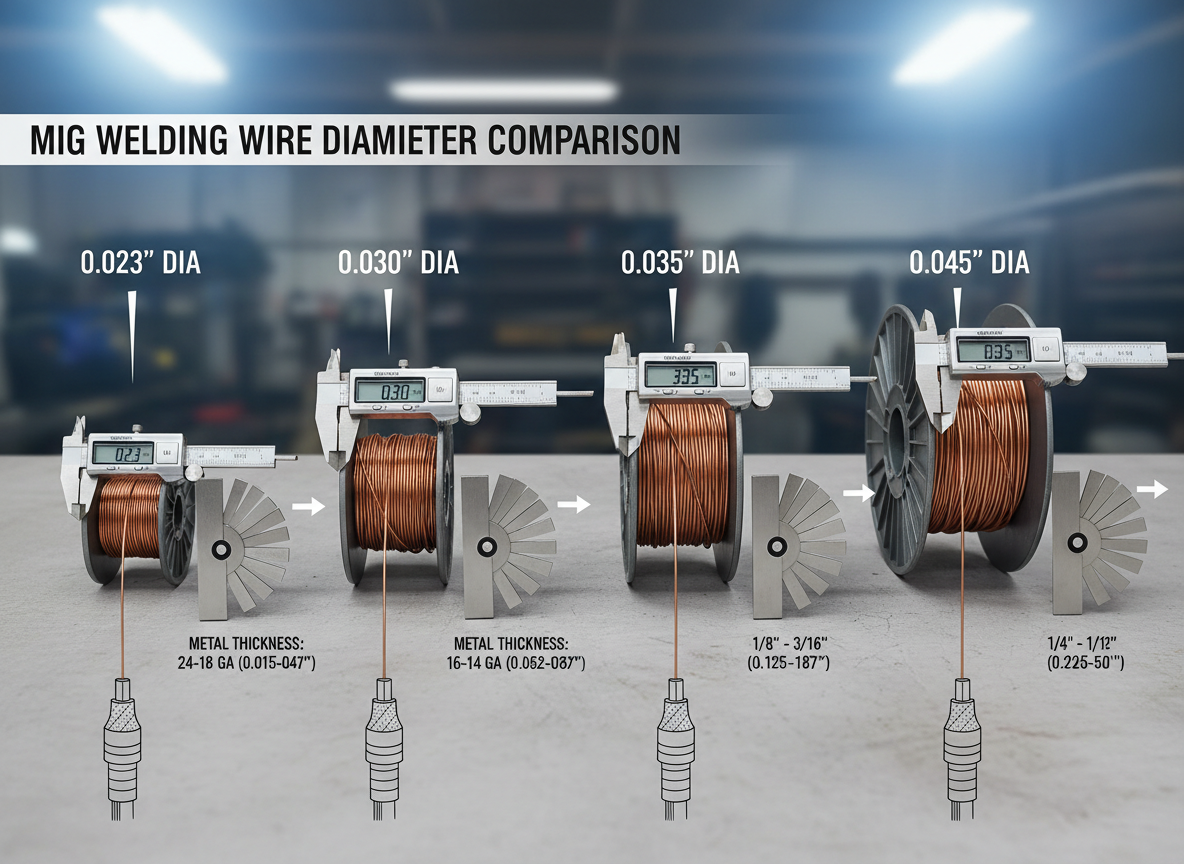
MIG Welding Wire Selection Guide 2025 | ER70S-6 vs ER70S-3 Specs
MIG wire selection affects weld quality, spatter levels, and penetration depth. Choosing the right wire depends on base metal composition, surface condition, and shielding gas—not just diameter and tensile strength. Common MIG…
-
6010 Electrode vs 7018 Electrode: What Welders Need to Know
6010 and 7018 are two of the most widely used stick electrodes in the welding industry—but they serve very different purposes. One is built for speed, penetration, and root passes. The other…
-
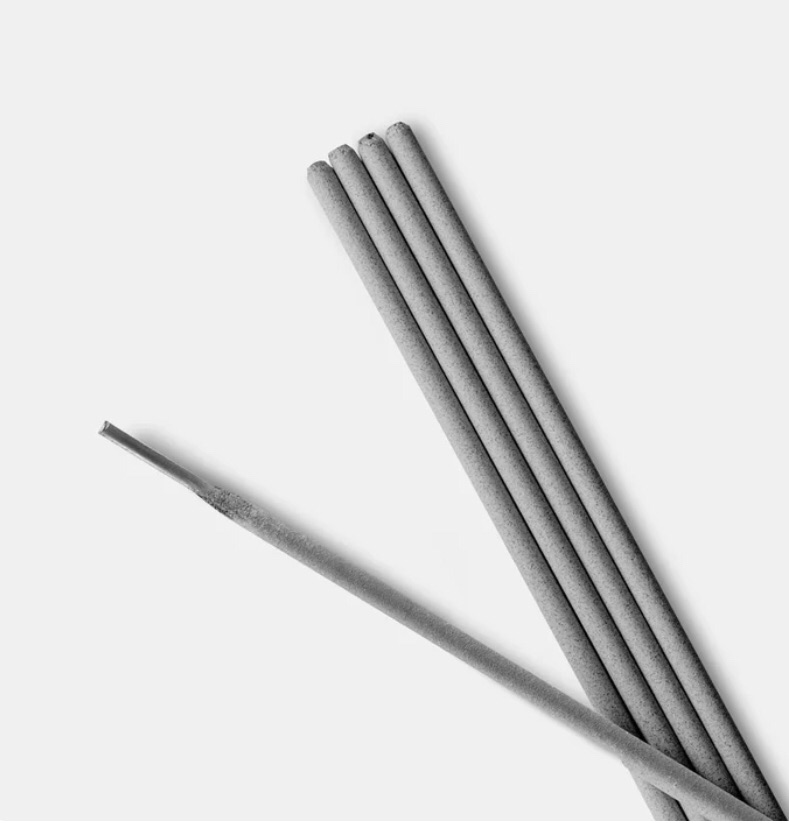
Nickel 55 Stick Electrode for Cast Iron Repairs
Need to repair cast iron without the headache? Nickel 55 stick electrodes make it easy—with strong, crack-resistant welds that hold up in the toughest jobs.
-

Washington Alloy THF-700HT Hard-Face MIG Wire Review (2025): Built for Wear Resistance
IntroHard-facing wire doesn’t just join metal — it rebuilds it. Washington Alloy’s THF-700HT flux-cored MIG wire is engineered for abrasion resistance and metal recovery in industrial repair work. From loader buckets to…
-
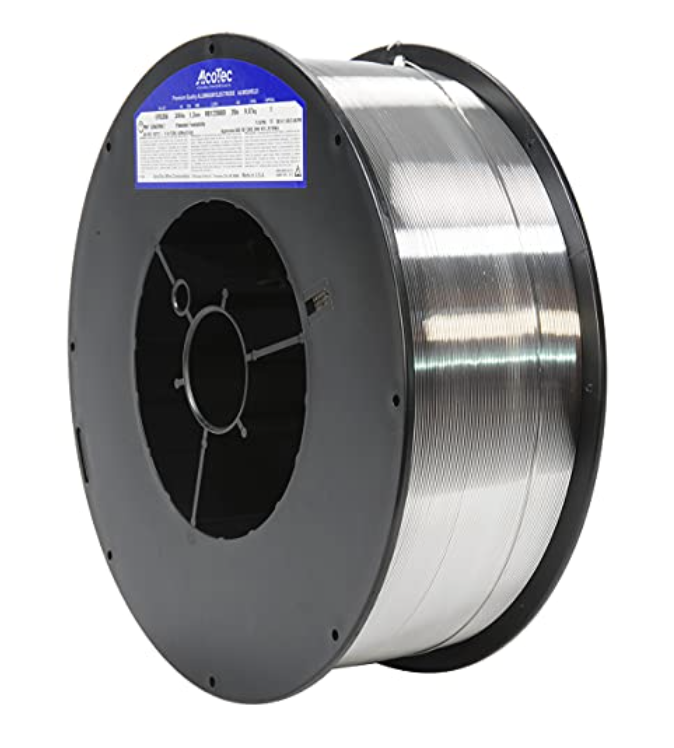
Alcotec Aluminum 4043 MIG Wire for Smooth Welding
Get cleaner welds and smoother results with Alcotec Aluminum 4043 MIG wire—trusted by pros for its reliability, flow, and ease of use across aluminum projects.
-
Alcotec Aluminum 5356 MIG Welding Wire: A Technical Overview
Get cleaner welds, stronger bonds, and smooth feed every time with Alcotec Aluminum 5356 MIG wire—trusted by pros for everything from marine builds to heavy fabrication.
-
Nickel 55 MIG Welding Wire for Cast Iron Repair
Discover why Nickel 55 MIG welding wire is the go-to choice for cast iron repairs—strong, machinable, and trusted by pros in demanding metalwork.