Author: Forge
-
When to Replace Carbon Arc Electrodes
“>
Carbon arc electrodes do not last indefinitely. Replace them when wear, contamination, damage, or fit issues start to affect arc stability, gouging quality, or torch performance. Waiting too long can increase heat input, reduce control, and create avoidable torch or workpiece problems.
Key Takeaways
- Replace electrodes when the end is worn, cracked, split, or contaminated.
- Incorrect size or poor fit can cause unstable arc behavior.
- Visible damage, excessive chipping, and unusual arc performance are common replacement triggers.
- Do not force a damaged or incorrect electrode into service.
- Verify the torch model and electrode type before installing replacement parts.
When to Replace a Carbon Arc Electrode
Use the electrode until it no longer supports a stable, controllable arc. Replace it if you see any of the following:
- Heavy wear at the working end that changes the shape or length beyond normal use.
- Cracks or splits in the carbon body.
- Chipping or breakage at the tip or along the shaft.
- Contamination from oil, moisture, paint, rust scale, or unknown residue.
- Glazing, burning, or irregular erosion that indicates poor arc transfer.
- Fit issues in the torch holder, collet, or clamp.
- Persistent arc instability after basic setup checks.
Signs the Electrode Is No Longer Serviceable
Some signs are obvious. Others show up as process problems.
- Arc wanders or sputters: often caused by wear, contamination, or incorrect electrode size.
- Uneven gouge profile: may indicate tip damage or poor alignment.
- Excessive heat at the torch end: can point to poor contact or a damaged assembly. Unknown (Verify).
- Shortened usable length: the electrode may still conduct, but not safely or consistently.
- Frequent breakage during setup: usually indicates handling damage, poor storage, or the wrong part.
Troubleshooting Before Replacement
Do a basic check before discarding the electrode. Some problems come from the setup, not the carbon itself.
- Confirm the torch is assembled correctly.
- Inspect the holder, clamp, and insulation for wear or damage.
- Check for contamination on the electrode and contact points.
- Verify the electrode is the correct size and type for the torch.
- Make sure the power source and leads are in normal working condition.
If the problem remains after inspection and cleaning, replace the electrode. If instability continues, inspect the torch components and power delivery path. Unknown (Verify) for model-specific fault isolation.
Replacement Timing for Maintenance Teams
For shop and field support, track replacement by condition instead of waiting for a hard failure. Replace electrodes when inspection shows:
- Visible tip damage
- Contamination that cannot be cleaned off
- Repeated arc inconsistency
- Poor fit or looseness in the holder
- Damage from storage, handling, or transport
Keep spare electrodes in clean, dry storage and protect them from impact. Carbon parts can be damaged in ways that are not obvious until the torch is in service.
Product and Parts Check
When servicing compatible arc gouging torches, verify the correct replacement parts before ordering. The following product is available in the ArcWeld catalog:
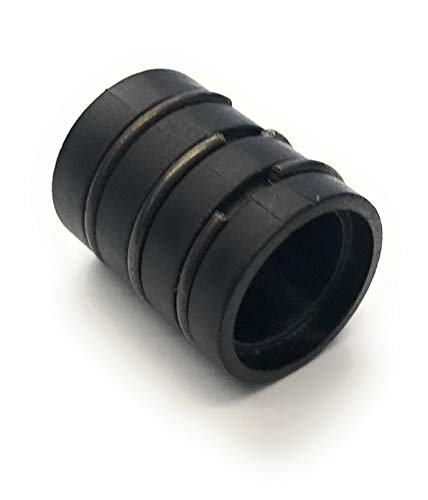
- Profax AEC-403, Carbon Arc Torch Insulator Assembly, Pack of (2) — Profax Insulator Assembly For AEC-3500, AEC-3500-1, AEC-4000-1, AEC-4500-1, AEC-5500 And AEC-5500-1 Arc Gouging Torches. Package of (2)
Product link: Profax AEC-403, Carbon Arc Torch Insulator Assembly, Pack of (2)
Do not assume compatibility beyond the listed torch models. Verify the part number and torch model before installation.
Safety Notes
- De-energize equipment before inspection or replacement.
- Allow hot parts to cool before handling.
- Use proper eye, face, hand, and body protection for gouging work.
- Keep carbon parts dry and clean to reduce contamination risk.
- Replace damaged insulating parts immediately. Unknown (Verify) if additional insulation checks are needed for your setup.
FAQ
How do I know a carbon arc electrode is worn out?
Look for heavy tip wear, cracking, chipping, contamination, or unstable arc performance.Can I keep using a damaged electrode?
No. Damage can reduce control and increase the chance of poor gouging performance or torch issues.What causes premature electrode replacement?
Common causes include wrong size, poor storage, contamination, improper setup, and handling damage.Should I replace the electrode or the torch part?
Replace the electrode first if the wear is on the carbon itself. If the torch holder, clamp, or insulator is damaged, inspect and replace those parts as needed. Unknown (Verify) for model-specific repair limits.Sources Checked
- ArcWeld product listing for Profax AEC-403, Carbon Arc Torch Insulator Assembly, Pack of (2)
- Internal topic brief: carbon arc electrode replacement
Related Arc Weld Part
Profax AEC-403, Carbon Arc Torch Insulator Assembly, Pack of (2)
Profax Insulator Assembly For AEC-3500, AEC-3500-1, AEC-4000-1, AEC-4500-1, AEC-5500 And AEC-5500-1 Arc Gouging Torches. Package of (2)
View at Arc Weld Store
When to Replace a Grinding Wheel
Pearl Abrasive BG610120 Green Silicon Carbide Bench Grinding Wheel with C120 Grit
$48.80
In Stock
View Product
A grinding wheel should be replaced when it is no longer safe or effective. Wear is normal. Damage, cracks, excessive glazing, or vibration are not. A wheel that is out of balance or reduced below safe usable size can fail during use.
Key Takeaways
- Replace the wheel if it is cracked, chipped, or damaged.
- Replace the wheel if it is glazed and no longer cuts properly after dressing.
- Replace the wheel if it vibrates excessively or runs out of true.
- Replace the wheel if it is worn beyond the grinder maker’s minimum diameter limit. Unknown (Verify).
- Never use a wheel that has been dropped unless it passes inspection. If unsure, discard it.
When a Grinding Wheel Needs to Be Replaced
Use a replacement wheel when inspection shows damage, abnormal wear, or unsafe operation. Do not wait for complete failure. Grinding wheels are consumable parts, but they are also rotating components that can break under load.
1. Cracks or fractures
Any visible crack, line fracture, or broken segment is a reject condition. Do not mount or reuse the wheel. A cracked wheel can fail at operating speed.
2. Chipping or chunk loss
Small chips at the edge may be acceptable only if the wheel remains sound and balanced. Larger chip loss, missing sections, or irregular edge damage are reasons to replace the wheel.
3. Glazing
A glazed wheel has a shiny, loaded surface that no longer cuts aggressively. Dressing may restore cutting action. If the wheel remains glazed, loaded, or slow-cutting after dressing, replace it.
4. Excessive wear
As the wheel diameter gets smaller, surface speed and performance change. A wheel worn below the grinder manufacturer’s minimum size should be replaced. Unknown (Verify) for any specific minimum dimension unless the machine manual is available.
5. Vibration, wobble, or poor tracking
Excess vibration, runout, or wobble can point to mounting issues, spindle problems, or wheel damage. If the wheel cannot be trued or balanced to run smoothly, replace it.
6. Drop damage
Never install a grinding wheel that has been dropped unless it is fully inspected and approved by the maker’s test procedure. If there is any doubt, replace it.
Troubleshooting Support
Wheel is not cutting well
- Dress the wheel first if the problem is glazing or loading.
- Check whether the abrasive type matches the work material.
- Replace the wheel if dressing does not restore cutting action.
Wheel chatters or vibrates
- Check mounting flanges, blotters, and spindle condition.
- Verify the wheel is mounted correctly and seated flat.
- Replace the wheel if it is cracked, warped, or out of round.
Wheel wears too fast
- Confirm you are using the correct abrasive for the base material.
- Check pressure and grinding technique.
- Replace the wheel if wear has reduced it beyond usable size.
Product / Parts Section
If you need a bench wheel for carbide-tipped tools or selected ferrous and non-ferrous metals, see this option:
Pearl Abrasive BG610120 Green Silicon Carbide Bench Grinding Wheel with C120 Grit
Green silicon carbide bench grinding wheel for tungsten carbide-tipped tools, ferrous and non-ferrous metals
View at Arc Weld StorePearl Abrasive BG610120 Green Silicon Carbide Bench Grinding Wheel with C120 Grit
Green silicon carbide bench grinding wheel for tungsten carbide-tipped tools, ferrous and non-ferrous metals.
Safety Notes
- Always follow the grinder manufacturer’s rated speed and wheel size limits. Unknown (Verify) if the equipment manual is not available.
- Wear eye protection, face protection, and proper PPE when inspecting, mounting, dressing, or replacing a wheel.
- Use guards and rest settings as specified by the machine maker.
- Do not use a damaged wheel.
- Perform a ring test only if the wheel type and manufacturer instructions allow it. Unknown (Verify).
FAQ
How often should a grinding wheel be replaced?
There is no fixed interval. Replace it when it is cracked, damaged, glazed beyond recovery, worn below usable size, or no longer runs safely.
Can a glazed wheel be saved?
Often yes. Dress it first. If the wheel still does not cut properly after dressing, replace it.
Can I keep using a wheel after it has been dropped?
Not unless it passes the maker’s inspection procedure. If you cannot verify that it is safe, discard it.
What is the clearest sign that I need to replace grinding wheel stock?
Cracks, missing material, or unsafe vibration are the clearest signs. Do not continue using a wheel with structural damage.
Sources Checked
- Grinding wheel manufacturer safety guidance
- Bench grinder operating and inspection practices
- Abrasive dressing and replacement procedures
WordPress notes: Use the post title as the page H1. This content does not include an H1 tag.