Do not order E6012 stick electrodes from the classification alone. Confirm the exact coated electrode, diameter, package, manufacturer’s supported operating conditions and the approved welding procedure specification first. E6012 is an AWS A5.1 carbon-steel SMAW classification, but it is not a universal replacement for E6013 or another familiar shop rod.
The practical decision starts with the joint and the paperwork: is E6012 actually named or permitted on the drawing, repair instructions or WPS? If yes, the next questions are the exact manufacturer product, diameter, electrode length, packing and handling requirements. If no, the task is a procedure-selection question for the responsible welding authority, not a request for a sales recommendation.
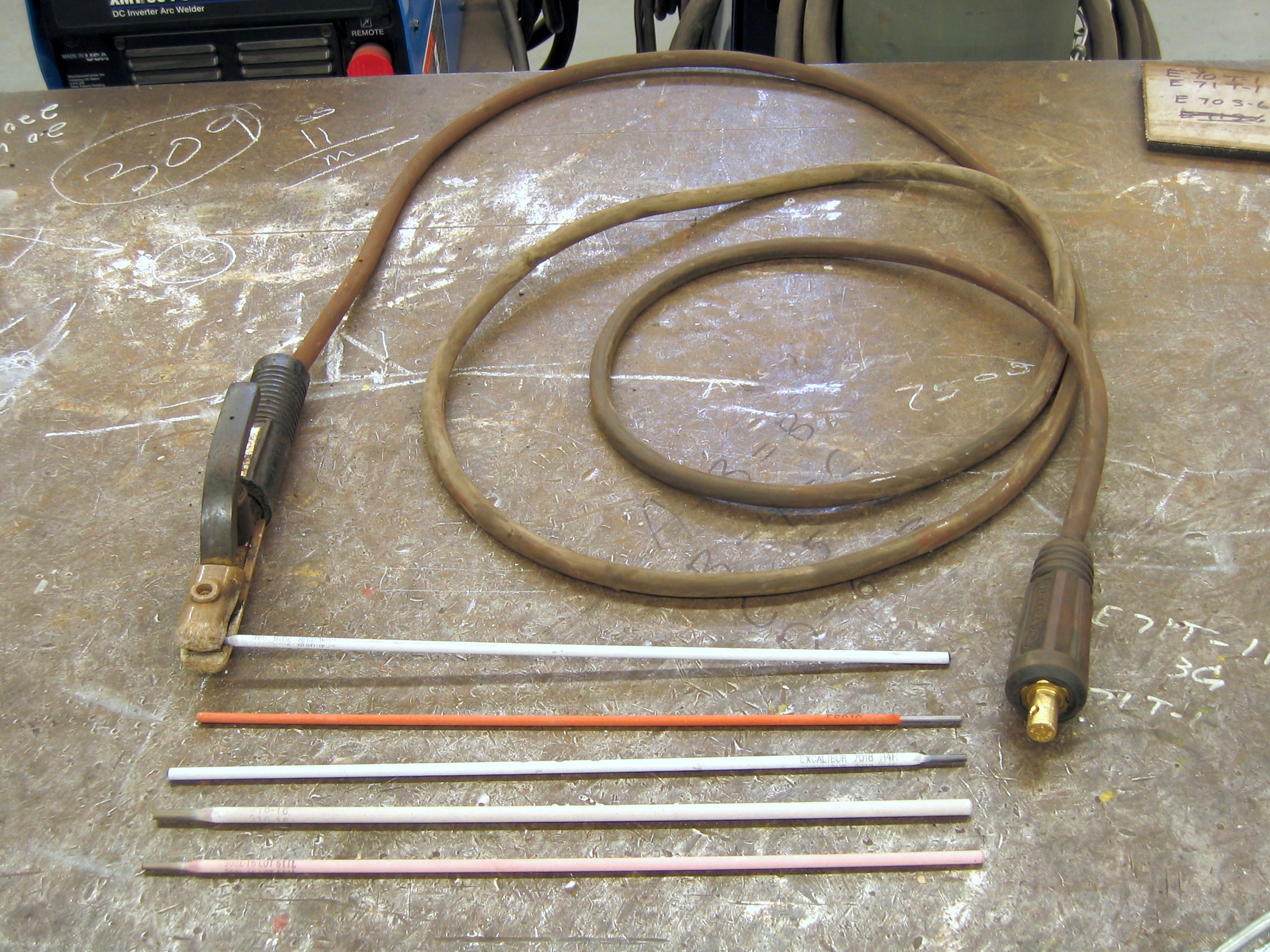
What the classification does and does not establish
The AWS designation tells you you are dealing with a specified type of covered carbon-steel stick welding electrode. It is a classification, not a manufacturer’s full product data sheet, storage specification or machine program. A commercial rod carrying the E6012 name still needs an identified manufacturer and selling unit on the requisition.
WSP maintains an E6012 filler reference page for initial identification. It describes an electrode used in light steel fabrication or sheet-work contexts, with specific choices depending on thickness and weld position. That page is an aid to choosing what to check; it does not authorize a substituted process, repair, weld position or preheat requirement.
A customer may ask for a ‘6012 rod’ while the intended item is E6013. One digit changes the classification, and a local stockroom nickname cannot settle the mismatch. Obtain the actual electrode designation from the approved work instructions, not from a recollection of what usually runs on a portable stick welder.
Separate the position question from the designation
The same weld metal may be applied to very different joints and positions. Before buying, identify whether the job is flat, horizontal, vertical, overhead, pipe or another qualified configuration. The electrode’s classification and manufacturer-specific data must be read against the WPS’s position and progression requirements. Do not turn generic catalogue language into a position approval.
Where a customer’s procedure calls out restricted travel direction or bead size, follow that controlled instruction. For production, any electrode change can affect acceptance and must be reviewed as required by the governing code and customer specification. A list of ‘typical uses’ is not a permitted procedure adjustment.
Check current and polarity in the actual product literature
The welding machine’s output capability matters, but this article intentionally provides no guessed amperage, voltage or polarity setting for an unidentified E6012 product. Those figures vary with rod diameter, manufacturer, job geometry and procedure. Some ordinary online descriptions blur different coated-electrode classifications. Resolve this using the exact manufacturer’s data sheet and equipment manual before setting the machine.
- Confirm the precise brand and trade designation, not only ‘E6012’.
- Find the manufacturer document for the stated rod diameter and packaging.
- Verify the electrode’s acceptable current/polarity conditions against the exact welder’s output and the qualified WPS.
- Record the required weld position, root/fillet application and any progression controls.
- If the documentation cannot be obtained, leave the application and machine settings Unknown and escalate instead of testing an invented setup on a customer job.
Do the order calculation from the actual selling unit
Consumables sellers may price stick electrodes by a particular box weight, multiple cans, an individual bag or a larger master carton. That commercial package has to be written on the purchase order. ‘One box’ is not reliable if the manufacturer’s commercial presentation or distributor’s carton quantity differs. Ask whether the quote is for one sellable unit or a multipack.
Diameter and length need equal attention. A 3/32-inch rod and 1/8-inch rod can both be E6012 while requiring different welding procedures and machine settings. Never infer diameter from the number 6012. State each size and the amount needed on the PO, then record the number of packages rather than only the aggregate weight.
If production is sensitive to traceability, specify the documentation and lot information needed on the PO, and keep the electrode identification intact through receiving and issue to the welding cell. A generic warehouse label should not replace the required manufacturer marking. Confirm current storage/conditioning instructions for the exact product; do not apply a blanket oven-temperature recommendation taken from a different electrode family.
E6012 and E6013 are separate commercial requests
An E6013 alternative may be common in a supplier’s catalogue, but that alone does not establish technical interchangeability. Manufacturer data and AWS classification both matter. WSP’s Filler Metal Finder helps identify candidate types, while alloy support provides broader selection context. Neither supersedes an approved job procedure.
If a supplier cannot deliver the specified rod promptly, ask the responsible welding engineer or welding coordinator whether a named alternative is permitted. Capture the decision in the applicable record before changing the requisition. Do not silently send another coated electrode with a similar 60-series name.
A practical receiving and application check
- Read the WPS and purchase specification for exact AWS classification and any specific manufacturer trade name.
- Match the actual rod diameter, length, package count and unit weight.
- Check the current product data sheet for permitted current/polarity and electrode handling; do not guess.
- Confirm the intended weld position and machine capability with the responsible lead.
- Keep required lots/certificates attached to receiving and production records.
- Inspect package marking and condition before issue, and hold mismatches for review.
For a more controlled starting point, WSP’s E6012 grade reference keeps the stated classification visible. Its information is a research starting point, not authorization to substitute another electrode based on a similar number.
Bottom line: E6012 is only the starting classification. A review-ready purchase order and work instruction still need the verified product, size, package, WPS, machine requirements and traceability. When any of those remain undocumented, record them as Unknown and verify before purchase or use.
Leave a Reply