If a 5454 aluminum assembly will remain at elevated temperature, ER5554 and ER5356 are not automatically interchangeable TIG fillers. Hobart’s technical guidance flags stress-corrosion concerns in higher-magnesium aluminum weld metal under prolonged heat exposure; ESAB lists ALTIGWELD 5554 for applicable 5454 work. The buyer’s first decision is whether the drawing and approved welding procedure require a service-specific filler—not which aluminum rod is familiar.
Identify the base alloy, the time-and-temperature exposure and the exact authorized process before ordering. A room-temperature job and an assembly operating hot for long periods can require different review. This article is a purchasing and specification checklist, not permission to deviate from a WPS.
Why service temperature matters
ER5356 is a commonly used aluminum-magnesium classification under AWS A5.10, and Hobart’s MAXALTIG 5356 is a manufacturer’s GTAW rod product in that family. It has broad applications across general aluminum fabrication. That does not establish suitability for every load-bearing component or elevated-temperature service condition.
Hobart’s aluminum welding guide explains that prolonged elevated-temperature exposure can make certain 5xxx aluminum-magnesium weld metals susceptible to stress-corrosion cracking. The often-cited area near 150°F (66°C) is a signal to investigate alloy and service, not a universal cutoff for every assembly. Temperature duration, stress, environment, base-metal composition and the approved procedure must be considered together.
What ER5554 changes
ER5554 is a lower-magnesium aluminum filler category associated with 5454-type service. ESAB identifies ALTIGWELD 5554 as a specific TIG rod product. Its product literature is a useful starting point for deciding whether a 5454 application involving elevated temperature warrants a specialized filler. A manufacturer example is not the same as approval for a particular pressure-containing item, coded assembly or repair.
Do not infer that 5356 will fail in every 5454 weld or that 5554 is universally superior. The correct metal is the classification approved for this base alloy, loading, exposure and fabrication procedure. If the project documents only say ‘aluminum filler’ or ‘matching rod,’ the selection remains Unknown—verify before welding.
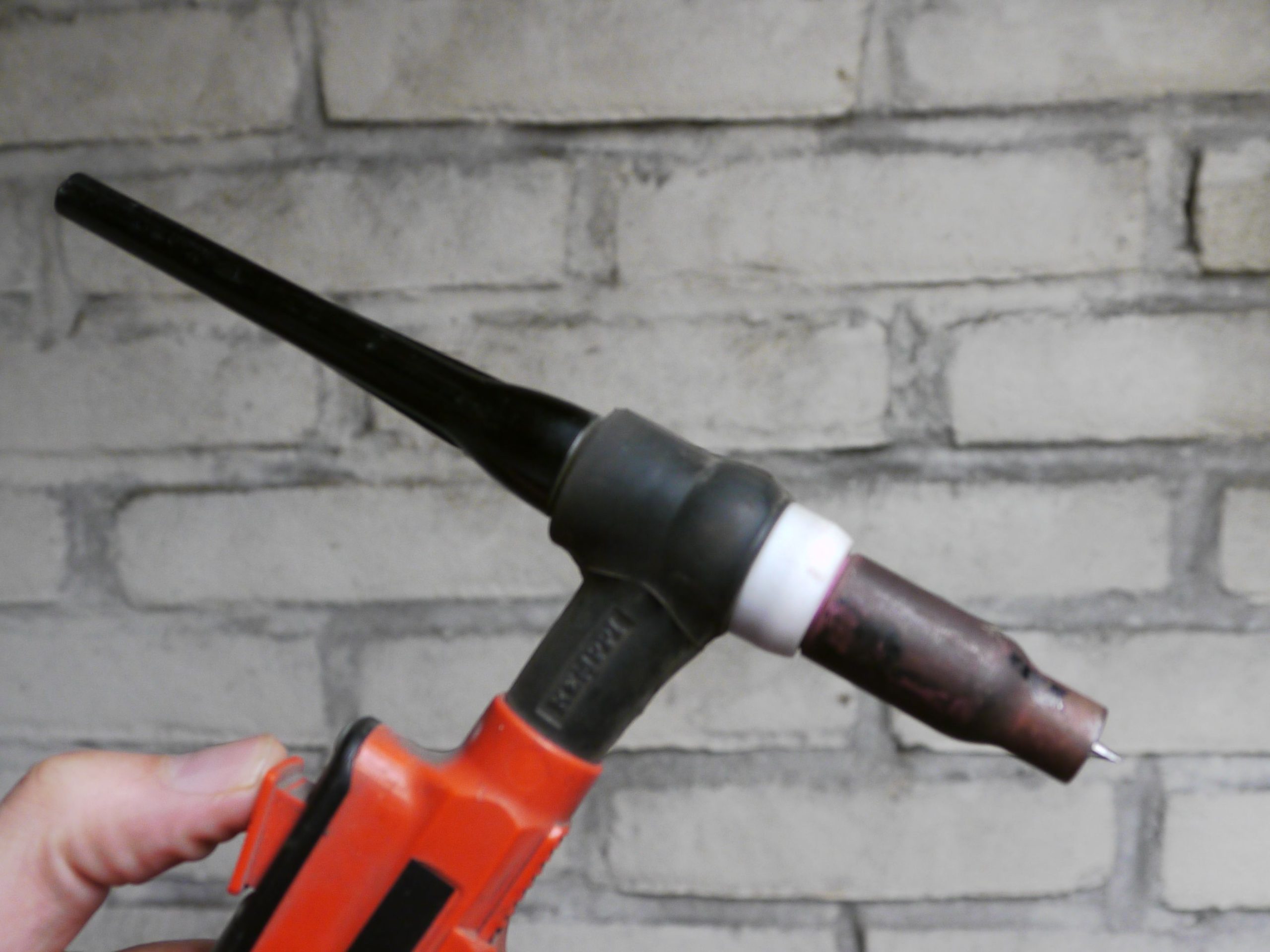

The package may be wrong even when the grade is right
AWS classifications describe filler-metal categories, not selling units. Check GTAW rod form rather than a GMAW spool, and verify the printed AWS classification, manufacturer product, diameter, straight length, package quantity and lot requirements. Search results for ‘5554’ may include MIG wire products that are not what a TIG purchasing request intends.
A certificate of conformance or test report, if the job requires one, belongs to the exact purchased product and lot. Typical mechanical properties in a brochure do not become guarantees for the user’s weld. Keep the product label with the order documentation so workers do not have to guess among unmarked aluminum rods.
5454 heat-service buying checklist
- Confirm the exact base-metal grade and temper from the approved drawing or material record.
- Identify whether service heat is sustained, intermittent or unknown, and obtain the operating-temperature profile from the responsible engineer.
- Locate the governing WPS, customer requirements and applicable code before considering filler alternatives.
- Check the approved AWS A5.10 classification, rod form and manufacturer product; do not substitute a MIG spool.
- Verify rod diameter, length, package quantity and whether the order calls for lot-level documentation.
- Check surface preparation, shielding requirements and welding parameters only against the approved procedure and product instructions.
- Flag any proposed change from ER5356 to ER5554—or the reverse—for responsible technical approval before purchase or welding.
How the WSP finder helps
Use the WSP Filler Metal Finder and Alloy Support to identify the process and AWS family. The site’s ER5554 TIG and ER5356 TIG references are classification aids, not engineering approvals. They should take the buyer to the correct questions rather than issue a substitution decision.
For broader context, the WSP ER5554 and ER5356 guides explain basic identification. The added decision here is prolonged heat service on identified 5454 aluminum.
Do not turn typical data into a WPS
An alloy data sheet may contain tensile values, chemistry ranges or example uses. None of that replaces the qualified procedure, the service design or project-specific acceptance requirements. In particular, ‘better for heat’ is not a substitute for identifying the actual material and whether the job is a new fabrication or an engineered repair.
For common room-temperature work, the existing qualified WPS may already resolve the filler. For sustained hot service, the right answer may require an engineering review before the buyer releases the order. Record Unknown rather than manufacture compatibility when temperature, base-metal identity or procedure details are missing.
Manufacturer evidence and further reading
- ESAB ALTIGWELD 5554 product information.
- Hobart Brothers Elevated-Temperature Applications technical guide.
- Hobart Brothers MAXALTIG 5356 GTAW product reference.
Leave a Reply