E7016 and E7018 are different AWS A5.1 stick-electrode classifications. Both appear in basic or low-hydrogen discussions, but they are not automatically interchangeable on a qualified welding job. Start with the governing welding procedure specification (WPS), base metal, full classification, exact manufacturer product, electrode diameter and power source. A purchase order saying only ’70-series low hydrogen rod’ is missing important information.
The most costly mistake is using a familiar classification prefix as approval to substitute a different electrode. Similar nominal deposited strength does not establish identical coatings, storage limits, power-source capability or project acceptance. This article is a buying and identification guide, not a welding procedure or authority to change qualified filler metal.
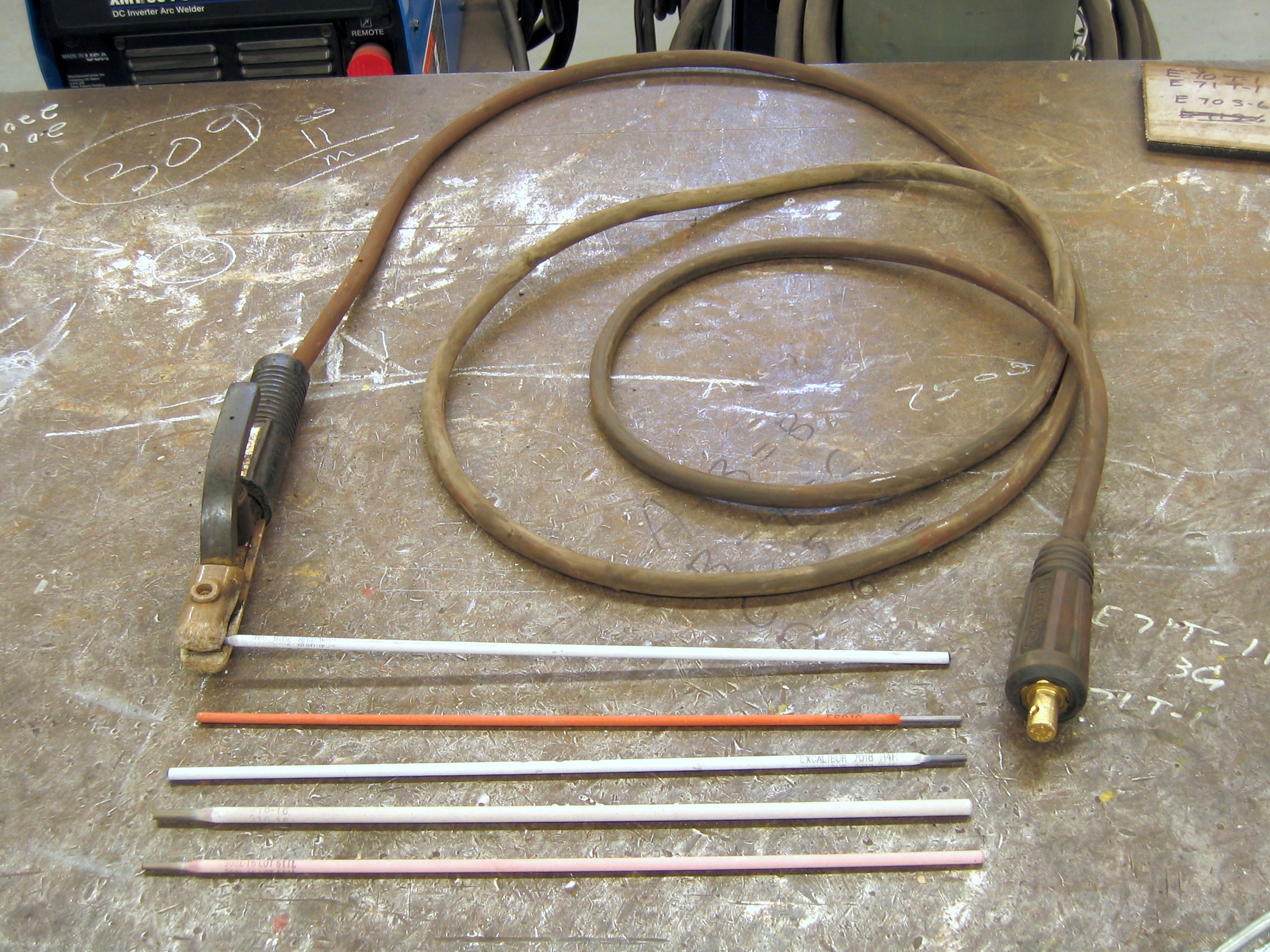

Start with an actual manufacturer product sheet
ESAB’s OK 53.16 SPEZIAL is classified to SFA/AWS A5.1 E7016. ESAB describes a double coating designed to combine rutile running characteristics with a basic electrode, and lists AC and DC operating options for this specific model. Those details are product-specific: not every E7016 maker or variant has the same published current and handling information.
The separate ESAB 7018 U.S. page identifies AWS A5.1 E7018, basic covering and its own hydrogen and current data. Other ESAB Atom Arc 7018 products have different suffixes and approval listings. This makes the procurement lesson clear: a class name alone does not identify the exact item delivered.
A class is not the complete package specification
A buyer should record manufacturer product number, AWS class and all suffixes, rod diameter and length, selling weight or count, required certificates and lot traceability. Missing one of those can leave a fabrication crew with the right family but the wrong size, handling classification or package. Manufacturer catalog numbers and a current data sheet are much stronger evidence than broad marketplace labels.
WSP’s Alloy Support library provides separate E7016 and E7018 grade paths. The Filler Metal Finder helps organize the job and classification questions. These pages are research starting points, not substitutes for AWS specifications, the manufacturer’s current documentation or the approved WPS.
Check the actual current capability
Do not assume every E7016 is suitable for the same AC machine, or that all E7018 products share one polarity and current range. Product-specific coatings and operating design matter. The cited ESAB E7016 technical sheet includes a minimum AC open-circuit voltage for that product. Compare the actual welder’s capabilities and the specific electrode document before selecting a rod.
The qualified procedure may control current type, filler classification, diameter, position, heat input and other variables. Never substitute a general article for the responsible welding lead’s instructions. If the exact machine and electrode product cannot be verified, label the setting or compatibility Unknown and resolve it through current OEM and WPS information.
Low hydrogen is not a shared handling recipe
Hydrogen control matters for restrained joints and other service conditions where the code and design require it. But ‘low hydrogen’ does not prove two products have the same moisture exposure allowance, storage environment or supplementary H and R designators. H4, H8 and moisture-resistance ratings require their own evidence; they should not be inferred from just E7016 or E7018.
Use the actual manufacturer packaging and qualified job instruction to establish handling, redrying and exposure limits. No blanket rod-oven temperature or time is given here because those values depend on the product and procedure. Generic shop practice must not replace documented control on critical welds.
Typical test figures versus governing acceptance
The ESAB sheets publish mechanical test observations for identified products and conditions. They are not guaranteed properties of every weld made under a broad AWS class. Where specified impact toughness, chemistry, diffusible hydrogen, approvals or batch certificates govern, inspect the actual documentary evidence. A plausible tensile number on a distributor page cannot certify a production weld.
Five-point receiving checklist
- Confirm base metal, current job WPS and the approved complete AWS classification.
- Match exact manufacturer part number, supplementary suffix, diameter and package weight.
- Verify applicable machine current type, electrode position and product operating range using its own instructions.
- Record lot/certification requirements, current packaging integrity and documented moisture-handling instructions.
- Quarantine an ambiguous or substituted box for qualified review rather than putting it into production by assumption.
The decision
Order E7016 when the governing procedure and job requirements call for E7016 and the exact product matches the machine and needed service properties. Order E7018 when those requirements call for E7018. For unregulated practice work, the instructor still needs to match the exact rod and machine and follow applicable safety and handling controls.
The efficient procurement habit is to preserve three separate facts: the AWS class narrows the electrode family, the technical sheet identifies what a supplier sells, and the WPS or engineering authority determines what is acceptable on the job. Keeping those records together prevents an apparently minor classification change from becoming a costly uncontrolled substitution.
Leave a Reply