Tag: welding support parts

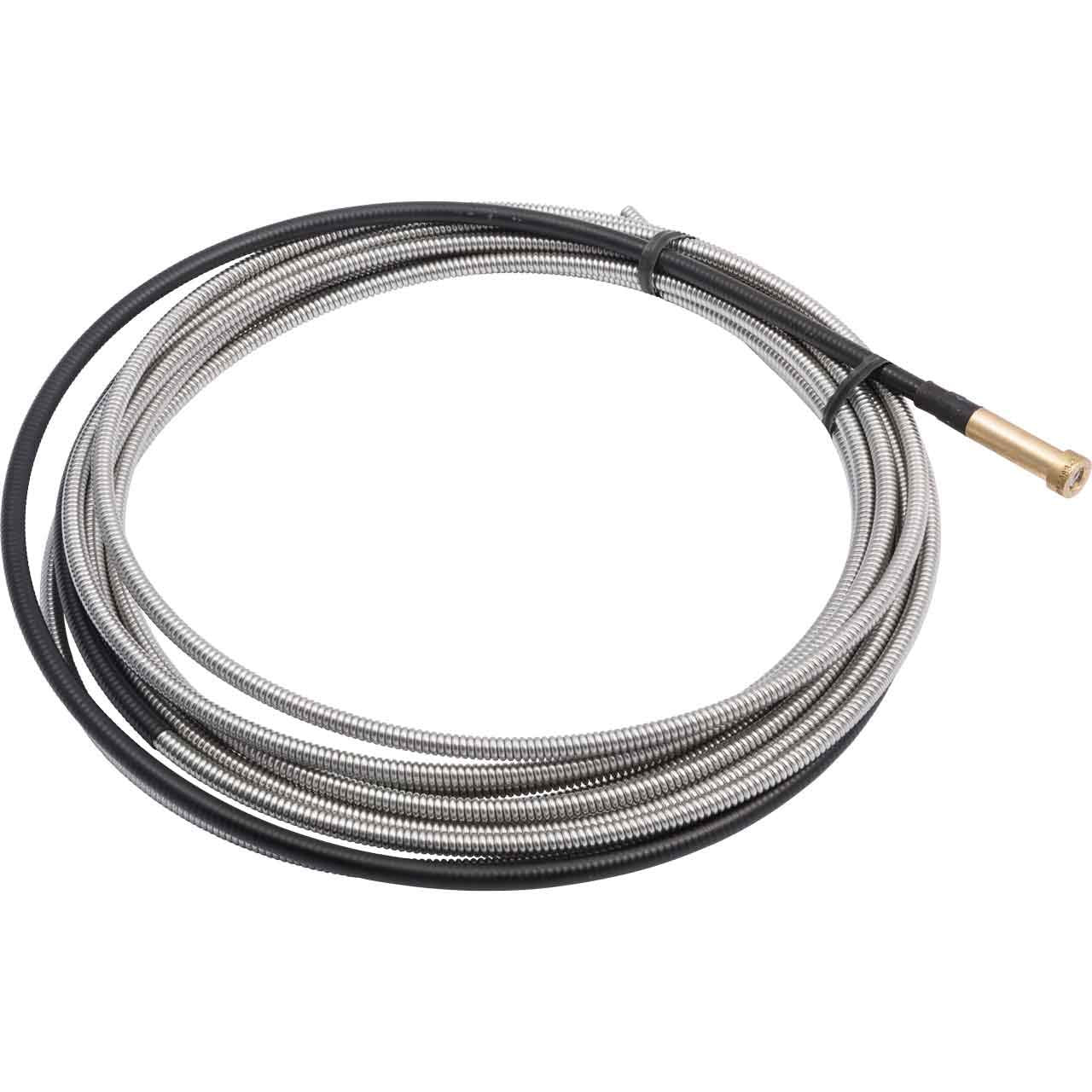
  • Lincoln Electric KP44-3545-15, .035-.045 Liner, 15′: Product Breakdown

    Lincoln Electric KP44-3545-15, .035-.045 Liner, 15′: Product Breakdown

    Product not found.
    “>Lincoln Electric KP44-3545-15, .035-.045 Liner, 15'

    Lincoln Electric KP44-3545-15 is a 15 ft MIG gun liner for 0.035 to 0.045 in wire. In routine service, this type of liner is a wear item. When it becomes contaminated, kinked, or worn, wire feed quality can drop and the operator may see inconsistent feeding, burnbacks, or birdnesting. The practical value of a replacement liner is not complicated: reduce drag inside the cable, restore smoother feed, and remove one variable from the setup.

    This article is a buyer guide and maintenance breakdown for shop use. It does not replace the gun manual or procedure qualification. If your gun model, drive rolls, or wire size are uncertain, verify before ordering.

    Key Takeaways

    • This is a consumable maintenance part, not a performance upgrade by itself.
    • Wire feeding problems often trace back to liner condition, but the liner is only one part of the system.
    • Match the liner to the gun model and wire diameter range before installation.
    • If the feed path is dirty, damaged, or incorrectly assembled, a new liner may not solve the issue.
    • Use the liner as part of a complete inspection: drive rolls, inlet guide, contact tip, cable routing, and spool tension all matter.

    What This Liner Is Used For

    KP44-3545-15 is intended for MIG wire delivery in the stated 0.035 to 0.045 in range. The 15 ft length is a practical detail for service planning, but it does not tell you everything about fit. In MIG guns, liner design must align with the specific gun family and cable assembly. If that information is not confirmed in your maintenance records, mark it as Unknown (Verify) and check the gun manual or parts listing before purchase.

    Troubleshooting: When to Suspect the Liner

    Use the liner as a suspect when feed problems appear at the gun end rather than at the feeder. Common signs include more drag when pulling wire by hand, erratic feeding that changes as the cable bends, or repeated feed interruptions after other parts have already been checked.

    Check: Does the wire feed smoothly with the gun laid out straight?

    Inspect: Are there sharp bends, crushed sections, or heat damage along the cable?

    Verify: Is the liner size correct for the wire diameter and gun model?

    Check: Are there signs of debris, rust, or liner wear at the ends?

    Inspect: Remove the contact tip and look for wire shaving, discoloration, or contamination at the exit point.

    Verify: Is the inlet and outlet path clean and aligned?

    Check: Does feeding improve only when drive roll pressure is increased?

    Inspect: Excess roll pressure can mask a liner problem and create more wire deformation.

    Verify: Set drive tension only as high as needed to feed consistently.

    Support Checks Before You Replace the Part

    A liner swap is often justified, but it should not be a blind replacement. Before ordering, walk through the full feed path.

    • Drive rolls: Inspect for wear, incorrect groove profile, or contamination.
    • Inlet guide: Verify correct alignment and that the wire enters without scraping.
    • Contact tip: Check for wear, spatter buildup, and bore size issues.
    • Spool condition: Look for rust, birdnesting at the reel, or irregular unwind.
    • Cable routing: Verify the gun cable is not twisted, crushed, or bent tighter than normal shop handling allows.

    If these items are in acceptable condition and the feed issue remains, liner replacement becomes a logical next step. If several parts are worn at once, replace the worn items together so the diagnosis does not get blurred.

    Product and Parts Notes

    Product: Lincoln Electric KP44-3545-15, .035-.045 Liner, 15′

    Listed application: MIG gun liner for 0.035 to 0.045 in wire

    Length: 15 ft

    Compatibility: Unknown (Verify). Confirm the exact Lincoln gun and cable series before ordering.

    Installation note: Do not force the liner through a bent or obstructed cable. If the liner binds during installation, stop and inspect the cable path. Trimming should follow the gun manual, not guesswork.

    Use the product listing as a maintenance reference when the liner part number is already known. If you are cross-checking the full gun assembly, verify the gun model number and compare it against the Lincoln parts documentation used in your shop.

    How to Inspect the Liner in Service

    Use a simple maintenance routine during downtime.

    1. Lock out the machine as required by site procedure.
    2. Remove the contact tip and visually inspect the wire path.
    3. Feed wire manually and feel for drag or pulsing resistance.
    4. Check the cable for kinks, crushing, or abrasion.
    5. Inspect the liner ends for contamination, wear, or misalignment.
    6. Reassemble and test feed at low speed before returning to production.

    If the liner was replaced, record the part number, date, and observed condition of the old liner. That record helps maintenance decide whether the failure was due to normal wear, contamination, or a cable handling issue.

    Safety Notes

    • Disconnect power and follow site lockout/tagout rules before service.
    • Wear gloves and eye protection when handling wire and liner ends.
    • Do not assume feed problems are only mechanical; inspect for spatter and hot surfaces after welding.
    • Keep fingers clear of drive rolls and pinch points during feed testing.
    • Dispose of cut wire and used liner sections to prevent puncture injuries.

    FAQ

    How do I know if the liner needs replacement?
    Look for rising feed resistance, inconsistent wire delivery, birdnesting, or repeated burnbacks after the rest of the feed path has been checked. If the liner is contaminated, kinked, or visibly worn, replace it.

    Can I use this liner with any Lincoln MIG gun?
    No. Compatibility is Unknown (Verify) unless the exact gun and cable model are confirmed. Match the part number to the correct Lincoln gun series before ordering.

    Does a new liner fix every wire feeding problem?
    No. Feed issues can also come from drive rolls, contact tips, spool tension, inlet guides, or cable damage. Treat the liner as one part of the system, not the whole diagnosis.

    Should I replace the liner on a schedule?
    That depends on duty cycle, wire type, contamination, and cable handling. A fixed interval is Unknown (Verify). Replace based on inspection results and feed performance, not only on calendar time.

    Sources Checked

    Final note: treat the part number as the primary identifier, then verify gun model, wire diameter range, and cable condition before installation. That approach prevents avoidable feed issues and reduces repeat troubleshooting.

    Related Arc Weld Part

    Lincoln Electric KP44-3545-15, .035-.045 Liner, 15'

    Lincoln Electric KP44-3545-15, .035-.045 Liner, 15'

    Lincoln Electric KP44-3545-15 is a 15 ft MIG gun liner built for 0.035–0.045 in wire. Replacing a worn or contaminated liner helps restore smooth wire feeding by reducing drag inside the gun cable, which supports a steadier arc and fewer feed-related issues (birdnesting, inconsistent starts, burnbacks). It’s a practical maintenance item for high-use MIG setups, especially when you notice increased resistance durin…

    View at Arc Weld Store

    Related Weld Support Guides

  • Lincoln Electric K2951-1 Magnum PRO Curve 300 MIG Welding Gun, Semi-Automatic, 10 ft Cable: Product Breakdown

    Lincoln Electric K2951-1 Magnum PRO Curve 300 MIG Welding Gun, Semi-Automatic, 10 ft Cable: Product Breakdown

    Product not found.
    “>Lincoln Electric K2951-1 Magnum PRO Curve 300 MIG Welding Gun, Semi-Automatic, 10 ft Cable

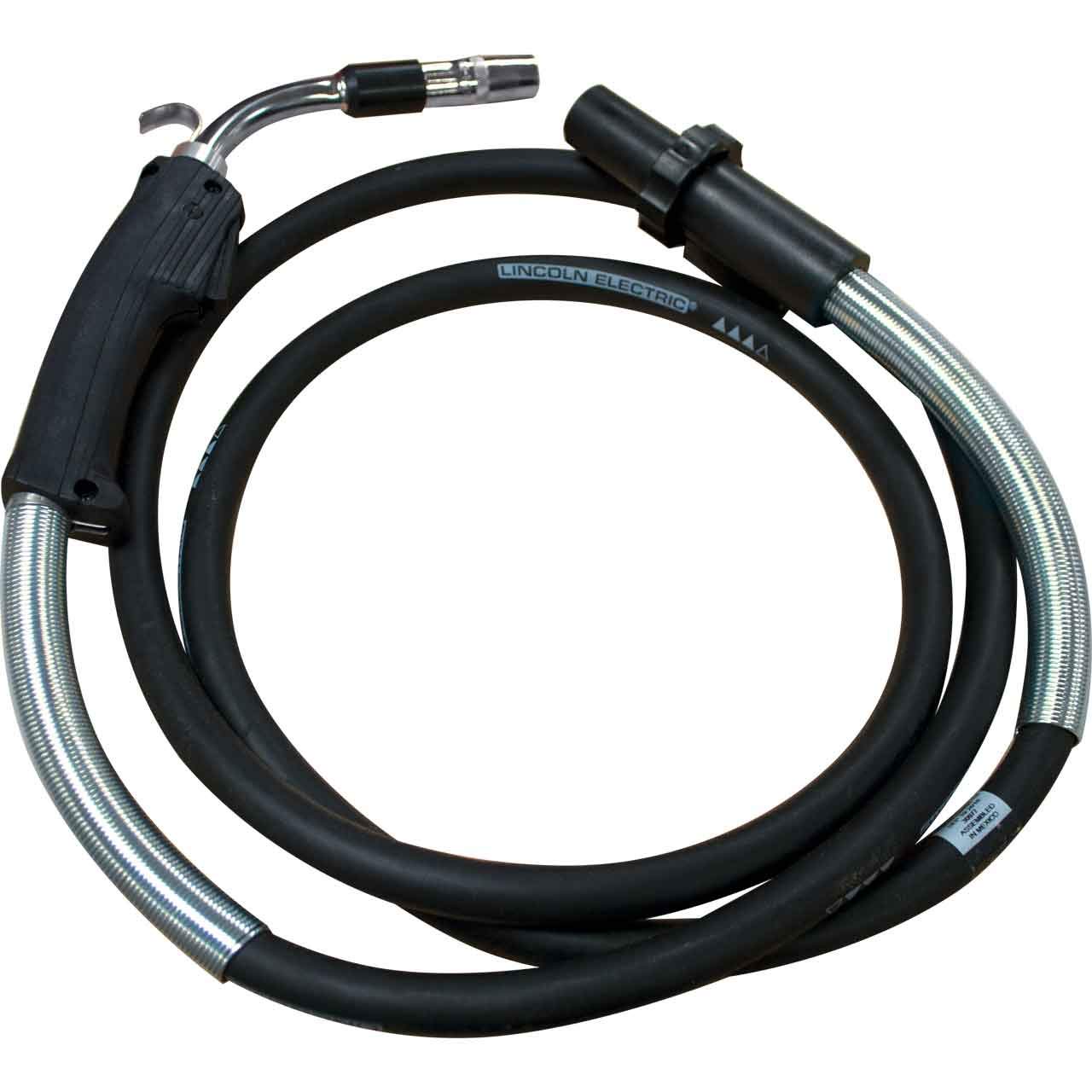
    The Lincoln Electric K2951-1 Magnum PRO Curve 300 MIG Welding Gun is a shop-use welding gun for semi-automatic MIG applications. For buyers and maintenance teams, the main question is not just what the gun is, but whether it matches the feeder, connection style, consumables, and duty cycle expectations of the job. This breakdown focuses on practical verification steps before installation and during service.

    The listed configuration includes a 10 ft cable. That length is common for controlled handling in fabrication and maintenance work, but fit and reach still need to be checked against the actual work area and feeder placement. If the gun is being ordered as a replacement or backup, verify the end connections and the wire feed setup before relying on it in production.

    Key Takeaways

    • Verify the gun connection style before ordering. Unknown (Verify) if your feeder uses a different interface.
    • The 10 ft cable supports general shop handling, but cable routing and feeder location affect practical reach.
    • Use this as a support-part decision, not a stand-alone welding procedure decision.
    • Check consumables, liners, and drive-roll compatibility with the wire you actually run.
    • Inspect the cable, neck, trigger, and pin interfaces before first use and after any impact or overheating event.

    What to Check Before Installation

    Do not assume a MIG gun fits because it is from the same brand or product family. Confirm the setup by inspection.

    • Check the feeder connection: inspect the gun end and the feeder-side interface. If the connector type is not confirmed by the machine manual or parts list, mark it Unknown (Verify).
    • Inspect cable condition: look for cuts, crushed sections, blistering, or stiffness that indicates heat damage or internal wear.
    • Verify trigger action: the trigger should move smoothly and return consistently. Any sticking or intermittent response should be corrected before use.
    • Inspect the neck and nozzle area: confirm the neck is not bent and the nozzle threads or retaining features are intact.
    • Confirm wire size and liner match: the wire size you plan to run must match the liner and contact tip setup. If not confirmed, treat it as Unknown (Verify).

    Practical Troubleshooting and Support

    If the gun is installed but feed quality is poor, start with the simplest checks. Most complaints are related to setup, wear, or contamination rather than the gun body alone.

    Wire feed is inconsistent

    • Check: drive rolls, liner condition, and contact tip wear.
    • Inspect: cable routing for tight bends, pinches, or loops that increase drag.
    • Verify: the wire diameter and wire type match the consumable stack-up. Unknown (Verify) if documentation is not available.

    Arc starts poorly or sputters at the gun

    • Check: contact tip fit, nozzle cleanliness, and wire stickout.
    • Inspect: for spatter buildup around the nozzle and front-end components.
    • Verify: shielding gas delivery, hose integrity, and machine settings at the feeder. Do not assume the gun is the only issue.

    Trigger or control response is intermittent

    • Check: the gun lead and connector pins for looseness or contamination.
    • Inspect: the trigger housing for damage, heat exposure, or liquid intrusion.
    • Verify: continuity and machine-side input functions if the gun appears mechanically sound.

    Product and Parts Considerations

    This product page is for the Lincoln Electric K2951-1 Magnum PRO Curve 300 MIG Welding Gun, Semi-Automatic, 10 ft Cable. Use the product page as the starting point for the exact item, then confirm related parts in your own machine and consumable records.

    Common support-part questions include the liner, contact tip series, nozzle style, diffuser, and connection hardware. Those details must be verified against the actual equipment and existing consumables. If a part number is not listed in your machine documentation or the product source, it should remain Unknown (Verify).

    For product reference and ordering context, use the ArcWeld product page here: Product not found.

    “>Lincoln Electric K2951-1 Magnum PRO Curve 300 MIG Welding Gun, Semi-Automatic, 10 ft Cable.

    How to Use This Gun in a Maintenance Workflow

    In maintenance environments, a MIG gun is often moved between jobs, machines, and operators. That makes inspection more important than initial purchase. Build a short pre-use routine:

    1. Inspect the cable jacket from feeder to gun neck.
    2. Check the trigger for full travel and return.
    3. Confirm the nozzle is clean and the tip is appropriate for the wire in use.
    4. Verify the feeder connection is secure.
    5. Run a short test bead on scrap before releasing the gun to production.

    If problems appear after a move or drop, assume mechanical damage until inspection proves otherwise. Hidden damage in the lead can cause intermittent feed issues that are difficult to isolate later.

    Selection Starting Point for Filler Metal

    This gun is a support component. The filler metal decision still depends on base material, process settings, shielding gas, and procedure requirements. If you need a starting point for wire selection and related product references, use the WSP filler metal finder only as a selection starting point, not as a guaranteed procedure approval source.

    Filler metal selection page: Unknown (Verify)

    If your workflow includes a documented filler metal path, compare the wire family, diameter, and machine setup to your internal procedure sheets before welding. Do not assume a general product match is acceptable for every application.

    Safety Notes

    • De-energize equipment before installing, removing, or inspecting the gun.
    • Do not use a damaged lead, cracked housing, or overheated front-end assembly.
    • Hot nozzle and contact tip parts can burn skin immediately after welding.
    • Keep cable routing clear of sharp edges, moving parts, and pinch points.
    • Use the machine manual and shop procedure for final setup. This article does not replace them.

    FAQ

    Is the Lincoln Electric K2951-1 Magnum PRO Curve 300 MIG Welding Gun a direct replacement for every Lincoln feeder?

    No. Do not assume that. Verify the connection style, control interface, and gun compatibility against the feeder documentation. If the machine side is not confirmed, mark it Unknown (Verify).

    Does the 10 ft cable make it suitable for all shop layouts?

    No. The 10 ft cable is a usable starting point, but actual reach depends on feeder placement, cart layout, and the route the cable must follow. Measure the work path before installation.

    Can I choose consumables from a product page alone?

    No. Use the product page and your machine documentation together. Confirm nozzle style, contact tip series, liner size, and wire diameter before ordering parts.

    Should filler metal pages be treated as final procedure approval?

    No. Treat filler metal pages as selection starting points only. Final approval still depends on your WPS, base material, shielding gas, and procedure requirements.

    Sources Checked

    • ArcWeld product page: Lincoln Electric K2951-1 Magnum PRO Curve 300 MIG Welding Gun, Semi-Automatic, 10 ft Cable
    • Provided internal product reference in the task prompt

    For buyers, the value of this gun is not a list of marketing features. It is whether the unit fits the feeder, supports the wire you actually run, and holds up to the handling pattern in your shop. Verify the interface, inspect the cable, and confirm the consumable stack before putting it into service.

    Related Arc Weld Part

    Lincoln Electric K2951-1 Magnum PRO Curve 300 MIG Welding Gun, Semi-Automatic, 10 ft Cable

    Lincoln Electric K2951-1 Magnum PRO Curve 300 MIG Welding Gun, Semi-Automatic, 10 ft Cable

    Lincoln Electric K2951-1 Magnum PRO Curve 300 MIG welding gun is built for semi-automatic MIG welding applications and includes a 10 ft cable for controlled handling and day-to-day shop use; the Curve 300 design is intended to support consistent feeding and operator comfort for fabrication and maintenance work—please confirm your welder/feeder and gun connection style match the Magnum PRO Curve 300 configuration b…

    View at Arc Weld Store

    Related Weld Support Guides

  • Washington Alloy 308L-16 Stick Electrode 10 LB. Package (3/32″ – 10 LBS.): Replacement Part Breakdown

    Washington Alloy 308L-16 stick electrodes are commonly selected for stainless welding support work where an E308L-16 classification is being considered. For maintenance buyers and welders, the main job is not just finding a box with the right label. The job is verifying the base metal, joint condition, electrode size, storage condition, and the actual welding procedure before the part is issued to the floor.

    This article is a practical breakdown for the Washington Alloy 308L-16 Stick Electrode 10 LB. Package (3/32″ – 10 LBS.) B08232Q6P7 product reference. It focuses on what to check, how to inspect the package and setup, and how to avoid ordering the wrong replacement item when the weld callout is incomplete or unclear.

    Key Takeaways

    • 308L-16 is a stainless stick electrode designation. Final procedure approval still depends on the job spec and base metal.
    • The 10 lb package and 3/32″ diameter must both match the application and the holder setup.
    • Do not assume stainless electrode interchangeability. Verify the alloy family, deposit requirements, and service environment.
    • If the welding document is unclear, treat the selection as Unknown (Verify) until the procedure or supervisor confirms it.

    What this product reference means

    The product name identifies a Washington Alloy 308L-16 stick electrode in a 10 lb package, with a 3/32″ diameter noted in the title. Beyond that, details such as exact coating behavior, recommended polarity, packaging style, and any application limits are Unknown (Verify) unless confirmed by the governing spec, supplier data, or the job procedure.

    For shop use, the important point is that the label alone is not a complete purchasing decision. Use the electrode classification as a starting point, then verify the following:

    • Base metal grade and condition
    • Required deposit chemistry
    • Joint design and access
    • Machine output range and stinger compatibility
    • Storage and exposure history of the electrodes

    Check before you buy

    Inspect the weld callout. Confirm whether the job actually calls for 308L-16 or a different stainless electrode classification. If the print only says “stainless rod,” stop and verify. That instruction is not enough for a controlled purchase.

    Verify diameter. The 3/32″ size must fit the amperage range, joint access, and operator skill level. If the work is thin material, tight corners, or positional welding, the diameter choice may need review. Unknown (Verify) until the procedure is checked.

    Check the package count. A 10 lb box matters to stocking, issue control, and production planning. Make sure the order quantity aligns with burn rate and whether the electrode will be shared across jobs or kept for a single work order.

    Inspect storage conditions. If the electrodes have been exposed to moisture, damaged packaging, or dirty storage, do not issue them blindly. Open package condition, visible contamination, and label integrity should be checked before use.

    Troubleshooting and support checks

    Problem: arc starts poorly or sticks excessively. Check the electrode holder, cable condition, machine settings, and the electrode condition itself. Verify that the current delivery is stable and that the rods are dry and clean. If the machine is correct but the issue remains, the procedure may be wrong for the material.

    Problem: weld appearance is inconsistent. Inspect work lead placement, joint cleanliness, and travel control. Stainless stick work is sensitive to surface contamination. Check for mill scale, oil, paint, and oxide on the base metal. Verify that the joint was prepared to the required level before welding began.

    Problem: the electrode seems to be the wrong choice. Stop and compare the job requirements to the product classification. Check whether the base material is stainless, whether dissimilar metal is involved, and whether corrosion resistance or service temperature requirements apply. If any of those are unclear, mark the selection Unknown (Verify) and escalate.

    Problem: stock label does not match the work order. Inspect the carton label, internal part number, and issue documentation. Verify the ASIN reference only as a catalog identifier; do not treat it as a procedure approval.

    Product and parts breakdown

    The available product reference for this article is the Washington Alloy 308L-16 Stick Electrode 10 LB. Package (3/32″ – 10 LBS.) with ASIN B08232Q6P7. No additional part breakdown, kit contents, or accessory list is confirmed here. Unknown (Verify) for any claim about included extras, proprietary features, or special packaging beyond the stated product name.

    For buyers, the practical breakdown is simple:

    • Electrode classification: 308L-16
    • Package size: 10 lb
    • Diameter noted in title: 3/32″
    • Catalog reference: B08232Q6P7

    If your purchasing system requires a procedure match, job number, or approved filler list, verify those against internal documents before release.

    Support links for selection checks

    Use the WSP blog resources below as support references for stick welding setup and electrode handling. These are starting points for selection and shop practice, not guaranteed procedure approvals.

    For broader stainless and filler selection work, compare the job requirements against the available WSP resources and internal purchasing controls. If the application is not clearly defined, do not guess.

    Safety notes

    • Verify the work area is ventilated before welding stainless materials.
    • Check PPE condition before issue: helmet, gloves, jacket, and respiratory controls if required by site policy.
    • Inspect the electrode holder and cables for damaged insulation before energizing the circuit.
    • Keep electrodes dry and store them per site practice and manufacturer guidance when available.
    • Do not use uncertain filler selection as a substitute for a qualified welding procedure.

    FAQ

    Is Washington Alloy 308L-16 the right electrode for any stainless job?
    No. It may be suitable for some stainless applications, but the base metal, joint design, service condition, and procedure must be verified first.

    Does the 3/32″ size work for every stick welding setup?
    No. Diameter must match the machine output, joint access, and the required deposition rate. Verify before issue.

    Can I use the Amazon product title as proof of procedure approval?
    No. The title is a catalog reference only. Approval comes from the job spec, WPS, supervisor direction, or other controlled documentation.

    What should I do if the exact filler requirement is unclear?
    Mark it Unknown (Verify), check the print or WPS, and confirm with welding supervision or engineering before ordering or issuing the electrode.

    Sources Checked

    • Provided product reference: Washington Alloy 308L-16 Stick Electrode 10 LB. Package (3/32″ – 10 LBS.)
    • Provided ASIN reference: B08232Q6P7
    • Allowed internal links listed in the task

    Matched Replacement Option

    No products found.

    Disclosure: As an Amazon Associate, Weld Support Parts may earn from qualifying purchases.

    Related Weld Support Guides

  • S19418-1 Lincoln Style Gas Diffuser Pack of 2 – Arc Weld by Masterweld: Product Breakdown

    S19418-1 Lincoln Style Gas Diffuser Pack of 2 – Arc Weld by Masterweld: Product Breakdown

    Product not found.
    “>S19418-1 Lincoln Style Gas Diffuser Pack of 2 - Arc Weld by Masterweld

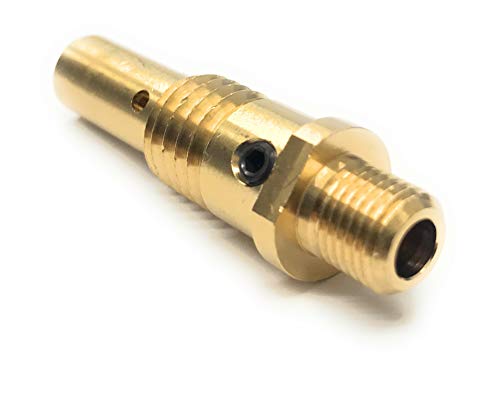
    The S19418-1 Lincoln Style Gas Diffuser Pack of 2 – Arc Weld by Masterweld is a replacement support part for a specific Lincoln Style gun configuration. Based on the product description provided, it is intended for the Magnum 250L Classic Series Gun and does not work with PRO series guns. That is the first fitment check any buyer should confirm before ordering or installing the part.

    For welders, maintenance buyers, and support teams, the practical question is not just “what is it?” but “will it fit my gun, and will it restore stable shielding gas flow at the diffuser end?” The answer depends on the gun model, consumable setup, and correct installation. Unknown (Verify) for any detail not stated in the source product description.

    Key Takeaways

    What a Gas Diffuser Does

    A gas diffuser is a consumable support component at the front end of a MIG gun. Its job is to help route shielding gas into the weld zone and support the front-end consumable stack. When a diffuser is worn, damaged, blocked, or mismatched to the gun, the result can be poor gas coverage, unstable arc behavior, spatter issues, or inconsistent contact tip performance.

    This part should be treated as a fitment-controlled component. In MIG welding, “Lincoln Style” does not automatically mean universal compatibility across every Lincoln-branded or Lincoln-style gun. Verify the exact gun series and front-end consumables before purchase.

    Before You Buy: Verify Fitment

    Use the following checks before placing the order:

    If the gun serial number, front-end configuration, or service history is unclear, do not assume interchangeability. A wrong diffuser can create repeat service calls and wasted consumables.

    Installation and Service Checks

    Before replacing the diffuser, follow basic service discipline:

    After installation, test the gun in a controlled setting. Verify arc start, gas coverage, and front-end retention. If the arc remains erratic or shielding is still poor, inspect the full consumable stack instead of assuming the diffuser is defective.

    Troubleshooting Support: What to Check

    If a front-end issue continues after replacement, work through the following steps:

    If the symptoms persist, document the gun model, part numbers, and observed failure mode before requesting support. That makes it easier to confirm whether the diffuser is the correct replacement or whether another front-end component is the real cause.

    Product / Parts Notes

    This listing is for the S19418-1 Lincoln Style Gas Diffuser Pack of 2 – Arc Weld by Masterweld. The product description supplied states only the following actionable fitment point: it is for a Magnum 250L Classic Series Gun and does not work with PRO series guns. Any additional compatibility claims would be Unknown (Verify).

    Buyers should not infer cross-compatibility from the phrase “Lincoln Style” alone. That term is useful as a starting point, not as final proof of fitment. Match the actual front-end architecture of the gun before stocking the part for maintenance use.

    Related Technical Reference

    For a broader view of MIG support materials and how consumable selection affects welding setup, see this related article: Aluminum ER 5554 3/64″ X 5lb. MIG Welding Wire Spool By Washington Alloy – Weld Support Parts Blog.

    Safety Notes

    FAQ

    Q: What gun does this diffuser fit?
    A: The provided source description says it is for a Magnum 250L Classic Series Gun. Exact fitment beyond that is Unknown (Verify).

    Q: Will it work with PRO series guns?
    A: No. The source description explicitly says it does not work with PRO series guns.

    Q: Is this a full consumable kit?
    A: No. This is identified as a gas diffuser pack of 2. Any included accessory detail beyond that is Unknown (Verify).

    Q: What should I inspect if the weld still has shielding problems after replacement?
    A: Check the nozzle, contact tip, liner, gas hose, fittings, and gas supply before assuming the diffuser is the only issue.

    Sources Checked

    “>S19418-1 Lincoln Style Gas Diffuser Pack of 2 – Arc Weld by Masterweld
  • Internal reference: Aluminum ER 5554 3/64″ X 5lb. MIG Welding Wire Spool By Washington Alloy – Weld Support Parts Blog
  • Bottom line: this part is a straightforward front-end replacement, but its value depends on correct fitment. Confirm the gun series, verify that the gun is not a PRO series model, and inspect the entire front-end assembly during service. That is the practical way to avoid downtime and repeat failures.

    Related Arc Weld Part

    S19418-1 Lincoln Style Gas Diffuser Pack of 2 - Arc Weld by Masterweld

    S19418-1 Lincoln Style Gas Diffuser Pack of 2 – Arc Weld by Masterweld

    Lincoln Style gas diffuser for Magnum 250L Classic Series Gun – Does not work with PRO series guns

    View at Arc Weld Store

    Related Weld Support Guides

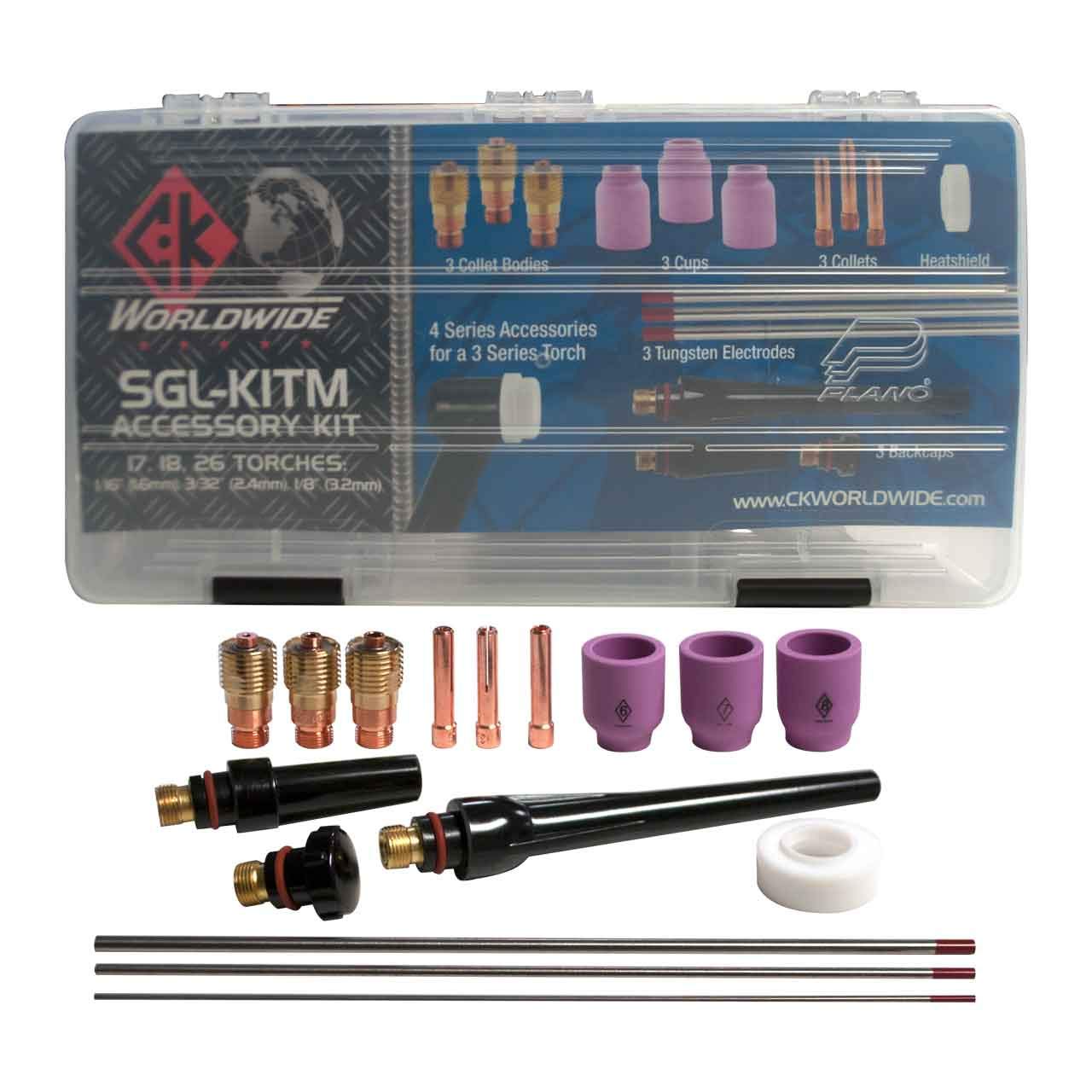
  • CK SGL-KITM TIG Accessory Kit, Stubby Gas Lens, 4GL, 1/16, 3/32, 1/8: Product Breakdown

    CK SGL-KITM TIG Accessory Kit, Stubby Gas Lens, 4GL, 1/16, 3/32, 1/8: Product Breakdown

    Product not found.
    “>CK SGL-KITM TIG Accessory Kit, Stubby Gas Lens, 4GL, 1/16, 3/32, 1/8

    The CK SGL-KITM TIG accessory kit is a consumable set built around a stubby gas lens setup. For shops that run TIG work on thin material, tight access joints, or jobs that need better torch visibility, the main value is simple: it consolidates common gas lens and collet body sizes into one kit so the welder can match the torch setup to the tungsten and cup arrangement being used.

    This breakdown focuses on what the kit is for, how to inspect it before use, and what to verify when the arc starts acting up. If you are buying for a welding bay, maintenance cart, or service truck, treat this as a consumable fit-check guide first and a product summary second.

    Key Takeaways

    What the kit is intended to do

    A gas lens helps smooth shielding gas flow at the torch end. In practical terms, that can improve shield coverage around the tungsten and weld puddle, especially when stickout increases or access is limited. A stubby arrangement shortens the front-end stack and can make the torch less bulky in confined positions. For welders, that usually means better line of sight and easier movement around corners, tube joints, and tight fillets.

    Because this is a consumable accessory kit, the real value is in setup flexibility. The included 1/16, 3/32, and 1/8 sizes cover common tungsten diameters used in TIG work, but the operator still has to confirm that the torch body, collet body, cup, and tungsten all match the intended configuration. Do not assume every accessory in the kit is a universal fit.

    Product and parts breakdown

    Product: CK SGL-KITM TIG Accessory Kit, Stubby Gas Lens, 4GL, 1/16, 3/32, 1/8

    Source listing: ArcWeld product page for CK Worldwide accessory kit

    Listed compatibility: CK Worldwide TIG torches 17, 18, and 26

    Included sizes: three gas lens sizes identified as 4GL, plus collet body sizes 1/16, 3/32, and 1/8

    Material and finish: Unknown (Verify)

    Country of origin: Unknown (Verify)

    Thread or cup standards: Unknown (Verify)

    When receiving the kit, sort the parts by size and confirm each piece is present. Shops should log the kit on the consumables shelf the same way they would log nozzles, collets, or back caps. That makes replenishment and cross-checking easier when a torch is down.

    Inspection steps before first use

    1. Check packaging and count parts. Verify the number of gas lenses and collet bodies against the listing.
    2. Inspect the machined surfaces. Look for burrs, damaged threads, or bent components.
    3. Match tungsten diameter. Confirm the selected collet body matches the tungsten size being installed.
    4. Dry fit the stack. Assemble the torch front end without striking an arc to confirm parts seat correctly.
    5. Verify torch model fit. Confirm the torch is one of the listed CK Worldwide models, or mark the compatibility as Unknown (Verify) before proceeding.

    Troubleshooting and support

    If shielding coverage looks poor, do not immediately blame the power source. Front-end consumables are often the cause.

    Check: Is the gas lens installed correctly and seated fully? Misalignment can disrupt gas flow.

    Inspect: Look for clogged passages, damaged cup seating, or contamination on the tungsten and collet body.

    Verify: Confirm gas flow rate, tungsten stickout, and cup setup are appropriate for the joint. Those values are application-dependent and should be set by procedure or shop standard. Unknown (Verify) if not documented.

    If the tungsten keeps moving or the arc starts inconsistently, the issue may be mechanical rather than electrical.

    Check: Is the correct collet body size installed for the tungsten diameter?

    Inspect: Look for wear in the collet, damaged threads, or heat distortion.

    Verify: The tungsten is straight, clean, and cut to the shop’s accepted prep standard.

    If a torch feels too bulky for the joint, the stubby layout may help, but only if the rest of the setup is matched correctly.

    Check: Cup size, tungsten length, and work angle.

    Inspect: Clearance around the joint and whether the torch front end is contacting the part.

    Verify: The job actually benefits from a shorter front-end arrangement. If not, use the standard consumable configuration approved for that weld.

    Safety notes

    FAQ

    Q: What is the main benefit of a stubby gas lens kit?
    A: It can improve access and visibility at the torch head while supporting gas coverage at the tungsten. The practical benefit depends on the torch setup and job geometry.

    Q: Which torches does this kit fit?
    A: The listing states CK Worldwide TIG torches 17, 18, and 26. If you are using a different torch, verify fit before purchase or installation.

    Q: Why are there three collet body sizes in one kit?
    A: The 1/16, 3/32, and 1/8 sizes allow the user to match common tungsten diameters without swapping to a different consumable family.

    Q: Can this kit be used on all TIG welding jobs?
    A: No. Use depends on torch model, tungsten size, cup setup, and weld access. Confirm the application requirements and verify the front-end configuration before production welding.

    Sources Checked

    Related Arc Weld Part

    CK SGL-KITM TIG Accessory Kit, Stubby Gas Lens, 4GL, 1/16, 3/32, 1/8

    CK SGL-KITM TIG Accessory Kit, Stubby Gas Lens, 4GL, 1/16, 3/32, 1/8

    Complete TIG torch accessory kit from CK Worldwide featuring stubby gas lens design for improved visibility and precision. Compatible with CK Worldwide TIG torches 17, 18, and 26. Includes three gas lens sizes (4GL) and three collet body sizes (1/16, 3/32, 1/8) for versatile tungsten electrode compatibility. Essential consumables for TIG welding on mild steel, stainless, and aluminum.

    View at Arc Weld Store
  • Try Amazon Prime Free