Tag: Welding Clothes
-
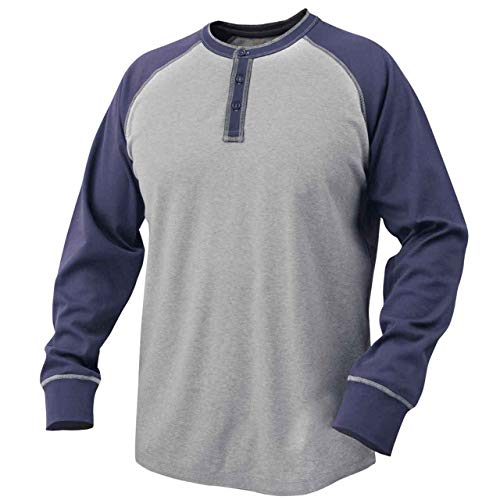
Black Stallion TF2520 Flame-Resistant Cotton Jersey Henley Long Sleeve T-Shirt, Navy/Gray, X-Large: Product Breakdown
“>
The Black Stallion TF2520 Flame-Resistant Cotton Jersey Henley Long Sleeve T-Shirt, Navy/Gray, X-Large is a work shirt built for heat exposure and daily wear in welding and maintenance settings. For buyers, the main question is not whether the shirt looks like regular apparel. The question is whether the construction supports flame-resistant use, whether the fit works under a jacket or bibs, and whether the garment can hold up to repeated laundering without losing the protective claim stated by the manufacturer.
This breakdown sticks to the product information provided by ArcWeld and avoids assumptions about standards, certifications, or exact fabric performance beyond what is stated. If your shop needs a specific compliance grade, verify that directly before purchase.
Key Takeaways
- Flame-resistant cotton jersey henley work shirt in navy/gray.
- Urea buttons are described as very resistant to heat and will not burn.
- Looped knit yarns are described as flexible for comfortable stretch.
- Tagless neck design reduces irritation during long shifts.
- Aramid threads are used for added durability and protection.
- Manufacturer statement says protection is tested to remain through 100 washes.
- Exact compliance standard: Unknown (Verify).
What This Shirt Is For
This shirt is aimed at work environments where flame-resistant outerwear or base-layer clothing is needed. It is more relevant for welders, fabricators, maintenance technicians, and plant personnel than for general casual use. As with any FR garment, the shirt should be treated as part of a protective clothing system, not as a stand-alone solution for all hot-work hazards.
If your task involves grinding, welding sparks, torch work, or frequent exposure to radiant heat, inspect the full PPE stack: shirt, pants, gloves, hood, jacket, and face protection. The shirt may improve coverage and comfort, but it does not replace task-specific PPE.
Product Breakdown
The stated construction uses flame-resistant cotton jersey with aramid threads. In practical terms, that usually means the shirt is designed to be worn for mobility and comfort while still addressing burn risk better than standard cotton or synthetic casual wear. The looped knit yarns are presented as flexible, which matters when a shirt must move with the shoulders and arms during overhead work, rigging, or machine repair.
The henley style uses buttons at the collar. ArcWeld states the shirt uses urea buttons that are resistant to heat and will not burn. For buyers, that detail matters because exposed plastic-style buttons can become a nuisance or hazard in hot work. Still, verify the button behavior in your own shop conditions if the shirt will be used near sustained spatter or high radiant heat.
The tagless neck is a comfort feature, not a safety feature, but comfort affects compliance. If a shirt irritates the neck, workers tend to avoid it. A garment that is actually worn every shift is more useful than one that stays in the locker.
Check, Inspect, Verify Before Issuing to a Crew
- Check sizing: Confirm the X-Large fit against the wearer’s chest, sleeve length, and layering needs. Unknown (Verify) if shrinkage tolerance is critical for your laundering process.
- Inspect stitching: Look at seams, collar attachment, sleeve hems, and button placket stitching before first use.
- Verify label information: Confirm FR care instructions, fiber content, and any certification or standard markings on the garment tag. Unknown (Verify) if the garment is intended for a specific standard-based program.
- Check wear areas after wash cycles: Monitor cuffs, elbows, collar, and placket for thinning, loose threads, or seam damage.
- Verify laundering compatibility: Compare the shop wash process to the manufacturer’s care instructions. Do not assume industrial detergents or high-heat drying are acceptable.
- Inspect before hot work: Make sure the shirt is dry, clean, and free of oil, fuel, solvent, or other contaminants that can increase hazard.
Troubleshooting and Support Notes
If the shirt is uncomfortable, the issue is often fit, laundering, or layering rather than the FR claim itself. Start with these checks.
Problem: Shirt feels tight under the arms or across the back.
Check the size against the user’s working posture, not just standing measurements. Inspect whether the wearer needs room for underlayers, shoulder movement, or overhead work. Verify if a different size would improve mobility.Problem: Buttons become a concern in hot work zones.
Inspect whether the shirt is being used in a job with heavy spatter or direct radiant heat. Verify that the garment is suitable for the task level. If the application is severe, a shirt alone may not be enough.Problem: Garment shows early wear after repeated laundering.
Check washing method, dryer settings, and detergent exposure. Inspect seams and knit surfaces for signs of breakdown. Verify whether the shirt is being washed within the manufacturer’s care guidance. The stated 100-wash retention claim should not be treated as unlimited service life.Problem: Worker reports itching or neck irritation.
Inspect the collar area for rough stitching, label remnants, or contamination. Verify that the shirt is being worn against clean underlayers if required by your shop practice.How It Fits Into a Welding Clothing Program
For a welding clothing program, this type of shirt works as a controlled daily-use garment when workers need flame-resistant coverage with less bulk than a jacket. It can be paired with outer FR layers in higher-risk jobs. It is also useful in maintenance departments where heat exposure is intermittent but still routine.
If your team is building a clothing standard, document when this shirt is approved for use, who is responsible for inspection, and when the garment must be removed from service. That process matters more than the product name alone.
For related reading on outerwear layering and FR clothing selection, see the internal review here: Black Stallion Flame-Resistant Welding Jacket Review (2025).
Safety Notes
- Do not assume flame-resistant clothing is arc-rated or certified for every electrical hazard. Unknown (Verify).
- Keep FR garments clean and dry before use.
- Replace garments that are torn, heavily worn, contaminated, or no longer meet shop policy.
- Use the shirt as part of a complete PPE system based on the task.
- Follow site rules for laundering, storage, and inspection.
FAQ
Is the Black Stallion TF2520 a welding shirt or a general work shirt?
It is a flame-resistant henley work shirt intended for work use in heat-exposed environments. Verify whether your shop allows it for welding tasks, since task approval depends on local safety policy and hazard level.Does the shirt have a confirmed safety certification?
Unknown (Verify). The provided product information mentions flame-resistant construction and wash durability, but it does not establish a specific certification in the supplied source.Will the shirt keep its protection after repeated washing?
The provided product information states it is tested to retain protection through 100 washes. Verify that claim against the manufacturer’s care instructions and your laundry process.Are the buttons safe around heat?
ArcWeld states the urea buttons are very resistant to heat and will not burn. Verify in your own application if the shirt will be exposed to high spatter or direct heat.Sources Checked
- ArcWeld product page: Black Stallion TF2520 Flame-Resistant Cotton Jersey Henley Long Sleeve T-Shirt, Navy/Gray, X-Large
- Provided internal link: Black Stallion Flame-Resistant Welding Jacket Review (2025)
Note: No WSP lookup page, filler metal finder page, or additional product links were provided for this task. Unknown (Verify) was used where technical details were not fully established in the source material.
Related Arc Weld Part
Black Stallion TF2520 Flame-Resistant Cotton Jersey Henley Long Sleeve T-Shirt, Navy/Gray, X-Large
This flame-resistant cotton henley shirt features unique Urea Buttons that are very resistant to heat and will not burn. Looped Knit Yarns are extremely flexible; providing comfortable stretch. Comfortable Tagless Neck eliminates annoying scratching and irritation. Flame-Resistant Aramid Threads offer durability, strength, & added protection. Tested to retain protection through 100 washes. 7 ounce flame-resistant…
View at Arc Weld StoreRelated Weld Support Guides

Miller 231125, Combo Bib/Apron, L 19 in, W 9 in, Pack of (1): Product Breakdown
“>
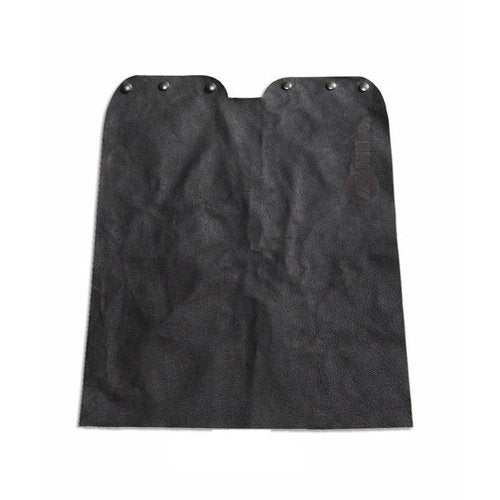
The Miller 231125, Combo Bib/Apron, L 19 in, W 9 in, Pack of (1) is a small-format protective garment for welding and general shop use. Based on the product information provided, it is intended to add coverage where sparks, spatter, abrasion, and light shop contamination are common. The listed dimensions are 19 in long by 9 in wide, with one unit per pack. Other construction details are not fully confirmed here, so any uncertain technical point should be treated as Unknown (Verify) before purchase or issue to the floor.
This breakdown is written for buyers, supervisors, and maintenance teams who need a practical way to evaluate the item before use. It focuses on fit, inspection, and jobsite checks rather than marketing claims.
Key Takeaways
- The item is a combo bib/apron style protective garment.
- Listed size is 19 in L x 9 in W.
- Pack quantity is 1.
- A front pocket is mentioned in the source description, but confirm final pocket layout and size on the actual item.
- Adjustable drawstring fit is mentioned in the source description, but verify the adjustment range and closure method on receipt.
What This Product Appears to Be For
A combo bib/apron is typically used where the operator wants a lighter coverage piece than a full coat or full-length leather apron. In a welding environment, that can mean handling tack work, grinding-adjacent tasks, fabrication support, or short-duration hot work where a smaller protective garment is sufficient. That said, actual suitability depends on the material, coverage, and process exposure. Material type is Unknown (Verify).
Do not assume this apron replaces task-specific PPE. If the job involves heavy spatter, overhead welding, or high heat exposure, verify whether a larger or heavier garment is required by your safety program.
Buyer Checks Before Ordering
- Check the job task: light duty, bench work, or short-duration protection may fit a compact bib/apron; high-spatter work may not.
- Inspect the coverage need: 19 in x 9 in is compact, so confirm it covers the required torso or lap area for the specific task.
- Verify mounting and adjustment: confirm how the drawstring or ties are used and whether they work with gloves and other PPE.
- Check storage needs: if the front pocket will hold tools, verify pocket size, placement, and heat exposure limits.
- Confirm material compatibility: Unknown (Verify) for leather, split leather, fabric, or treated textile construction.
Inspection on Receipt
Use the same inspection routine you would apply to other shop PPE.
- Check stitching: look for loose threads, skipped stitches, seam gaps, or broken attachment points.
- Inspect edges: verify trim, hems, and any reinforced areas are intact and not frayed.
- Verify closure function: pull the drawstring or tie points through their full adjustment range.
- Inspect pocket area: check for clean seams, usable opening, and no snag points.
- Confirm dimensions: measure the unit if the application depends on exact coverage.
- Look for contamination: check for oil, adhesive residue, moisture, or shipping damage before first use.
Troubleshooting and Support Checks
If the apron does not perform as expected, isolate the issue before returning it to service.
Issue: Fit feels too small
- Check: confirm the garment dimensions against the intended body area.
- Inspect: verify the adjustment method is not twisted, damaged, or restricted.
- Verify: the apron is not being used as a substitute for a larger coverage garment.
Issue: Pocket is hard to use
- Check: confirm the pocket opening is not stitched closed or distorted.
- Inspect: see whether the pocket is blocked by seams or stiff material.
- Verify: tools stored in the pocket will not create burn or snag hazards.
Issue: Wear appears early
- Check: review whether the unit is being exposed to heavier heat or abrasion than intended.
- Inspect: look for seam failure, heat damage, or edge burn-through.
- Verify: the product is being used within the task limits defined by your shop’s PPE rules.
Product and Parts Notes
This item is presented as a single-pack protective garment. No replaceable components, repair kits, or accessory parts were provided in the source. If your buying process depends on replacement hardware, attachment straps, or special closures, those details are Unknown (Verify). Do not assume compatibility with other Miller clothing or PPE unless the item documentation explicitly states it.
Safety Notes
- Use only for tasks that match the garment’s verified coverage and material rating.
- Do not use damaged PPE in hot work.
- Keep pockets free of flammables, sharp edges, and hot parts.
- Follow site rules for welding PPE, including hand, eye, face, and body protection.
- If you cannot verify material, construction, or coverage, stop and confirm before issue.
FAQ
Is the Miller 231125 a full welding apron?
It is described as a combo bib/apron, not a full-length apron. The exact coverage beyond the listed 19 in x 9 in dimensions should be verified on the actual product.
Does it have a pocket?
A front pocket is mentioned in the source description. Confirm the pocket is present, usable, and sized for your intended tools before ordering in quantity.
Is this suitable for all welding work?
No assumption should be made. Suitability depends on the process, heat load, spatter level, and material construction, which is Unknown (Verify) here.
Can it replace a welding jacket?
Not by default. A bib/apron is usually a coverage accessory, not a blanket replacement for upper-body PPE. Verify your shop safety requirements.
Sources Checked
- ArcWeld product page for Miller 231125 Combo Bib/Apron: Product not found.
- Provided product source excerpt in the task payload
Verification note: Construction material, weight, certification status, and process-specific compatibility were not confirmed in the provided source. Treat those as Unknown (Verify) before purchase or use.
Related Arc Weld Part
Miller 231125, Combo Bib/Apron, L 19 in, W 9 in, Pack of (1)
Miller 231125 Combo Bib/Apron – 19" L x 9" W (Pack of 1) Stay protected and comfortable with the Miller 231125 Combo Bib/Apron, designed for versatile coverage in welding and industrial applications. Featuring a convenient front pocket, this bib/apron offers easy access to tools and essentials, ensuring enhanced efficiency on the job. The adjustable drawstring allows for a secure and customizable fit, providing op…
View at Arc Weld Store