Tag: Victor
-
“>Victor 6700C2471 Cut Skill LP Propane/Natural Gas 350 Series Cutting Tip, 1-Size

Victor 6700C2471 Cut Skill LP Propane/Natural Gas 350 Series Cutting Tip, 1-Size: Product Breakdown
“>
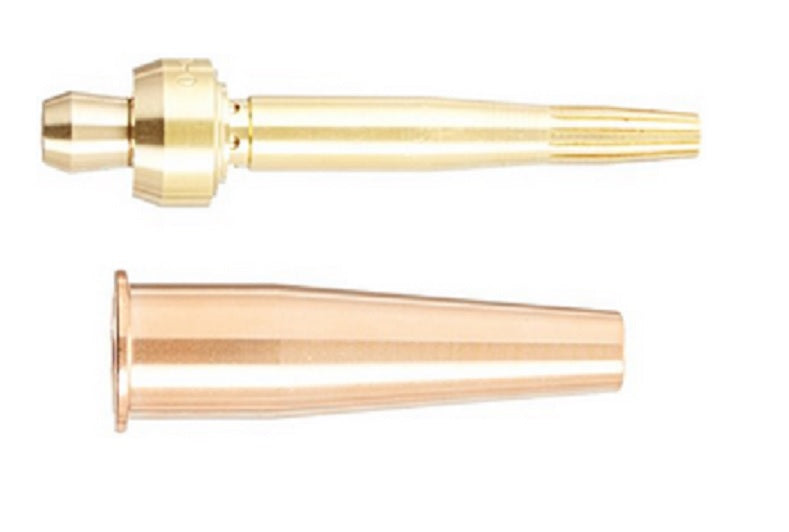
The Victor 6700C2471 Cut Skill LP Propane/Natural Gas 350 Series Cutting Tip, 1-Size is a consumable cutting tip for oxy-fuel cutting work where LP propane or natural gas is the fuel gas. For buyers, maintenance teams, and welders, the main value is simple: this is a size 1, two-piece tip built for general purpose hand and machine cutting and medium preheat applications. If the torch body, gas service, and operating settings do not match the tip style, cut quality drops fast.
This guide focuses on what the tip is, what the published product data says, what to check before use, and how to troubleshoot basic cutting issues. It does not replace the torch manufacturer instructions or the shop procedure. Where a detail is not confirmed in the source data, it is marked Unknown (Verify).
Key Takeaways
- Product type: two-piece oxy-fuel cutting tip, size 1.
- Fuel gas: LP propane or natural gas.
- Use case: general purpose hand and machine cutting, plus medium preheat applications.
- Published size data lists metal thickness at 3/4 in. for the source product description.
- Recorded operating data includes cutting oxygen, preheat oxygen, fuel gas, speed, and kerf width values, but these should be verified against the current torch and tip chart before use.
What This Tip Is For
The Victor 6700C2471 is identified as Series 1, Type GPN. In practical terms, that means it is intended for fuel-gas cutting service with propane or natural gas, not for generic gas mixing without regard to the torch system. The tip is used in oxy-fuel cutting where oxygen provides the cutting stream and the fuel gas supports the preheat flames.
For a shop buyer, the main question is not just whether the tip fits. It is whether the application matches the tip style, the gas service, and the torch setup. A cutting tip that is too small for the work will slow the cut and may leave rough edges. A tip that is too large can overheat the edge and waste gas.
Published Product Data to Verify Before Use
- Series: 1
- Type: GPN
- Construction: two-piece tip
- Metal thickness: 3/4 in. as listed in the product source
- Cutting oxygen: 30/35 PSIG, 70/80 SCFH
- Preheat oxygen: 23/108
- Fuel: 4/6 PSIG, 10/12 SCFH
- Speed: 15/20 IPM
- Kerf width: 0.08 in.
Several of these published values need context before they are treated as a shop setting. The source data does not clarify whether the preheat oxygen value is a pressure range, flow range, or formatting issue. Treat that entry as Unknown (Verify) and confirm the current tip chart, torch body, and regulator setup before lighting off.
Pre-Use Check: Inspect, Verify, and Set Up
Inspect the tip: Look for spatter, blocked orifices, heat damage, cross-threading, and physical wear at the seating surfaces. A damaged seat can create leaks or unstable flame shape.
Verify the torch and tip match: Confirm the torch is intended for the 350 Series and the 1-size two-piece style. Do not assume cross-compatibility. Unknown (Verify) if your torch body accepts this exact tip without an adapter or a specific mixer arrangement.
Check gas service: Confirm the shop is set up for LP propane or natural gas service, and that hoses, regulators, and flashback protection are correct for the torch system used in the shop. If the gas train is not configured for the selected fuel, stop and verify before use.
Verify supply pressure and flow: Compare your torch chart to the published values above. Do not copy settings blindly between torch stations. Cylinder size, hose length, regulator condition, and flow restrictions can change actual performance.
Inspect the work area: Clear combustibles, check ventilation, and ensure the work surface can support the cut path. On machine cutting setups, verify carriage speed and torch alignment before bringing the flame to the plate.
Troubleshooting Support
Problem: Excessive slag or poor cut edge.
Check whether the tip is the correct size for the material, then verify oxygen pressure, fuel pressure, and cutting speed. A blocked or worn tip can also cause rough cuts. Clean only with proper tip cleaners; do not damage the orifice.Problem: Tip backfiring or unstable flame.
Inspect for loose tip seating, damaged seats, or contamination in the tip passages. Verify gas flow and look for restrictions in hoses or regulators. If the problem repeats, remove the tip from service and inspect the torch body.Problem: Slow piercing or weak preheat.
Verify the preheat flame pattern and check whether the fuel and oxygen settings match the current tip chart. Unknown (Verify) on the exact preheat oxygen entry in the source data, so do not rely on the published number alone.Problem: Kerf is wider than expected.
Confirm tip size, travel speed, and plate condition. Rust, scale, and excessive speed variation can widen the kerf. Recheck machine travel and torch standoff if the setup is mechanized.How to Evaluate Fit for Purchasing
If you are buying for stock, the main decision points are service gas, tip series, and intended thickness range. This tip is a shop-use item for propane or natural gas cutting, so it should be matched to the torch systems actually in use. Do not order by family name only. Match the tip to the torch body and the fuel gas standard used in the operation.
For maintenance departments, the safe approach is to keep the exact torch chart with the parts bin. When the chart is missing, verify the series and gas type before issuing the tip. That prevents misapplication and reduces wasted gas and scrap cuts.
Product and Parts Section
Associated product: Product not found.
Use this as a replacement or stocking part only after confirming the torch system, tip family, and gas service. No compatibility beyond the source description is assumed here. Unknown (Verify) for any adapter, alternate torch body, or cross-series fit.
Safety Notes
- Use only in approved oxy-fuel cutting setups with trained operators.
- Check for gas leaks before ignition.
- Keep flashback protection and correct regulators in service.
- Do not use damaged tips, blocked tips, or tips with worn seating surfaces.
- Follow the torch and gas equipment manufacturer instructions first.
FAQ
Is this tip for acetylene?
No. The source product description identifies LP propane or natural gas use. Do not assume acetylene compatibility. Verify against the torch chart.Can I use the published pressure and flow values as a final setup?
Use them only as source data points. Verify them against the current torch and tip chart. The preheat oxygen entry is not fully clear in the source and is marked Unknown (Verify).What thickness is this tip intended for?
The product source lists 3/4 in. metal thickness. Confirm that value against your actual material, travel speed, and cut quality requirements before issuing the tip for production use.Is this tip for hand cutting, machine cutting, or both?
The source description says it is used for general purpose hand and machine cutting, plus medium preheat applications.Sources Checked
- ArcWeld product page data for Victor 6700C2471 Cut Skill LP Propane/Natural Gas 350 Series Cutting Tip, 1-Size.
- Provided source idea and product description fields in the task brief.
Note: No WSP lookup page, filler metal finder page, or internal links were provided for this topic, so none were added. No invented specs, prices, certifications, ASINs, or compatibility claims were used.
Related Arc Weld Part
Victor 6700C2471 Cut Skill LP Propane/Natural Gas 350 Series Cutting Tip, 1-Size
The Victor 6700C2471 Cut Skill LP Propane/Natural Gas 350 Series Cutting Tip is a size 1 two-piece tip used for general purpose hand and machine cutting and other medium preheat applications using LP propane/natural gas. Series 1, Type GPN. Metal Thickness: 3/4". Cutting Oxygen: 30/35 PSIG, 70/80 SCFH. Preheat Oxygen: 23/108. Fuel: 4/6 PSIG, 10/12 SCFH. Speed I.P.M.: 15/20. Kerf Width: 0.08.
View at Arc Weld Store