Tag: tungsten

  • Techniweld, TE2T-116-10T, Tungsten, 2% Thoriated, RED, EWTh-2, 1/16 in x 7 in: Product Breakdown

    Techniweld, TE2T-116-10T, Tungsten, 2% Thoriated, RED, EWTh-2, 1/16 in x 7 in: Product Breakdown

    Product not found.
    “>Techniweld, TE2T-116-10T, Tungsten, 2% Thoriated, RED, EWTh-2, 1/16 in x 7 in

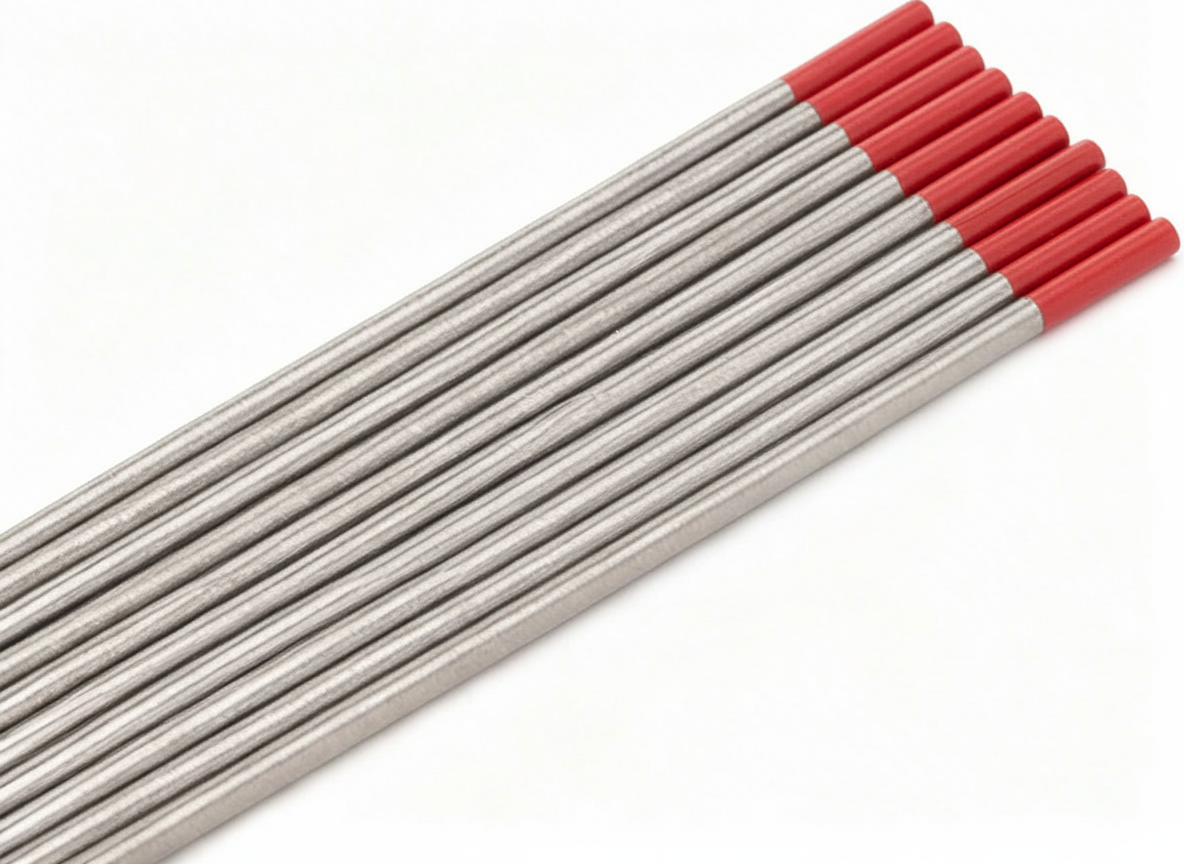
    Techniweld TE2T-116-10T is a 2% thoriated tungsten electrode in the red color code, classified as EWTh-2, and sized 1/16 in x 7 in. For TIG support teams, the practical question is not just what the part is, but where it fits in the shop process: storage, prep, installation, and troubleshooting. This breakdown stays focused on that use case.

    For DC TIG work, this type of tungsten is commonly selected for stable arc starting and consistent arc control. It is used across general ferrous TIG applications, but final process fit depends on the job, the power source, the amperage range, shielding gas setup, and the operator’s grinding and maintenance practice. If any of those variables are unclear, verify them before release to production.

    Key Takeaways

    • Techniweld TE2T-116-10T is a 2% thoriated tungsten, red coded, EWTh-2, 1/16 in x 7 in.
    • It is generally used for DC TIG applications where stable arc starting and control matter.
    • Fitment depends on torch collet size, cup setup, and the amperage window required by the job.
    • Do not assume suitability for every base metal or every TIG mode; verify the application first.
    • Handle thoriated electrodes with controlled grinding and dust management practices.

    What this part is used for

    An EWTh-2 tungsten electrode is a consumable for TIG welding. In simple terms, it carries the arc. The 1/16 in diameter indicates a small electrode size suited to lighter-duty TIG work or lower current applications, but the actual usable range is process- and machine-dependent. Do not assign a current limit without checking the welding procedure, torch package, and machine documentation.

    In a maintenance or fabrication setting, this electrode is often stocked as a general-purpose DC TIG option for steel and stainless steel work. That said, general use is not a substitute for job-specific verification. If a procedure calls for a different tungsten type, a different color code, or a different diameter, follow that requirement.

    How to inspect before use

    Before installation, inspect the electrode and packaging condition.

    • Check the diameter: Confirm 1/16 in matches the torch setup and the selected collet or holder.
    • Inspect the ends: Look for chipped tips, cracks, or bent condition from transport or storage.
    • Verify the color code: Red should match EWTh-2 identification, but do not rely on color alone if the package label is missing.
    • Check contamination: Oil, dirt, or shop dust can affect arc starts and weld quality.
    • Verify packaging label: Confirm the part number TE2T-116-10T and the stated size before issuing to the floor.

    Setup and handling checks

    Use the following checks when putting the tungsten into service:

    1. Check the torch fit: Verify the electrode seats correctly in the collet or electrode clamp. If fit is loose or binding, stop and confirm the torch consumable size. Unknown (Verify) if the current torch body supports 1/16 in without an adapter.
    2. Inspect grind direction: Grind lengthwise, not across the electrode, to reduce arc wander. Verify grinding wheels are dedicated to tungsten if contamination control is required by your shop standard.
    3. Verify tip shape: Use the tip geometry required by the procedure. If no procedure exists, request guidance from welding engineering or the machine OEM. Unknown (Verify) on exact tip angle because that depends on the application.
    4. Check shielding gas coverage: Poor gas coverage can look like a tungsten issue when the root cause is gas flow, leaks, or cup size mismatch.

    Troubleshooting support

    If the electrode is not performing as expected, isolate the issue before replacing parts.

    • Hard starting or wandering arc: Inspect the tip shape, grind quality, and contamination. Verify the tungsten is not rounded more than intended for the job.
    • Arc instability: Check gas coverage, work clamp integrity, and torch lead condition. Verify the electrode is centered and not loose in the torch.
    • Frequent tip breakdown: Inspect amperage demand versus electrode size. Unknown (Verify) whether the current load is within the suitable range because procedure and machine settings control that limit.
    • Blackened weld area: Verify shielding gas flow, post-flow time, and cup placement before blaming the electrode.
    • Contamination after touching the puddle: Remove the electrode from service, regrind or replace as required by shop practice, and confirm no base metal transfer remains on the tip.

    Product and parts notes

    This product is the tungsten electrode itself, not a complete torch package. It must be matched to a compatible TIG torch consumable setup. Because torch model compatibility was not provided, treat all torch fit details as Unknown (Verify). Do not assume it fits every collet body, back cap, or torch style without checking the torch system documentation.

    If this electrode is being purchased for inventory control, label it by part number, diameter, color code, and alloy class. That reduces mis-picks at the bench and makes it easier to track what was actually issued for a job.

    Safety notes

    Thoriated tungsten contains thorium. Shop handling practices should limit dust exposure, especially during grinding. Use local exhaust or other dust control methods required by site policy. Do not dry-sand or create unnecessary dust. Follow your facility’s exposure controls, PPE requirements, and disposal rules for spent or damaged electrodes.

    Also verify that the welding machine is de-energized or placed in a safe state before changing consumables. Treat a used tungsten as a sharp, hot, and potentially contaminated item until it is cooled and handled properly.

    FAQ

    Is Techniweld TE2T-116-10T only for DC TIG?
    It is commonly used for DC TIG applications, but final suitability depends on the job specification and the welding procedure. If the procedure calls for a different tungsten type, follow that requirement.

    Can I use this 1/16 in tungsten for any amperage range?
    No. The usable range depends on the power source, joint, gas coverage, torch setup, and the procedure. Unknown (Verify) for any exact amperage limit unless the welding specification states it.

    What should I check if the arc will not start cleanly?
    Check the tip grind, contamination, torch fit, gas flow, and work clamp. A poor start is often caused by setup or handling issues, not only the tungsten alloy.

    Does the red color code confirm EWTh-2?
    Red is the common identification for thoriated tungsten, but always verify the package label and part number. Color alone should not be the only control method in inventory or production.

    Sources Checked

    “>Techniweld TE2T-116-10T product listing
  • Provided task data for product title, size, classification, and short description

Related Arc Weld Part

Techniweld, TE2T-116-10T, Tungsten, 2% Thoriated, RED, EWTh-2, 1/16 in x 7 in

Techniweld, TE2T-116-10T, Tungsten, 2% Thoriated, RED, EWTh-2, 1/16 in x 7 in

Techniweld TE2T-116-10T is a 2% thoriated tungsten electrode, color coded red and classified as EWTh-2, sized 1/16 in x 7 in. It is commonly used for DC TIG welding and offers reliable arc starting and stable performance on steel, stainless steel, and other common ferrous applications. This tungsten is a standard choice for operators who want consistent arc control and durable performance in general-purpose TIG work.

View at Arc Weld Store
  • What Tungsten Sharpener Works With 5/32 Tungsten?

    Anchor Tungsten - 3/16" x 7" 2% Ground Tungsten Red, Pack of (5)
    “>Anchor Tungsten - 3/16" x 7" 2% Ground Tungsten Red, Pack of (5)

    If you are trying to sharpen 5/32 tungsten, the first question is not the grinder itself. It is whether the guide, collet, or holder accepts 5/32 in. tungsten without slop. Many sharpening tools are built around common sizes like 1/16, 3/32, 1/8, and 3/16. If 5/32 is not listed, assume it is unknown until verified.

    Key Takeaways

    What Usually Fails on 5/32 Tungsten

    Most tungsten sharpeners are limited by one of three things:

    If the tool was made for 1/8 in. tungsten, 5/32 in. may be too large. If it was made for 3/16 in., 5/32 in. may fit, but that still needs verification. Do not assume fit from visual size alone.

    How to Check Compatibility

    1. Look for the listed tungsten diameter range in the product instructions.
    2. Measure the guide bore or clamp opening if the manufacturer does not publish the range.
    3. Confirm whether the tool is meant for manual holding or fixed collet-style support.
    4. Check if the sharpener accepts straight rod only or also tapered/ground rods.
    5. Verify whether 5/32 in. is explicitly called out. If not, treat fit as Unknown (Verify).

    Troubleshooting Support

    Problem: Tungsten will not enter the guide

    Likely cause: the guide is undersized. Do not grind or force the rod into the opening. Use a tool sized for 5/32 in. or confirm whether the holder accepts a larger range.

    Problem: Tungsten rocks or wobbles in the holder

    Likely cause: the guide is oversized or worn. Wobble makes it harder to keep a consistent point. In that case, grinding quality drops and the rod can overheat unevenly.

    Problem: Point is inconsistent after sharpening

    Likely cause: the rod is not held square to the wheel or the fixture cannot center 5/32 in. correctly. Recheck the hold method and verify the angle setting.

    Problem: Rod overheats while sharpening

    Likely cause: excessive dwell time, wrong wheel, or poor support. Stop and let the tungsten cool. Overheating can damage the grind and contaminate the tip.

    Recommended Sharpening Method When 5/32 Fit Is Unknown

    If you do not have a sharpener confirmed for 5/32 in., use a grinder method with controlled support:

    If the tungsten is already ground, only touch up the point as needed. Excessive removal shortens the rod and can change performance.

    Product / Parts

    For replacement tungsten stock, see the available ArcWeld part below. Size compatibility for your sharpener still needs to be verified against the holder or guide opening.

    Anchor Tungsten - 3/16" x 7" 2% Ground Tungsten Red, Pack of (5)

    Anchor Tungsten – 3/16" x 7" 2% Ground Tungsten Red, Pack of (5)

    Discover the power and precision of the Anchor Tungsten – 3/16" x 7" 2% Ground Tungsten Red (Part Number: 12345). This high-quality tungsten material is designed for durability and performance, making it an essential addition for professionals and hobbyists alike. Each pack includes five pieces of ground tungsten rods measuring 3/16" in diameter and 7" in length. Constructed with 2% tungsten, these rods offer exce…

    View at Arc Weld Store

    Safety Notes

    FAQ

    Does every tungsten sharpener work with 5/32 tungsten?

    No. Many do not list 5/32 in. at all. If the size is not published, compatibility is Unknown (Verify).

    Can I use a 1/8 tungsten sharpener for 5/32?

    Not safely by assumption. A 1/8 sized guide may be too small. Verify the actual bore or clamp range before use.

    Is 5/32 tungsten common in TIG work?

    It is less common than 1/16, 3/32, 1/8, or 3/16 in. For that reason, some sharpeners do not support it directly.

    What is the safest option if my sharpener does not list 5/32?

    Use a grinder fixture or holder with a verified diameter range, or switch to a method that securely supports the rod without forcing it into the guide.

    Sources Checked

    Related Weld Support Guides

  • TIG Gas Lens Compatibility Guide: 45V26 Gas Lens for WP-17, WP-18, and WP-26 Torches

    Why this matters

    If your TIG arc is wandering, the tungsten is overheating, or shielding gas coverage is inconsistent, the gas lens setup may be the problem. A correct gas lens collet body helps smooth gas flow and improves shielding around the tungsten.

    If you are setting up a WP-17WP-18, or WP-26 style torch, the 45V26 family is a common front-end consumable to verify first. This guide is about fitment, not guesswork. Check the torch body, tungsten size, and cup setup before ordering.

    When to replace or upgrade the front end

    • Arc starts feel unstable
    • Gas coverage looks uneven
    • Tungsten contamination happens often
    • The collet body is worn, pitted, or damaged
    • You need a setup matched to a standard TIG torch body

    Compatibility table

    Part typePart numberCompatible modelsVerifiedNotesUse cases
    Gas lens collet body45V26WP-17, WP-18, WP-26Verified on Amazon listing3/32″ size listed; confirm tungsten diameter before orderingGeneral TIG front-end setup
    Gas lens body45V2617/18/26-style TIG torchesVerified on Amazon listingCheck cup and collet compatibility before installMild steel, stainless, aluminum TIG work

    Copy table

    AAWP box: 

    No products found.

    What to verify before you buy

    • Torch model: WP-17WP-18, or WP-26
    • Tungsten diameter: match the 3/32″ size if that is your setup
    • Cup size: confirm your cup and back cap arrangement
    • Collet body thread and front-end style: match the torch family, not just the size

    Recommended use case

    Choose this setup if you want a standard TIG consumable path for a common 17/18/26-series torch and you need a verified 45V26 replacement path.

    Safety note

    Disconnect power before changing TIG consumables. Verify torch and consumable fitment against the manufacturer documentation before use. For procedure-controlled welding, follow the applicable welding code and work instructions.

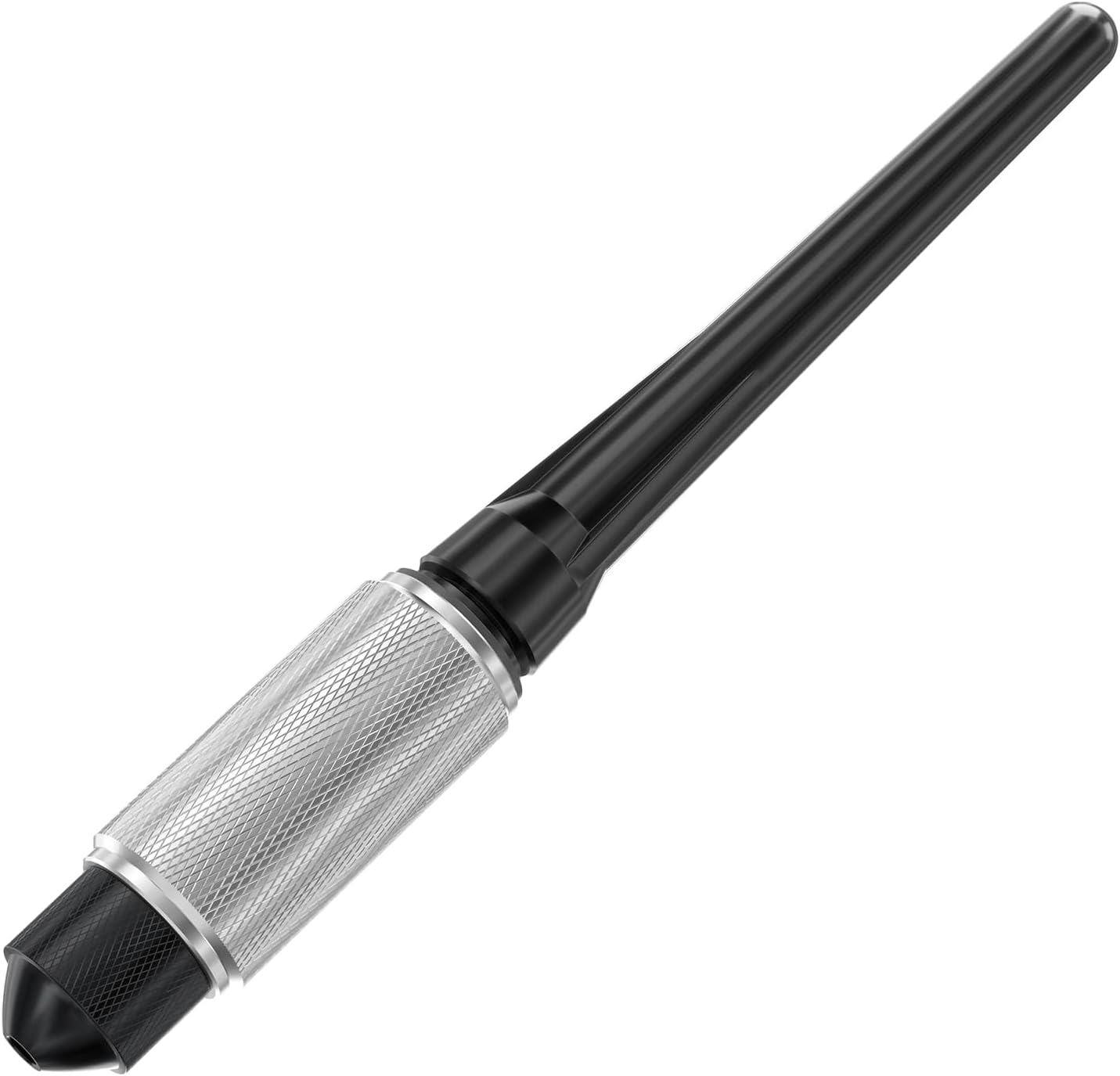
  • YESWELDER TIG Tungsten Manual Sharpener Holder (TSH-01): What It Does, What It Doesn’t, and Who It Fits

    YESWELDER TIG Tungsten Manual Sharpener Holder (TSH-01): What It Does, What It Doesn’t, and Who It Fits

    If your TIG arc is wandering, hard-starting, or “randomly” dipping out, tungsten prep is one of the first things to check. A consistent point isn’t magic—but it does remove one variable you can control.

    This post covers the YESWELDER manual tungsten sharpener holder (TSH-01): what it’s designed to do, what to compare before you buy, and where it fits in a real TIG workflow.

    Key Takeaways

    • This is a manual tool meant to help you get a more consistent tungsten point (not a powered grinder).
    • Confirm it matches the tungsten diameters you actually run (don’t assume).
    • Your grinding wheel choice and dust control matter as much as the holder itself.
    • Dedicated tungsten grinding is still the cleanest way to avoid cross-contamination.

    Product (Verified)

    No products found.

    What this tool is (and isn’t) This is a handheld/manual tungsten sharpening holder. The core idea is simple: hold the electrode more consistently so you can grind a repeatable taper.

    It is not:

    • A powered sharpener
    • A substitute for a clean grinding setup
    • A guarantee of “better welds” (it just helps standardize prep)

    Where it fits in a TIG workflow A tungsten holder makes the most sense when:

    • Multiple people touch the same TIG setup and you want repeatable prep
    • You’re trying to reduce “freehand variability” on the grinder
    • You’re doing frequent regrinds and want a faster, more consistent routine

    If you only sharpen tungsten once in a while and already have a clean, dedicated wheel, you may not see a big change.

    Performance & Use The practical benefit is consistency. If you can hold the tungsten at a stable angle and keep the grind direction consistent, you reduce one common cause of unstable arcs: uneven points and contamination.

    What to compare before you buy

    • Supported tungsten diameters (verify it matches what you run most)
    • How it interfaces with your current grinding method (bench grinder vs other setup)
    • Ease of keeping tungsten dust contained (important for shop cleanliness)
    • Build quality of the clamping surfaces (avoid slipping/marring)
    • Storage/organization (small parts get lost fast in a welding cart)

    Comparable Amazon picks (optional)

    Common mistakes that make tungsten prep worse

    • Grinding on a wheel that’s also used for mild steel or other metals (contamination risk)
    • Grinding “around” the tungsten instead of lengthwise (can destabilize arc shape)
    • Skipping cleaning after accidental dips (regrind is usually faster than fighting it)
    • Letting dust build up around the grinder (mess + potential exposure)

    Safety notes (quick) Tungsten grinding creates fine dust. Use local ventilation or dust collection if possible, and don’t grind in the same area you prep food/drinks. If you’re using thoriated tungsten, follow your shop’s safety practices for dust control and disposal.

    Where to Buy (Amazon) YESWELDER TSH-01 (ASIN: B0C5QGFQ3F)
    https://www.amazon.com/YESWELDER-Tungsten-Sharpener-Welding-TSH-01/dp/B0C5QGFQ3F?tag=weldsupport-20

  • Read with Kindle Unlimited