Tag: torch 18

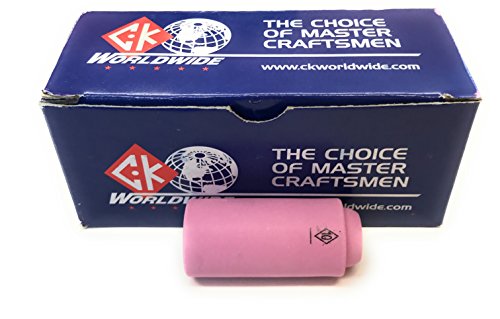
  • Weldmark By CK Alumina Nozzle For Standard Collet Body Torch # 17,18,26 PK = 10 (10N45 – #10-5/8″)

    Weldmark By CK Alumina Nozzle For Standard Collet Body Torch # 17,18,26 PK = 10 (10N45 – #10-5/8″)

    Product not found.
    “>Weldmark By CK Alumina Nozzle For Standard Collet Body Torch # 17,18,26 PK = 10 (10N45 - #10-5/8")

    The Weldmark By CK Alumina Nozzle For Standard Collet Body Torch # 17,18,26 PK = 10 (10N45 – #10-5/8″) is a TIG ceramic cup set listed for standard collet body torches in the 17, 18, and 26 series. For buyers and maintenance teams, the main job of this part is simple: it directs shielding gas and helps define the gas envelope at the torch end. If the cup is chipped, loose, or mismatched to the torch setup, arc shielding can become less consistent and tungsten access becomes harder to control.

    This draft is a product breakdown, not a procedure approval. Final fit depends on the torch build, collet body style, cup size, and the rest of the consumable stack. Verify the full assembly before use.

    Key Takeaways

    • Listed as a 10-pack ceramic cup set for TIG torch sizes 17, 18, and 26.
    • Intended for use with a standard collet body torch setup.
    • Part designation includes 10N45 and #10-5/8" in the product title.
    • Actual fit should be verified against the torch body, collet body, and gas cup thread/interface details.
    • Unknown (Verify): exact material formulation, dimensional tolerances, and any torch-brand cross-compatibility beyond the listed series.

    What This Part Does

    An alumina nozzle, often called a ceramic cup, sits at the front of the TIG torch and helps shape shielding gas coverage around the tungsten and weld puddle. In routine shop use, it is a wear part. Common failure modes are chips from impact, heat stress, contamination, and cross-threading or mis-seating in the torch stack.

    For maintenance buyers, the practical value is consistency. A cup that is intact and properly seated gives the operator a stable front end. A damaged cup can cause gas disruption, poor visibility, or repeated torch rework. If your team sees recurring cup damage, the problem may be handling, torch storage, or a worn supporting consumable rather than the cup alone.

    Check, Inspect, Verify Before Use

    1. Check the torch series. Confirm the torch is in the listed 17, 18, or 26 family. If the torch model is not known, stop and verify it from the torch body markings or service records.
    2. Inspect the cup edge. Look for chips, cracks, glaze loss, or oval wear. Do not install a cup with visible damage at the rim or threads/interface area.
    3. Verify the collet body style. The product is listed for a standard collet body torch. If the torch uses a different front-end arrangement, fit is Unknown (Verify).
    4. Check the seat and threads. Make sure the cup seats smoothly without forcing. Cross-threading, rough engagement, or wobble indicates mismatch or damage elsewhere in the stack.
    5. Confirm the weld access needs. Cup size affects reach and visibility. If access is tight, compare the front-end layout with the job geometry before starting production.

    Troubleshooting Support

    If the cup breaks repeatedly, the part may not be the root cause. Use these checks to isolate the issue.

    • If the cup chips on startup: Inspect the torch front end for misalignment, damaged seats, or a loose assembly.
    • If shielding seems unstable: Verify the gas diffuser, collet body, and tungsten stickout are correct for the setup. Do not assume the cup alone is the issue.
    • If the cup will not thread or seat correctly: Stop and inspect for the wrong torch series, damaged threads, or an incompatible front-end component.
    • If visibility is poor: Check whether the cup size matches the task. A larger cup can improve gas coverage but may reduce access in tight joints.

    For a related repair discussion on torch front-end wear, see TIG Torch Slipping Tungsten? Your Collet Body Is Worn (Here’s the Fix). For another front-end consumable review, see Weldmark 13N26 TIG Collet Body Review: .040" Replacement Parts for #9, #20, and #25 TIG Torches.

    Product and Parts Notes

    The product title identifies this as a Weldmark by CK alumina nozzle set in a 10-pack. The listed torch families are 17, 18, and 26. Beyond that, several details remain Unknown (Verify), including exact dimensional compatibility with every standard collet body variant, finish differences by production lot, and any manufacturer-specific substitution guidance.

    When the front-end parts are mixed across brands, the safest approach is to treat the listing as a starting point only. Verify the torch series, collet body, back cap style, and the cup interface before buying in quantity. This matters most in maintenance stock, where one wrong consumable can sit on the shelf and still create downtime when issued to the floor.

    How Buyers Should Verify Stocking Need

    • Confirm which torch series are used most often in the shop.
    • Check whether operators are using standard collet body front ends or a different setup.
    • Inspect the failure history: chips, cracking, or poor fit often point to handling or assembly issues.
    • Verify whether the same cup size is used across all procedures, or only on specific joints and access conditions.

    Safety Notes

    • Do not use cracked or chipped ceramic cups.
    • Allow hot torch parts to cool before inspection or replacement.
    • Verify shielding gas flow and torch assembly before striking an arc.
    • Wear appropriate eye and hand protection when handling torch consumables.
    • If there is any fit doubt, remove the part and verify the torch front end before weld production.

    FAQ

    Is this cup for all TIG torches?
    No. The product title lists torches 17, 18, and 26. Compatibility with other torches is Unknown (Verify).

    Is this a standard collet body part?
    The listing says it is for a standard collet body torch. Final fit still depends on the exact torch front-end setup, so verify before issue.

    Can I use a damaged ceramic cup for a short repair?
    No. A damaged cup can disrupt shielding gas and create unstable conditions at the torch front end. Replace it.

    What should I check if the cup keeps cracking?
    Inspect the torch assembly, handling method, storage, and the rest of the front-end consumables. Repeated cracking often indicates a setup or use issue rather than a cup-only problem.

    Sources Checked

    • ArcWeld product page: Weldmark By CK Alumina Nozzle For Standard Collet Body Torch # 17,18,26 PK = 10 (10N45 – #10-5/8″)
    • Provided internal links on TIG torch collet body wear and related front-end parts

    Note: No WSP lookup page or filler metal finder page was provided for this draft, so none were included.

    Related Arc Weld Part

    Weldmark By CK Alumina Nozzle For Standard Collet Body Torch # 17,18,26 PK = 10 (10N45 - #10-5/8")

    Weldmark By CK Alumina Nozzle For Standard Collet Body Torch # 17,18,26 PK = 10 (10N45 – #10-5/8")

    Premium quality TIG ceramic cups 10N series (10-pk) for TIG welding torch 17, 18 and 26 series

    View at Arc Weld Store

    Related Weld Support Guides

Watch with Prime Video