Tag: Tillman
-

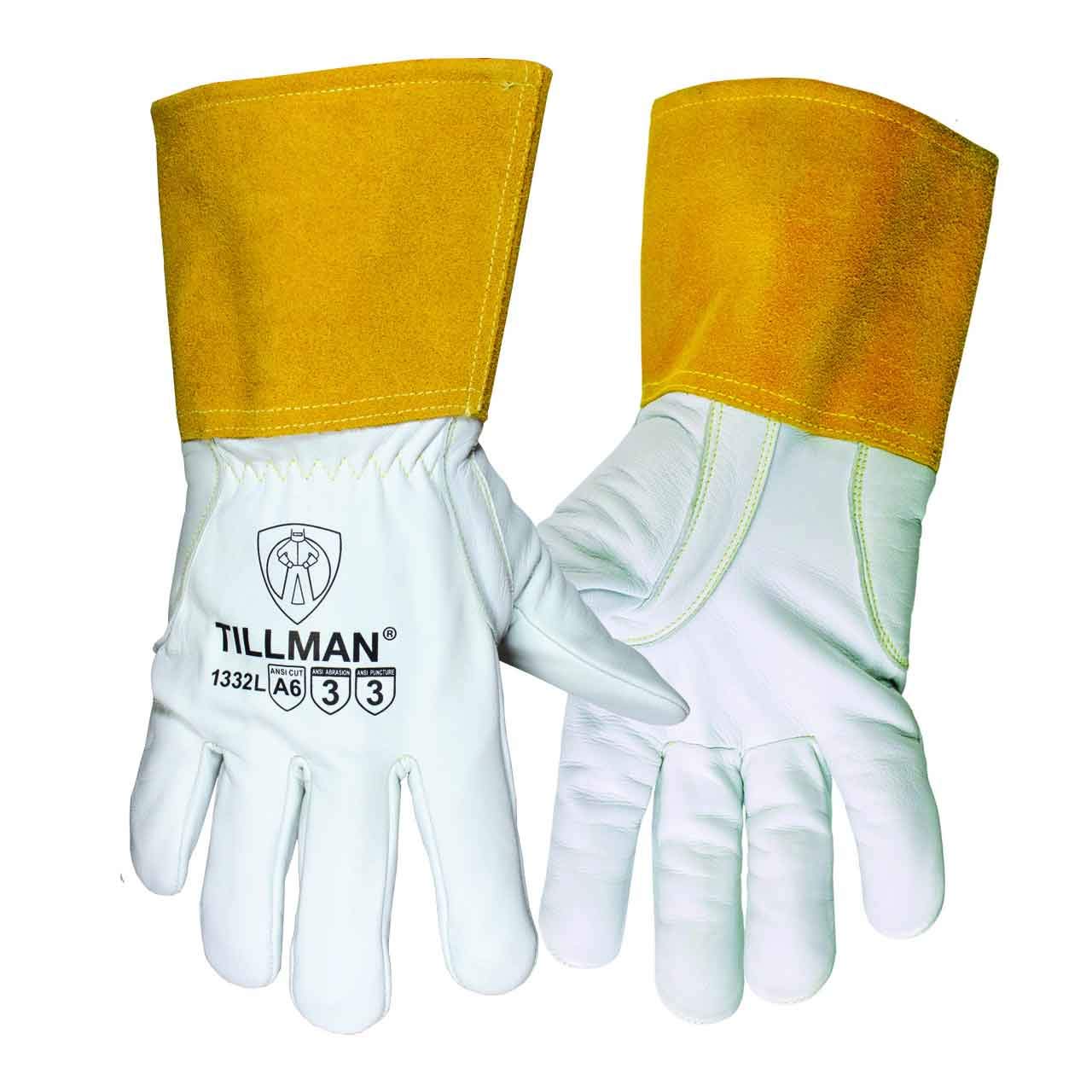
Tillman 1332 Premium Goatskin TIG Gloves with ANSI A6 Cut Resistance, Large: Product Breakdown
“>
The Tillman 1332 Premium Goatskin TIG Gloves with ANSI A6 Cut Resistance, Large are positioned for welders who need a glove that supports fine control during TIG work while adding a higher level of cut protection for handling sharp material. For shops that move between setup, fit-up, light fabrication, and torch work, the practical question is not just whether the glove feels good in hand. It is whether the glove helps reduce cuts, supports grip, and still lets the user feel the work.
This breakdown stays focused on what matters in the shop: fit, dexterity, cut resistance, use-case fit, and what to check before putting the gloves into rotation. Some technical details are not confirmed in the provided source material, so those are marked Unknown (Verify).
Key Takeaways
- Premium goatskin is selected for softness and flexibility, which supports fingertip control during TIG work.
- ANSI/ISEA 105 A6 cut resistance is a meaningful indicator for handling sharp sheet edges and fabricated parts, but it does not make the glove cut-proof.
- Large size may improve comfort for some users, but fit should be checked at the fingers, palm, and cuff before production use.
- This glove is best viewed as a TIG support glove for handling and setup tasks, not as a replacement for task-specific PPE where higher heat or impact exposure exists.
What the Glove Is Built to Do
Based on the provided product description, the Tillman 1332 is intended to balance dexterity with cut resistance. That matters in TIG environments because the operator often handles sharp coupons, tacked assemblies, clamps, filler rod packaging, and sheet material before the arc is ever started. A glove that is too bulky can slow fit-up and reduce control. A glove that is too light may expose the hand to edge cuts during handling.
Premium goatskin is commonly used where softness and tactile feel matter. In practical terms, that can help with torch handling, small part manipulation, and general shop work. The cut-resistance claim is the main differentiator here. ANSI/ISEA 105 A6 indicates a high cut-resistance level relative to lower-rated gloves, but it should still be treated as a risk reduction feature, not a guarantee.
Practical Check, Inspect, Verify Steps
Before assigning these gloves to a welder or fabricator, use the following checks.
Check
- Check glove size against the user’s hand. Large should not collapse at the fingertips or create excess material in the palm.
- Check whether the glove allows normal torch grip, trigger control, and filler rod handling without forcing the wrist into an awkward angle.
- Check whether the work includes frequent handling of sharp edges, burrs, or sheet metal where cut resistance is relevant.
Inspect
- Inspect stitching, seams, and finger gussets before first use.
- Inspect the palm and fingertips for weak spots, finish defects, or early wear.
- Inspect for contamination from oil, grinding dust, or metal fines that could affect grip.
Verify
- Verify the glove meets the internal task requirement for the job. If the job includes heavy heat exposure, grinding sparks, or severe abrasion, Unknown (Verify) if this glove is the correct PPE choice.
- Verify the cut hazard present at the workstation. A6 helps, but the user still needs safe handling methods.
- Verify local PPE rules, supervisor approval, and task-specific risk assessment before broad rollout.
Troubleshooting and Support Considerations
If a user reports that the glove is not performing well, start with the work conditions rather than the glove alone.
If dexterity feels too low
- Check whether the glove is the correct size.
- Inspect for excessive break-in stiffness or contamination.
- Verify whether the task requires finer control than a cut-resistant glove can comfortably support.
If cut protection still appears inadequate
- Check the actual hazard: sharp edges, burrs, or unfinished parts can exceed the user’s handling technique.
- Inspect the glove for wear through the fingertips or palm.
- Verify whether a different control method, part deburring step, or higher-protection PPE is needed.
If grip is inconsistent
- Check for oil, coolant, or fine dust on the glove surface.
- Inspect whether the material is worn smooth from repeated handling.
- Verify that the glove is being used for the right task; a glove designed for TIG support may not suit wet or heavily abrasive conditions.
Product and Parts Notes
This draft is based on the provided ArcWeld product listing for the Tillman 1332 Premium Goatskin TIG Gloves with ANSI A6 Cut Resistance, Large. The available description indicates premium goatskin construction and ANSI/ISEA 105 A6 cut resistance. Other technical details such as liner content, cuff style, insulation, and heat-rating claims are Unknown (Verify) because they were not supplied in the source material.
Use the product page as the primary reference when confirming whether the glove is suitable for a given TIG workflow, especially if the user is selecting gloves for production work, maintenance outages, or repetitive handling of cut metal.
Related product reference:
Tillman 1332 Premium Goatskin TIG Gloves with ANSI A6 Cut Resistance, Large
The Tillman 1332 Premium Goatskin TIG gloves are built for welders who need a balance of dexterity and serious cut protection during TIG setup, handling sharp material, and light fabrication work. Made with premium goatskin for a soft, flexible feel, these gloves are designed to maintain fingertip control while adding ANSI/ISEA 105 A6 cut resistance to help reduce risk when working around sheet metal edges and bur…
View at Arc Weld StoreFor users comparing glove styles, the internal article below may help as a related reference point for goatskin glove construction in TIG or MIG support work:
How Maintenance Buyers Should Evaluate This Glove
Maintenance buyers should treat this glove as a task-specific hand protection option for light fabrication, TIG setup, and material handling where cut resistance matters. The first filter is the actual hand hazard at the jobsite. If the main risk is sharp edges, the A6 rating is relevant. If the main risk is thermal exposure or heavy abrasion, additional review is needed.
Use a short pilot test with real users. Ask three things: does the glove fit correctly, does it preserve torch control, and does it reduce nuisance cuts during handling? Those answers are more useful than a catalog description alone.
Safety Notes
- Cut-resistant gloves reduce risk; they do not eliminate it.
- Keep hands away from sharp edges, moving parts, and hot surfaces.
- Do not assume a TIG glove is suitable for grinding, heavy heat, or every fabrication task.
- Replace gloves that show wear, seam damage, or loss of dexterity.
- Follow site PPE rules and task hazard analysis before use.
FAQ
Is the Tillman 1332 glove meant only for TIG welding?
No. Based on the source description, it is best suited for TIG support work and handling tasks where dexterity and cut resistance matter. Exact task limits are Unknown (Verify).
Does ANSI A6 mean the glove is cut-proof?
No. ANSI/ISEA 105 A6 means the glove has a high cut-resistance level, but sharp edges and improper handling can still cause injury.
Can this glove replace general welding PPE?
No. It should be evaluated as one part of the PPE program. Other hazards such as heat, sparks, abrasion, and impact may require different protection.
What should I verify before buying for a crew?
Verify fit, task compatibility, and site PPE requirements. Also verify whether users need more heat resistance or more abrasion resistance than this glove is intended to provide.
Sources Checked
- ArcWeld product page: Tillman 1332 Premium Goatskin TIG Gloves with ANSI A6 Cut Resistance, Large
- Internal article: Tillman 48 MIG Gloves Review: Goatskin Fleece Comfort
Note: No WSP lookup page or filler metal finder page was provided for this draft. No assumptions were made about certifications, compatibility, pricing, or availability.
Related Weld Support Guides

Tillman 566, Helmet Bib With Metal Clips, Pack of (1): Product Breakdown
“>
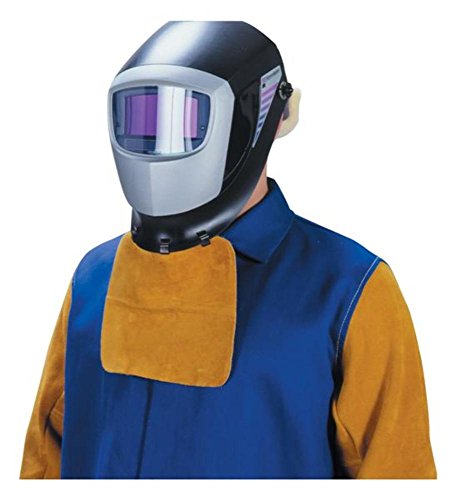
The Tillman 566, Helmet Bib With Metal Clips, Pack of (1), is a welding helmet support item used to add lower-face and neck coverage at the helmet line. Based on the product listing provided by ArcWeld, it is identified as a leather work bib with metal clips. The available listing data also shows UNSPC code 46181500 and the product type as work bibs. Other technical details are not provided in the source and should be treated as Unknown (Verify).
Key Takeaways
- Use this bib as a helmet-adjacent accessory for added coverage at the neck and chest interface.
- The provided source identifies leather construction and metal clips, but exact dimensions and fit range are Unknown (Verify).
- Do not assume compatibility with every helmet shell, helmet suspension, or respirator setup.
- Inspect clip retention, leather condition, and coverage overlap before each shift.
- If the bib interferes with a respirator, hood seal, or visor motion, remove it from service until verified.
What the product is for
A helmet bib is a simple support accessory. In welding work, it is commonly used to help reduce direct exposure at the lower edge of the helmet opening, where sparks, slag, and radiant heat can reach the neck area. The product listing does not state an assigned duty cycle, flame-resistance rating, or certified protection level. Do not infer those details. Verify the exact material behavior for your application before use.
Product breakdown
The source data identifies three things clearly:
- Product name: Tillman 566, Helmet Bib With Metal Clips, Pack of (1)
- Material family: Leather Clothing / leather work bib
- Attachment method: metal clips
Everything beyond that remains Unknown (Verify). That includes bib size, neckline shape, total coverage area, clip finish, thickness, and whether the bib is intended for a specific helmet model or general use. For buyers and maintenance teams, that means the purchase decision should be based on verified fit and verified work conditions, not assumptions from the name alone.
Check, inspect, verify
Before issue
- Check the helmet interface. Confirm the bib can sit at the lower edge of the helmet without blocking shell movement or interfering with the headgear adjustment system.
- Inspect the clips. Look for bent metal, weak spring tension, burrs, corrosion, or sharp edges that could damage the bib or snag other PPE.
- Verify coverage needs. Make sure the bib covers the area your task exposes, especially the neck and upper chest. If your job requires side coverage or extended drape, verify that this accessory is sufficient.
- Inspect the leather. Check for cracks, stiffened spots, burn-through, tears, oil saturation, or previous heat damage. Replace if the material no longer performs as intended.
- Verify compatibility with other PPE. Confirm the bib does not interfere with a hard hat, respirator, face shield, hearing protection, or hoodie used under the helmet.
During use
- Check for movement. If the bib shifts, twists, or opens gaps during head movement, stop and correct the fit.
- Inspect after spatter exposure. Look for heat marks or clip loosening after each job cycle.
- Verify visibility and access. The bib should not obstruct switching lenses, lifting the hood, or checking weld position.
At removal
- Clean off dust and debris. Wipe down according to your site PPE practice.
- Inspect the clip points. Repeated attachment cycles can damage the leather around the clip area.
- Verify serviceability. If the bib no longer hangs properly or the clips no longer hold, take it out of service.
Troubleshooting and support
Problem: bib will not stay attached
Check whether the clip jaws are fully seated on the helmet edge. Inspect the clip tension and the shell edge profile. Verify that the helmet model has an edge profile the clip can grip securely. If not, the accessory may not be suitable for that setup.
Problem: bib interferes with a respirator or PAPR hood
Check the overlap zone between the bib and the respirator facepiece, hose routing, or hood seal. Verify whether the bib is causing lift, leaks, or a snag point. Do not force a fit. Remove the bib if the respiratory setup cannot be maintained correctly.
Problem: heat damage appears after light exposure
Inspect the exposed area for stiffening, discoloration, or edge curling. Verify whether the task demands more robust coverage or a different accessory arrangement. If the bib shows damage, replace it.
Product and parts notes
This listing is for a single helmet bib. No replacement parts, alternate clip kits, or accessory components are provided in the source data. If your maintenance group needs a matching spare set, verify the exact product source before ordering. Do not assume that generic clips or aftermarket replacements will fit correctly.
Related support references
For adjacent welding PPE topics, see the Weld Support Parts articles on a low-profile respirator under a welding helmet and PAPR helmet integration. These are useful context pieces when a helmet bib is being evaluated alongside other face and neck coverage items.
- Best Welding Respirator for Under a Welding Helmet (Low-Profile Picks)
- Lincoln K3930-1 PAPR (Powered Air-Purifying Respirator) with Black Viking 3350 Welding Helmet
Safety notes
- Do not treat a bib as a substitute for required protective clothing.
- Verify the bib does not create a snag hazard near rotating equipment or tight work access.
- Leather condition matters. Heat damage, contamination, and mechanical wear reduce usefulness.
- If your site has PPE rules for molten metal, spatter, or cutting work, follow those rules first.
FAQ
Does the Tillman 566 helmet bib fit every welding helmet?
Unknown (Verify). The source confirms metal clips, but it does not confirm universal fit. Check helmet edge profile, clip tension, and clearance before use.
Is this bib suitable for respirator use under a helmet?
Unknown (Verify). Compatibility depends on the specific respirator, hood, and helmet arrangement. Verify seal integrity and movement clearance before task use.
What material is listed for this product?
The source lists leather clothing / leather work bib. Other construction details are Unknown (Verify).
Should worn clips be repaired or replaced?
Verify the condition first. If the metal clips are bent, loose, or no longer hold securely, the bib should be removed from service. Do not use improvised repairs unless your site procedure explicitly allows them.
Sources Checked
- ArcWeld product listing: Product not found.
Note: No WSP lookup page, filler metal finder page, ASINs, or additional verified compatibility data were provided for this topic. Unknown (Verify) was used where the source did not supply technical details.
Related Arc Weld Part
Tillman 566, Helmet Bib With Metal Clips, Pack of (1)
TIL566 Features: -UNSPC CODE: 46181500. -Leather Clothing Leather Clothing. -HELMET BIB-CD. Product Type: -Work Bibs. Pack of (1)
View at Arc Weld StoreRelated Weld Support Guides
- Lincoln K3930-1 PAPR (Powered Air-Purifying Respirator) with Black Viking 3350 Welding Helmet
- Aluminum ER 5554 3/64″ X 5lb. MIG Welding Wire Spool By Washington Alloy – Weld Support Parts Blog
- Two-Sided Cylinder Tank Status Tags, 5″ Steel Ring With Metal Clip
- Best Welding Respirator for Under a Welding Helmet (Low-Profile Picks)