Tag: TIG

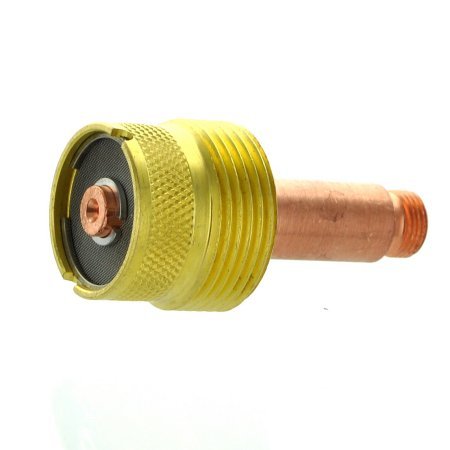
  • Large Diameter TIG Gas Lens Collet Body #17, 18, 26 Torch 2PK (995795-1/8″): Product Breakdown

    Large Diameter TIG Gas Lens Collet Body #17, 18, 26 Torch 2PK (995795-1/8″): Product Breakdown

    Product not found.
    “>Large Diameter TIG Gas Lens Collet Body #17, 18, 26 Torch 2PK (995795-1/8")

    The Large Diameter TIG Gas Lens Collet Body #17, 18, 26 Torch 2PK (995795-1/8″) is a TIG torch consumable support part used at the front end of the torch assembly. In practice, the collet body holds the tungsten in place and supports gas lens flow through the torch setup. For maintenance buyers and weld support teams, the main question is not whether the part is complex. It is whether the part matches the torch series, fits the tungsten size, and keeps the front end stable enough for consistent work.

    This breakdown stays focused on inspection, fit-up, and replacement planning. It does not assume job-specific approvals or torch compatibility beyond the product name. If your torch, cup, collet, or tungsten setup differs, verify before use.

    Key Takeaways

    • This is a TIG gas lens collet body intended for torch sizes #17, 18, and 26 as stated in the product name.
    • The part is packaged as a 2-pack.
    • The listed tungsten size is 1/8 inch in the product name.
    • For exact fit, torch compatibility, and internal dimensions, verify against your torch setup. Unknown (Verify) where not confirmed by the source.
    • Use this part when you need to restore tungsten support, improve consistency at the front end, or replace a worn collet body.

    What the Part Does

    A TIG gas lens collet body sits inside the torch head and supports the collet and tungsten. In a gas lens setup, it also helps condition shielding gas flow as it exits the torch. That matters when the front end is worn or misaligned. A worn collet body can contribute to tungsten movement, poor grip, inconsistent stickout control, or disturbed shielding gas coverage.

    In field terms, the collet body is a support component. It is not the torch body, not the cup, and not the tungsten itself. If the torch is acting up, this part is one of the first consumables to inspect.

    Inspect Before You Replace

    Before installing a new collet body, work through the front-end stack in order.

    • Check: Examine the cup for cracks, heat damage, and cross-threading. If the cup is damaged, gas flow problems may not be caused by the collet body alone.
    • Inspect: Look at the tungsten for contamination, dulling, or bent geometry. A damaged tungsten can mimic front-end alignment problems.
    • Verify: Confirm the collet size and tungsten size match the setup. The product name indicates 1/8 inch tungsten. Unknown (Verify) for any other size use.
    • Check: Make sure the collet body threads and contact surfaces are clean. Debris in the torch head can prevent proper seating.
    • Inspect: Look for discoloration, pitting, or distortion that suggests overheating or mechanical wear.

    If the tungsten slips, the arc wanders, or the front end cannot hold repeatable stickout, the collet body should be part of the troubleshooting path. For a related support discussion, see TIG Torch Slipping Tungsten? Your Collet Body Is Worn (Here’s the Fix).

    Troubleshooting Support: Common Symptoms

    • Symptom: Tungsten slips in the torch. Check the collet, collet body, and collet size before assuming the torch head is faulty.
    • Symptom: Shielding gas coverage looks uneven. Inspect the gas lens, cup, and front-end cleanliness. Gas flow disruption can come from clogging or damage.
    • Symptom: The front end overheats or discolors quickly. Verify amperage, cup selection, and duty cycle practices. Unknown (Verify) for application-specific thermal limits.
    • Symptom: Arc starts are inconsistent. Check tungsten condition and seating first. Then inspect the collet body and torch wear surfaces.

    For wear pattern reference, the article TIG Torch Consumable Wear Signs: Cup Cracks, Collet Slip, Gas Lens Clogs, and Dirty Tungsten is a useful maintenance starting point.

    Product and Parts Breakdown

    The product listed by ArcWeld is Large Diameter Gas Lens Collet Body for TIG torch #17, 18, 26. The product title and source description are the only confirmed identifiers here. Do not assume additional dimensions, thread details, material grades, or certification claims unless your internal sourcing or the vendor page confirms them. Unknown (Verify).

    Use case: front-end replacement in a compatible TIG torch setup where a gas lens collet body is required and the tungsten size matches the consumable stack.

    Package count: 2-pack, as stated in the product title.

    Compatibility note: Torch series #17, 18, and 26 are listed in the product name. Do not assume every torch built around those numbers uses the same front-end consumables without checking your current parts. Verify torch make, series, cup type, collet, and tungsten size before ordering.

    Product source: Product not found.

    “>ArcWeld product page.

    How to Verify Fit in the Shop

    1. Identify the torch series. Confirm whether the torch is actually a #17, #18, or #26 style front end.
    2. Measure the tungsten. Confirm that the tungsten size matches the product listing. The title indicates 1/8 inch.
    3. Match the collet and cup stack. Check whether the current assembly uses a gas lens setup or a different front-end arrangement.
    4. Dry-fit the components. Assemble by hand before live use. Make sure the parts seat fully and thread smoothly.
    5. Test under controlled conditions. Run a short weld or gas check and observe gas coverage, tungsten stability, and arc consistency.

    Safety Notes

    • Allow the torch to cool before handling front-end parts.
    • Do not force threaded parts. Cross-threading can damage the torch and consumables.
    • Keep tungsten free of contamination.
    • Confirm shielding gas flow before welding. Poor gas coverage can produce weld defects and arc instability.
    • If the setup is uncertain, stop and verify the torch parts list before energizing the system.

    FAQ

    Is this collet body for every TIG torch?
    No. The product name lists torch sizes #17, 18, and 26, but you still need to verify your exact torch setup and front-end consumables. Unknown (Verify) for any torch not confirmed by the source.

    Does this work with 1/8 inch tungsten?
    The product title indicates 1/8 inch. Verify the complete consumable stack and torch configuration before ordering or installing.

    Is this a replacement for a worn gas lens setup?
    It can be used as a replacement front-end support part in a matching gas lens assembly, but compatibility must be verified against your torch and cup system.

    What should I check if tungsten keeps slipping?
    Check the tungsten size, collet condition, collet body wear, and thread cleanliness. Also inspect the cup and torch head for damage.

    Sources Checked

“>Large Diameter TIG Gas Lens Collet Body #17, 18, 26 Torch 2PK (995795-1/8″)
  • Internal link: TIG Torch Slipping Tungsten? Your Collet Body Is Worn (Here’s the Fix)
  • Internal link: TIG Torch Consumable Wear Signs: Cup Cracks, Collet Slip, Gas Lens Clogs, and Dirty Tungsten
  • Related Arc Weld Part

    Large Diameter TIG Gas Lens Collet Body #17, 18, 26 Torch 2PK (995795-1/8")

    Large Diameter TIG Gas Lens Collet Body #17, 18, 26 Torch 2PK (995795-1/8")

    Large Diameter Gas Lens Collet Body for TIG torch #17, 18, 26

    View at Arc Weld Store
    Related Weld Support Guides

  • ER308LSi TIG / GTAW Filler Metal: Filler Metal Finder Notes

    ER308LSi TIG / GTAW Filler Metal: Filler Metal Finder Notes

    ER308LSi TIG / GTAW Filler Metal

    ER308LSi TIG / GTAW filler metal is used as a higher-silicon 308L option where improved wetting is allowed by the WPS and the governing code. It is a selection starting point, not an automatic approval for stainless welding. Before ordering or striking an arc, verify the base metal grade, joint design, service environment, and the filler metal manufacturer data sheet. If those items do not line up, stop and confirm the procedure.

    Key Takeaways

    • ER308LSi is a stainless TIG / GTAW filler metal associated with improved wetting behavior compared with standard 308L, but only where the WPS allows it.
    • Use the filler metal finder as a selection aid, not as proof of code acceptance or procedure qualification.
    • Confirm the base material first. The allowed source page lists 304 and 304L stainless as the base material reference.
    • Match filler metal choice to the governing document set: WPS, PQR if applicable, code requirements, and manufacturer data sheet.
    • When a detail is uncertain, mark it Unknown (Verify) and confirm it before use.

    What the ER308LSi page is for

    The provided ER308LSi filler metal page is a product selection reference. It identifies the process as TIG / GTAW, the classification as ER308LSi, and the AWS specification as AWS A5.9. It also points to 304 and 304L stainless as the base material reference. That is useful for narrowing the search, but it does not replace code review, WPS review, or a manufacturer data sheet check.

    Use the page when you are comparing stainless filler options or confirming the common family of filler metal for 304 / 304L stainless work. Do not use it to assume compatibility with other stainless grades, dissimilar metals, or corrosive service conditions unless those items are verified in the procedure documents and manufacturer literature.

    Check, inspect, verify before welding

    • Check the job packet for the WPS number, revision, and filler metal designation.
    • Inspect the base metal stamp, mill markings, or material traceability records. If the grade cannot be confirmed, record it as Unknown (Verify).
    • Verify the service environment. Chlorides, elevated temperature service, or special corrosion exposure may change the filler choice.
    • Check whether silicon-enhanced wetting is permitted by the WPS. If not stated, do not assume it is allowed.
    • Inspect the wire or rod label against the purchase line and the manufacturer data sheet.
    • Verify that diameter, packaging, and heat/lot traceability match the job requirement. If the diameter is not shown on the source page, mark it Unknown (Verify).

    Troubleshooting support: when the stainless weld does not look right

    If wetting is poor, the issue is not automatically the filler metal. Use a basic troubleshooting sequence.

    • Check bead shape. If the bead is ropey, inspect joint prep, torch angle, travel speed, and heat input first.
    • Inspect shielding gas coverage. Poor coverage can cause discoloration, oxidation, and unstable puddle behavior.
    • Verify cleanliness. Oil, marker, grinding residue, and carbon steel contamination will affect stainless results.
    • Check the filler selection. Confirm that ER308LSi is actually called for in the WPS. If the procedure calls for a different filler, do not substitute without approval.
    • Inspect fit-up. Excessive gap, poor root control, or mismatch can make any filler metal look wrong.

    If the weld shows unexpected cracking, hot cracking sensitivity, or service-related concerns, stop and review the base metal grade, restraint, and procedure variables. Those are not filler-metal-only problems. If the exact cause is unclear, label it Unknown (Verify) and escalate to welding engineering or the responsible authority.

    How to use the filler metal finder page

    The filler metal finder page is the correct starting point when you need to narrow stainless filler options. Use it to move from process and alloy family toward a specific page like ER308LSi. Then confirm the details against the actual job requirements.

    Open the WSP Filler Metal Finder

    Review the ER308LSi TIG / GTAW Filler Metal page

    Do not treat the finder output as a blanket approval. It is a selection starting point only. The final decision still belongs to the WPS, code, and manufacturer data sheet.

    Practical setup notes for shop use

    • Keep filler identification visible at the machine or in the rod control area.
    • Separate stainless filler from carbon steel filler to prevent mix-ups.
    • Confirm argon shielding setup and purge practice where the procedure requires it.
    • Record filler lot numbers when the quality system calls for traceability.
    • If the job package does not state a required diameter or package type, mark it Unknown (Verify) before release.

    For maintenance teams, the most common error is assuming that “308 stainless” is enough information. It is not. ER308L, ER308LSi, and other related options can behave differently in wetting and bead appearance. Use the exact classification specified in the WPS or approved equivalent only if that substitution is documented.

    Safety notes

    • Follow hot work controls and local ventilation requirements.
    • Use eye, face, hand, and body protection appropriate for GTAW work.
    • Clean stainless surfaces with tools dedicated to stainless where contamination control matters.
    • Do not weld from assumptions. If the material grade, service condition, or filler designation is uncertain, stop and verify.

    FAQ

    Is ER308LSi the same as ER308L?
    No. They are related stainless filler metal classifications, but they are not interchangeable by default. Confirm the WPS and manufacturer data sheet before substituting.

    Can I use ER308LSi for any stainless job?
    No. The provided page is a selection reference for 304 and 304L stainless use cases. Other grades, dissimilar joints, or special service conditions may require a different filler. Verify the base metal and service environment first.

    Does the filler metal finder approve the weld procedure?
    No. It helps narrow the product choice only. Procedure approval comes from the WPS, code requirements, and supporting documents.

    What should I do if the material grade is not clearly identified?
    Treat it as Unknown (Verify). Do not assume 304 or 304L until traceability or testing confirms it.

    Sources Checked

    All uncertain technical details should be verified against the WPS, code, and manufacturer data sheet before use.

    Disclosure: As an Amazon Associate, Weld Support Parts may earn from qualifying purchases.

  • ER308L TIG / GTAW Filler Metal: Filler Metal Finder Notes

    ER308L TIG / GTAW Filler Metal: Filler Metal Finder Notes

    ER308L TIG / GTAW Filler Metal

    ER308L TIG / GTAW filler metal is a common starting point for joining 304-family stainless steel, but it is not a substitute for the WPS, code requirements, base metal identification, or the filler metal manufacturer data sheet. For maintenance and fabrication work, the correct rod depends on the exact base metal, joint design, service environment, and post-weld cleaning requirements. Use the filler metal finder and the product page as selection aids only, then verify the job requirements before ordering or welding.

    Key Takeaways

    • ER308L is commonly used as a starting point for 304 and 304L stainless, but final selection must match the WPS.
    • Do not assume stainless grades are interchangeable. Verify the base metal grade before striking an arc.
    • Use the filler metal page to narrow the choice, then confirm with the data sheet and job documents.
    • If the application includes corrosion exposure, elevated temperature, or code work, verify the service conditions before release.

    Filler Metal Finder Notes

    The Weld Support Parts ER308L TIG / GTAW filler metal page is a practical reference for general selection. Treat it as a starting point, not a guaranteed procedure approval. The page points to a common AWS A5.9 stainless filler classification used with 304-family stainless, but the final match still depends on the WPS and the job specification.

    Use the filler metal finder when you need to compare options such as ER308L, ER308LSi, or ER309L. Selection between these classifications is application-specific. Do not swap filler based on appearance, wire diameter alone, or what was used on a previous job. If the procedure is controlled, the documented filler classification takes priority over shop habit.

    View the ER308L TIG / GTAW filler metal page for the starting-point description and supporting notes. Open the filler metal finder to compare stainless filler options before you verify the WPS and base metal.

    Check, Inspect, Verify

    Check: Confirm the base metal grade on the print, material cert, heat number, or mill marking. If the grade is not confirmed, use Unknown (Verify) until the material is identified.

    Inspect: Review the joint details, thickness, weld position, and any corrosion or temperature exposure that could affect filler choice. Look for contamination, heat tint control requirements, and cleaning access.

    Verify: Match the filler classification to the WPS and the code or customer requirement. Verify the manufacturer data sheet for AWS classification, recommended use, and storage handling details. If anything conflicts, stop and resolve the discrepancy before welding.

    Troubleshooting Support

    If the filler does not match the procedure: Check the WPS revision, then verify whether the job allows a substitute classification. Do not assume ER308L can replace ER309L or any other stainless filler.

    If base metal is uncertain: Inspect the material identification, review purchase records, and confirm with testing or traceability documents if required. Until then, treat the material as Unknown (Verify).

    If corrosion risk is part of the service: Verify the actual environment. Chlorides, temperature cycling, and washdown exposure can change the filler choice. Do not rely on general shop practice for service-critical stainless work.

    If weld appearance is acceptable but procedure compliance is unclear: Check the filler classification, shielding gas requirements, and technique notes in the job paperwork. A weld can look fine and still be nonconforming.

    What Buyers and Support Teams Should Confirm

    For maintenance buyers and welding support teams, the decision process should be simple and documented. Check the WPS first. Inspect the base metal identification next. Verify the filler classification against the work order or code requirement. Only then place the order. If the order is being written from an open-ended request such as “stainless TIG rod,” return to the job details and narrow the requirement.

    Do not order by diameter alone. ER308L may be stocked in multiple sizes, but size selection is driven by joint fit-up, amperage range, and operator preference. Exact available sizes on the linked page are Unknown (Verify) unless confirmed in the live listing and data sheet.

    Safety Notes

    • Use proper ventilation when welding stainless steel.
    • Follow the WPS for shielding gas, heat input, and cleaning steps.
    • Wear appropriate eye, hand, and body protection for GTAW work.
    • Do not weld from unverified material identification.
    • Keep filler rod clean and dry; store it to avoid contamination.

    FAQ

    Is ER308L always the correct filler for 304 stainless?
    No. ER308L is a common starting point for 304-family stainless, but the WPS, service conditions, and exact base metal grade control the final choice.

    Can I use the filler metal finder as an approval source?
    No. The finder is a selection aid only. It does not override the WPS, code requirements, or manufacturer data sheet.

    What if the stainless grade is not marked on the part?
    Treat it as Unknown (Verify). Stop and confirm the base metal before welding or ordering filler.

    Should I choose ER308LSi or ER309L instead?
    Only if the job documents or verified application call for it. Do not substitute based on general preference.

    Sources Checked

    • Weld Support Parts ER308L TIG / GTAW filler metal page: https://www.weldsupportparts.com/filler-metal-tig-er308l.html
    • Weld Support Parts filler metal finder: https://www.weldsupportparts.com/filler-metal-finder.html

    Verification reminder: confirm the WPS, code requirements, base metal grade, service conditions, and manufacturer data sheet before ordering or welding.

    Disclosure: As an Amazon Associate, Weld Support Parts may earn from qualifying purchases.

  • ER80S-Ni1 TIG / GTAW Filler Metal: Filler Metal Finder Notes

    ER80S-Ni1 TIG / GTAW Filler Metal: Filler Metal Finder Notes

    ER80S-Ni1 TIG / GTAW Filler Metal

    ER80S-Ni1 is a nickel-bearing low-alloy solid wire used for TIG/GTAW applications where toughness matters or where the base metal and service conditions call for a low-alloy filler. Treat the listing as a starting point only. It does not replace the WPS, code requirements, base metal identification, or the manufacturer data sheet.

    Key Takeaways

    • Use ER80S-Ni1 only after you confirm the WPS and any governing code or project specification.
    • Verify the base metal grade, thickness, joint design, and service environment before ordering filler.
    • Do not assume the same filler works for all weathering steels or low-temperature steels.
    • Check the filler diameter, packaging, and shielding gas plan against the actual job setup.
    • When technical details are not confirmed, record them as Unknown (Verify) instead of guessing.

    Where This Filler Fits

    The WSP filler metal page for ER80S-Ni1 TIG / GTAW filler metal is a selection reference, not a procedure approval. It is useful when you need a quick starting point for low-alloy TIG rod selection, but it does not replace the weld procedure or the filler manufacturer’s data sheet.

    Typical use cases include work on weathering or low-temperature steels where the weld deposit needs better toughness than plain carbon steel filler may provide. That said, the exact application depends on the WPS, service temperature, impact requirements, corrosion exposure, and base metal chemistry. If any of those are unclear, mark them Unknown (Verify) and confirm before welding.

    Check, Inspect, Verify Before You Order

    1. Check the WPS. Confirm the filler classification, process, polarity, shielding gas, preheat, interpass limit, and any postweld requirements.
    2. Inspect the base metal ID. Verify the material grade from mill certs, drawings, stamps, or test results. If the grade is not confirmed, stop and verify.
    3. Verify service conditions. Low-temperature service, cyclic loading, and outdoor exposure can change filler selection. Unknown (Verify) is better than a wrong assumption.
    4. Confirm the joint and thickness. Groove geometry, root opening, and section thickness affect heat input and filler choice.
    5. Review the manufacturer data sheet. Confirm the published chemistry, mechanical property ranges, and recommended parameters from the actual brand you plan to use.

    Troubleshooting Support Notes

    If the job is already in progress and the filler selection is uncertain, use this sequence.

    • Check the drawing and WPS. Make sure the filler classification matches the documented requirement.
    • Inspect the base metal traceability. If the material mark is missing or unreadable, do not rely on memory.
    • Verify the wire size. Common TIG rod sizes may be listed in the market, but if the exact size is not confirmed for your job, record it as Unknown (Verify).
    • Check the gas and cleanliness. TIG on low-alloy steels is sensitive to contamination. Verify joint prep, fit-up, and shielding coverage.
    • Inspect the first welds. Look for arc instability, abnormal bead shape, or cracking indicators before continuing production.

    If the weld procedure calls for a different nickel-bearing filler, do not substitute based on similarity alone. ER80S-Ni1 and other low-alloy fillers can look interchangeable on paper while still being different in code compliance or intended use.

    Filler Metal Finder Notes

    The WSP filler metal finder is the right place to start when you need to narrow down options by process, classification, and base metal family. Use it to compare likely matches, then verify the actual selection against the WPS and manufacturer documentation.

    For ER80S-Ni1 support work, the finder is most useful when you are confirming whether a low-alloy TIG rod is the correct family for the job or whether an alternate filler may be required. Do not treat the finder as a blanket approval tool. It helps you narrow the list, not finalize the procedure.

    Practical Selection Checks

    • Check the classification. ER80S-Ni1 should match the documented filler requirement, not a similar-sounding product.
    • Inspect the intended service. Weathering service, cold service, or structural repair can all point to different filler needs.
    • Verify the manufacturer. Different brands may offer different packaging, rod lengths, or datasheet details. If not verified, use Unknown (Verify).
    • Confirm storage conditions. Keep filler clean, dry, and labeled. If the package has been damaged or relabeled, inspect before use.

    Support Team Notes for Buyers and Welders

    For maintenance buyers, the main risk is ordering a filler based only on the classification name. Confirm the exact classification, diameter, and brand requirement from the WPS or the end user. For welders and supervisors, the main risk is using a nickel-bearing filler when the job actually calls for another low-alloy or weathering steel rod. The cost of a wrong filler is usually rework, failed inspection, or delayed release.

    When in doubt, document the open items instead of closing them with assumptions. A short list of Unknown (Verify) points is better than a production weld built on incomplete data.

    Safety Notes

    • Follow the job hazard analysis, hot work permit, and site safety rules.
    • Use correct eye, hand, and skin protection for TIG/GTAW work.
    • Maintain ventilation and fume control, especially in confined or poorly ventilated areas.
    • Do not weld on unverified materials until the base metal and procedure are confirmed.
    • Handle cylinders, torches, and filler rods according to site rules and manufacturer instructions.

    FAQ

    Is ER80S-Ni1 always correct for weathering steel?

    No. Weathering steel applications vary. Verify the base metal grade, the service environment, and the WPS before using ER80S-Ni1.

    Can I use the filler metal finder instead of the WPS?

    No. The finder is a starting point for selection support only. The WPS and governing code control the final choice.

    What should I do if the base metal grade is not known?

    Stop and verify it. Mark the material as Unknown (Verify) until the grade is confirmed by documentation or approved testing.

    Does the WSP page guarantee compatibility with my job?

    No. It provides a selection reference. Actual compatibility depends on the WPS, code requirements, service conditions, and manufacturer data sheet.

    Sources Checked

    Disclosure: As an Amazon Associate, Weld Support Parts may earn from qualifying purchases.

  • ER90S-B3 TIG / GTAW Filler Metal: Filler Metal Finder Notes

    ER90S-B3 TIG / GTAW Filler Metal: Filler Metal Finder Notes

    ER90S-B3 TIG / GTAW Filler Metal

    ER90S-B3 TIG / GTAW filler metal is used as a selection starting point for welding compatible 2.25Cr-1Mo chrome-moly steels and B3/P22-type alloys. That starting point is not the finish line. Before you order wire or strike an arc, confirm the WPS, base metal grade, service conditions, and the filler manufacturer’s data sheet. For pressure-retaining work, the governing code and the project documentation decide what is acceptable, not the product name alone.

    Key Takeaways

    • ER90S-B3 is a chrome-moly TIG/GTAW filler classification under AWS A5.28.
    • Use it only after confirming the base metal, weld procedure, and code requirements.
    • Do not assume B3, P22, or similar labels are interchangeable. Verify the actual grade.
    • Confirm whether the job calls for postweld heat treatment, hardness limits, or other service restrictions.
    • Manufacturer data sheets should match the exact wire you plan to use.

    What this filler metal page is for

    The ER90S-B3 filler metal page is a selection aid. It helps maintenance buyers, welders, and support teams narrow the search when the job involves compatible chrome-moly materials. It does not approve the weld procedure, and it does not replace a qualified WPS. Treat the page as a reference point while you verify the details that control acceptability.

    Review the filler metal page here: ER90S-B3 TIG / GTAW Filler Metal.

    How to verify the selection before welding

    Check: the base metal identification on the material test report, tag, stamping, or heat traceability record.

    Inspect: whether the joint is part of a pressure boundary, high-temperature service, or code-controlled repair.

    Verify: the WPS calls for ER90S-B3 or an approved alternate. If the WPS lists a different filler, do not substitute without approval.

    Check: the service condition. Chrome-moly steels can be sensitive to preheat, interpass control, and PWHT requirements.

    Inspect: the filler wire packaging, lot identification, and storage condition before use.

    Verify: the manufacturer datasheet for the exact rod or wire designation, diameter, and any application notes. If a detail is not available, mark it as Unknown (Verify) rather than assume.

    Troubleshooting and support notes

    If the filler classification looks right but the weld is still rejected: check the WPS first. Many problems blamed on filler metal are actually caused by wrong preheat, incorrect joint prep, or a mismatched procedure.

    If the job references B3 or P22-type material: verify the actual alloy grade, not just the family name. Similar designations can have different chemistry, heat-treatment expectations, and code limits.

    If there is uncertainty about a replacement rod: stop and compare the manufacturer data sheet against the purchase record and the WPS. Unknown (Verify) is the correct answer when compatibility is not documented.

    If cracking, hardness concerns, or service issues are part of the job: involve the welding engineer or responsible authority before proceeding. Do not rely on visual similarity or historical habit.

    Common checks on chrome-moly TIG/GTAW work

    • Check base metal grade and thickness.
    • Inspect bevel angle, root fit-up, and cleanliness.
    • Verify preheat and interpass requirements in the WPS.
    • Check whether PWHT is required after welding.
    • Inspect the filler rod size selected for access and deposition rate.
    • Verify shielding gas and torch setup according to the approved procedure.

    Filler metal finder section

    Use the filler metal finder as a starting tool when you are working through alloy family, process, and support details. It is useful for narrowing the search, but it does not confirm a weld procedure or make a code decision for you.

    Open the finder here: Weld Support Parts Filler Metal Finder.

    For this classification, the visible support data points to the following application context: AWS A5.28, ER90S-B3, TIG / GTAW, and 2.25Cr-1Mo chrome-moly steels. Any finer details, including exact diameter availability or brand-specific notes, should be treated as Unknown (Verify) unless confirmed by the current product data sheet.

    Practical use notes for buyers and welders

    If you are buying for a maintenance outage or a pressure piping repair, start with the paperwork. Match the filler to the WPS, then match the WPS to the base metal. That order matters. Buying by alloy family alone can create avoidable delays when the inspector asks for traceability or procedure alignment.

    For the welder, the main risk is assuming the rod will perform like a generic low-alloy filler. ER90S-B3 is meant for specific chrome-moly service conditions. Keep heat input, cleanliness, and interpass control within the procedure limits. If those limits are not documented, they are Unknown (Verify).

    Safety notes

    • Do not weld on pressure-retaining or critical-service components without an approved WPS.
    • Verify ventilation, shielding gas handling, and hot-work controls before starting.
    • Use proper PPE for GTAW, including eye protection suited to arc exposure.
    • Follow the site rules for preheat equipment, cylinder handling, and postweld cooldown.
    • If the material condition or service history is uncertain, stop and escalate the review.

    FAQ

    Is ER90S-B3 the same as a general-purpose TIG rod?
    No. It is a classification intended for compatible chrome-moly applications. Verify the WPS and base metal before use.

    Can I use ER90S-B3 on any P22 or B3-marked part?
    Not automatically. The actual base metal grade, service condition, and procedure approval must be checked. If those details are not confirmed, the answer is Unknown (Verify).

    Does the filler metal page mean the rod is approved for my job?
    No. The page is a selection starting point only. Final approval comes from the WPS, code requirements, and the responsible authority.

    What should I check if the rod description is short on details?
    Check the manufacturer data sheet, packaging, heat/lot traceability, and the WPS. If a detail is not published, record it as Unknown (Verify) until confirmed.

    Sources Checked

    Note: No additional WSP lookup page, product page, ASIN, or internal link was provided for this draft.

    Disclosure: As an Amazon Associate, Weld Support Parts may earn from qualifying purchases.

  • ER80S-B2 TIG / GTAW Filler Metal: Filler Metal Finder Notes

    ER80S-B2 TIG / GTAW Filler Metal: Filler Metal Finder Notes

    ER80S-B2 TIG / GTAW Filler Metal

    ER80S-B2 TIG / GTAW filler metal is a chrome-moly filler option used for compatible 1.25Cr-0.5Mo low-alloy steels. Treat it as a starting point for selection, not as automatic approval to weld. Before ordering rod or setting up a repair, verify the WPS, base metal grade, service conditions, and the manufacturer data sheet.

    The Weld Support Parts filler metal finder page and product page are useful for narrowing the search, but they do not replace code review or procedure qualification. If the joint is in pressure service, elevated temperature service, or an application with postweld heat treatment requirements, confirm every step against the governing specification.

    Key Takeaways

    • ER80S-B2 is a TIG / GTAW filler metal classification under AWS A5.28.
    • It is associated with 1.25Cr-0.5Mo chrome-moly steels.
    • Use it only when the WPS and base metal call for it or allow it.
    • Do not assume compatibility with P11 or B2-type material without verification.
    • Rod size, shielding gas, heat input limits, and PWHT requirements are job-specific. Unknown (Verify).

    How to Use the Filler Metal Finder Page

    Start with the Weld Support Parts filler metal finder to narrow the alloy family and process. The finder is a selection tool, not a procedure approval tool. Use it to identify likely matches, then verify the final choice against the WPS and the manufacturer data sheet.

    Check: whether the base metal family is chrome-moly and whether the process is TIG / GTAW.

    Inspect: the joint specification for required filler classification, preheat, interpass limits, and postweld heat treatment.

    Verify: that the selected rod matches the applicable code, the service conditions, and the exact base material designation.

    ER80S-B2 Selection Notes

    The ER80S-B2 product page at Weld Support Parts can be used for general reference: ER80S-B2 TIG / GTAW Filler Metal. The page description indicates a chrome-moly TIG rod for compatible B2 / P11-type alloys. That wording should be treated as a starting point only.

    When reviewing a job for ER80S-B2, confirm the following:

    • Base metal grade and product form.
    • Service temperature range and exposure conditions.
    • Required mechanical properties after welding and any PWHT.
    • Whether the code allows this classification for the joint.
    • Whether the manufacturer offers the rod in the diameter required for the setup. Unknown (Verify).

    If the drawing or WPS is missing, stop and obtain it before welding. If the base metal stamp is incomplete, do not guess. Positive material identification or documentation may be required. Unknown (Verify).

    Troubleshooting and Support Checks

    Use the following checks when a job calls for ER80S-B2 or a similar chrome-moly TIG rod.

    Problem: filler metal classification on the paperwork does not match the part in stock.

    • Check: the rod box label and heat number against the purchase record.
    • Inspect: whether the code or WPS allows a substitution.
    • Verify: with welding engineering or the customer before issuing rod.

    Problem: the base metal is described only as “chrome-moly.”

    • Check: the exact grade, specification, and material traceability.
    • Inspect: whether the joint is on a pressure part, tube, pipe, or plate.
    • Verify: the exact alloy family before selecting ER80S-B2.

    Problem: the job requires heat treatment or high-temperature service.

    • Check: the WPS for preheat, interpass, and PWHT instructions.
    • Inspect: whether the service conditions alter filler selection.
    • Verify: the filler metal against the governing code and manufacturer literature.

    Problem: cracking, lack of fusion, or inconsistent bead appearance.

    • Check: travel speed, amperage, tungsten condition, and shielding gas coverage.
    • Inspect: cleanliness, fit-up, and root preparation.
    • Verify: that the technique matches the procedure. Equipment settings may be job-specific. Unknown (Verify).

    Practical Pre-Order Review

    Before placing an order for ER80S-B2 TIG / GTAW filler metal, run a short review:

    1. Confirm the exact AWS classification listed on the WPS.
    2. Confirm the base metal specification and thickness range.
    3. Confirm whether TIG / GTAW is the approved process.
    4. Confirm diameter requirements. Common diameters may exist, but the correct size for your job is Unknown (Verify).
    5. Confirm packaging quantity and storage requirements from the supplier page or data sheet.

    This review prevents stock errors. It also reduces the chance of issuing a low-alloy rod for a joint that actually needs a different classification such as ER90S-B3 or another approved filler. Do not substitute without authorization.

    Safety Notes

    • Follow the WPS, not assumptions based on alloy family alone.
    • Use appropriate PPE for GTAW, hot metal handling, and cylinder safety.
    • Do not weld on unidentified alloy pipe or pressure parts without verification.
    • Observe preheat and interpass controls if required by the procedure.
    • Use ventilation and fume control appropriate to the task and work area.

    If the job involves pressure equipment, critical service, or life-cycle performance concerns, escalate to welding engineering or the responsible code authority before welding.

    FAQ

    Is ER80S-B2 automatically correct for P11 material?
    No. Treat that as a possibility only. Verify the exact base metal grade, the WPS, and the applicable code before using it.

    Can I use the filler metal finder as final approval?
    No. The filler metal finder is a selection starting point. It helps narrow options, but it does not approve procedure compliance.

    What rod diameter should I order?
    Unknown (Verify). Diameter depends on joint design, amperage range, operator preference, and the WPS.

    Does ER80S-B2 cover every chrome-moly repair?
    No. Chrome-moly is a broad description. Confirm the actual alloy and service conditions before selection.

    Sources Checked

    Review the product page and finder page together, then confirm the WPS and material documentation before purchase or welding.

    Disclosure: As an Amazon Associate, Weld Support Parts may earn from qualifying purchases.

  • ER80S-D2 TIG / GTAW Filler Metal: Filler Metal Finder Notes

    ER80S-D2 TIG / GTAW Filler Metal: Filler Metal Finder Notes

    ER80S-D2 TIG / GTAW Filler Metal

    ER80S-D2 is a low-alloy TIG/GTAW filler metal used in higher-strength steel applications where the weld procedure calls for a molybdenum-bearing filler. Treat the Weld Support Parts listing as a starting point for selection, not as approval to weld. Before ordering or striking an arc, verify the WPS, base metal grade, service conditions, and the manufacturer data sheet. If the procedure, material, or service environment is outside your control, stop and confirm the requirements first.

    Key Takeaways

    • ER80S-D2 is a filler metal support choice for TIG/GTAW work on higher-strength steel.
    • The WSP filler metal page should be used as a selection starting point, not as a blanket procedure approval.
    • Verify the WPS, joint design, preheat, interpass control, and final mechanical/property requirements before welding.
    • Do not assume ER80S-D2 is interchangeable with ER70S-2 or ER100S-G without engineering review.
    • If the base metal is unknown or the service condition is critical, confirm with the job spec and manufacturer data sheet first.

    What ER80S-D2 Is Used For

    The WSP filler metal page identifies ER80S-D2 as a molybdenum-bearing low-alloy TIG rod for higher-strength steel applications, including some 4130 work. That makes it relevant when a procedure needs greater strength potential than a plain carbon steel filler, but the exact fit depends on the base metal, thickness, joint restraint, and code requirements.

    Do not select filler metal by classification alone. The same class can be used in different ways depending on the WPS. Check whether the job calls for a matching strength level, specific chemical limits, or a certain heat treatment path after welding. If those requirements are not documented, treat the application as Unknown (Verify).

    Selection Check: Verify Before You Order

    Use this practical check before assigning ER80S-D2 to a job:

    • Check the WPS: Verify that ER80S-D2 is listed by classification or approved equivalent.
    • Inspect the base metal: Confirm the material grade, mill certs, or positive material identification if needed.
    • Verify service conditions: Review whether the part sees pressure, impact loading, fatigue, low temperature, or post-weld heat treatment.
    • Confirm joint requirements: Review bevel angle, root opening, fit-up, and whether back purging or backing bars are required.
    • Review consumable control: Use only filler wire that matches the required diameter and packaging condition for the job. Diameter availability is Unknown (Verify) unless confirmed by the listing or distributor.

    Troubleshooting Support: If the Filler Choice Is Unclear

    If you are unsure whether ER80S-D2 is the right starting point, work through the problem in order.

    • Check: The base metal specification and thickness range.
    • Inspect: The WPS for minimum tensile strength, impact requirements, and heat input limits.
    • Verify: Whether the application is standard fabrication, repair, or code work with additional restrictions.
    • Check: If the job actually needs a different low-alloy filler such as ER100S-G or a more common carbon steel filler like ER70S-2.
    • Verify: Any required preheat, interpass temperature, or post-weld heat treatment with the procedure owner or engineer.

    When the filler metal, base metal, or end use does not line up cleanly, do not guess. A filler metal support listing cannot override the WPS or the code. If the job packet is incomplete, label the requirement Unknown (Verify) and escalate it before work starts.

    Filler Metal Finder Notes

    Use the WSP Filler Metal Finder as a starting point for narrowing down options by process, classification, and application. It is useful for support teams and buyers who need to identify a candidate filler metal quickly, but it does not replace procedure approval.

    For this product page, the direct listing is here: ER80S-D2 TIG / GTAW Filler Metal. Use that page to review the current WSP description, then confirm the selection against the job documents and the manufacturer data sheet before purchase or use.

    Practical use case: if a fabricator asks for a filler for a higher-strength low-alloy steel job and the paperwork references ER80S-D2, the finder page can help the buyer identify the classification quickly. If the paperwork is missing, the finder page alone is not enough. Confirm the job by WPS, base metal, and service conditions first.

    Support Team Review Steps

    For maintenance buyers and welding support teams, use a short review process:

    1. Check the request: Identify the process, classification, and base metal.
    2. Inspect the paperwork: Look for a WPS, procedure number, or engineering note.
    3. Verify the end use: Determine whether the weld is structural, repair, or non-critical fabrication.
    4. Confirm the consumable: Match the purchase request to the WSP filler metal page and the job documentation.
    5. Escalate gaps: If any key detail is missing, mark it Unknown (Verify) and get clarification.

    This process prevents common errors such as selecting a filler based on habit, using a similar-looking rod without confirming classification, or assuming one job’s filler will work on another job with different mechanical requirements.

    Safety Notes

    • Follow the WPS and site safety rules for ventilation, shielding gas, arc exposure, and hot metal handling.
    • Verify that the electrode, torch setup, and gas selection match the procedure. Specific gas recommendations are Unknown (Verify) unless stated by the approved procedure or manufacturer.
    • Do not rely on filler classification alone when the part is safety-critical.
    • Keep filler metal clean and dry. If packaging condition is damaged or contamination is suspected, inspect and verify before use.
    • If there is any question about crack sensitivity, preheat, or hydrogen control, stop and confirm the requirement with the WPS owner or engineer.

    FAQ

    Is ER80S-D2 the same as ER70S-2?
    No. They are different classifications and should not be treated as interchangeable without WPS and engineering approval. Verify the required strength and chemistry before substituting.

    Can ER80S-D2 be used on 4130?
    The WSP listing notes some 4130 work, but that is not a blanket approval. Confirm the exact 4130 condition, joint design, preheat, and service requirements first. If the procedure is missing, the answer is Unknown (Verify).

    Does the filler metal page approve the weld procedure?
    No. The filler metal page is a selection aid only. The WPS, code requirements, and manufacturer data sheet control the job.

    What diameter should I order?
    Unknown (Verify). Confirm the required wire diameter from the WPS or purchase request before ordering.

    Sources Checked

    Note: All uncertain technical details are marked Unknown (Verify). Confirm the WPS, base metal, service conditions, and manufacturer data sheet before welding.

    Disclosure: As an Amazon Associate, Weld Support Parts may earn from qualifying purchases.

  • ER70S-2 TIG / GTAW Filler Metal: Filler Metal Finder Notes

    ER70S-2 TIG / GTAW Filler Metal: Filler Metal Finder Notes

    ER70S-2 TIG / GTAW Filler Metal

    ER70S-2 TIG / GTAW filler metal is a common starting point for mild steel, carbon steel, and many general repair jobs. It is used where a deoxidized TIG rod is helpful and where clean, controlled filler deposition matters. That does not make it a universal choice. Before you order wire or strike an arc, confirm the WPS, code requirements, base metal grade, and service conditions. If those points are not clear, the correct answer is to verify, not assume.

    Key Takeaways

    • ER70S-2 is a common deoxidized TIG/GTAW filler metal for mild steel and many fabrication repairs.
    • Use the filler metal finder page as a starting point only. It does not replace the WPS or manufacturer data sheet.
    • Match the filler to the base metal, joint design, and service requirement before welding.
    • When in doubt on material grade or duty, stop and verify the application instead of selecting by habit.

    What the Finder Page Is Good For

    The ER70S-2 TIG / GTAW filler metal page is useful as a selection starting point. It helps a buyer or welder narrow the conversation to a common filler metal family before checking the actual job requirements. It is not a guarantee of code approval, strength match, or service suitability.

    Use the page to confirm the general classification, then cross-check the job against the WPS, print, or repair instruction. If the job is tied to a code, procedure qualification, or customer requirement, the procedure governs. If the job is non-code but critical, use the manufacturer data sheet and internal quality rules before buying filler.

    Practical Support Checks Before You Weld

    1) Check the base metal

    • Identify the material as precisely as possible.
    • Confirm whether it is mild steel, carbon steel, or a higher-strength alloy such as 4130 used in a starting-point application.
    • If the grade is uncertain, stop and verify the material test report, print, stamping, or material record.

    2) Inspect the joint and condition

    • Clean the weld zone to remove rust, oil, paint, scale, and moisture.
    • Inspect the fit-up and root opening.
    • Verify that the joint access supports stable torch angle and filler control.

    3) Verify the process setup

    • Confirm the work is actually TIG/GTAW and not another process that calls for a different filler format.
    • Check shielding gas, torch condition, tungsten condition, and ground connection.
    • Verify that the filler rod size matches the puddle control needed for the joint. Common sizes may include 1/16 in, 3/32 in, and 1/8 in, but the correct size for your job is Unknown (Verify) unless the WPS or job instruction states it.

    Troubleshooting Common Support Questions

    If the arc is unstable

    • Check gas flow, leaks, and cup condition.
    • Inspect tungsten preparation and contamination.
    • Verify that the work clamp is clean and secure.

    If the bead looks dirty or porous

    • Inspect surface preparation first.
    • Verify shielding coverage and torch angle.
    • Check for draft, moisture, or contaminated filler rod.

    If the filler does not seem to wet in correctly

    • Verify base metal identity and heat input.
    • Inspect joint cleanliness and gap control.
    • Check whether the filler choice is actually correct for the alloy or repair duty.

    When ER70S-2 Is a Reasonable Starting Point

    This filler metal is often considered for mild steel and carbon steel repair or fabrication where a deoxidized TIG rod is useful. It may also come up in 4130 starting-point TIG work, but that application is not automatic. Service conditions, heat treatment expectations, and code rules can change the answer. Do not treat general suitability notes as approval for every job.

    If a repair involves load, pressure, fatigue, cyclic service, elevated temperature, or postweld heat treatment, verify the procedure before purchase. The job may require a different ER70S family, a different strength level, or a different alloy classification entirely.

    Filler Metal Selection Support

    Use the WSP filler metal finder to compare general filler categories and narrow the field. Treat it as a support tool, not as a final engineering decision. If the job site has a WPS, that document controls the selection. If the job has no WPS, the responsibility shifts to verifying base metal, service need, and accepted shop practice.

    Practical rule: if you cannot explain why ER70S-2 is being selected for the job, you do not have enough information yet. Check the base material, service condition, and inspection requirement before ordering.

    Safety Notes

    • Follow hot work controls and local fire prevention rules.
    • Use proper eye, hand, and body protection for GTAW.
    • Ventilate the work area and control fumes.
    • Do not weld on unknown material without verification.
    • Do not rely on filler color, package appearance, or habit as proof of suitability.

    FAQ

    Is ER70S-2 a universal TIG rod for carbon steel?

    No. It is a common starting point for mild steel and many carbon steel jobs, but the correct choice depends on the WPS, base metal grade, and service requirements.

    Can I use the filler metal finder page as procedure approval?

    No. The finder page is a support tool for narrowing selection. It does not replace code requirements, qualification records, or manufacturer documentation.

    What should I verify before buying ER70S-2?

    Verify the base metal, process, joint type, service conditions, and the required filler size. Also verify whether the job calls for another classification such as a different strength or alloy level.

    What if the material grade is unknown?

    Stop and verify. Use material records, stamping, drawings, or test methods as required by your shop or customer rules. Unknown material should not be treated as an approved weldable base metal without confirmation.

    Sources Checked

    Note: This article is a support reference only. Confirm the WPS, code requirements, base metal grade, service conditions, and manufacturer data sheet before ordering or welding.

    Disclosure: As an Amazon Associate, Weld Support Parts may earn from qualifying purchases.

  • Why Stainless TIG Welds Sugar on the Back Side

    Stainless TIG sugaring is heavy oxidation on the back side of the weld root. It usually happens when the hot root is exposed to oxygen because the purge is missing, weak, contaminated, or removed too soon. This is a narrower alloy-support follow-up to general TIG weld contamination because stainless root oxidation creates its own inspection, cleanup, and corrosion problems.

    Key Takeaways

    • Sugaring is backside oxidation, not normal heat tint.
    • The most common cause is oxygen reaching the stainless root while it is hot.
    • Back purging with argon is the standard fix for full-penetration stainless TIG welds.
    • Too much purge flow can create turbulence and pull air into the purge zone.
    • Heat input, travel speed, fit-up, purge dams, and purge time all affect root color.
    • For stainless work, welding fume controls matter because chromium and nickel exposure must be considered.

    Problem / Context

    A clean stainless TIG bead on the outside can still fail the job if the inside of the tube, pipe, or sheet joint looks black, crusty, or granular. That rough oxidized root is commonly called sugaring. On sanitary, food-grade, chemical, exhaust, brewery, pharmaceutical, and process piping work, the back side of the weld is often just as important as the cap.

    Sugaring is different from surface soot on the face side. For face-side black soot, start with sooty TIG weld troubleshooting. For pinholes or gas pockets in the bead, use the separate TIG porosity checklist.

    Root Causes

    1. No Back Purge on a Full-Penetration Joint

    When stainless steel reaches welding temperature, the unshielded root side reacts with oxygen. If the joint penetrates through the material and the back side is open to air, oxidation can form even when the torch side looks acceptable.

    2. Purge Gas Starts Too Late

    Starting the purge at the same moment as the arc is usually too late. The enclosed volume must be displaced before welding begins. On tube or pipe, that means allowing enough purge time for the inside atmosphere to be replaced with argon before the root gets hot.

    3. Purge Flow Is Too High or Too Low

    Low flow may not displace air. Excessive flow can stir the purge zone and drag oxygen back into the joint area. Use the procedure, purge equipment instructions, and oxygen monitor where required instead of guessing by sound alone.

    4. Poor Dams, Leaky Tape, or Open Ends

    Purge dams, plugs, foil, tape, and end caps must seal well enough to hold a stable argon blanket while still allowing controlled venting. Completely sealed purge cavities can pressurize and disturb the puddle; wide-open cavities waste gas and leave oxygen in the root area.

    5. Excessive Heat Input

    High amperage, slow travel, repeated reheating, or a wide root opening can keep the back side hot long enough to oxidize. Heat control is especially important on thin 304 and 316 stainless tube. If the torch side is also discolored or contaminated, review TIG contamination causes before blaming filler metal.

    6. Torch Shielding Is Being Confused With Back Purging

    A larger TIG cup or gas lens improves face-side shielding, but it does not protect the root side of a closed tube or pipe. Use the correct TIG cup size for the torch side, then treat root purge as a separate gas-coverage problem.

    Solution

    Step 1: Confirm the Joint Actually Needs a Purge

    Full-penetration stainless joints, tube welds, pipe roots, sanitary welds, process piping, and corrosion-critical welds normally need root shielding. Cosmetic stainless sheet welds with no backside exposure may have different acceptance requirements. Verify the job specification, weld procedure, customer requirement, or code before deciding that sugaring is acceptable.

    Step 2: Set Up a Controlled Argon Path

    Introduce argon at one end of the purge zone and vent from the opposite side or high point. The goal is not pressure; the goal is oxygen displacement. Avoid blasting argon straight at the root opening. Diffuse the flow when possible and keep the vent large enough to prevent pressure buildup.

    Step 3: Use Proper Purge Dams or Plugs

    For small tube and exhaust work, silicone purge plugs can make setup more repeatable than loose tape. For pipe, soluble purge paper or dedicated purge dams may be better. Always verify temperature limits, pipe size, chemical compatibility, and cleanup requirements before choosing a dam or plug.

    Step 4: Let the Purge Stabilize Before Welding

    Do not strike the arc immediately after opening the purge valve. Give the purge enough time to displace air from the enclosed area. Critical stainless work may require an oxygen monitor instead of a time estimate.

    Step 5: Keep the Purge Running After the Arc Stops

    The root can still oxidize after the arc ends if the purge is shut off while the weld is hot. Leave the purge on long enough for the root to cool below the point where heavy oxidation forms. The exact time depends on material thickness, heat input, joint design, and procedure requirements.

    Step 6: Reduce Heat Input Before Increasing Gas

    If the root still sugars with a stable purge, check amperage, travel speed, fit-up, root opening, pulse settings, and filler addition. More gas is not always the fix. Excessive purge or torch flow can make shielding worse by creating turbulence.

    Specs / Verification Notes

    Item to VerifyWhy It MattersField Note
    Base alloy304, 304L, 316, 316L, duplex, and nickel alloys may have different procedure requirements.Unknown (Verify)
    Filler metalWrong filler can reduce corrosion performance or fail job requirements.Match WPS or engineered requirement.
    Purge gasArgon is commonly used for stainless TIG back purging.Verify purity and cylinder labeling.
    Purge oxygen levelCritical stainless roots may require measured oxygen levels.Unknown (Verify by procedure).
    Purge dam ratingHeat and material compatibility vary by plug, dam, or paper.Verify manufacturer limits.
    Acceptance criteriaSome work rejects any heavy root oxidation; other work may not.Verify code, customer spec, or WPS.

    Product Section

    For small stainless tube, exhaust, and fabrication work, reusable silicone purge plugs can help create a more controlled argon cavity than improvised tape alone. Confirm the plug size range, temperature rating, venting method, and job requirements before use.

    No products found.

    Comparison Table

    MethodBest UseMain RiskVerification Point
    Silicone purge plugsTube, exhaust, small pipe, repeat shop setupsWrong size or overheatingVerify size and temperature rating.
    Soluble purge paperPipe where the dam must dissolve after weldingPoor seal or moisture sensitivityVerify pipe size and cleanup requirements.
    Foil and tape damTemporary sheet or odd-shape purge boxesLeaks, adhesive failure, trapped pressureInspect vents and seals before welding.
    Copper or aluminum backingFlat sheet or open backside accessMay not replace purge on corrosion-critical workVerify procedure acceptance.
    No purgeOnly when the procedure allows itRoot sugaring and corrosion concernsConfirm with WPS or customer requirement.

    Related Failure Paths

    Safety Notes

    Stainless welding can involve chromium and nickel in welding fumes. OSHA identifies occupational exposure to hexavalent chromium as possible through inhalation of dusts, mists, or fumes containing chromium compounds, and OSHA chromium standards require assessment of potential employee exposure. Use local exhaust, ventilation, respiratory protection when required, eye protection, gloves, and the employer’s written safety procedures.

    Argon purge gas can displace oxygen in confined or poorly ventilated spaces. Never purge inside enclosed spaces without a confined-space plan, atmospheric monitoring where required, and proper supervision. ANSI Z49.1 and AWS safety materials should be used alongside site-specific procedures.

    FAQ

    Is stainless sugaring the same as porosity?

    No. Sugaring is heavy oxidation on the back side of the stainless root. Porosity is trapped gas inside the weld bead. Both can involve shielding problems, but they are different failures.

    Can a larger TIG cup stop backside sugaring?

    Not by itself. A larger cup or gas lens helps shield the torch side. Backside sugaring requires root-side shielding, usually by back purging or an approved backing method.

    Should the purge be turned off as soon as the weld is finished?

    No. Keep the purge running while the root cools. Turning it off too early can oxidize the hot stainless root after the arc stops.

    Can sugaring be brushed away?

    Light surface color and heavy root oxidation are not the same issue. Heavy sugaring may require mechanical removal, repair, or rejection depending on the job specification. Do not assume brushing makes the weld acceptable.

    Does every stainless weld need a purge?

    No. The need depends on penetration, backside exposure, alloy, service environment, inspection requirement, and WPS. Full-penetration stainless tube and pipe are common cases where purging is expected.

    Next Step

    If the stainless root is black or crusty, do not start by increasing amperage or adding filler. First confirm purge coverage, purge time, venting, and oxygen control. Then check heat input, fit-up, and torch-side shielding. For face-side contamination, use the TIG contamination troubleshooting guide before replacing consumables.

    Sources Checked

    • Miller Welds: How to Solve 10 Common TIG Welding Problems; stainless sugaring/backside oxidation and argon back purge guidance.
    • Miller Welds: Pipe Contractor Eliminates Back Purge on Stainless Steel Pipe Welds; shielding gas displacement and oxidation prevention context.
    • OSHA: Hexavalent Chromium Exposure and Controls; chromium exposure assessment and standards overview.
    • OSHA Publication 3373: Hexavalent Chromium; chrome alloys, stainless steel, and welding-related chromium context.
    • AWS Safety and Health Fact Sheet: welding fume exposure assessment, including chromium and nickel focus for stainless welders.
    • Weld Support Parts Blog: TIG contamination, TIG porosity, sooty TIG welds, and TIG cup size support articles.
    • Amazon listing checked for ASIN B07VMZ646H: Strictly Modified High Temperature Silicone Welding Back Purging Plugs 2 inch to 2-1/4 inch.
  • Ground Clamp Replacement Guide: FGC200 200 Amp Clamp for Welding Setups

    Why this matters

    A weak ground clamp causes arc instability, poor starts, and wasted time. If the clamp is loose, corroded, or undersized for the job, the machine cannot deliver a consistent return path.

    For a simple replacement path, the FGC200 Ground Clamp 200 Amp is a verified option to check first. The key is matching the clamp to the current load and the cable setup you already run.

    When to replace the clamp

    • Arc starts are erratic
    • The clamp jaws are dirty or burnt
    • The spring tension is weak
    • The cable connection is damaged
    • You need a new clamp for a 200 amp class setup

    Compatibility table

    Part typePart numberCompatible modelsNotesUse cases
    Ground clampFGC200Welding setups using a 200 amp clamp classConfirm cable lug size and connection method before orderingMIG, TIG, Stick return path
    Work clampFGC200General welding machine ground leadsMatch amperage needs to the workpiece and cable sizeShop and field welding

    Copy table

    AAWP box: 

    No products found.

    What to verify before you buy

    • Cable connection style
    • Lug or clamp attachment method
    • Current demand of the machine and workpiece
    • Clamp jaw condition and contact surface

    Recommended use case

    Choose this clamp if you need a straightforward replacement for a worn ground clamp in a 200 amp class setup and want a simple upgrade path without changing the rest of the lead assembly.

    Safety note

    Shut the machine off before replacing the clamp. Make sure the work lead is connected correctly and the contact surface is clean. For structural work, follow the applicable welding procedure and code requirements.

  • Stream with Amazon Music