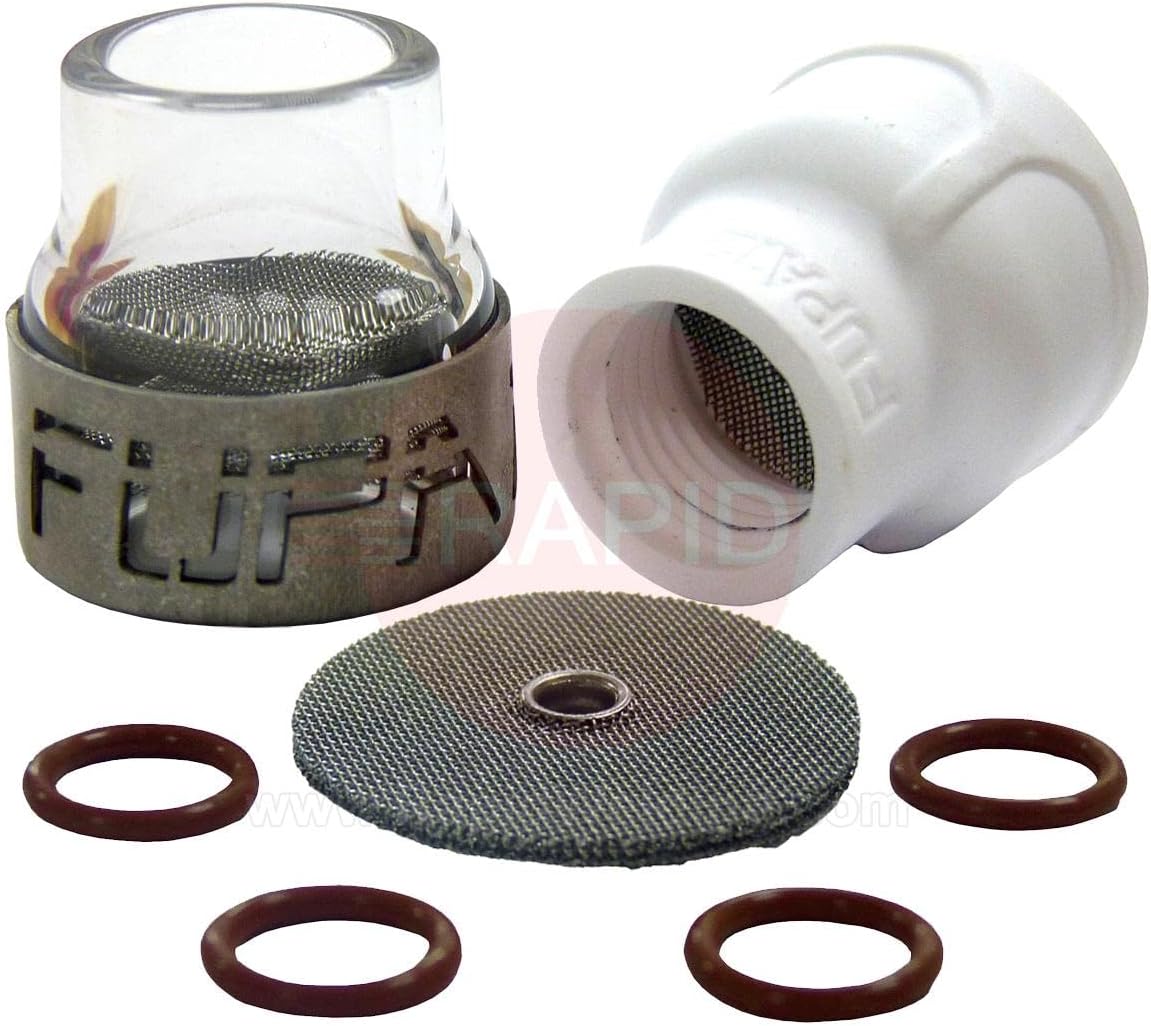
Correct TIG torch consumables affect arc stability, shielding gas coverage, tungsten control, heat handling, and weld consistency. The wrong collet, cup, gas lens, back cap, or tungsten size can cause poor starts, arc wandering, porosity, overheating, loose tungsten, and premature torch damage.
TIG consumables are not universal. Parts must be matched to the torch series, torch head design, tungsten diameter, gas setup, cup style, and manufacturer fitment data. If the torch model, part number, or consumable family cannot be confirmed, the correct compatibility answer is: Unknown (Verify).
Key Takeaways
- Do not order by appearance alone. Many TIG consumables look similar but use different threads, tapers, lengths, or seating surfaces.
- Identify the torch first. Confirm torch series, cooling type, head size, and OEM part number before matching front-end parts.
- Match the full consumable stack. Cup, collet, collet body or gas lens, back cap, insulator, and tungsten diameter must work together.
- Gas lens parts are not always interchangeable with standard collet bodies. Cup style and insulator requirements may change.
- Machine model alone is not enough. A welder may accept several torch assemblies with different front-end consumables.
- Replace damaged consumables early. Burned collets, cracked cups, worn gas lenses, and damaged threads cause repeat weld defects.
Start by Identifying the TIG Torch
The torch determines the consumable family. Before replacing parts, confirm the exact torch type instead of assuming compatibility from the welding machine model.
| Identification Point | What to Check | Why It Matters |
|---|---|---|
| Torch series | Look for markings on the handle, torch head, cable label, or package documentation. | Consumables are usually organized by torch family and head size. |
| Cooling type | Air-cooled or water-cooled. | Water-cooled and air-cooled torches may use different bodies, heads, cables, and duty ratings. |
| Torch head style | Rigid, flex, valve, pencil, modular, or specialty head. | Some head designs require specific insulators, back caps, or cup systems. |
| Amperage rating | Verify from OEM torch documentation. | Undersized torch parts can overheat during high-amperage welding. |
| Connector configuration | Dinse, gas-through Dinse, lug, separate gas line, water lines, remote lead, or proprietary connector. | Important when replacing the full torch assembly, not just front-end consumables. |
| Cable length | Confirm original length if replacing the torch or lead assembly. | Length affects voltage drop, handling, cooling, and machine setup. |
Common TIG torch families are often sold in small-head and large-head groups, but visual similarity does not prove fitment. Always verify the actual torch model and consumable family using OEM documentation or confirmed supplier fitment data.
Know the TIG Consumable Stack
A TIG torch front end works as a stack. If one part is mismatched, the entire assembly may leak gas, fail to clamp the tungsten, or seat incorrectly.
| Consumable | Function | Compatibility Checks | Replace When |
|---|---|---|---|
| Back cap | Compresses the collet and seals the rear of the torch. | Thread type, cap length, torch series, rear seal or O-ring style. | Threads are worn, cap is cracked, O-ring leaks, or tungsten will not tighten. |
| Collet | Grips the tungsten electrode. | Tungsten diameter, torch series, taper style, material, length. | Tungsten slips, collet is split, burned, distorted, or discolored from overheating. |
| Collet body | Holds the collet and directs shielding gas through the cup. | Torch series, thread size, tungsten diameter, standard cup compatibility. | Threads are damaged, gas holes are blocked, seat is worn, or gas flow is uneven. |
| Gas lens | Uses screens or diffusers to improve shielding gas flow. | Torch series, tungsten diameter, cup type, insulator requirements, stickout needs. | Screen is clogged, crushed, contaminated, overheated, or flow pattern is unstable. |
| Cup/nozzle | Directs shielding gas around the tungsten and weld puddle. | Cup thread or slip fit, size, length, material, gas lens or standard body match. | Cracked, chipped, contaminated, overheated, loose, or wrong size for the joint. |
| Insulator/gasket | Seals and electrically isolates parts at the torch head. | Torch head, cup style, gas lens style, shoulder height, seating surface. | Cracked, burned, flattened, missing, or causing gas leaks. |
| Tungsten electrode | Carries the arc and controls arc shape. | Diameter, alloy type, current type, amperage range, polarity, tip preparation. | Contaminated, split, balled incorrectly, unstable arc, or ground to improper geometry. |
Compatibility Verification Checklist
Use this checklist before ordering or installing replacement TIG torch consumables.
| Verification Item | Status to Confirm |
|---|---|
| Torch series | Confirmed from torch marking, OEM manual, or verified supplier fitment data. |
| Machine model | Confirmed if replacing the full torch or connector-side assembly. |
| Connector type | Confirmed for complete torch replacement: Dinse size, gas-through style, lug, water lines, or proprietary plug. |
| Amperage rating | Confirmed from torch and machine documentation. |
| Wire size | Not applicable to TIG torch front-end consumables. For TIG filler rod, verify filler diameter separately from torch parts. |
| Gas type | Confirmed for the welding procedure. TIG commonly uses inert shielding gas, but gas selection must match the application and procedure. |
| Cable length | Confirmed when replacing the torch assembly or lead package. |
| Consumable family | Confirmed for standard collet body, gas lens, large-diameter gas lens, stubby kit, or specialty cup system. |
| OEM part number | Confirmed when available. If unavailable: Unknown (Verify). |
| Connector configuration | Confirmed before replacing any torch package, adapter, or power cable. |
Standard Collet Body vs Gas Lens: Do Not Mix Parts Blindly
Standard collet body setups and gas lens setups may use different cups, insulators, and part lengths. A cup that fits a standard body may not fit a gas lens. A gas lens may also require a different insulating gasket or cup style depending on the torch family.
| Setup | Typical Use | Fitment Risk |
|---|---|---|
| Standard collet body | General TIG welding where standard gas coverage is sufficient. | Using the wrong cup thread or tungsten diameter can cause gas leaks or poor tungsten clamping. |
| Gas lens | Improved gas coverage, longer tungsten stickout, stainless, titanium, or tight joint access when procedure-appropriate. | Requires matching gas lens cup, tungsten diameter, and correct insulator for the torch. |
| Stubby setup | Shorter front-end length for access in tight spaces. | Stubby kits are torch-family specific. Universal fitment: Unknown (Verify). |
| Large gas lens setup | Higher shielding coverage for specific applications. | May require special cups and insulators. Fitment must be verified before installation. |
How to Identify Worn or Incorrect TIG Consumables
Bad TIG consumables often create symptoms that look like gas problems, tungsten problems, or machine problems. Inspect the torch front end before changing machine settings.
| Symptom | Likely Consumable Issue | Inspection Step |
|---|---|---|
| Tungsten slips or moves | Wrong collet size, overheated collet, damaged back cap, worn collet taper. | Confirm tungsten diameter and inspect the collet for cracks, burn marks, and loss of spring tension. |
| Porosity or gray weld surface | Cracked cup, missing insulator, gas lens clogging, gas leak at torch head. | Inspect cup, gasket, collet body holes, gas lens screens, and torch seals. |
| Arc wandering | Contaminated tungsten, wrong tungsten diameter, loose collet, worn collet body. | Regrind tungsten correctly and verify collet/body match. |
| Cup overheats or cracks | Excessive amperage for torch setup, poor gas flow, cup too close, wrong cup style. | Verify torch rating, cup size, stickout, and cooling condition. |
| Gas flow sounds turbulent | Damaged gas lens, blocked holes, wrong cup, missing insulator. | Remove front-end parts and inspect gas passages for spatter, oxide, dust, and screen damage. |
| Back cap bottoms out before tightening | Wrong collet length, wrong back cap, mismatched torch family. | Compare new and old parts side-by-side and verify OEM fitment. |
Step-by-Step Replacement Procedure
- Shut down the machine. Turn off welding power and shielding gas before disassembly.
- Let the torch cool. Ceramic cups, collets, and torch heads can stay hot after welding.
- Remove the back cap. Loosen slowly and remove the tungsten so it does not fall or break.
- Disassemble the front end. Remove the cup, collet body or gas lens, collet, and insulator if needed.
- Inspect every sealing surface. Look for cracked ceramic, burned O-rings, damaged threads, missing insulators, and clogged gas passages.
- Compare old and new parts. Confirm length, taper, thread, tungsten diameter, cup fit, and torch family.
- Install the matching collet body or gas lens. Thread it in by hand first. Do not force mismatched threads.
- Install the correct collet. Match the collet to the tungsten diameter being used.
- Insert clean tungsten. Use the tungsten alloy, diameter, and tip preparation required by the welding procedure and machine manufacturer.
- Tighten the back cap gently. Tighten enough to hold the tungsten securely. Excessive force can distort the collet.
- Install the correct cup. Confirm that it seats squarely and does not wobble.
- Check gas flow. Test flow with the torch pointed away from people and confirm stable shielding before welding.
- Run a test bead. Verify arc stability, gas coverage, tungsten hold, and torch temperature before returning to production work.
How to Avoid Ordering the Wrong TIG Torch Consumables
- Do not rely only on cup color. Cup material and color do not confirm thread or torch fitment.
- Do not rely only on torch handle shape. Handles are often replaced and may not identify the torch head.
- Save old parts until fitment is confirmed. Compare dimensions, threads, and seating surfaces before discarding the original consumables.
- Match tungsten diameter across the whole stack. Collet and collet body or gas lens must match the electrode diameter.
- Verify gas lens kits carefully. Gas lens conversion may require a different cup and insulator.
- Use OEM part numbers when possible. If the part number cannot be verified, mark the fitment as Unknown (Verify).
- Check full torch replacement separately. Front-end consumables and machine-side connectors are different compatibility questions.
Common Replacement Mistakes
</
| Mistake | Result | Correction |
|---|---|---|
| Installing the wrong collet diameter | Tungsten slips, arcs inconsistently, or will not tighten. | Match collet size to tungsten diameter. |
| Using a standard cup on an incompatible gas lens | Poor seating, leaks, or damaged threads. | Verify cup family for the gas lens being used. |